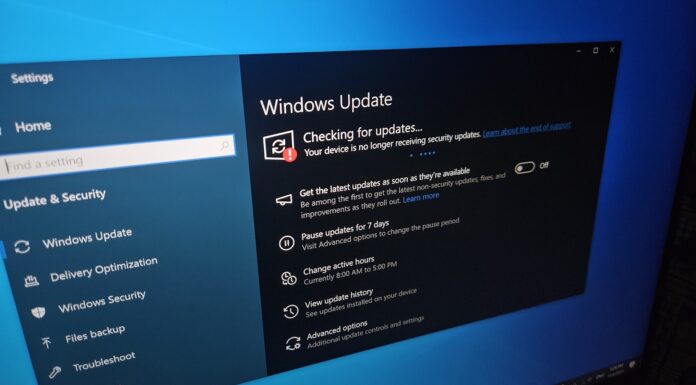




The most-viewed video on Microsoft’s official Windows YouTube channel is basically an ad that tells us “Windows 10 support has ended” and so we must move to Windows 11. It has a staggering 674 million views since October 31, 2025.
Funnily enough, the video asking people to upgrade to Windows 11 has about 48 times more views than Microsoft’s “Introducing Windows 11” video, which has around 14 million. The top comment, which was also shown in a Linus Tech Tips video, tells the general consensus people have about Microsoft’s desktop OS with a billion users.
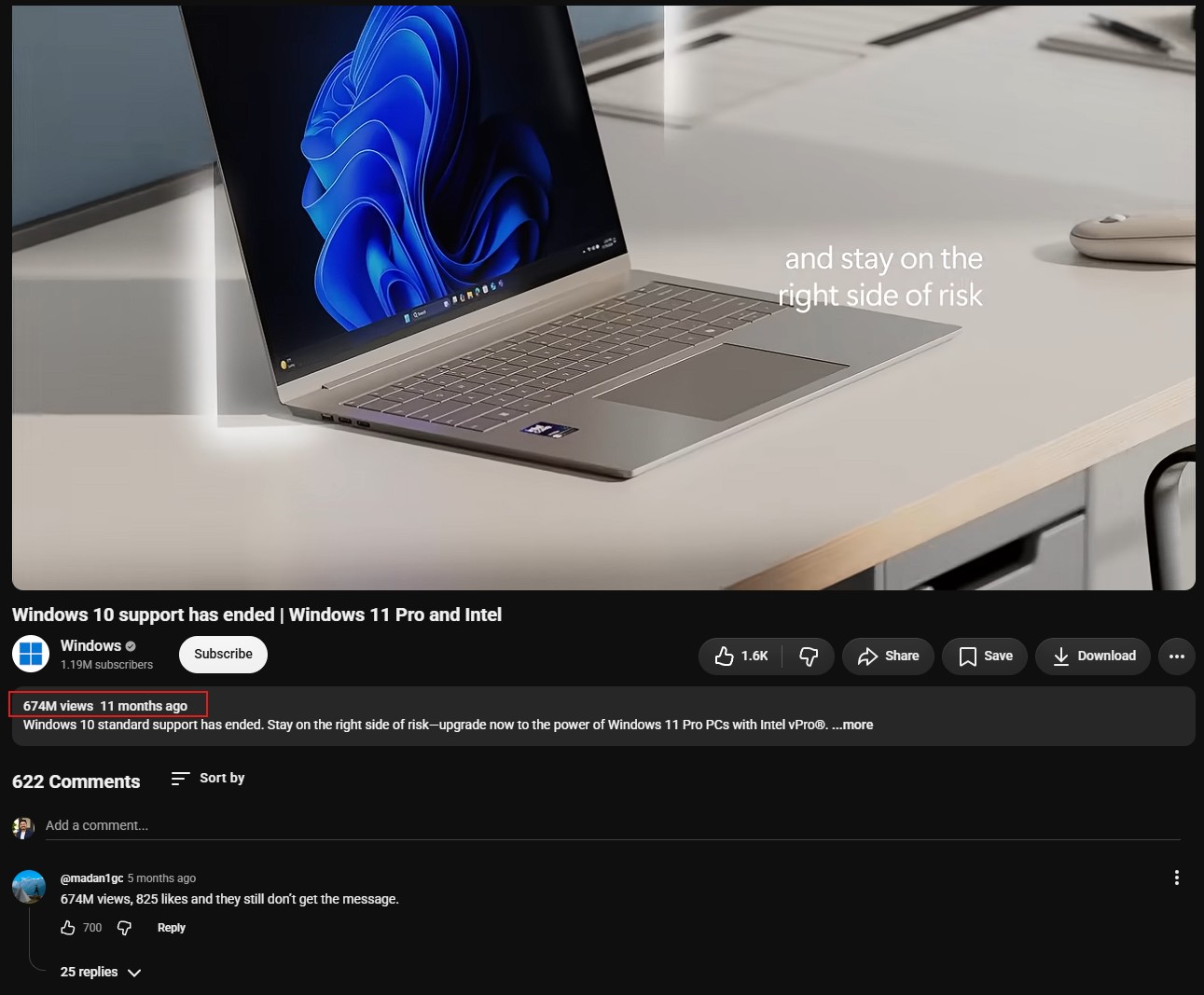
“674M views, 825 likes and they still don’t get the message.”
So, what is it that’s holding users to Windows 10, which Microsoft doesn’t seem to understand, despite their feeble efforts (at least, on the outside) to fix Windows 11?
Windows 10 users still have good reasons to resist Windows 11
I suspect most of those views came from ads, as the video promotes Windows 11 Pro PCs with Intel vPro, and YouTube counts some ad views toward a video’s public view count. Either way, the comments are emotional, for lack of a better word: “We’ll never forget what you’ve taken from us,” one person wrote, while another asked, “how are there 674M views on this??”
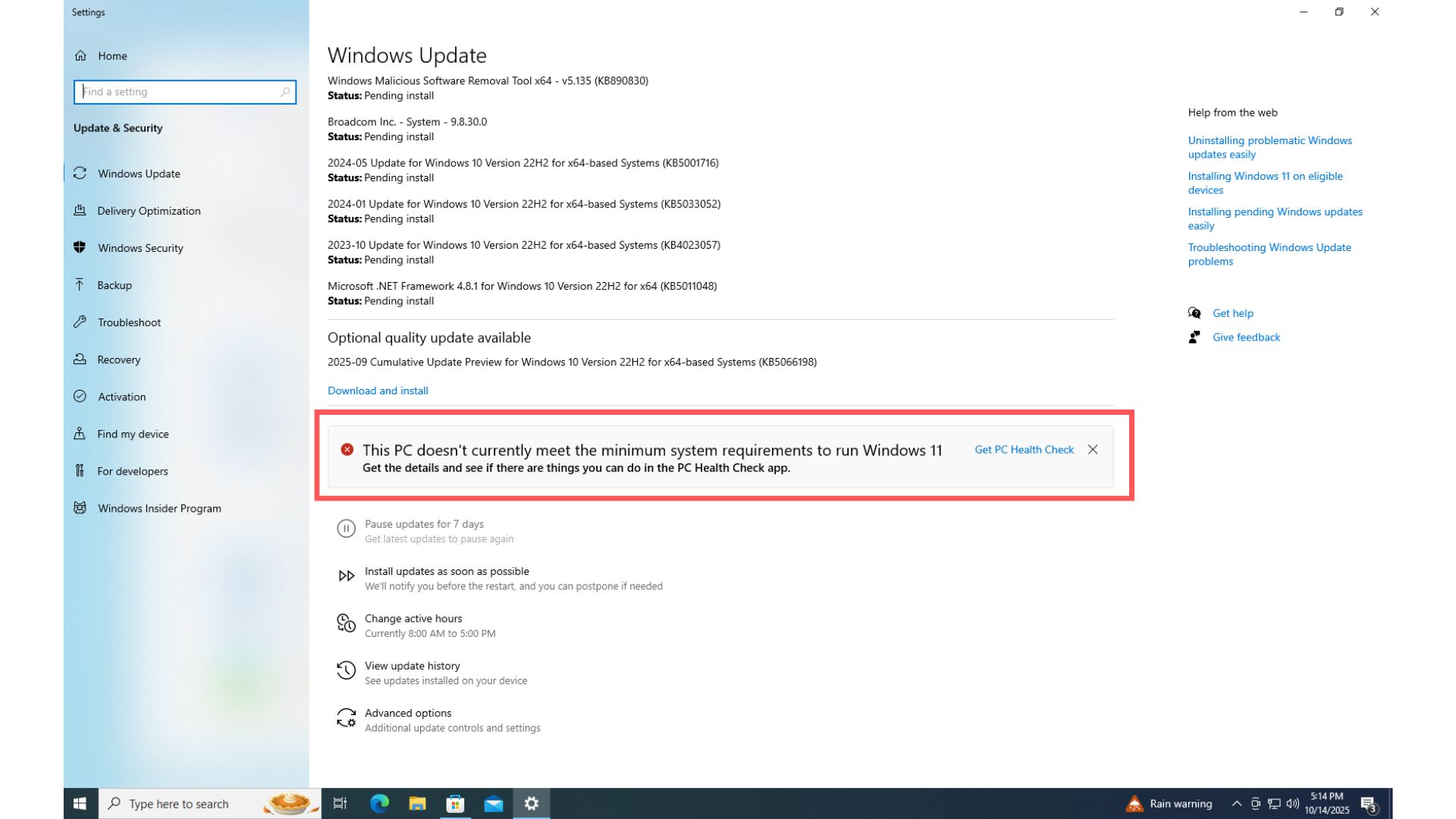
The first hurdle is hardware. Windows 11 requires TPM 2.0, UEFI with Secure Boot and a supported 64-bit processor, so plenty of PCs that run Windows 10 just fine can’t officially upgrade. “Hey jst quick question, what if im broke,” tells one comment under the video, and it’s a fair question when RAM and storage prices are skyrocketing because of AI (which Microsoft was a frontrunner for).
Then there’s RAM usage, which is what most people hate most about Windows 11. Microsoft itself has admitted Windows 11 is a memory hog, and Windows chief Pavan Davuluri cited the rising cost of memory as the reason it’s working on the problem.
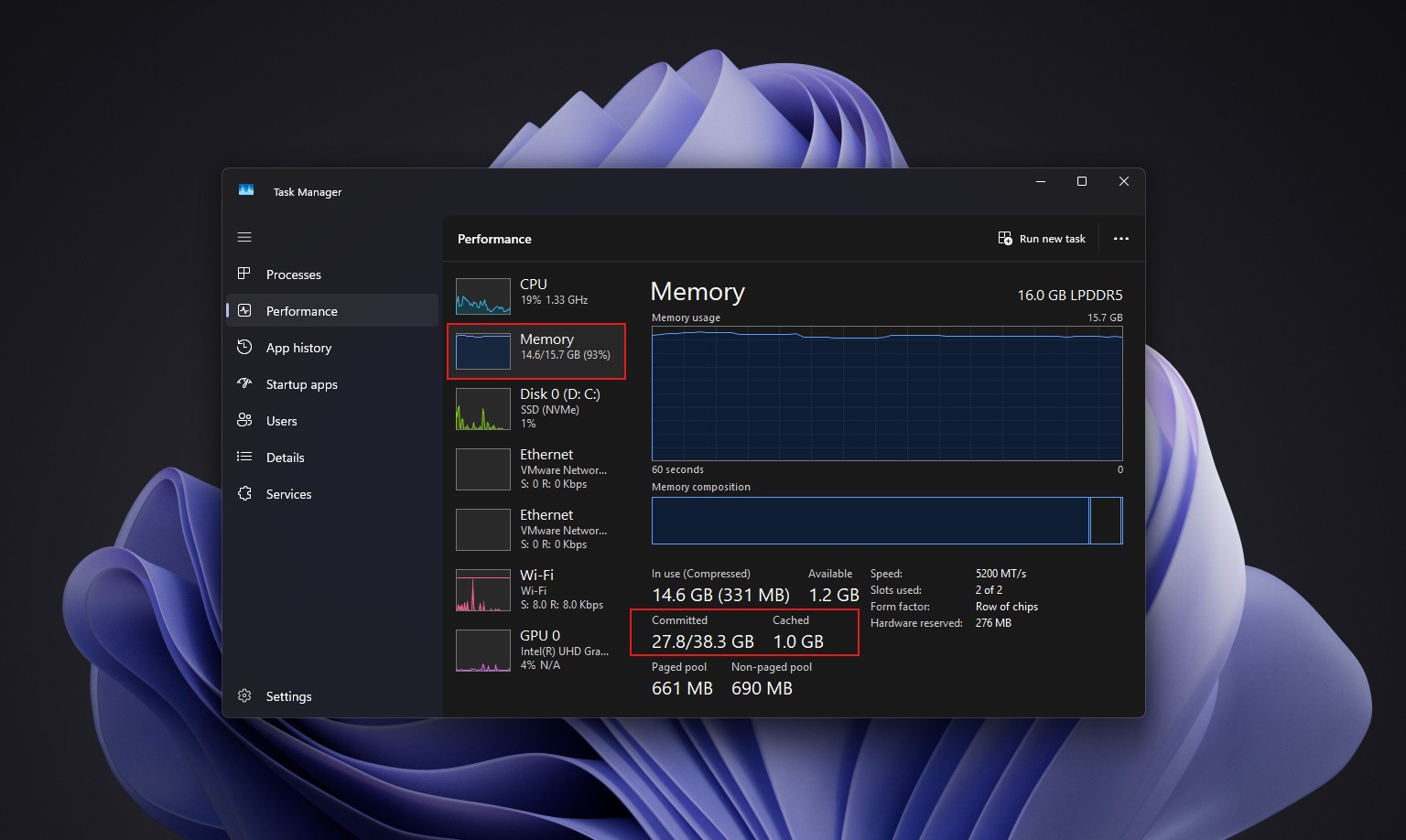
We also found that Windows 11 still gets a considerable amount of bugs every month, when compared to Windows 10, which is mostly stable.
| Feature | Windows 10 | Windows 11 |
|---|---|---|
| Hardware requirements | Supports many older PCs | Requires TPM 2.0 and a supported CPU |
| RAM usage | Often lighter on older PCs | Higher demands on some PCs; improving |
| Local account setup | Available during setup | Microsoft account required by default |
| Taskbar flexibility | Drag to move and resize | Reposition through Settings |
| Setup experience | Fewer setup prompts | More prompts and online requirements |
| Ads and upsells | Some recommendations | More visible promotions and suggestions |
| AI integration | Less integrated AI | More Copilot and AI features |
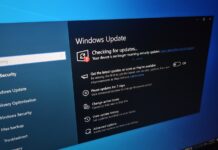
| Security updates | ESU through October 2027 | Ongoing support |
With 71 likes, another comment shows what users prefer instead of listening to Microsoft: “Time to Upgrade to Windows 10 LTSC or Linux.”
Windows 11 looks better, but Microsoft took away what worked
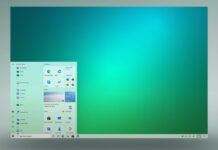
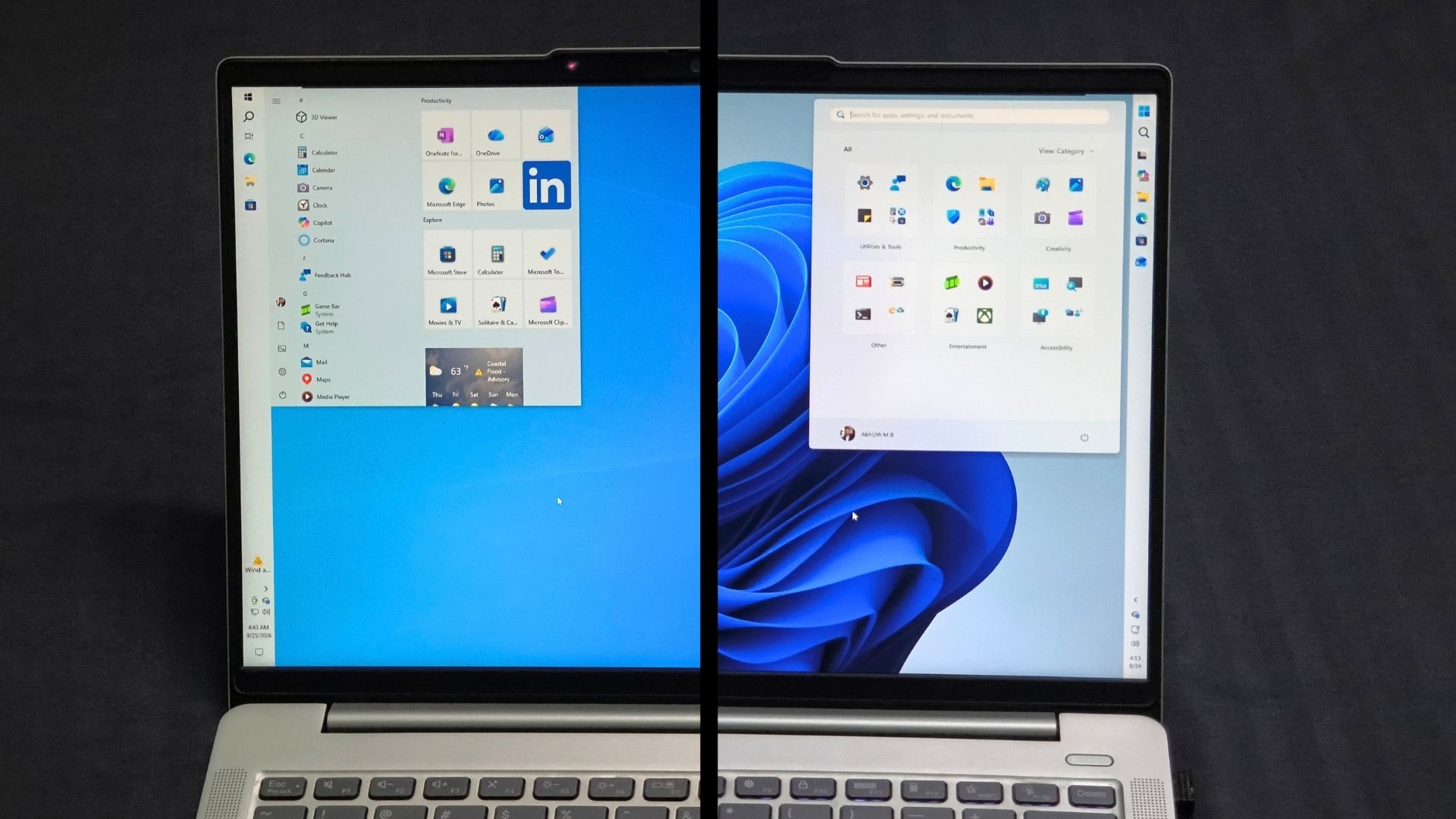
To be fair, Windows 11 looks better, and I’d pick its design over Windows 10’s any day. Windows 10 wasn’t loved at launch either. In 2015, The Register wrote that “Microsoft’s inability to decide upon, or enforce, basic UI guidelines leads to inconsistencies throughout.”
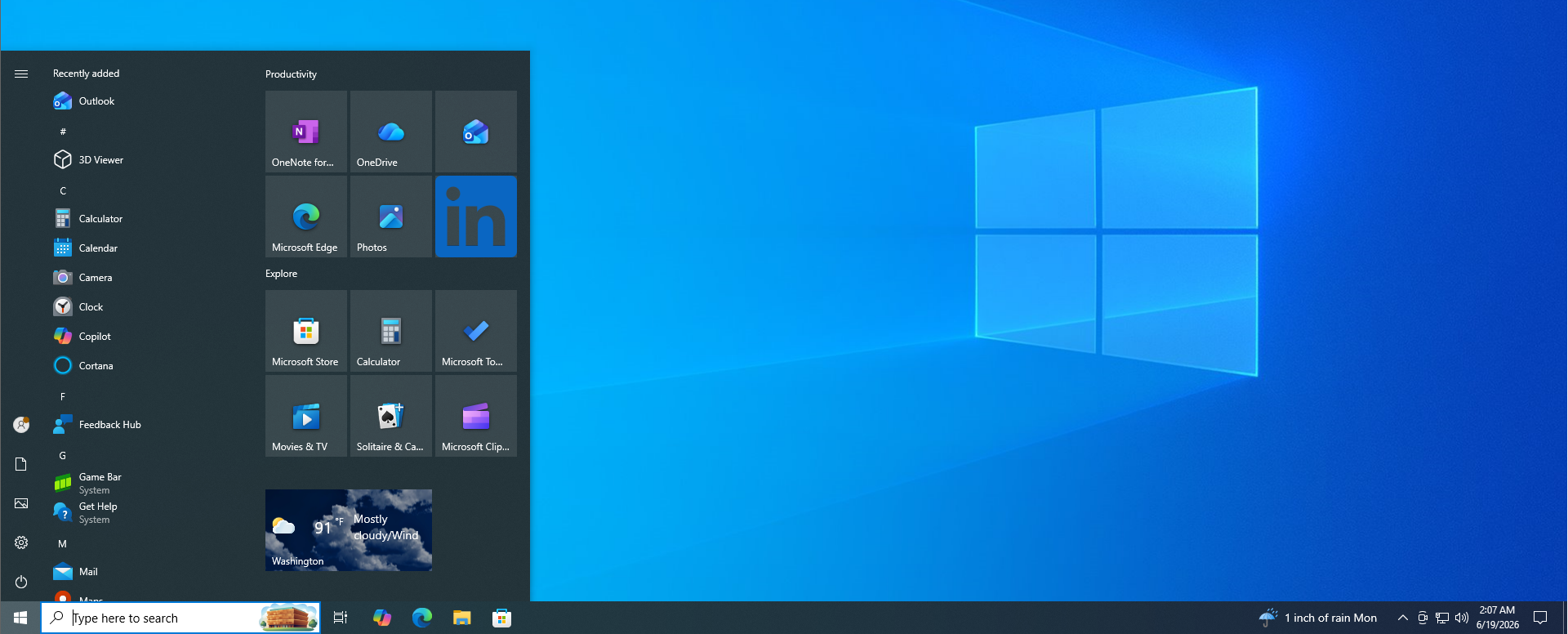
When Microsoft introduced Windows 11 in 2021, it promised a design that’s “modern, fresh, clean and beautiful,” built to “bring a sense of calm and ease.” Ironically, getting there meant dropping Windows 10 features like the movable taskbar, because “we rebuilt the taskbar from scratch,” as Microsoft’s Tali Roth explained in 2022.
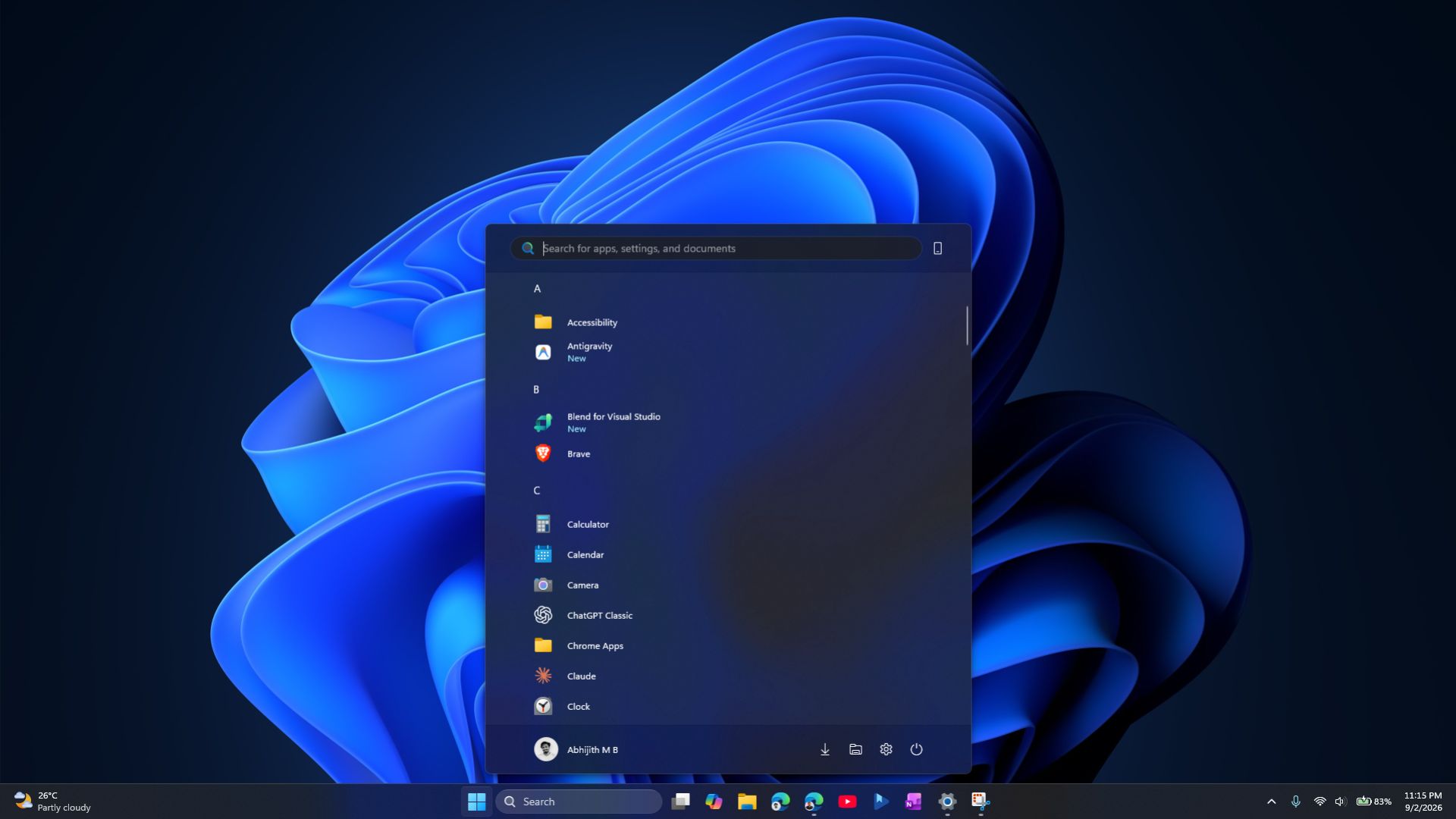
The movable taskbar came back after five years, but you still can’t drag it to another edge like you could in Windows 10. I used to drag mine to the side while reading, writing, or working in Excel, and back to the bottom for PowerPoint. Now, I leave it vertical all the time, because going to Settings every time is too cumbersome.
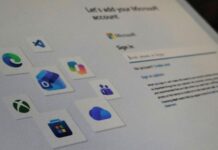
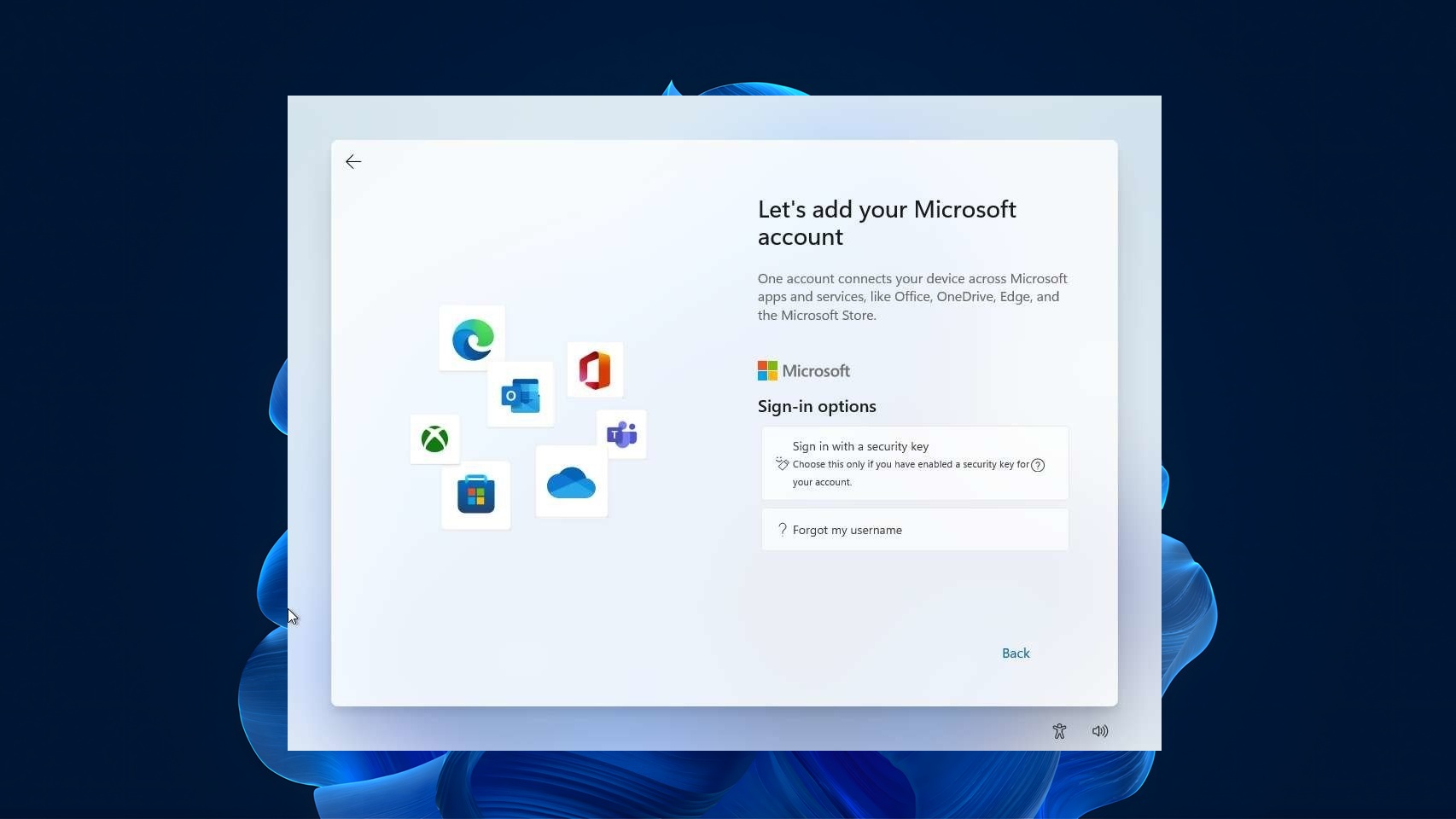
Setting up the OS is the worst, at least for me. My Windows 10 virtual machine took minutes to set up with a local account. Every time I create a Windows 11 VM to test a new feature, it takes over an hour, with Microsoft 365 and Game Pass upsells, a loading spinner on almost every page, and a forced Microsoft account.
And once you’re in, Copilot upsells are waiting for you. Yes, Windows 11 has far more upsells than Windows 10, which was when Microsoft got comfortable with this habit.
Microsoft is fixing Windows 11, but it has a perception problem
Microsoft has promised to make Windows 11 faster and drop ads, and the work is showing. In their October 15 blog post, Microsoft says Windows 11 is up to 20% more responsive in Start, Search, Settings, and File Explorer, and that 8GB PCs can keep up to 2GB more active data in memory. On PCs with 8GB of RAM or less, Widgets no longer preload in the background, freeing over 200MB.
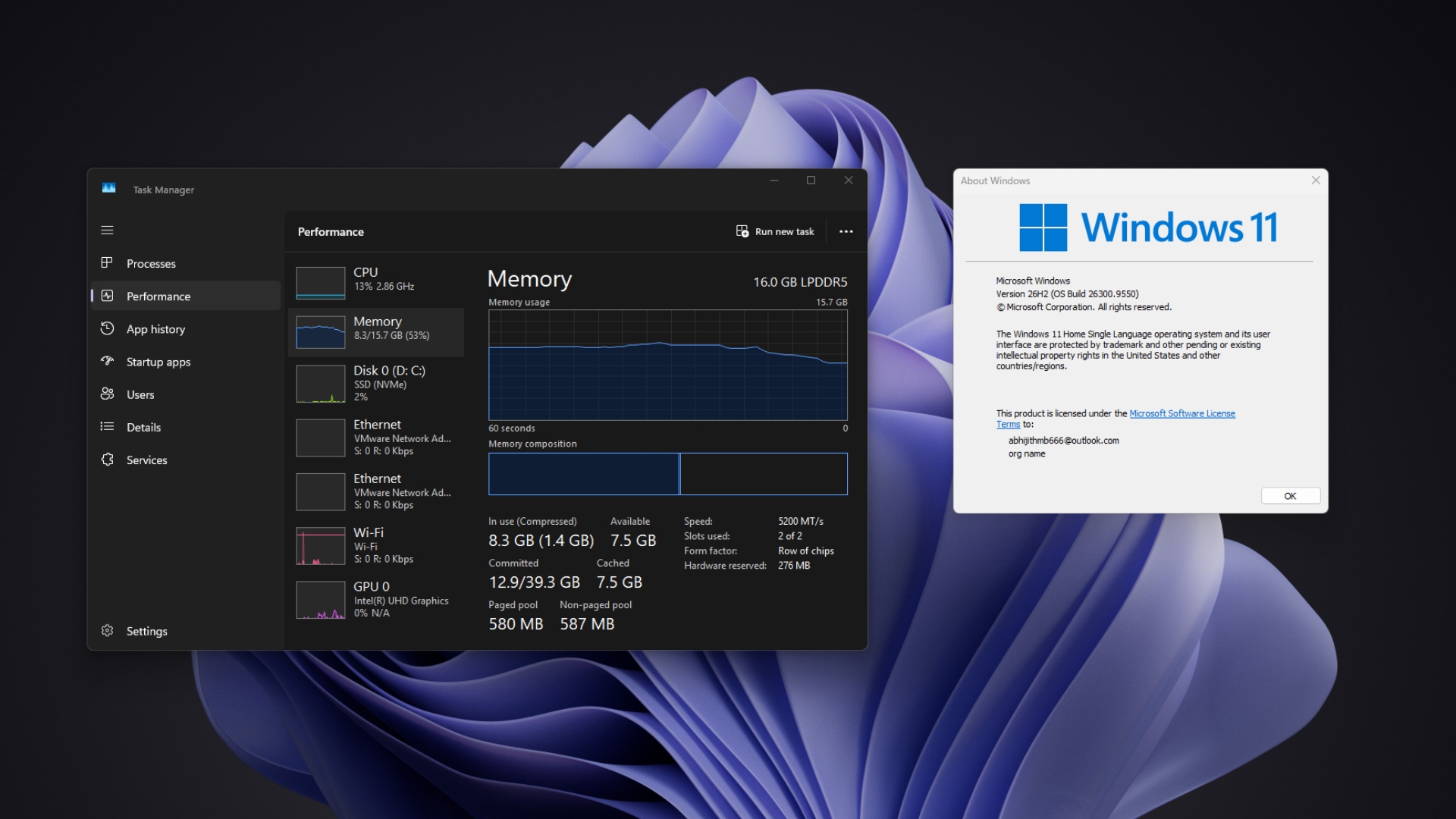
We also saw up to 2GB lower RAM usage after a restart with Windows 11 26H2, and the icing on the cake is that WinUI is getting lighter as Microsoft rebuilds more of the OS on it.
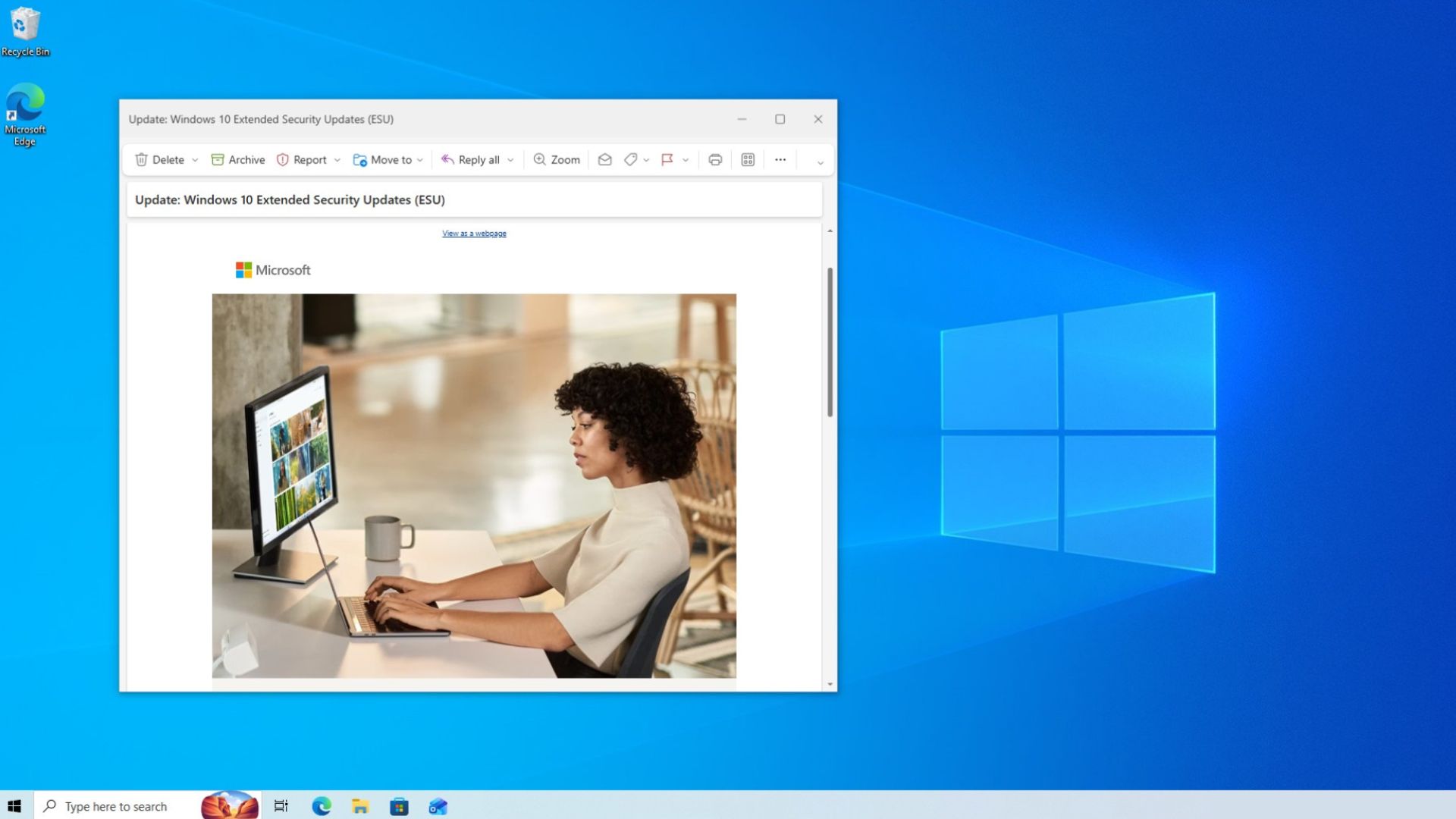
Even Microsoft knows plenty of people aren’t moving yet. It extended free Windows 10 security updates for personal PCs until October 12, 2027, saying moving to a new PC takes time.
In my opinion, the bigger problem is perception. Five years of RAM complaints, missing features, setup upsells, and AI everywhere have stuck in our minds, and a 20% speed boost won’t undo that overnight. Until Windows 11 feels lighter than the OS it replaced, comments like that 674M-view one will keep getting the likes Microsoft’s videos don’t.