




Windows 11 shipped in 2021, and five years later, Microsoft seems to have made peace with the fact that Windows 10 refuses to die. Hardcore Windows 10 holdouts may never abandon ship, largely because they don’t see Windows 10 as a sinking ship in the first place, even as extended support enters its final stretch in 2027.
My theory aligns with the numbers we’re seeing from OEMs, IT management companies like Lansweeper, and even Microsoft’s recent earnings call.
Windows is no longer the cash cow for Microsoft as it used to be, but it’s still the platform that helps the company sell products to enterprises, such as Microsoft 365 and even Copilot. It’s also why Microsoft is reviving Windows 11 in 2026, as a bad Windows can also hurt its enterprise customers.
Windows 11 vs Windows 10 has been a major debate since 2021, but Microsoft won’t outright tell you the exact numbers for how well Windows 11 is doing or how the migration is going, so we don’t have first-party market share numbers.
Most analysts have relied on indirect methods to measure Windows market share, and one of the most famous is StatCounter, a web analytics company that can sometimes show Windows 8.1 or Windows 7 suddenly eating into Windows 11’s market share. I don’t take StatCounter numbers at face value because it’s not meant for OS version tracking.
Nobody should be trusting random stats just because they fit their beliefs, but I’ve got some independent numbers that seem to prove how Microsoft is struggling to kill Windows 10.
IT management company Lansweeper says Windows 10 just can’t die
Lansweeper, which is an asset tracking service that scans real enterprise hardware, says Windows 10 still has approximately 17% market share. That means roughly one in six PCs in the enterprise ecosystem uses Windows 10. Unlike consumers, enterprises have the option to replace PCs in bulk, but even then, they’re refusing to fully embrace Windows 11.
It’s not like Windows 10 stopped losing market share years ago. It actually lost a huge chunk in 2025 when it was approaching the end of support. About half of PCs were running Windows 10 in early 2025, but the number dropped to approximately 40% as October 2025 approached, and it’s now at roughly 17%, a year later.
Of those 16.9% of Windows 10 PCs, healthcare, pharma, and consumer retail account for a large chunk of the unsupported estate. These PCs will eventually become more vulnerable, and the Windows 10 vulnerability gap is already 2.9× higher compared to Windows 11.
Windows 10 and Windows 11’s current market share based on enterprise PC data
| Metric | Number |
|---|---|
| Windows 10 share | 16.9% |
| Windows 11 share | 78.8% |
| Active CVEs on Windows 10 | 1,903 |
| Active CVEs on Windows 11 | 652 |
| Windows 10 vulnerability gap | 2.9× higher |
The numbers are unlikely to change dramatically, as neither Microsoft nor OEMs expect Windows 10’s share to suddenly collapse. This is also in line with what Lansweeper is saying.
“Windows 10 still runs on 16.9% of Windows clients, and they are proving stubborn. The easy migrations are done. What’s left is the hard core: devices that haven’t moved because they can’t, or won’t,” Lansweeper noted in a new report.
Among businesses, who is actually using Windows 10?
| Group | Windows 10 share |
|---|---|
| Healthcare & pharma | 23.0% |
| Consumer & retail | 22.7% |
| SMBs | 21.4% |
| Manufacturing | 18.0% |
| Enterprises | 16.6% |
How risky is Windows 10 compared to Windows 11 despite the ESU?
| Risk | Number |
|---|---|
| High or critical CVEs | 66.6% |
| Known exploited CVEs | 2.4% |
| Exploitability vs Windows 11 | 1.7× higher |
| Industrial firms hit by security incidents | 43% |
Windows 10 PCs that can’t upgrade due to hardware issues, and OEMs expect will eventually be replaced, resulting in continued refresh momentum:
| Group | Can’t move to Windows 11 |
|---|---|
| Consumer & retail | 7.8% |
| Transport & logistics | 6.1% |
| Enterprises | 3.8% |
| Manufacturing | 3.0% |
| Healthcare | 1.1% |
Out of the roughly 17% of PCs running Windows 10, about 14% are receiving ESU patches, which means roughly 2% of PCs have even refused to embrace ESU and are running a vulnerable operating system.
“A Windows 10 device carries an average of 1,903 active CVEs, against 652 on Windows 11. That’s a 2.9x gap, and it widens with every Patch Tuesday that fixes Windows 11 and leaves Windows 10 untouched,” the IT management company warned.
HP confirms Windows 10 refuses to die
Every quarter, I read the financial reports of Microsoft’s OEM partners in the hope that they would make a comment about Windows 11. Thankfully, in May 2026, HP told its investors that Windows 10 is still widely used and said that at least three in ten PCs in its installed base run the outdated operating system.
It makes sense because those who wanted to quit Windows 10 for one reason or another, such as gaming, have mostly done it. Now, we’re looking at the hardcore or stubborn customers refusing to let Windows 10 die.
“We did see good growth in both EMEA and APJ this quarter. And some of that was driven by the expected tailwinds from Win 11. And I would say, at this point, we have roughly 30% of the installed base still on Windows 10,” Karen L. Parkhill, Executive Vice President and Chief Financial Officer at HP, told investors.
However, HP says the Windows 11 refresh cycle is still generating PC sales in certain regions, such as Asia and Europe, which may be slowly catching up. It’s one thing for Windows 11 to sell more PCs, but it’s another for people to dump Windows 10 and move to Windows 11, either by upgrading the software or replacing the hardware.
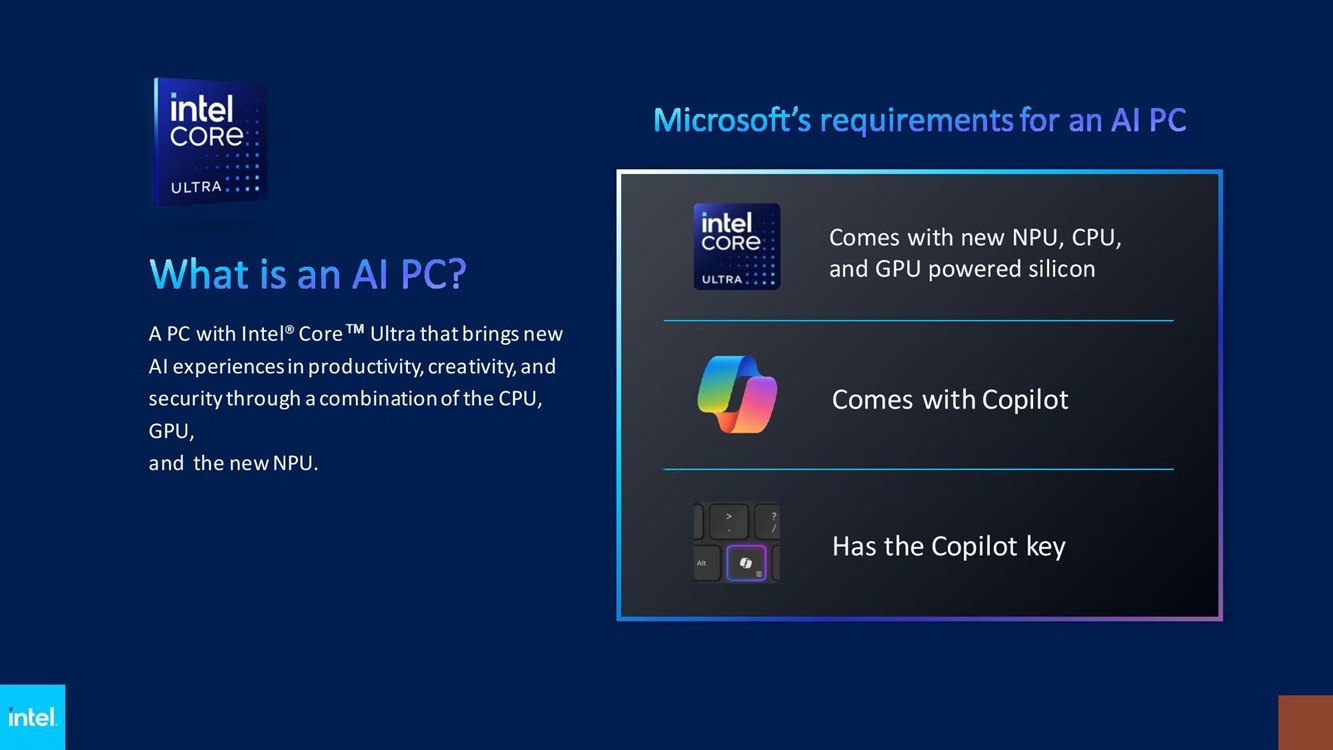
HP argues that Windows 11 growth is now also being driven by the AI PC transition, and it recorded “double-digit growth” in “both consumer and commercial” Personal Systems.
HP is still hopeful that Windows 10 holdouts will have to upgrade one day, so it sees the roughly 30% of the installed base still waiting to be refreshed as an opportunity.
“One, still Windows 11, 30% of the installed base is still to be refreshed. So, that’s one tailwind, which we see as an opportunity in the short run,” Ketan Patel, President of HP’s Personal Systems business, said.
“But in both the short run and long run, as a lot of customers are moving workloads to the edge with the rising cost of accessing AI, that’s a great opportunity.”
What is Microsoft telling us about Windows 10’s market share?
Microsoft officially only says that Windows is on 1.6 billion active PCs, which is a huge number, but that does not necessarily mean people have moved on from Windows 10.
As I noted, Microsoft won’t provide a breakdown of Windows usage share, but I recently spotted a statement in its quarterly report that validates what we’re hearing from HP and Lansweeper.
In the quarterly report, Microsoft said Windows OEM and Devices revenue decreased by 7%, while Windows OEM revenue dropped by 5%. Is it because PC makers shipped fewer devices? Or is it because of RAM and supply chain issues? Possibly, but Microsoft’s own explanation also points to the Windows 10 end-of-support boost fading away.
Most of the recent Windows 11 growth was driven by Windows 10 reaching the end of support, but with the remaining Windows 10 users refusing to quit and AI PCs not exactly booming, that tailwind is getting weaker.
“Windows OEM and Devices revenue decreased 7%, and Windows OEM decreased 5% driven by lower PC market demand and a high prior-year comparable that benefited from Windows 10 end of support,” Microsoft confirmed during the earnings call, as first reported by Windows Latest.
“Results were ahead of expectations as OEM and channel partners continued to build inventory given increasing component prices.”
Windows 10 just won’t die, and Microsoft may have accepted it
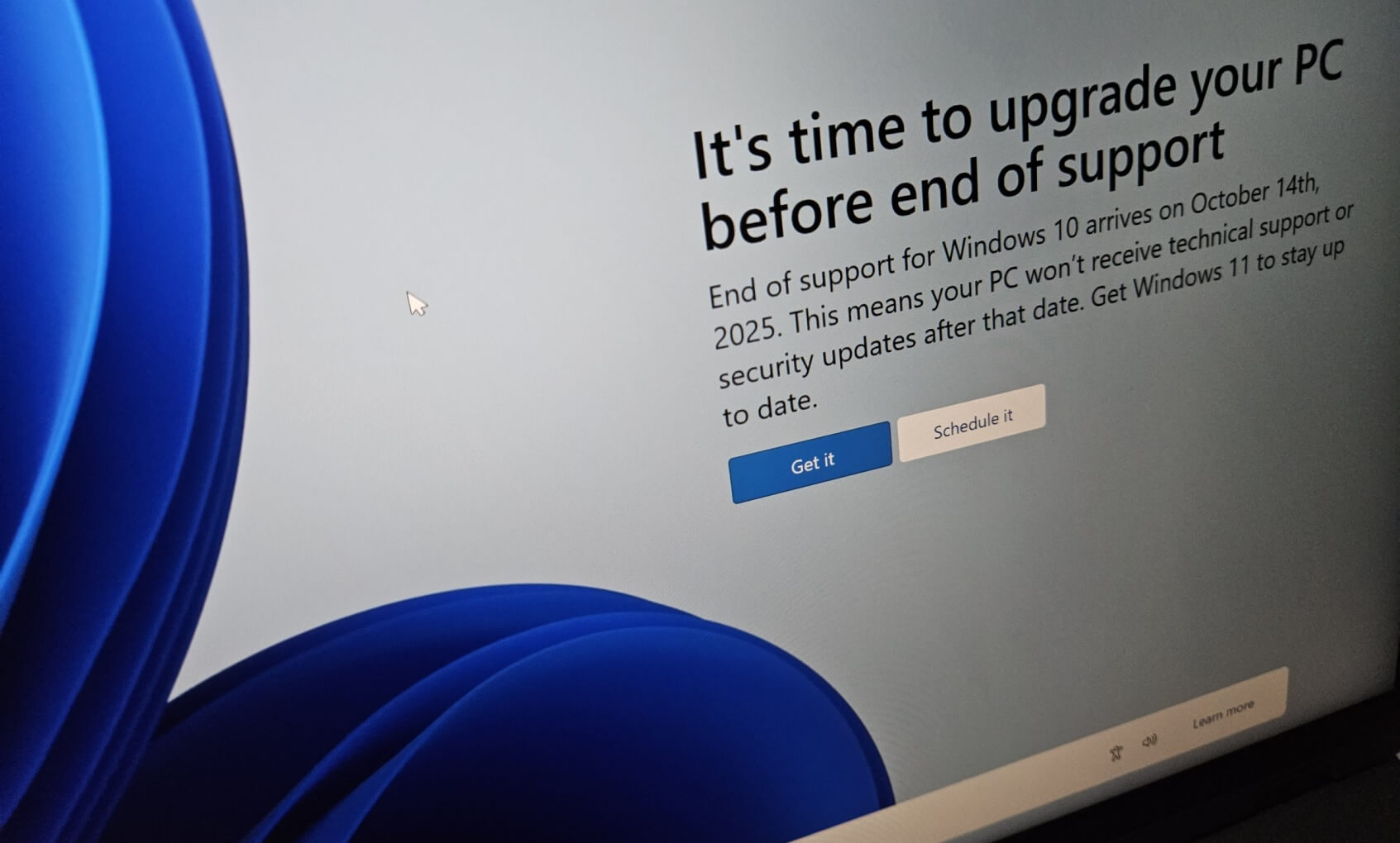
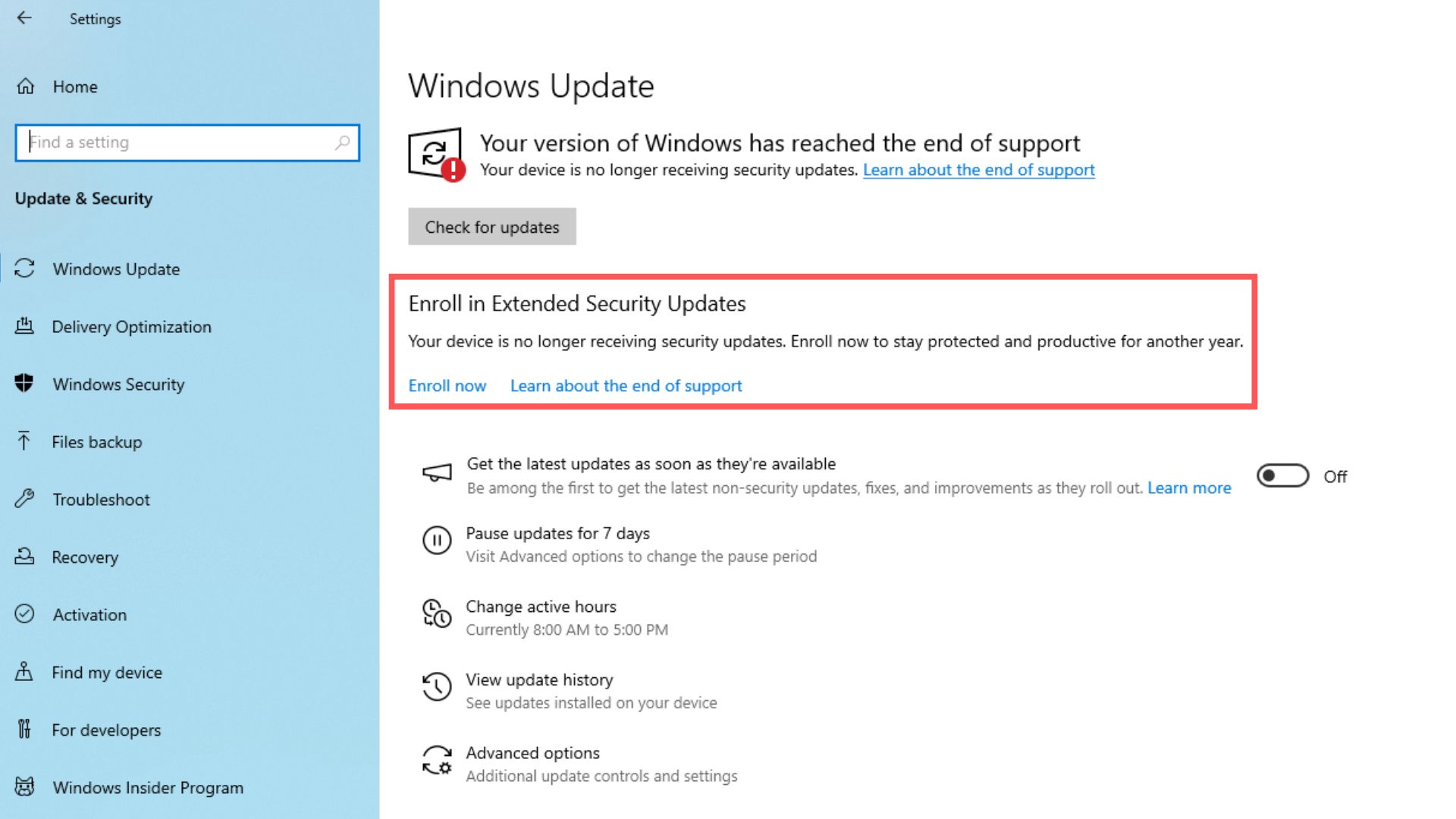
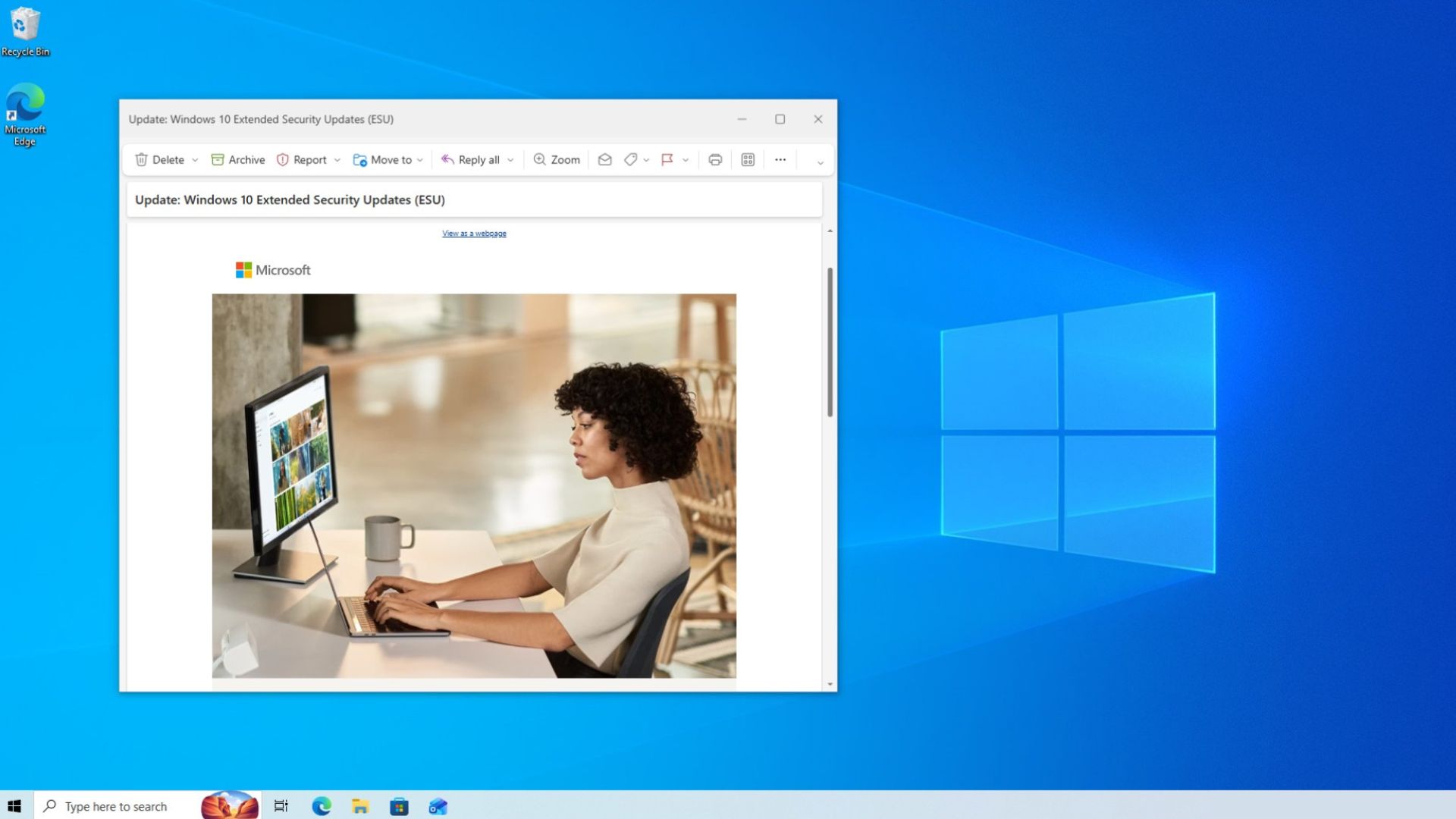
Five years after Windows 11 launched, Microsoft has already used the biggest lever it had to move people away from Windows 10, and that is ending support. It worked to some extent, but when the company realized users were refusing to give it up, it gave consumers extended security updates.
Windows 11 is now the default on practically every new PC, and we still come across full-screen nudges. However, a stubborn chunk of the Windows 10 installed base remains and might do so even after October 2027.
At this point, Microsoft can keep warning users, extending security updates, and asking OEMs to sell more Windows 11 PCs, but the people who are still on Windows 10 increasingly look like the group that simply doesn’t want to move.