



This is the day that we’ve been waiting for. We finally have official confirmation from Microsoft that they are making Windows 11 fast and responsive for PCs with 8GB RAM. The work is ongoing, and we’ll see the improvements coming to all PCs by the end of 2026.
The announcement comes just two days after Satya Nadella told investors on Microsoft’s earnings call that the company is investing in Windows 11’s quality and fundamentals. Turns out the CEO wasn’t just talking in vague corporate language. Memory optimization is one of the concrete things Microsoft is now putting its name behind.
There was a time in the PC world where 8GB RAM was seen as overkill. There was also a time, not too long back, when 8GB was the sweet spot. Then came Windows 11, with its 4-gigabyte minimum system requirement, only to make 16GB the baseline for Copilot+ PCs, now considered one of Microsoft’s biggest fiascos.
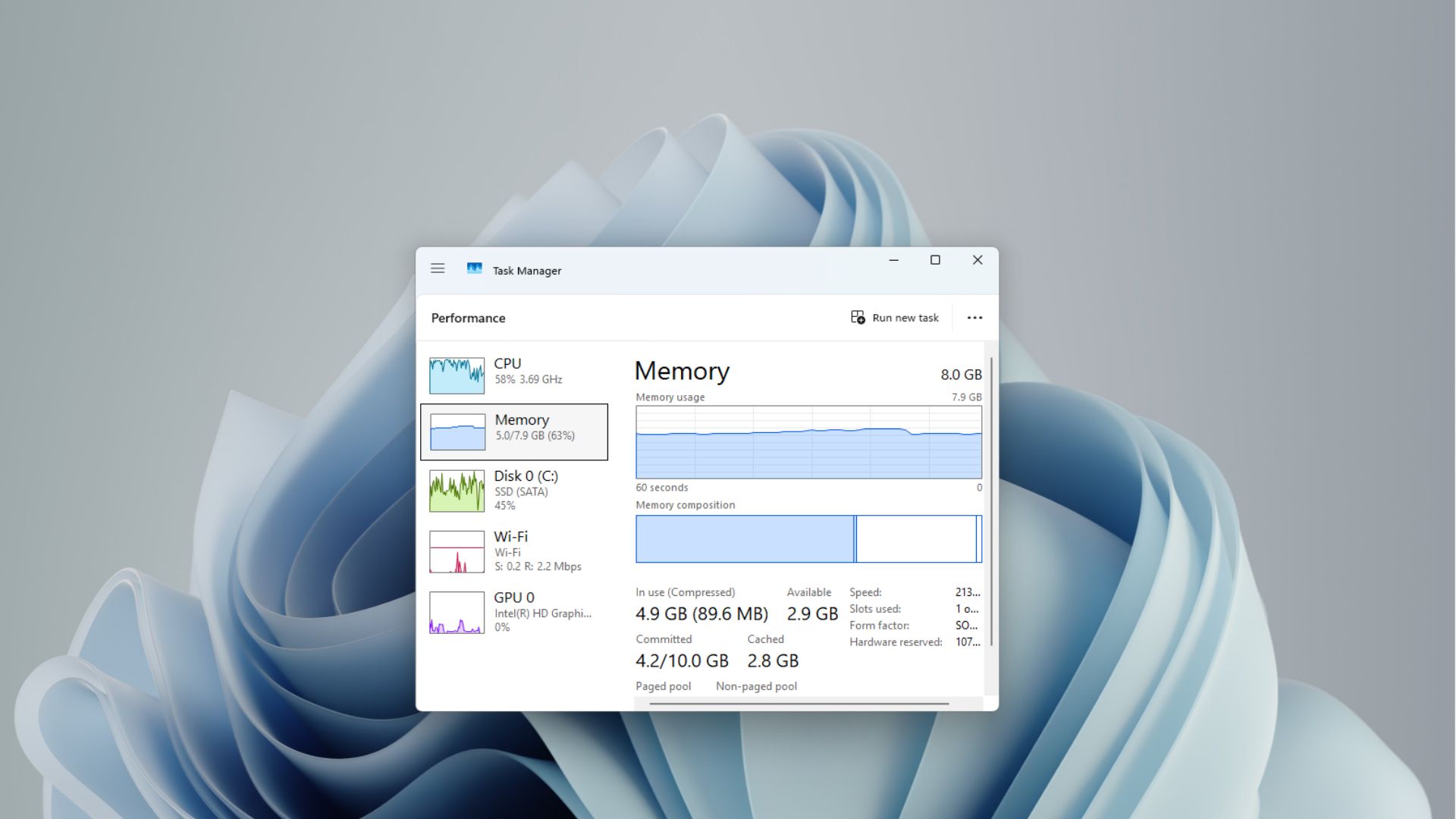
AI is the reason RAM suddenly became everyone’s problem. Local AI models eat memory for breakfast, RAM prices went up because manufacturers redirected supply toward AI data centers, and suddenly the industry that spent a decade telling you to just buy more memory whenever something felt slow is being forced to optimize software again.
It’s a strange kind of throwback with developers having to make do with less, and Microsoft, with the world’s most popular desktop OS, has to do the biggest work.
Microsoft confirms Windows 11 memory optimization is coming for 8GB PCs and up
Pavan Davuluri, President of Windows and Devices, posted an update on X continuing Microsoft’s commitment to Windows quality first made back in March. Davuluri laid out four areas Microsoft is focusing on through the end of 2026, and memory optimization is by far the biggest one, for obvious reasons. Here’s exactly what Microsoft said:
“Memory optimization for 8GB and above. Reducing Windows memory footprint to deliver a fast and responsive Windows experience across the PCs customers use every day.”
Microsoft is finally admitting that Windows 11 itself, not just the apps running on top of it, is part of the reason 8GB PCs struggle. It just can’t be fixed with a driver fix or a tweak in the background services. Microsoft is now going after how much memory the OS claims for itself before you’ve even opened anything.
Why Windows 11 needs RAM optimization
Windows 11 has been a memory hog for years, and it’s not a mystery why. A big part of it is WebView2, the Chromium-based engine Microsoft used to develop large parts of the OS and its own first-party apps. Every WebView2 instance is essentially a mini browser tab running in the background, scattered across Widgets, Settings, inbox apps, the Start menu, and even Windows Search.
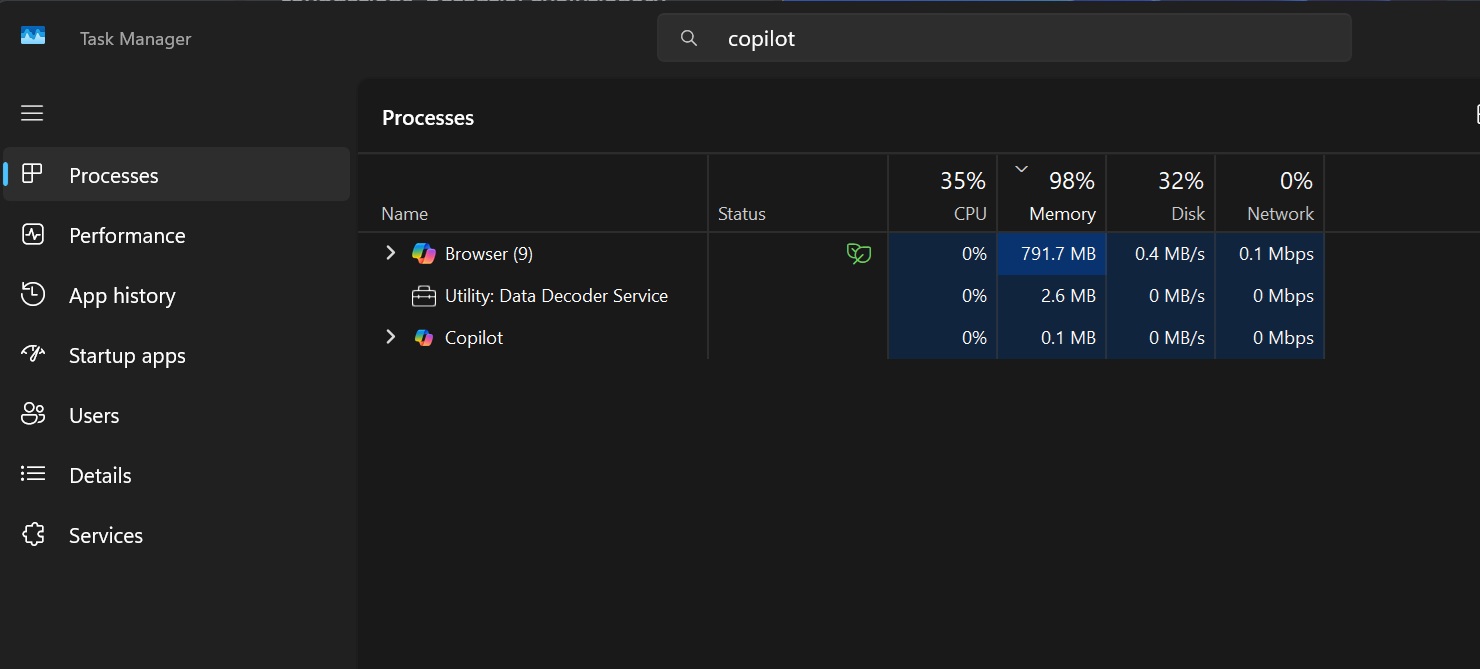
Tragically, popular third-party apps followed the same playbook. Electron and WebView2 wrappers now dominate desktop software, and each one carries its own bundled browser engine instead of sharing system resources efficiently.
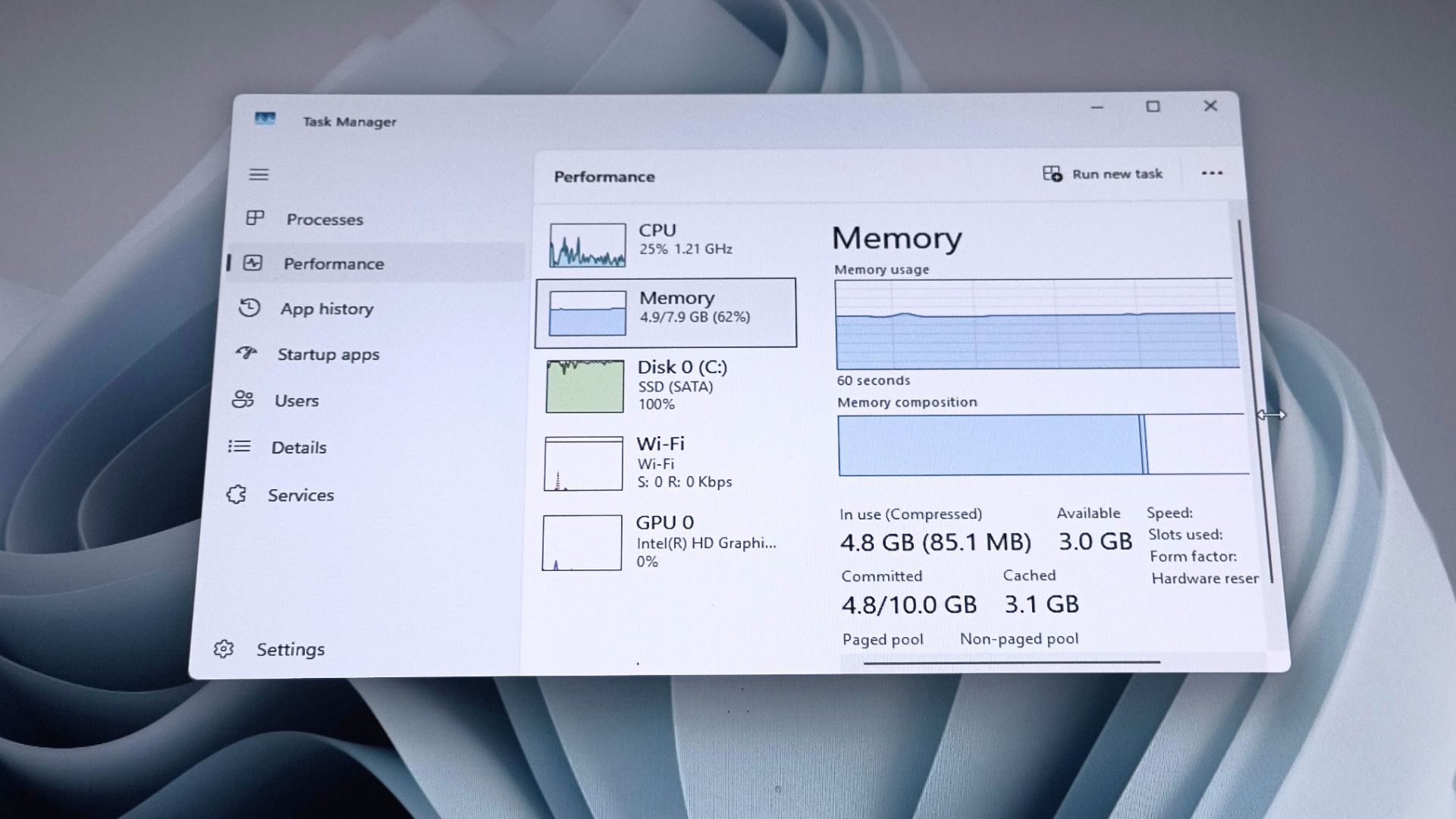
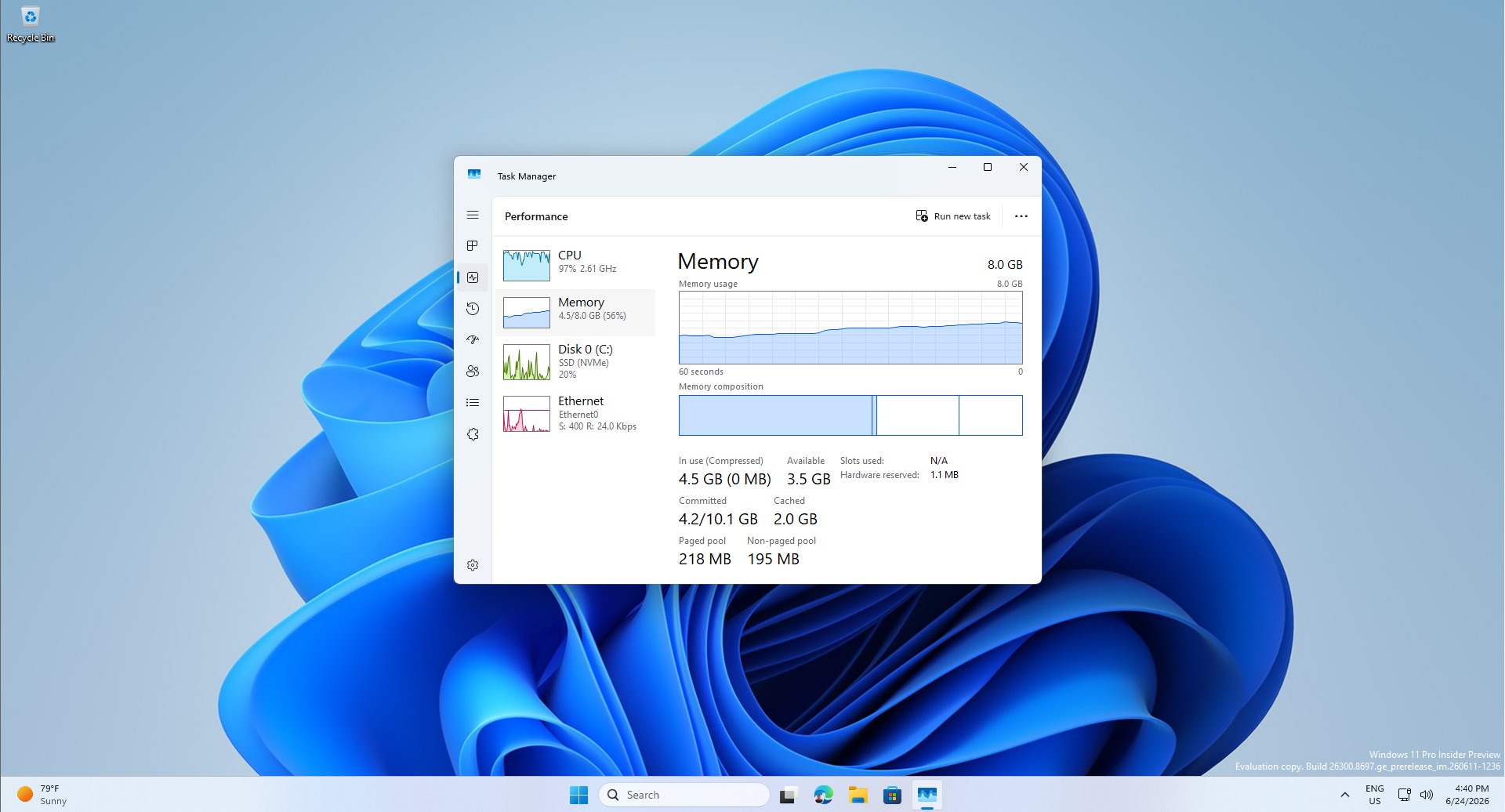
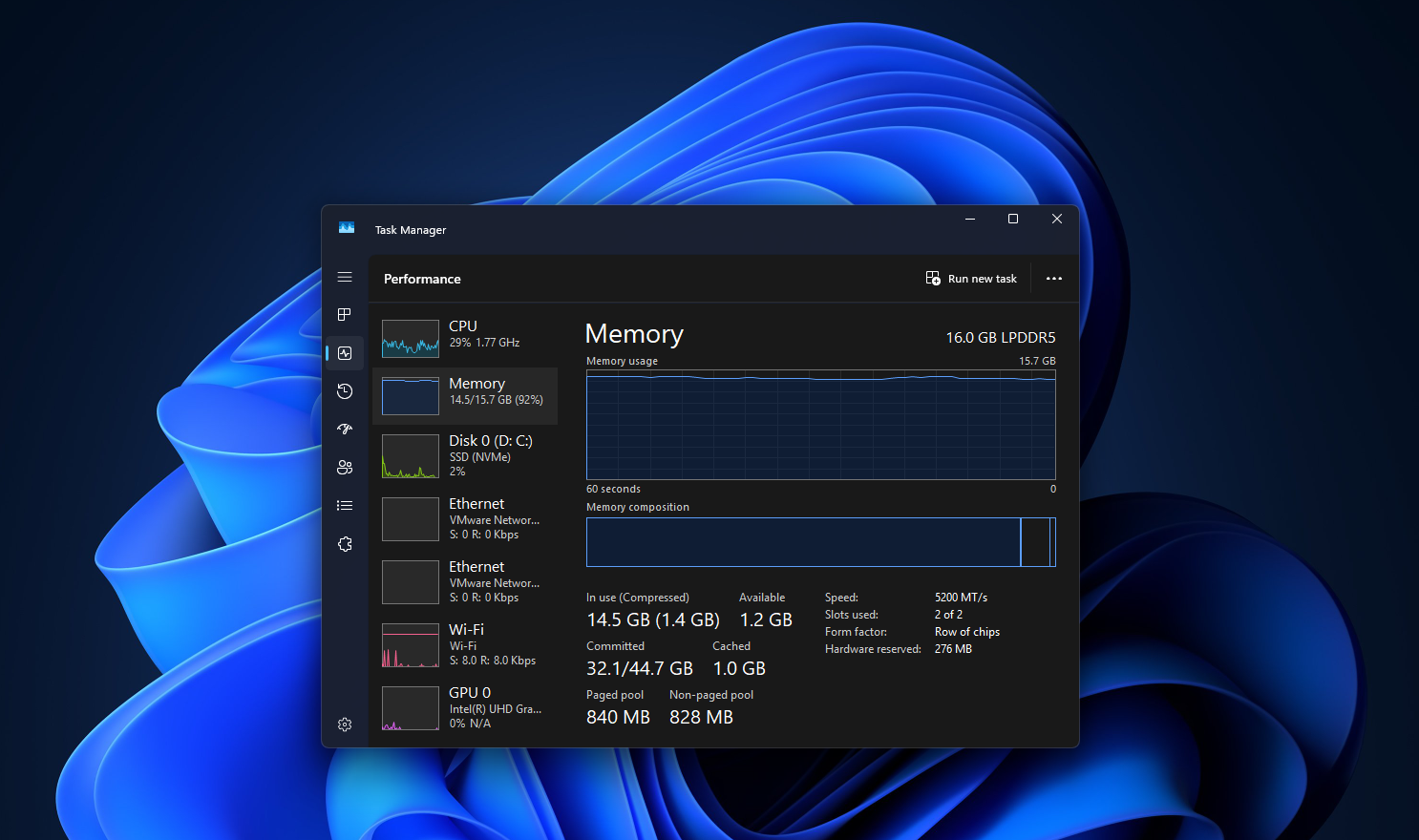
On top of that, a system with 8GB of RAM running Windows 11 idles at close to 6GB used, and a 16GB system idles above 10GB, according to Microsoft’s own past statements.
More than half your memory is gone before you’ve launched an app. Telemetry, background services, and preloading features that were supposed to make things feel faster have all added to that.
How Microsoft plans to reduce Windows 11’s RAM usage
Microsoft hasn’t detailed how it plans to pull this off, and I wish they had. After everything that happened with Windows 11 over the past couple of years, users stopped trusting Microsoft to deliver on promises like this.
But having tested Windows Insider builds for months now, hands-on with the new decluttered Search and the faster File Explorer, I’m inclined to believe Microsoft can pull this off.
Microsoft has already rebuilt the File Explorer Properties dialog in WinUI, Microsoft’s native UI framework that’s significantly lighter than WebView2 since it doesn’t need to spin up a browser engine just to render a dialog box, and confirmed plans to bring more of the OS onto the framework.
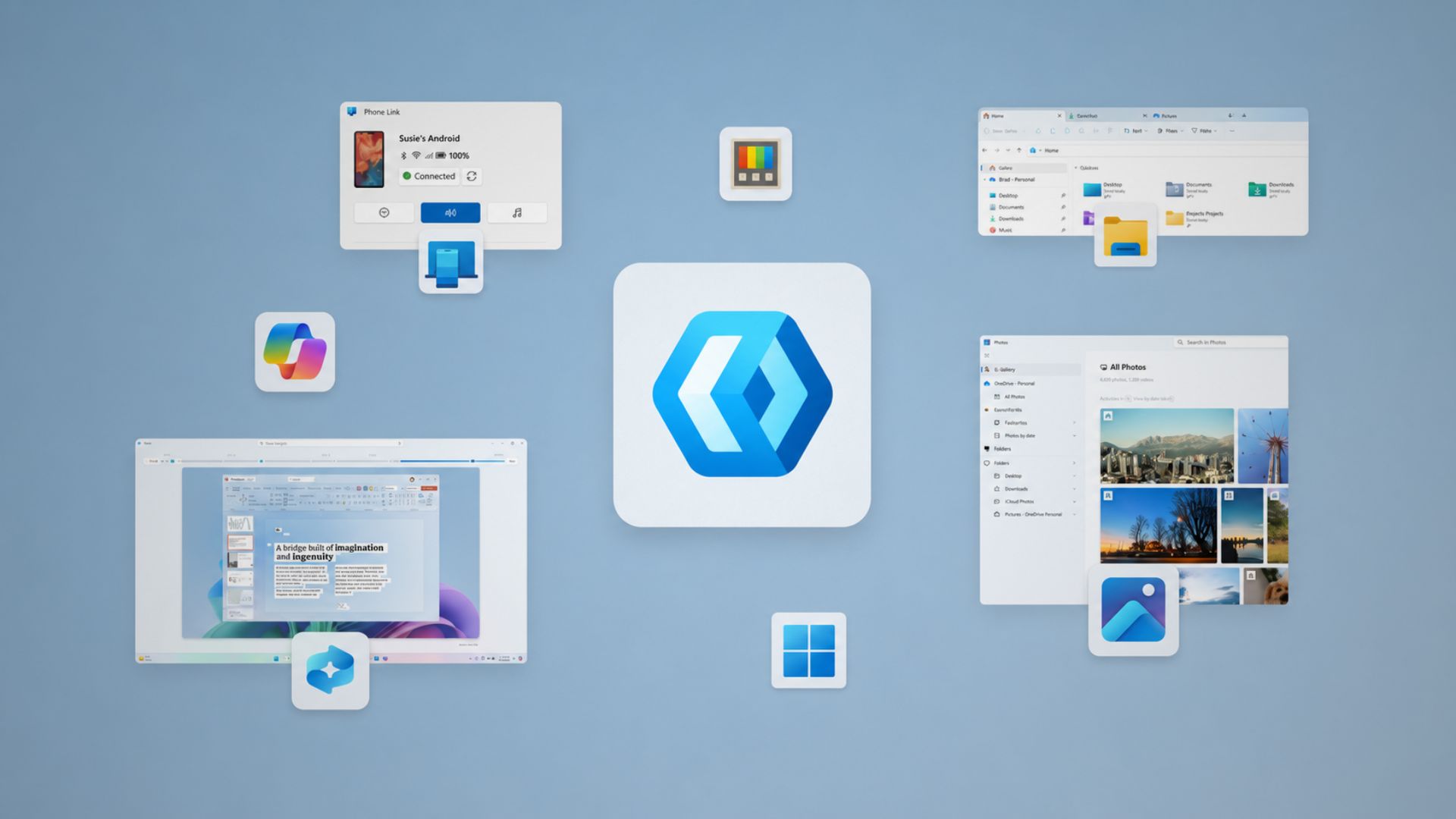
More legacy dialogs are headed the same way. Microsoft is also pushing developers to build native apps with WinUI instead of the web-wrapper approach that became the default for years.
WinUI itself still has RAM and performance issues Microsoft is fixing before bigger pieces like the Start menu can move onto it. Earlier, Microsoft had committed to native UI more as pushback against web-app bloat grew louder. If WinUI becomes the default instead of WebView2 across the OS, RAM savings should compound with every dialog and app that makes the switch.
When Windows 11 users will get the RAM optimization
Microsoft says this work is ongoing through the end of 2026. Expect the same timeframe as the rest of this year’s quality fixes with Insider builds first, then a gradual rollout to everyone, in increments instead of one single update that fixes everything with one restart.
Windows 11 and the 8GB RAM mess Microsoft helped create
Windows Latest has been covering Microsoft’s confusing, contradictory stance on how much RAM Windows 11 needs for months. The company pushed 16GB as the Copilot+ PC baseline, then quietly launched an $1,299 Surface Laptop with just 8GB of RAM, a configuration that would’ve been unacceptable by Microsoft’s own standards a year earlier.
This newfound motivation to optimize Windows for 8GB RAM devices is partly due to the success of MacBook Neo. Apple’s $599 laptop runs smoothly on 8GB because macOS is tuned for it, and that comparison embarrassed Windows OEMs enough that Surface and Dell rushed out their own 8GB configurations without the OS-level optimization to back them up.
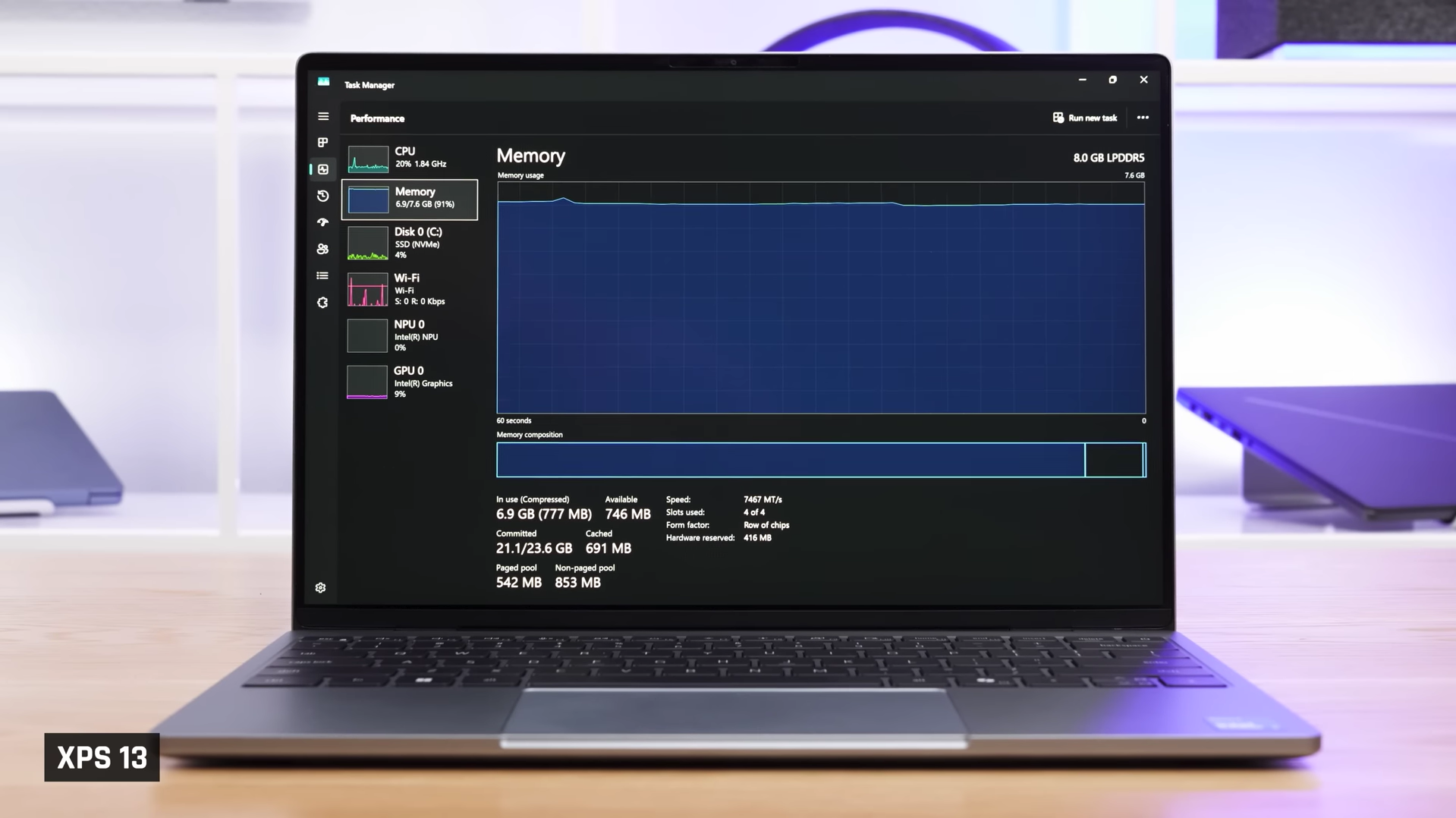
Recently, Windows 11 tried a quick fix with the Low Latency Profile CPU boost, and in our own testing, it helped older, memory-constrained hardware feel snappier. But CPU boost was not built to fix a memory problem; the system was still eating RAM at idle.
A faster Windows 11 for everyone
Microsoft optimizing Windows 11 for “8GB and above” means that it’s not just a fix for budget laptops but an admission that Windows 11 uses more memory than it should.
I’ll admit I was a little foolish three years ago when I bought a laptop with 16GB of non-expandable RAM, thinking it would be enough for the foreseeable future. It was the right call back then. It isn’t anymore, as I’m regularly above 90% RAM usage doing completely normal, everyday work. If Microsoft’s optimization work trickles down to 16GB systems, my current laptop gets a second life without me spending a dime.
Of course, a more optimized Windows 11 means a better gaming experience too. Microsoft has flip-flopped hard on RAM recommendations for gamers, first calling 32GB the “no worries” upgrade for Windows 11 gaming, then quietly deleting that recommendation after the backlash.
A leaner OS means more memory available for the games, which counts for even more on gaming handhelds. RAM prices are brutal right now, and any optimization that lets existing hardware do more with what it already has is worth celebrating, whether you’re on 8GB, 16GB, or 32GB.
Should you buy an 8GB RAM laptop right now?
Not unless your day-to-day, for the foreseeable future, is emails, browsing, streaming, and basic productivity work with zero interest in running local AI models. We said the same thing about the MacBook Neo when it launched, and it applies here too.
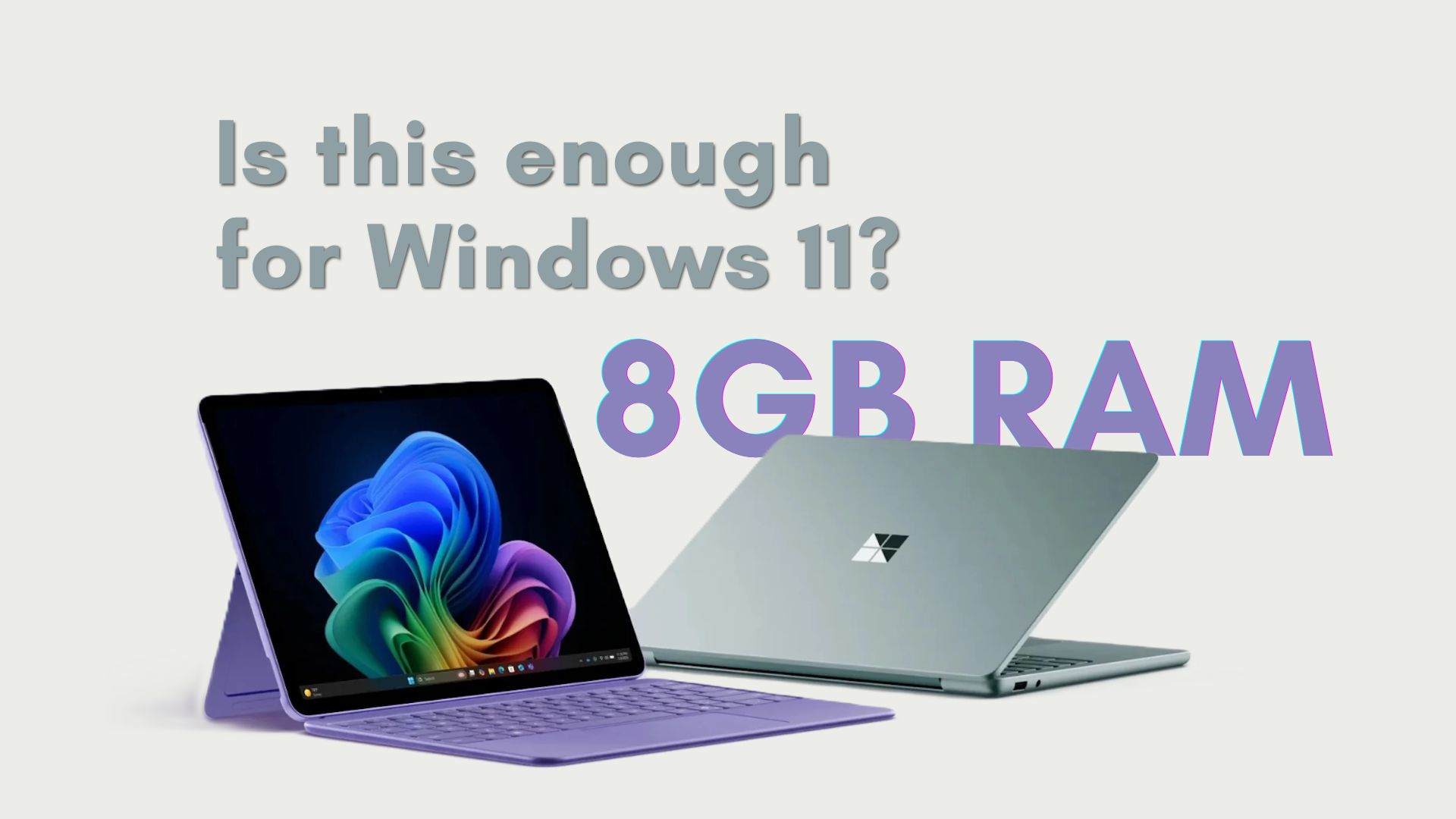
Even with Windows 11 optimized for 8GB, local AI models need real memory to run, and that’s clearly the direction both Microsoft and Apple are headed. By the end of 2026, an optimized 8GB PC will handle everyday tasks fine, but it won’t be future-proof if you want to run anything AI-related locally instead of in the cloud.
What this does mean is that 16GB stops being the bare minimum you need just to keep Windows 11 from choking, and starts being viable for years, not months. I don’t think I need to upgrade my own PC anytime soon, and that’s a good problem to have.
A leaner Windows 11 also means better battery life, since idle memory usage and background processes are two of the biggest drains on a laptop.
We’ve been waiting for this announcement, and I can’t wait to get my hands on it once it starts rolling out to Insiders. Just don’t expect it overnight; Microsoft says this is a through-2026 effort.