


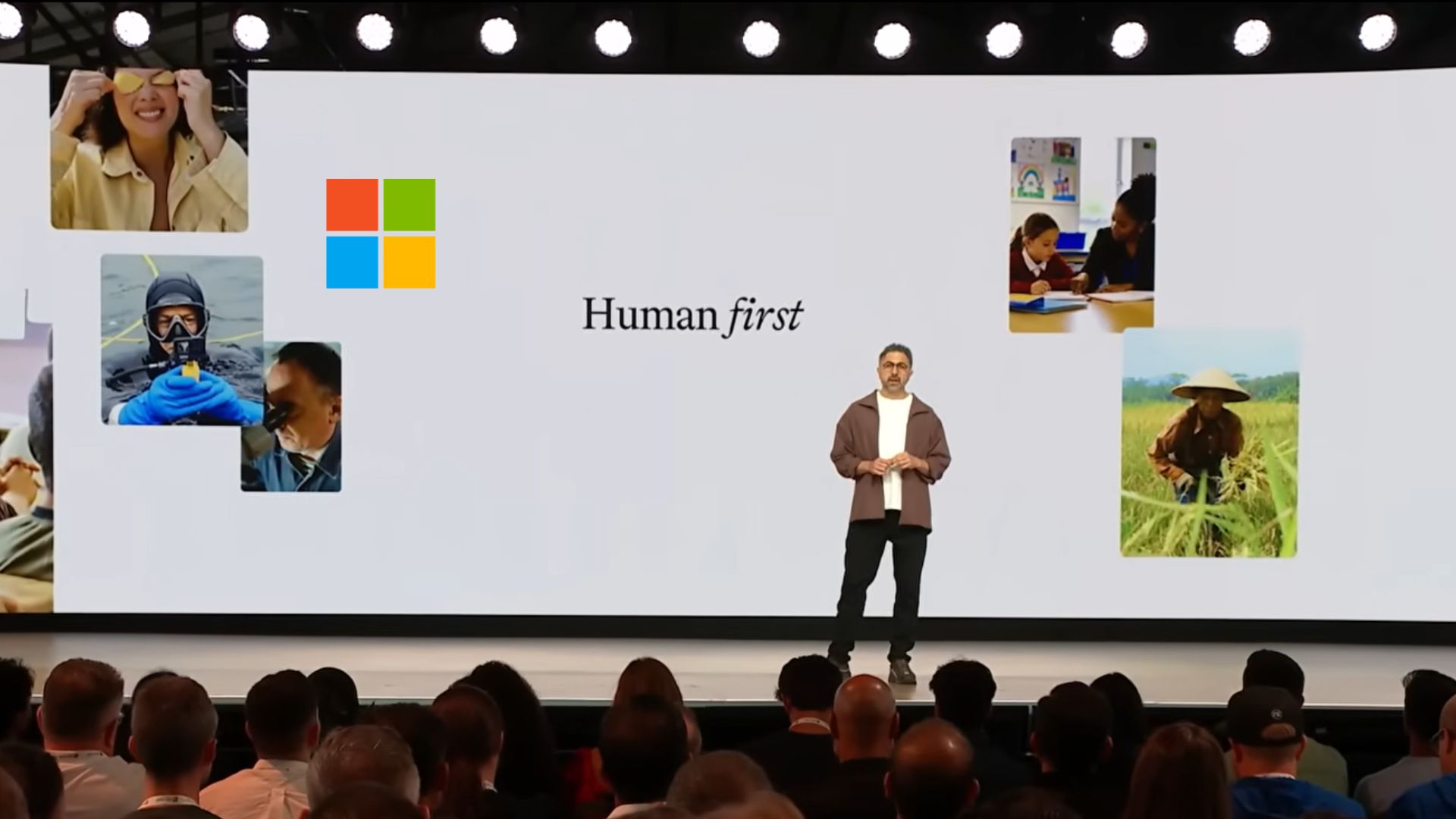
Microsoft AI CEO Mustafa Suleyman just shared Nobel laureate Daron Acemoglu‘s slow-moving forecast for AI and jobs, eight months after he predicted that most white-collar tasks would be automated within a year and a half. Interestingly, this post comes just hours before Microsoft’s Windows and Surface event, which is expected to be all about local AI.
Acemoglu’s essay, published in July for the first issue of The Humanist Review, a new magazine by Microsoft AI, repeats an estimate he first made two years ago. The rest of Suleyman’s post summarizes the MIT economist’s argument that AI should make people better at their jobs, and calls the fear around job losses “overblown.”
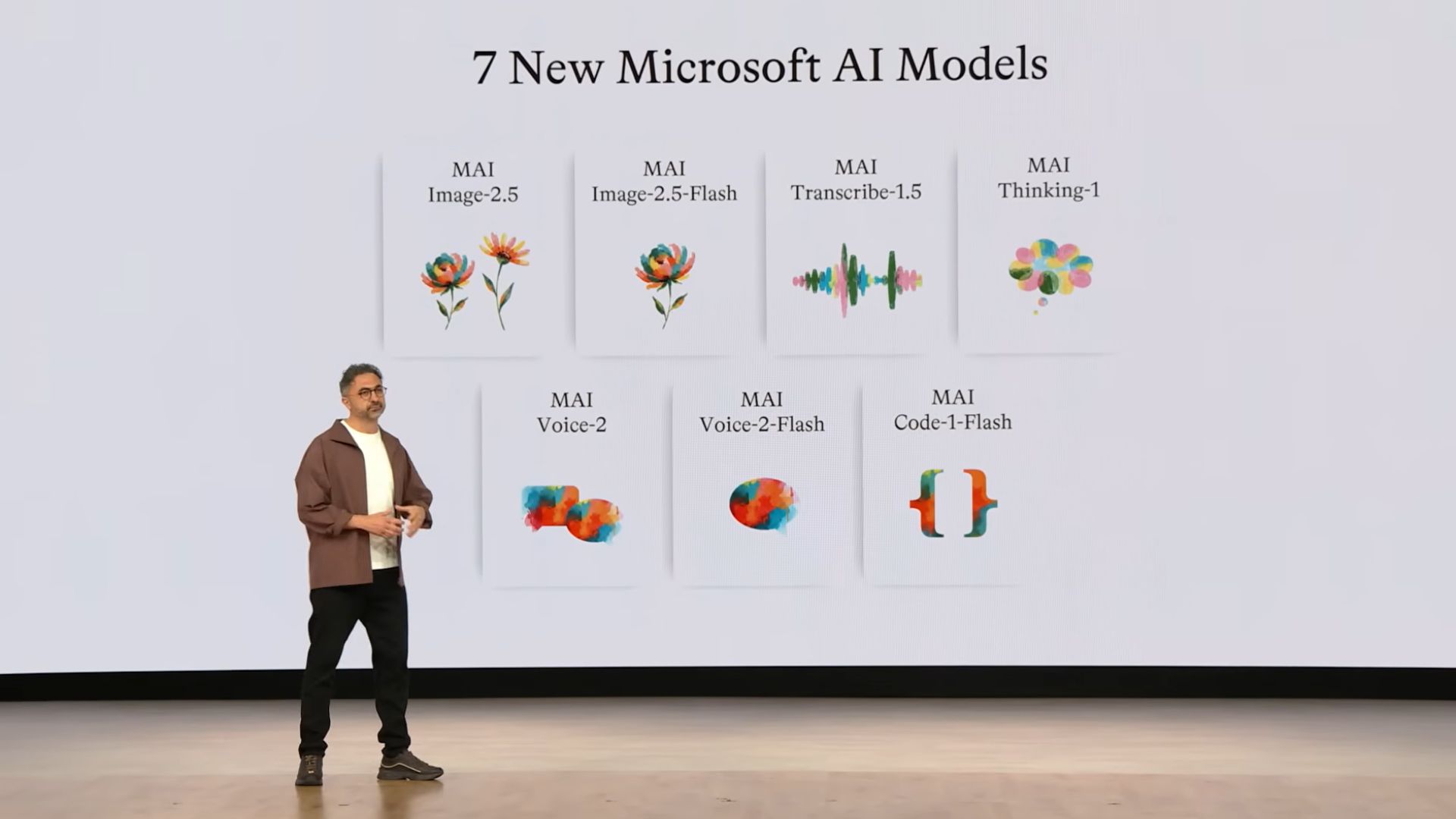
So, did Suleyman change his mind, or did everyone misread him the first time?
Suleyman said most office tasks would be automated within 18 months
In February, Suleyman told the Financial Times that for lawyers, accountants, project managers, and marketers who sit at a computer all day, “most of those tasks will be fully automated by an AI within the next 12 to 18 months.” By his metrics, this deadline falls between February and August 2027.
In June, he clarified on The Verge’s Decoder podcast that he meant tasks, not jobs, saying it “does not necessarily mean that the role goes away at all. It just means that the work can be done faster.”
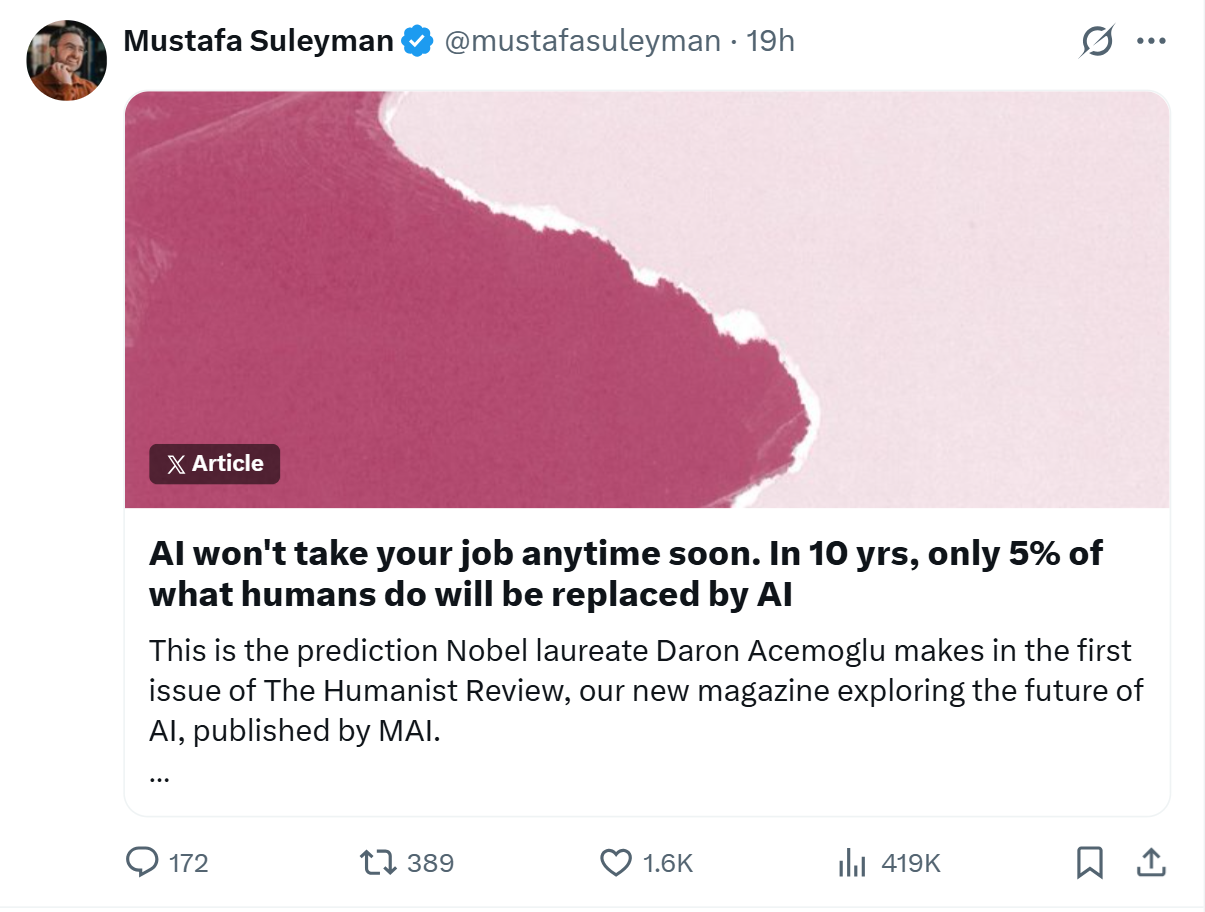
Acemoglu makes a similar distinction for the whole economy. In his essay, he estimates AI could technically automate about 20% of US work, mostly simpler office tasks, but only around a quarter of it would be automated within 10 years. He calls the resulting 5% “admittedly no more than a guesstimate.”
He also admits that “advances in models have been more rapid than many, including me, predicted,” though AI tools that companies can easily adopt haven’t kept up.
As Acemoglu explains: “Achievements of current AI models in writing computer code and designing software or in radiology diagnostics are truly remarkable. But that is in the lab, where context is clear and tasks are neatly delineated. The evidence from firms that adopt these tools for the same tasks “in the wild” isn’t as impressive. Often, engineers have to spend a lot of time debugging AI-written code and radiologists and doctors cannot combine their expertise with AI tools, leading to suboptimal outcomes.”
However, the two forecasts measure different things. Suleyman was talking about what AI can technically do in a handful of office professions, while Acemoglu estimates how much work will be automated across the US economy once slow adoption is factored in. The numbers don’t prove that Suleyman changed his position.
He points out: “Several rounds of forecasts predicted the end of radiology or drivers or accountants: none of that has happened yet. Hospitals still need radiologists (in fact more than before), there are still journalists, paralegals, accountants and office workers.”
History is on his side. New York and London had central power stations by 1881, yet only about half of factories and homes used electricity by the 1920s. He also mentions Dragon 16’s speech recognition, which claimed 99% accuracy, but “that 1% can completely change the meaning.”
Funnily enough, Acemoglu writes that Nuance gradually deprioritized the consumer version of Dragon in favor of medical and enterprise customers, and that Microsoft, which acquired Nuance in 2022, “continued the same model.” So, Microsoft’s AI boss just promoted an essay that criticizes one of Microsoft’s own product decisions.
Acemoglu’s essay is also far less reassuring than Suleyman’s post. He warns that on the current path, AI will “likely amplify inequalities, contribute to massive job losses and not even get the promised productivity benefits,” and his fix is a change in how companies build AI.
Anthropic, Google, and OpenAI are measuring very different things about AI and jobs
Anthropic CEO Dario Amodei is at the other extreme, who warned in January that AI will disrupt 50% of entry-level white-collar jobs within one to five years.
Anthropic’s June Economic Index report asked workers a different question, and only 10% thought losing their own job in the next 12 months was likely, although more than a third expected their responsibilities to change significantly.
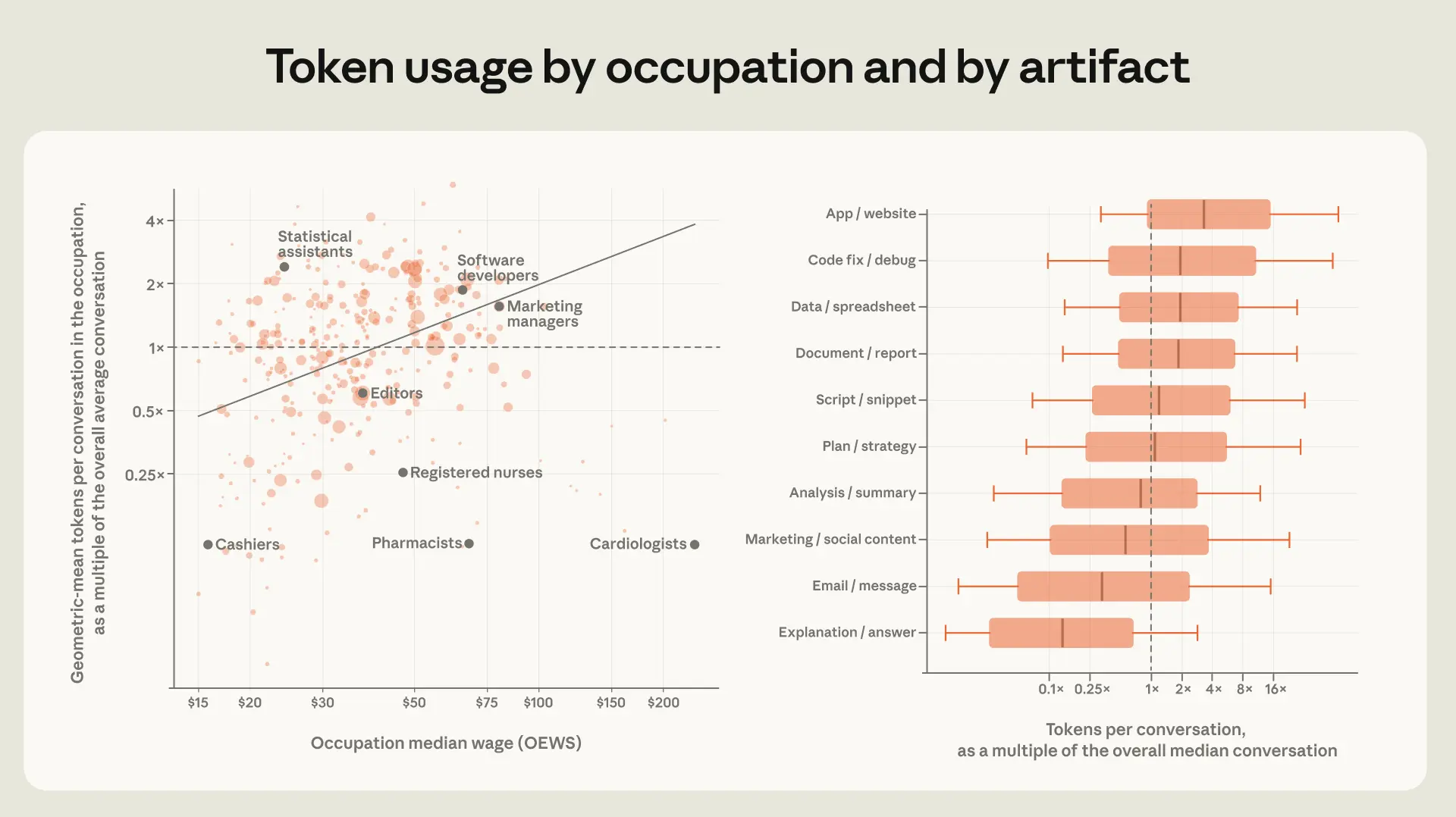
Google’s ATLAS research, based on 15 million anonymized interactions, found that AI is used for only about 21% of tasks in a typical job, and less than 10% of those interactions fully automate a task.
OpenAI’s jobs transition framework argues that AI “may be capable of completing many of an occupation’s tasks without eliminating the occupation itself,” because customers want human interaction and institutions require human accountability.
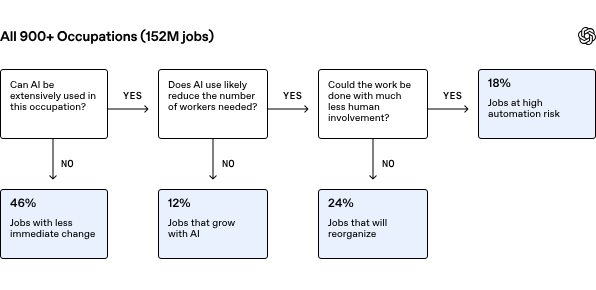
Nobody has the final number, but the data so far shows AI changing what you do at work much before it forces the job to be obsolete. Still, a company could need fewer people even if AI can’t do any single person’s whole job, so a 5% estimate doesn’t mean the other 95% of jobs are safe.
Microsoft talks about human agency while building AI that works without you
Microsoft’s 2026 Work Trend Index, which surveyed 20,000 workers across 10 countries, says, “As AI and agents take on execution, our own agency expands.” Jared Spataro, Microsoft’s CMO of AI at Work, wrote in March that the future of work “isn’t something that ‘happens’ to us.”
Yet the new Copilot comes with Cowork for “longer-running, agentic work you hand off end to end,” and Autopilot, “a persistent, proactive and personal agent that keeps working even when you’re not.”
On the industry’s approach to automation, Acemoglu writes: “Even before AGI, “reaching human parity” had become the main metric of success across all sorts of applications throughout Silicon Valley. All of this became exacerbated by the fact that many tech leaders came to view humans as fallible and error-prone. They repeatedly underappreciated human skills and expertise. It was therefore natural for the industry to go down the direction of full-scale automation, without paying much attention to complementing humans.”
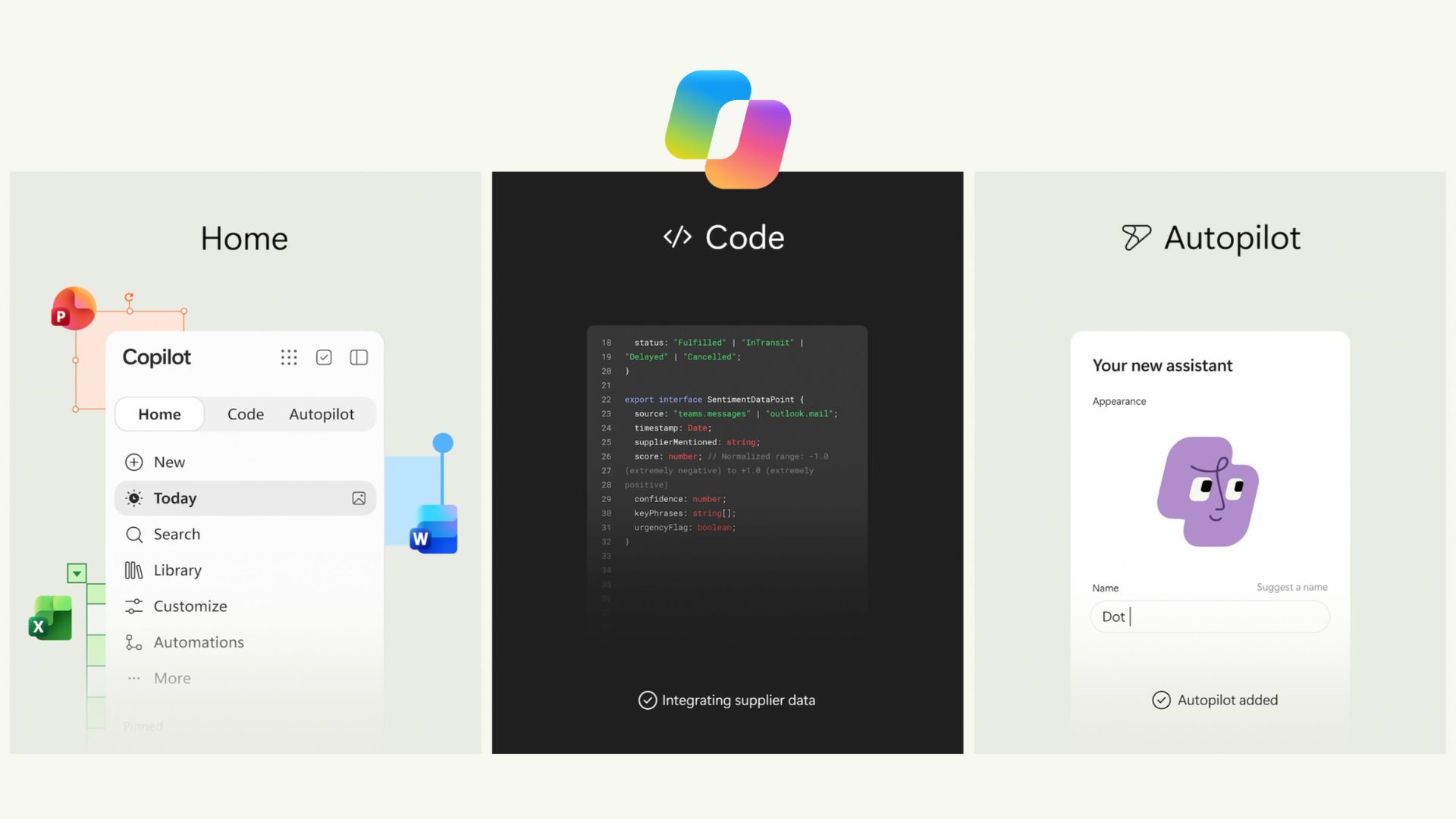
Windows is chasing “unmetered intelligence on every desk and in every home.” Microsoft Distinguished Engineer David Fowler even says typing code is “absolutely over”, and Windows 11 is being built that way.
To be fair, Fowler’s point was that developers now spend their time on architecture, testing, and checking AI’s code, which is Acemoglu’s task-versus-job distinction in action.
But if AI makes every company faster and leaner, who will buy all these AI PCs and Copilot subscriptions? People afraid of losing their jobs tend to stop spending and start saving, and a Pew Research survey cited in Acemoglu’s essay found that 52% of US workers are worried about the future impact of AI in the workplace.
Microsoft needs to pitch AI as a tool that empowers people
The software giant started betting on OpenAI in 2019, years before ChatGPT took off, then put Copilot in every corner of Windows 11, and users responded by calling the company “Microslop.” A Microsoft employee even had to defend Copilot by blaming the “nobody uses Copilot” take on the San Francisco tech bubble.
Meanwhile, I haven’t seen this kind of anger toward Gemini on Googlebooks or Apple Intelligence on Macs.
In my opinion, “AI won’t take your job” is a defensive line, and Microsoft needs an offensive one. It can keep selling agents to enterprises on the inside, while telling consumers on the outside what AI will help them create.
Acemoglu’s example is a good place to start. Instead of replacing teachers, he suggests AI that spots which parts of the material each student struggles with, so teachers can reorganize the class into smaller groups and target those weaknesses. His research team has already built prototypes and is evaluating them.
Of course, getting there takes more than better messaging. Acemoglu mentions that the US taxes labor at more than 25% and capital at close to zero, which effectively rewards companies for automating, so the products and the incentives for using them both need to change.
AI probably won’t take your whole job tomorrow, but it will change what your job is made of. If Microsoft wants people to trust an AI-powered Windows, today’s event is a good place to start showing AI tools built to make people better at the jobs they already have.