





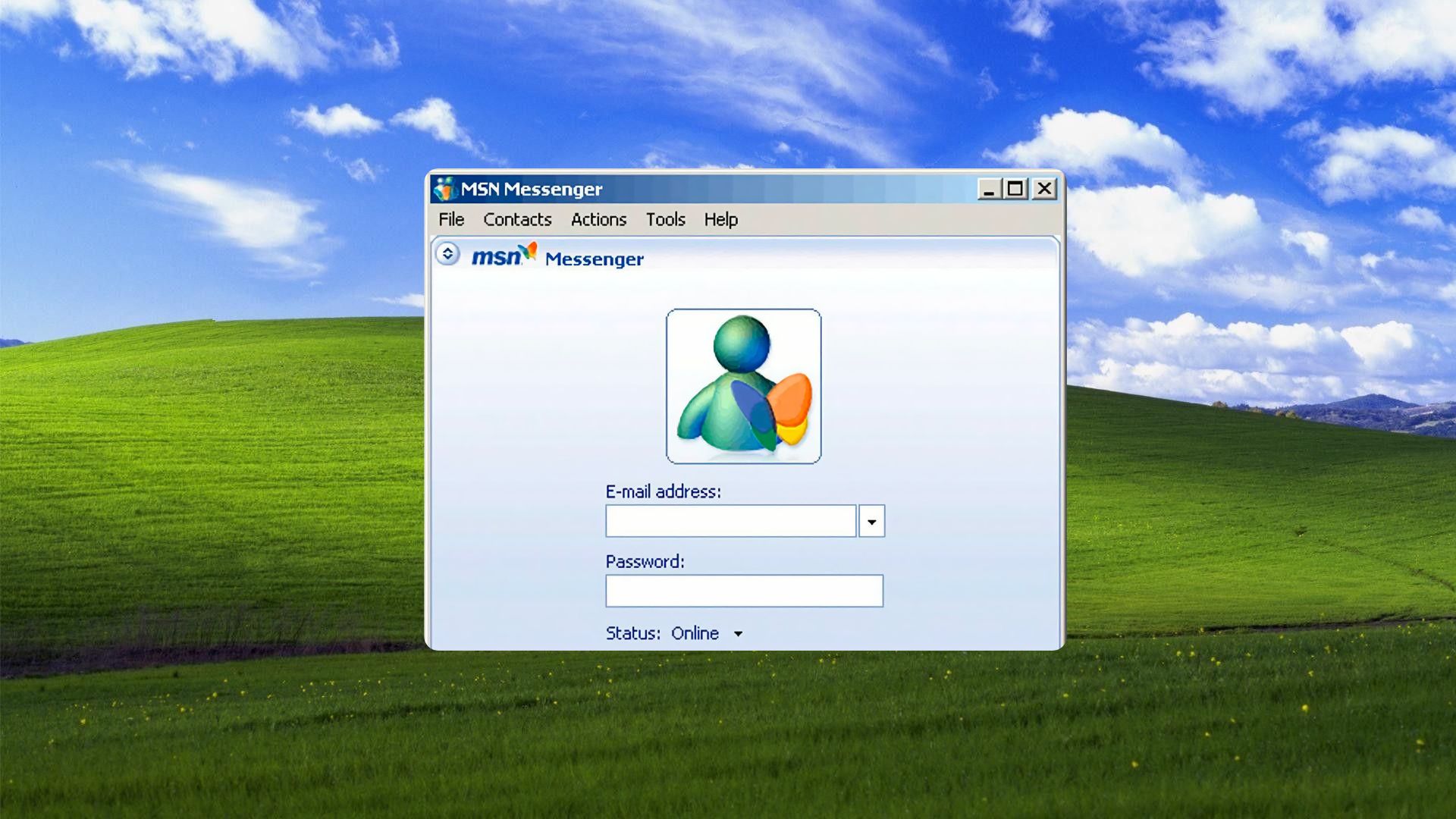
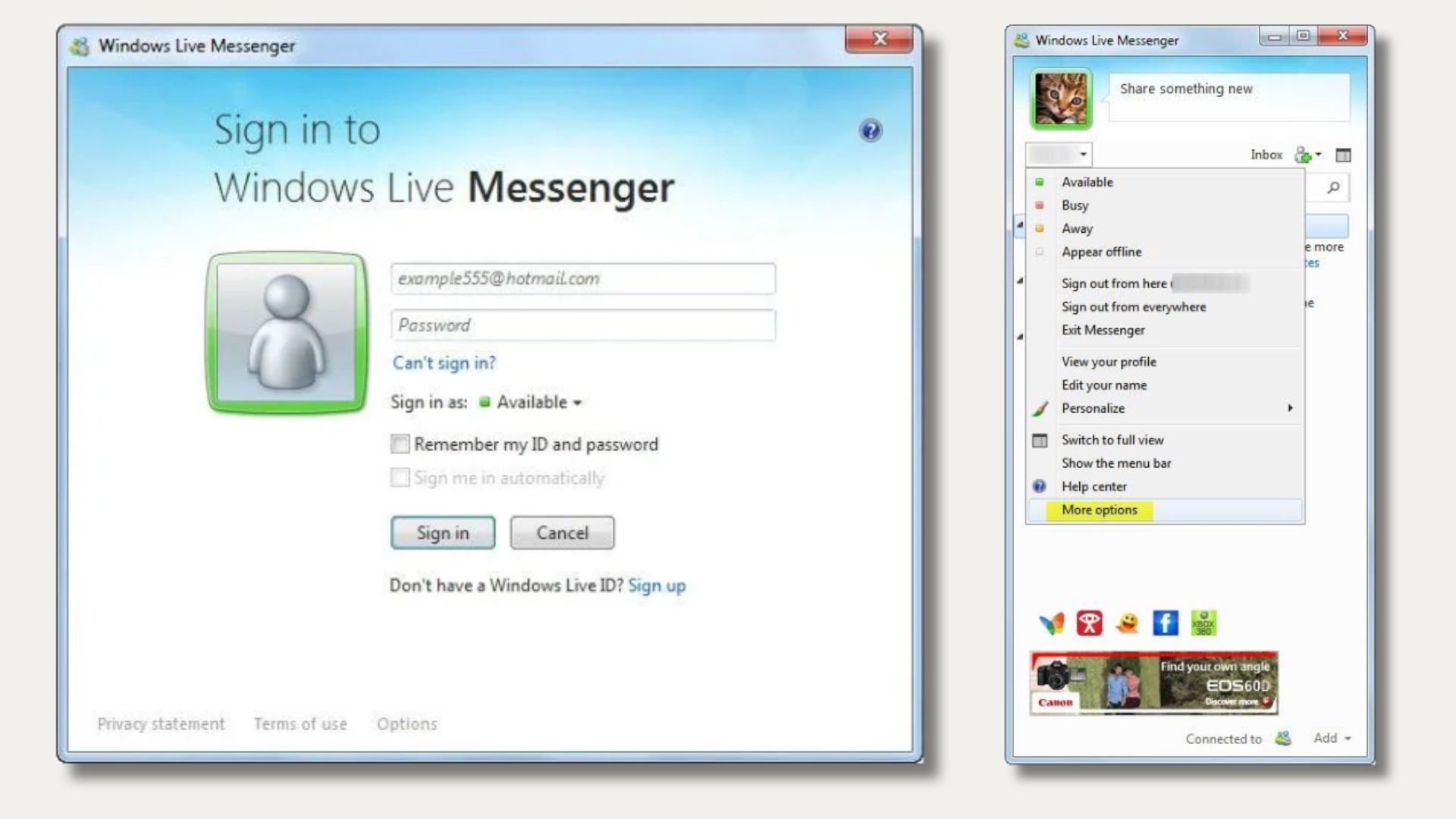
Windows XP shipped on October 25, 2001, with Windows Messenger, a built-in app for text chat, voice and video calls, and application sharing, almost two years before Skype even existed. Microsoft also said it would work with the nearly 32 million people already using MSN Messenger.
Twenty-five years later, Microsoft has retired every consumer messenger it built from that original idea, from MSN Messenger to Skype, and only Teams is left standing, which everyone loathes.
Windows XP is now 25 years old; when we installed it in a virtual machine, Solitaire still worked fine, but Messenger was offline.
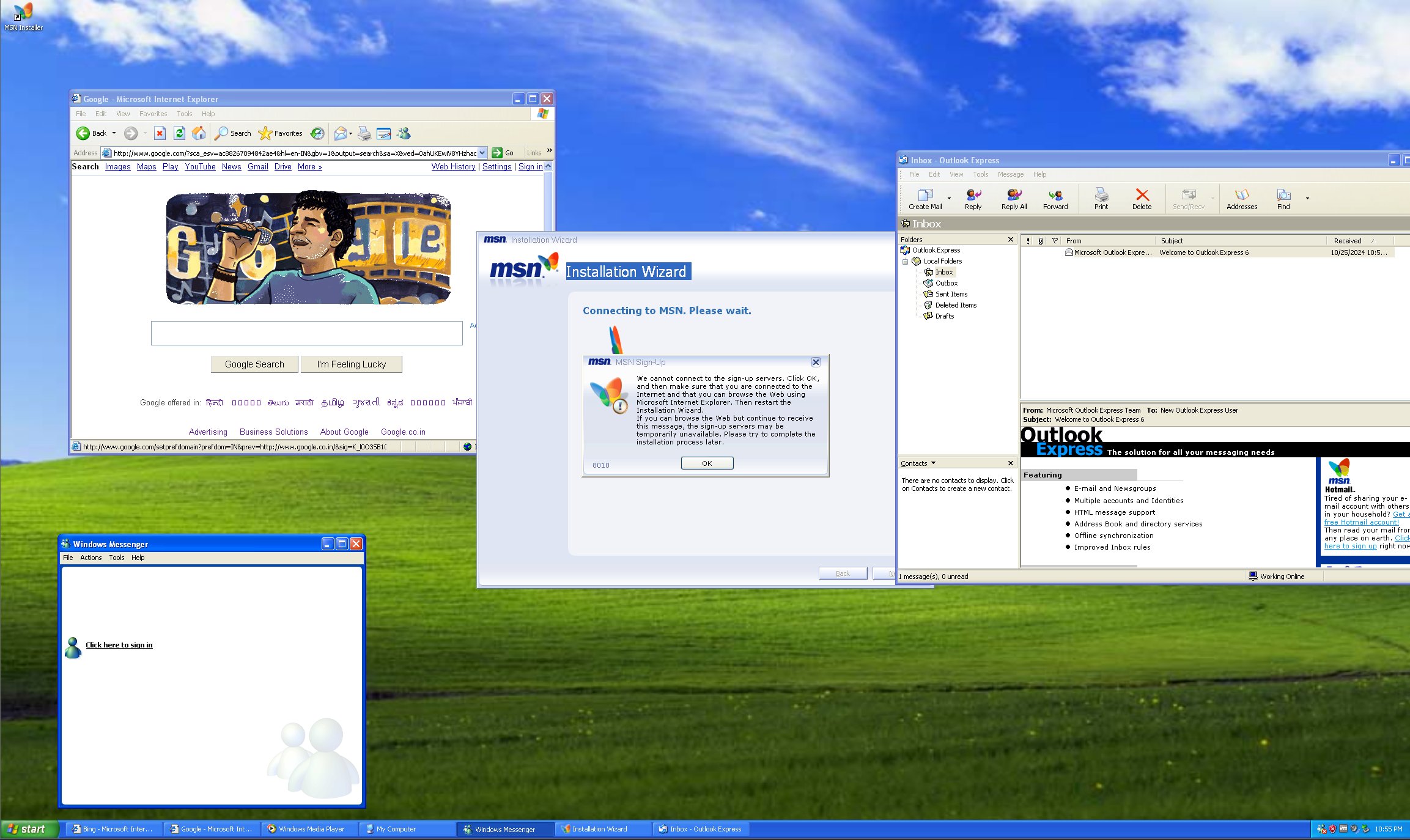
Windows Messenger could do video calls, app sharing and remote help in 2001
Microsoft showed Windows Messenger to beta testers on June 4, 2001. “Windows XP delivers the next level of communications through real-time audio- and video-conferencing, application sharing and online collaboration,” Microsoft said in its announcement.
Bill Gates, then chairman and chief software architect, said Windows Messenger would “help make the world a more connected place.” But what surprised me the most were Microsoft’s examples. The company said students “will be able to collaborate on homework assignments,” and families “will have the chance to hold impromptu online reunions no matter where they are in the world.” Replace Windows Messenger with Zoom, and you have a 2020 lockdown ad.
It also worked with XP’s Remote Assistance, so users could “easily obtain online help if they have a problem or question.”
On October 11, 2001, Microsoft announced a Windows Messenger update for XP’s launch day that let people use their PCs “to make voice calls to telephones virtually anywhere in the world.”
These calls weren’t free, though. Depending on their location, users could pick IP telephony providers like Net2Phone, Dialpad or TELUS, keep an account with them, and “track their current call account balances all from within Messenger.” Basically, Skype Credit, before Skype was a thing.
Windows Messenger and MSN Messenger were two different apps
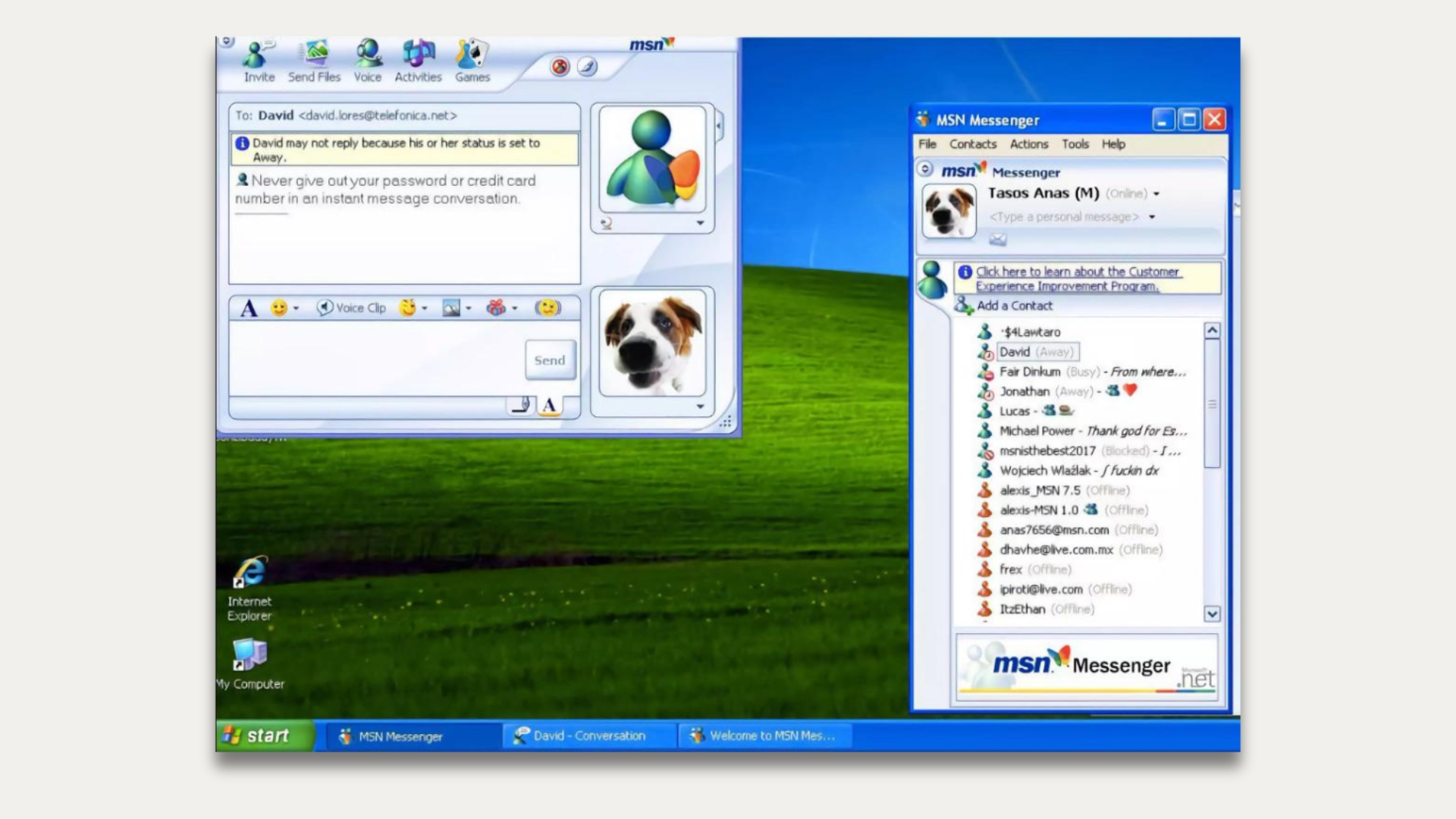
MSN Messenger, which turned 27 this July, came first. Microsoft launched the MSN Messenger Service on July 21, 1999, as a free download that “tells consumers when their friends, family and colleagues are online,” and it could even exchange messages with AOL Instant Messenger users (imagine WhatsApp and Telegram exchanging messages). Windows Messenger came bundled with XP two years later, and people on both apps could chat with each other.
The naming confusion got so bad that Microsoft published a 2005 document titled “Windows Messenger vs. MSN Messenger: What is the difference?”
According to Microsoft, Windows Messenger “is designed for use in a business environment,” while MSN Messenger was for friends and family, and its “Communications are not encrypted, as they are with Windows Messenger.” Windows Messenger 5.1 could also search your company’s address book and show a coworker’s presence inside Office and SharePoint.
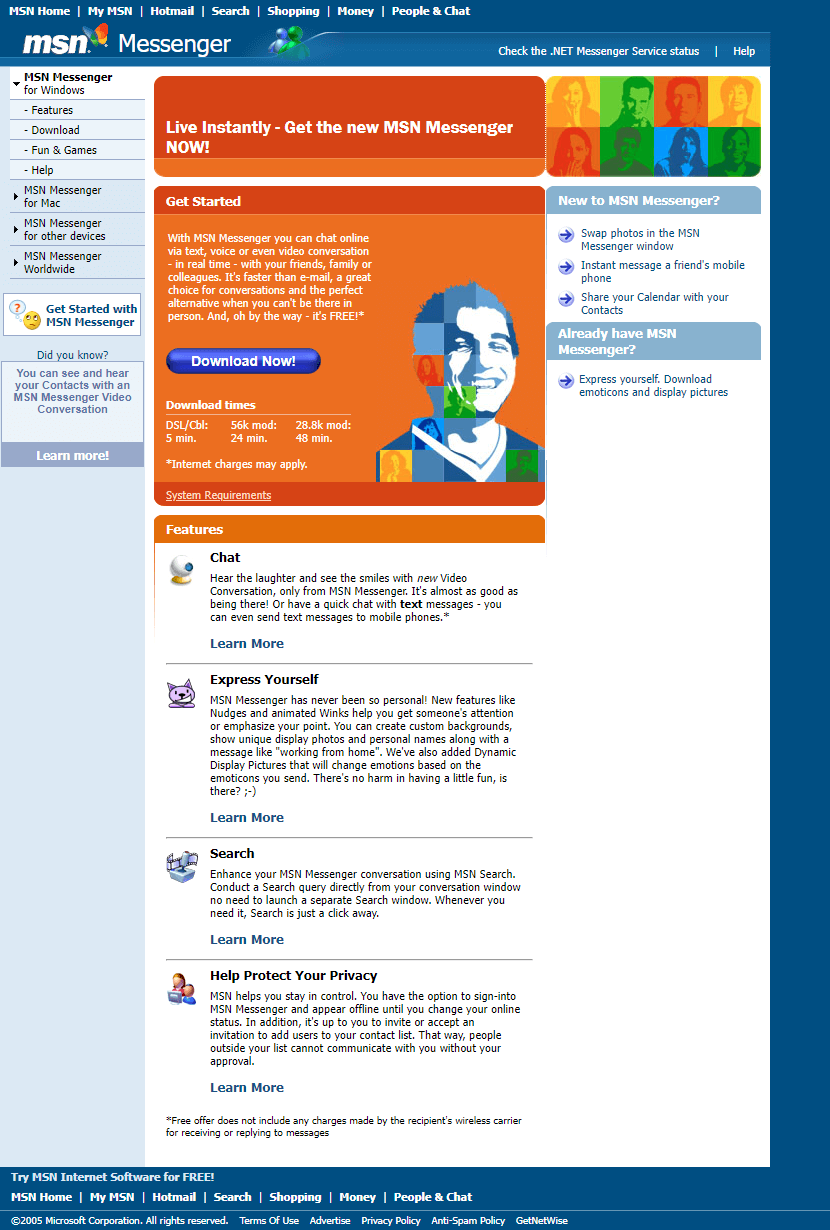
Both had a whiteboard, file transfer, voice and video, and Microsoft said they could run side by side on one PC. If a company writing a whole document to explain its own app names sounds familiar, you’ve probably tried to figure out Copilot vs Microsoft 365 Copilot.
Microsoft kept replacing its messengers, and that we don’t have one (not counting Teams!)
MSN Messenger became Windows Live Messenger in 2006, and it only got bigger. In November 2008, Microsoft called it “the No. 1 instant messaging service worldwide with more than 330 million active customers.”
Then was the grant entry of Skype. On May 10, 2011, Microsoft agreed to buy Skype for $8.5 billion, which sounds normal by 2026 standards, but was huge back then. This was when it had 170 million connected users and over 207 billion minutes of calls in 2010.

In November 2012, Tony Bates, president of Microsoft’s Skype division, wrote, “We will retire Messenger in all countries worldwide in the first quarter of 2013,” with mainland China as the only exception. In his farewell post, Windows Live general manager Brian Hall wrote that “Messenger enabled each of us to communicate and share with the people we care about.”
Ironically, Microsoft’s post announcing the switch was titled “Transition From Windows Messenger to Skype Begins April 8,” even though the service being retired was Windows Live Messenger. China kept it until October 31, 2014.
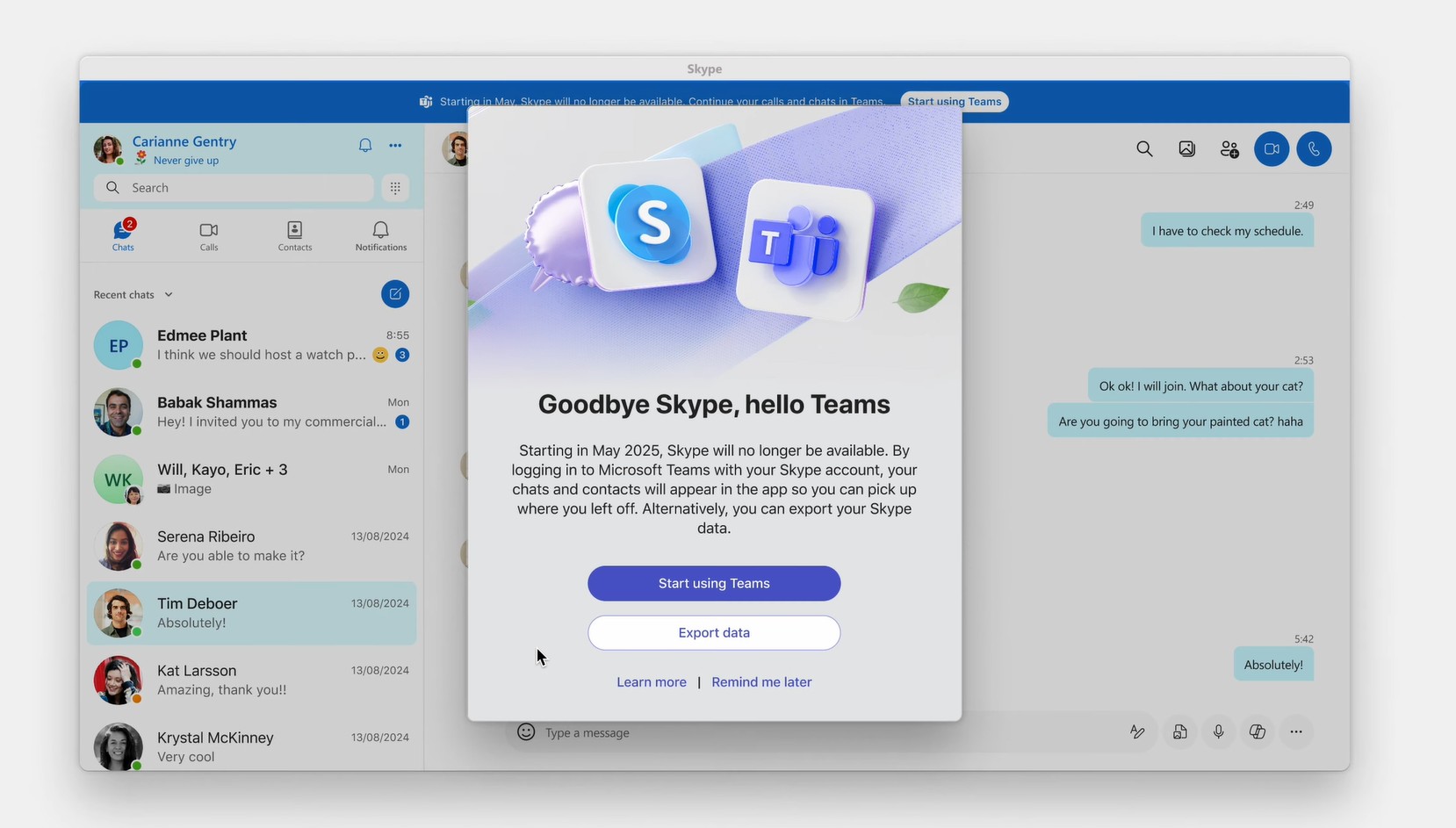
Sadly, Skype didn’t survive. Microsoft retired it on May 5, 2025, to “streamline our free consumer communications offerings,” as Jeff Teper wrote in the announcement. Contacts and chats moved to Teams Free, and even leftover Skype Credit got pushed to a dial pad on the web.
Expectedly, the business side of Windows Messenger ended up in Teams. Windows Messenger 5.1 was a client for Live Communications Server 2005, the platform that later became Lync and then Skype for Business, and Microsoft retired Skype for Business Online on July 31, 2021, asking customers to upgrade to Teams.
Yes, these were different products, and the Windows Messenger in XP didn’t simply get renamed to Skype. But every path Microsoft took from that idea in 2001, personal or professional, now ends at Teams.
Teams has 320 million users, and Microsoft built it for work
In October 2023, Satya Nadella said Teams had “more than 320 million monthly active users making Teams the place to work.” Back in 2001, John Frederiksen, then general manager of Windows, called Windows Messenger “an easy way for people to communicate with friends, family and co-workers anywhere.” Co-workers came last. (To be fair, Teams is a workplace platform, so its numbers aren’t directly comparable to Messenger’s.)
Messenger was where you set a status message, showed off the song you were listening to, and nudged friends until their window shook (remember that?). Teams is where your manager reminds you of the impending deadline. Hardly anyone opens Teams to talk about their day!
Apple figured this out with iMessage, which works properly only on Apple devices, and yet people associate Apple with their daily lives. Microsoft had a cross-platform answer in Skype and stupidly let that go.
On the technical side, Windows Messenger was a native Windows app, while the new Teams uses WebView2 “as the host” and React for its interface, according to Microsoft. In our testing, a fresh Teams install used about 963MB of RAM while idle with zero conversations, and Microsoft had to add an Efficiency mode for PCs with less RAM.
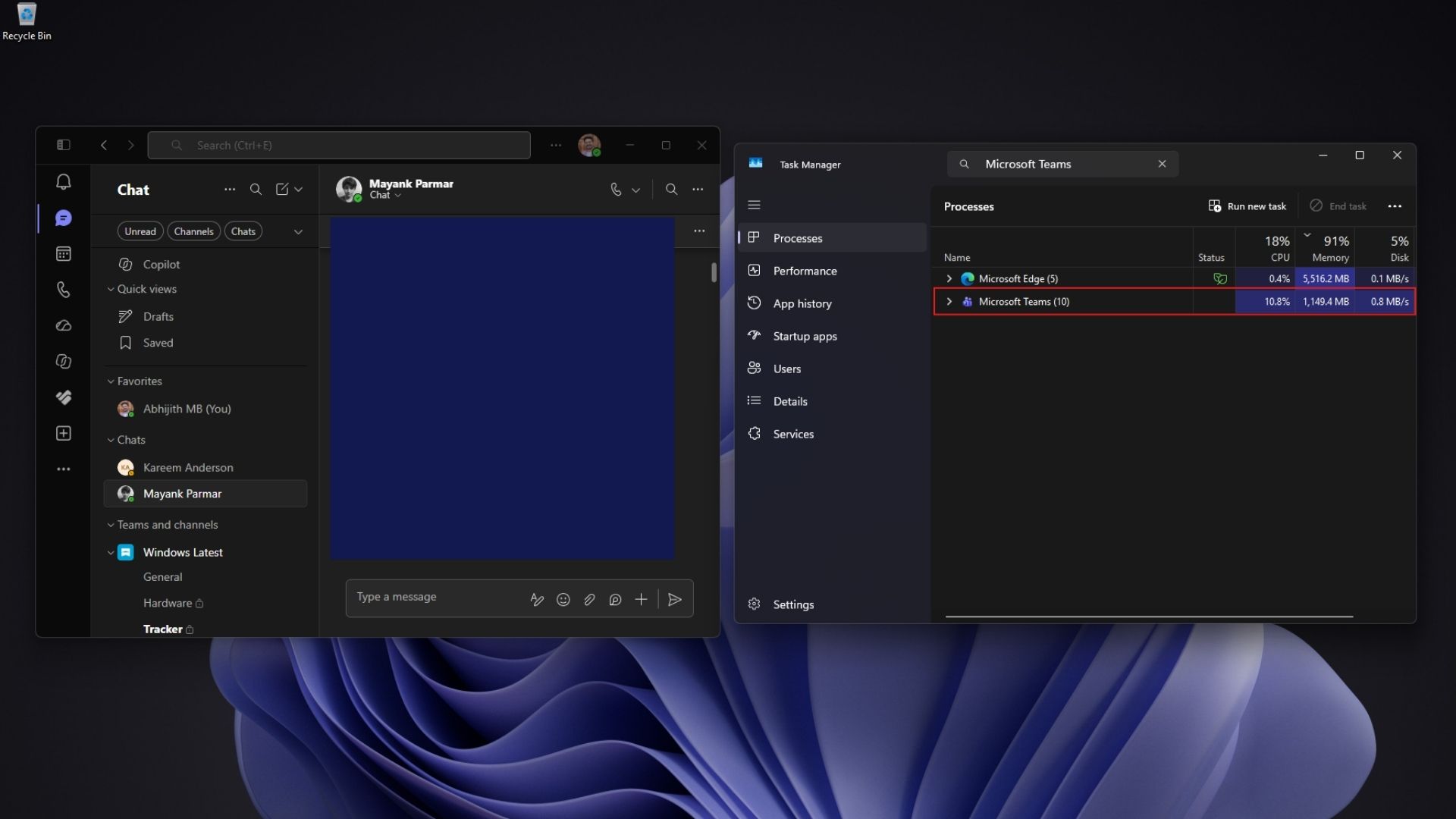
As someone who despises web apps on Windows, I find it funny that Microsoft is now promising developers that WinUI isn’t being killed, while its biggest communication app is a web app in a desktop shell.
Should Microsoft bring back MSN Messenger?
Yes, but not now.
A free MSN Messenger that’s end-to-end encrypted like Signal, and works on Windows, Android, iPhone, and the web, would give people another reason to use Windows.
But right now, whatever Microsoft does is met with skepticism, even the good stuff, such as the new, good features in Windows 11, including the ability to check internet speed right on the taskbar.
It’s not just Windows things. On Monday, Microsoft offered voluntary exit packages to about 60,000 employees, and the headlines immediately asked if layoffs were around the corner, with social media already deeming it a mass layoff. It’s like everyone forgot what the word voluntary means.
If, and that’s a big if, Microsoft makes Windows lovable again, with transparent privacy and fewer bugs, a Messenger revival makes sense. I’ve said this before; Windows 11 is not a free OS, and OneDrive and Microsoft 365 subscriptions could easily grow when and if people trust Redmond.
Microsoft should remember that the XP nostalgia won’t last forever. A generation that grew up on WhatsApp and iMessage has no memory of a nudge, and the company needs to become more people-focused before deciding to only make software for work.