








If you were in search of a practical Linux distro, Omarchy might’ve come onto your radar. And if you liked that it strips out the usual endless terminal setup, in favour of a pre-tuned, Arch Linux-based opinionated desktop, you might have also heard about its creator, David Heinemeier Hansson, or DHH, as he’s known.
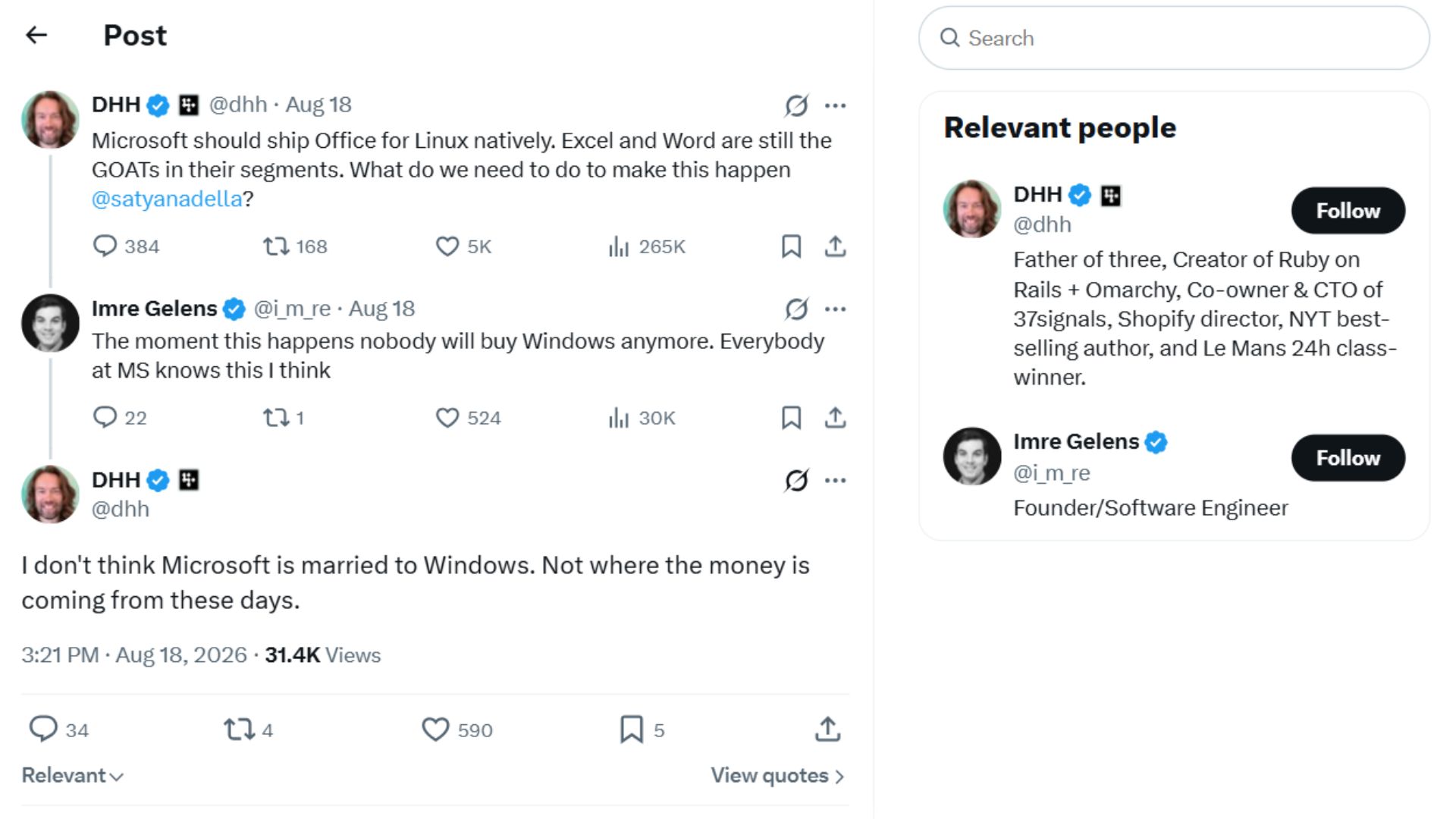
The 37signals co-founder recently took to X with a direct plea (or rather, an open challenge) to Microsoft’s top brass:
“Microsoft should ship Office for Linux natively. Excel and Word are still the GOATs in their segments. What do we need to do to make this happen @satyanadella?”
DHH created a distro around the idea that Linux can be a polished daily driver for developers and creators. But as good as modern distros have become, productivity software is still the elephant in the room.
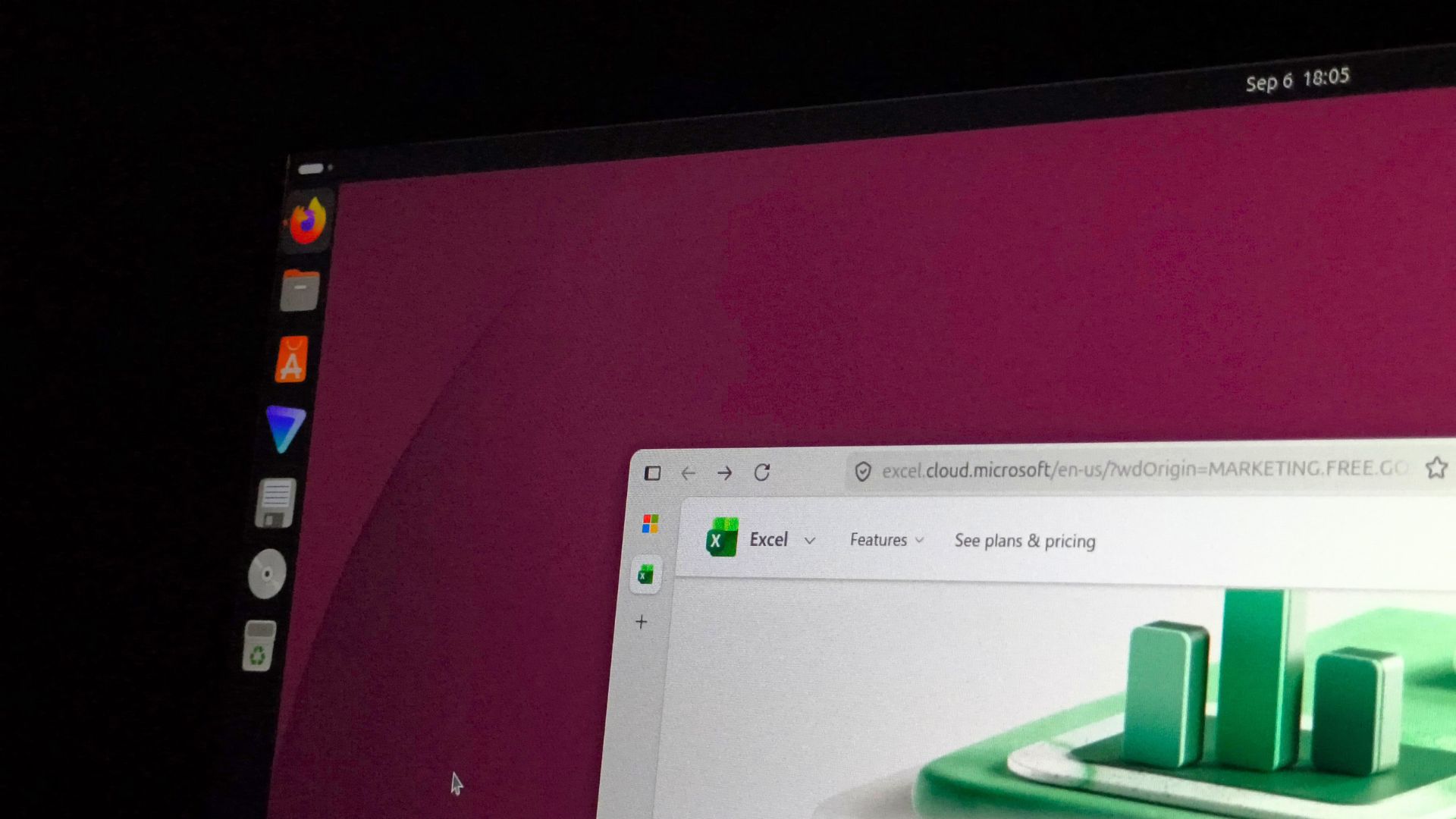
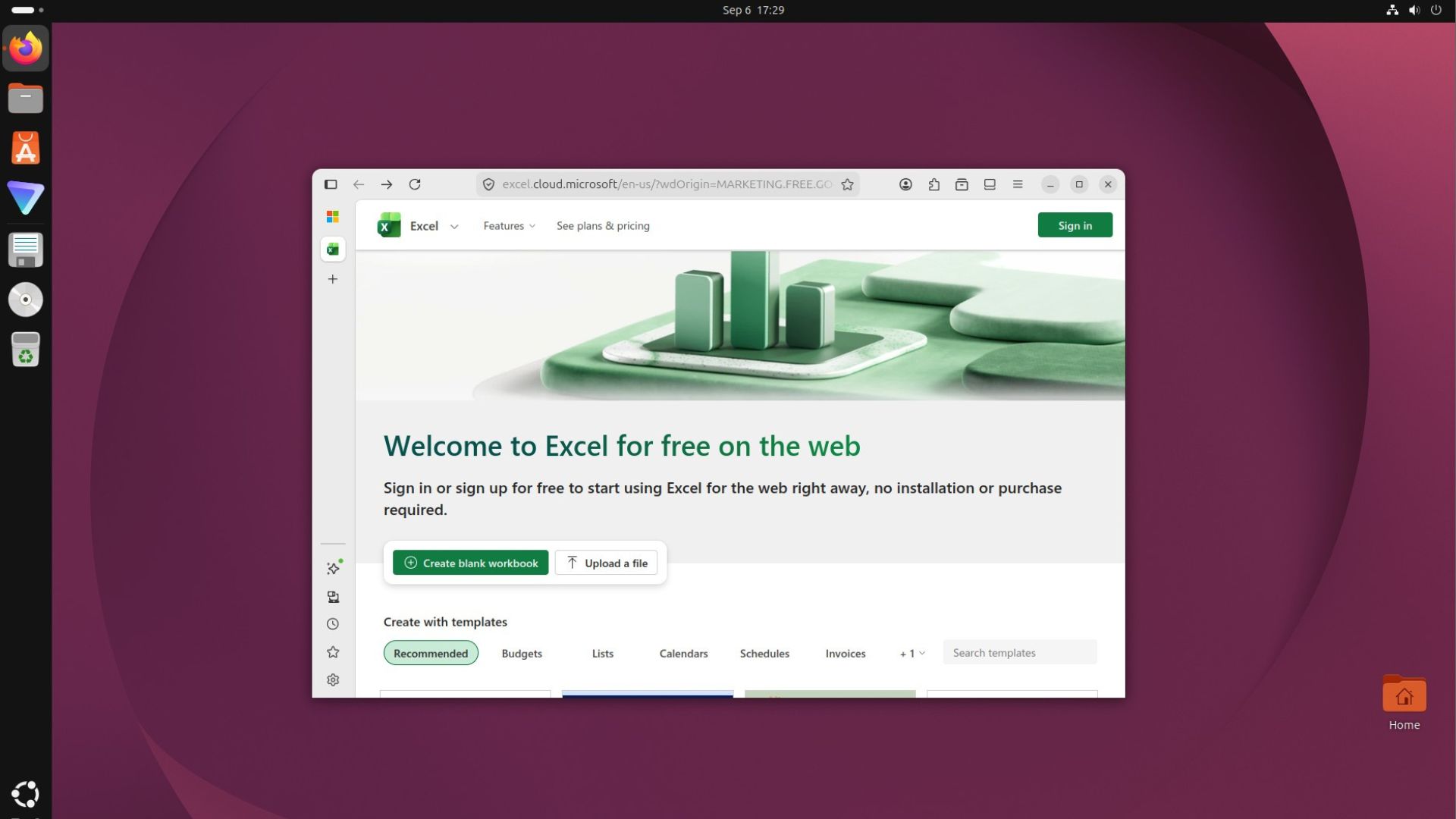
He asks Satya Nadella what it would take to get native Linux versions of Word and Excel. Of course, the web version of Microsoft 365 (Office) already works in a Linux browser, and that too for free, but DHH quoted an arbitrary 10% fidelity that’s still missing for Linux power users.
DHH also responded to the idea that Microsoft would risk cannibalizing Windows if they shipped a native Linux version of Word or Excel; he answered that Microsoft isn’t married to Windows anymore, because that’s not where the money comes from these days.
Microsoft makes far more money from the cloud than from Windows
It’s no secret, though, and Microsoft’s FY2026 Q4 results are in favour of DHH. Windows OEM and Devices revenue fell 7% year over year, while Microsoft 365 Commercial cloud revenue grew 14%, Azure grew 43%, and Microsoft Cloud revenue overall hit $59.3 billion, up 27%.
Windows Latest broke down just how small Windows has become inside Microsoft’s business, estimating Windows client revenue at a little over 5% of the company’s total.
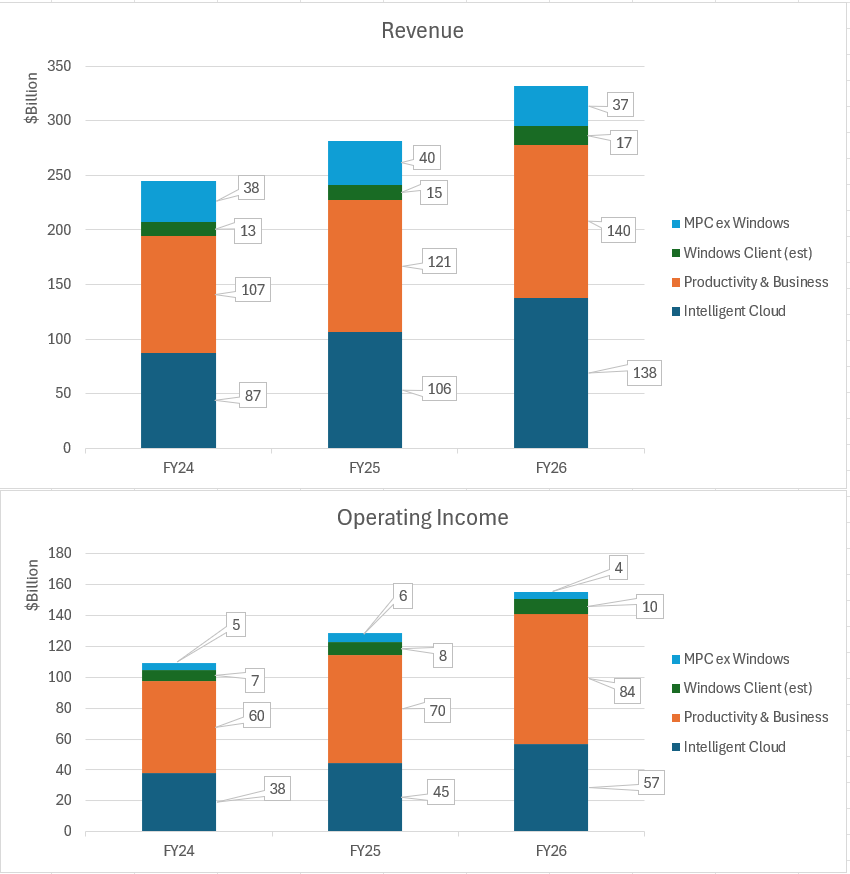
With 1.6 billion monthly users, Windows still counts for plenty. But Microsoft’s financial center of gravity has moved to cloud and subscriptions, which makes DHH’s argument more plausible than it would’ve been a decade ago.
It doesn’t follow that native Office would kill Windows sales either. The general hatred towards Windows would have people claim that nobody would buy Windows again if Office landed on Linux, but Windows isn’t sold because people want Office.
Much of it moves through OEM deals and enterprise agreements bundled with endpoint management. A more agreeable reply mentioned that Microsoft doesn’t need someone to buy Windows to make money off them. A Linux user can still pay for Microsoft 365, Teams, Azure, or Defender.
In recent developments, Microsoft now officially supports Edge on Linux, and its Linux resources page pushes Edge, VS Code, PowerShell, and Defender to Linux users.
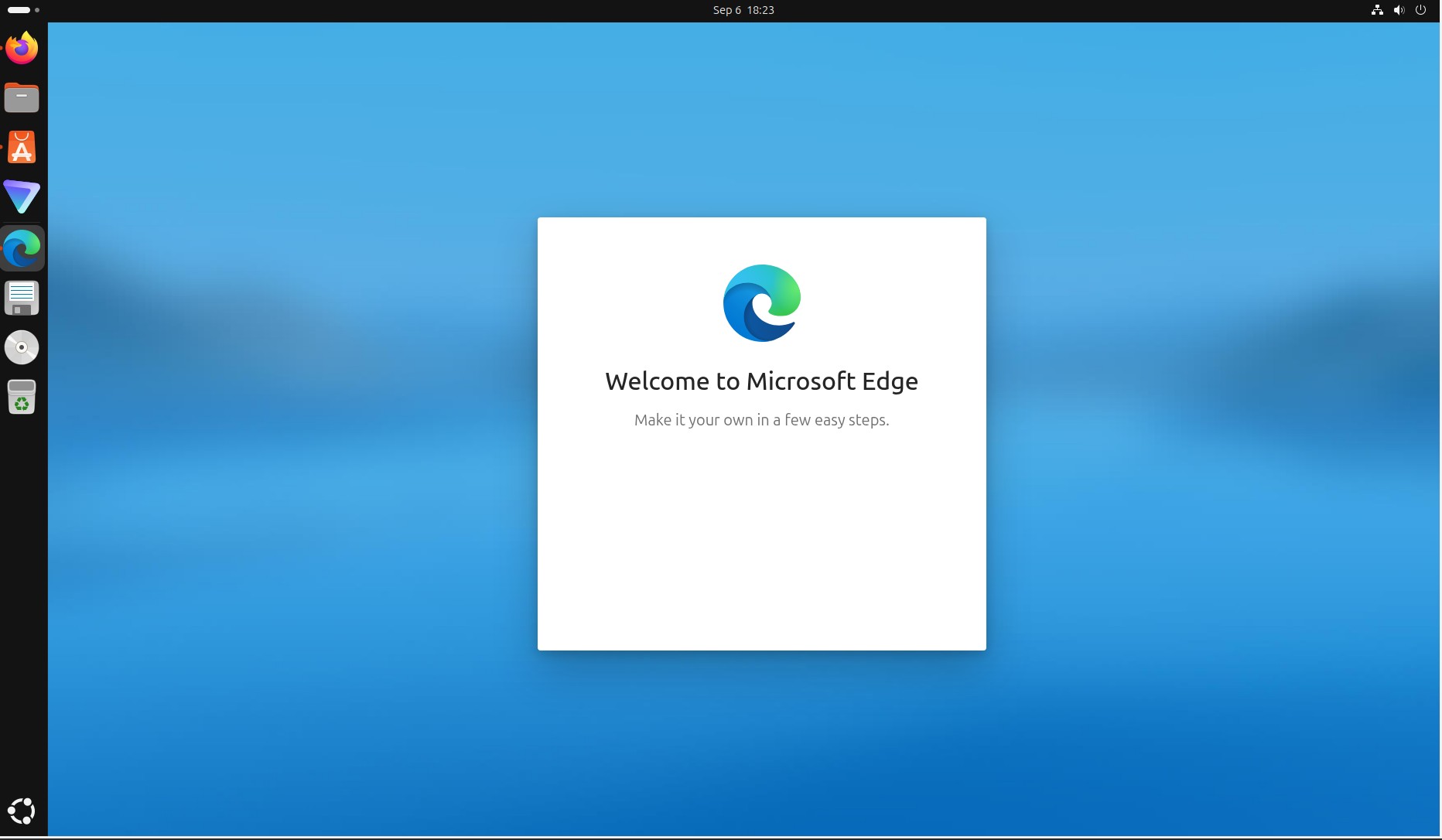
We’ve looked at how well Microsoft optimized WSL so developers get Linux tooling without leaving Windows. Microsoft increasingly wants its services to follow the user, regardless of which OS they’re running.
The problem isn’t getting Office onto Linux; it’s getting the full Office experience there
Microsoft already supports Linux, mostly through the browser. Microsoft’s documentation admits the web version has fewer features than desktop Office, missing things like captions, citations, advanced collaboration, and document parts in Word alone. It’s DHH’s “last 10%” argument confirmed by Microsoft!

Excel is the strongest case for a native port. Power Pivot, Excel’s advanced data-modeling engine, doesn’t exist on Mac at all, full stop, according to Microsoft’s support answers. Power Query exists on Mac in a limited form. Neither comes close to the full Windows experience.
The distinction isn’t cosmetic either, since Power Pivot supports DAX, relationships, and the kind of enterprise data modeling that makes Excel indispensable for analysts.
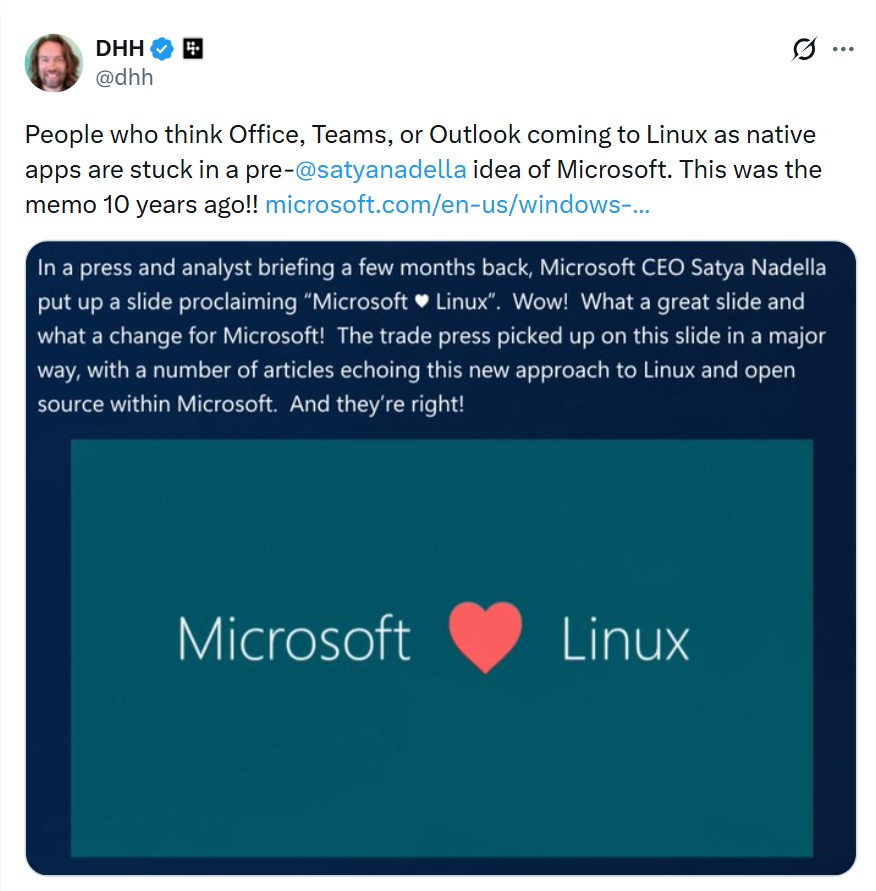
The real moat isn’t Word and Excel’s interface. It’s Power Query, Power Pivot, VBA, Power BI, SharePoint, OneDrive, Teams, and enterprise identity management, all wired into the same ecosystem (which is a word we generally associate with Apple!).
This is also why LibreOffice being good enough for most people doesn’t eliminate demand for Microsoft’s version. LibreOffice is a legitimate alternative, but Microsoft Office remains the compatibility reference point for complex Excel workbooks and enterprise workflows.
The common internet slang “just vibe-code Office for Linux,” came up way too many times in the replies, and in case you haven’t figured it out already, it isn’t realistic. Matching Word and Excel’s UI isn’t hard for AI. But matching decades of document formats, calculation logic, macros, and edge cases takes more than meets the eye.

If Microsoft doesn’t need Windows to sell Office, Linux is harder to ignore
There were recent reports of Linux taking 10% of Windows market share, but we proved that it’s inaccurate. However, Linux has seen some real growth, and in more interesting news, we covered how Ubuntu is growing faster through WSL on Windows than as a native install, but it’s nowhere near large enough to make a native Office port an obvious business call for the Redmond giant.
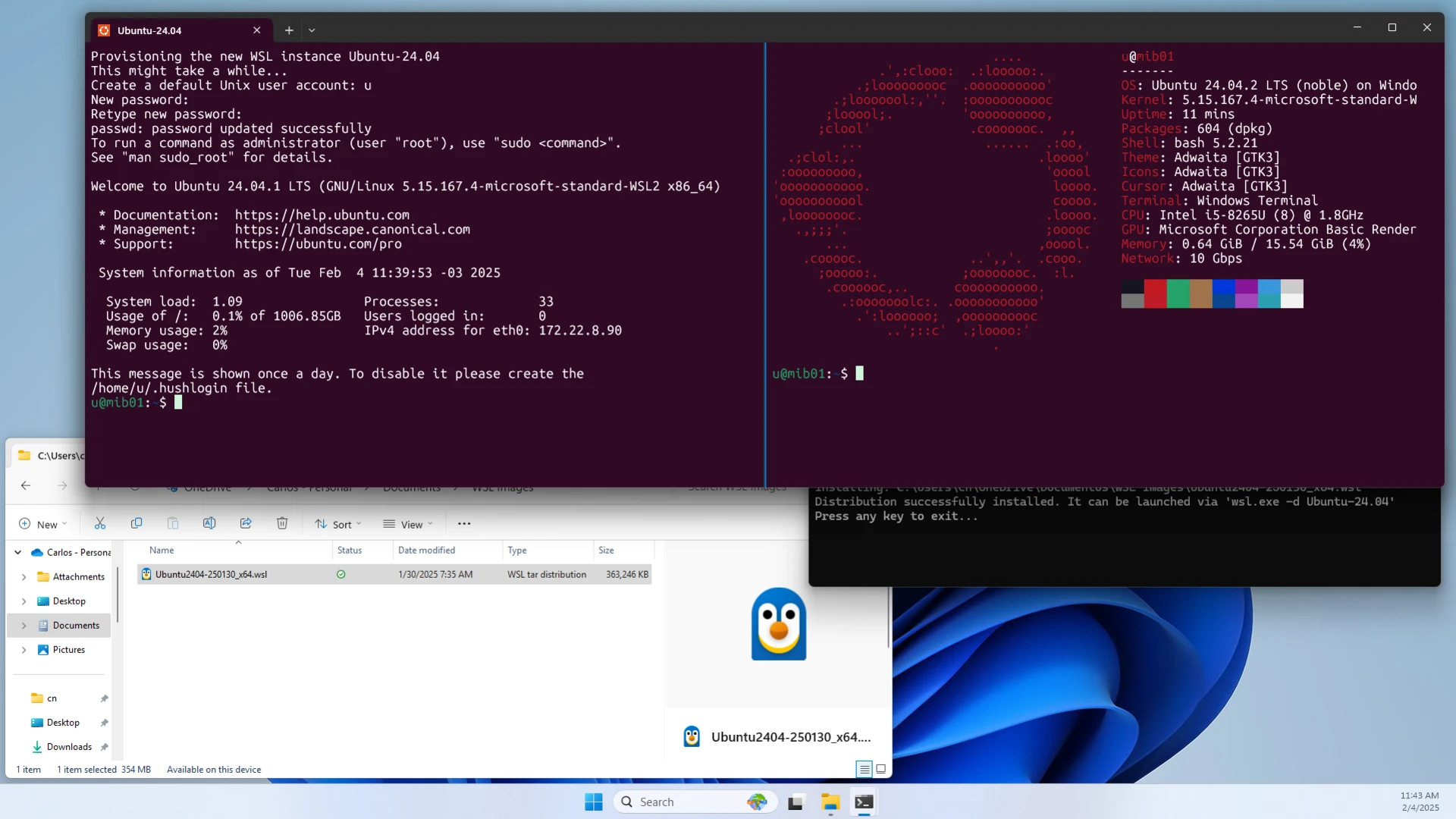
Omarchy is not trying to convert Windows users to Linux. It’s trying to make Linux desktop approachable for developers who already have reasons to be there, and Microsoft’s WSL strategy is close to an admission that plenty of them do.
Microsoft brought Edge to Linux years after Chrome got there, which is a sign it wants Edge users wherever it can get them.
The billion-dollar question is: would Microsoft prefer to lose a Linux user completely, or sell them a Microsoft 365 subscription?
A native Linux Office suite would still cost a ton of engineering time for a comparatively small desktop market, and Microsoft has announced no such plan. DHH’s request is strategically interesting, though.