








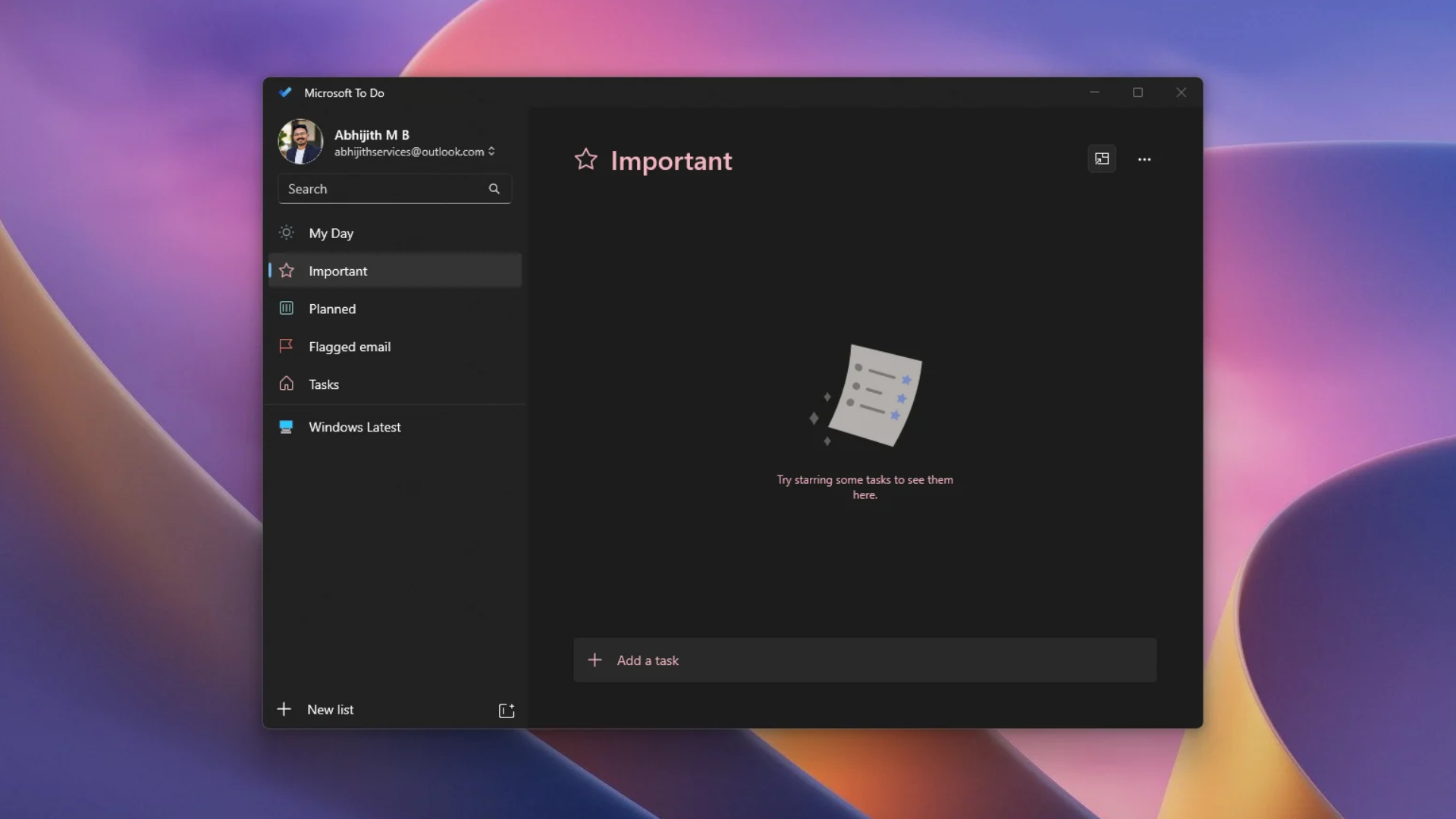
It doesn’t take a rocket scientist to realize that if you kill a very useful app, even if it was for a niche audience, the loyal users who built their life around that app, would be furious. And yet, the folks at Redmond decided to retire Microsoft To Do on June 30, 2027. Windows Latest first spotted the almost obscure documents and our X post has filled with replies from users, developers, Microsoft veterans and even rival app makers asking why the company would kill a simple app that just works.
To Do was built by the brilliant Wunderlist team, and Microsoft shut Wunderlist down to move its users to To Do. Now they are retiring To Do with no proper successor in place, personal account holders get no Microsoft replacement, and for longtime fans, it is like the tragic story of Windows Phone.
Microsoft To Do retirement sparks backlash as users ask if the company hates their own users
Microsoft tucked the news into the end of a long Planner blog post about “unified plans” on November 18, where Ashna Patel from the Planner team wrote, “As we bring personal task management into Planner, we will phase out To Do.”
Microsoft took the effort to make an exceptionally detailed transition guide to switch from To Do to Planner, as the Windows, Mac, iOS, Android and the web versions of the former will stop working next year. Those of us with Work and school Microsoft accounts will get a redesigned My tasks page in Planner from December 2026, but existing tasks and lists won’t migrate into it.
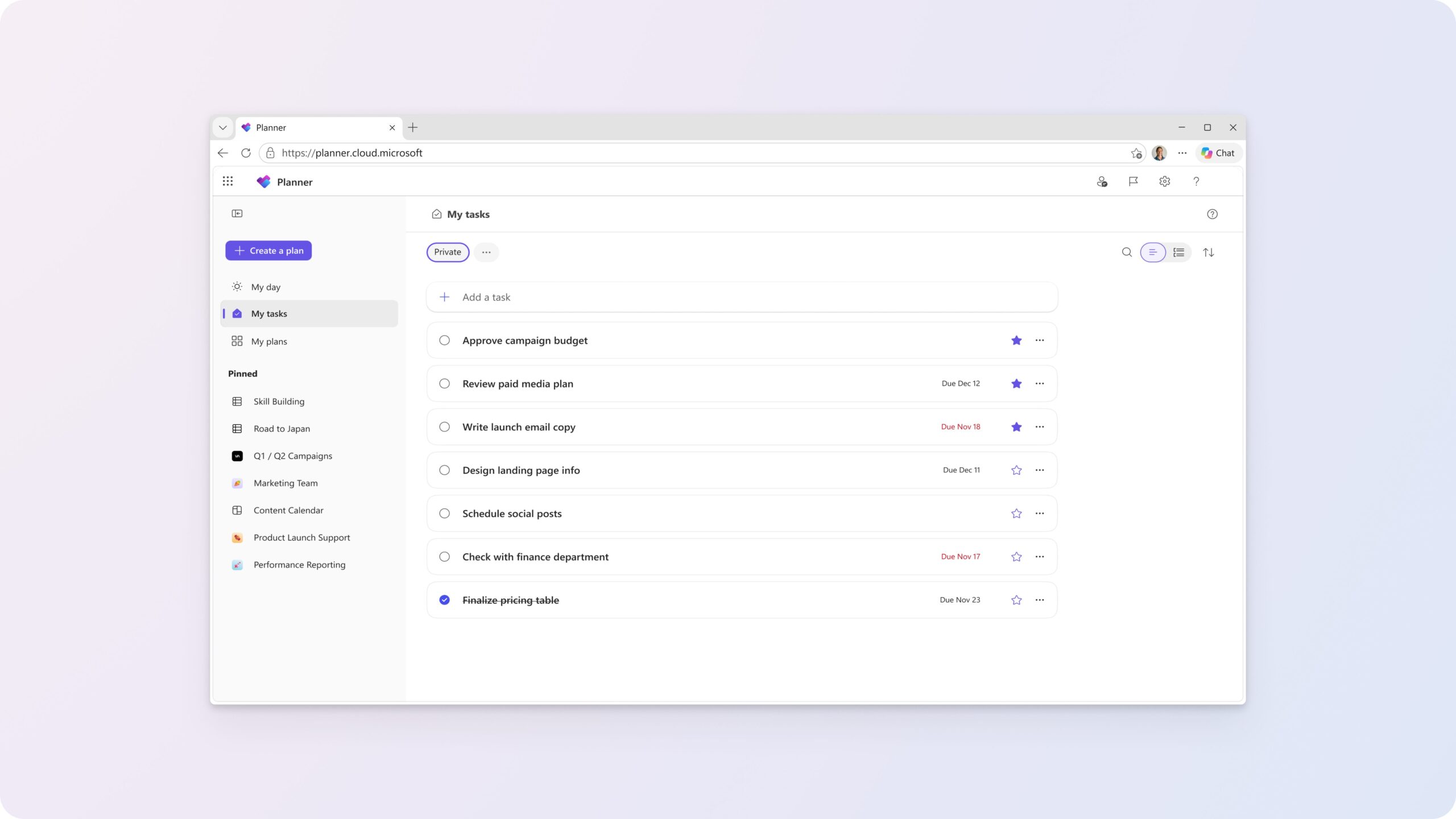
There’s nothing in store for Personal accounts, even if you pay for Microsoft 365 Personal or Family, and the company’s lazy recommendation is to pick another app.
Microsoft promises an export option, but warns that exporting your data doesn’t mean Planner or any other app can import it. For what it’s worth, the retirement itself doesn’t schedule your task data for deletion.
A user commented under the unified tasks blog post saying “What a mess”, and Microsoft’s Susie Tinker asked if he had a question she could help with; he said he had enough to keep him up all night, but if he had to pick one, it would be, “Do you actually hate your users?” He argued that Microsoft didn’t even bother to build a simple conversion tool for To Do users.
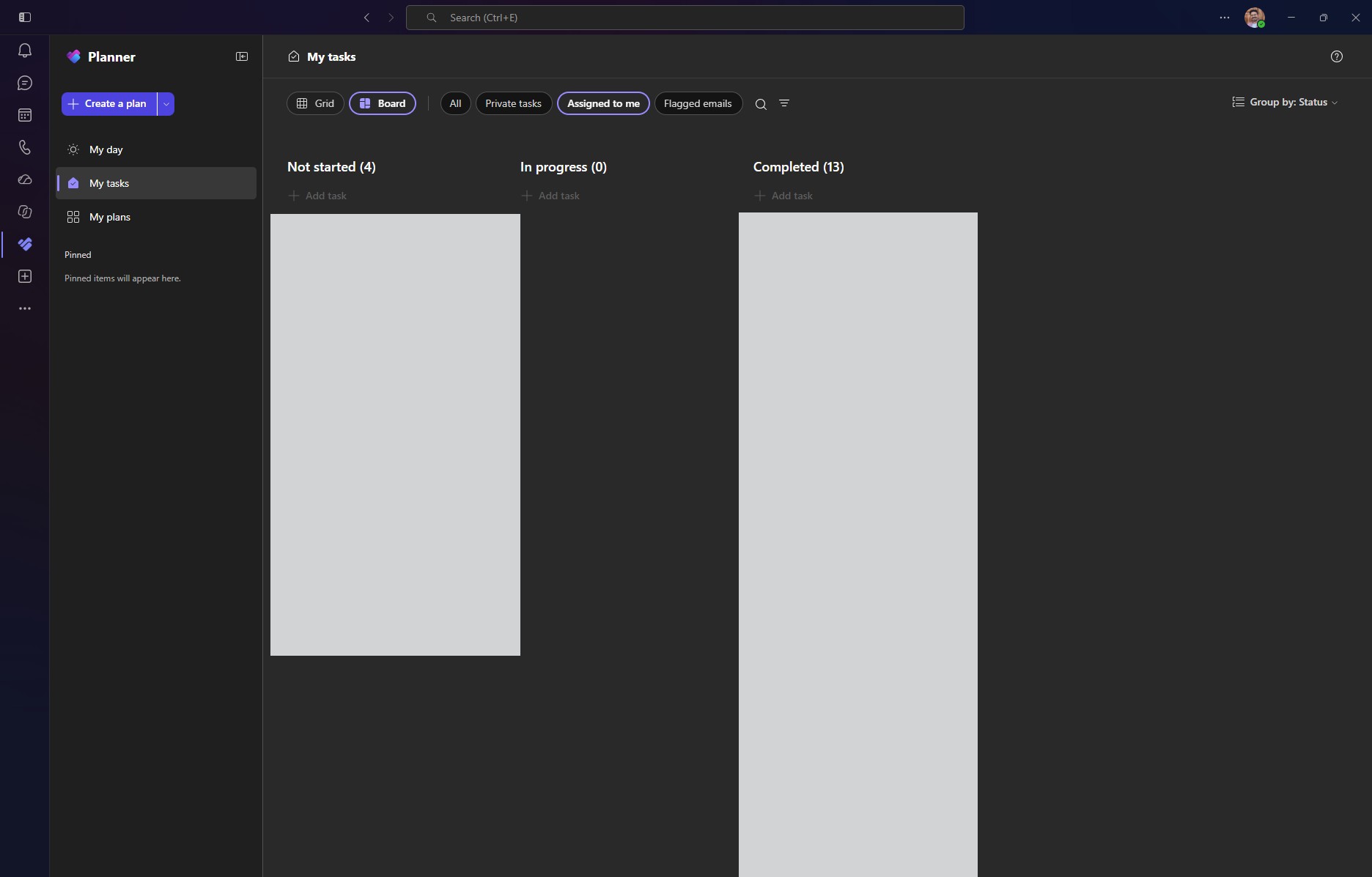
Tinker’s answer was peak 2026 Microsoft. She said that once the new private plan rolls out, “one option could be to use Copilot or Cowork to move them into your private plan,” and that best-practice articles covering To Do are on the way.
The user, who goes by siavashvj, wasn’t amused. “We don’t use and will not use Copilot or Cowork, most Microsoft end users haven’t even started exploring AI,” he wrote, adding that the company selling the tools should do the extra work. Another user, David_Swenson, had a more scientific explanation:
“Copilot (and AI in general) is a nondeterministic product whereas tasks are highly structured and depend on consistent predictable outcomes for successful migration of tasks.”
He’s right. A task list is structured data, with due dates, reminders, steps, notes and attachments. A migration tool copies every field as it is, every time, while an AI agent reads it and makes its best guess. To be fair to Tinker, she called Copilot one option. But it doesn’t help personal users at all, because they don’t get Planner or Cowork in the first place.
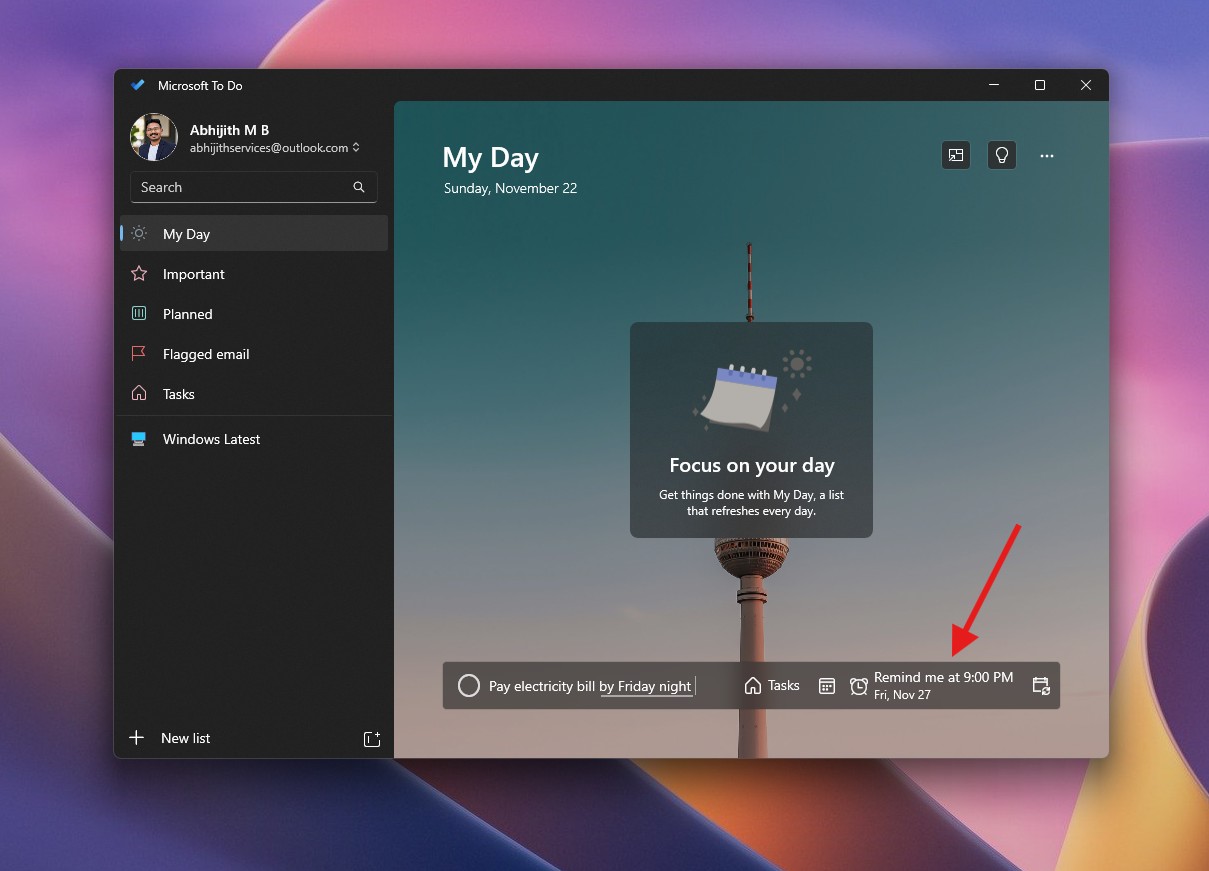
Ironically, the lack of Copilot was one of To Do’s biggest selling points. One user wrote that To Do “thankfully never got infected by a half-baked Copilot side car experience like so many other Microsoft products,” and asked Microsoft to open-source it. Another user mentioned that To Do syncs with Apple’s Reminders app on iPhone and powers Focus sessions in the Windows 11 Clock app, adding, “Microsoft, not everything revolves around an enterprise organization.”
Microsoft is abandoning regular consumers, and To Do is the latest example
Brad Silverberg, who led Microsoft’s Windows effort through Windows 95, uses To Do daily and used Wunderlist before it. “Very disappointed now,” he replied under our post, adding that TickTick and Todoist are the closest alternatives he has found.
Ben Rudolph, Microsoft’s former director of Windows Phone evangelism (yes, the “Smoked by Windows Phone” guy), wrote, “Really hope this isn’t true. To-do is an excellent app, and one of the main tools I use to keep my family organized.”
A Microsoft MVP said clearly how Microsoft 365 Family keeps getting less appealing. He creates reminders with Siri, and they sync to To Do on his Windows PC, and he noted that iCloud+ costs less and comes with reminders, calendar, notes and storage that work together. Remember, it’s easier for users to switch to Apple from Microsoft, but never the opposite. I wonder why the alarm bells at Microsoft aren’t already ringing. It’s not like the company with 3.8T USD can’t maintain a simple to-do app for personal accounts.
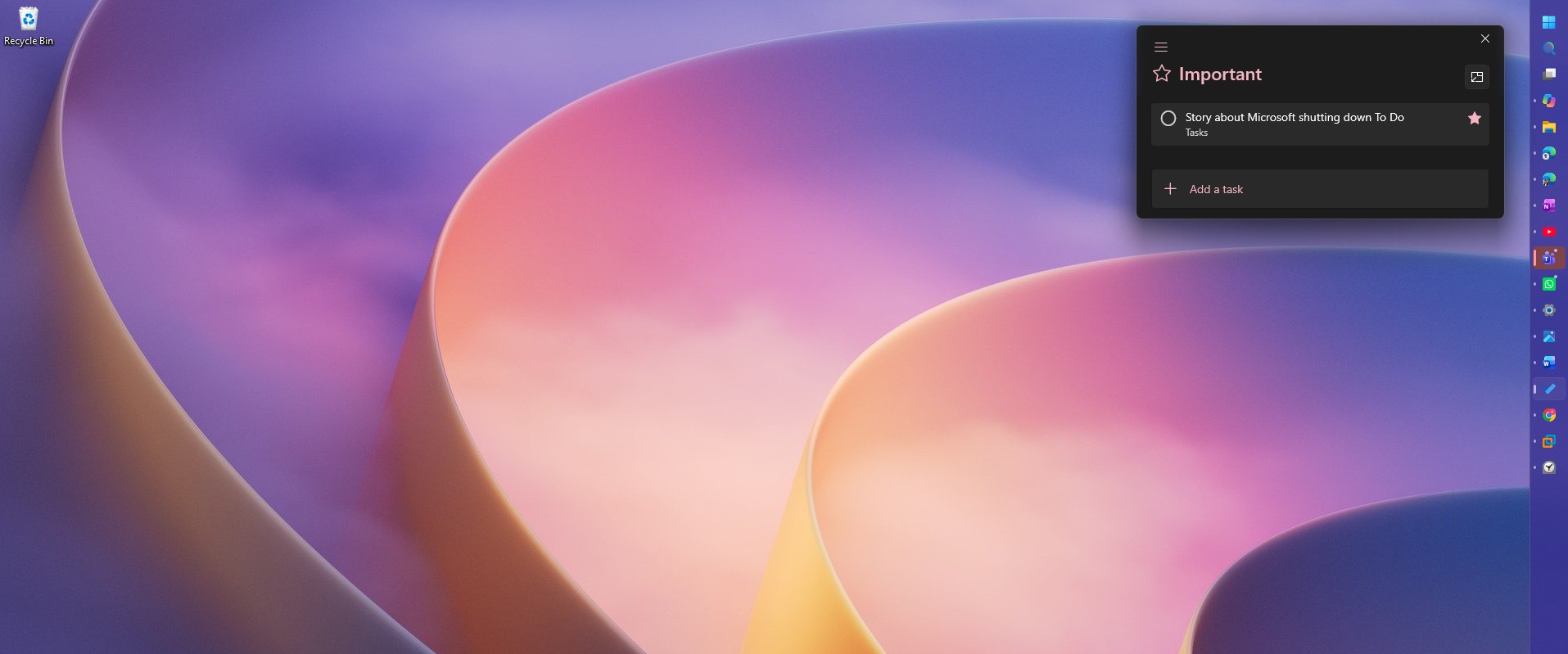
Personally, I’m devastated. To Do is one of my favourite Microsoft apps, and I use it every day. The Windows app is fast and native; it’s free, and there’s no MSN feed or Copilot. I have a Microsoft 365 subscription, but I don’t want Planner. I just want a basic to-do list that syncs with my devices.
Todoist, Superlist and Stuff are already circling Microsoft’s users
Competitors didn’t waste a minute. Todoist founder Amir Salihefendić called the shutdown “pretty unexpected” and pointed out that Todoist has kept improving over the last 20 years while competitors came and went. Marcel Käding, a co-founder of Superlist, wrote, “Time to switch to @Superlist.” The developer of Stuff, another to-do app, announced its biggest update ever for this holiday season.
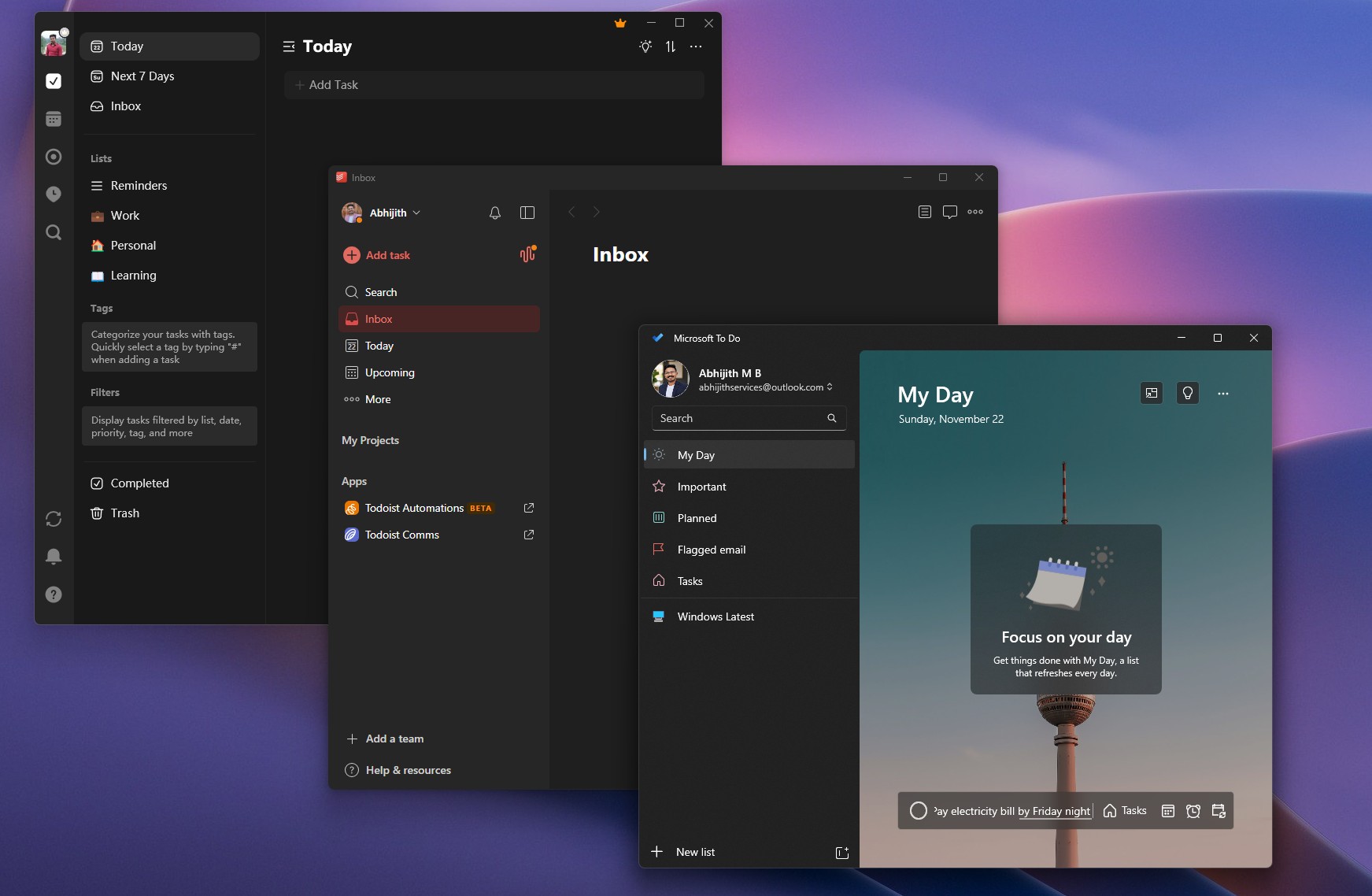
Funnily enough, Wunderlist founder Christian Reber announced Superlist as Microsoft was shutting Wunderlist down, so To Do users are now being invited back by the people who built Wunderlist.
Todoist users are mostly happy with the app, but I have a gripe with web apps and unfortunately Todoist is one. But at a time when AI makes building native apps easier than ever, there’s no excuse for Todoist and maybe they’ll make a WinUI version.
From Wunderlist to Windows Phone, Microsoft keeps killing products people love
In June 2015, Microsoft acquired 6Wunderkinder, the Berlin startup that made Wunderlist, for an undisclosed amount, which reports later found to be between $100 million and $200 million. Yes, it looks like too much for a To Do app, even today.
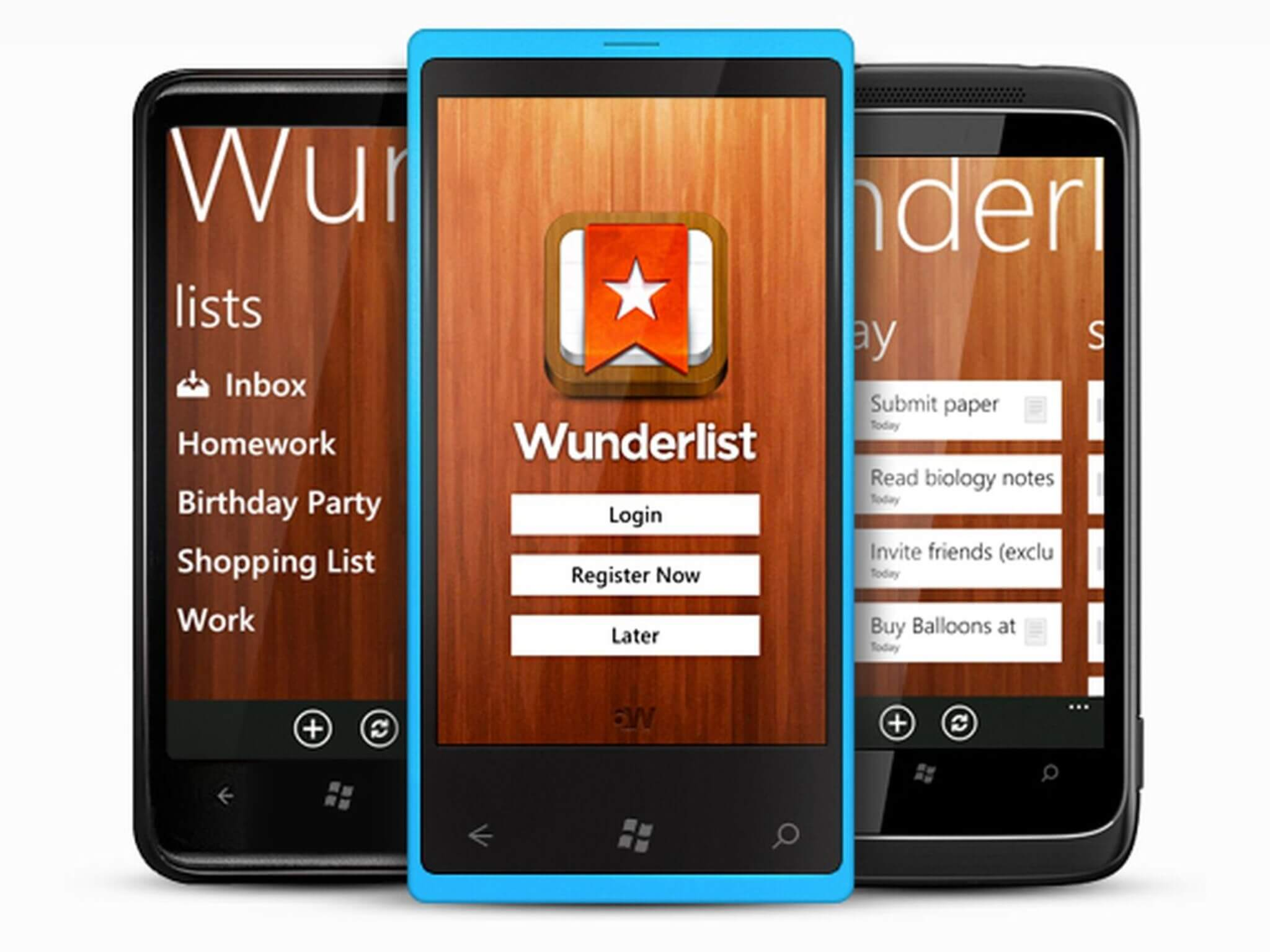
In 2019, Microsoft’s To Do redesign announcement bragged about the Wunderlist features it had brought over, saying “we took your feedback and created the app you wanted.” Two days before that, Reber had offered to buy Wunderlist back to keep it alive. Microsoft shut Wunderlist down anyway on May 6, 2020.
Microsoft’s transition guide tells a very different story for Planner’s new private plan.
| What Microsoft highlighted in 2019 | Planner’s private plan |
|---|---|
| Shared-list task assignments | Won’t transfer |
| List groups | No direct equivalent |
| File attachments | Not currently supported |
| Mac app | No native Mac or Windows app planned |
One reply under our X post got me feeling very nostalgic about a Microsoft that knew how to serve its users. He mentioned some of the best Microsoft products that they killed over the years, including Windows Live Messenger, Skype, Windows Media Center, Microsoft Money, Groove Music, Zune, Band, HealthVault, Windows Phone and now To Do. He wondered what’s left, and whether it’s time to move to Apple or Linux.
A few of those had run their course, but each one had people who loved it, and I’m one of them. I spent hours adding album art to my Groove Music collection, and I miss it terribly. Then there’s Windows Phone. I used a Lumia 640 XL in college, converted longtime Android and iOS users, and sold them the idea of a unified desktop and mobile OS, a promise even Microsoft didn’t fulfill. Not a day goes by when I don’t think about Metro UI, and nothing Android or iOS ships each year holds a candle to it.

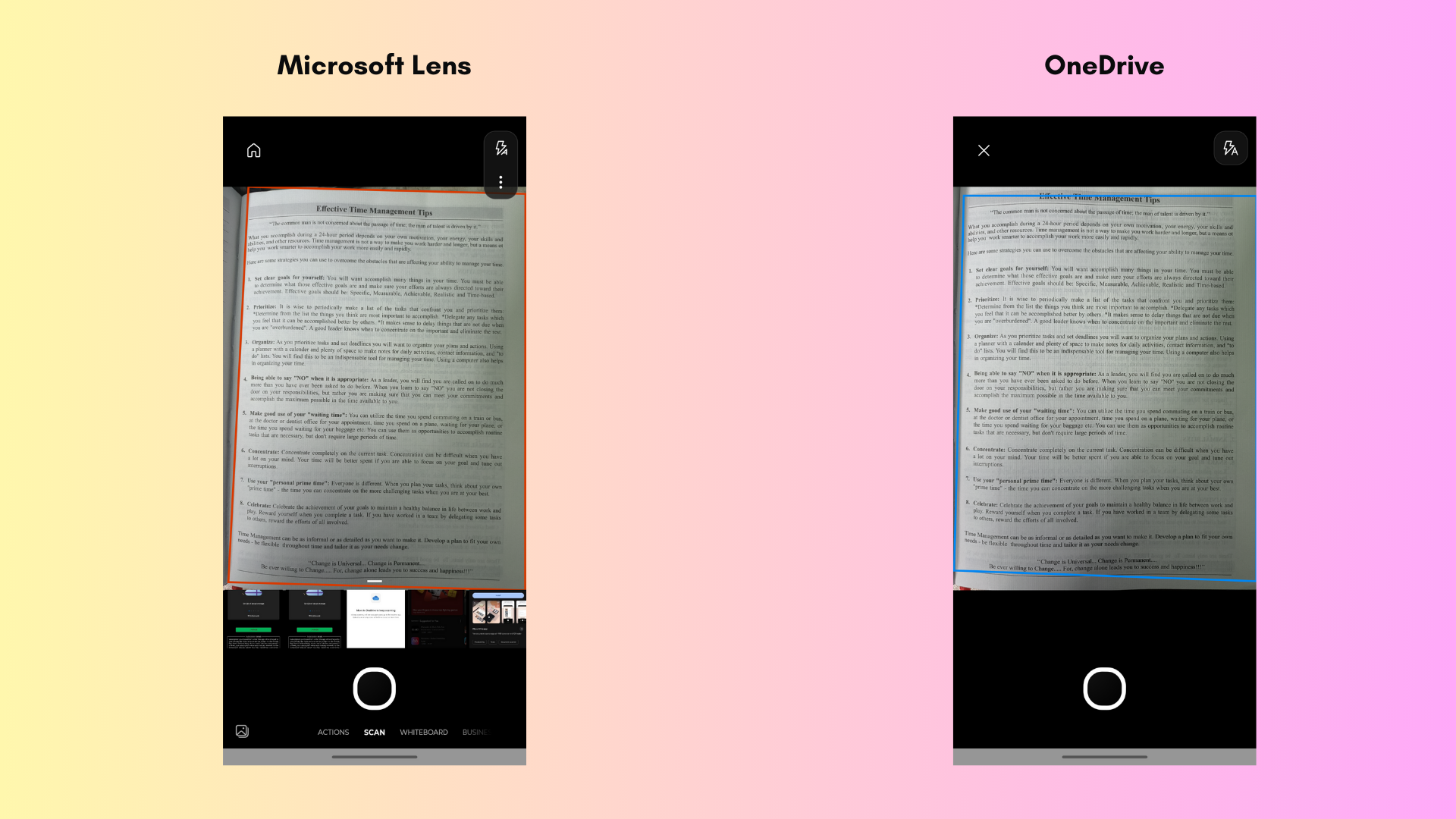
Microsoft also ended support for Mail and Calendar on December 31, 2024, but those users at least got the new Outlook, even if it’s a web app that I still refuse to use over Outlook Classic. When Microsoft retired Lens, it pointed people to OneDrive, which can’t save scans to your phone like Lens could. It’s a tragedy to think that those with Personal accounts in To Do don’t even get a downgrade.
So, the next time Microsoft asks you to move to one of its apps, why should you believe it’ll still exist in five years?
Microsoft is building apps we didn’t ask for while retiring the ones we use every day
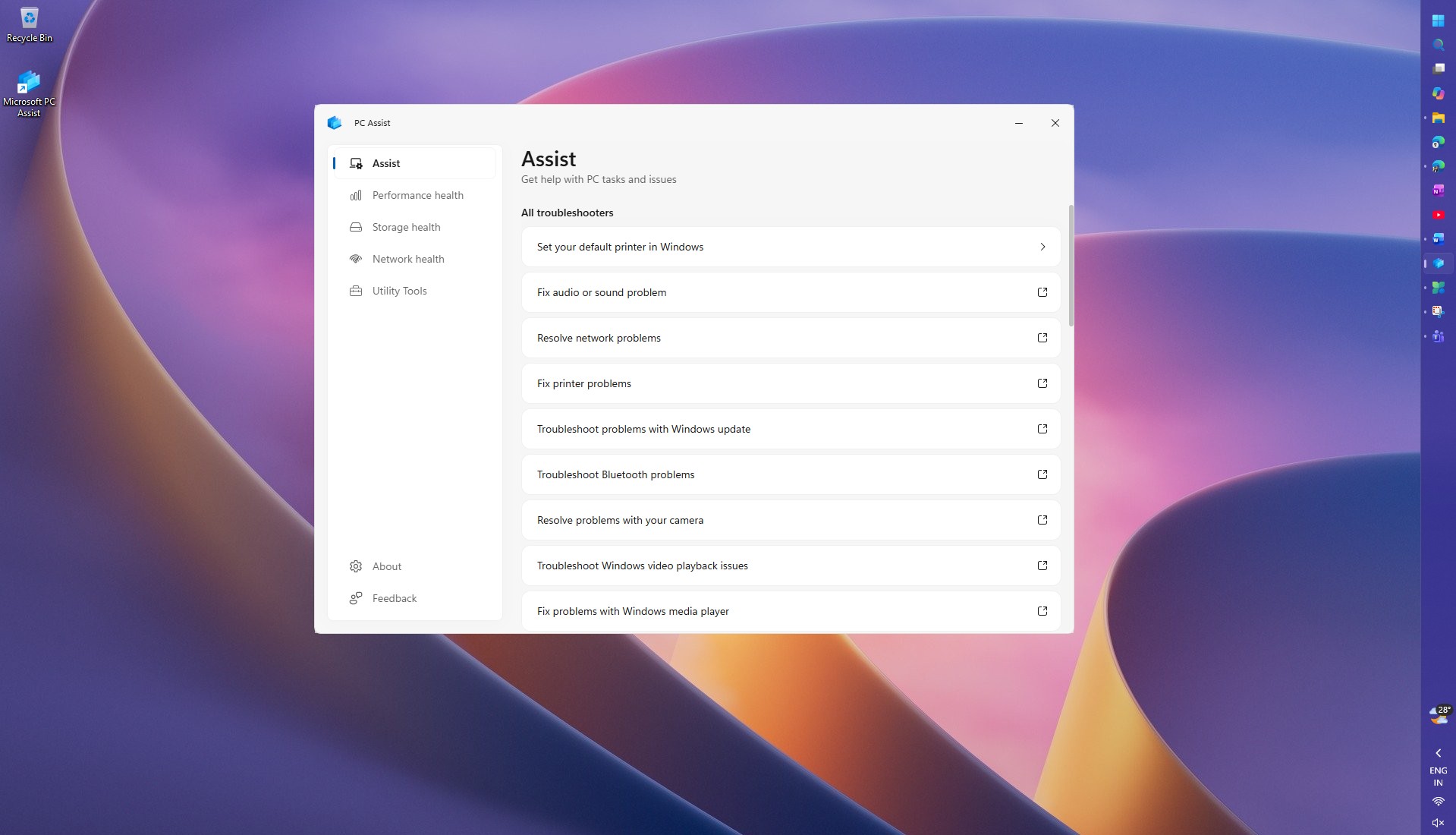
Redmond clearly has engineers to spare for useless apps. We tested their new venture, the PC Assist app for Windows 11, which has troubleshooters that open the Get Help app, and all its utility tools open a Bing page in the browser. Back in August, Microsoft also built Recommended Settings, a dedicated app that forces Bing into Chrome, Firefox and Brave.
Where Microsoft isn’t pushing Bing, it’s pushing AI. The Planner team says unified plans already work in Copilot and Cowork, with Autopilot support planned, and Tinker wrote in the forum that Copilot and the Planner agent need unified plans. A free to-do app for personal accounts doesn’t fit into such grand gestures.
Slava Akhmechet, who heads Azure MySQL engineering at Microsoft, recently said the company doesn’t care “one iota about polish. It cares about winning.” For Microsoft, winning means enterprise deals and AI, and a to-do list for regular people moves neither needle.
Microsoft needs its XBOX moment before it loses more consumers
On February 20, Microsoft named Asha Sharma, then president of its CoreAI product, as the CEO of its gaming business. In her first memo, she said her job was to understand what makes Xbox work and protect it, and promised to recommit to core Xbox fans. For someone who came from Microsoft’s AI division, she also made a bold promise that Xbox will “not chase short-term efficiency or flood our ecosystem with soulless AI slop.”
I’m not saying Sharma has fixed Xbox. But in my books, Xbox sounds like a brand that talks to gamers again, a far cry from a year ago, when it felt like a subsidiary of a corporate-first Microsoft.

During the April 2026 earnings call, Satya Nadella said Microsoft is doing “the foundational work required to win back fans.” But all it took was less than seven months for the company to announce they’re killing one of the few free consumer apps users had little to complain about.
I’m not going to put this lightly. Microsoft is so blinded by its own grandeur that it can’t see the bigger picture unfold beyond its shadow. I understand that Enterprise contracts pay their bills, but regular people, like us, are the ones who pick Windows, pay for Microsoft 365 Family and tell our friends and family which brands to trust.
It seems like Microsoft forgot that we have more options than ever. Apple has Reminders, Google has Tasks, and not to mention the slew of third-party apps. Of course, this is not just about mere To Do apps. It’s about the people vs. Microsoft. Whatever Redmond thinks it can win in the AI race, the bubble still needs regular users.
The truth is, I don’t want Microsoft to die. For all its shady practices, Microsoft gave me Windows XP, MSN Messenger, Skype and Windows Phone, which I used until my banking apps stopped working. My love for Windows Phone is why you’re reading this at Windows Latest. But if Microsoft keeps doing this, it will lose even its most loyal customers, and this is the age of AI, where juggernauts can fall.
Microsoft, you don’t need another Copilot feature to win back your customers. You need to start listening to them again.