
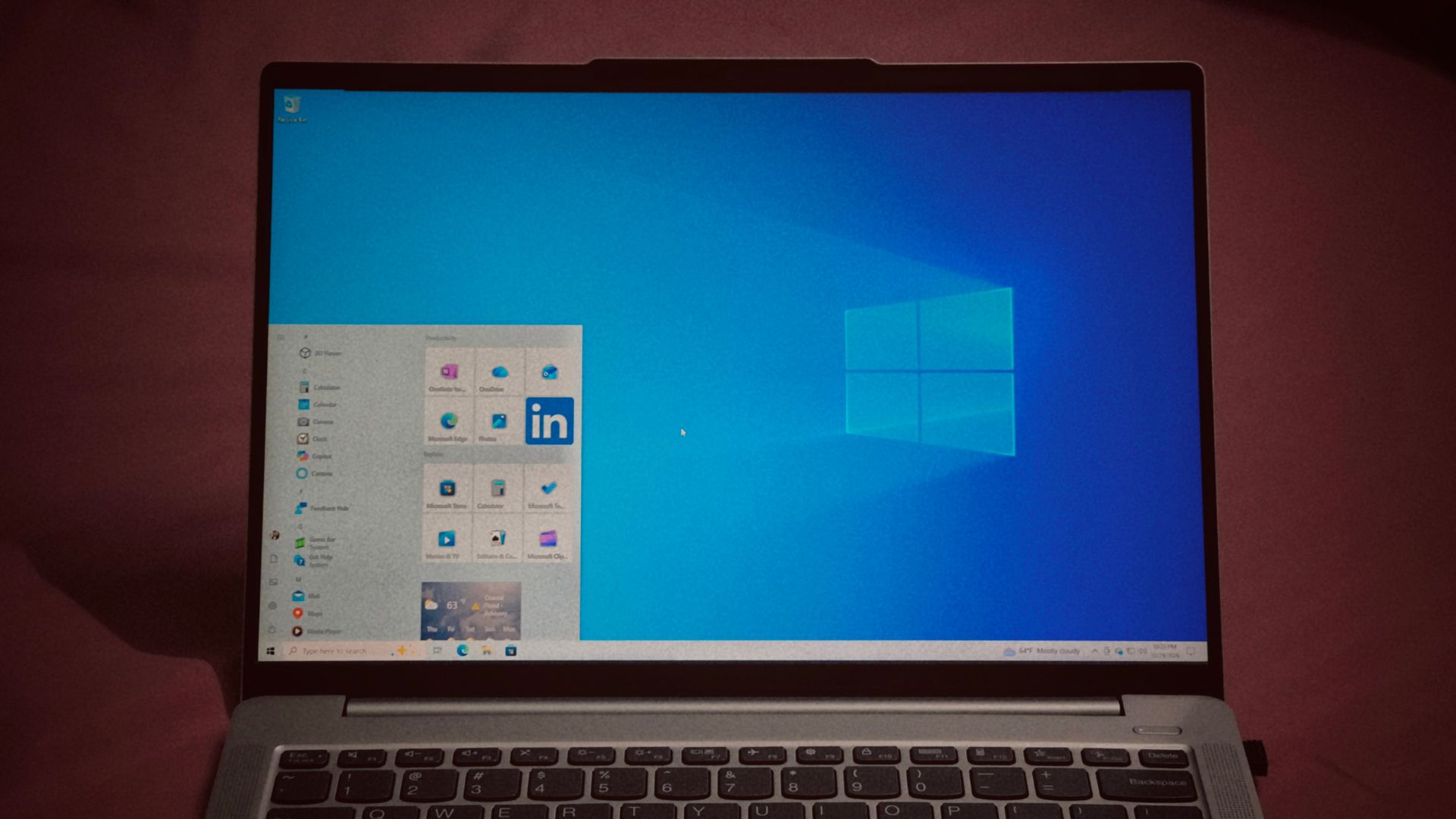
Microsoft’s Windows OEM revenue fell 27% in the July to September 2026 quarter, and Microsoft says it was “driven by the Windows 10 end of support demand in the prior year, inventory drawdowns by OEM and channel partners, and weaker PC market demand.” As it turns out, the people who rushed to buy PCs before Windows 10 support ended last year don’t have a reason anymore to upgrade…
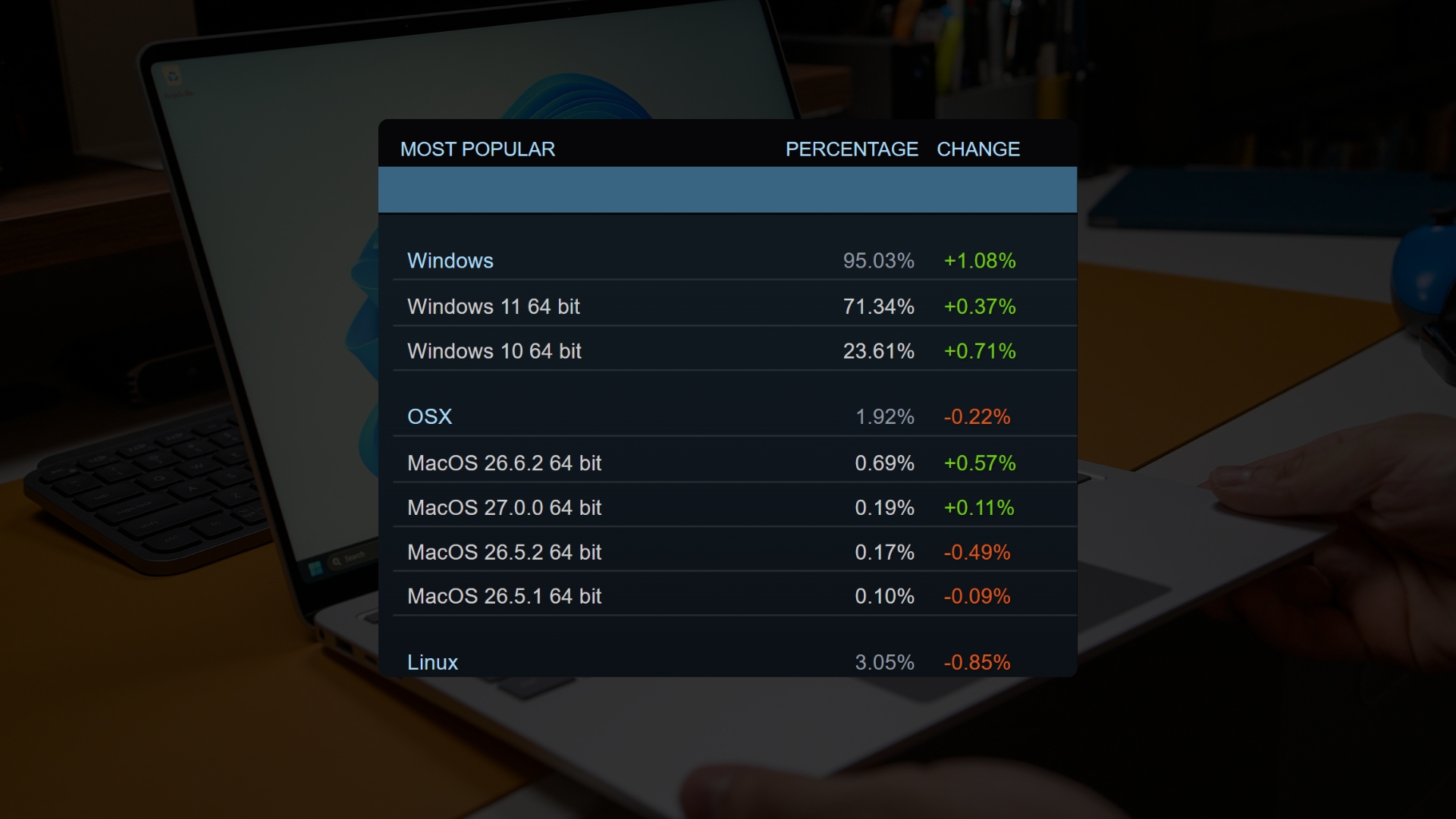
Meanwhile, a big chunk of PC users still hasn’t moved on. In September 2026, nearly a year after Windows 10 support ended, Steam’s hardware survey shows Windows 11 at 71.34% with 0.37% growth, while Windows 10 had 0.71% growth and 23.61% market share.
Windows OEM revenue fell 27% as Windows 10’s upgrade boom faded
During the FY27 Q1 earnings call on October 28, CFO Amy Hood said Windows OEM revenue “was below expectations” and fell 27%, or 28% in constant currency. “Inventory levels remain elevated,” she added.
Windows OEM revenue is what Microsoft earns from PC makers like HP, Dell and Lenovo for preinstalling Windows. It’s part of a larger category, Windows OEM and Devices, which also includes Surface. Revenue in that category fell 22% from $4.55 billion to $3.55 billion, according to Microsoft’s earnings release. Microsoft doesn’t share revenue from only Windows 11, which I feel is odd.
Anyway, what I find interesting is how the inventory story flipped so quickly. Back in July, Hood said Windows results were “ahead of expectations as OEM and channel partners continue to build inventory.” Three months later, these partners are selling through that stock and buying fewer Windows licenses.
Ironically, Bing and Edge did just fine. Search advertising revenue grew 12%, helped by “higher volume and rate across LinkedIn, Edge, and Bing.” This comes as Microsoft is reducing Bing’s presence in Windows!
Windows 10’s end of support sold a lot of Windows 11 PCs in 2025
If you look at it from another angle, the 27% drop looks so bad because the comparison is with a quarter when businesses and consumers were rushing to replace Windows 10 PCs.
In the third quarter of 2025, global PC shipments grew 8.2% to nearly 70 million units. “Worldwide PC shipments were driven by the Windows 10 end-of-support (EOS) refresh cycle in most regions,” Gartner’s Rishi Padhi said at the time. By the end of 2025, shipments grew 9.1% for the year, with fourth-quarter demand “fueled by the Windows 11 upgrade cycle,” according to Gartner.

PC makers weren’t hiding the facts. In August 2025, Dell COO Jeff Clarke said he expected growth “driven by an aging installed base and the Windows 10 end of life.” Microsoft admitted in July that it was up against “a high prior-year comparable that benefited from Windows 10 end of support,” which is why we said Windows 10’s end of support was the real Windows 11 sales driver.
Unfortunately for Microsoft and its partners, a deadline only works once. Many people who needed a new PC bought one before October 2025, and they’re not buying another one a year later.
Windows 10 holdouts still aren’t switching
The rest are holding on (I personally know a few). Lansweeper found that Windows 10 still ran on 16.9% of Windows PCs it tracked in July 2026, and 21.4% in small and mid-sized businesses. I understand the conflicting numbers can be confusing, but tracking OS market share can only go so far. However, the interesting bit is that, from the numbers Lansweeper found, only about 2.8% of those PCs can’t run Windows 11, so most of them could upgrade if their owners wanted to.
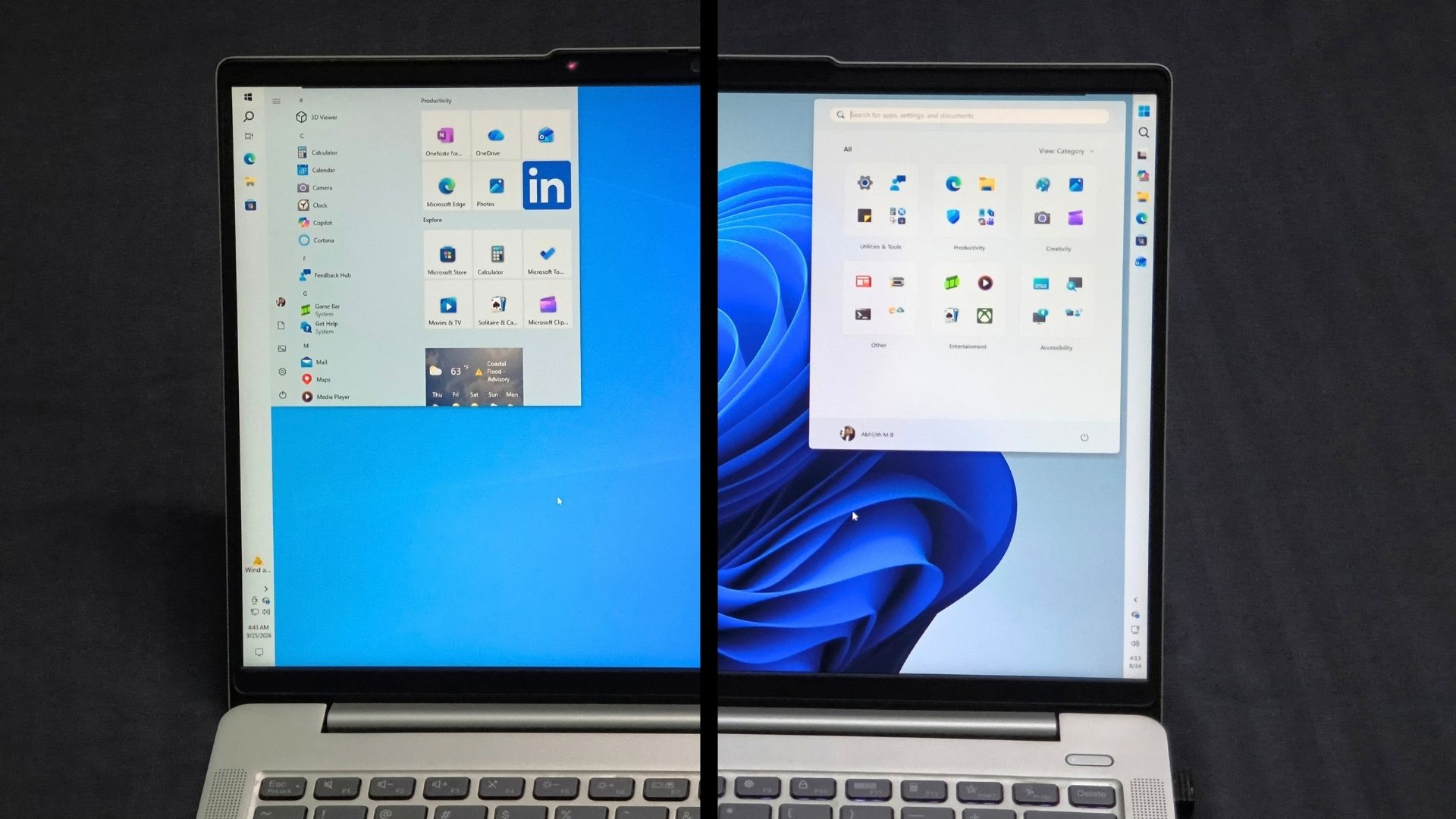
HP’s CFO Karen Parkhill said in May that “roughly 30% of the installed base” is still on Windows 10. Microsoft didn’t help its case either, when the company extended free consumer security updates for Windows 10 to October 12, 2027. “We understand that moving to a new PC can take time,” Microsoft said.
Then there’s the giant elephant in the room: buying a new PC is now insanely expensive thanks to the memory shortage. Counterpoint says global PC shipments fell 21% in Q3 2026, blaming higher prices for RAM, SSDs and processors, along with a Q3 2025 that was boosted by Windows 10’s deadline. It’s not a secret anymore now that all major industry analysts confirmed the effect of Windows 10’s end of service on Windows 11 PC sales.
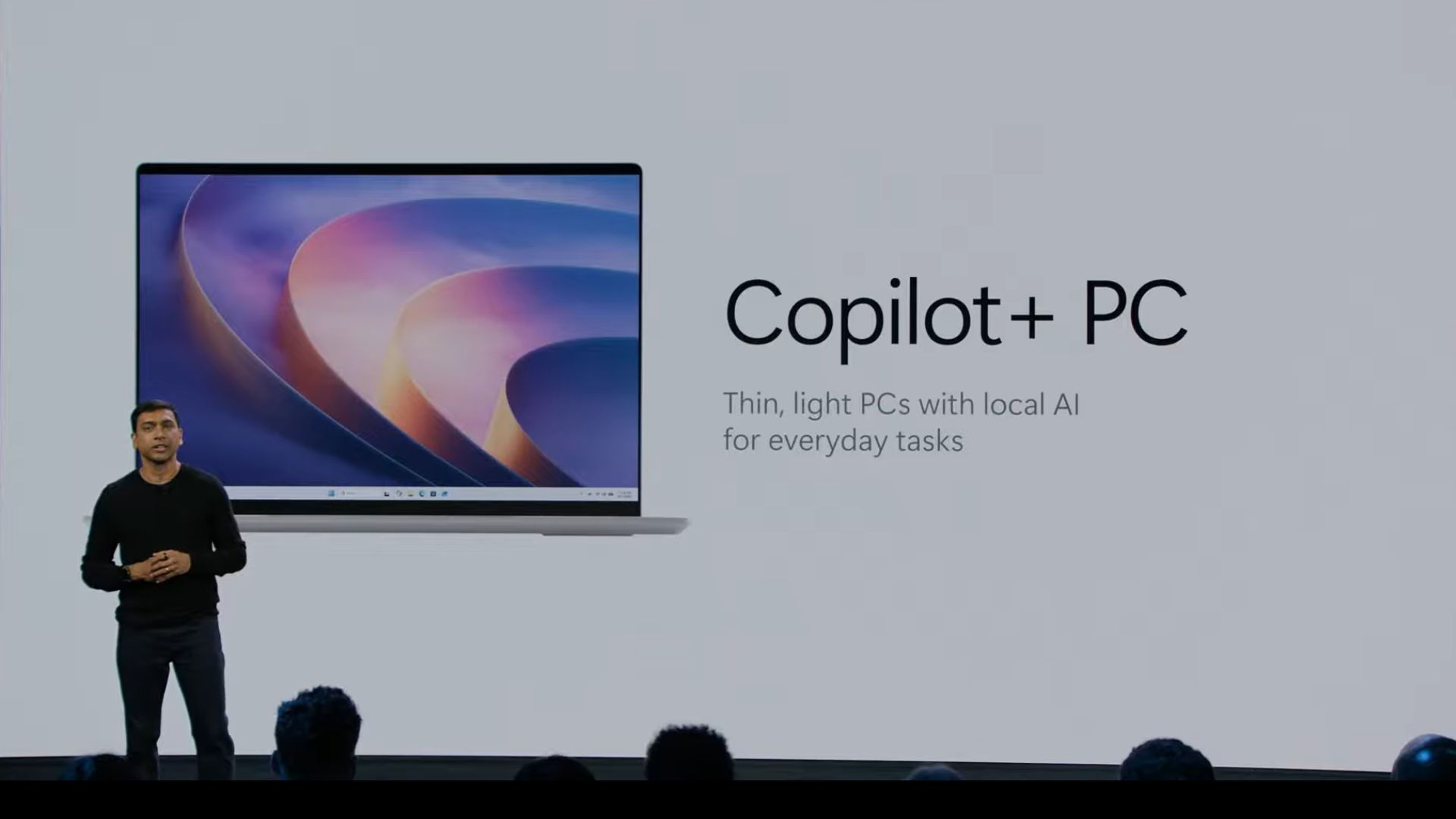
To be clear, Microsoft didn’t say that Windows 10 holdouts caused the 27% drop. But as long as they stay put, the software giant can’t count on another wave of Windows 11 upgrades, especially as Copilot+ PC branding didn’t do much to drive sales.
Microsoft expects Windows revenue to fall even further
For the October to December quarter, Microsoft expects Windows OEM and Devices revenue to “decline in the mid-thirties.” Hood said, “Growth will continue to be impacted by elevated inventory levels, PC market demand, and a prior-year comparable that benefited from Windows 10 end of support,” adding, “We expect these trends to continue through the rest of this fiscal year.”
Three months ago, Microsoft expected a decline “in the high teens” for the full fiscal year. Now, it’s guiding for a drop roughly twice as steep in a single quarter.
The seemingly stoic Satya Nadella talked about “making every PC a secure agent box” that runs AI models locally on new chips from AMD, Intel, Qualcomm and NVIDIA. On the call, he also said, “We think of Copilot as the new OS for work.” I’m not sure Windows fans will love hearing that from the company that makes Windows.
Meanwhile, IDC believes Apple’s $599 MacBook Neo is “putting real pressure on the entire PC ecosystem,” and is continuing to do so. Apple also launched the new Touch enabled MacBook Pro, giving another reason for Windows 10 holdouts to switch to the other side. Not a good sign for the Windows PC ecosystem!
Windows 11 needs a reason to upgrade that isn’t a deadline
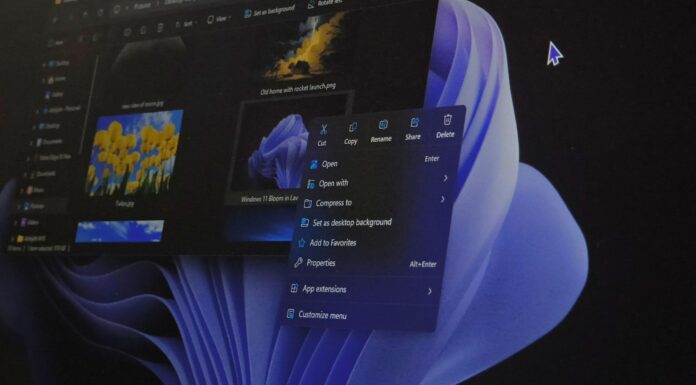
Windows 11 has to sell itself on being fast and reliable, which is why fixes like the faster right-click menu in KB5127936 do more for Windows than any AI or agentic capabilities in the OS.
If Microsoft wants the remaining Windows 10 users to upgrade, it has to give them a reason to want Windows 11, and my top picks would be better privacy, no ads and recommendations, faster and cleaner.