








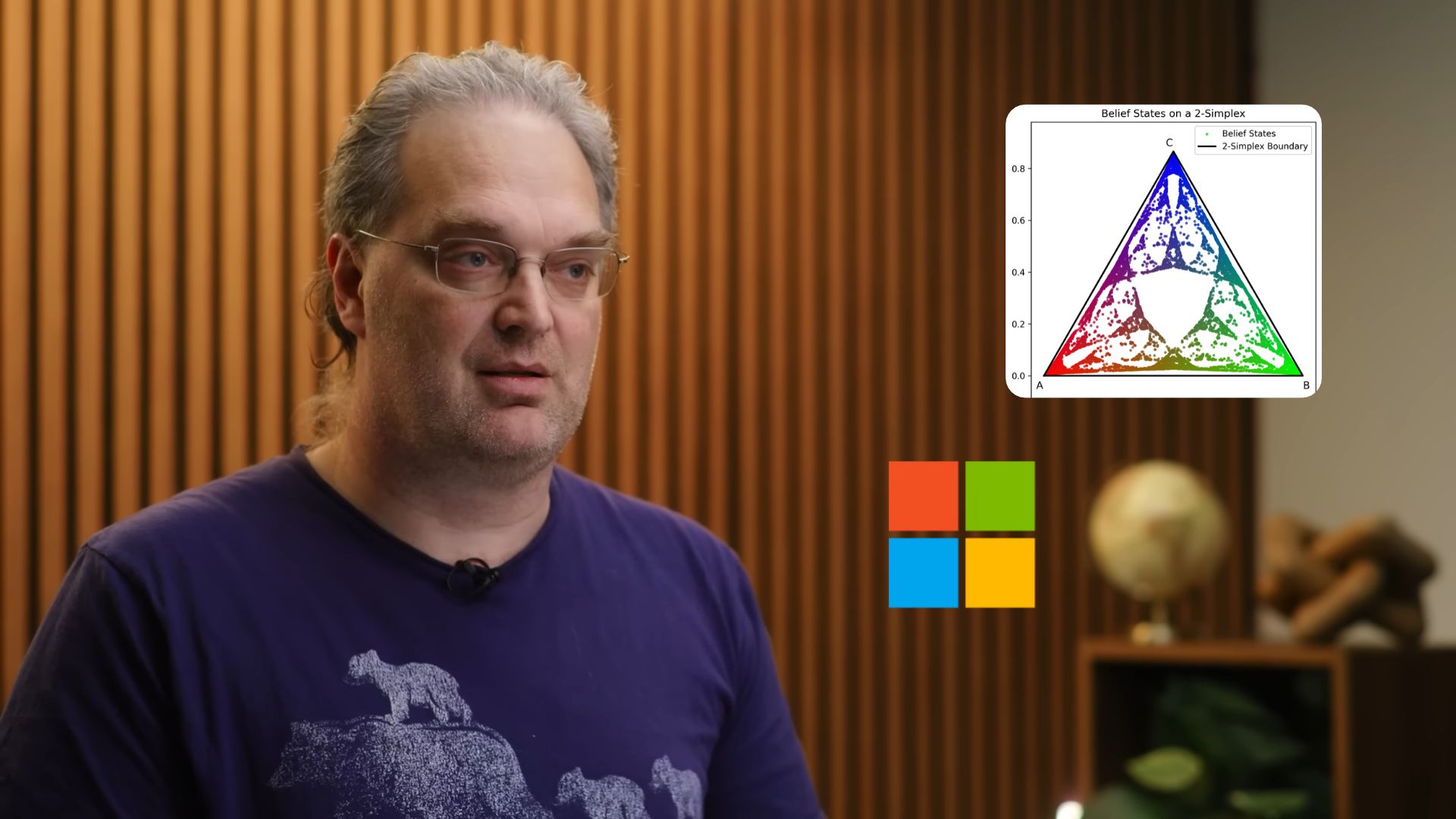
John Langford, a Microsoft Research veteran of over 14 years who co-founded its AI Frontiers lab, has left the company. He says Microsoft AI, the Mustafa Suleyman-led division that absorbed his roughly 50-person group in September, only cares about scaling up models instead of research, and that the other founding leaders of AI Frontiers seem to have reached a similar conclusion.
In case you don’t follow AI research, Langford is a big name in machine learning, and the kind of research he says Microsoft AI wouldn’t seriously consider has since been tested at a bigger scale by TikTok’s parent company, ByteDance. Why doesn’t Microsoft care that he walked out the door?
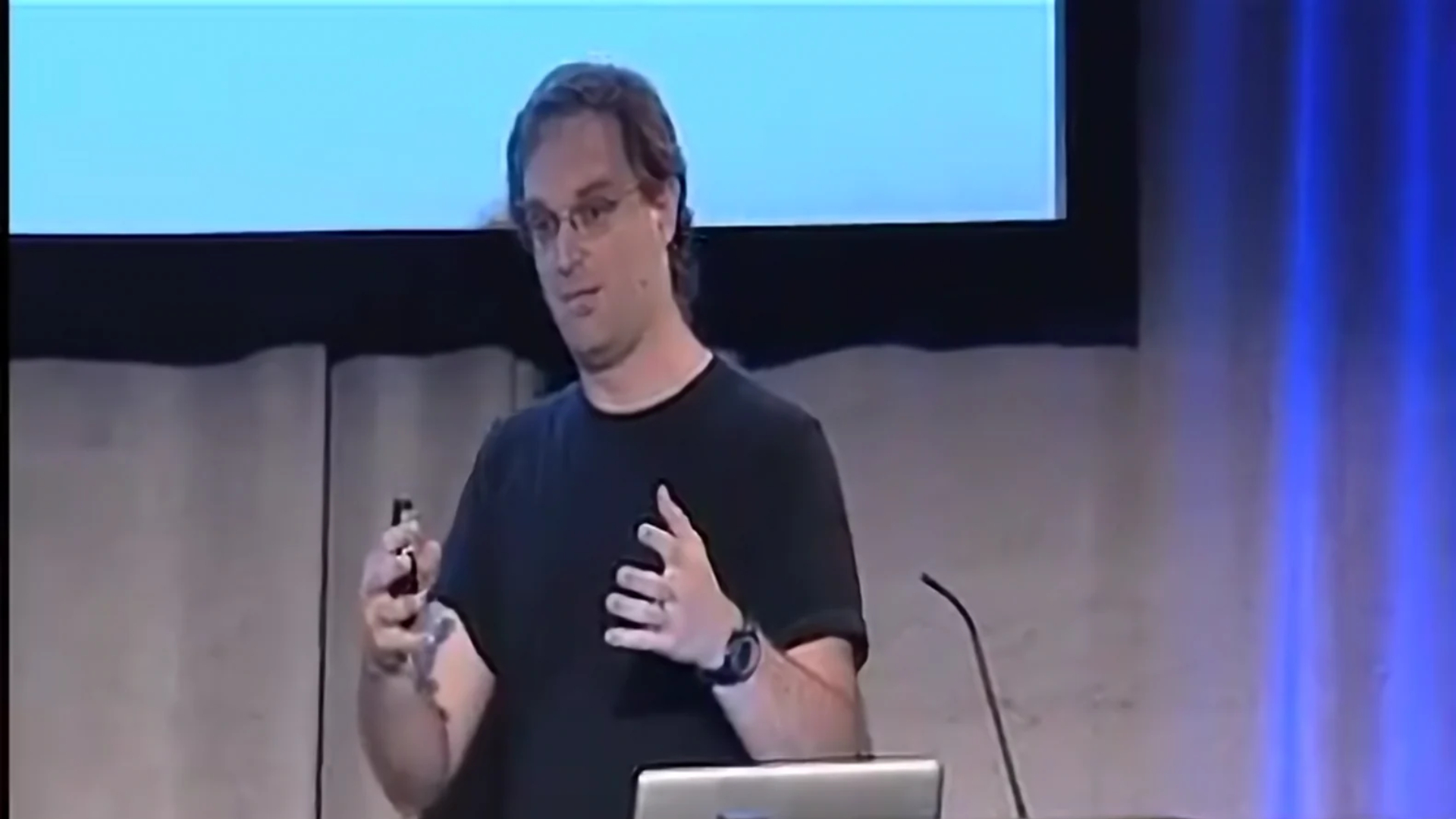
John Langford helped build some of Microsoft Research’s most important AI work
I took a look at his impressive résumé. Langford joined Microsoft Research in May 2012 as a founding member of its New York City lab, after stints at Yahoo! Research and IBM, and rose to Partner Research Manager.
He’s the principal developer of Vowpal Wabbit, an open-source machine learning system, and he coined the term “contextual bandits,” a method used to personalize what apps and websites show you. He also served as president of ICML, one of the biggest machine learning conferences, from 2019 to 2021.
In 2023, after ChatGPT came out (and the world fundamentally changed), Langford and a few colleagues created AI Frontiers inside Microsoft Research, as they felt a single researcher with a clever idea could no longer keep up with better-organized teams elsewhere. Much of their work went into agents, including the AutoGen framework and the Fara-7B computer use model.
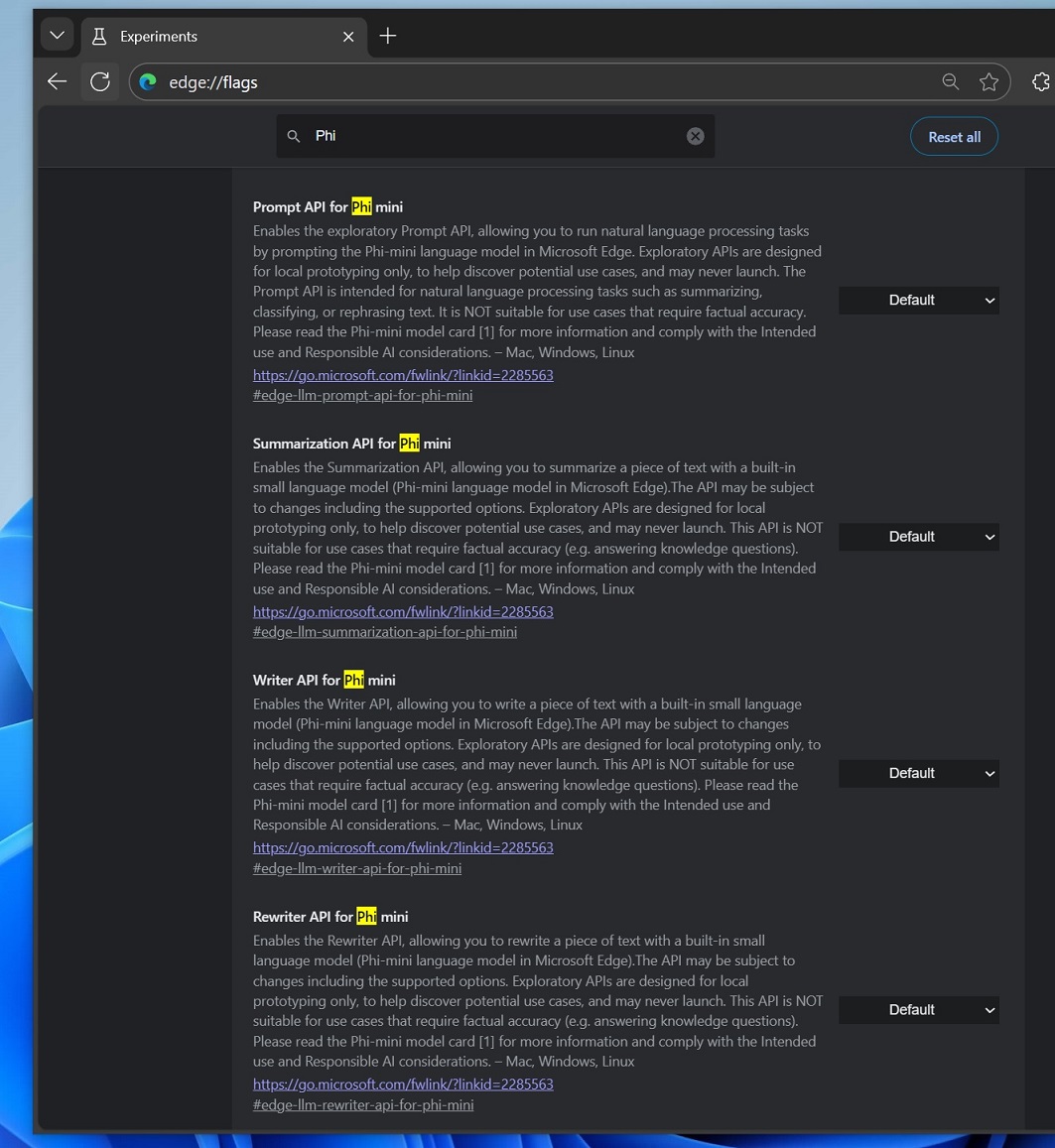
In fairness, Microsoft Research work does reach products, like the Phi small language models that ended up powering on-device AI in Edge.
Microsoft AI’s philosophy is “scaling, and aggressively not research,” says Langford
Microsoft AI was formed in March 2024, when Satya Nadella hired Inflection co-founders Mustafa Suleyman and Karén Simonyan to lead Copilot and consumer AI. In early September 2026, AI Frontiers was reorganized into it.
In his blog post, Langford says the merger could have made sense conceptually, but the “ex-Inflection leadership” of Microsoft AI has an incompatible philosophy. “The core philosophy there is scaling, and aggressively not research,” he wrote.
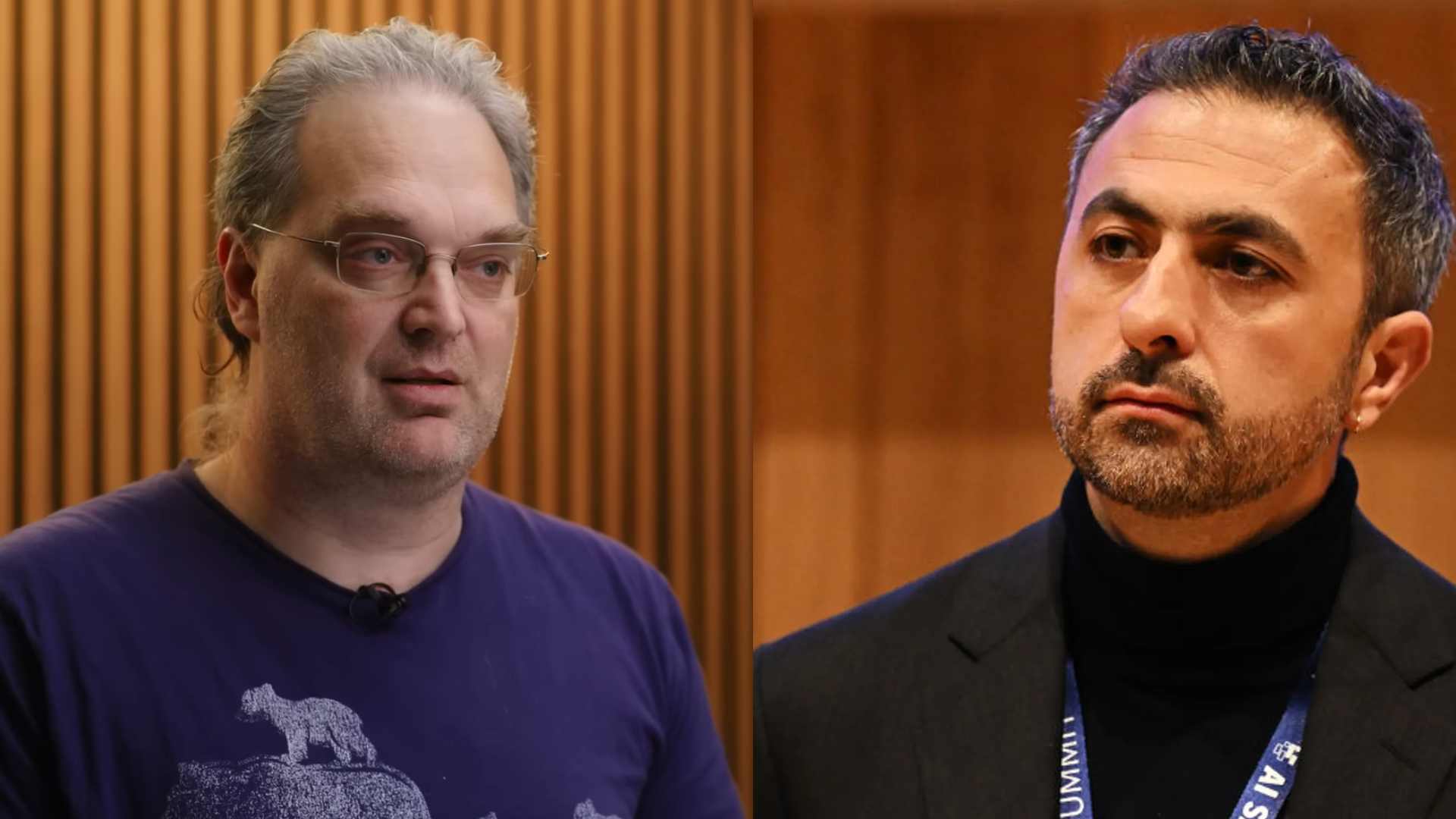
He admits that for a business such as Microsoft, bigger models do make better predictions and returns to scale are more predictable, but a scaling-only setup puts most of the effort into data. He also says there was “plenty of evidence that they just did not really want us,” and an anonymous commenter who moved from another group into Microsoft AI says, “…feeling the same thing.”
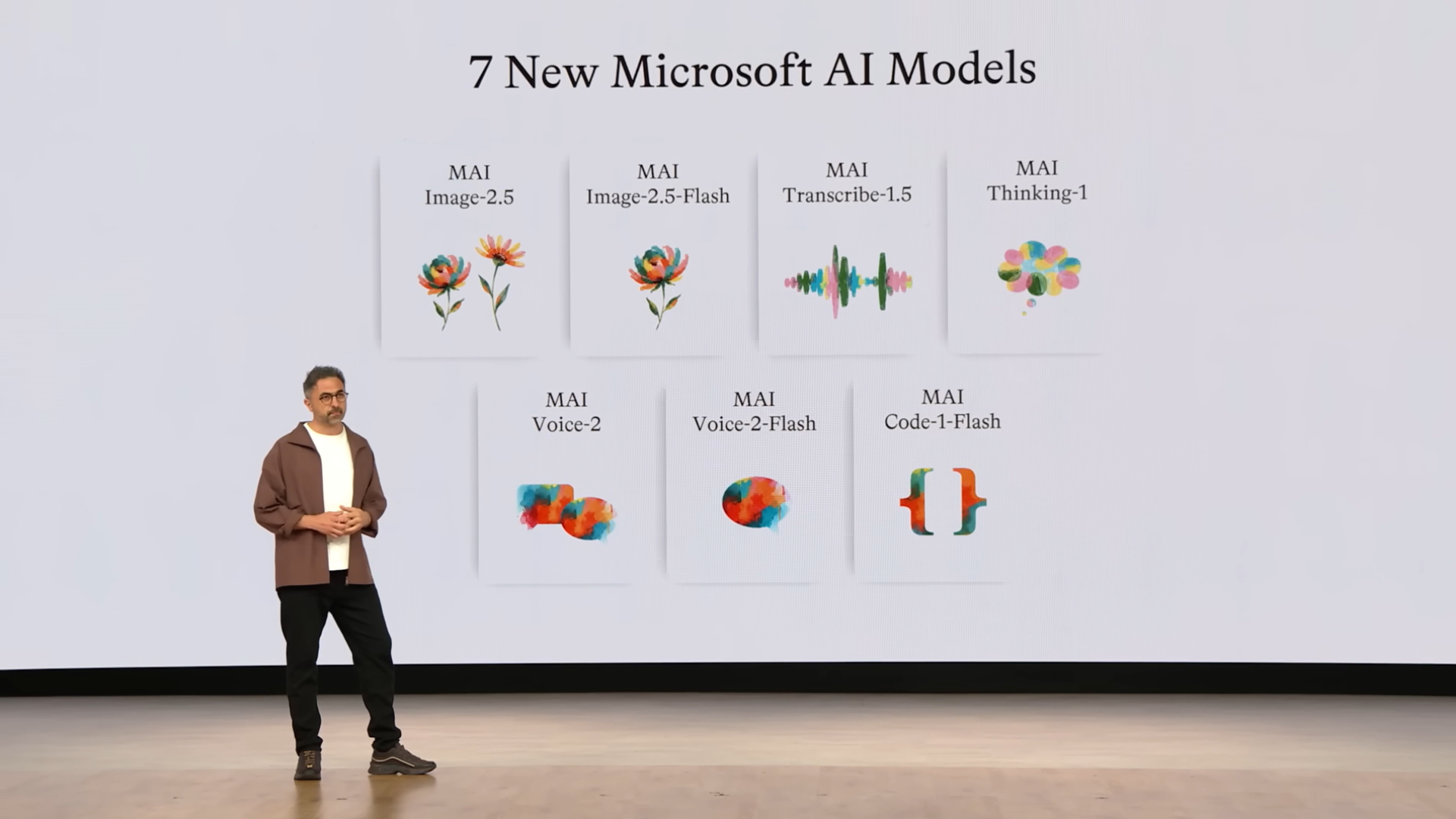
Microsoft hasn’t responded publicly, but its AI Frontiers page, updated on September 14, says the lab “is now part of Microsoft AI” and continues to pursue frontier research. MAI also said they’re building a superintelligence lab during their launch of seven MAI models at Build 2026.
Langford’s Full Bandwidth Transformer research could halve AI training and inference costs
A language model normally squeezes what it has worked out at each step into a single token and throws the rest away. The Full Bandwidth Transformer, published in August by Langford and seven co-authors, feeds that state back into the model along with the next token.
In the paper’s tests, 1-billion-parameter models trained on up to 400 billion tokens matched or came close to regular transformers trained on about 1.5 times more data. The extra cost per token was negligible.
Then, on October 25, ByteDance’s Seed team published Recycler, which reuses hidden states in a similar way and can outperform models with two to three times more parameters, especially in reasoning and math. Langford said on X that Recycler “is the Full Bandwidth Transformer” apart from minor details, and that ByteDance’s experiments are bigger and more thorough. So, some of the best evidence for Microsoft’s research came from a rival…
Based on those results, Langford believes a variant of his architecture “might be comparable to a model of twice the size.” He asks how much it’s worth “to halve training and inference cost given that the industry has investments approaching a trillion dollars.”
Keep in mind that it’s Langford’s projection about halving costs, and we know that matching benchmarks with a bigger model won’t automatically halve the bill. He also doesn’t specifically say Microsoft AI rejected this paper, only that he “could not get innovation into use (or even seriously considered)” there.
What boggles me is that Microsoft AI’s blog posts brag about pushing the quality-cost frontier and launching a coding model that’s “better, faster, at a quarter of the cost.” Cheaper AI is clearly a priority, just not when it comes from research!
Langford says AI Frontiers is over, and he won’t return to Microsoft Research
Langford says he “situated my folks as best I could and left,” and two things kept him from returning to Microsoft Research:
- “I am just not comfortable being at a company where the research I do has no path to real use,” he wrote. Since he couldn’t get ideas considered inside Microsoft AI, he sees little chance of doing better at Microsoft Research.
- He also feels Microsoft Research’s basic deal, “do good work and good things happen,” is broken, as his team did good work and was “non-consensually reorged away.” He expects more of that until Microsoft Research leadership organizes “to meet the moment.”
“So AI Frontiers is over,” Langford wrote, adding that there won’t be internships with the group next year. His post on X, where he calls the situation “a bit of a train wreck,” has over 330,000 views.
Microsoft is betting on scale and agents while its researchers leave
Langford’s exit comes as Microsoft offers buyouts to around 60,000 employees while Nadella talks about 20 million AI agents doing the work. Microsoft is also scaling back Copilot in Windows 11 where AI features didn’t meet their promise.
Yes, I believe scaling works, and Microsoft has the data centers for it. But AI’s appetite is already making your RAM pricier, and if they ignore research that could make AI half as expensive, someone else will take the credit (which is so typical of Microsoft). ByteDance has already published its version.
Langford still believes a future Microsoft could become “attractive for research again” if the people in charge “develop a little bit more wisdom.” I just hope someone in Redmond is reading this.