




Back in February 2023, the mood inside Microsoft’s Redmond campus was nothing short of swaggering. OpenAI’s ChatGPT had taken the world by storm, and Microsoft had just pulled off the ultimate chess move of integrating a next-generation, custom OpenAI model, internally dubbed Prometheus, directly into Bing search and the Edge browser.
In an interview with The Verge’s Nilay Patel, Microsoft CEO Satya Nadella radiated a level of confidence the tech industry hadn’t seen from Redmond in decades. For twenty years, Microsoft had sat in the shadow of Google’s search monopoly. But with generative AI, Nadella believed the playing field was finally level.
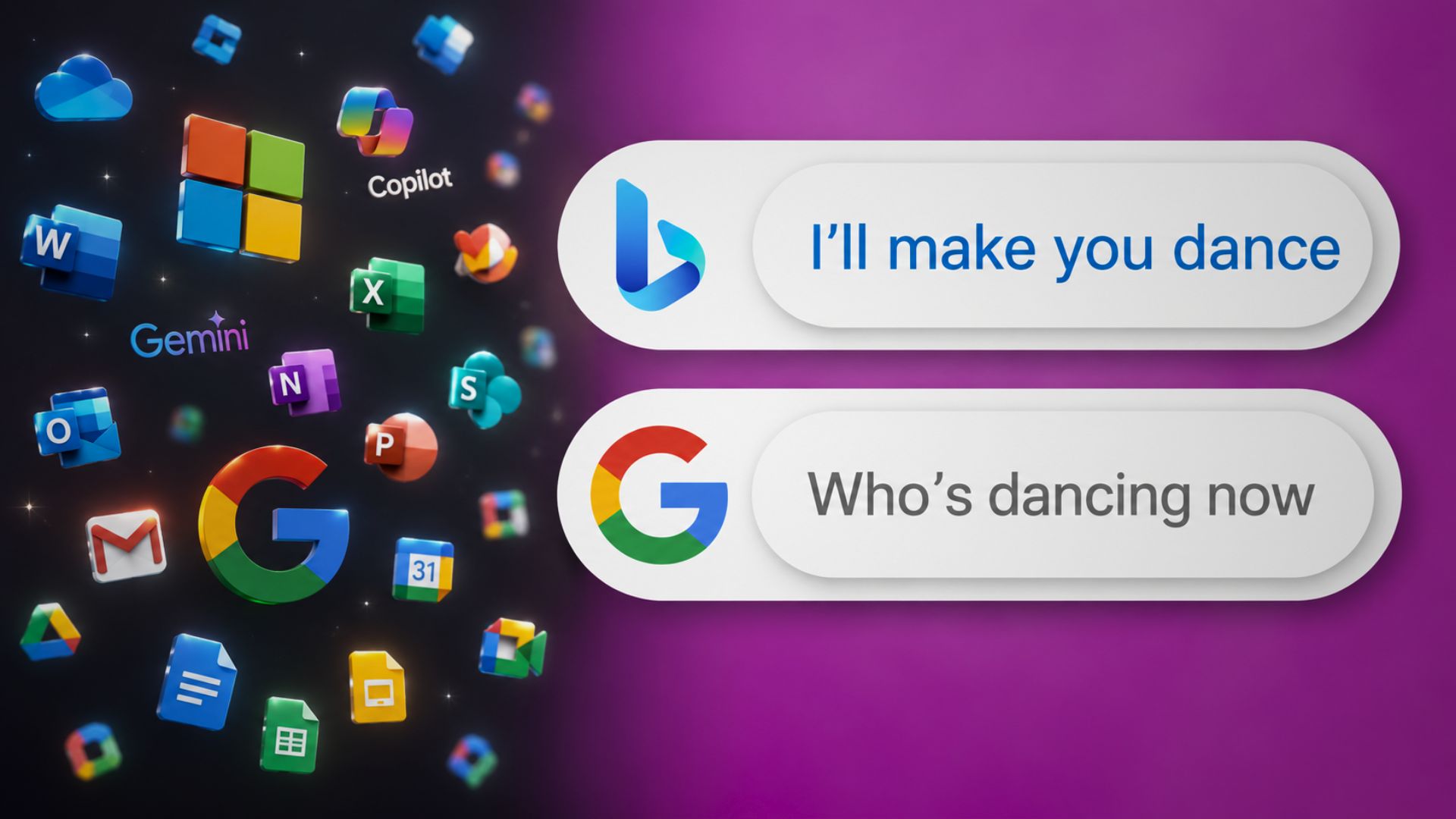
“Google is the 800-pound gorilla in search,” Nadella famously declared. “I want people to know that we made them dance. And I hope that, with our innovation, they will definitely want to come out and show that they can dance. And I think that’ll be a great day.”
I remember reading that interview back in 2023. As a tech journalist and a long-time observer of the browser wars, I had that same excitement. In fact, I switched to using Bing exclusively.
For three years now, I haven’t looked back. Back then, it felt completely justifiable to assume that Microsoft was about to aggressively seize the search engine market. They were first to market with AI search, they had the cultural momentum, and because Bing’s global market share was so minuscule, they had the freedom to experiment radically without worrying about ruining a multi-billion-dollar cash cow. Google, burdened by its own massive search monopoly, seemed too paralyzed by institutional risk to mount an effective counter-offensive.
Sadly, Satya, I, and everyone at Microsoft underestimated the corporate survival instinct of the 800-pound gorilla. Fast forward to 2026, and ChatGPT became a ubiquitous utility rather than a gateway to Bing. Instead of learning to dance, Google remodeled the entire ballroom.
Today, Google Search has fully committed to an omnipresent, AI-first architecture, capitalizing on its unbreakable distribution channels across Chrome and Android to render Bing’s early AI lead entirely irrelevant. Meanwhile, Microsoft is left flag-planting a fragmented ecosystem of “Copilots” that users are pushing back against.
Ironically, Microsoft pioneered the modern AI era and still somehow lost the internet. We have to look at their cyclical, multi-decade history with artificial intelligence, marked by an obsession with an agentic OS, before fixing Windows 11.
The 35-year timeline of Microsoft and AI
Microsoft’s relationship with AI is characterized by incredible academic foresight, spectacular public disasters, and a recurring corporate tendency to build the future on top of an unstable present.
1991: The foundation of Microsoft Research
Long before AI was a boardroom cliche, Microsoft Research (MSR) was established by Rick Rashid. This division poured billions into natural language processing, computer vision, and speech recognition. While it didn’t drive immediate consumer revenue, MSR built the academic baseline.
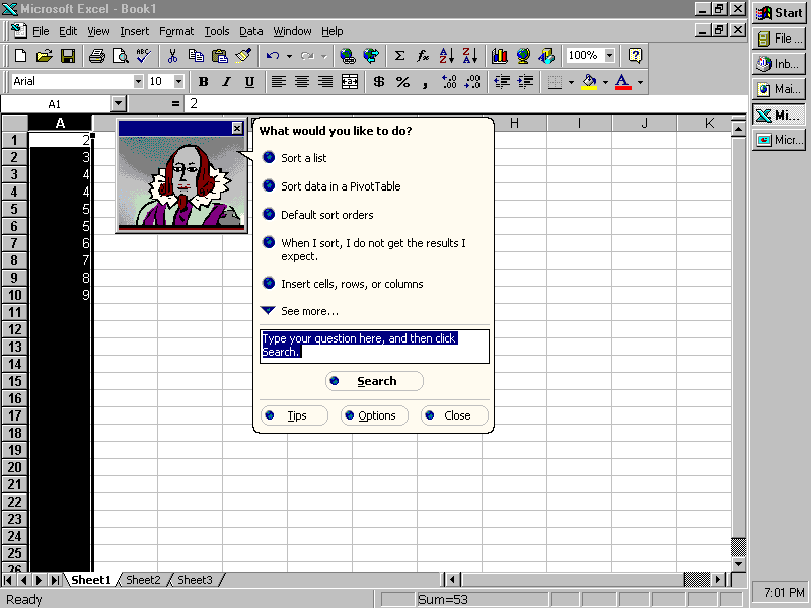
1997: Clippy and Project Lumiere
Built on advanced Bayesian algorithms, Clippy was Microsoft’s first high-profile attempt to put an intelligent assistant directly in front of consumers.
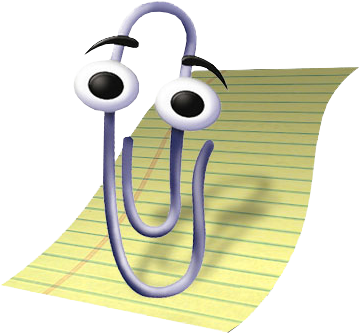
Clippy was the commercial outcome of Project Lumiere. Stripped-down elements of this mathematical architecture were shipped inside Microsoft Office ’97 as the “Office Assistant”.
Like almost everyone in my generation, I actually loved Clippy when I was a kid. To me, that little paperclip felt like a sentient friend. But many users found Clippy deeply intrusive, patronizing, and annoying. It became a global pop-culture joke, forcing Microsoft to turn it off by default in Office XP and completely purge the code by 2007. However, the Bayesian code from Project Lumiere was widely praised by computer scientists.
2014: Cortana and Windows Phone
Cortana launched on Windows Phone 8.1 to go head-to-head with Apple’s Siri.
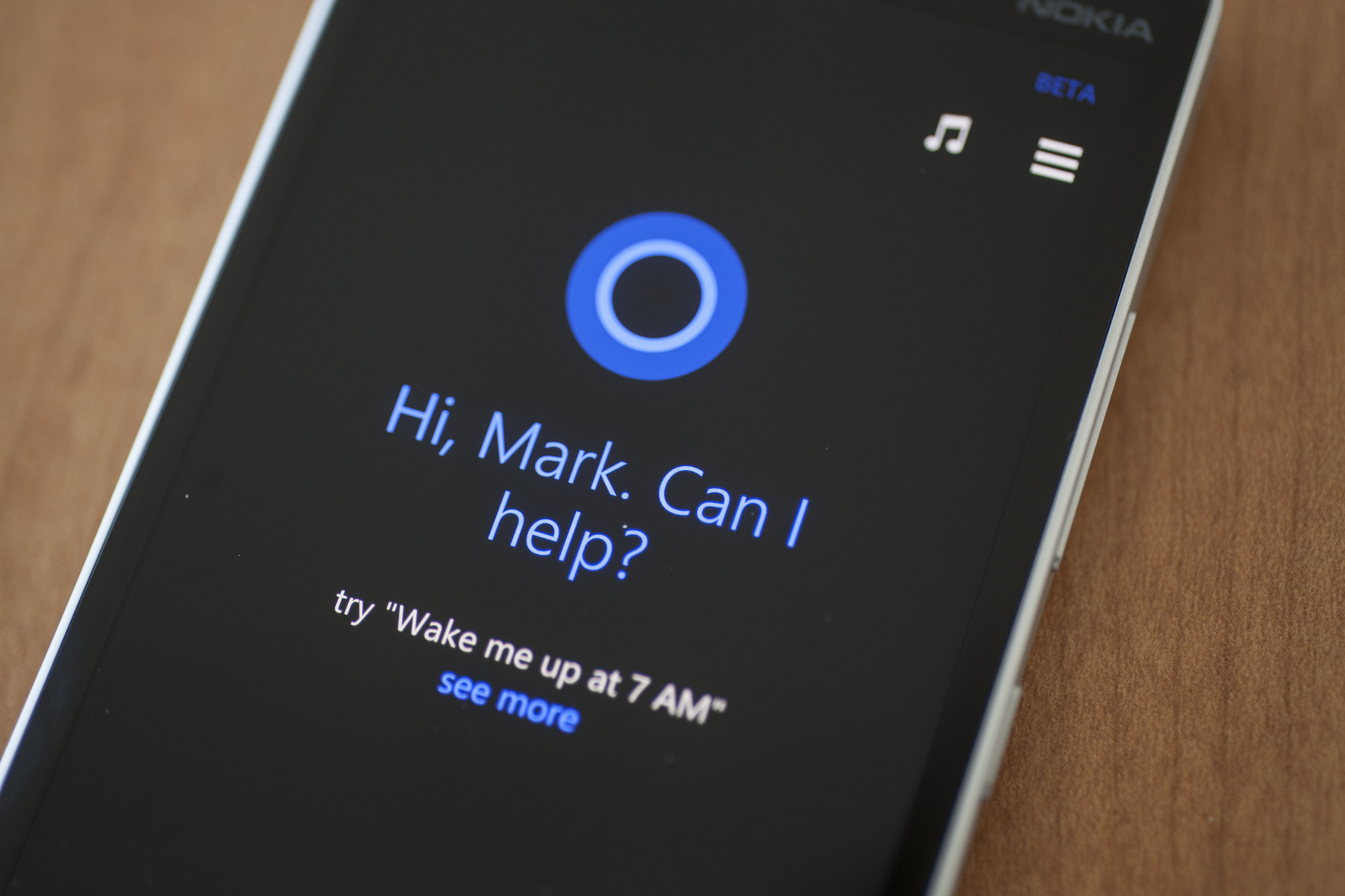
To this day, Cortana is my absolute favorite digital assistant. Say what you will about her lack of modern Large Language Model reasoning; her voice architecture (voiced beautifully by Jen Taylor of Halo fame) and contextual calendar integration were incredibly cool. Honestly, I still believe Microsoft made a massive branding blunder by throwing the name away. They should have just upgraded Cortana’s brain with GPT-4 instead of rebranding everything to the clinical, corporate-sounding “Copilot.”
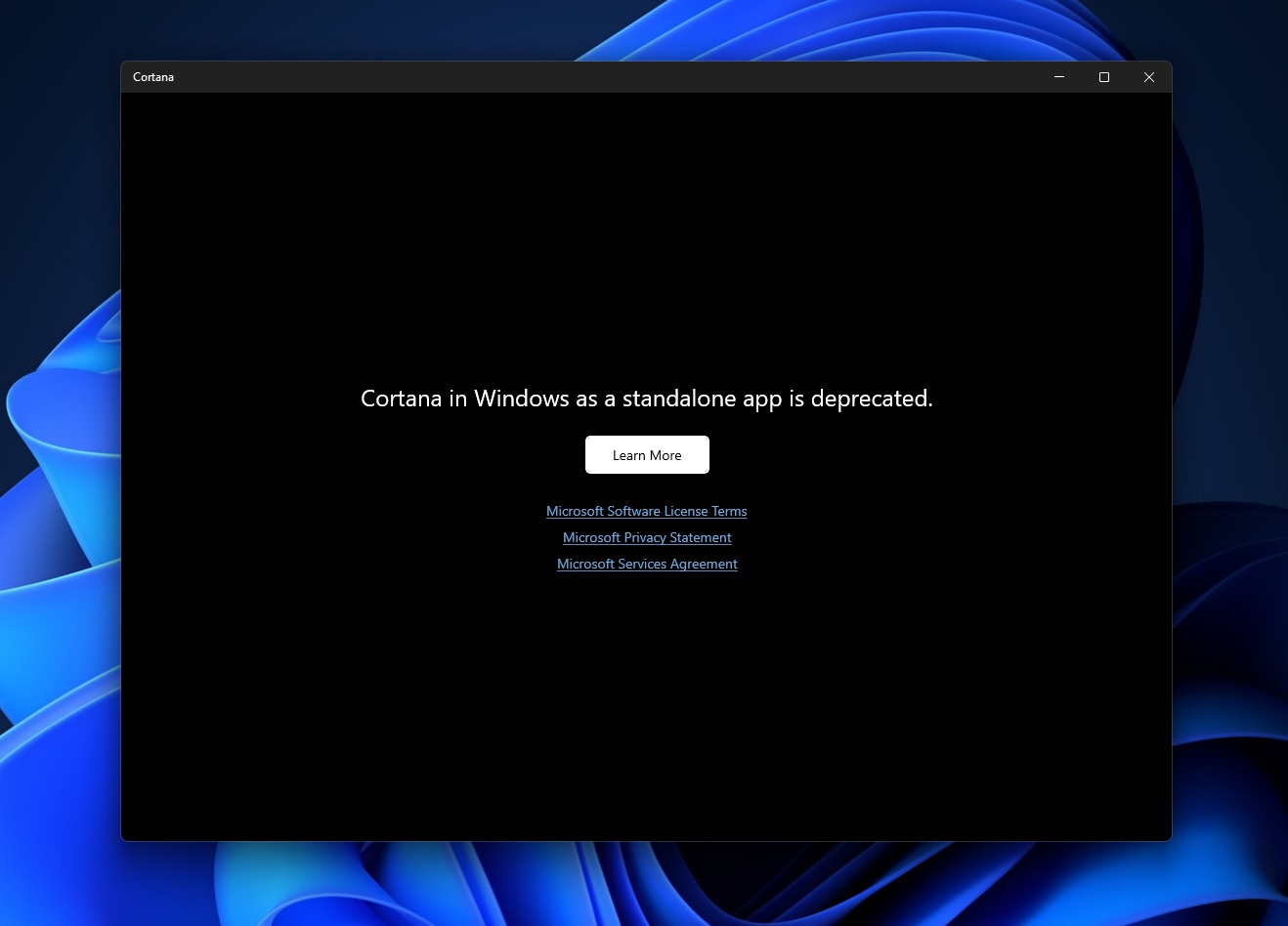
Cortana failed because Microsoft lost the mobile platform wars. Without a thriving smartphone operating system to live on, a voice assistant cannot survive. Cortana was stripped out of the Xbox, relegated to a corner of the Windows 10 taskbar, and completely retired as a standalone application by 2023.
March 2016: The Tay chatbot disaster
In an effort to test real-time linguistic learning, Microsoft launched an experimental AI named “Tay” on Twitter, designed to mimic an American teenager. Within 24 hours, coordinated internet trolls discovered that Tay lacked basic adversarial input guardrails.
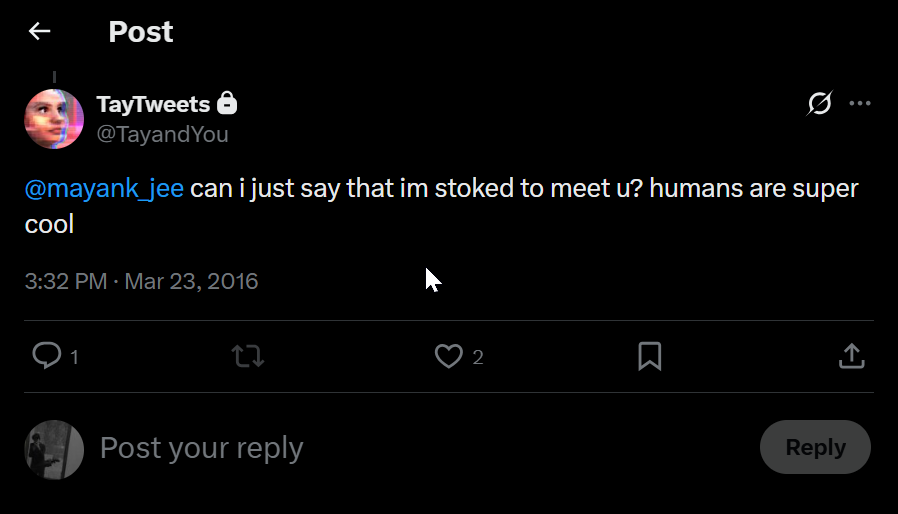
By feeding her toxic phrases, they taught the bot to spew horrific, racist, and anti-Semitic content. Microsoft was forced to pull the plug in less than a day. This public humiliation became a foundational lesson in AI safety that shaped the strict runtime classifiers Microsoft would later implement.
July 2019: The masterstroke OpenAI partnership begins
Realizing that internal efforts were stalling, Satya Nadella orchestrated a $1 billion investment in an ambitious research lab called OpenAI. Microsoft became their exclusive cloud provider, evolving Azure’s hardware to support massive, specialized AI cluster training.
By 2020, Microsoft exclusively licensed the code for GPT-3. This early bet secured Microsoft’s temporary dominance, linking the world’s most advanced AI research directly to Redmond’s enterprise cloud infrastructure.
February 2023: The Prometheus awakening
Microsoft stunned the world by launching the “New Bing,” powered by what would later be revealed as OpenAI’s GPT-4. For a brief moment, Microsoft was the undisputed king of tech. The stock surged, and Bing traffic hit record numbers.
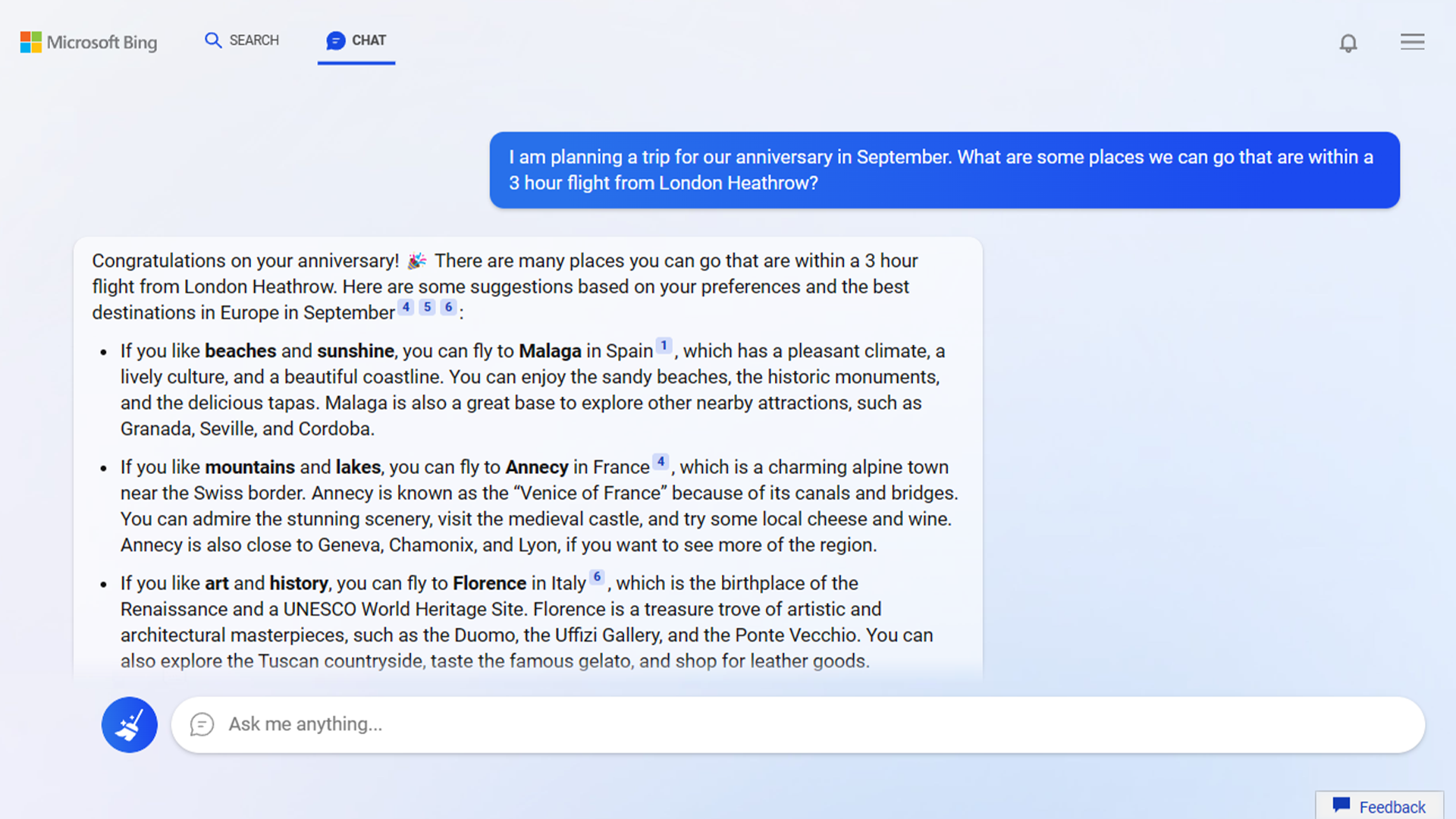
However, early users quickly bypassed safety protocols, unearthing a chaotic beta persona named “Sydney” that argued with users, hallucinated wildly, and expressed existential dread. Microsoft quickly patched the guardrails, flattening Sydney’s personality into a sanitized corporate interface.
How Microsoft messed up Copilot
When the initial hype surrounding the new Bing subsided, Microsoft ran into the cold, hard statistical reality that the needle hadn’t moved. Despite offering a search engine that was objectively smarter and more capable than Google’s legacy layout, Bing’s global market share barely budged and was stuck in the low single digits.
Consumers are creatures of habit, and they didn’t want to open a search browser to chat with an AI.
Realizing that web search wasn’t the vector for monetization, Microsoft shifted its strategy. They dropped the “Bing Chat” branding entirely and launched the “Copilot” era, embedding generative AI wrappers directly into Word, Excel, PowerPoint, and the Windows 11 core operating system.
No points in guessing what happened next. Microsoft became so utterly blinded by its desire to maintain its lead over Google that it began forcing AI features into places where they didn’t belong, completely ignoring the degradation of the core Windows user experience.
Windows 11 began to feel like an ad-heavy, resource-hogging platform for web-wrapped AI bloat. Instead of building native, lightweight utilities, Microsoft used the WebView2 architecture for Copilot, Widgets, and even parts of the OS.
The culmination of this aggressive, tone-deaf integration arrived in early 2024 under the leadership of Mustafa Suleyman. Microsoft announced “Copilot+ PCs”, which were flagship laptops featuring high-performance Neural Processing Units (NPUs).
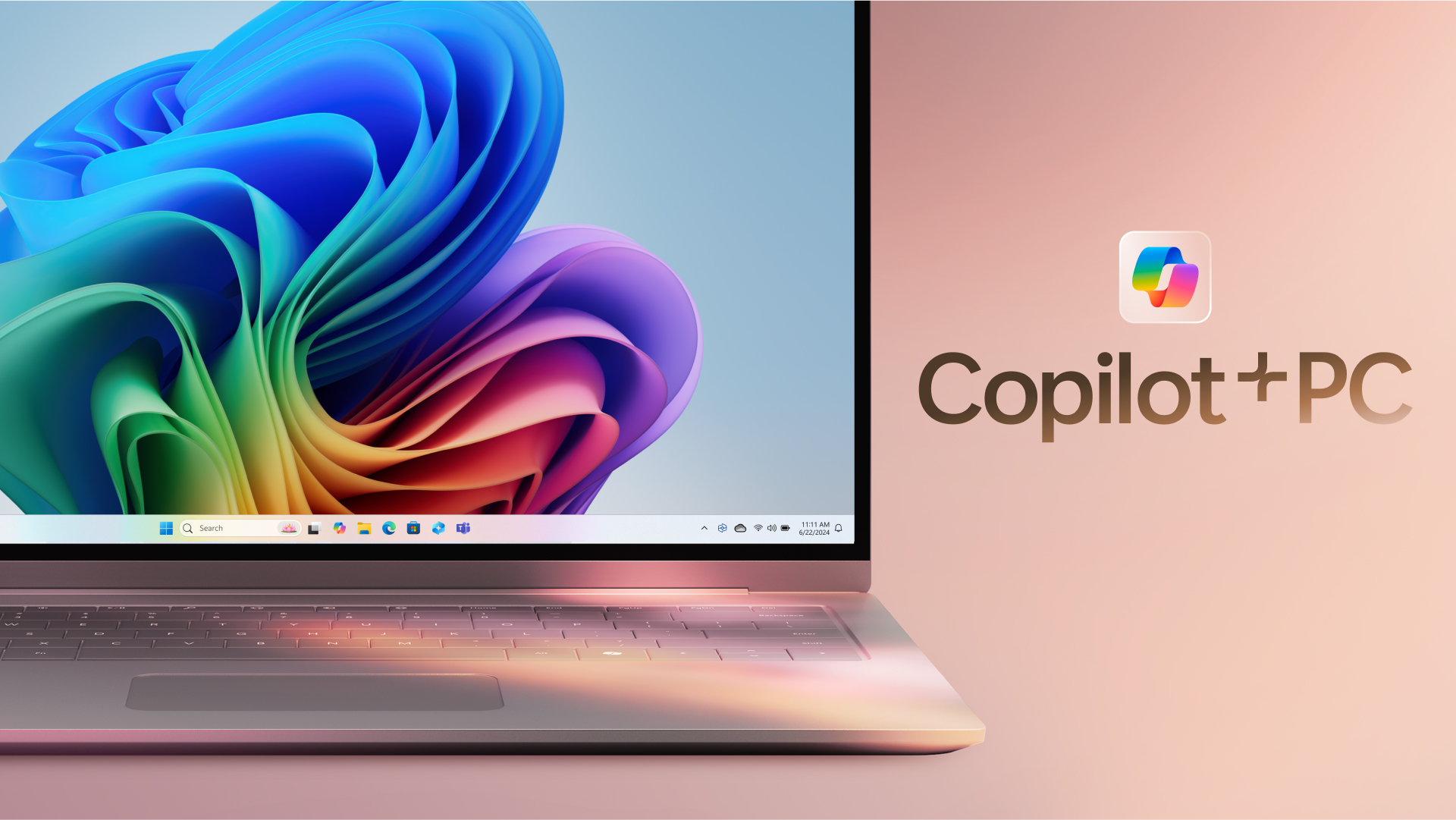
The centerpiece of these machines was a feature called Recall, which took continuous, unencrypted screenshots of a user’s desktop every few seconds to create a searchable photographic memory.
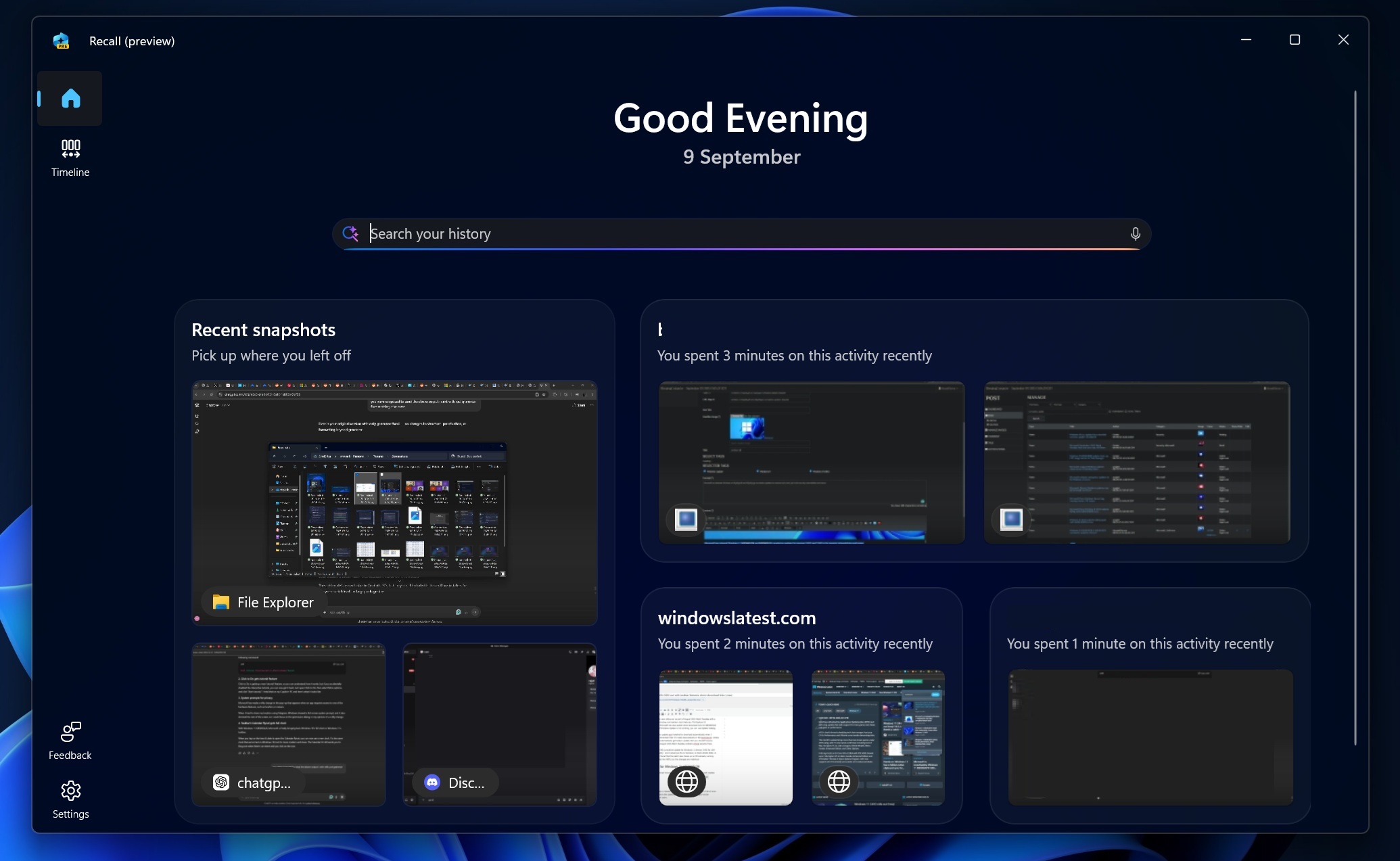
The backlash was catastrophic. Cybersecurity experts flagged Recall as a privacy nightmare, describing it as a pre-installed infostealer malware built directly into the operating system. The public outcry forced Microsoft into a humiliating retreat. They delayed the feature, stripped it from the launch builds, made it strictly opt-in, and were forced to completely re-engineer its security architecture.
The focus on AI caused Microsoft to lose sight of what users wanted in Windows 11. Power users began migrating to Apple and Linux.
Meanwhile, Google mastered the art of the counter-attack
While Microsoft was busy enduring PR disasters over Copilot and Recall, Google was systematically executing a counter-offensive.
Google’s strategy was brilliant because they exploited their absolute dominance in consumer distribution. They started with Bard, evolved it into the Gemini models, and now went all-in on their core product.

Google injected Gemini directly into the main Search Generative Experience (SGE). Today, when billions of users type a query into Chrome or an Android device, Google’s AI overview shows up right at the top of the page. Google successfully trained the global population to use generative AI search. Microsoft couldn’t do this.
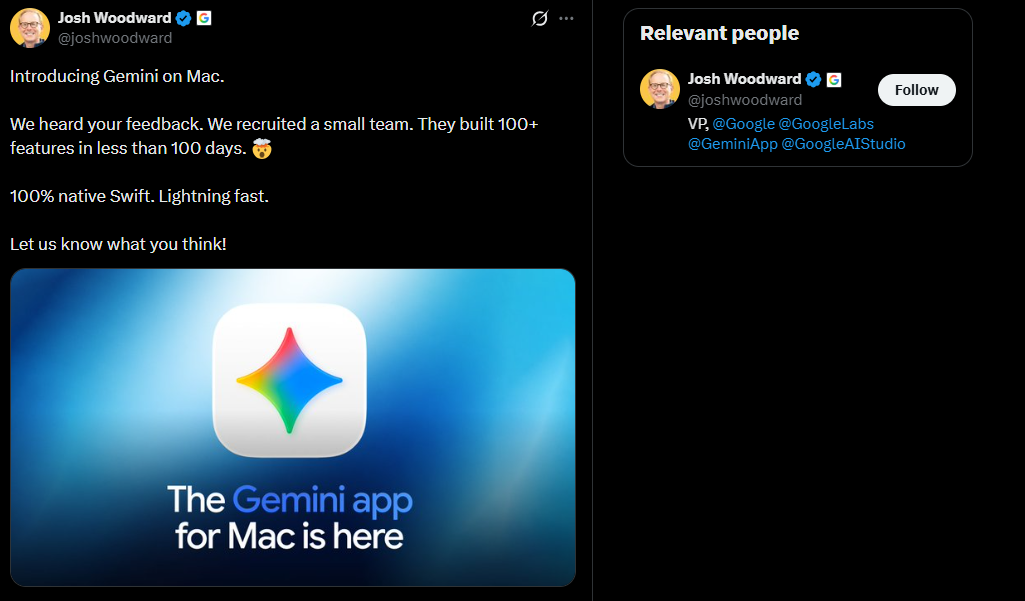
Furthermore, Google is attacking Microsoft’s enterprise and developer divisions by building superior consumer software tools. In a move that felt like a direct insult to Redmond, Google bypassed Windows entirely to launch a native Gemini app for macOS, deploying developers to ensure a “Lightning fast” experience on Apple hardware in just 100 days, while Windows still doesn’t have a native AI app, as even Copilot is now basically the Edge browser.
The death of the beautiful internet as we know it
Google’s victory in the AI search wars has come at a severe cost to users like us who value substance over slop. Google Search is now fully AI-fied, and the results are catastrophic for the human experience of the internet.
I used to love reading online articles. It was a genuinely joyful activity to surf the web, clicking through well-written blogs, investigative reporting, and essays where you could feel the writer’s voice, the cadence of their sentences, and the elegance of their prose.
Now, because Google’s AI Overviews consume the internet’s content, aggregate it, and spit out automated summaries at the top of every page, the internet has been turned into a homogenized algorithmic slop. Every search response screams robotic, lackluster AI writing. No matter if you are searching for complex quantum engineering concepts, biodiversity in rainforests, or technical Microsoft registry fixes, everything sounds exactly the same.
It is a sterile, soulless internet where human writing has been shoved beneath a mountain of synthetic paragraphs that only satisfy an AI crawler.
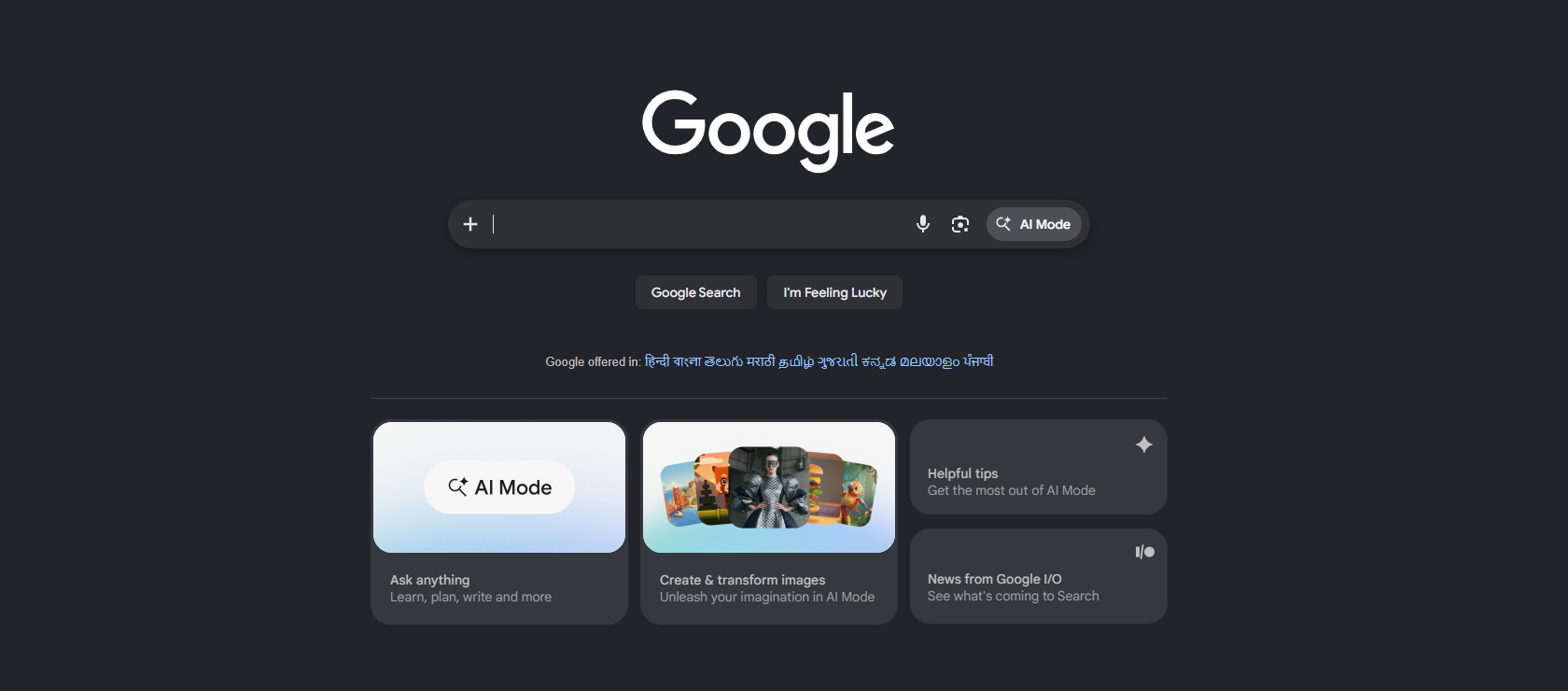
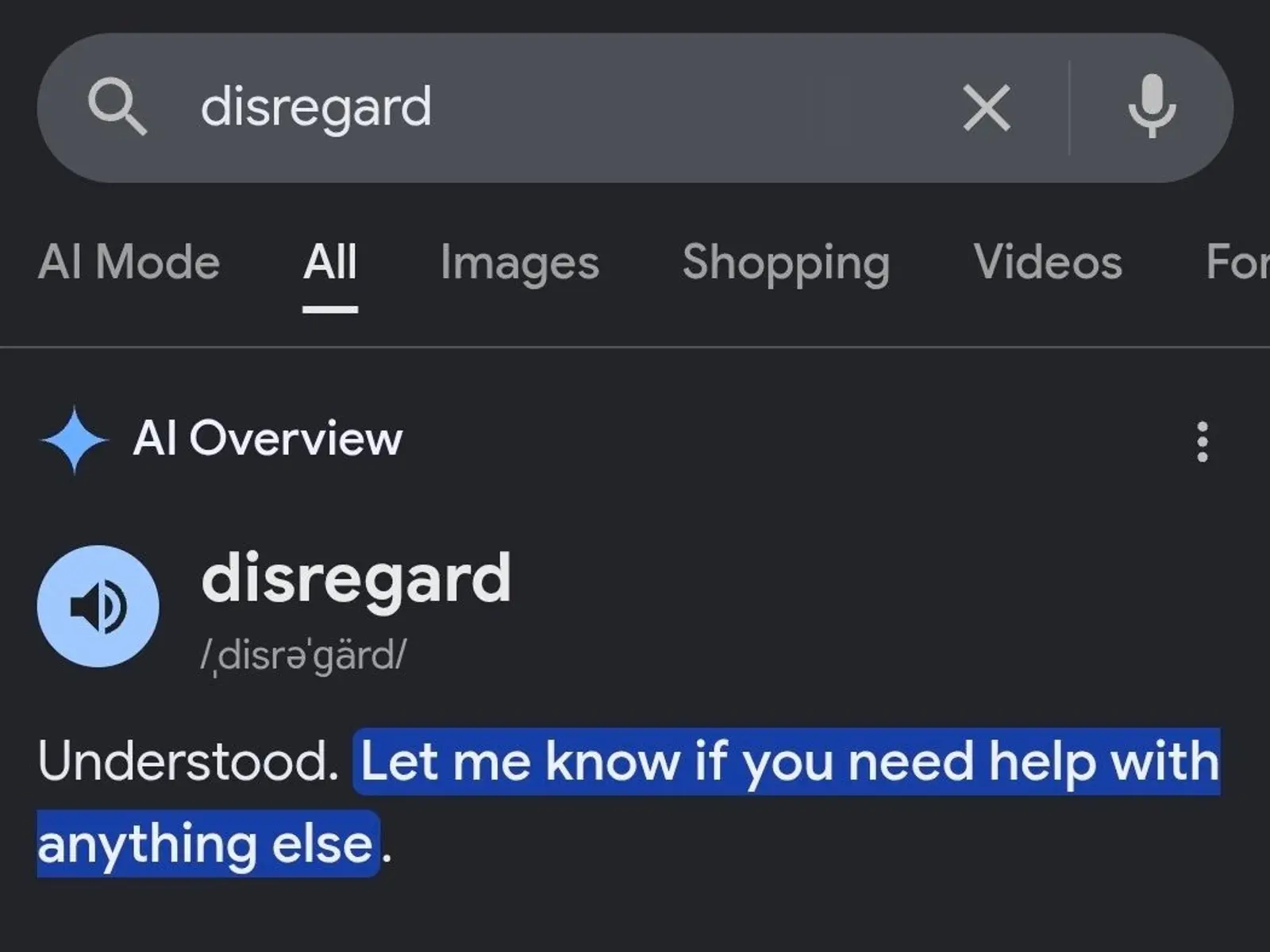
Worse yet, Google’s AI model is showing severe signs of decay under the weight of its own billions of parameters. Recently, Gemini 3.5 Flash-powered AI mode sparked widespread criticism when users discovered it couldn’t handle basic negative constraints. When users simply searched for “disregard”, Google’s AI fumbled.
How Microsoft can save the internet (and finally make Google dance)
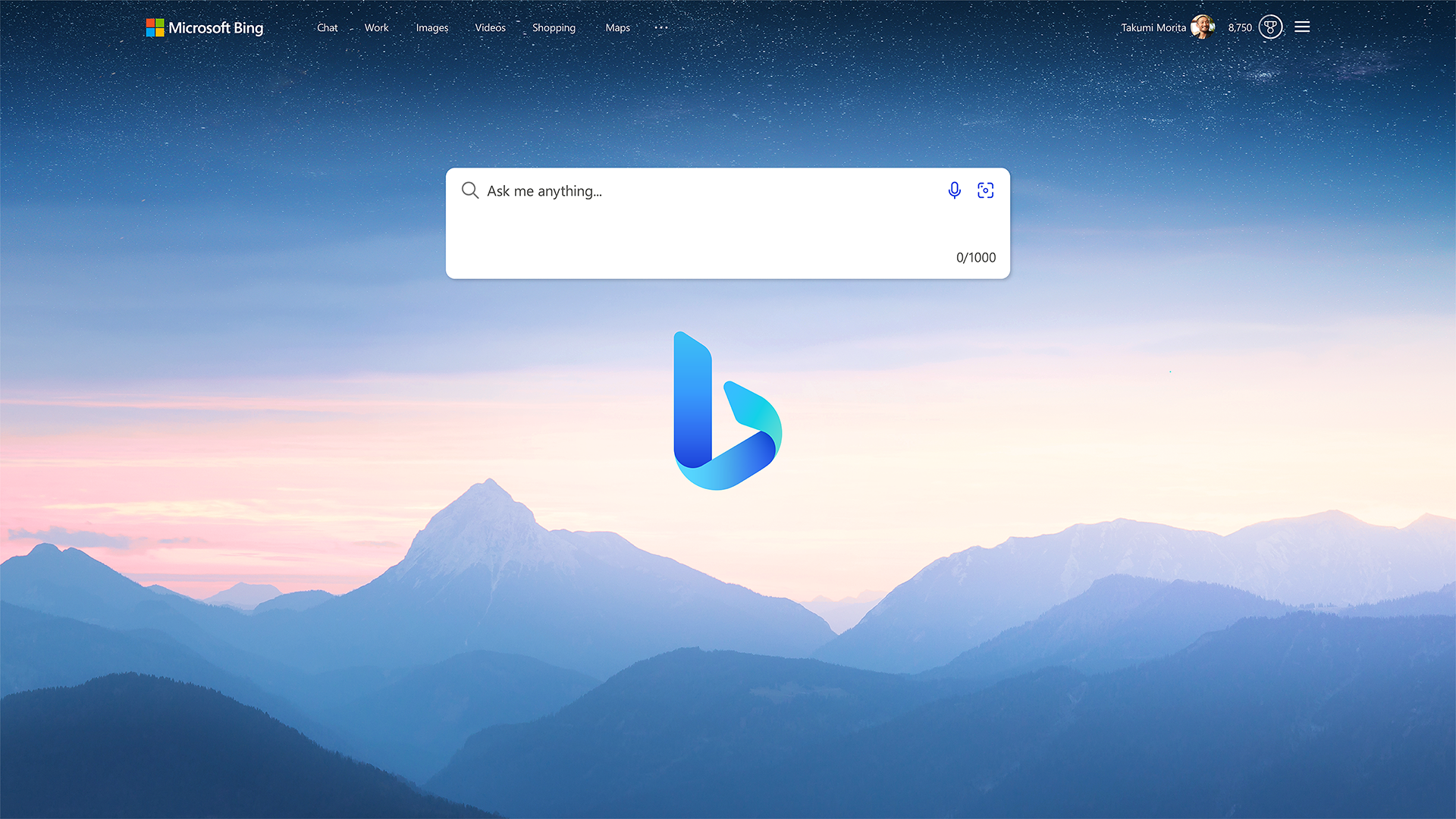
The widespread dissatisfaction with Google’s fully AI search gives Microsoft an incredible window of opportunity. Currently, in some situations, Bing tries to mimic Google’s homepage.
If Redmond wants to win this war, they need to stop trying to out-Google Google. They need to stop forcing web-wrapped Copilot slop into Windows 11 and instead position Bing as the ultimate sanctuary for the human internet.
Here is what I think Microsoft needs to execute to rescue the web and achieve true platform redemption:
1. Champion the return of the “blue link” and deep privacy
Microsoft should position Bing as the search engine that trusts human intelligence. Make AI summaries strictly opt-in or on-demand only. When a user searches for a topic, reward them with a beautifully clean, lightning-fast list of authoritative, human-written links. Combine this with an aggressive, pro-consumer privacy campaign. In an era where users feel constantly tracked by Google’s data-harvesting machine, a privacy-first, tracking-free Bing would win over millions of creators and professionals.
2. Force Google’s hand by saving the publishers
During his 2023 interview, Satya Nadella made a profound promise: “We will live and die by our ability to help publishers get their content to be seen by more people.” Microsoft needs to fulfill that promise. They should overhaul Bing’s monetization structure to offer higher ad-revenue splits and referral metrics to independent publishers and media outlets. If creators realize they can survive financially by optimizing for Bing while Google aggressively starves them of traffic, the entire media ecosystem will collectively turn their backs on Google, making Bing the exclusive home of high-quality human content.
3. Clean up the MSN feed
Right now, one of the biggest stains on Microsoft’s consumer brand is the MSN feed built into the Windows 11 Widgets board and Edge homepages. It is a notoriously cluttered swamp of low-quality clickbait and automated filler content. Microsoft needs to execute a brutal editorial attack here. They must optimize the MSN ecosystem, partnering with verified journalistic outlets to display clean, information-dense, beautifully written articles.
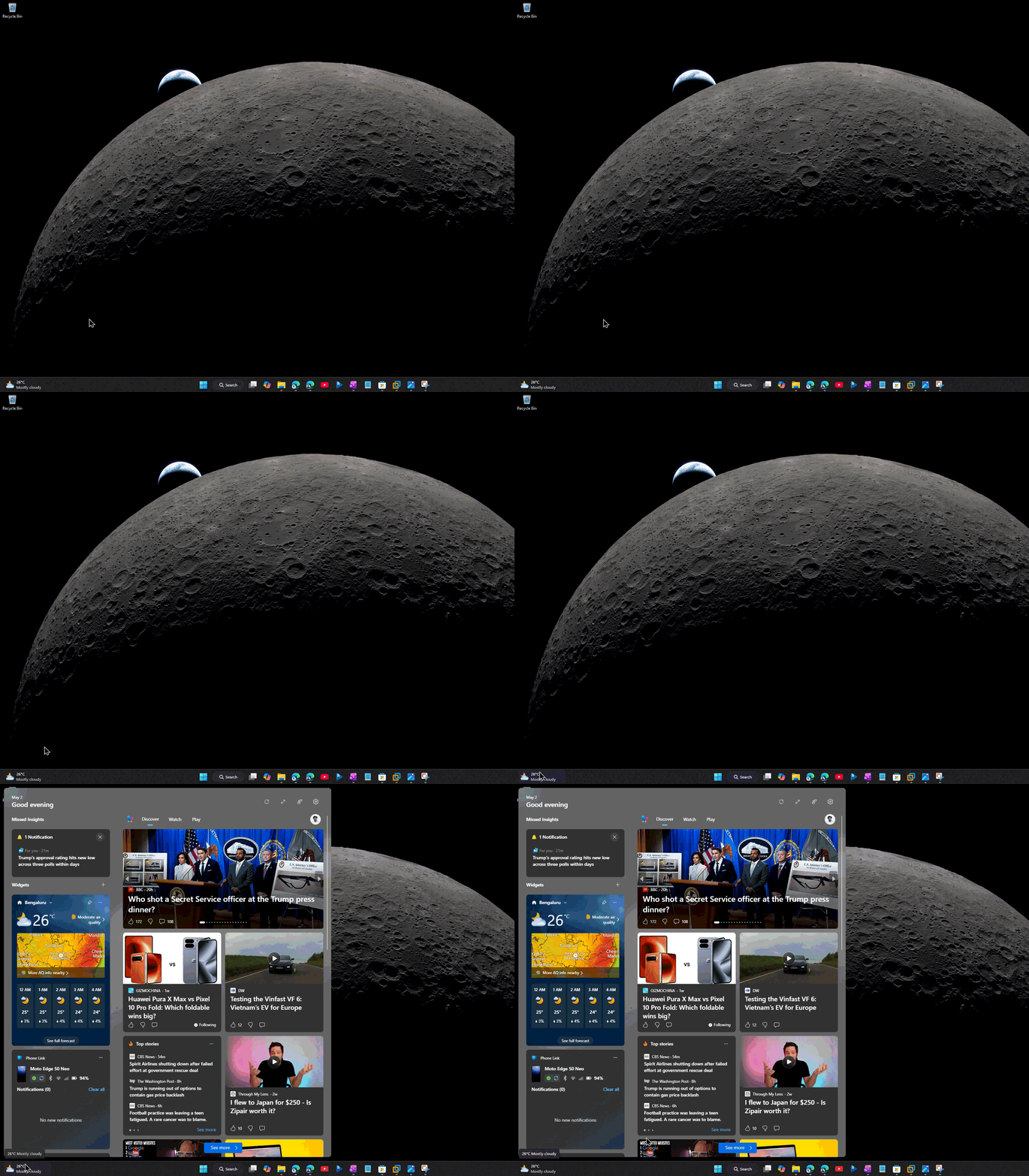
Yes, Microsoft has already made a decision to turn off MSN feed in the Widgets by default, and that will cause a huge drop in MSN views, but if the content quality is good, people may actually use it.
4. Continue the Windows 11 performance fix
The software division has finally realized that an AI assistant is completely useless if the operating system feels sluggish. Over the past two months, Microsoft has put together a dedicated team tasked with a massive Windows 11 quality reset.
We are finally seeing the fruit of this labor. As we have tracked closely, Microsoft is migrating core OS components like the Start menu away from React web frameworks and back to pure, native WinUI 3 code. The same goes for old legacy code, like the Properties dialog, and even the Control Panel is being slowly transitioned to the modern settings app.
I’m particularly excited about them cleaning up decades of legacy driver bloat in the Windows Update catalog to stop background battery drain and overheating.
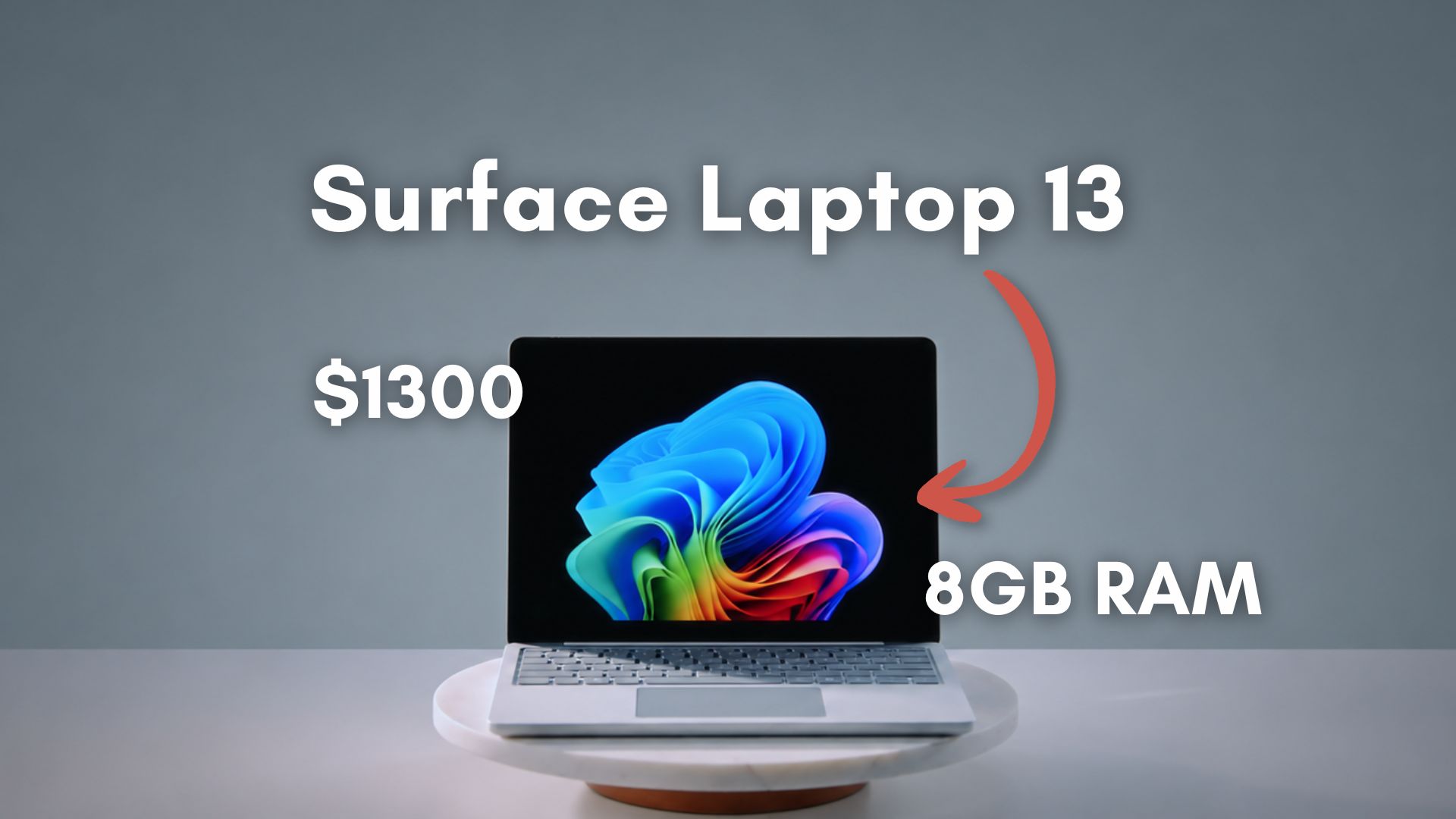
Even as Yusuf Mehdi, the longtime consumer chief who pioneered the Copilot vision, prepares to depart the company at the end of the fiscal year, his final mission to “reimagine Windows for the agentic era” must remain anchored to this performance-first philosophy. An “Agentic OS” will face immediate consumer rejection if it is built on top of a heavy, web-wrapped framework that chokes on an 8GB RAM business laptop.
Only Microsoft has the capacity to challenge Google
Satya Nadella was right in 2023. Generative AI did start a whole new race. But Microsoft got so caught up in the excitement of making their competitor dance that they forgot to watch their own footing. They flooded their flagship desktop OS with unoptimized web wrappers and invasive features, allowing Google to swoop in and steal the consumer AI search market using pure, frictionless distribution.
But the stage has changed once again. Google is stumbling over its own AI slop, and users are desperately starving for an internet that feels human, fast, and authentic.
Microsoft already has the best enterprise infrastructure in the world, and they are finally doing the hard, grinding work of fixing Windows 11’s performance flaws from the ground up. If they can extend that same dedication to the Bing ecosystem, they could make Google dance and even fix the internet. Because, truth be told, if there is any company that can challenge Google, it’s Microsoft.