





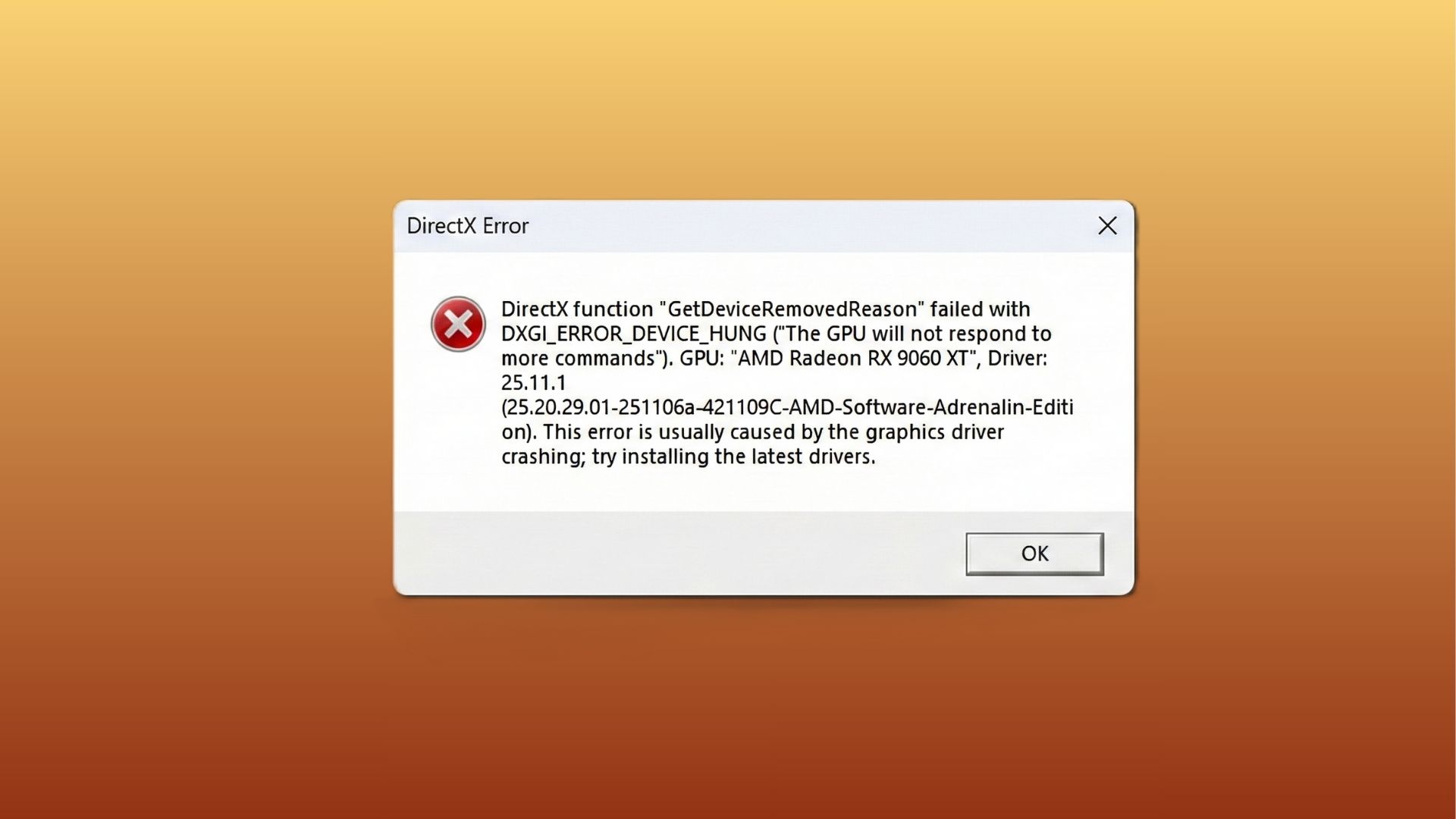
We have all, at least once in our lifetime, installed a mandatory Windows Update only to find that the Wi-Fi stopped working or our graphics card became unusable. For years, Windows users have battled hardware instability due to buggy, outdated, or poorly optimized drivers automatically pushed to our systems.
Microsoft is finally acknowledging this massive pain point and has officially announced a comprehensive plan to fix driver issues in Windows 11.
During the recent Windows Hardware Engineering Conference (WinHEC) 2026 in Taipei, Microsoft introduced the Driver Quality Initiative (DQI). This is a huge, ecosystem-wide effort that could fundamentally raise the bar on driver reliability across the global Windows install base.
What the Windows Update driver catalog cleanup means for you
The Windows Update driver catalog is a large, centralized repository housing tens of thousands of active driver families submitted by original equipment manufacturers (OEMs) and independent hardware vendors.
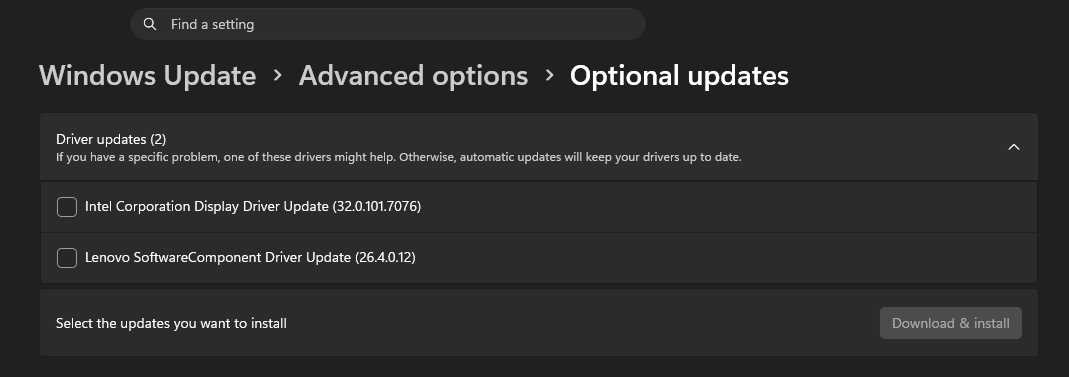
When you plug in a new device or run a routine Windows Update, the operating system checks this vast catalog to download the necessary software to make your hardware function.
But the problem is that this catalog has historically lacked strict hygiene. It is currently cluttered with outdated, abandoned, or low-quality drivers, which leads to familiar, frustrating scenarios where Windows Update forcefully replaces a perfectly functioning, highly optimized driver with an older, unstable version.
Even Microsoft confirmed that Windows 11 has been downgrading graphics drivers, causing severe gaming stutters and display issues.
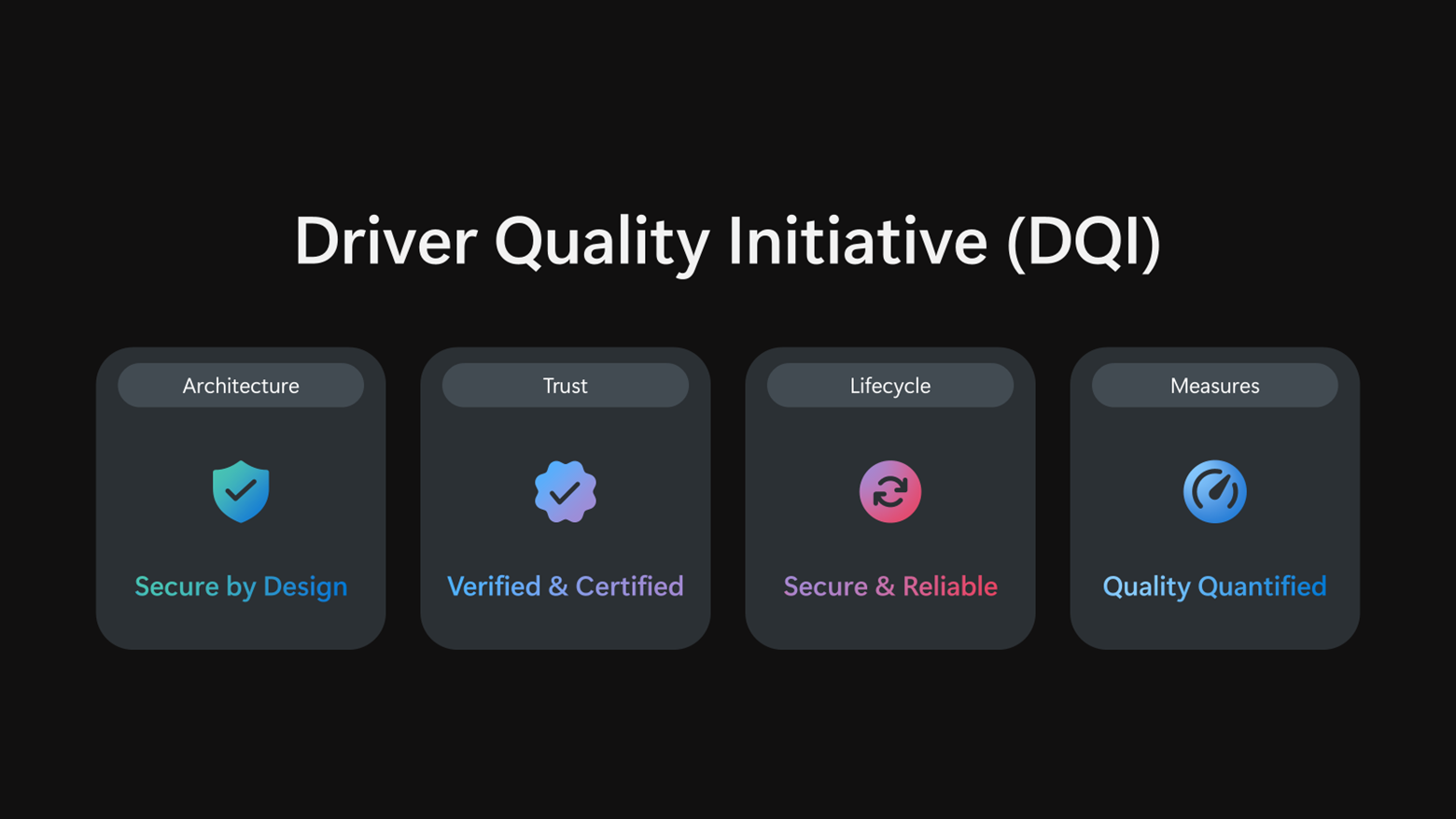
Under the new “Lifecycle” pillar of the Driver Quality Initiative, Microsoft is improving driver lifecycle management. The company explicitly stated that this includes “better Windows Update catalog hygiene, including deprecating outdated or low-quality drivers.”
If Microsoft permanently removes these problematic files from the repository, it will prevent Windows from automatically downloading software that is known to cause system instability, hardware conflicts, or severe performance drops.
Faster patches and a strictly curated repository
Microsoft is also changing how the remaining drivers in the catalog are maintained. A sizeable part of this cleanup effort involves giving hardware manufacturers better diagnostic tools to fix software before it causes widespread issues.
By advancing Software Bill of Materials (SBOM) alignment and enabling faster issue analysis through “driver symbols,” developers can now easily find out why a specific driver is malfunctioning.
For the average Windows user, this means that if a problematic driver does somehow slip through the cracks and onto your machine, the hardware vendor has the telemetry needed to analyze the exact point of failure and issue a targeted patch significantly faster than before.
The Windows Update catalog is essentially becoming a curated, strictly monitored repository, as it should have been from the get-go.
Reviving WinHEC shows a serious commitment to Windows 11 quality
WinHEC is a legendary event where Microsoft engineers collaborate directly with silicon vendors, OEMs, and hardware partners to shape the future of the PC ecosystem.
Remarkably, this event in Taipei marks Microsoft’s first WinHEC gathering since 2018. Reviving this major hardware conference after an eight-year hiatus sends a powerful message to the industry. Microsoft clearly understands that software optimization can only go so far, and that true system stability requires deep, hardware-level collaboration.
By bringing engineers from companies like Dell, AMD, HP, and ASUS into the same room as the Windows development team, Microsoft is establishing a culture of joint accountability. They are holding hardware makers to a much higher standard before allowing their code to reach the billions of PCs running Windows.
This entire initiative is, of course, part of Microsoft’s commitment to Windows quality, which set the tone for the company’s 2026 plans.
Windows Latest reported that Microsoft is committing to native UI for Windows 11 by systematically stripping out bloated web apps, fixing memory leaks, and eliminating UI micro-stutters. Now, with the Driver Quality Initiative purging bad drivers from Windows Update and locking down the kernel, Microsoft is finally tackling the hardware side of the equation.
If Microsoft and its hardware partners can successfully execute this ambitious catalog cleanup, the days of a random background Windows Update breaking your PC might finally be coming to an end.