








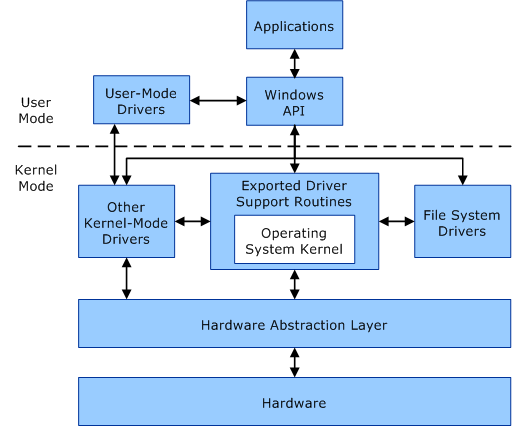
If you used to wait for Windows big feature updates, you’d probably remember that it was quite normal for Microsoft to apply a safeguard hold (pause the update) on specific PCs with certain drivers, usually either sound or Wi-Fi. That happened because Microsoft feared a compatibility bug could crash the system, and it’s largely due to the fact that these drivers run at the kernel level.
Based on documents seen by Windows Latest, Microsoft is going after one of the main offenders on Windows, and that is drivers. I’m not really surprised, as we’ve heard a bit about it from the company in May 2026.
In May 2026, Microsoft hosted its Windows Hardware Engineering Conference with OEMs like AMD, Intel and Nvidia, after an eight-year break. At the conference, Microsoft announced the Driver Quality Initiative, which focuses on four pillars, including architecture. The company would invest in reducing kernel-mode drivers, deploying stricter partner verification, removing low-quality drivers from Windows Update, and including factors like stability and power and thermal impact to measure how good a driver is.

Microsoft also declared that “drivers sit at the heart of every Windows experience” and when a driver update goes wrong, it can take down Windows along with it.
At Ignite 2026, Microsoft shared more details and noted that it’ll be moving drivers, such as Wi-Fi, away from the kernel, so your PC does not crash when a driver becomes incompatible after an update or OEMs ship a botched-up driver.
During the Ignite session, Microsoft’s Windows product manager Mehmet Kucukgoz explained that the Driver Quality Initiative is built around four connected pillars, with architecture being particularly important for reducing kernel risks.
“Now let’s look at the four pillars around [DQI]. First, architecture modernizes the driver model. Trust, it raises the bar for the drivers and for who can submit them. Life cycle keeps the drivers current and serviceable across the lifetime, not just the first one it was built. And then finally, measure tracks the quality, the way the customers are experiencing it.”
According to documents seen by Windows Latest, Microsoft plans to move Wi-Fi drivers out of the Windows kernel and into user mode in 2027. This was also verified in a separate live session at Ignite 2026, where Windows product manager Mehmet Kucukgoz confirmed the company’s plans to change how Windows handles drivers.
“We’re also working on WiFi currently in the works and will be released in 2027,” Kucukgoz confirmed during the session.
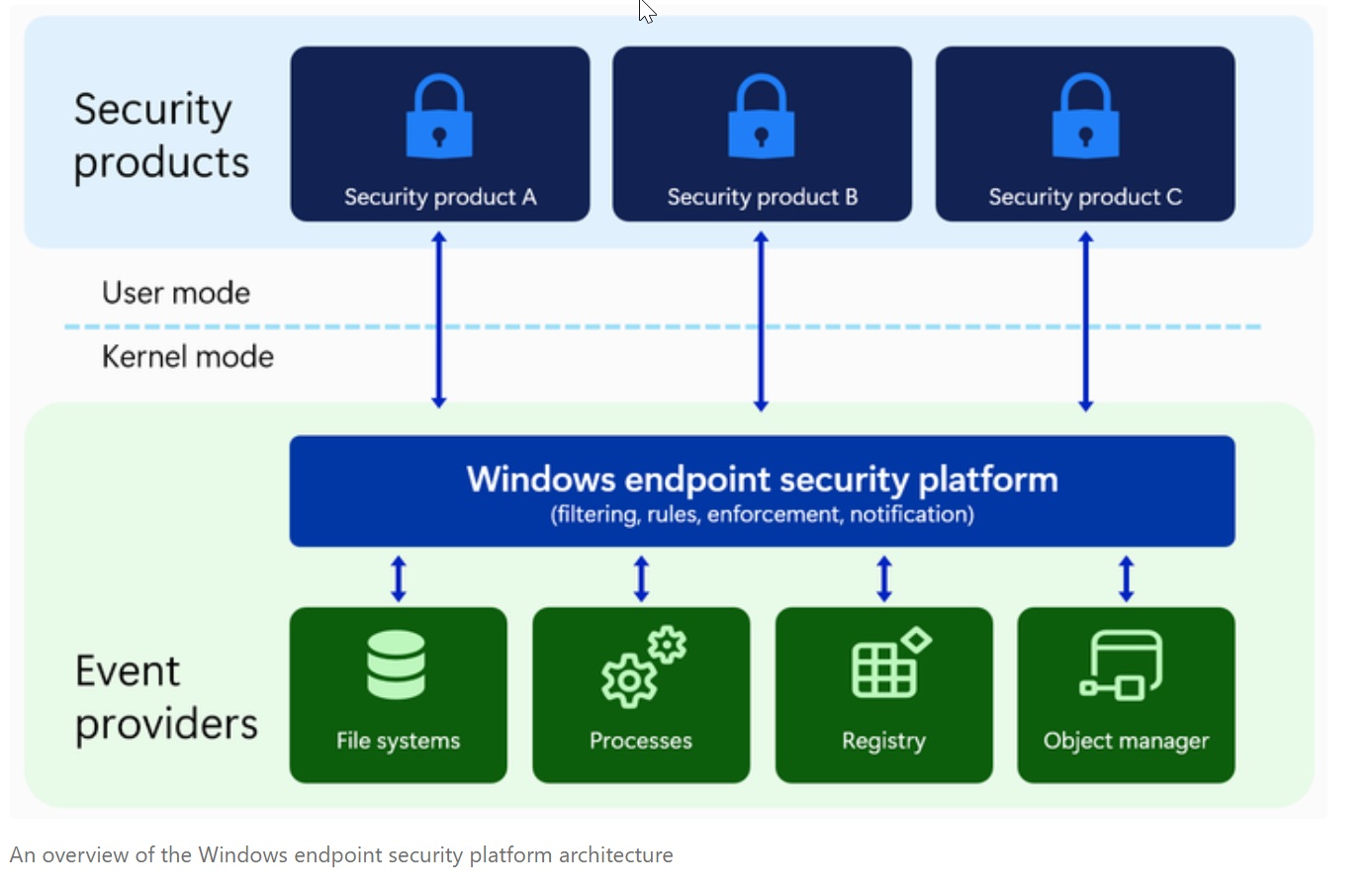
Microsoft has already moved some hardware drivers to user mode, reducing their reliance on the kernel. We’ve also seen this with security vendors, where antivirus companies are now being encouraged to use new Windows APIs and user mode instead of directly injecting their functions into the kernel, which can break things.
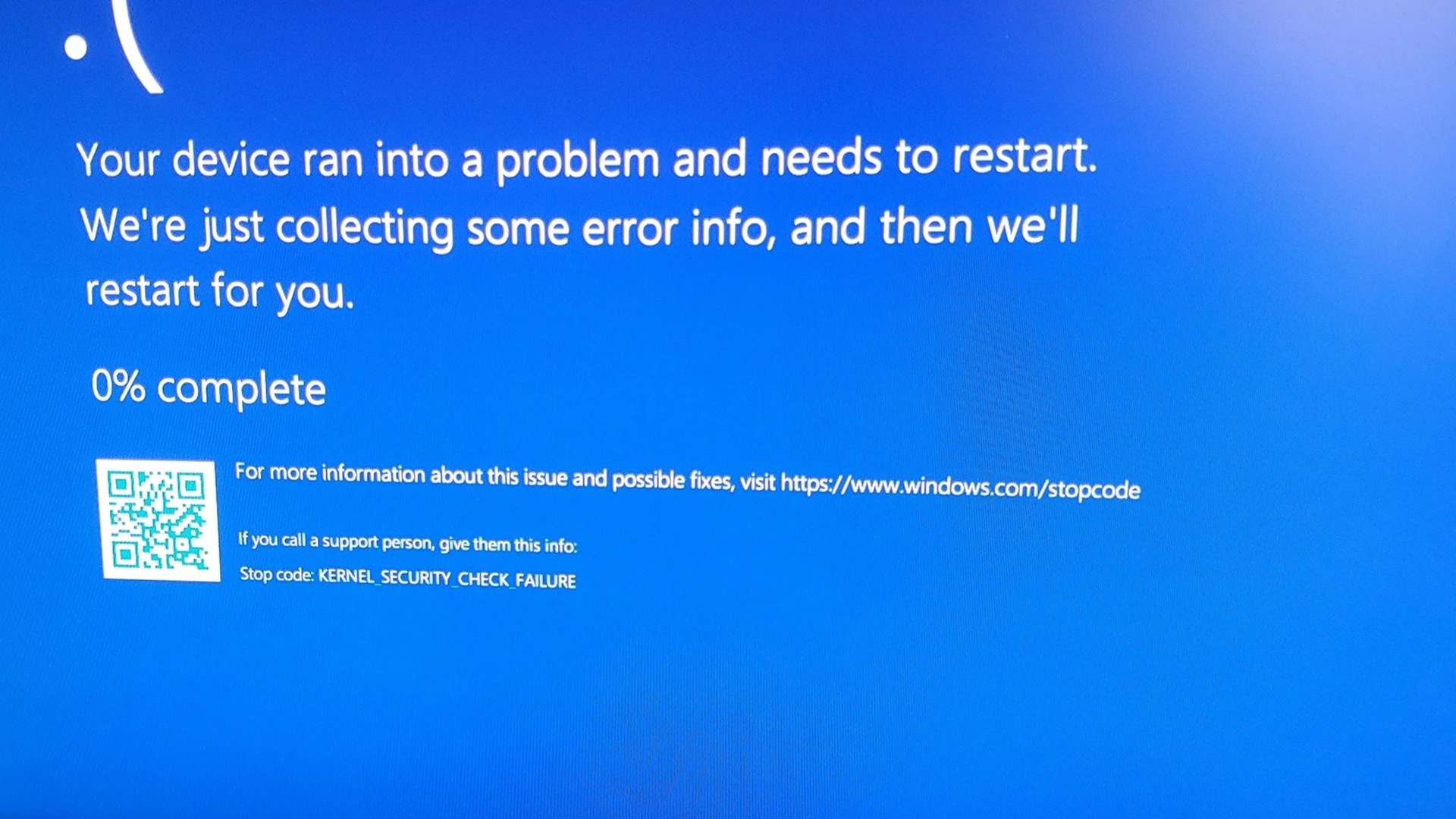
Wi-Fi drivers have operated in kernel mode, and that has caused BSODs across thousands of PCs in the past
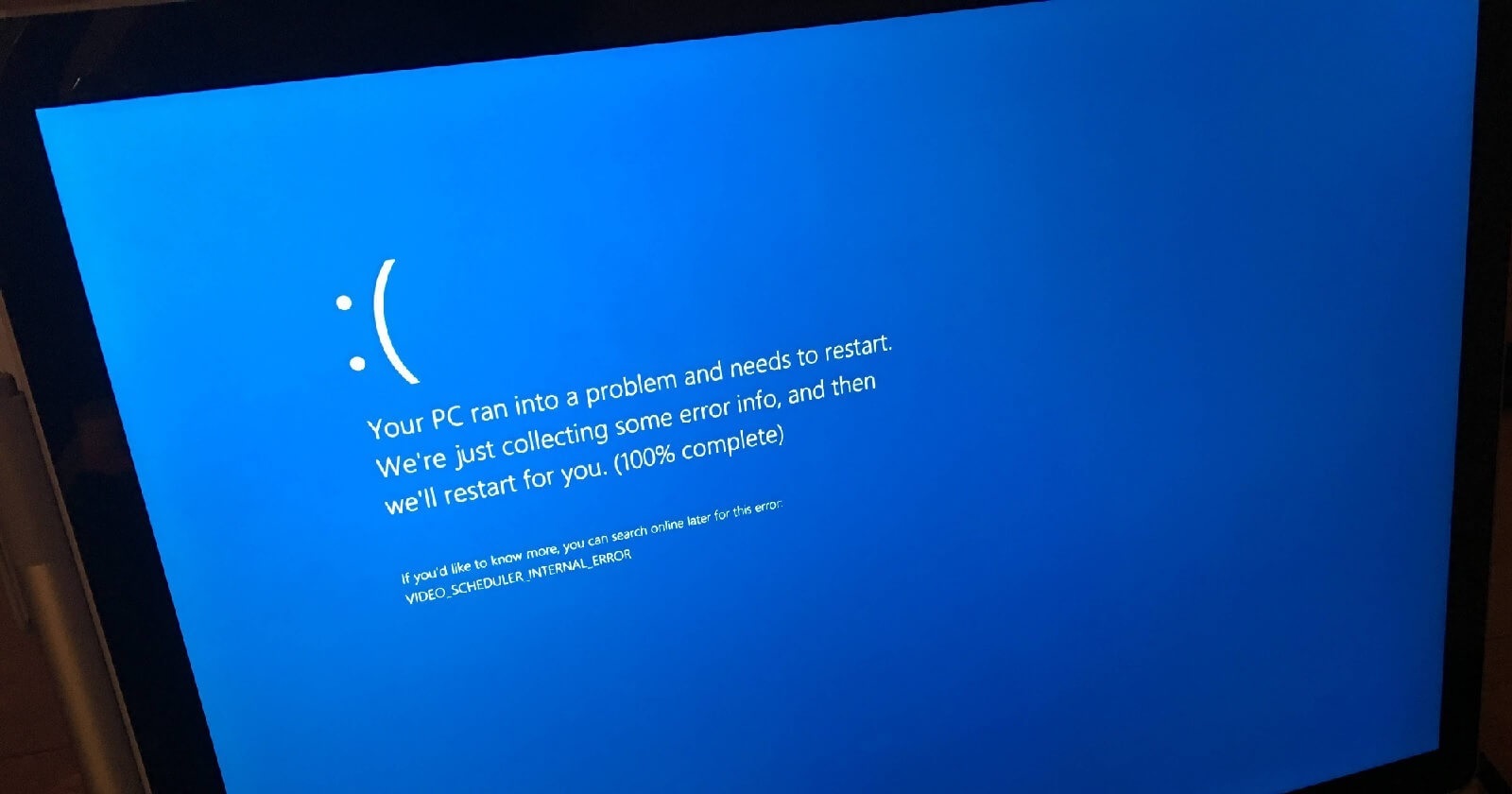
Right now, Wi-Fi drivers operate in kernel mode, which means if you use an incompatible driver, or the driver suddenly becomes a problem after a Windows update, you risk crashing the system. That has happened in the past when a Wi-Fi driver randomly crashed PCs with a Blue Screen of Death (BSOD), now redesigned as a Black Screen.
You might argue that drivers, including Wi-Fi drivers, shouldn’t run in kernel mode when they can take down Windows, and OEMs should avoid doing it even without a push from Microsoft. It isn’t as easy as it might look on paper. Wi-Fi drivers have traditionally run in kernel mode for several reasons:
– Wi-Fi drivers need to be fast to reduce latency.
– They need low-level access to hardware.
– They require system resources to handle continuous network traffic.
– They need to manage wireless connections and process incoming and outgoing packets.
There are also visible overheads when switching between kernel mode and user mode, although the latter is a better way to run a driver in an isolated environment, so it does not take down Windows when the driver is botched.
Microsoft wants to move more drivers to user mode without sacrificing performance
Now, the most interesting part is that the user-mode driver idea isn’t new. In fact, it’s been a part of Windows since 2004, and Microsoft has been pushing it with every new Windows update, but most driver OEMs have not moved the needle.
After recent Windows problems, Microsoft appears to have made up its mind that it must convince (or even enforce) user-mode drivers wherever it’s definitely possible, with minimal or no performance overheads.
Speaking at Ignite 2026, Microsoft’s Mehmet Kucukgoz explained why moving drivers to user mode is important.
“First, shifting out of kernel. So when a device stack supports it, we’re moving to user mode where the drivers would run.”
“When a user mode driver faults, the kernel and the rest of the device keep running. That’s the key, right?”
In other words, if a user-mode driver crashes, it doesn’t necessarily bring down the entire operating system with it. That’s a major difference from kernel-mode drivers, where a fault can affect Windows itself.
Kucukgoz also explained which hardware categories already support UMDF and why Microsoft wants to expand that list.
“The stacks shown here are where User-Mode Driver Framework (UMDF) is viable today. Sensors, fingerprint biometrics, USB, Ethernet, HID, and a bunch of others. And so we’re expanding the support to many other stacks.”
One of the things that could make this possible for more hardware is DMA support in UMDF.
For those unaware, DMA, or Direct Memory Access, allows hardware devices to access system memory without requiring the CPU to handle every transfer. This reduces overheads, which was one of the reasons OEMs used to justify keeping drivers in kernel mode instead of moving them to user mode.
Kucukgoz explained that DMA support would expand the number of hardware stacks that can use UMDF without sacrificing performance.
“Much broader hardware support as a result of that. And without giving up performance, which is the key part.”
Not every driver can move out of the Windows kernel
Microsoft acknowledged that not every driver can move to user mode, particularly when performance requirements make kernel-mode execution necessary.
“Not every driver can move to user mode though. We know that for performance reasons especially.”
For those drivers, Microsoft is also working on security-focused compiler options, driver isolation, safer memory access APIs, and DMA remapping.
“We’re having new compiler options that are security-focused that reduce the exploitable code. We’re working on driver isolation. So even in kernel mode, drivers should not have free rein over the whole system.
“We have implemented what’s called user-mode accessor APIs. These are dedicated, safer functions for kernel mode reads and writes for user mode memory. And then DMA remapping that keeps the direct memory access within the bounds to help prevent DMA attacks.”
As Kucukgoz noted, the end goal is “less third-party kernel mode, fewer crashes and attack paths, and safer servicing.”