


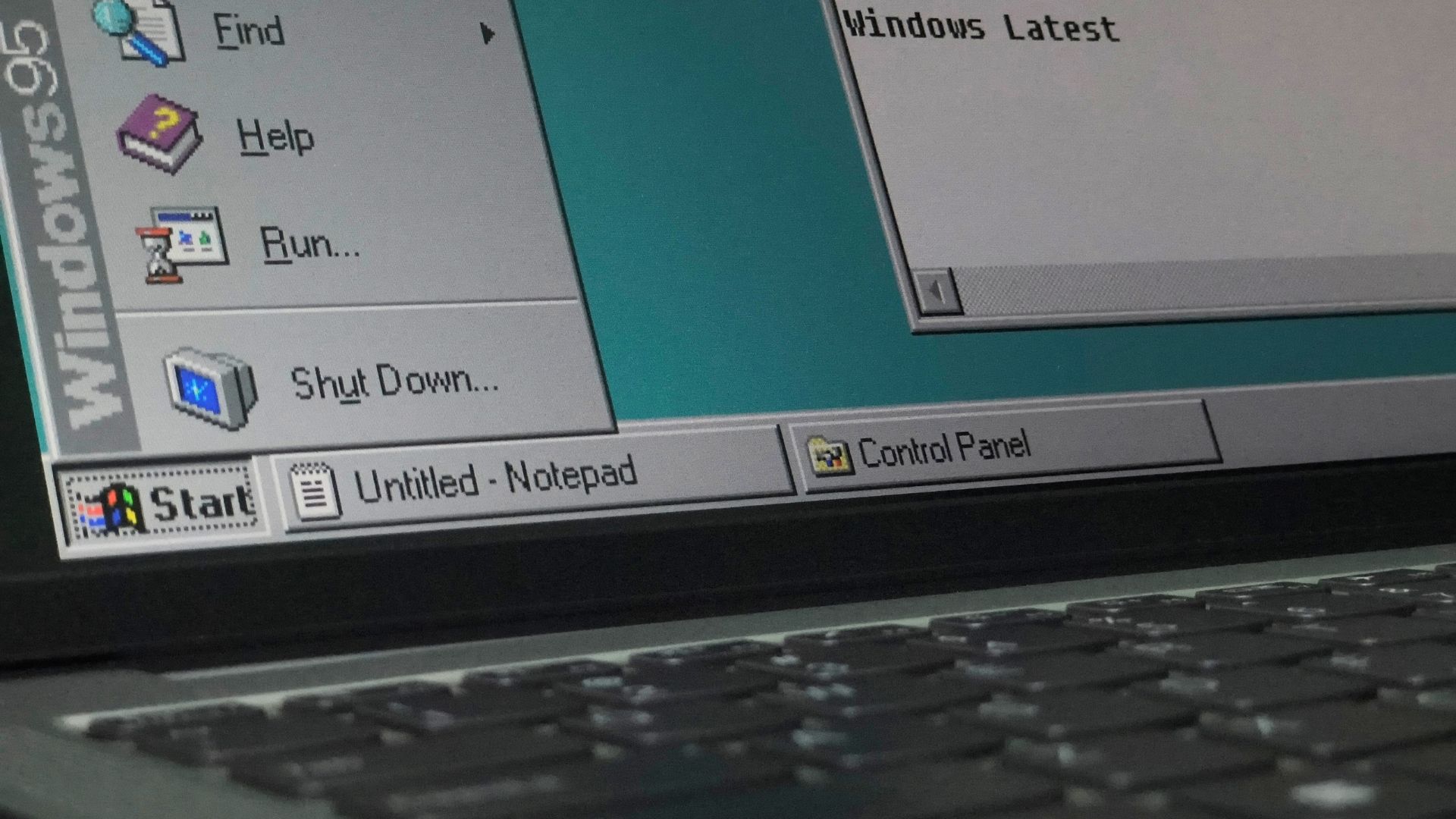
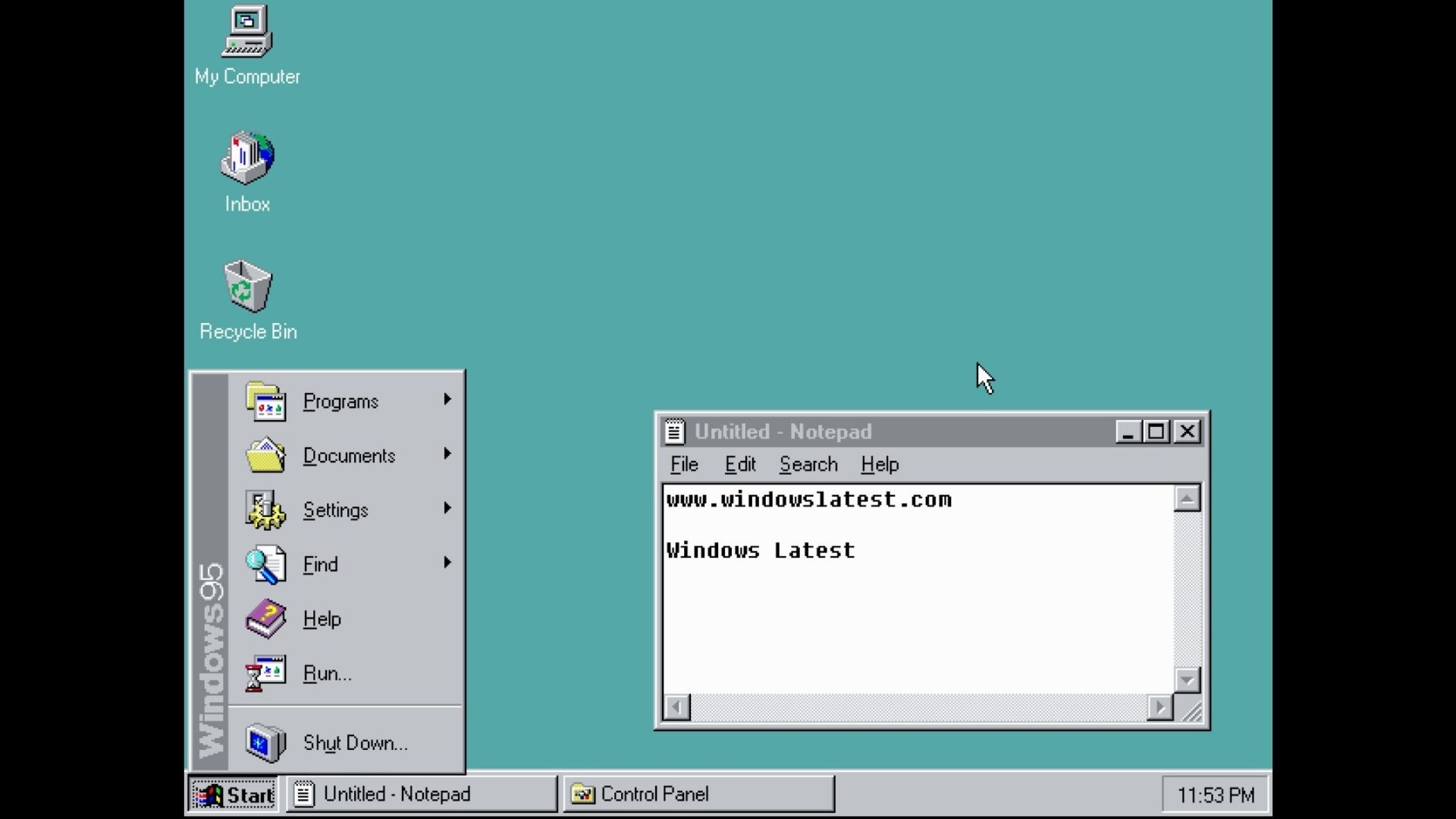
Former Microsoft VP Joe Belfiore says the Windows 95 taskbar didn’t come from Steve Jobs’ NeXT Dock. Instead, he mentions a leftover “tray” design from Microsoft’s canceled Cairo project, and a fix for a Windows 3.1 problem where users lost track of minimized windows.
When ex-Microsoft engineer Dave Plummer showed off his new 5K Dell UltraSharp monitor, a curious user noticed that his Windows 11 taskbar was left-aligned, and his reasoning prompted another user to ask about the taskbar’s origin, and the long-standing myth about the NeXT Dock’s influence naturally made its way to the replies.
In case you haven’t heard of it, the NeXT Dock debuted in 1988 as a core graphical feature of NeXTSTEP, the workstation operating system built by NeXT, the company Steve Jobs founded after his initial ouster from Apple.
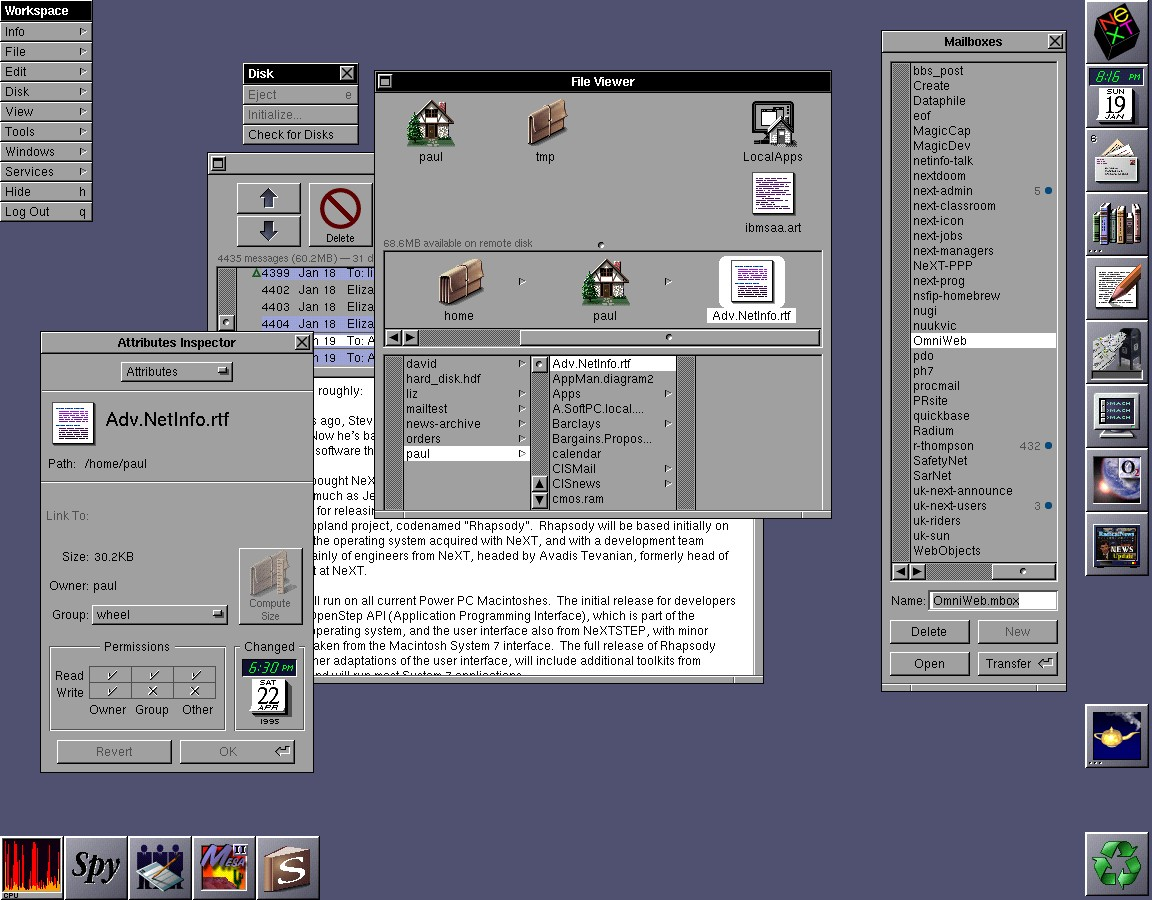
The Dock functioned as a dedicated on-screen strip where users could snap application icons to keep them handy. Jobs famously introduced the feature to the world, and it eventually became the direct ancestor of today’s macOS Dock.
Windows Latest spotted the thread being joined by former Microsoft corporate vice president Joe Belfiore, who corrected the theory about where the Windows 95 taskbar came from, and as you would soon see, it had very little to do with Steve Jobs’ NeXT Dock.
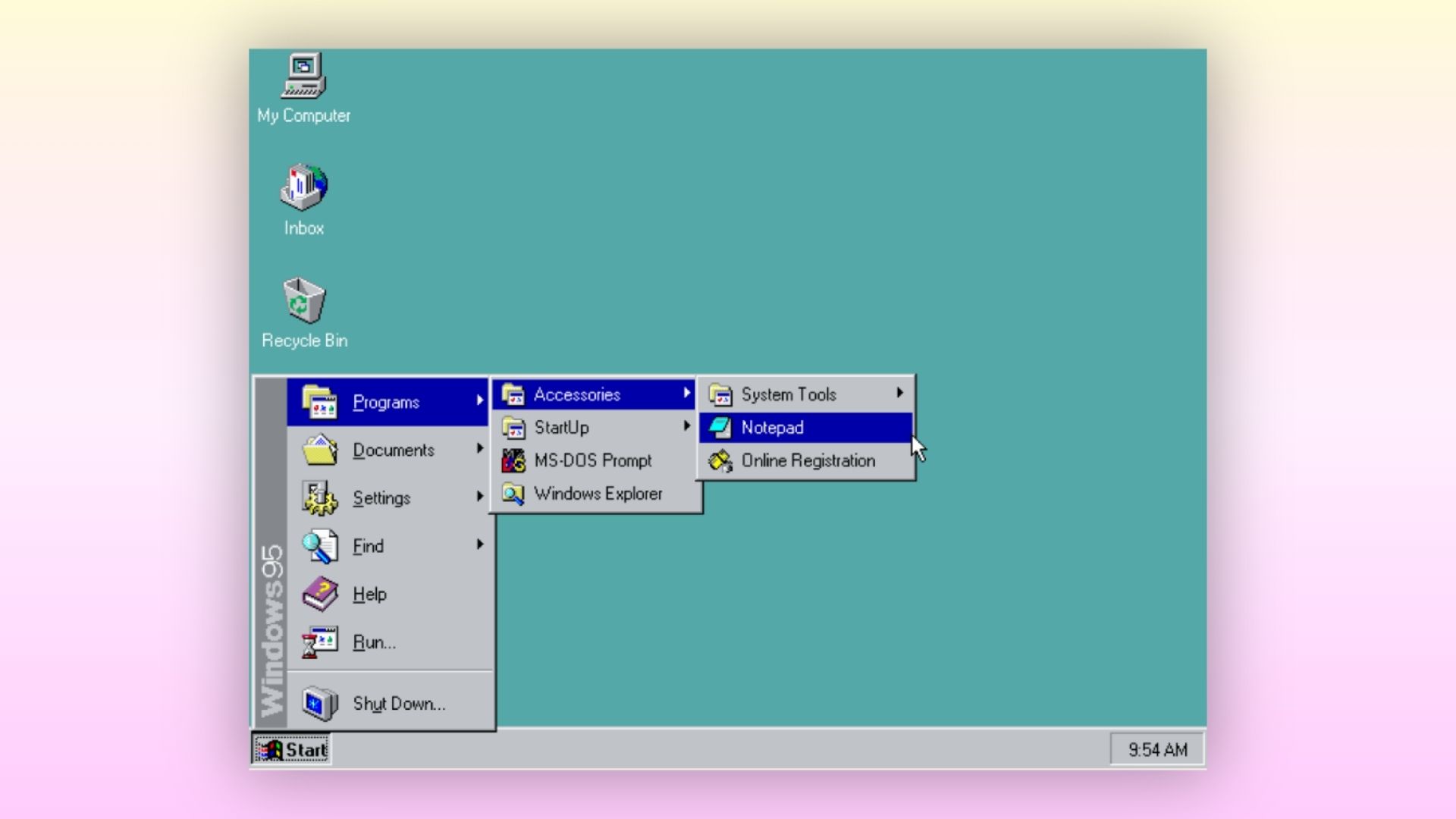
Ex-Microsoft executives confirm the NeXT Dock did not lead to the Taskbar
Under Plummer’s post, someone asked if the Windows 95 taskbar was based on RISC OS instead, to which a tech journalist mentioned that “an Acorn engineer went to NeXT, and that led to the Dock, and the NeXT Dock led to the taskbar.”
This reply, and Plummer’s earlier invitation to the post, pulled in Brad Silverberg and then Jeo Belfiore, who both confirmed that the Windows 95 taskbar wasn’t a copy of the NeXT Dock.
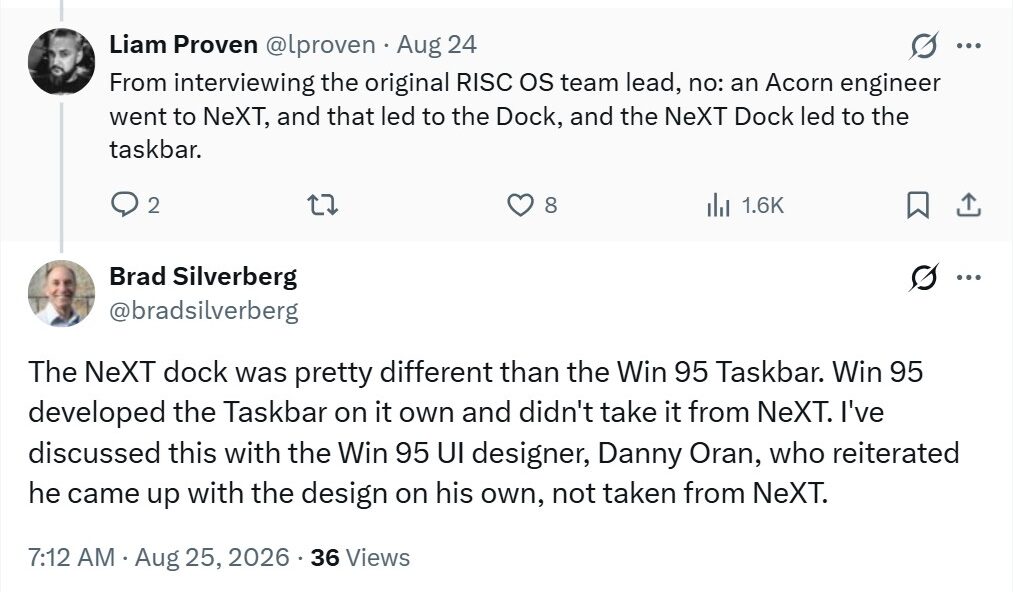
Brad Silverberg was a Senior VP and product manager for MS-DOS, Windows, and more in the 90s at Microsoft. He said, “The NeXT dock was pretty different than the Win 95 Taskbar. Win 95 developed the Taskbar on it own and didn’t take it from NeXT. I’ve discussed this with the Win 95 UI designer, Danny Oran, who reiterated he came up with the design on his own, not taken from NeXT.”
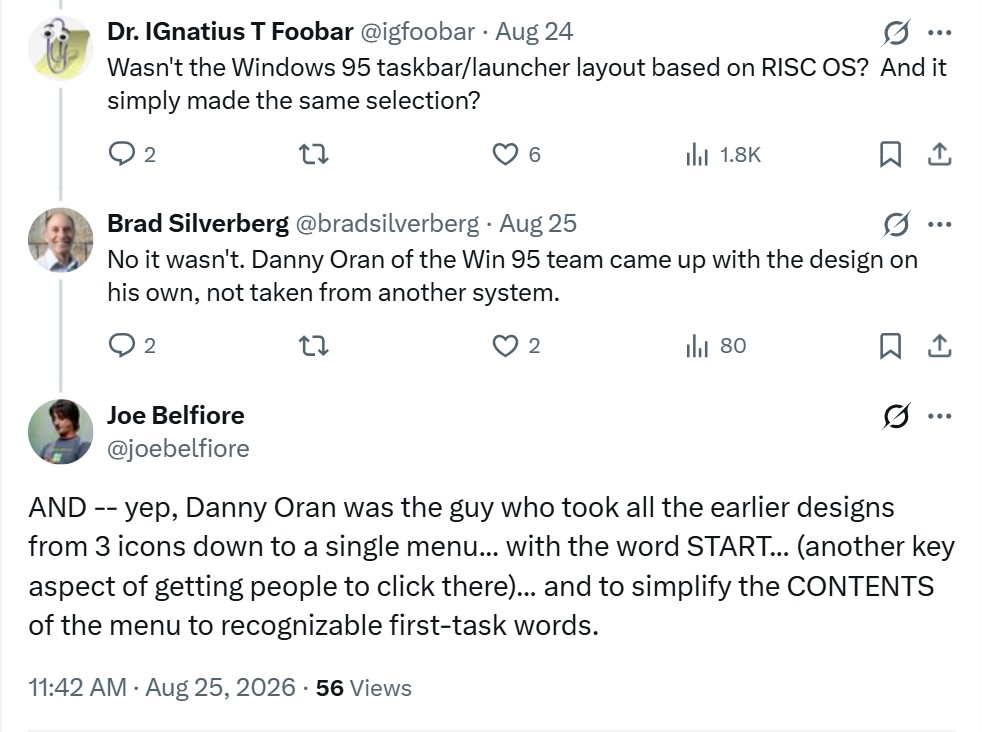
If that wasn’t confirmation enough, Joe Belfiore had more to say: “The NeXT dock did NOT lead to the taskbar. Two things did.”
Belfiore has the standing to correct this. He joined Microsoft in 1990 on OS/2, moved to Windows NT, and by 1993 was lead program manager for the user interface on Chicago, the project that became Windows 95. He headed the decisions behind the Start menu and taskbar, then stuck around for three more decades across Windows XP, Windows Phone (RIP), and Windows 10 before retiring as a corporate VP in 2022.
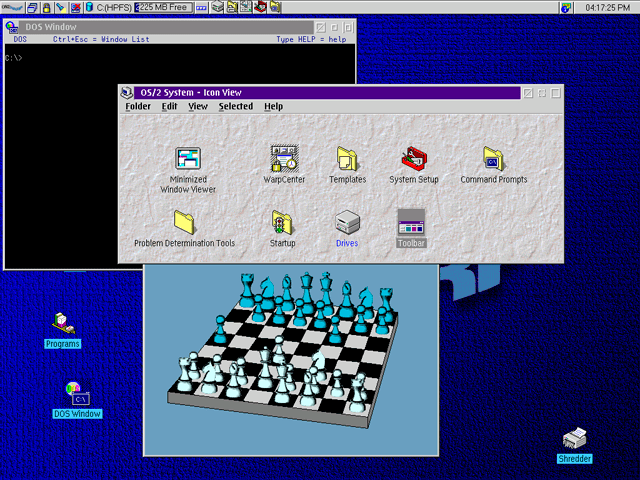
The first was Cairo, a Microsoft project running from 1991 to 1996 built around Bill Gates’s “information at your fingertips” pitch. Cairo did not ship as its own OS, though pieces of it got added into other Microsoft products for years afterward. Its interface work is the part that went into Chicago while Cairo was still alive.
Belfiore described the Cairo team’s “always visible, bottom-of-the-screen tray,” built as a drop target for moving files and content between apps. Plummer posted a screenshot of Cairo desktop right after, and you can see the tray sitting there, years before Windows 95 shipped.
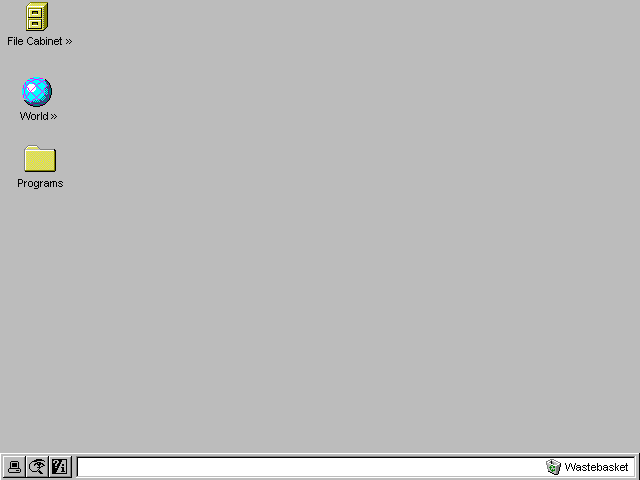
A tray full of drop targets is one thing. Windows 95 needed a taskbar too, and that’s Belfiore’s second point.
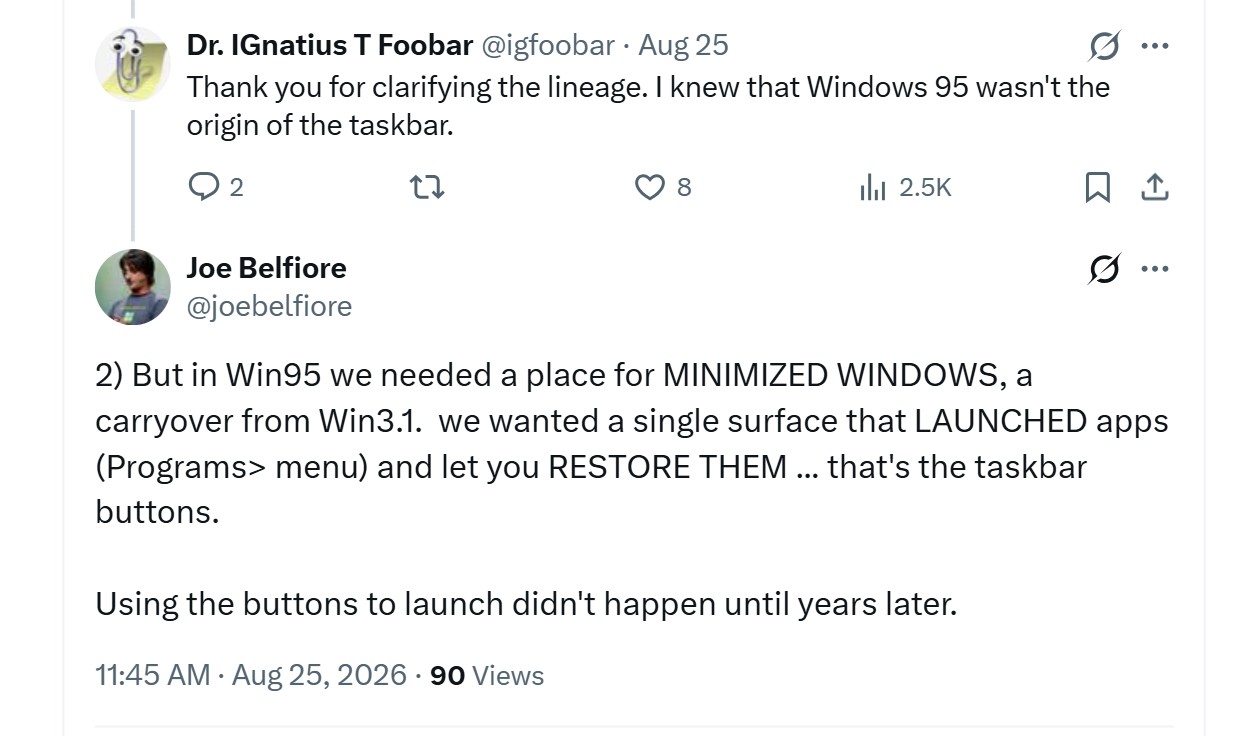
“In Win95 we needed a place for MINIMIZED WINDOWS, a carryover from Win3.1,” he wrote. “We wanted a single surface that LAUNCHED apps and let you RESTORE THEM, that’s the taskbar buttons. Using the buttons to launch didn’t happen until years later.”
Windows 3.1 gave you almost no way to tell what was still running once you minimized it. People lost track of open programs constantly, and Microsoft’s usability testing kept catching it. The taskbar’s original job was to fix that: restore minimized windows, not launch new ones.
Turning taskbar buttons into launchers came with Windows 7, when Microsoft merged the idea with the old Quick Launch toolbar and let a pinned icon sit there whether the app was running or not.
Taskbar is still getting new features that it lost along the way
Windows 11 launched in 2021 with the taskbar was centered by default, and users were not able to move it, which was a huge annoyance for a big enough audience that Microsoft had to include movable taskbar as a major feature in Windows 11, back in March when they announced the commitment to Windows Quality.
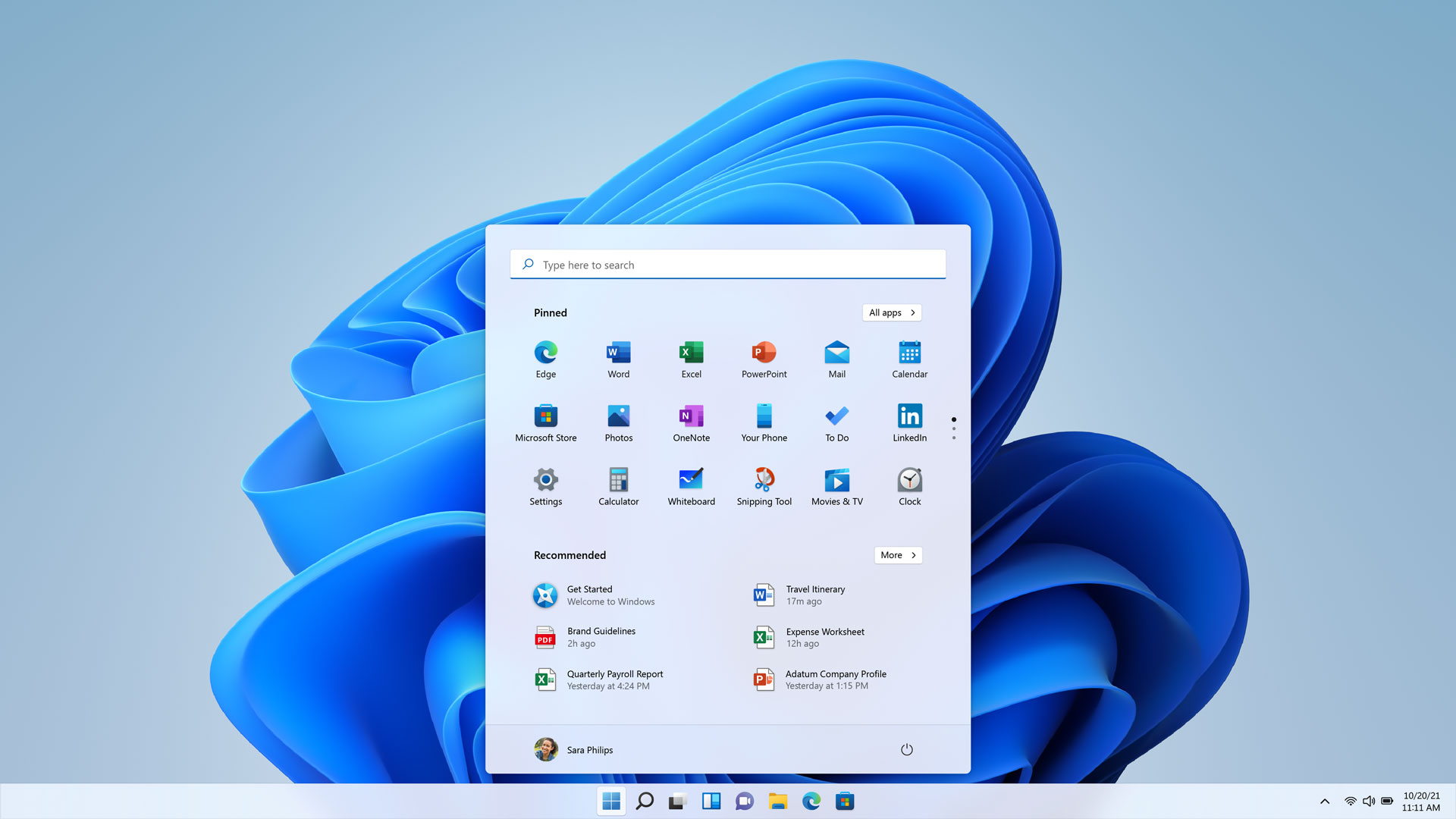
Microsoft also explained why moving the taskbar off the bottom edge took years to bring back, since apps built around one fixed layout had to be rewritten to handle every position without breaking.
This year, Microsoft finally brought back full repositioning to every edge, so the movable taskbar is officially back for everyone, not just Insiders. If you want it on your PC now, we made a very detailed guide on how to force-enable the movable taskbar.
The Windows taskbar came from a cancelled Microsoft project’s leftover tray, a Windows 3.1 problem nobody remembers anymore!