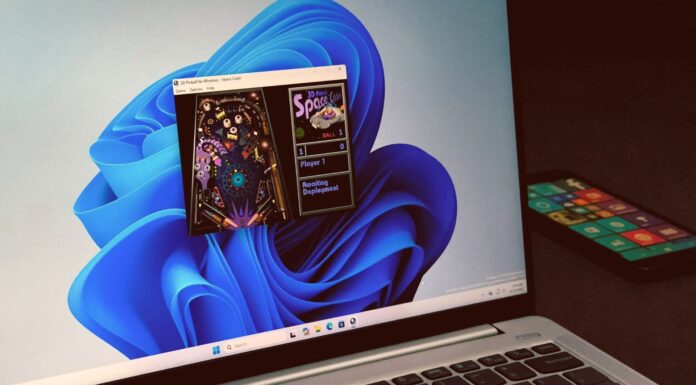








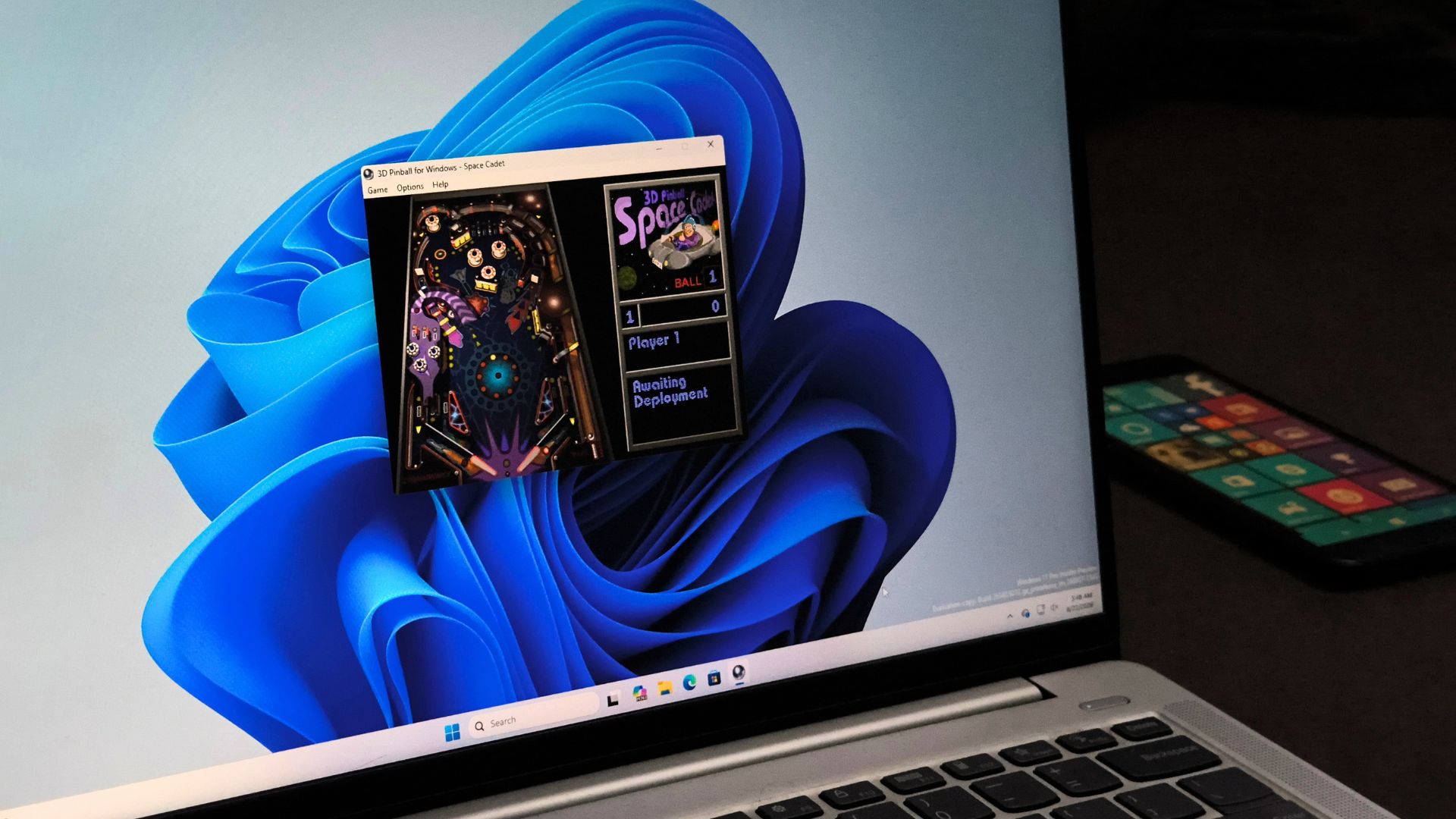
Windows XP was the last version of Windows to ship with 3D Pinball, the space-themed game that had lived inside Windows since 1995. It disappeared with Windows Vista, and for years, we assumed legal trouble killed it. The real reason was far more human, for lack of a better word. It was a bug nobody could find in code nobody understood, all while having a looming deadline.
The story comes from Raymond Chen, a Microsoft engineer who has spent more than three decades working on Windows and writes about its history on his blog, The Old New Thing. Chen was part of the team that ported Windows XP to 64-bit, and he was there when Pinball got cut.
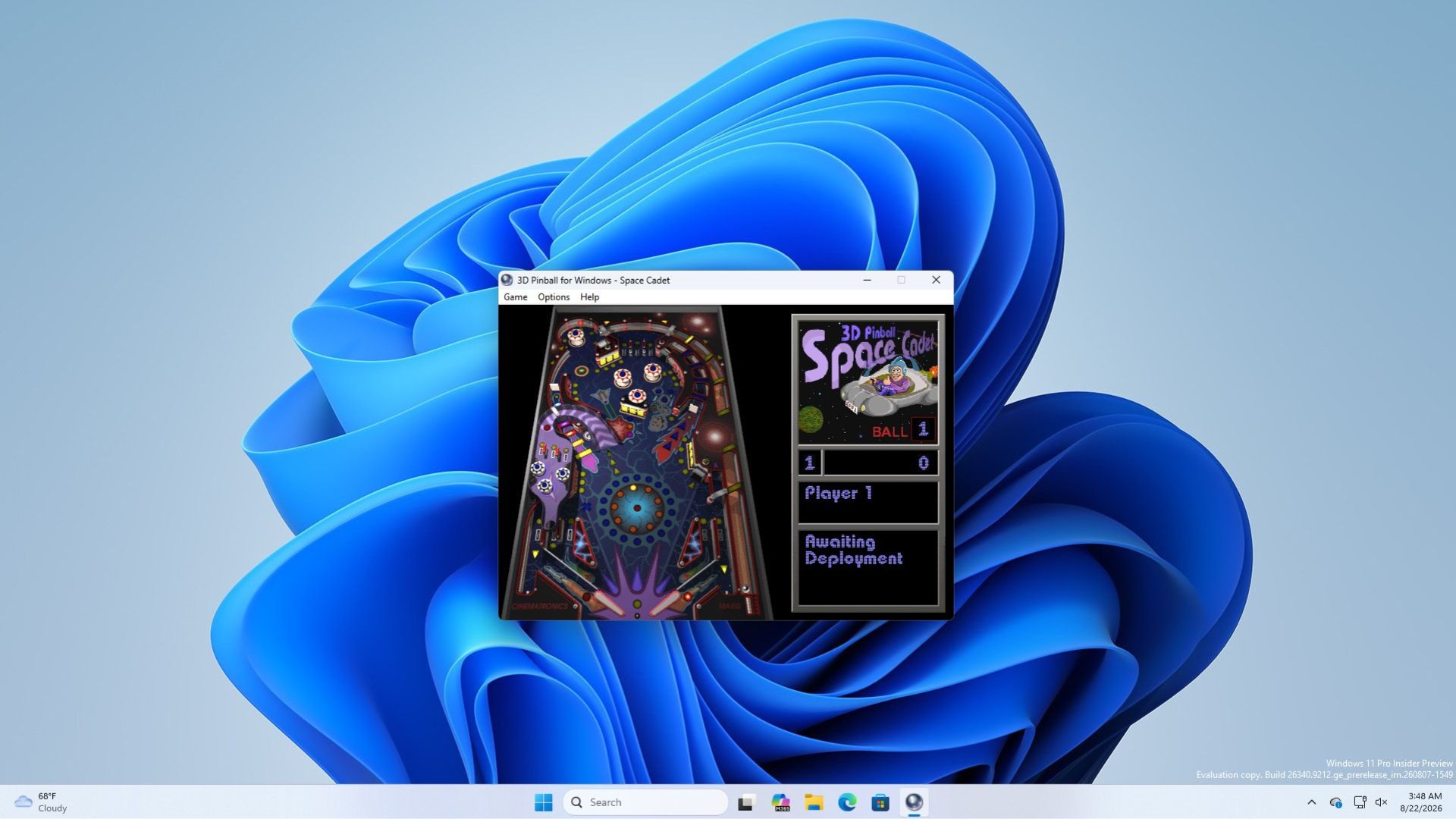
I first played 3D Pinball on a Windows XP machine at home, probably more than 20 years ago, and I remember losing whole afternoons to it. It was one of those games that was there on every PC, waiting for you to get bored of homework. And that may be why so many people still talk about it decades later, with all the more interest to find out what happened to it.
The real reason Microsoft removed Pinball from Windows
In 2012, Microsoft veteran Raymond Chen explained that legal trouble had nothing to do with Pinball’s removal, despite what many people assumed. The problem showed up while his team was porting millions of lines of Windows code from 32-bit to 64-bit for Windows XP 64-bit Edition.
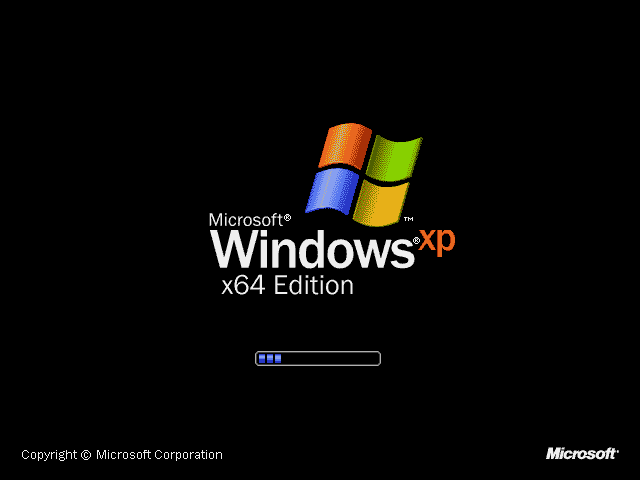
In its 64-bit build, for some strange reason, the ball in Pinball would drop into the launcher at the start of a game, then simply fall through the plunger and out the bottom of the table, like a ghost going through every object in its path.
Hilariously, this made the games “really short”, since there was no way to play with a ball that fell straight through the floor!
Chen and a colleague tried to fix it. The code had been written years earlier by an outside company; no one at Microsoft fully understood how it worked, and most of it was uncommented. They could not even locate the collision detector responsible for keeping the ball on the table, let alone fix whatever floating-point rounding error was breaking it.
With millions of lines of code still waiting to be ported and a shipping deadline attached to all of it, Chen’s team made the call. In his words, they “couldn’t afford to spend days studying the code trying to figure out what obscure floating point rounding error was causing collision detection to fail.”
Pinball got dropped because the people who made the game didn’t bother to add comments, and of course, the engineering team at Microsoft chose not to burn days on one broken game while a much larger deadline loomed. I do not dare to criticize Chen or his team, as they were probably the best software engineers of their time.
And it’s not like he didn’t care either. Chen has said this was one of the few decisions from his Windows XP years that still makes him a little sad. One of the works that he is most proud of in the OS was in Pinball, where he fixed the game using 100% CPU.
The original code had no frame limiter at all, so on modern hardware at the time, Chen found it rendering over one million frames per second and pinning the CPU at 100 percent. Adding a 120 frames per second cap dropped that to 1 percent, letting people play Pinball without slowing down their PC.
Pinball was code Microsoft did not own
The game began as one table inside Full Tilt! Pinball, a 1995 release from developer Cinematronics, published by Maxis. Microsoft licensed just the Space Cadet table for the Microsoft Plus! pack, which launched on August 24, 1995, the same day as Windows 95.
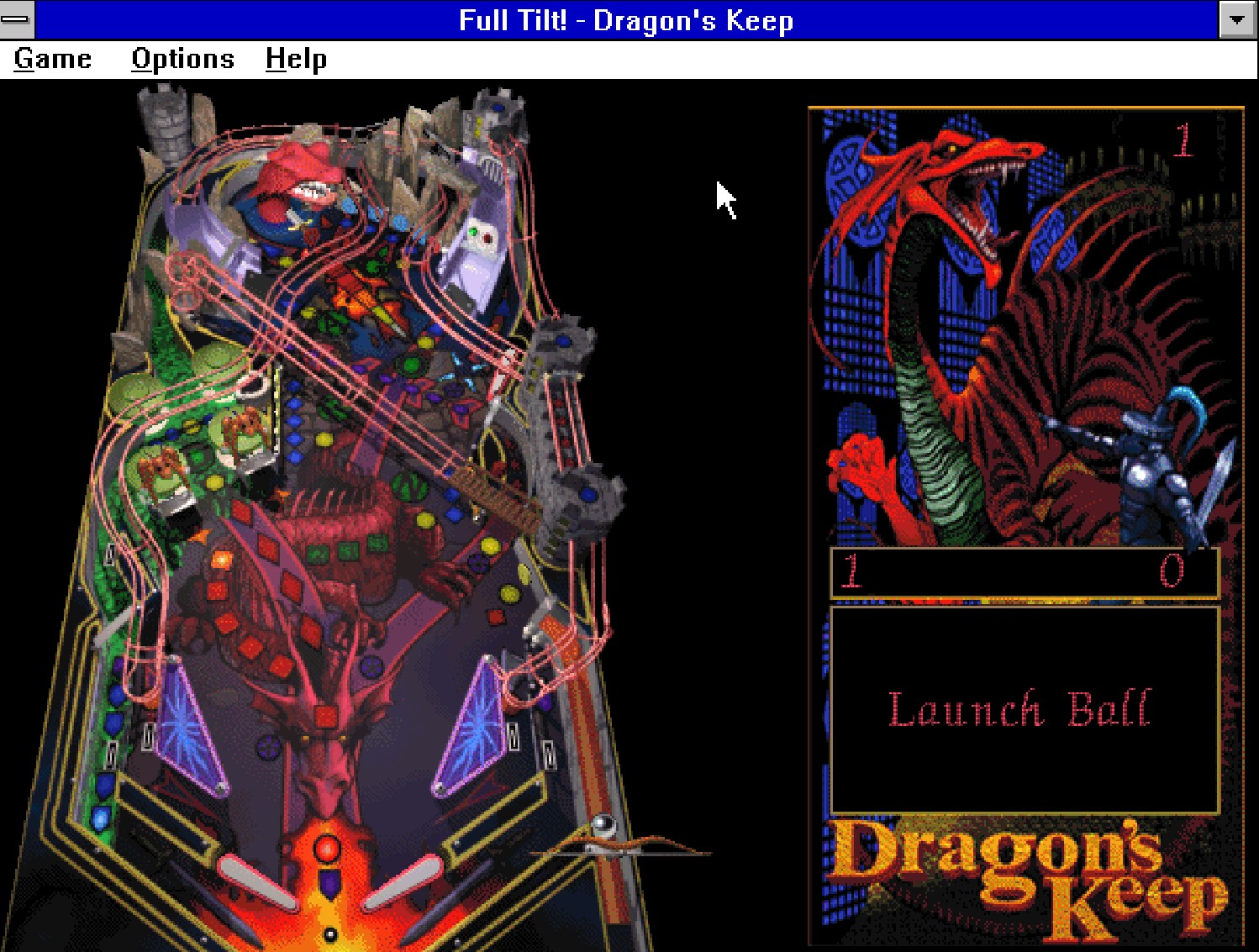
The license terms prevented Pinball from coming back. Chen addressed this in 2018, after a Microsoft Garage team quietly tried to resurrect the game by repackaging the working 32-bit version. Legal review of the original agreement found that Microsoft only had rights to bundle the game inside Windows and the Plus! packs, along with their successors, and nothing else. Releasing the game on its own, or handing out its source code, was not part of the deal.
In 2022, Chen added that the broken build he tested Pinball on was not Itanium (the processor Windows XP 64-bit Edition eventually shipped on) but the Alpha AXP, an older 64-bit chip Microsoft used internally to get a 64-bit Windows build running before the Itanium hardware existed.
Chen believes a rounding mode bug in the C runtime library caused the severe version of the crash on Alpha, and that the bug was later fixed for reasons unrelated to Pinball, quietly enough that nobody thought to tell him the game worked again!
Windows 11 still hasn’t found its own version of Pinball
Cinematronics and Maxis were both eventually absorbed into Electronic Arts, and the license that once let Microsoft ship Space Cadet Pinball is now tangled up in a company that had no part in the original deal.
Fan remakes exist, built from scratch to avoid the legal wall Chen’s team ran into, but nothing official has replaced it in almost two decades. And I’m not talking about Pinball itself, but does Windows 11 have a game that would make the OS nostalgic 20 years from today?
Microsoft’s priorities shifted somewhere else. The pre-installed things that exist now in Windows 11 make it one of the most vocally hated versions of the OS.
The 10-year-old Windows 10 still gets some affection today. Earlier this month, Windows Latest first reported its lock screen photo of Wharariki Beach in New Zealand went viral again, because travelers visited the real place behind it, making the OS more “human”.
Windows 11 has no equivalent moment. It has no Pinball, no wallpaper or lockscreen people go looking for in real life, nothing that earns this kind of memory!