

It has been one of the most exciting stretches for Windows in years. After a genuinely dismal 2025, where Microsoft shipped broken update after broken update, we counted more than twenty major issues. The company has since turned a corner that even the most jaded power users would admit is real. In March 2026, Windows president Pavan Davuluri stood up and publicly committed to fixing Windows, and that marked the beginning of what now looks like a genuine quality initiative, and its impact is visible every month.
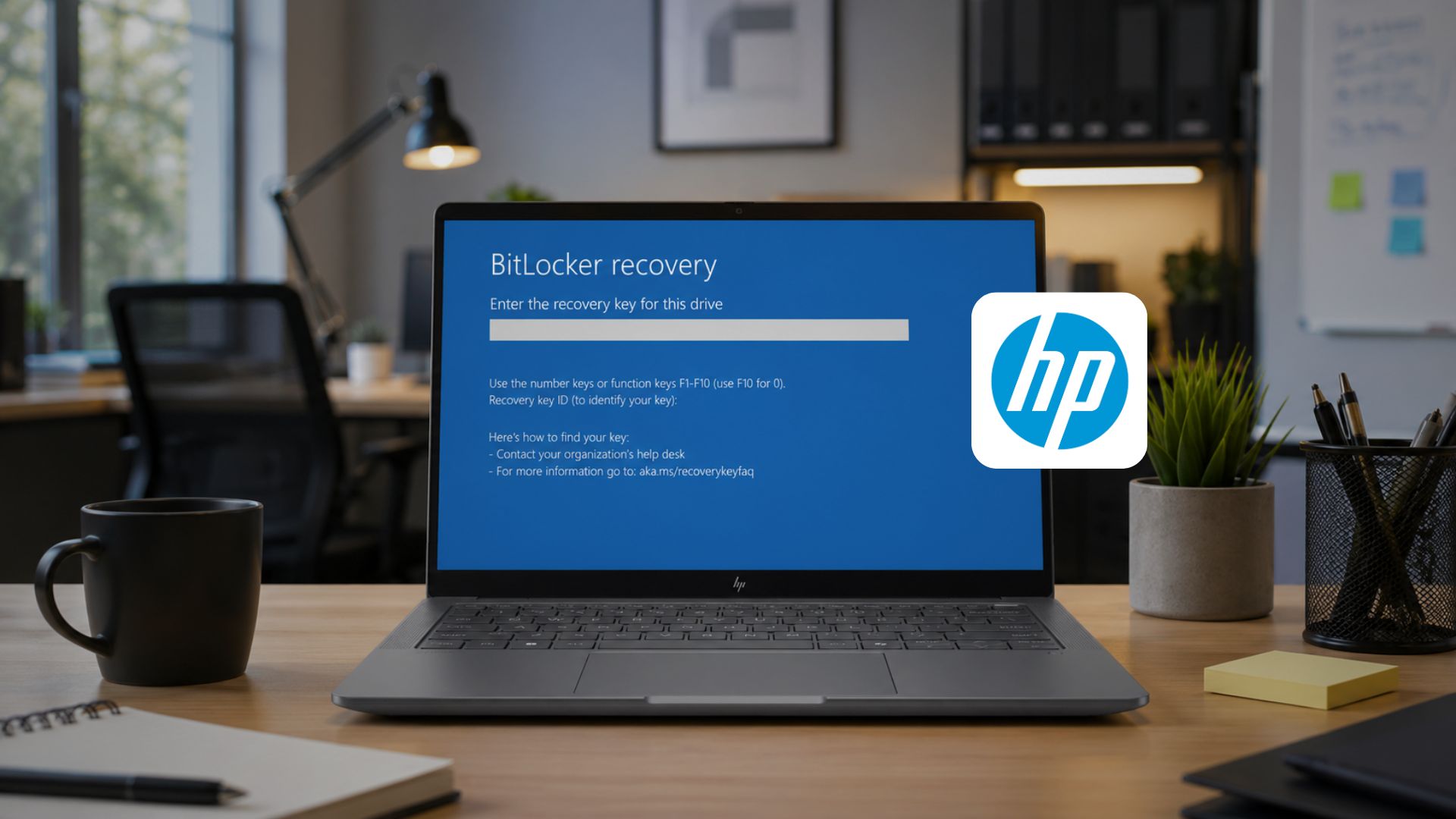
Sadly, even as Microsoft has been cleaning up its own mess, HP and Dell, two of the biggest PC manufacturers in the world, have been busy creating fresh new disasters of their own. HP shipped a batch of BIOS updates in April 2026 that left enterprise laptops stuck in BitLocker recovery loops.
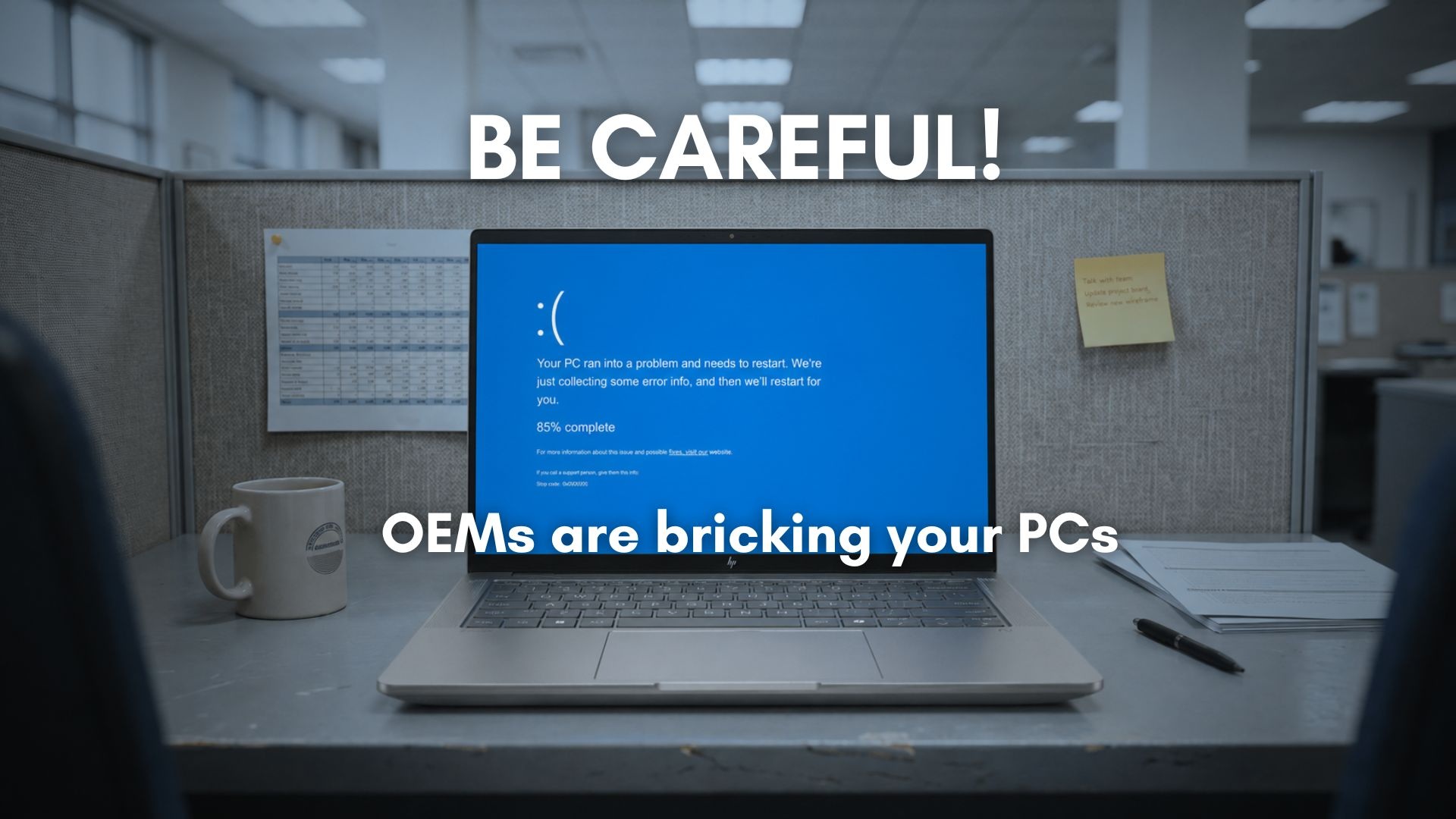
Dell’s own SupportAssist software, the tool literally designed to keep your PC healthy, started throwing blue screens of death every 30 minutes in May 2026. Both incidents show how Windows 11 always takes the blame, but the real culprits are sometimes the manufacturer’s own software and firmware.
Microsoft is doing the hard work of rebuilding Windows 11 from the ground up, while its OEM partners are, in some cases, introducing the kind of instability that Windows has been unfairly blamed for.
And the timing could not be worse, with Build 2026 and Computex giving Windows the most exciting headlines it has seen in years, and Apple pressing its MacBook Neo’s aggressive pricing while doubling production.
HP’s April 2026 BIOS updates triggered BitLocker recovery loops across enterprise PCs
If you manage a fleet of enterprise HP PCs, the last week of May 2026 was not a good time to be at your desk.
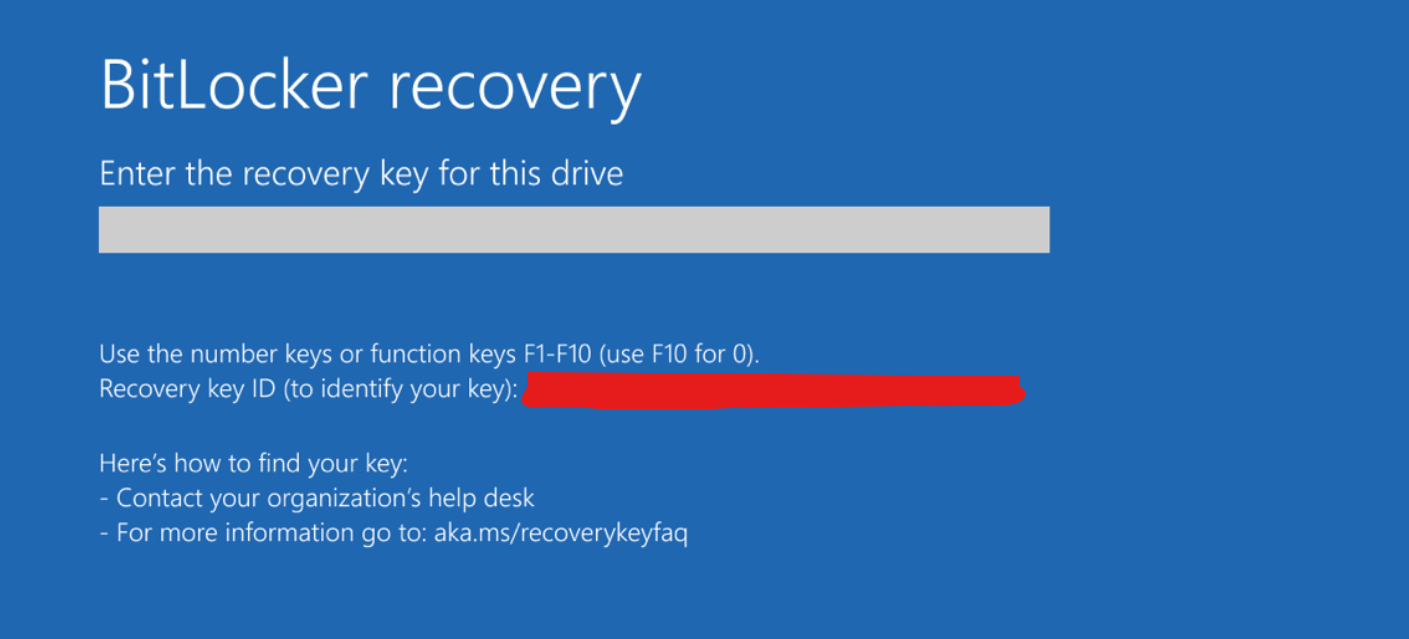
Users and IT administrators began complaining on forums with reports of HP EliteBooks, ProBooks, ZBooks, and workstations stuck in relentless BitLocker recovery loops, all following BIOS updates that HP had shipped in early April 2026.
Windows Latest first reported that HP had admitted to the problem, confirming that its recent BIOS updates were triggering BitLocker recovery screens. The issue was particularly maddening because it wasn’t a one-time prompt.
Users could enter the correct recovery key, boot into Windows, and then find themselves back at the same recovery screen on the next restart. It’s infuriating for an individual, but for an IT helpdesk responsible for hundreds and thousands of machines, it’s a department-wide emergency.
Why the HP BIOS bug happened at the worst possible moment
Microsoft is currently in the middle of pushing all Windows devices away from the original Secure Boot certificates issued in 2011 toward a newer 2023 certificate chain. This migration is not optional. The older Secure Boot certificates begin expiring in June 2026.
HP’s faulty BIOS update crash-landed on top of that migration. BitLocker works by sealing the decryption key to a specific, verified boot state measured by the Trusted Platform Module (TPM).
When something changes in the boot sequence, such as a malicious modification or a botched firmware update, the TPM measurements can change. BitLocker notices the discrepancy and asks for the recovery key, because from its perspective, a corrupted firmware update and a tampered system can look identical.
The deeper problem was that affected HP systems couldn’t establish a stable new baseline. The Secure Boot 2023 migration was getting stuck mid-process, with the firmware leaving the trust chain in an inconsistent state, which is what turned a one-time recovery prompt into a loop.
The system couldn’t commit the new Secure Boot state, so it kept detecting a mismatch on every restart.
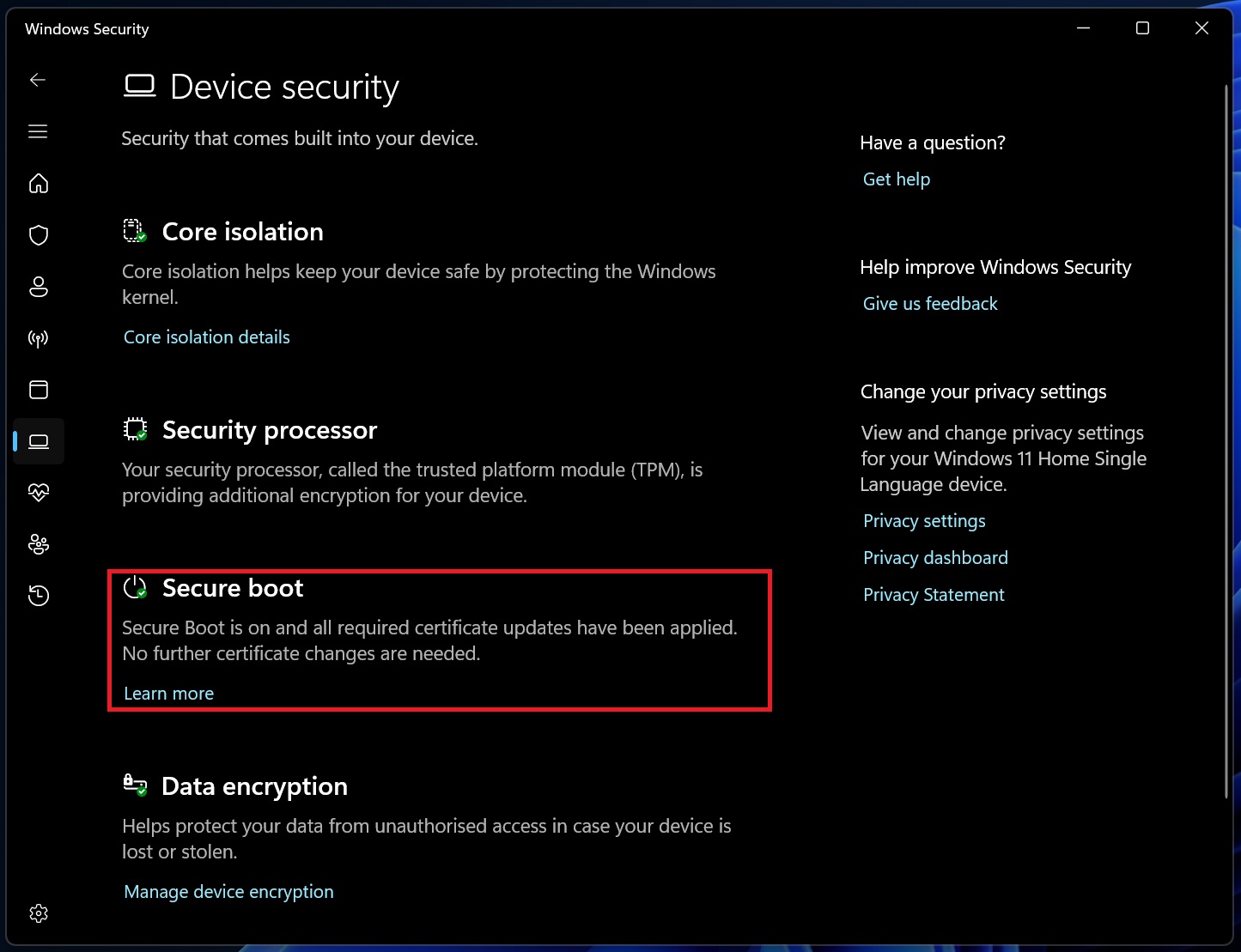
IT administrators had to manually intervene in firmware setup on each affected machine, going in to accept the 2023 Secure Boot certificates and let Windows complete the handoff, which some of you would know, is a process that doesn’t scale well across even a modest enterprise fleet.
Microsoft has recently made a very technical AMA where they discussed everything IT admins should know about Secure Boot 2023.
HP eventually acknowledged the problem and began working on a fix, but the workaround in the meantime required hands-on firmware intervention, which is ironically the kind of manual process that modern device management is supposed to eliminate.
Dell SupportAssist became the source of the BSODs it’s supposed to prevent
If HP’s incident was a firmware disaster, Dell’s was a different kind of irony. In early May 2026, owners of Dell XPS, Alienware, Latitude, Precision, and other laptop and desktop lines started reporting a brutal problem where their PCs were blue-screening roughly every 30 minutes, locked in a crash-and-reboot loop that made the machines unusable.
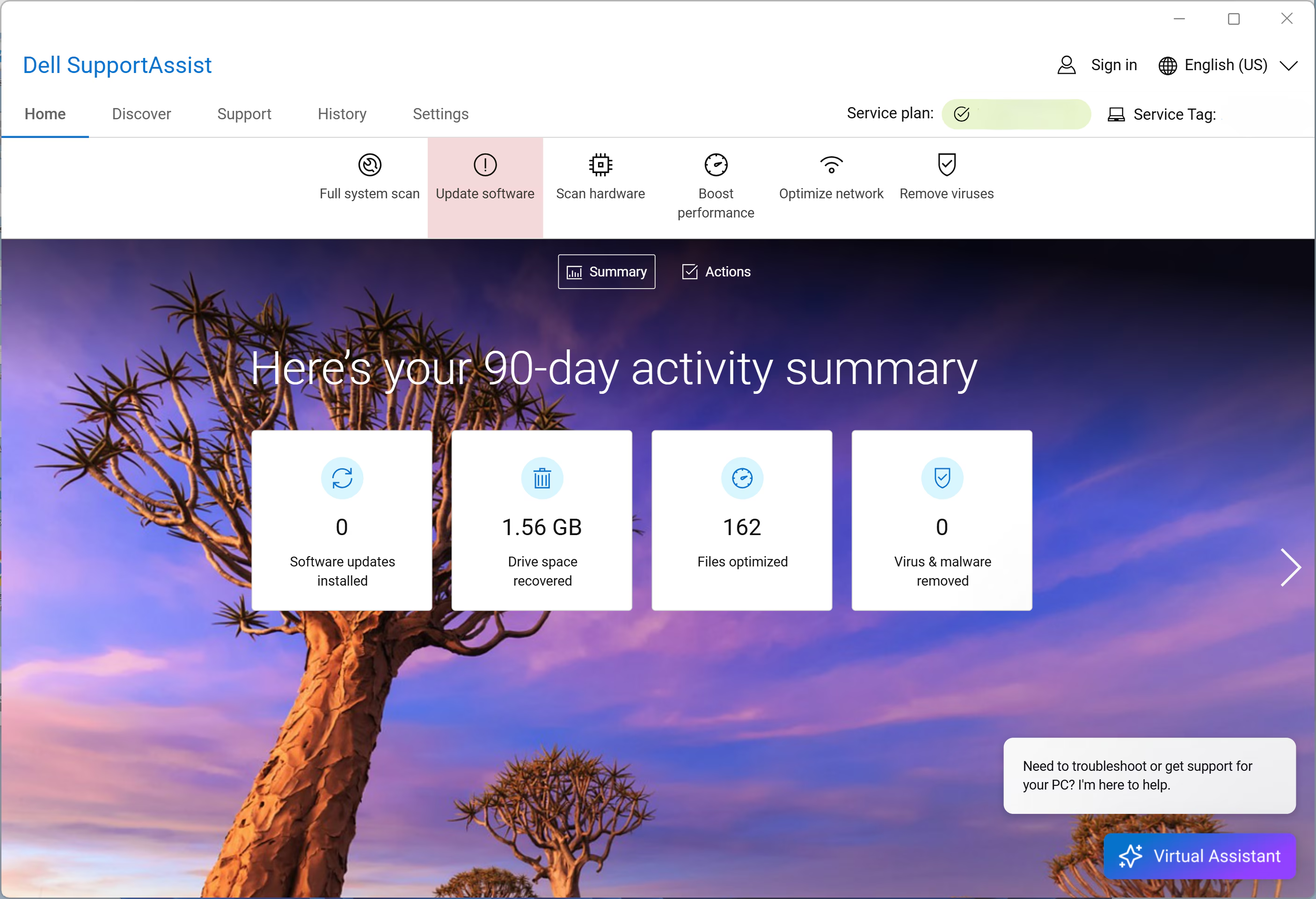
The instinctive reaction was to blame Microsoft. Windows 11’s reputation is well established at this point, and a Patch Tuesday update had gone out around the same time, so the finger-pointing began immediately. But Windows 11 wasn’t the culprit this time. The problem was Dell’s own SupportAssist.
Version 5.5.16.0 of Dell SupportAssist Remediation service was the cause
Dell confirmed the issue on its official community forums. A company representative told customers that version 5.5.16.0 of the Dell SupportAssist Remediation service, or its Alienware equivalent, was triggering crashes with the stop code 0xEF_DellSupportAss_BUGCHECK_CRITICAL_PROCESS.
Dell said engineering was aware of the problem and was working toward a resolution, with the recommended fix being to uninstall the offending service.
The issue began spreading over the first weekend of May 2026, following the release of the buggy SupportAssist update on April 30.
Within 48 hours, a thread on Dell’s own community forums had reaped more than 300 replies, with affected users spanning XPS 15 9530 owners, Dell Pro 14 Plus users, Dell Pro 16 Plus users, and commercial Latitude and Precision workstations. The SupportAssist Remediation driver caused the kernel to identify the process as a critical system component that, once it crashed, brought the whole OS down with it.
SupportAssist has had a troubled history before this incident
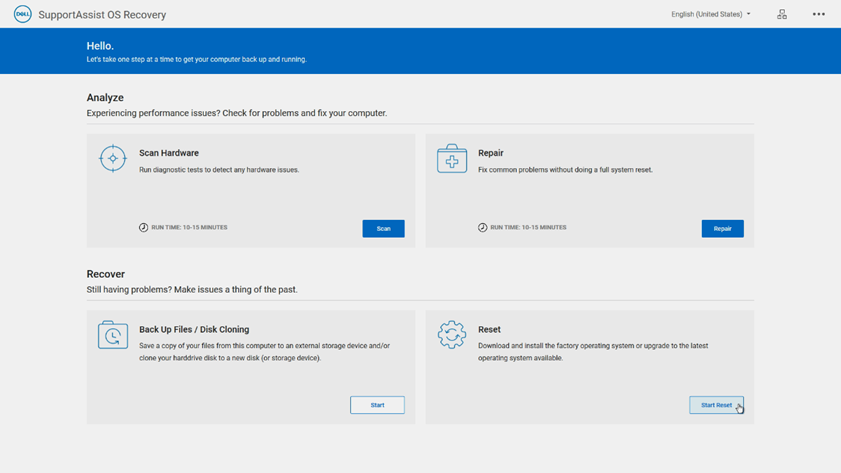
Dell SupportAssist has previously drawn complaints for crashes, resource usage, and problematic remediation behaviour.
A similar BSOD incident occurred in December 2024 with similar symptoms, including blue screens after an update, community-discovered workarounds, and no immediate fix from Dell. Note that SupportAssist exists specifically to reduce friction.
It’s supposed to detect hardware issues, simplify updates, and make recovery less frightening. When the tool designed to prevent crashes becomes the source of the crashes, it loses the whole point of automated PC maintenance.
XPS and Alienware lines were among the confirmed affected devices, with users seeing crashes approximately every half hour, frequent enough to make the machine difficult to use for anything, including work, school, or just browsing the web. The fix was, in the end, simply uninstalling SupportAssist.
Microsoft has been genuinely fixing Windows 11, and the results show
The HP and Dell situations look unfortunate against what Microsoft has been doing with Windows in 2026.
Microsoft’s Windows 11 quality blog post from March 2026 outlined specific changes, including giving users more control over updates, reducing automatic restarts, faster File Explorer launch times, reduced flicker, and a rollback on the aggressive Copilot integration that had been irritating everyone for over a year.
Removing unnecessary Copilot entry points from Snipping Tool, Photos, Widgets, and Notepad was a concrete step.
The Driver Quality Initiative and cloud-initiated driver recovery
Perhaps the most significant development affecting OEMs came from the Windows Hardware Engineering Conference (WinHEC 2026) in Taipei, where Microsoft unveiled a Driver Quality Initiative alongside a new feature called Cloud-Initiated Driver Recovery (CIDR).
The initiative admitted how bad drivers delivered through Windows Update have been breaking PCs, and the old system, which required hardware partners to manually submit fixes while affected users sat with broken drivers for weeks, wasn’t good enough.
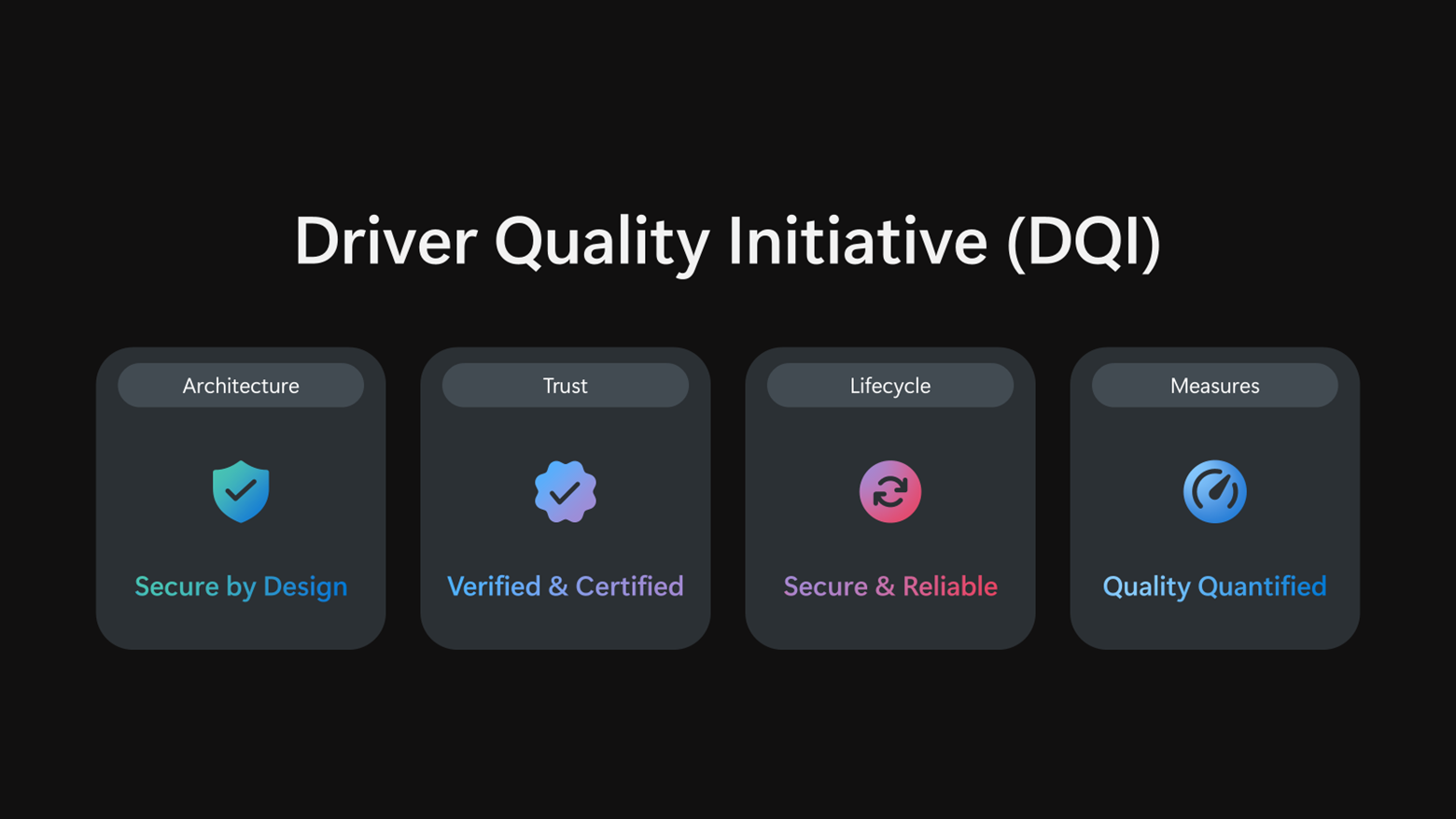
With CIDR, Microsoft can now remotely trigger a rollback of a faulty driver to a previously known-good version through the Windows Update pipeline, without waiting for the OEM to act.
The feature is under testing between May and August 2026, and is set to become automatically active for rejected drivers starting in September 2026.
Microsoft has also been cleaning up the Windows Update driver catalog itself, removing legacy and outdated drivers that have been causing compatibility issues and security risks.
Windows 11 is being rebuilt in native code from the ground up
The most technically ambitious part of Microsoft’s 2026 effort is rewriting the Windows 11 shell in native code, replacing the patchwork of WebView2 components, XAML Islands, and Win32 overlays that gave Windows 11 its infamous heaviness.
The Start menu is being rebuilt in WinUI. File Explorer is getting real performance upgrade (and I’m not talking about Preloading). The team working on WinUI itself has made significant progress on memory usage and switched to a new system compositor.
Build 2026 was frank about this in a way that previous developer conferences haven’t been.
As the WinUI team lead put it, the engineering teams first need to earn the right to build new features by fixing the absolute basics. That’s not the kind of language you hear from companies that are still in denial about their problems. It suggests that the promise Microsoft made in March 2026 to fix Windows is being backed by engineering changes.
There’s also the matter of update control, which Microsoft is now giving back to users in a meaningful way. The May 2026 quality update blog from Marcus Ash confirmed that the Windows Insider Program has been restructured, with cleaner channel definitions, an end to confusing controlled feature rollouts in the Beta channel, and the ability for Insiders to opt into specific experimental features.
The important part is that users can now pause updates for longer, skip them during device setup, and restart without mandatory installations. These are quality-of-life changes that users have been asking for since Windows 10.
Apple has been pushing Windows into a corner, and the industry is better for it
There’s a reason Windows 11 is being fixed at this moment in 2026, and it isn’t because Microsoft suddenly developed a conscience about fixing the most popular desktop OS. Apple has spent the last five years systematically dismantling the arguments that kept users on Windows despite its frustrations.
It started with the M1 chip in late 2020, which demonstrated that the performance-per-watt gap between Apple Silicon and the x86 competition was not incremental.
It was generational. Intel, which had been Windows’ primary silicon partner for years, responded with Alder Lake and Raptor Lake, which were capable but never truly answered the battery life or thermal efficiency story that Apple was showing off with MacBooks.
AMD did better with its Ryzen laptop lineup, delivering genuinely strong multi-core performance and improving efficiency with each generation, but market share didn’t move as dramatically as the hardware merited.
The MacBook Neo changed the budget PC conversation
The real escalation came in March 2026, when Apple launched the MacBook Neo at $599, its first push into the budget PC market.
The machine runs on the A18 Pro chip (the same processor in the iPhone 16 Pro lineup), ships with an aluminum body, a Liquid Retina display, and Apple claims up to 16 hours of battery life. It comes in citrus, silver, indigo, and blush colors (yes, who would’ve thought making colorful desirable PCs would drive sales!)

The timing was deliberately tragic for the PC industry. RAM and NAND prices were already climbing in the first half of 2026, with IDC projecting average PC selling prices to rise around 17 percent in 2026 due to memory shortages that aren’t expected to ease before the end of 2027.
Windows OEMs were heading into a period where maintaining budget configurations would become harder and more expensive.
Apple walked into that slaughterhouse with a premium-feeling device at a price point that most Windows OEM laptops at comparable build quality couldn’t match without sacrificing specifications. Microsoft’s response was to commission a Signal65 report to make some Windows PCs look good compared to the MacBook Neo.
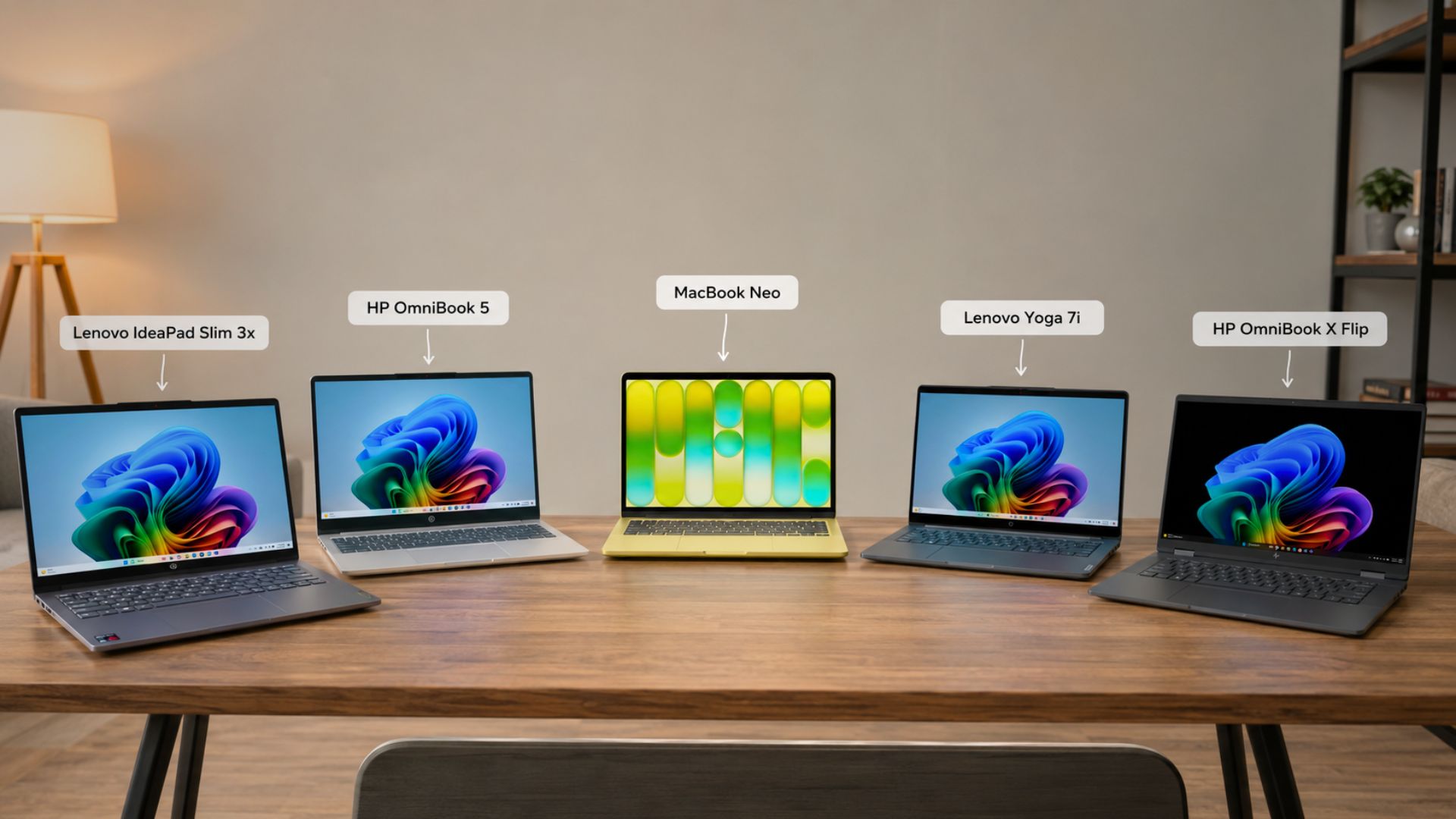
Apple CEO Tim Cook acknowledged on the company’s earnings call that the MacBook Neo generated a record number of first-time Mac buyers, and Ming-Chi Kuo later reported that Apple doubled MacBook Neo production from 5 million to 10 million units following demand that exceeded the company’s own expectations.
Also, IDC data shows the PC market is still declining, with the Neo effectively being the sole bright spot in a contracting market.
Apple is throwing everything at Windows, including an atrocious BSOD Ad
Apple has also been more aggressive than usual in its advertising. In October 2025, the company released an eight-minute ad film titled “The Underdogs: BSOD (Blue Screen of Death)” as part of its long-running Underdogs series, which showed a trade show floor full of crashed Windows PCs while the Mac-using startup team sailed through unaffected.
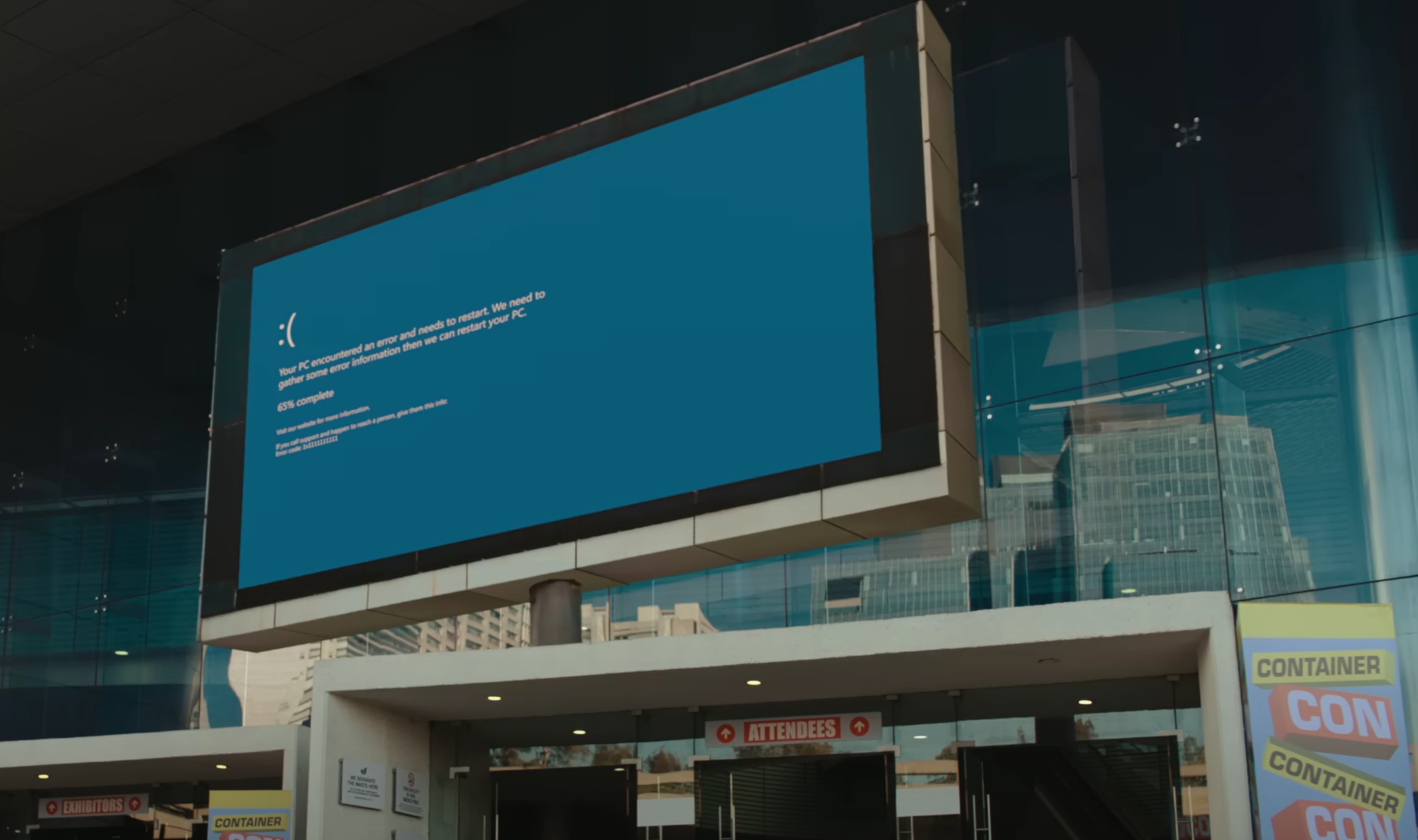
The ad was pointed and clearly timed to capitalize on residual CrowdStrike mawkishness. We noted that while BSOD is less common on modern Windows than the “meme” suggests, the CrowdStrike incident gave Apple valid ammunition to use.
Apple is trying everything. The Neo is being positioned for education and first-time buyers. They also introduced Apple Business to target enterprises.
The company doubled production when demand exceeded forecasts. 5 years of paying TSMC to make the best desktop silicon. And yet, Windows still holds around 67 percent of the global desktop operating system market, and Windows 11 crossed one billion active devices faster than Windows 10 did.
Windows Latest reported that the MacBook Neo probably won’t dent Windows market share dramatically, and our assessment has largely held up.
Windows 11 hit its absolute low point, and Apple still couldn’t capitalize on it
This is worth sitting with for a moment. Windows 11 in 2025 was, by most reasonable measures, the worst version of Windows in a decade. We documented the update disasters. We covered the aggressive and unwanted Copilot integration. We wrote about power users openly moving to Linux and macOS.
We covered Pavan Davuluri locking replies on his own X post after the agentic OS announcement provoked thousands of hostile responses. The Task Manager creator said Windows had turned into a sales channel.
Tim Sweeney and Elon Musk openly mocked it on social media. Dave Plummer made a video explaining why loyal users were leaving.
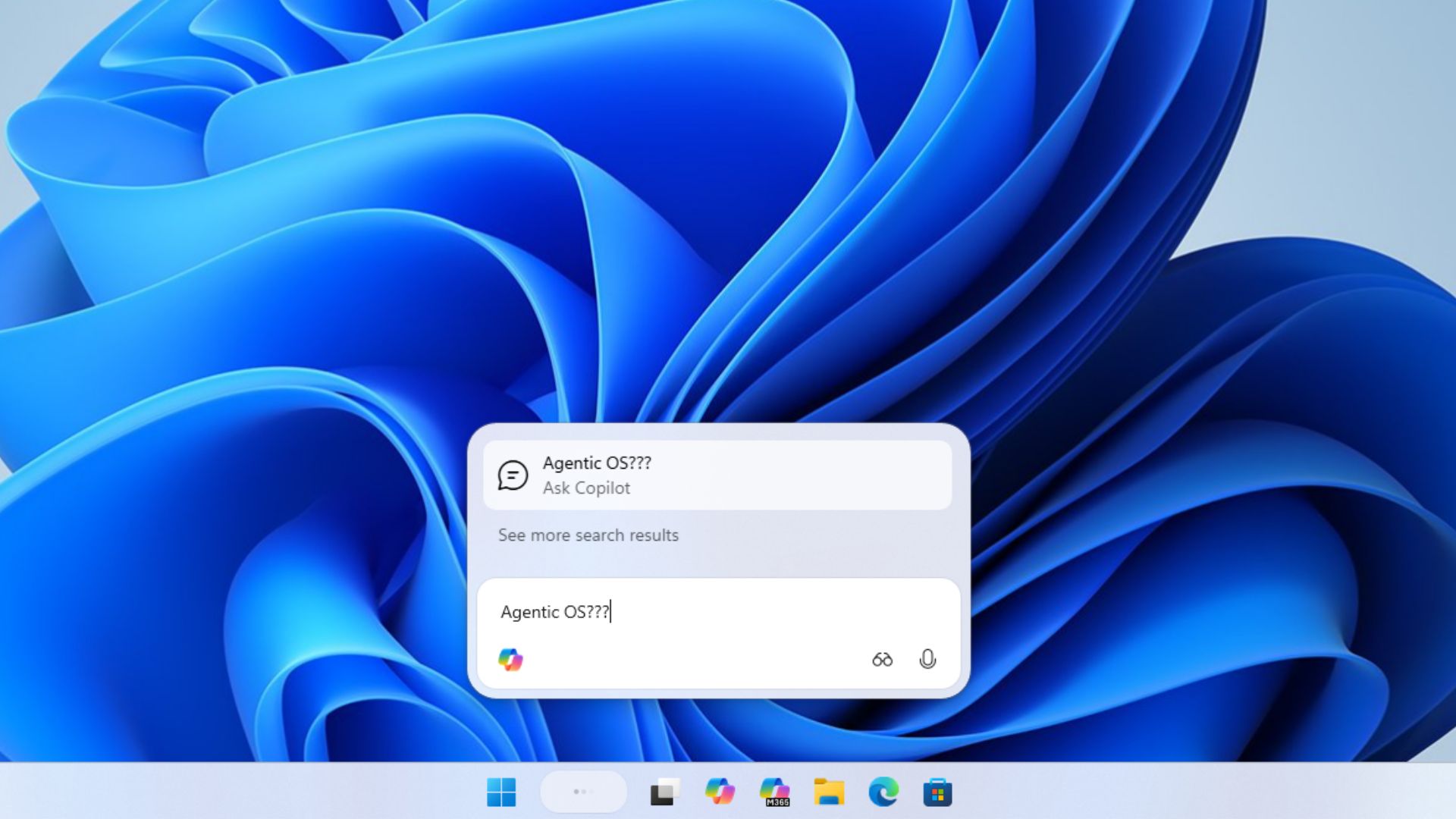
And Apple’s market share moved, but not dramatically. Windows retained the overwhelming majority of the PC ecosystem even at its worst.
The reason is infrastructure, not loyalty. Enterprise, education, and government deployments run on Windows because Active Directory, Group Policy, and enterprise management tooling have no real equivalent on macOS at scale.
Software ecosystems, game compatibility, and the sheer depth of the Windows application catalog mean that switching costs are real and substantial for most users.
What Apple did accomplish, and this matters more, is that it forced the PC industry to respond.
The MacBook Neo prompted Windows OEMs to rethink budget designs. Lenovo, HP, and Dell all showed laptops at Computex in the $600 to $800 range with better build quality, aluminum chassis, and more competitive specifications than they were willing to invest in before Apple entered that segment.
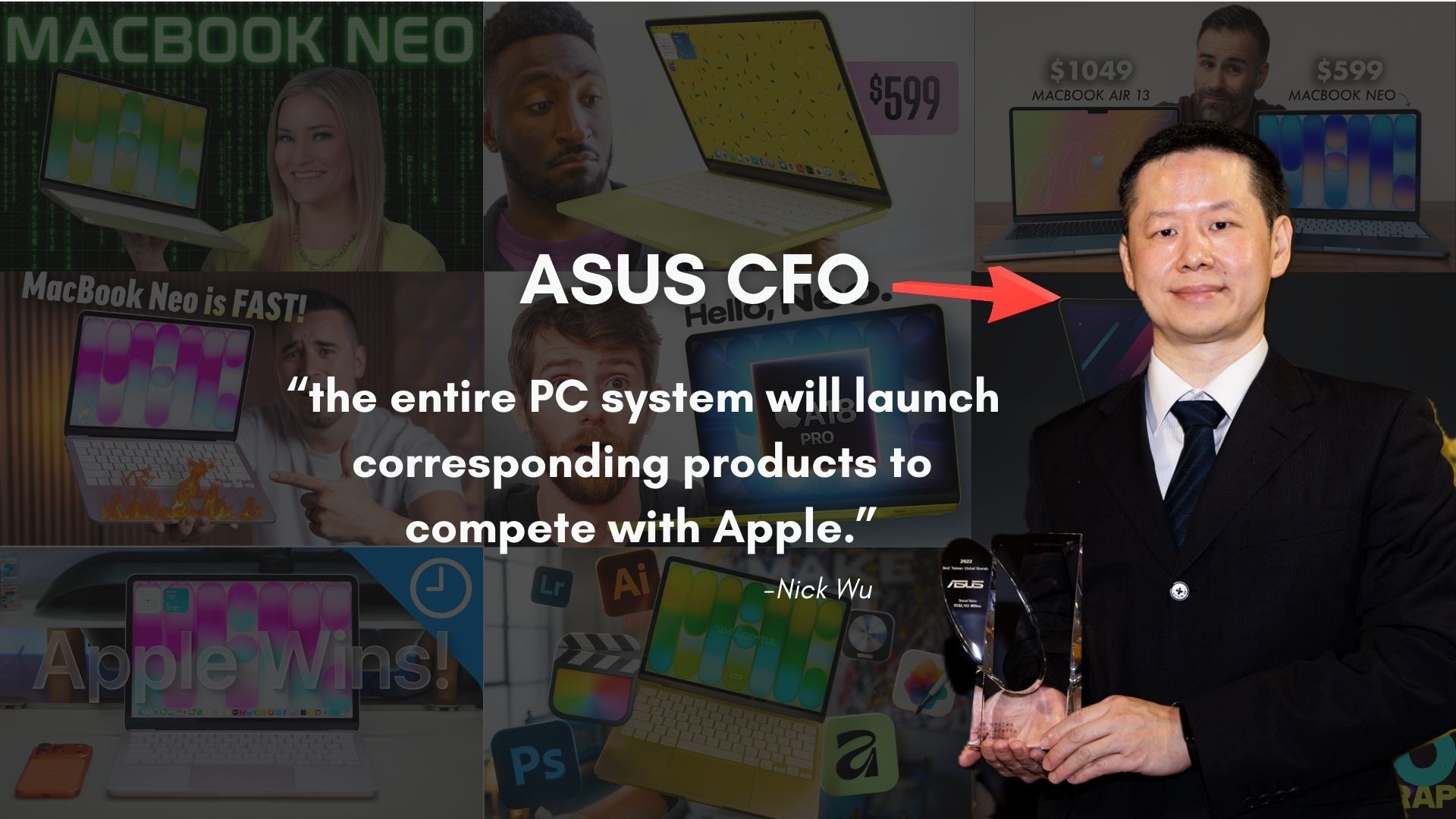
The Snapdragon X2-powered PCs deliver battery life and performance numbers that were inconceivable from a budget Windows laptop a few years ago.
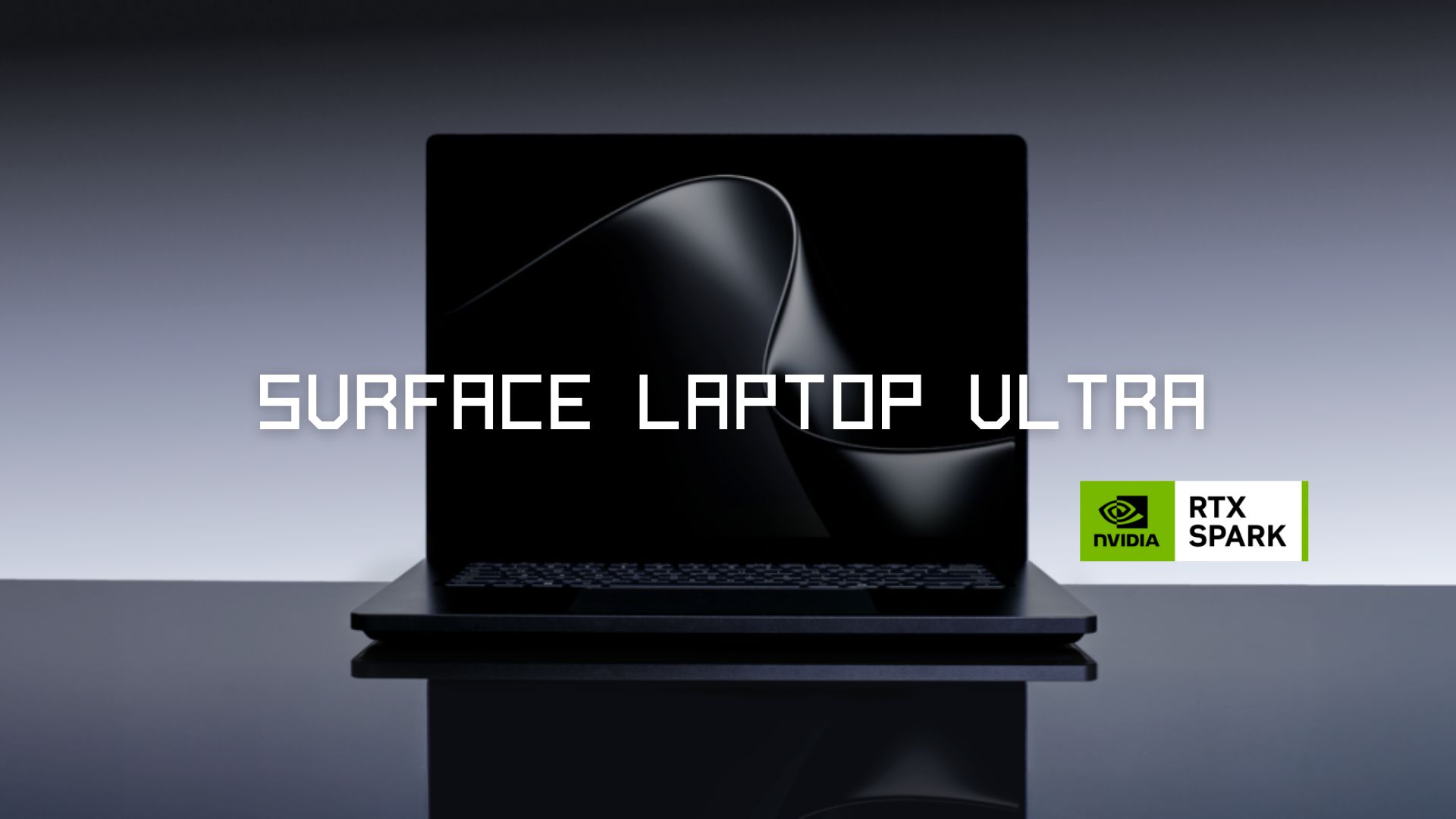
The RTX Spark architecture from NVIDIA, announced at Computex alongside the Surface Laptop Ultra, gives Windows on ARM a superb performance narrative that didn’t exist before.
Microsoft even went ahead and changed the Windows 11 task scheduler to match up to the 20 cores in NVIDIA’s new chip for Windows 11. These are real improvements for consumers that might not have happened without Apple’s competitive pressure.
The memory shortage that’s making PC prices rise will affect Apple too. The $599 MacBook Neo may not stay at that price point, as reports suggest Apple is considering dropping the base configuration with 256GB storage as higher production costs bite.
When that happens, the price advantage that made the Neo a conversation-stopper narrows significantly. Windows OEMs have had decades of experience competing in tight-margin, high-volume segments. Apple, at this scale, is still learning how that game works.
Microsoft is finally doing their part. Now OEMs need to fix their bundled software
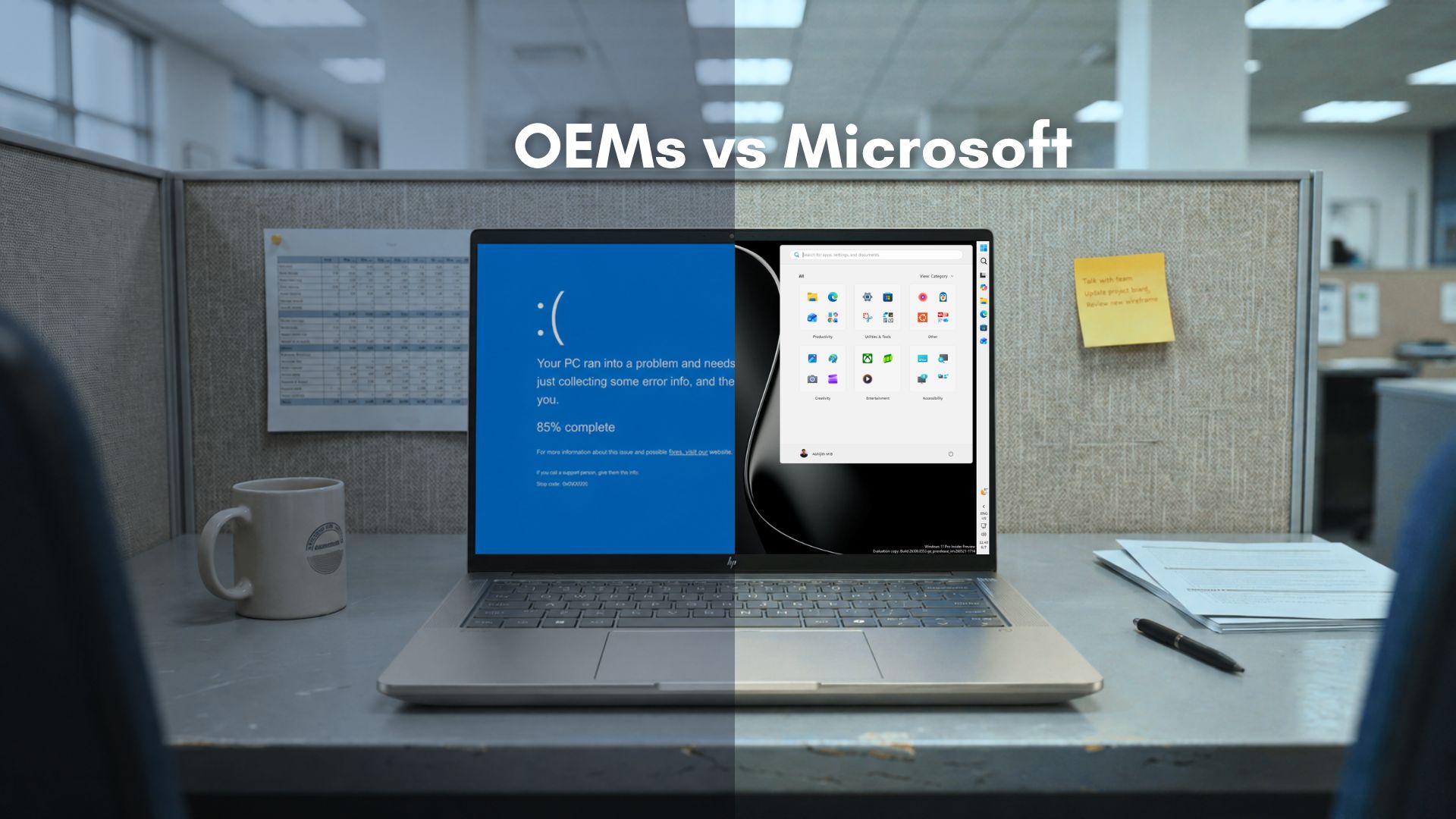
The HP BIOS fiasco and the Dell SupportAssist debacle both happened while Microsoft was investing in driver quality, and OS stability.
They represent a category of breakage that Microsoft’s new Driver Quality Initiative and Cloud-Initiated Driver Recovery are not designed to handle, because they’re not Windows Update drivers. They’re OEM firmware and OEM utilities. Microsoft can’t automatically roll back a HP BIOS update going wrong. It can’t remotely uninstall Dell SupportAssist Remediation service 5.5.16.0.
My conclusion here is that Windows has been an easy scapegoat for breakage that OEM software and firmware actually caused. When your HP laptop goes into a BitLocker loop, you blame Windows.
When your Dell XPS blue-screens every 30 minutes, you blame Windows. In both of the incidents, Windows was innocent. The manufacturer was at fault. Windows is underneath everything and catches the blame for any instability in the ecosystem above it, even when the instability was introduced by a third party. The CrowdStrike issue might be the best recent example of this.
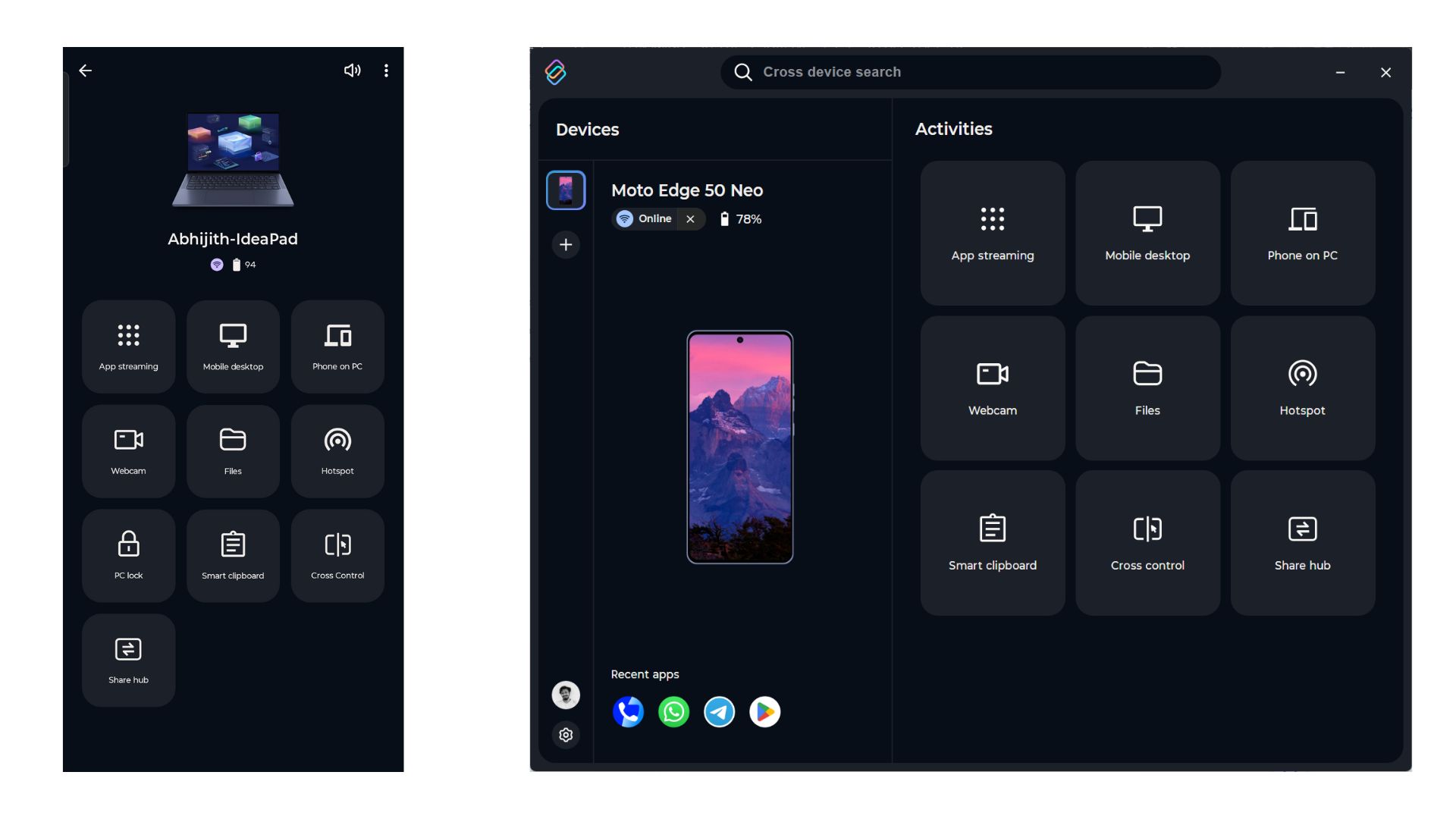
The best OEM companion software I’ve used on a Windows laptop is Lenovo’s Smart Connect. It’s a genuinely useful tool that links your phone and PC seamlessly, enables Cross Control (where you use your PC mouse to control your phone), and adds productivity features that are as seamless as built-in OS features.
Motorola ships Smart Connect on its Android devices by default, which means the full experience works without requiring any specific Lenovo hardware beyond the PC. It even functions over a USB cable when Wi-Fi isn’t available. That kind of quality is what OEM software should aspire to.
Samsung’s Galaxy Connect is a step in the right direction as it opened up to any Intel or AMD Windows 11 PC in April 2026, no longer requiring a Galaxy Book.
But as Windows Latest found when we tested it, the experience can be inconsistent, and it still doesn’t support ARM Windows PCs. Galaxy Connect is also notable for a previous incident in early 2026 where its own update removed access to the C: drive on Galaxy Book4 laptops, again demonstrating how powerful OEM software has become and how catastrophically it can fail.
Microsoft’s PhoneLink is there as a baseline for OEMs to build on, and it’s more capable than it gets credit for. But what OEM software teams really need to focus on is driver quality.
The crashes, boot loops, and BSOD incidents that define the reputation of Windows on any given manufacturer’s hardware are almost never Microsoft’s code running off the rails. They’re drivers. After Microsoft’s Driver Quality Initiative, the pressure to ship stable, tested drivers through Windows Update is higher than it’s been in years. OEMs have no excuse not to meet that standard.
I feel Windows 11 a year from now will be nearly unrecognizable in terms of performance compared to what it was in 2025. A native shell, a faster File Explorer, real update controls, automatic driver rollbacks, and a reduction in Copilot clutter are all either shipping already or firmly on the roadmap.
The foundation is getting fixed. Now the question is whether the manufacturers who sell Windows PCs will do their part and stop shipping the kinds of buggy firmware and unstable OEM utilities that weaken everything Microsoft is working to build.