





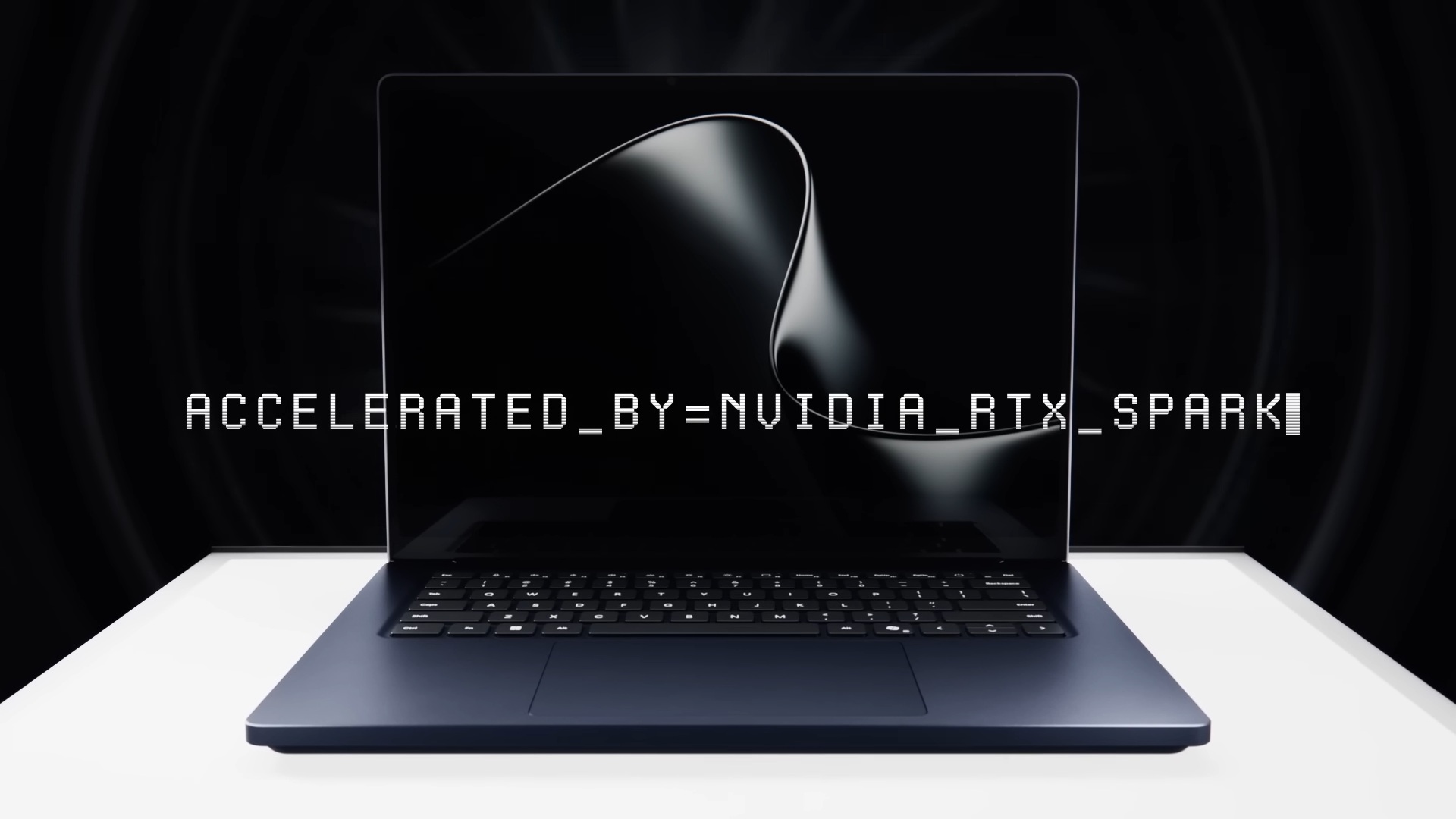
NVIDIA says RTX Spark, codenamed N1X internally, is designed to “reinvent” Windows PCs for the age of AI agents, but can it run all your Windows apps? According to NVIDIA, yes. RTX Spark is an Arm-based processor, and Jensen Huang says Microsoft and NVIDIA have worked closely to make sure Windows apps run properly on N1X-powered PCs.
At GTC 2026 in Taipei, NVIDIA announced Arm-based RTX Spark with up to 128GB of unified memory, native support for AI agents, power efficiency, and NVIDIA’s full graphics stack. Surface Laptop Ultra is one of the first devices to ship with this processor, and it’s also the most powerful laptop Microsoft has ever created.
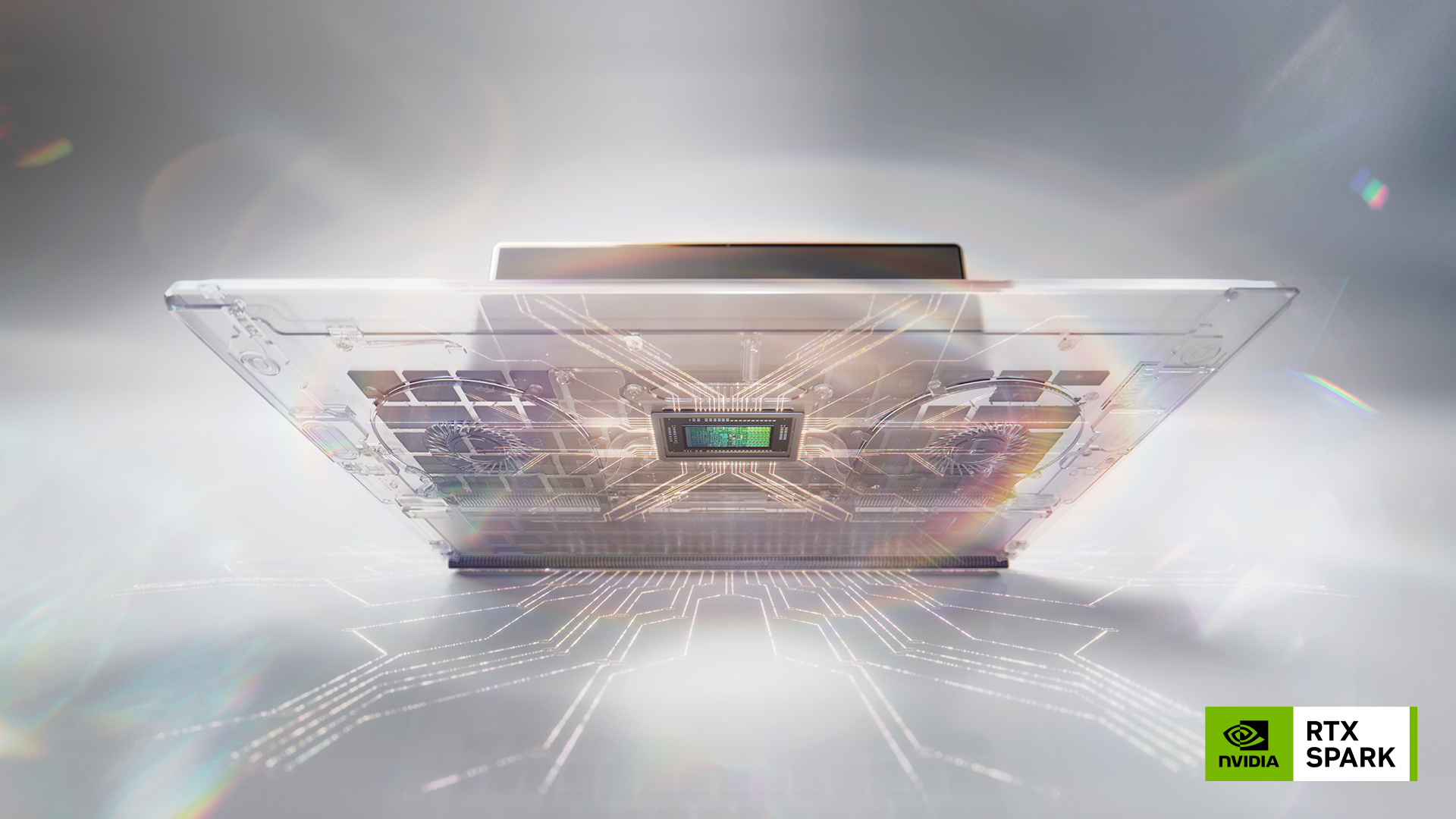
Speaking at GTC 2026, NVIDIA CEO Jensen Huang said RTX Spark, codenamed N1X, is the most “amazing chip” the world has ever built, and claimed it would take “33 years to build” a chip like N1X because it can run “100%” of NVIDIA’s software stack, including local AI, DLSS, CUDA, and more.
“This is a chip that, frankly, would take 33 years to build. And the reason for that is because 100% of NVIDIA’s software stack runs here. If you want to run digital biology, no problem,” Jensen said. “All the computer graphics, no problem,” he added.
Jensen also added that Nvidia’s attempt to “reinvent” the PC has been going on for years now. IN fact, Microsoft and Nvidia worked on the Arm-based processor and AI-native platform over the last three years. Yes, three years.
“Microsoft-Nvidia worked over the last three years. It took this long to completely reinvent how the PC is going to work so that we could be ready for this moment,” he said.
All of that sounds interesting, and Nvidia wants us to believe that RTX Spark is great hardware.
However, NVIDIA has not yet shared CPU benchmarks or other technical details, so we don’t know how well it can run your apps, games, and AI workloads. It appears that NVIDIA has left the numbers to the OEMs, and we’ll be learning more about the processor later this year.
NVIDIA says RTX Spark can run all Windows 11 apps, with no words on gaming performance
Jensen also addressed app compatibility, which remains one of the biggest questions around Windows on Arm PCs.
“Every single application NVIDIA has ever created, and every single application that Windows has ever run,” Jensen said when talking about RTX Spark app compatibility.
“Microsoft and NVIDIA meticulously optimized everything so that this computer literally runs everything the world has ever created. Plus, it now runs agents. An incredible computer. I’m so proud of it,” he added.
Beyond the typical marketing hype, Jensen has not shared any data to back his “beautiful” and “amazing” chip claims.
Quite a lot of us in the hardware community agree that it’s more hype than actual numbers.
At this point, it’s too early to conclude anything. I can’t tell you how good a processor the RTX Spark is, as we don’t have a unit in our labs yet. However, I can tell you with confidence that Jensen’s claims on Windows app compatibility are actually not far-fetched, as the operating system has matured a lot in the past few years, and it’s largely because Qualcomm remained committed to it.
Windows on Arm supports most popular apps natively, and emulation is now significantly better
Most popular apps, including Google Chrome, Microsoft Edge, Adobe Premiere Pro, Blender, and even DaVinci Resolve, run natively on Windows on Arm. And it’s not just about popular apps; your favorite games, such as Fortnite, are now optimized to run smoothly on Arm PCs.
I’ve been using Snapdragon-powered PCs for years now, and it’s no longer like it was in 2017–2019. It’s true that Arm can’t catch up with the wide variety of native apps available on Intel/AMD PCs, but Windows has done a fairly great job with its emulation technology, which is now called “Prism.”
Windows Prism emulation makes Arm a worthy alternative to traditional x86 processors
Windows on Arm has a “Prism” emulator, which allows Windows apps originally built for traditional x86 processors to run via emulation on Arm hardware like RTX Spark. Prism translates an app’s x86 instructions to Arm64 code in real time, and it’s almost as good as a native app.
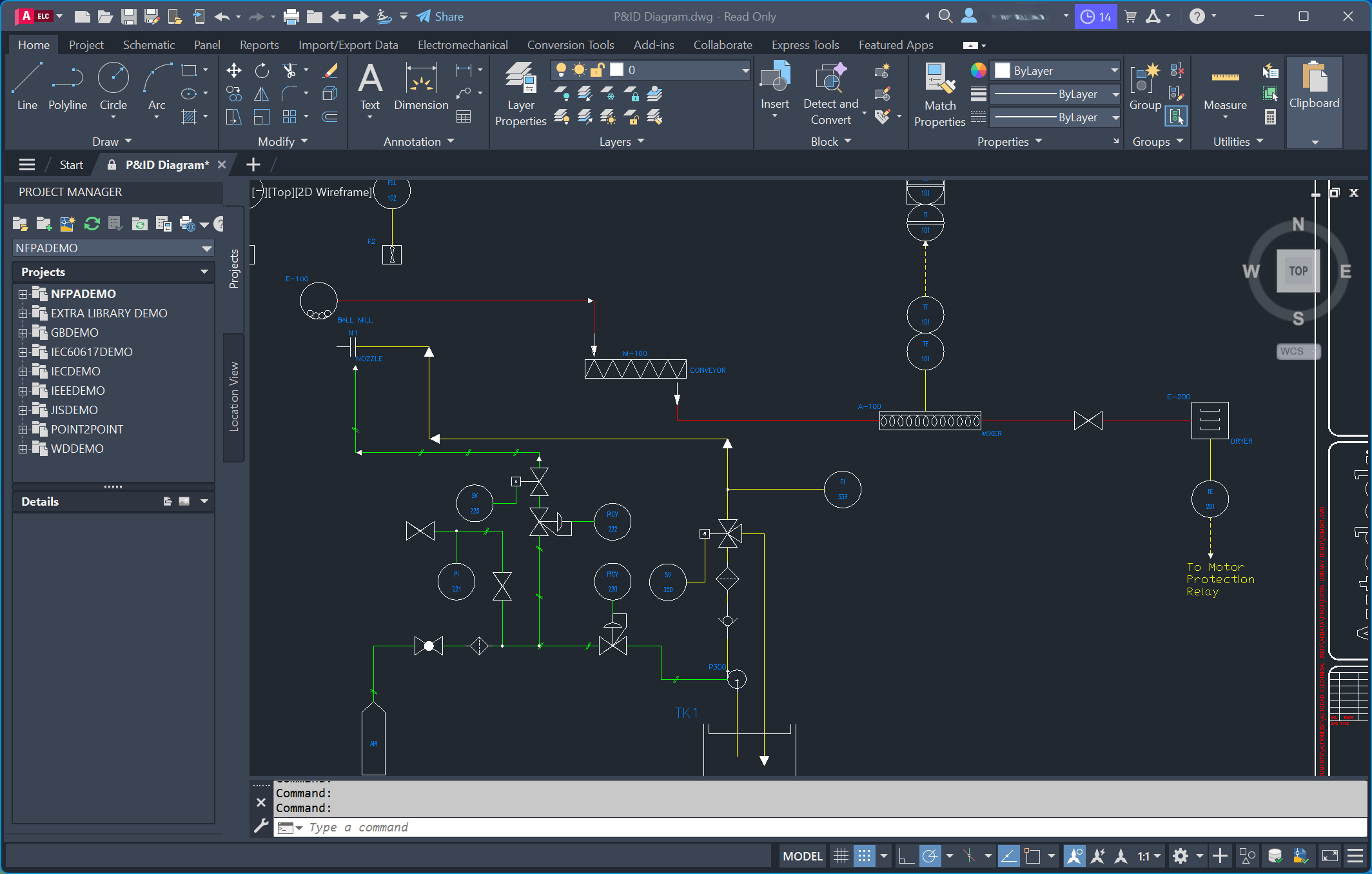
In our tests, Windows Latest recently found that Windows 11 has added support for AVX and AVX2, which are x86 instruction set architecture extensions that allow more apps and games to run smoothly. AVX2/AVX support also means nearly all apps can run via emulation on Windows 11, and one such example is Ableton Live.
Ableton Live, which is a popular music tool for artists, isn’t natively available for Windows 11 Arm64. And since it depends on x86 instruction set architecture extensions, it could not run via Prism emulation originally. But it no longer fails after Windows 11’s 2025 update added support for AVX2/AVX.
Microsoft has also rolled out support for other related x86 extensions, such as BMI, F16C, and others.
Windows 11 ARM app compatibility is no longer a deal-breaker unless you want to use the device to run apps/software like Android Studio, where you need to emulate Android to test your apps.
Microsoft and Nvidia are excited about the reinvented PC ecosystem, but what do you think about Nvidia RTX Spark and Windows on Arm? Let me know in the comments below.