





Retired Microsoft Windows engineer, Dave Plummer, posted a video on his YouTube channel that explains why Windows 11 is garnering all this hate, while telling what longtime users have been feeling but haven’t been able to articulate properly. His take is a proper breakdown from someone who helped shape Windows during its most important years.
Plummer argues that Windows didn’t suddenly become bad. It slowly drifted away from the people who use it the most. His insights hit uncomfortably close to home for anyone who has watched Windows 11 turn into something far more intrusive than an OS needs to be.
In his 10 years at Microsoft, Plummer worked on MS-DOS 6.2, Windows NT, Task Manager, and the nostalgia-inducing Space Cadet Pinball. Interestingly, Task Manager was a project he worked on when he was at home, and was later brought into Microsoft. So it’s safe to say that Plummer has real-world experience that makes his opinions on Windows 11’s issues all the more worth it.
Why are loyal Windows users hating Windows 11?
One of the biggest reasons why Windows 11 has been getting a lot of negative press is Microsoft’s decision to go all-in on forcing users to use their own products. With all this hatred at play, you might wonder why Microsoft still continues their practice of irritating their loyal userbase.
In a YouTube video, Dave Plummer explains that Microsoft spent around two decades tweaking Windows to appeal to a billion people. It was a business decision that Microsoft took to make the OS interface easy for the least-technical users to get them to purchase Windows.
Unfortunately, power users of Windows didn’t like this approach:
“Back in the Ballmer days, the chant was developers, developers, because Windows needed an app ecosystem more than anything else. Well, mission accomplished, the development stack is solid, the tooling is good, WSL exists, and the platform serves the world’s software reasonably well. So today, the chat should really be power users, power users, because they set the tone.”
Windows doesn’t have the allure of macOS or the openness of Linux, and the only people driving it forward are power users, who make recommendations to their friends and family. When they are patronized, they switch to these competing platforms.
Loyalists know how to get around all this. But how did Microsoft manage to turn novice Windows users to turn their heads against the OS?
It all started with Windows 10
Ever since Windows 10, the company shifted to a Windows as a service model, where you’ll install it once and it’ll get updated over time. Of course, this meant Microsoft needed new ways to generate revenue from Windows.
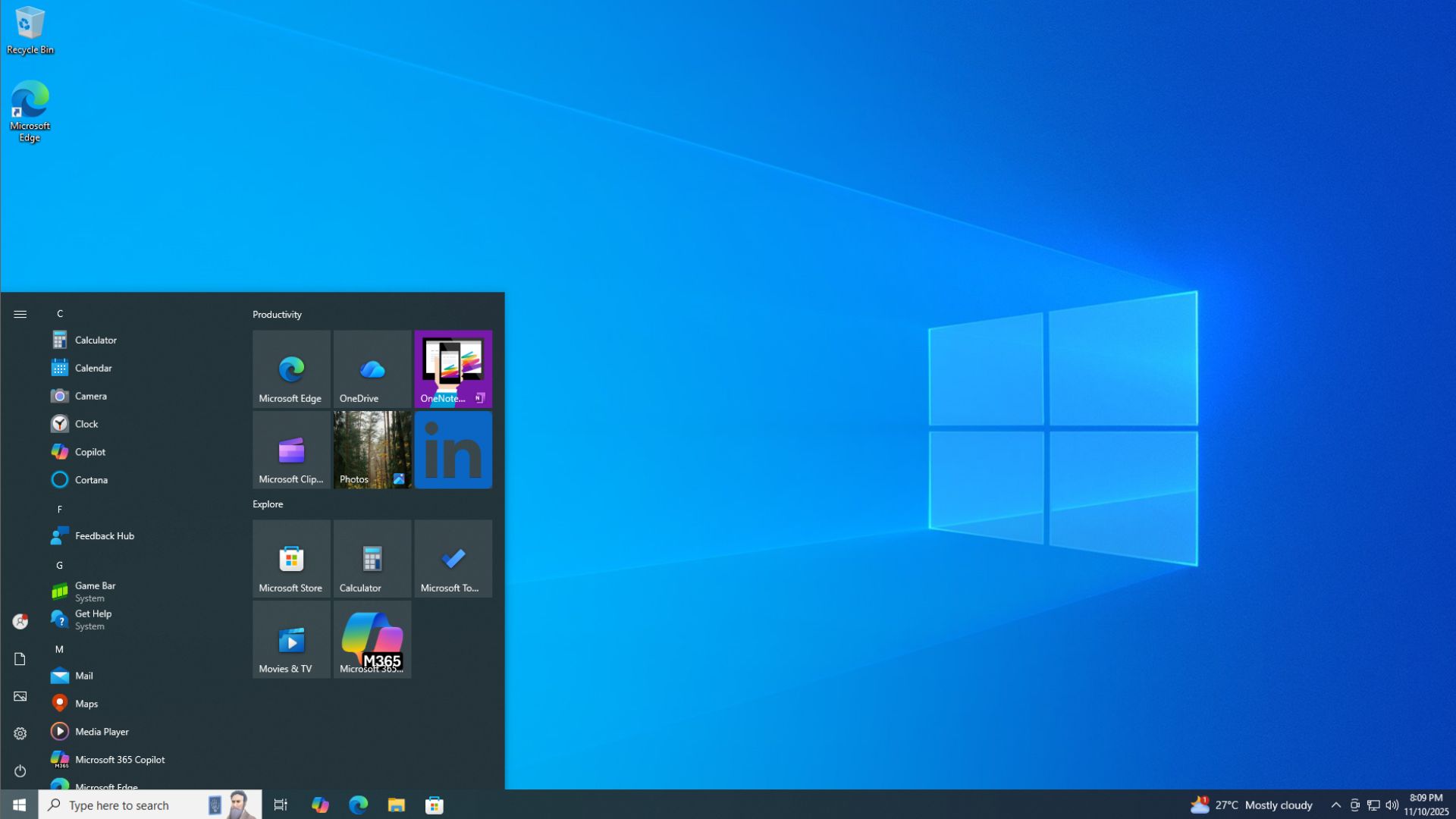
Earlier versions of Windows were treated as a product that you could purchase once, use for a few years, and replace when you felt the need to.
By 2013, Apple started offering macOS 10.9 Mavericks as a free upgrade, and the saying went something like “you’ll never have to pay for a macOS upgrade again”.
By all means, Apple could do this because they make money from selling Mac hardware, and the free OS upgrades were just a value add to keep customers loyal to the Apple ecosystem. But you know the drill now; the same Apple that once said “The days of spending hundreds of dollars to get the most out of your computer are gone.”, now charges hundreds of dollars just for a slight storage upgrade.
Linux was also free for a long time. But despite both these operating systems having a minuscule market share compared to Windows back in the time, Microsoft felt the pressure to make some serious changes to the Windows distribution model because spending $99 on an operating system was starting to feel antiquated.
Sure enough, when Satya Nadella took the helm in 2014, the revenue model for Windows took a major turn. Since most users hated the idea of Windows 8 and 8.1, Microsoft even made switching from Windows 7 to 10 a free upgrade. Note that upgrading from Windows 7 to 8 was a $100 affair.
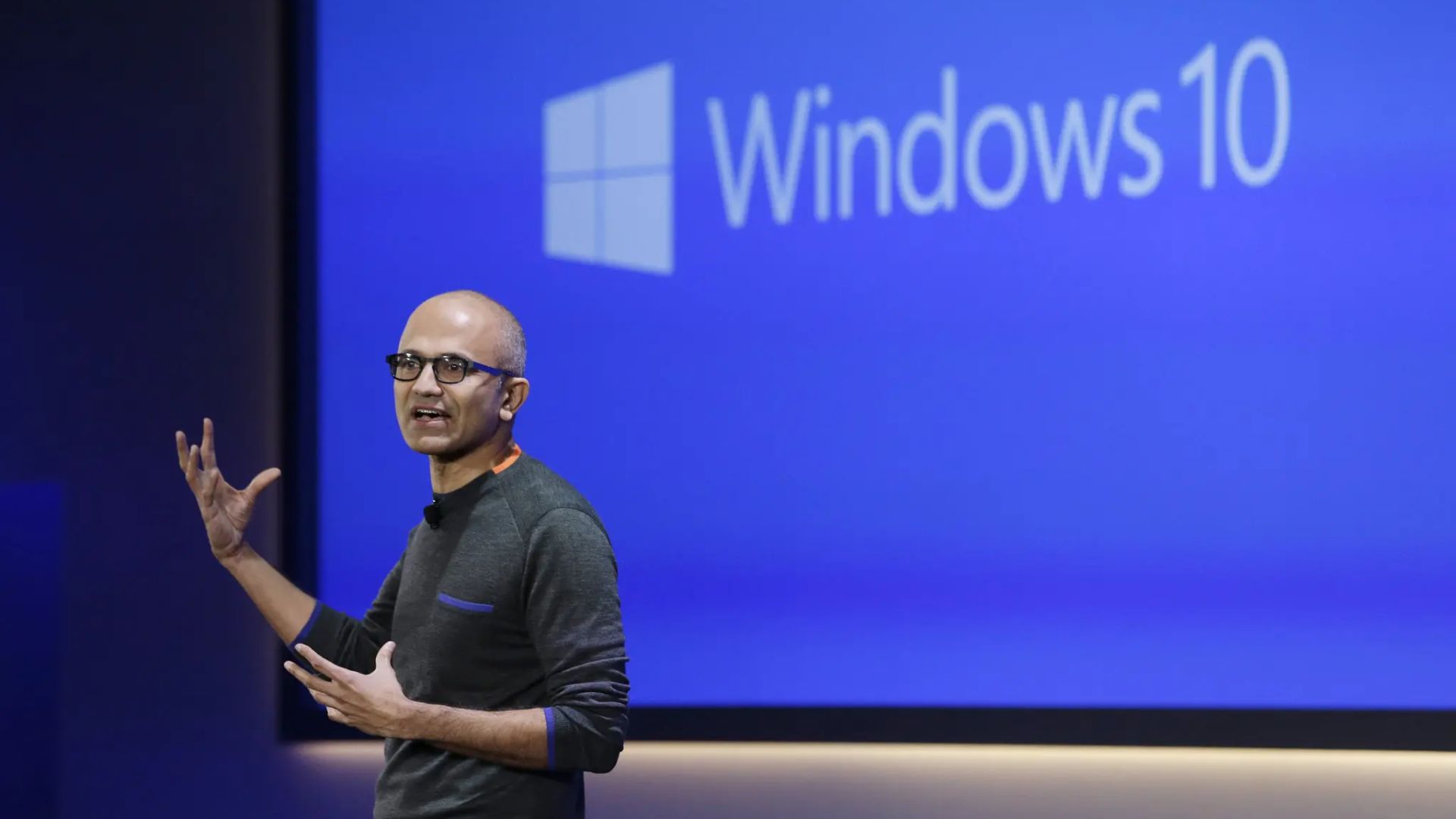
The idea was to unify users to Windows 10, and later get revenue from a collective userbase in the same OS version. Eventually, Microsoft started pushing these users towards cloud services and subscriptions. Enter Office 365, OneDrive cloud storage, Xbox services, and Azure. In a way, Windows 10 was designed to be a gateway to a Microsoft ecosystem rather than a one-time purchase.
Naturally, this cloud-based model for Windows 10, installed in a billion devices by 2020, meant that Microsoft would gain one of the most valuable entities in the tech space: Data.
Windows 10 was designed to collect telemetry information about how it’s used. In an ideal world, Microsoft could use this information to understand which features people like, which features are not working as they should, and push for better updates faster, like Google and Apple do.
In fact, this is exactly what happened with Windows 10. But the other side of the coin made Windows 10 a privacy nightmare for enthusiasts, despite Microsoft claiming that the user data is anonymized. They started seeing app recommendations and naturally the thought of a free OS upgrade, with data collection, made them feel that they are the product.
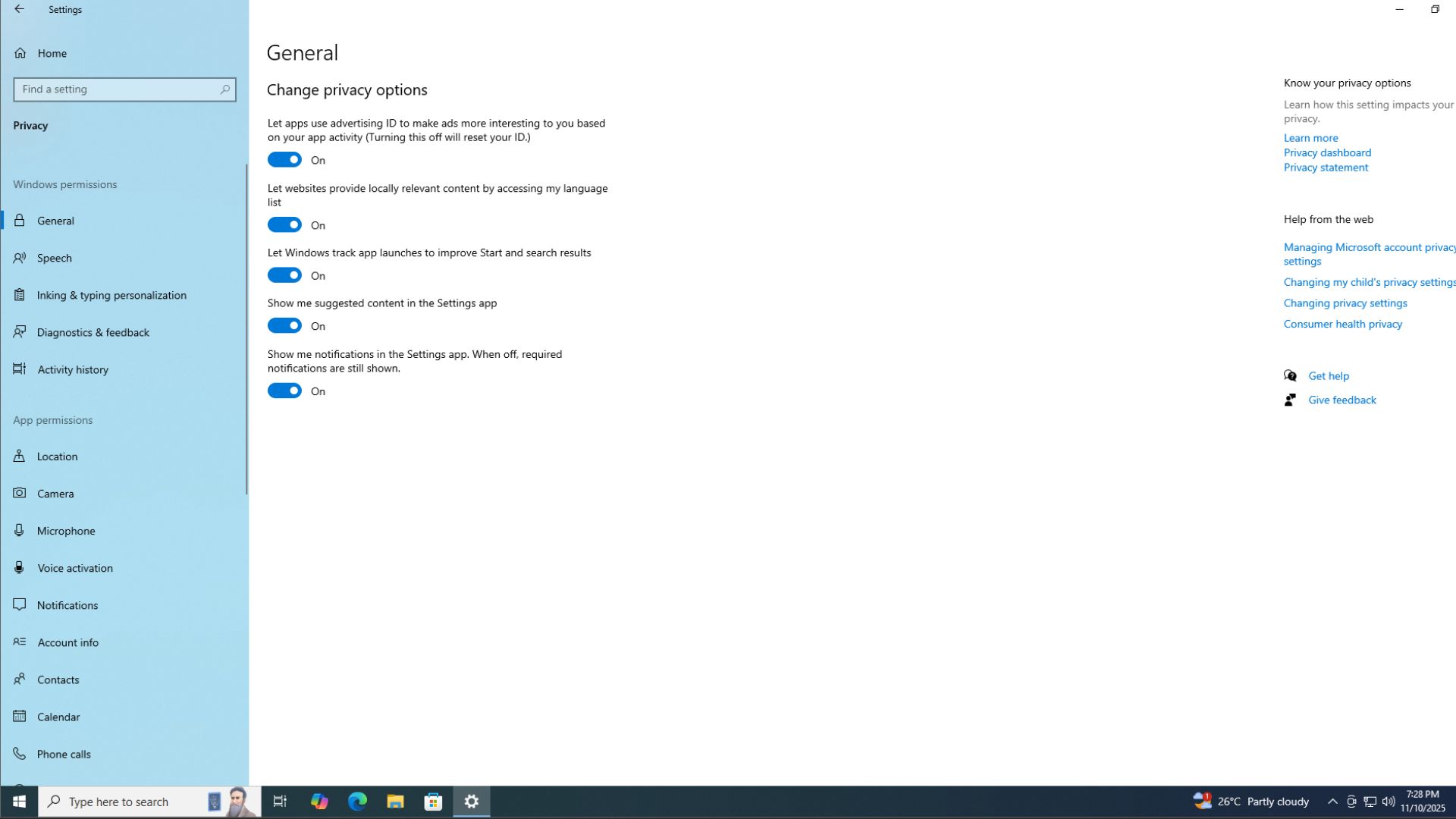
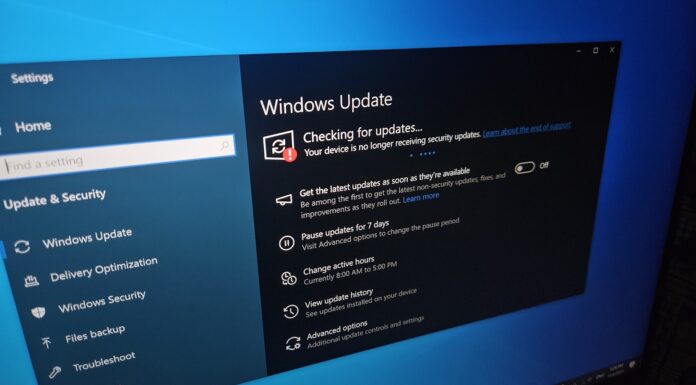
Either way, Windows 10 continued gaining popularity, and in spite of touting it as the last version of Windows, Microsoft went ahead and launched Windows 11, which had stricter system requirements, leaving a lot of PCs unable to officially get upgraded to Windows 11. Indeed, you can still bypass Windows 11’s minimum requirements on older hardware, but the parts of Windows 10 that people hated the most got even worse with Windows 11.
Windows 11 is now a sales channel for other Microsoft products
Microsoft has a sprawling ecosystem built on cloud services, subscriptions, edge services, identity platforms, security products, AI tools, and, of course, enterprise software.
Windows 11 is the entry point for Microsoft 365, Xbox Game Pass, OneDrive, Edge, Copilot, and Windows Store apps. Windows itself still brings in money through OEM licensing and direct-to-customer sales. Surprisingly, Windows and Devices revenue has increased 3% in FY 2025 Q2.
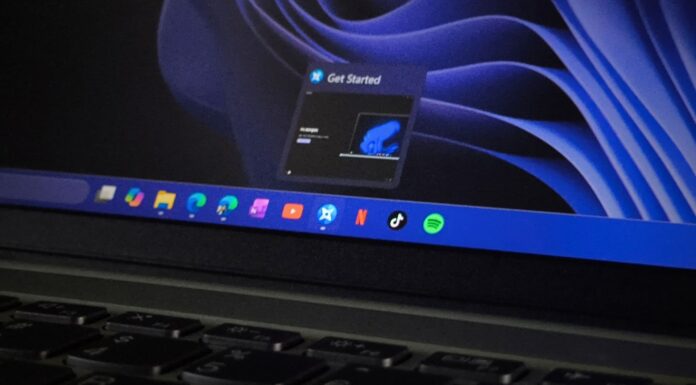
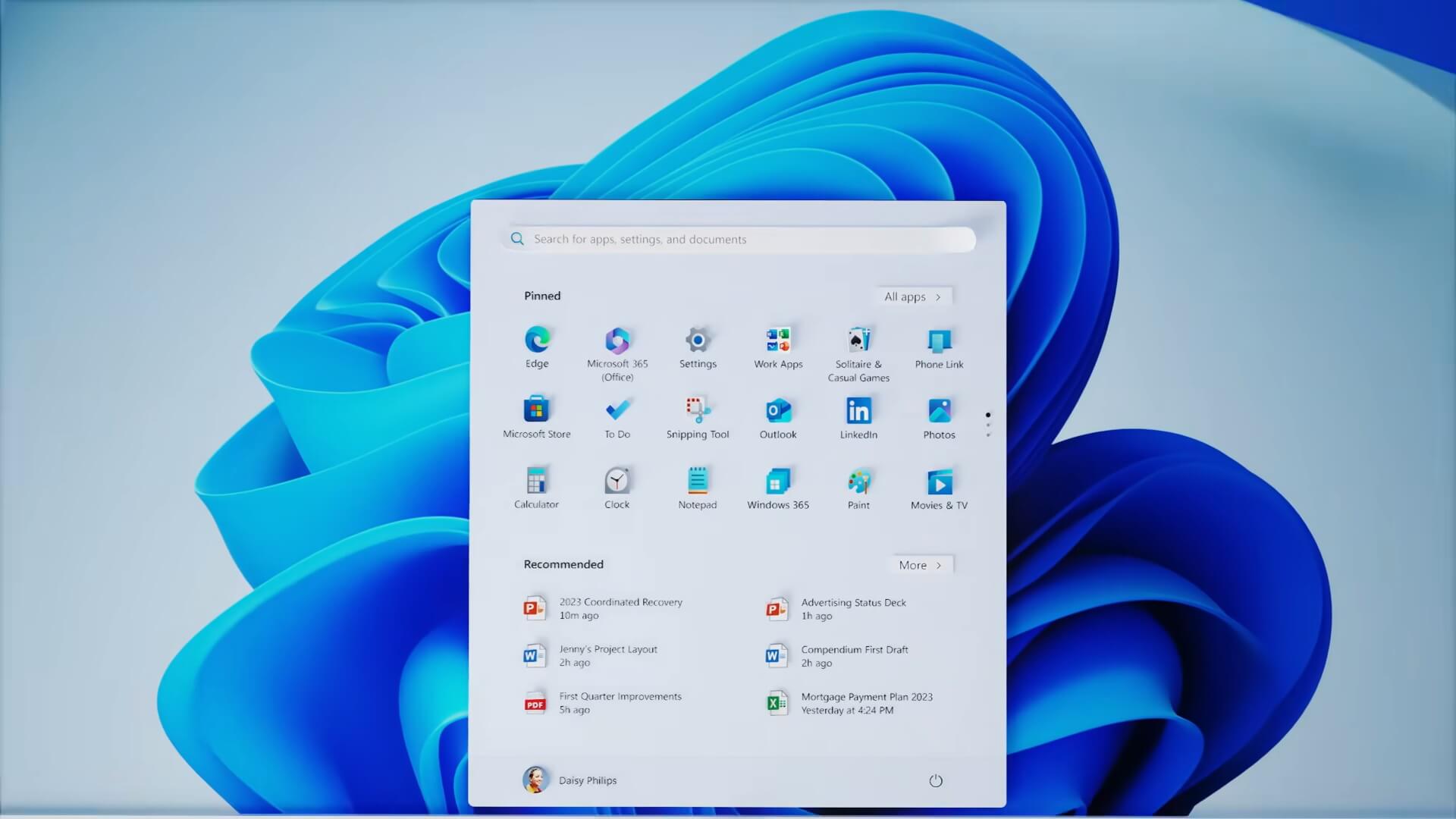
Even then, there is no going back to Windows just being an OS. Everywhere you look, Windows 11 tries to nudge you into using a Microsoft product you didn’t ask for. When you open the Start menu, there are “recommended” Microsoft 365 apps. When you open Settings, there’s a banner reminding you to sign up for OneDrive. Search tries to redirect you to Bing results even for local queries.
As Plumer puts it, “When the OS suggests, hey, maybe you should switch browsers after you explicitly chose another one, that’s not onboarding. That’s just disrespect.”
This blatant disregard of choice is what makes Edge one of the most annoying browsers to use, and I’m saying this as a person who has completely switched to Edge 3 years ago.
Edge is fast, capable, and genuinely good after it transitioned to the Chromium engine. Yet, Microsoft has to push Edge shopping coupons, Bing, Wallet rewards, Discover panes, and sidebar widgets.
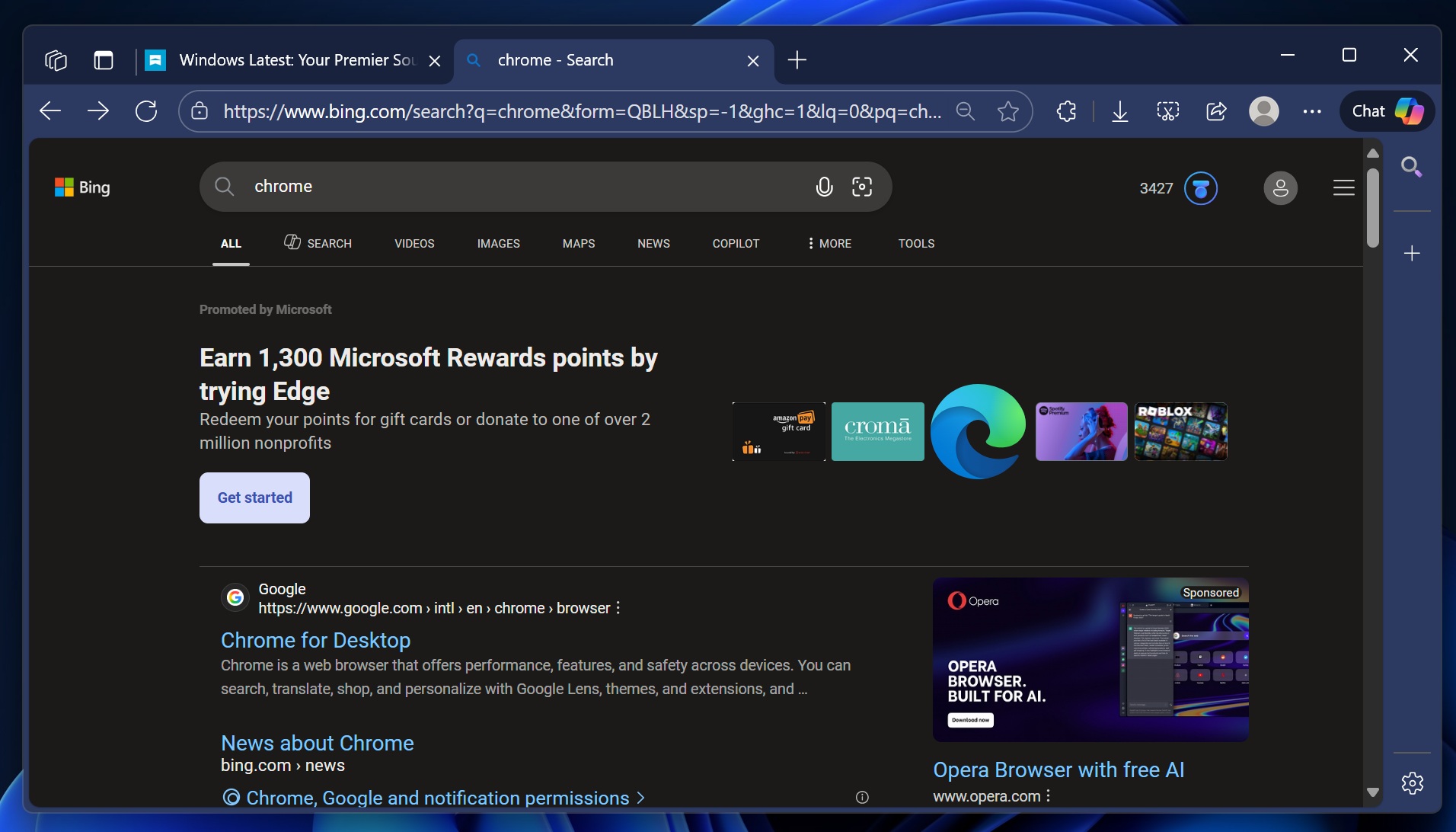
Now, if you search Chrome in Edge, Microsoft will bribe you with 1300 reward points to continue using Edge. Not to mention the massive amounts of telemetry it collects by default. Microsoft makes switching to Edge super easy, and there are some really good features like vertical tabs, split screen, and immersive reader that keep me in this. But for any new user, they’ll be flooded with MSN content on the home page. It’s ugly, annoying, and intrusive.
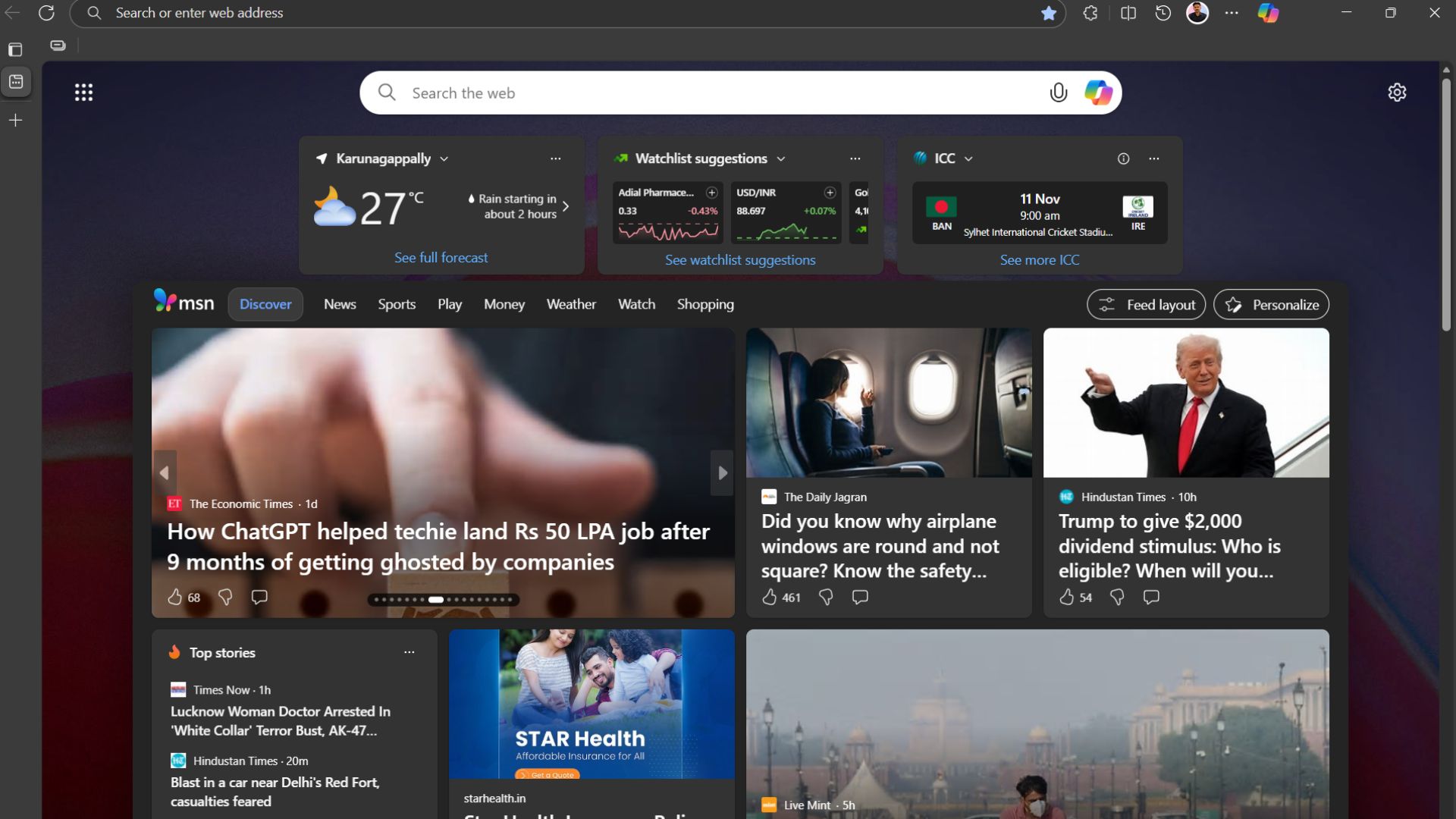
Microsoft shows news and weather by default in Edge to push their MSN services. And needless to say, tracking links are a part of these.
Then there is the Bing Wallpaper app, which has one job, and yet when you click on the desktop with a wallpaper set by the app, a browser window opens up to show information about the subject in the wallpaper. No, Microsoft, I do not want to know more about a sloth hanging off a branch…
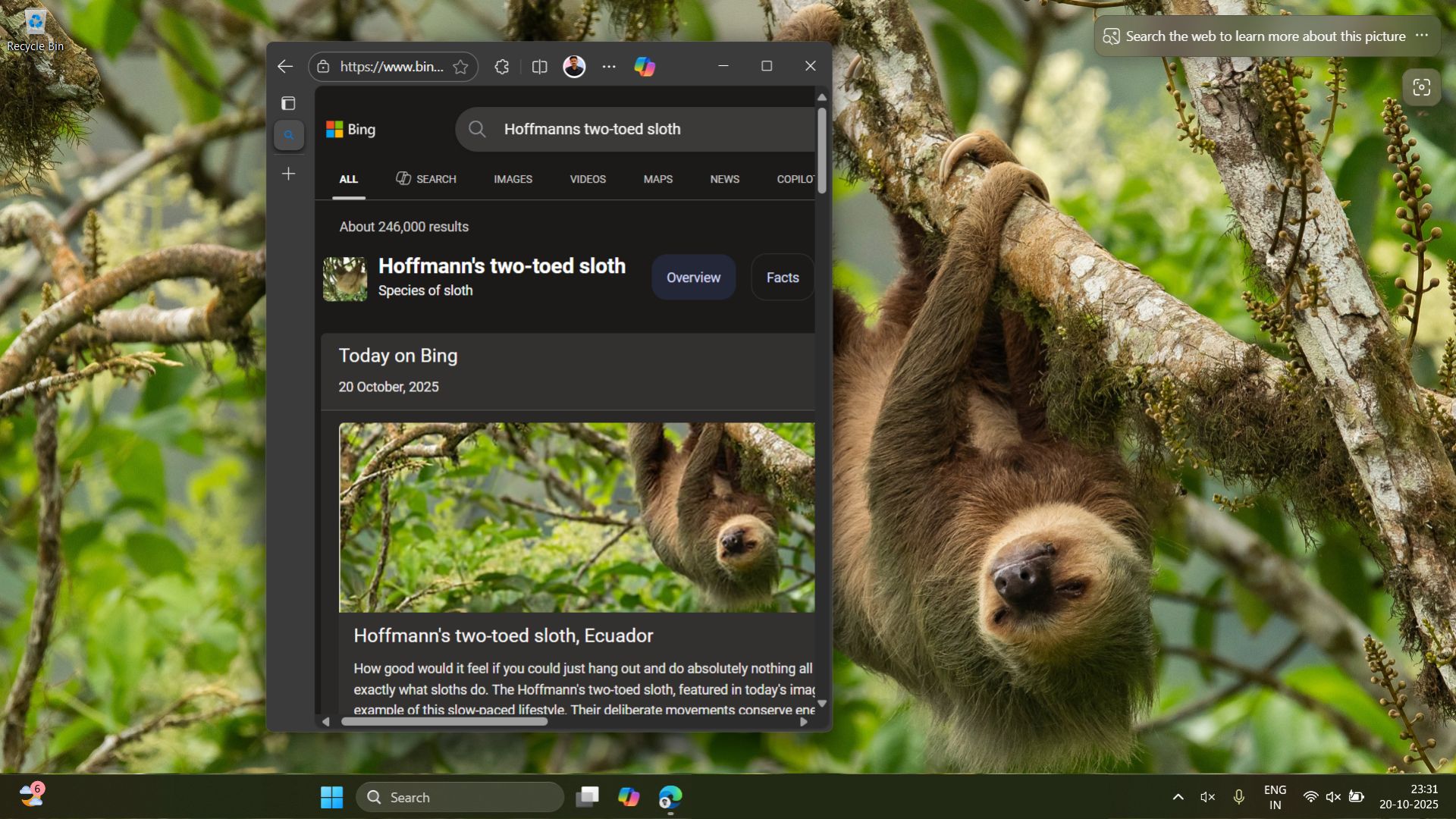
Thankfully, this can be turned off, and that is the case for most of these annoyances as well. But it’s no surprise that new users feel overwhelmed, because these are on by default. Power users feel ashamed to recommend Windows again.
Dave Plummer describes how users feel about Windows: “They’re not complaining about the anti-thread scheduleuler or the IO stack. They detest the experience of being sold to by your own computer that you already own.”
Why Microsoft keeps pushing you toward its own stuff
It might seem obvious why Microsoft is urging you to use their products, but at some point you might expect that the company knows that they are hated, atleast from all the negative attention that they’re getting.
If someone who worked on Windows says, “Your desktop is the last unmonetized surface in a world that hates empty space.”, then it’s sure that the company isn’t treating its dwindling users with respect.
I guess we have an answer for this. Microsoft is a large company, with a ton of products. Unlike Google, Microsoft takes their sweet time to cancel redundant or lesser popular products. Each product has multiple product managers reporting to higher level management.
Naturally, individual goals matter more than company goals. When we think of Microsoft, we often think of the company as a single entity. But every product manager wants their product to be used by Windows users, and how do they ensure it?
From his experience, Palmer says that “there’s a whole field of product management that believes in discoverability through gentle props”.
Yes, Microsoft has all the rights to advertise its products. If they do a good job at it, then people will specifically search for these products, install, and use them. But instead of making their products desirable, Microsoft tries to show everything everywhere all at once.
“And yes, a billion-user platform should teach new capabilities. But I think we’ve crossed the line over to where the operating system feels like a sales channel for all their other properties.”
Apple is better at this because they have a much smaller market share for macOS; combined with their unlimited marketing budget, they have made their OS updates a thing to be celebrated.
Windows updates, on the other hand, are scoffed at and likely to be dealt with questions like what other unwanted features they might have added…
What Dave Plummer thinks Microsoft needs to fix
Plummer wants Windows to have a real Pro Mode, and it shouldn’t be a theme or a skin. He wants an actual systemwide switch that tells Windows you are a power user.
Web search stays off unless needed. All settings live in one authoritative source. Tools like Windows Terminal, winget, OpenSSH, tar, curl, Git, and WSL should already be there.
Plummer also calls for a “privacy ledger”, which can be a simple log that shows every piece of telemetry Windows wants to send, why it’s sending it, and where it’s documented.
During setup, Windows should show “Microsoft account” and “local account” on the same screen without forced Wi-Fi.
Before installing updates, Windows should show what’s being modified and why. If an update fails, the OS should roll back instantly using a staged fallback, just like modern data centers.
Plummer also argues for a tighter split between kernel and user mode. Features like antivirus scanning or device mediation shouldn’t live in the kernel unless absolutely necessary.
Can Microsoft fix Windows 11?
As Windows 10 reached end-of-life, Microsoft needs all the help to get users on board with Windows 11. And with a new budget MacBook slated for next year, the stakes are even higher.
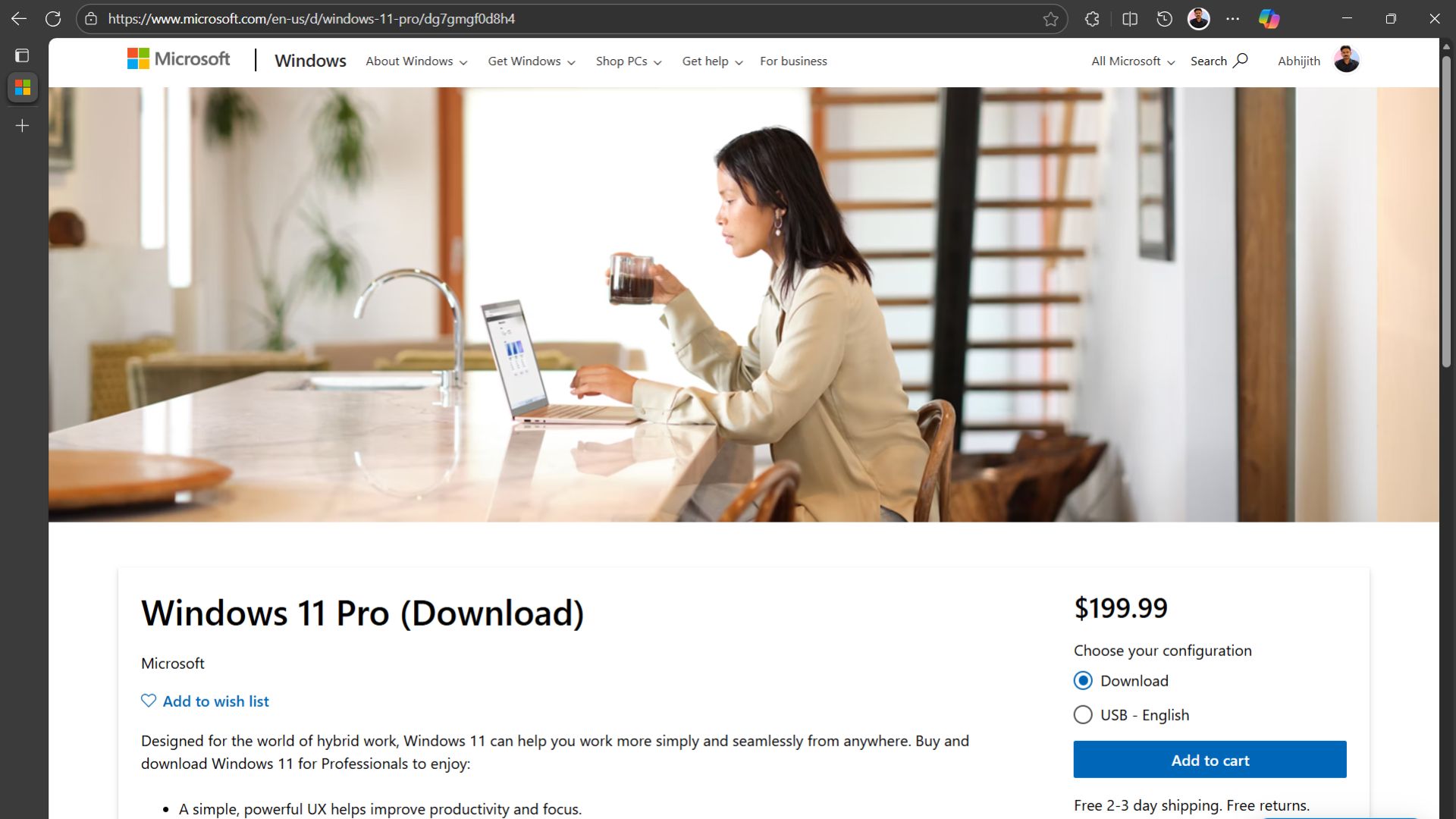
But can Microsoft fix Windows 11 for at least power users like Dave Plummer? The chances are very slim, especially as it needs a different paid tier of Windows. By the way, Windows 11 Pro already exists, and it costs $199.99, even with all these things that people hate about Windows.
That being said, we can’t help but agree with what Dave says about Windows not being bad in the way it is portrayed. He gives Microsoft a lot of credit where it’s due. The Windows kernel is mature, powerful, and as robust as Linux.
The storage stack is world-class. The driver ecosystem is unmatched in compatibility. Games run best on Windows because DirectX is still the language spoken by all GPUs. Enterprises love Windows because Active Directory and Group Policy are rock-solid. And developers are happier than ever thanks to WSL, a real terminal, and native support for common tools like tar, curl, and sudo.
In short, the foundation of Windows is excellent; it’s the UI layers on top that keep disappointing people.
“So, does Windows suck? Only when it forgets who it’s working for.”
We’d also wish for Microsoft to market Windows as something desirable. Dave’s ideas work well for power users. Of course, they will recommend Windows to their friends and family, but people should feel it in themselves to choose Windows, and the only way is to clean it up and make the experience polished.