




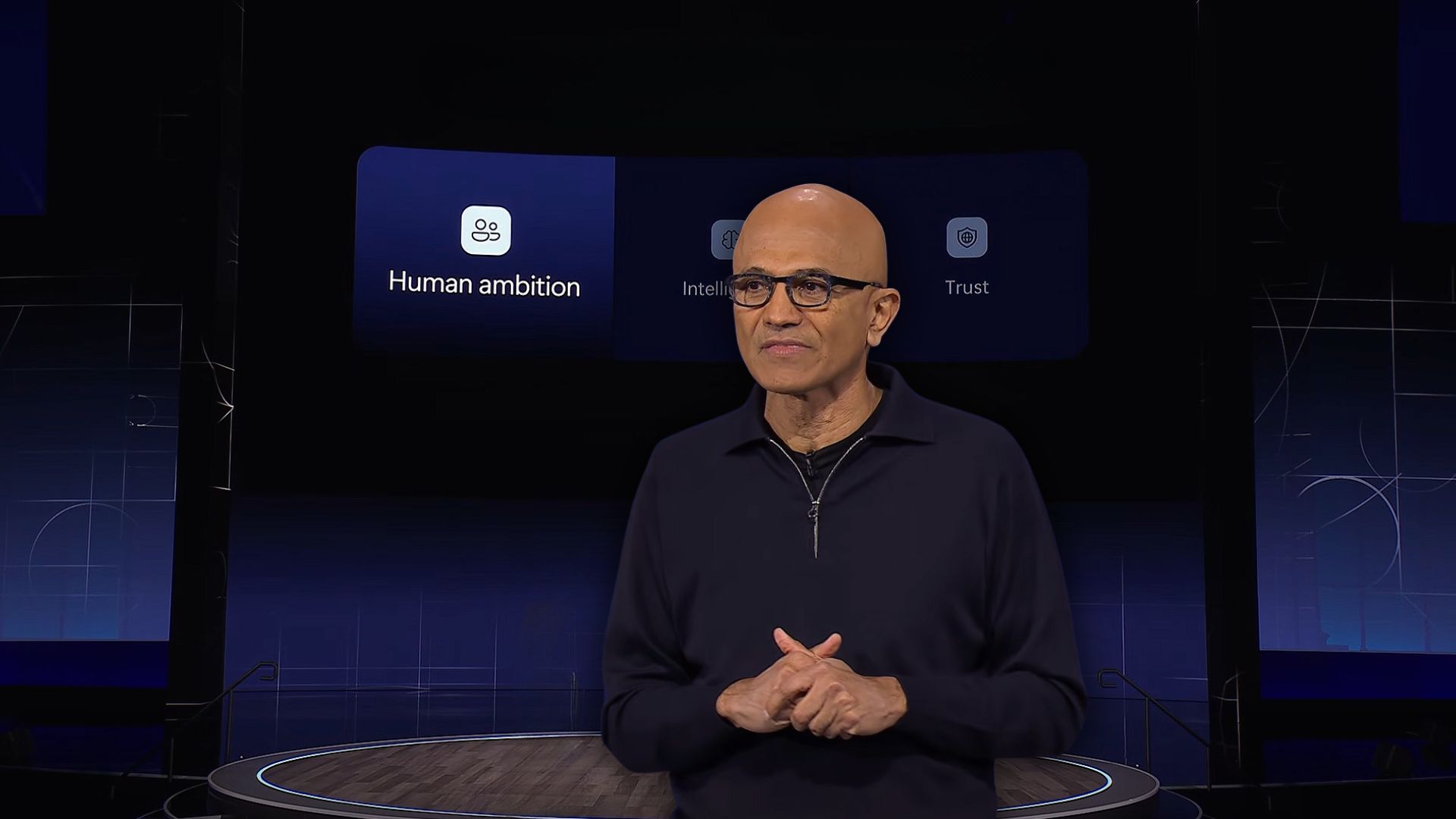
Microsoft’s new Copilot Autopilot can run recurring tasks, ask colleagues for updates, and pick back up a project days later, even when your laptop is closed or turned off. It started rolling out to businesses in Microsoft’s Frontier program on November 17, less than a year after Satya Nadella asked the industry to treat AI as “scaffolding for human potential vs a substitute.”
Most people remember Nadella’s December 2025 essay for its “slop vs sophistication” distinction, which got “Microslop” trending on social media, for all the wrong reasons. But the Microsoft CEO has been saying for years that AI should keep people in charge, and back in 2023, he described Copilot as “a copilot, not as an autopilot.” So, how did we end up with an agent called Autopilot? Nadella’s words over the past three years changed as quickly as AI evolved.
Satya Nadella has spent three years saying AI should make people more capable
Nadella opened his Build 2023 keynote with Steve Jobs’ description of computers as “bicycles for the mind,” and then said, “we went from the bicycle to the steam engine with the launch of ChatGPT.” Earlier that month, he promised that “this new generation of AI will remove the drudgery of work and unleash creativity.”
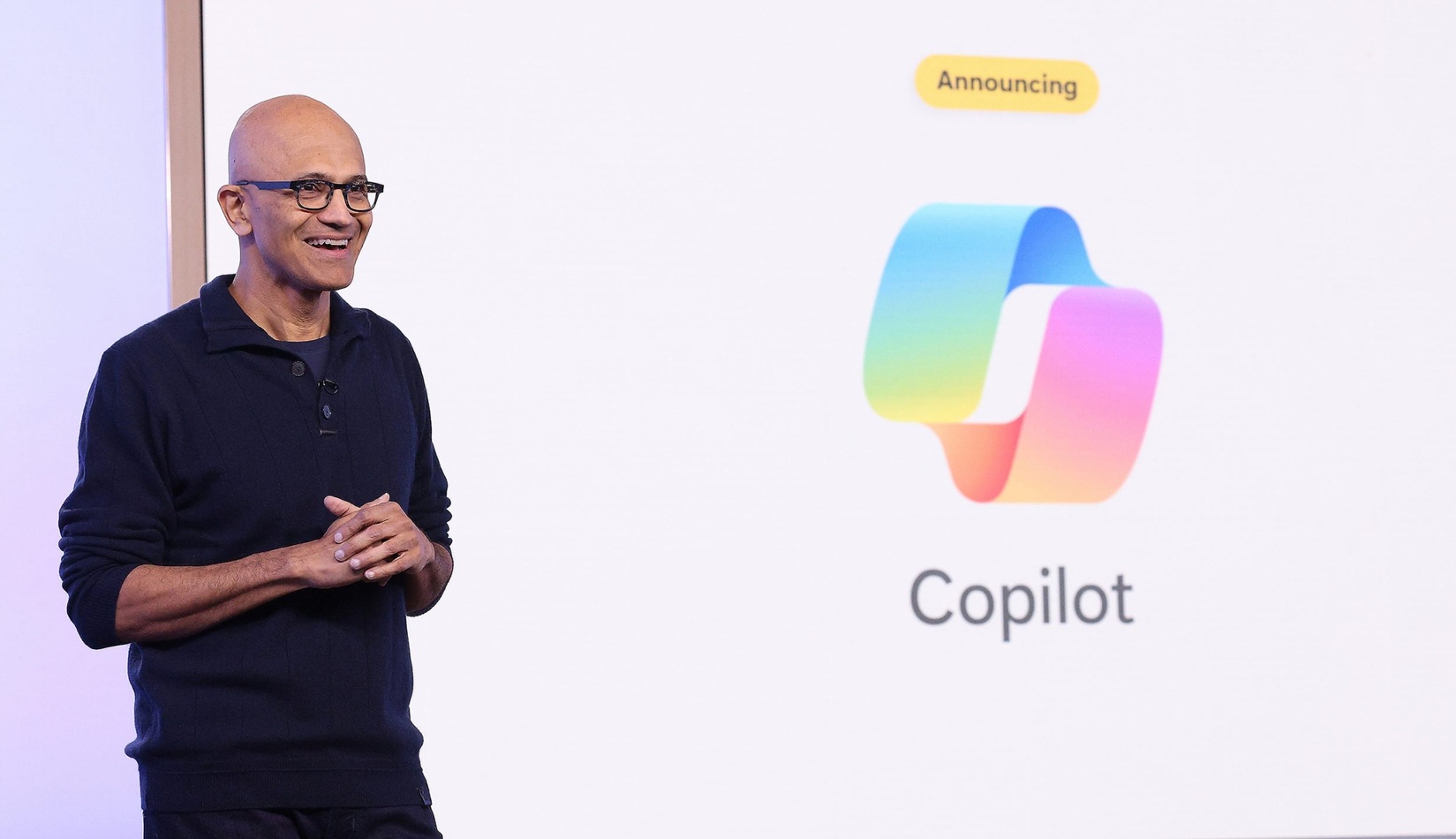
In a December 2023 interview with NPR, he took a bigger stride: “The one big design decision we made was to think about this as a copilot, not as an autopilot,” Nadella said, adding that Microsoft designed it “in such a way that the human is in control.” He also said anything AI generates should be treated as a first draft.
A few months later, he told Bloomberg that “I don’t like anthropomorphizing AI” and “I sort of believe it’s a tool.” Nadella even said it should have been called “different intelligence,” because “I have my intelligence, I don’t need any artificial intelligence.” Well, how the tables have turned, because all these companies are now doing everything to make us stop thinking and depend on them.
Anyway, exactly 11 months ago, on December 29, 2025, Nadella wrote Looking Ahead to 2026, where he said, “we need to get beyond the arguments of slop vs sophistication” and think of AI as a “cognitive amplifier,” which is a fancy way of saying AI should help you do your job better.
The thing most of us didn’t notice was his second point: “We will evolve from models to systems,” Nadella wrote, describing “rich scaffolds that orchestrate multiple models and agents; account for memory and entitlements; enable rich and safe ‘tools use’.” Now, that is a fairly accurate description of the new Copilot.
Microsoft’s Copilot Autopilot keeps working even after you close your laptop
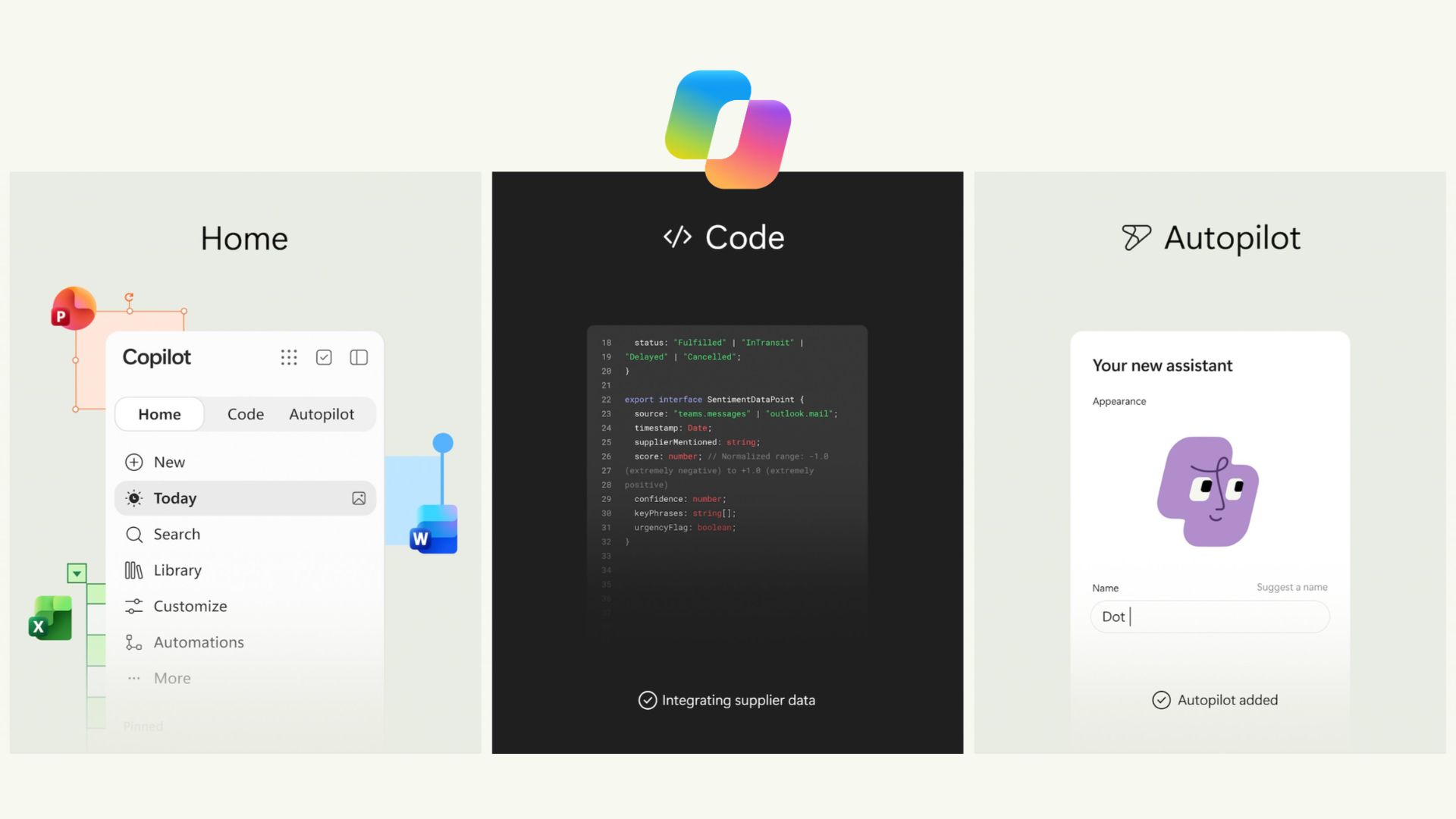
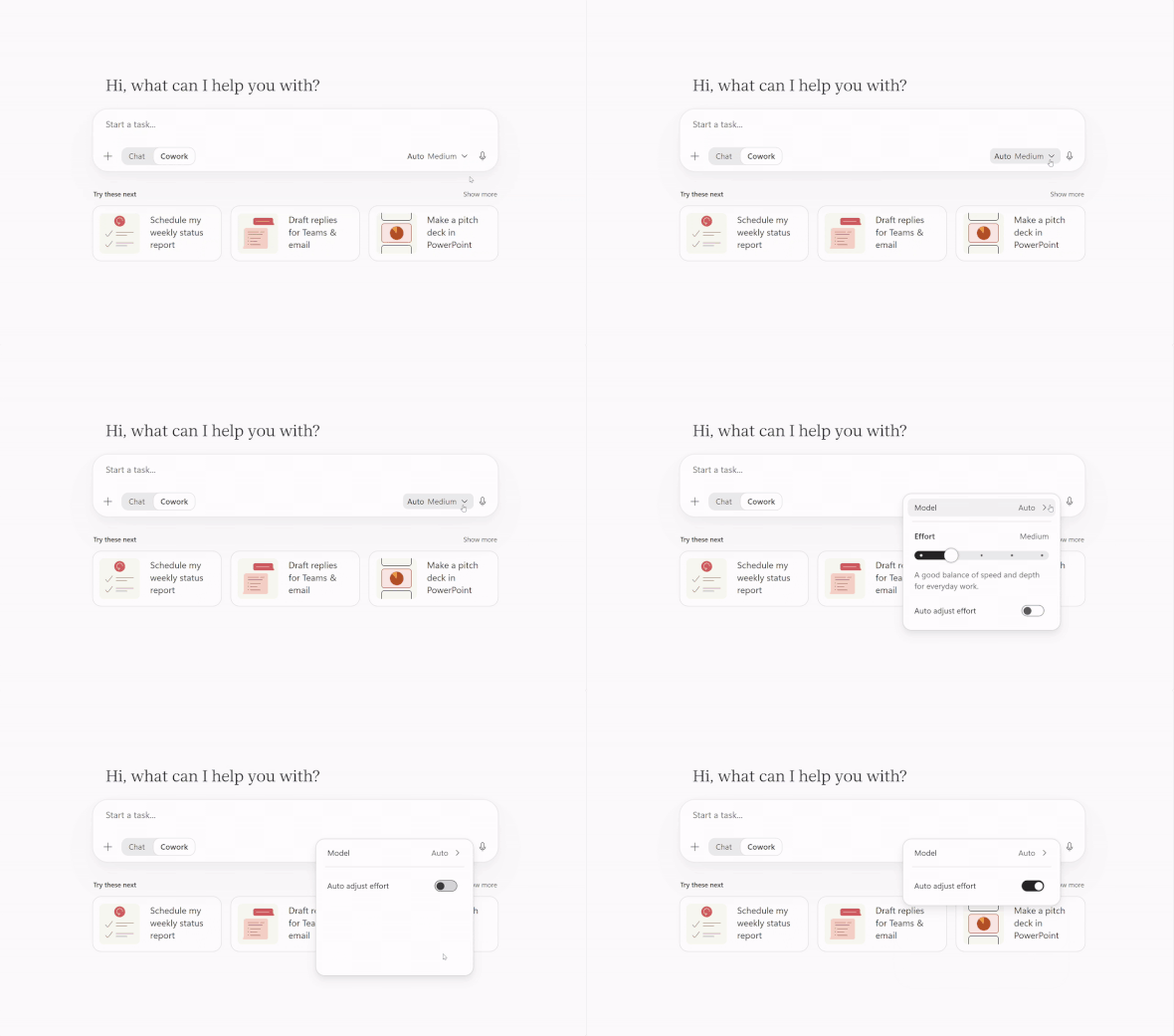
On September 25, Microsoft rebuilt Copilot to feature Home, Code and Autopilot, and Nadella has called Copilot a “new OS for work” multiple times, even though it’s still a mediocre web app on Windows 11. Home combines Chat and Cowork, Code builds apps for you, and Autopilot is the agent that does the work.
“Give it a name, a role and a goal, and it goes to work,” Microsoft says in its Copilot announcement. Autopilot, previously called Scout, runs inside your company’s Microsoft 365 tenant with “its own identity, memory, computer and workspace,” and shows up in Teams, Outlook, chats, channels and documents. It watches channels, follows up on threads and runs recurring tasks without waiting for a prompt.
Microsoft’s example is a full supplier review, where Autopilot builds the schedule and workback plan, handles prep, meetings and follow-ups on its own, and reaches out to stakeholders for updates. A project manager would usually run all of that.
And it doesn’t need you. “Autopilot is cloud-hosted, so it keeps working while you sleep or your attention is elsewhere,” according to Microsoft. The company’s Autopilot FAQ confirms it can complete tasks even if you close the Copilot app or your laptop is turned off.
Funnily enough, Microsoft already has a Windows Autopilot, which IT admins use to set up new PCs. So yes, there are two Autopilots now. Classic Microsoft!
Autopilot began rolling out to Frontier customers on November 17, and it’s off by default, needs a Copilot licence and admin approval, and is billed by usage. Microsoft says Autopilot can check with you before key actions, but during setup, admins also review a notice that it “can act without per-step confirmation.”
Three years ago, Nadella’s big design decision was a copilot instead of an autopilot. Now, Microsoft’s strategy for you is “You set the objective and boundaries; Autopilot handles the rest.”
Copilot can also build apps and take actions on your Windows PC
Copilot Code, which is rolling out to Windows Insiders, lets you describe an app, dashboard, tracker or script in plain language, and Microsoft’s AI builds it on your PC while you watch a live preview. Of course, you can read or edit the code, go back to an earlier version and export the project, and Microsoft says “No coding experience needed.”
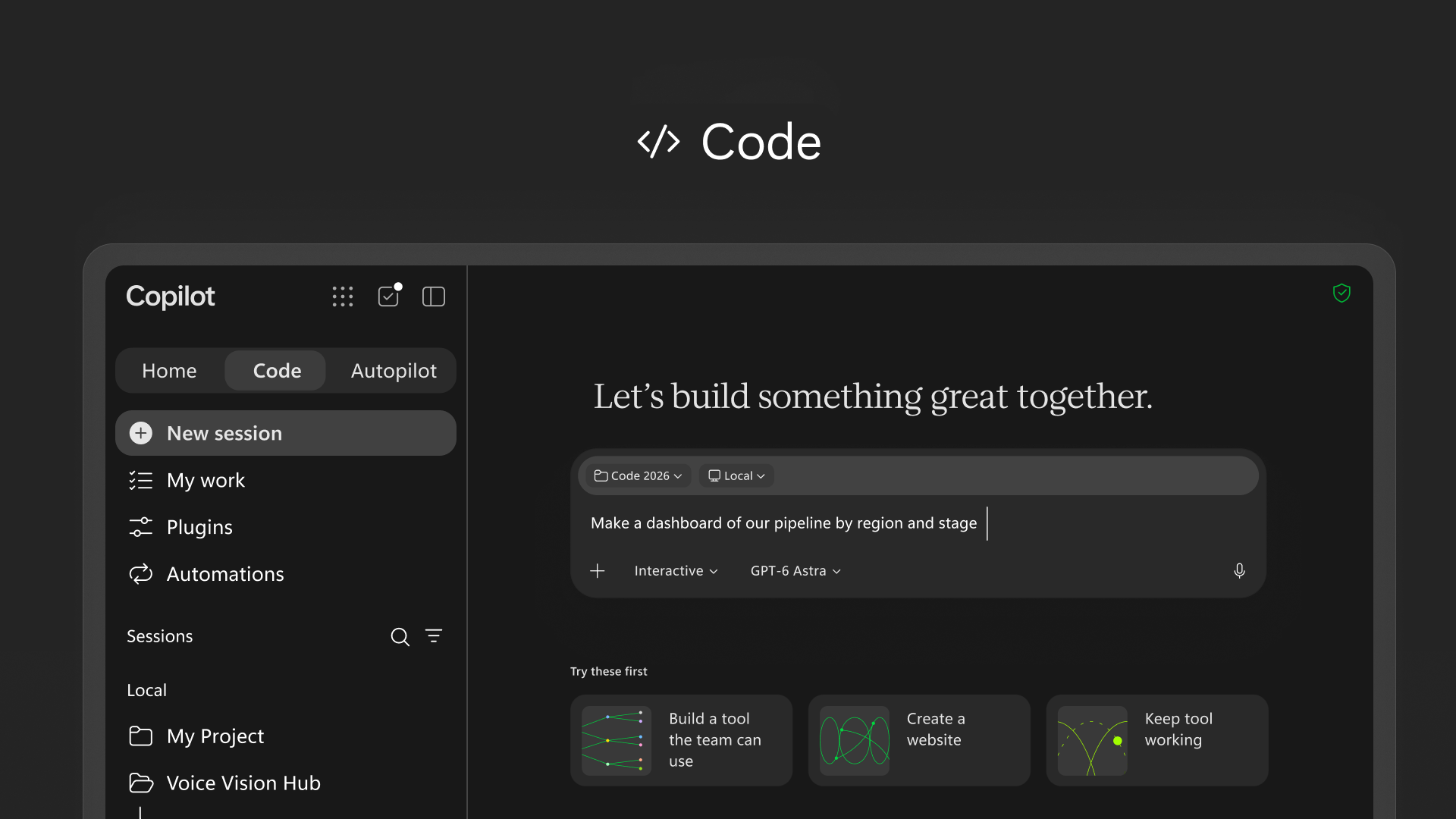
Claude Code and GitHub Copilot have built apps from prompts for a while, so coding agents are nothing new. Microsoft, however, is pitching Copilot Code at people who don’t code. To its credit, Copilot Code asks for your approval before it reads or changes files, runs scripts or commands, or accesses the network.
Then there’s what Microsoft calls Hybrid Intelligence. Announced in October and detailed at Ignite, it will let Copilot on Copilot+ PCs use local context from your files and apps, run models on the PC, and take actions across Windows. You’ll be able to ask Copilot to find, organize, move, copy, or rename files, and it can run a read-only scan to figure out why your Bluetooth audio isn’t working or why your network is slow.
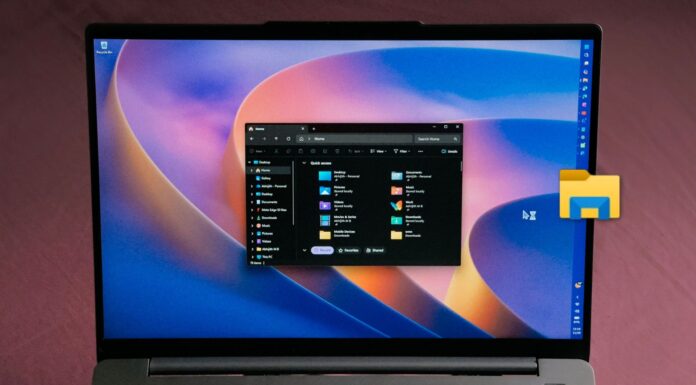
In Microsoft’s demo, Copilot read the contents of PDFs in Downloads to work out which ones were analyst reports, as the filenames didn’t say so, and moved eight of them into a new OneDrive folder. It asked for permission twice, with only “Not now” and “Allow for this session” as options, and offered an Undo button.
Truth be told, I like local AI cleaning up my Downloads folder, as it’s the kind of drudgery Nadella talked about in 2023.
Nadella now says we will become “managers of infinite minds”
Nadella’s language changed along with the products. At Davos in January, he told the audience that “all of us are going to be managers of infinite minds,” replacing the bicycle with a much bigger metaphor.
A month later, at Microsoft’s AI Tour in London, he said working with agents is like working with “an infinite set of minds,” enabling the “macro-delegation of tasks, but with micro-steering.” So, you hand the AI the big job, and nudge it while it works.
Microsoft has since built that capability into Copilot. At Ignite, Cowork started splitting complex tasks across subagents for Frontier customers, which run side by side, each using the model best suited to its part, before bringing everything back into one finished result. Nadella’s “models to systems” idea came true, pretty much to the letter.
In June, Nadella told Reid Hoffman that Microsoft could one day have “2 million agents or 20 million agents all in a loop” with its 200,000 employees, a thought experiment that went viral this month after Microsoft offered about 60,000 employees a voluntary exit. Days later, in a long post on X, he wrote that “human capital does not become less valuable as token capital grows. It only becomes more valuable!”
At the DealBook Summit on November 18, Nadella pointed to a small Microsoft 365 Cowork team, saying, “They don’t build the product.” Instead, they build the software factory that builds it. “That level of direction is what, by the way, is going to happen in all jobs,” he told Andrew Ross Sorkin.
On The Pragmatic Engineer podcast, he also described an AI-native company as one that starts with a human and a token budget, and adds the next human only when the first one maxes it out. It’s like saying AI is more important than humans.
Nadella still wants humans in the loop, but the loop keeps getting bigger
To be fair, Nadella insists that he wants to keep the human in the picture. In October, he posted on X that “we must assume a model is compromised and contain it from the start,” and that “an authorized person should always be able to pause or shut down a model mid-task,” which he compared to an emergency brake.
At Microsoft’s Frontier Tour in London on October 21, he called it “a pretty complex design challenge” to make sure “you still have agency. You have control. It’s your ambition that’s driving these systems, as opposed to the other way around.” He then asked, “How do you put the human in the loop? How do you put the human on the loop?”
In case you’re wondering, a human in the loop should approve each step, like Copilot Code’s permission prompts. Ideally, a human watches from the side and steps in when needed, which is how Autopilot works. In that talk, Nadella said “the autopilot should not inherit all my permissions,” and warned that “scaling laws are producing even more powerful models that are less and less trustworthy.”
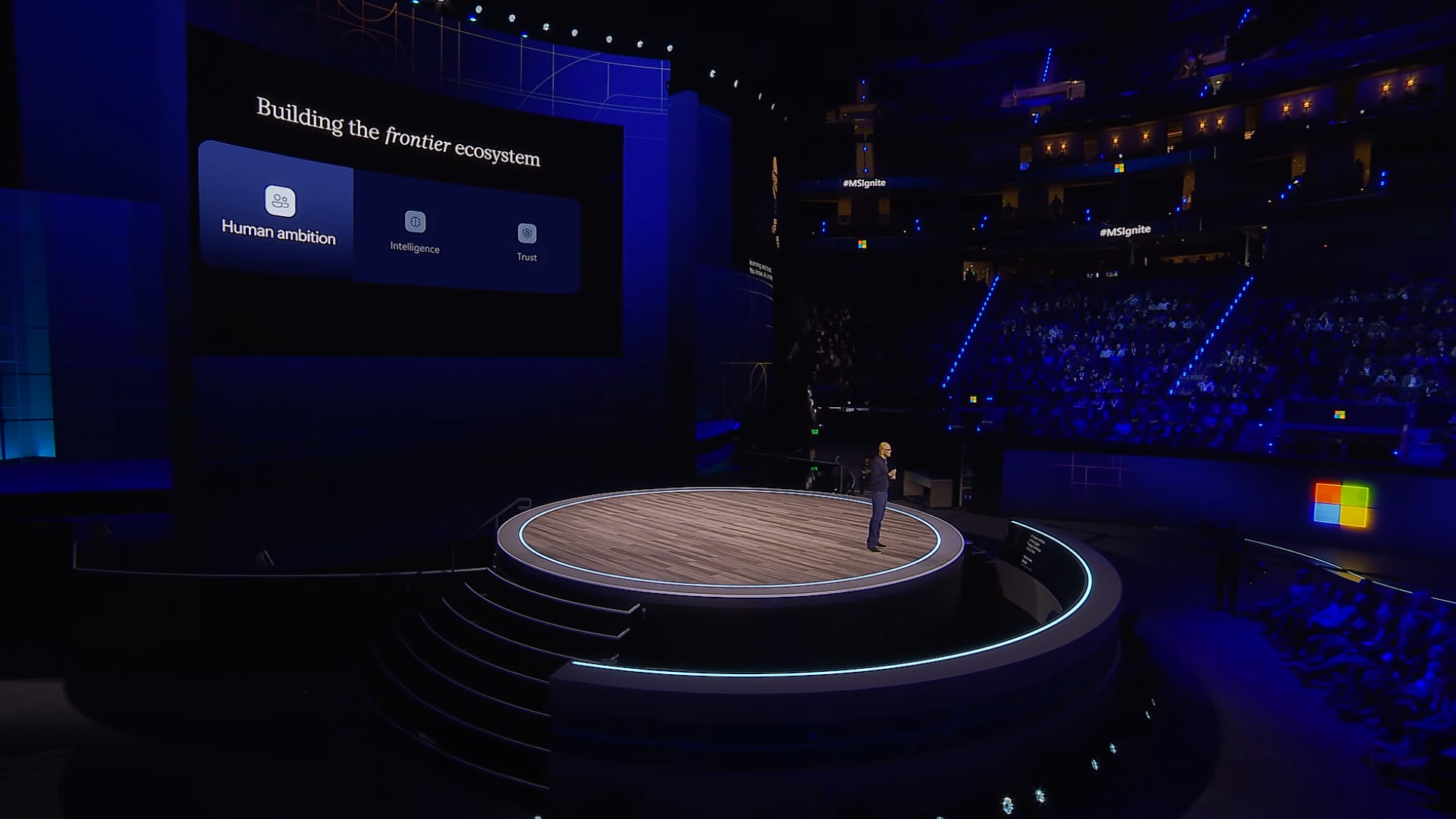
I don’t think Nadella has completely contradicted himself. Automating a supplier review or organizing a crowded Downloads folder can free us for better work, which is what he promised in 2023. But the definition of “the human is in control” has quietly changed from writing the work yourself to supervising software that writes it for you.
A bicycle makes you faster, but you still do the pedalling. With Autopilot, you pick the destination and go to sleep. Will that make people more capable, or just better at babysitting agents? Microsoft needs a good answer before it calls Copilot your new coworker.
Would you let an Autopilot run your work while you sleep, and then claim that you did the work?