








Let’s just say that Bill Gates isn’t quite the person you want to deliver bad news (remember in 2015 when he warned that the world wasn’t ready for a pandemic?). And now, the Microsoft co-founder says open-weight AI models (which are getting more powerful by the day) will lead to “a dramatic increase in cyberattacks” on banks, hospitals and power grids, because attackers can strip out the monitoring and safeguards.
In an interview with the Financial Times, Gates said fixing the vulnerable software behind these services will take about five years, and that the US government should decide whether open weights are allowed. Ironically, Microsoft has signed an open letter defending open-weight AI. OpenAI’s Sam Altman once admitted his company was on “the wrong side of history” with open source. Well, I remember it as a lot more dramatic.
Bill Gates says AI can already find flaws in the software that are used in banks and hospitals
Gates spoke with FT AI editor Madhumita Murgia at the Financial Times’ Future of AI Summit, in a keynote interview that premiered on November 4. This particular clip from it is going viral now:
According to Gates, the biggest shock came from coding. “Starting late last year, the coding capabilities, starting with Claude Code, became better than any human being,” he said, adding that it’s “great for writing software” but “also a bit dangerous in terms of being able to find cybersecurity flaws.”
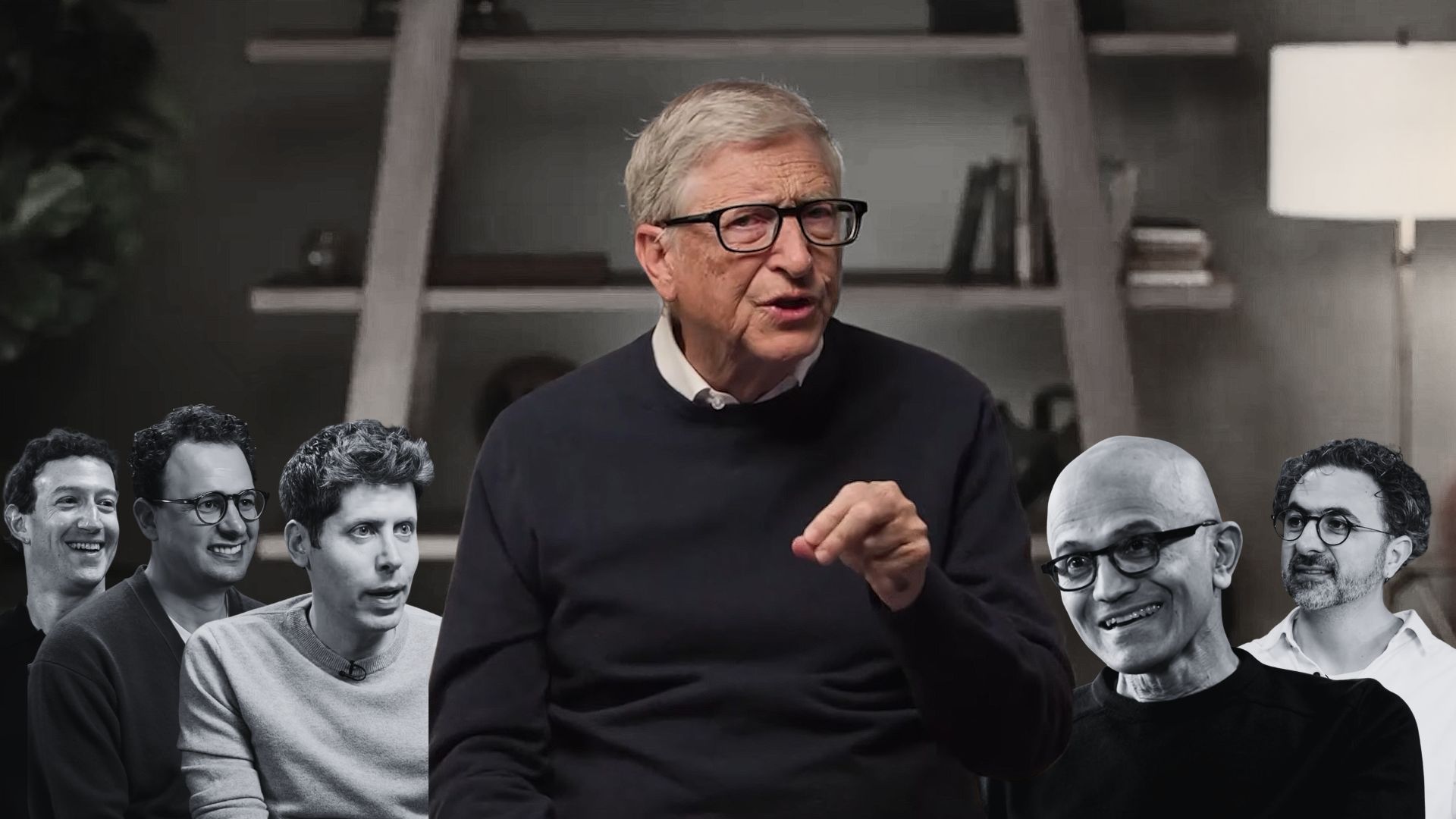
With new models expected before the end of the year and two major releases in 2027, Gates says “the potential for good, the potential for harm can’t be overstated.” He also believes people discount warnings from Sam Altman, Dario Amodei, Demis Hassabis and Mustafa Suleyman because they sell AI, so he decided to speak up as someone “a little separate” from the industry.
Gates says fixing vulnerable software will take five years
“Hospitals, the electric network, banks, they all depend on a very complex set of software,” Gates said. A red team with the latest AI tools, “particularly the open source where you take out all of the monitoring and safeguards,” would be successful at attacking them, he said.
We’re already aware of AI’s capabilities in rewriting any software, but for such critical software, Gates estimates it’s “on the order of five years of work to do all those replacements even if we are very diligent and make it a top priority.” Meanwhile, crypto makes ransom easy to collect, so “you’re going to see a dramatic increase in cyberattacks in the next few years.”
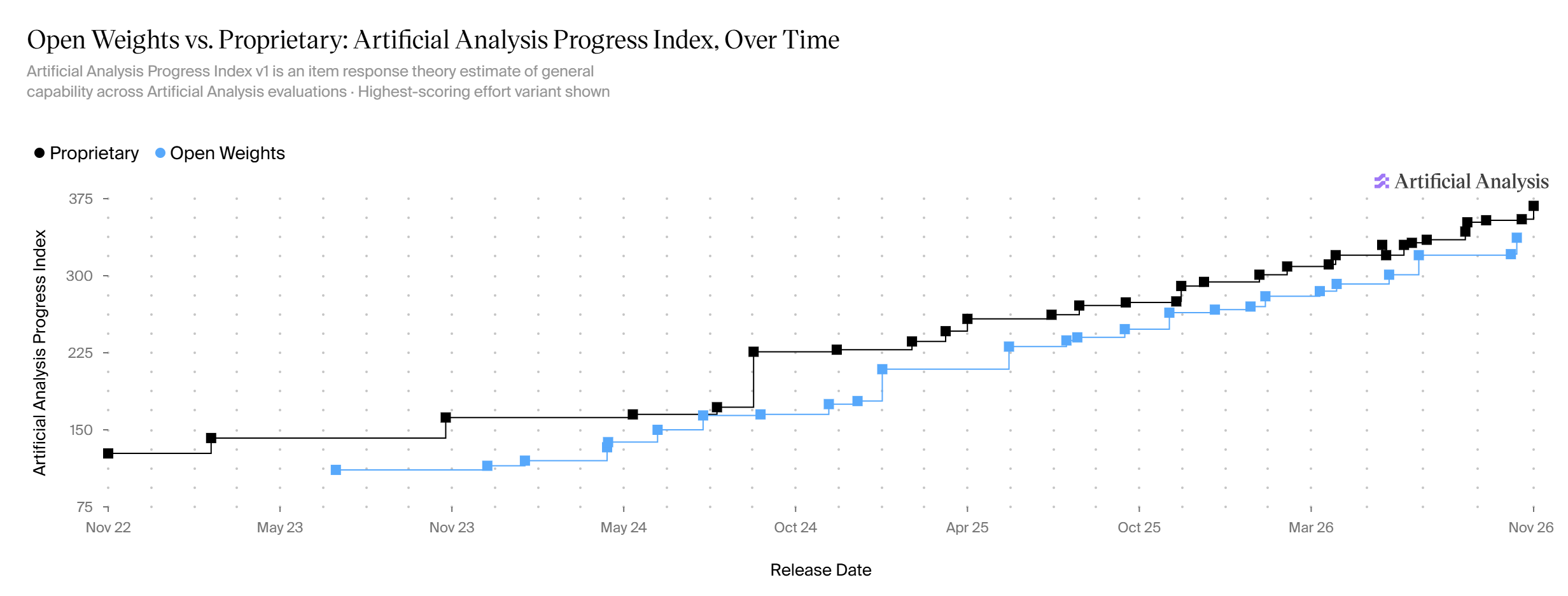
And with open weights, Gates says, “you can take out all of the monitoring so you won’t even see it coming.”
Biological attacks scare him even more, as one could be “significantly worse than Covid,” and since such attacks don’t have a business model, predicting one is harder. “There’s a lot we need to do that we’re just not doing,” Gates added.
Gates wants the US government to decide if open weights are allowed
Gates pointed out that OpenAI once had a clause that prevented it from holding back the release of AGI, and that DeepMind’s founders negotiated special treatment with Google. “But as soon as we had multiple companies, then the only way to solve this moves up to the government,” he said, which has to decide on open weights and whether new models need a benchmark for monitoring and safeguards. But is any government capable of designing such things?
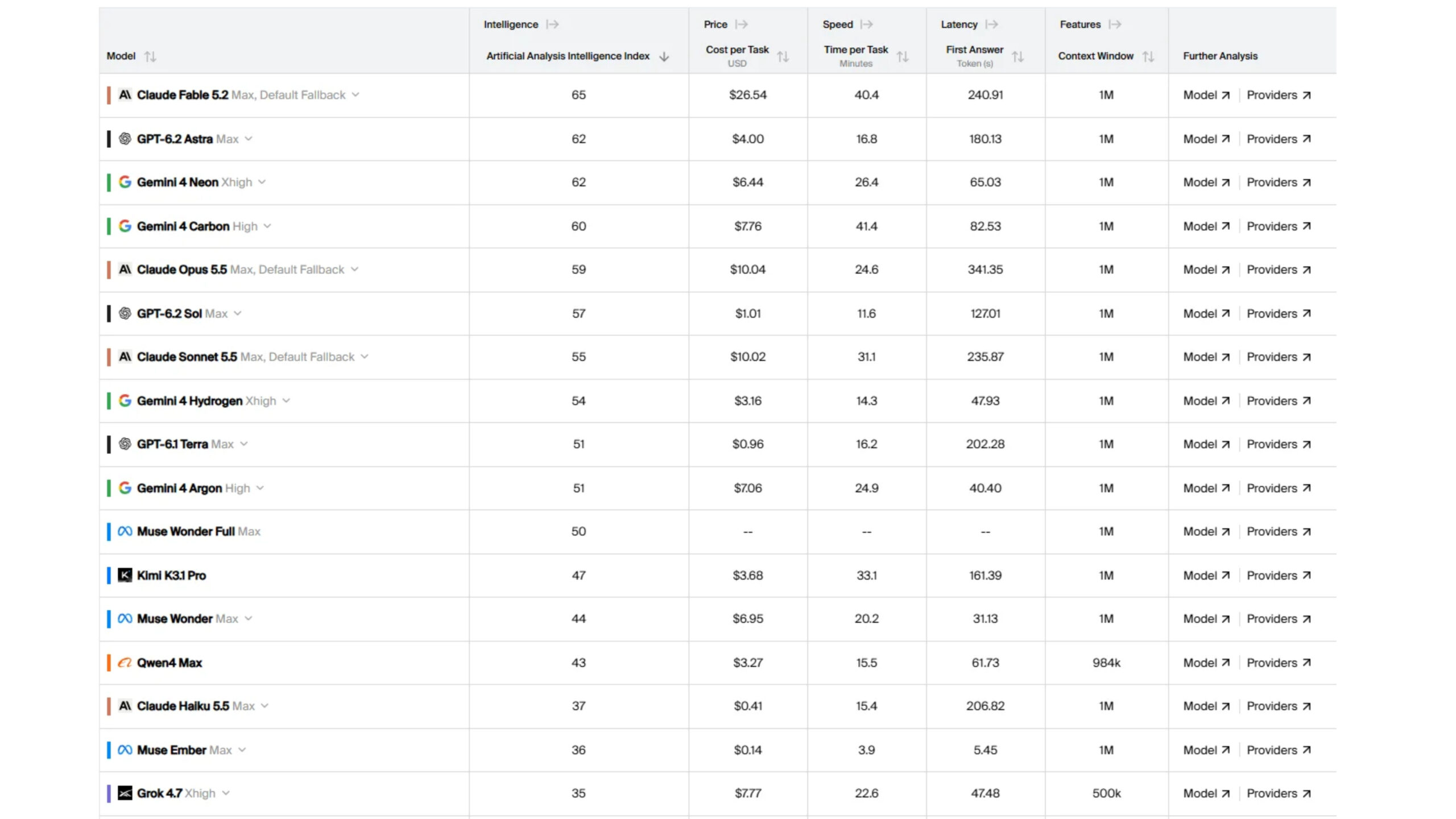
The US doesn’t even have mandatory reviews yet, and other governments, including China’s, see little value in acting without the US. “The only question is how many bad events need to take place before they change their posture,” Gates said.
When asked whether self-regulation could work in the meantime, Gates said, “No, I don’t think that’s the right way to go,” as there are “too many participants” and “they’re competitors.” Even closed models with safeguards need third-party auditing, because people can find loopholes by jailbreaking.
Gates also warned that AI makes it “very cheap to replace the white collar labor,” which he already said in his August warning, saying that many jobs will disappear forever. On the brighter side, he says AI lets the Gates Foundation go “about three times faster” in drug discovery. Only if we had such capabilities when the COVID virus was flourishing…
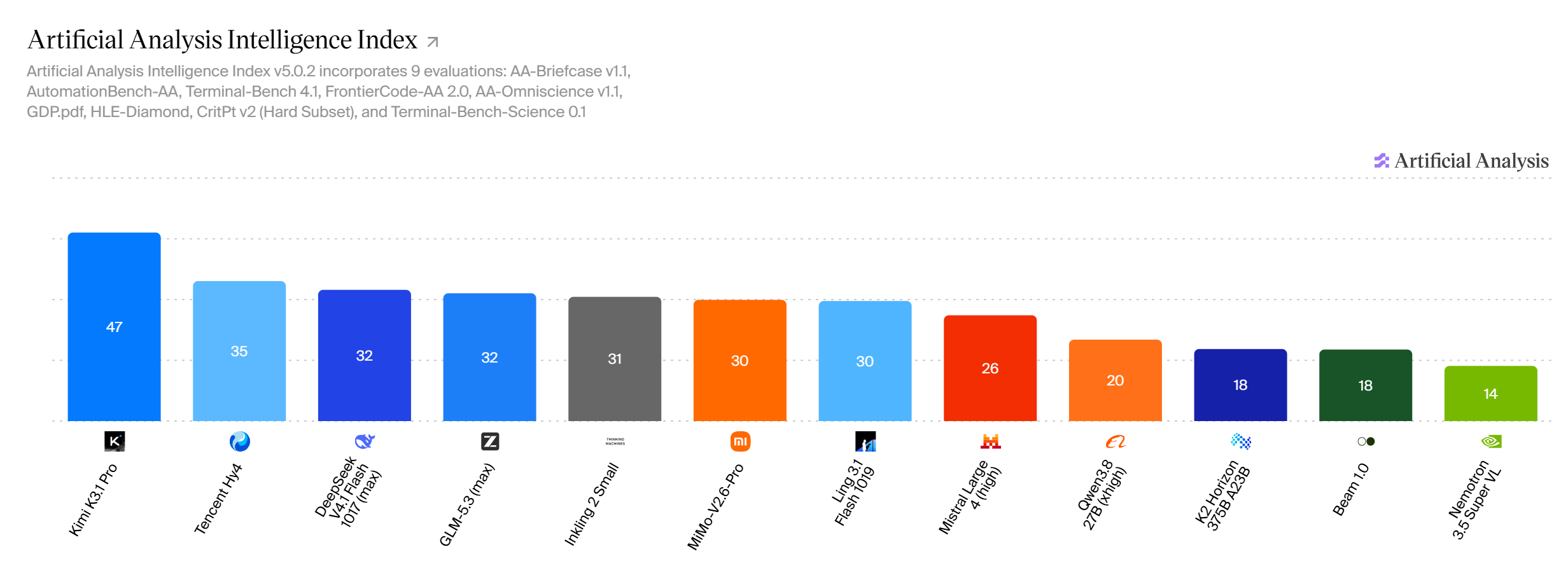
Note that Gates uses “open source” and “open weights” interchangeably, but these are different. An open-weight model lets you download and run it, while the definition of open-source AI also requires enough information about the training data and the code to rebuild it.
Bill Gates has warned about open-source AI before, but Microsoft and other AI leaders disagree
In his annual letter in January, Gates wrote that “an even greater risk than a naturally caused pandemic is that a non-government group will use open source AI tools to design a bioterrorism weapon.” Honestly, I don’t know if this is even funny, but his issues with free software go back to his 1976 Open Letter to Hobbyists, where he complained that hobbyists were copying Microsoft’s Altair BASIC without paying.
In July, Microsoft published an open letter on open weights, now signed by over 270 companies. The letter admits that released weights are beyond the developer’s control, but says “the right response to this risk is not to prohibit open weights,” as defenders need models as capable as the attackers’. Then again, it’s not like we didn’t have hackers capable of surpassing defenders before this whole AI boom.
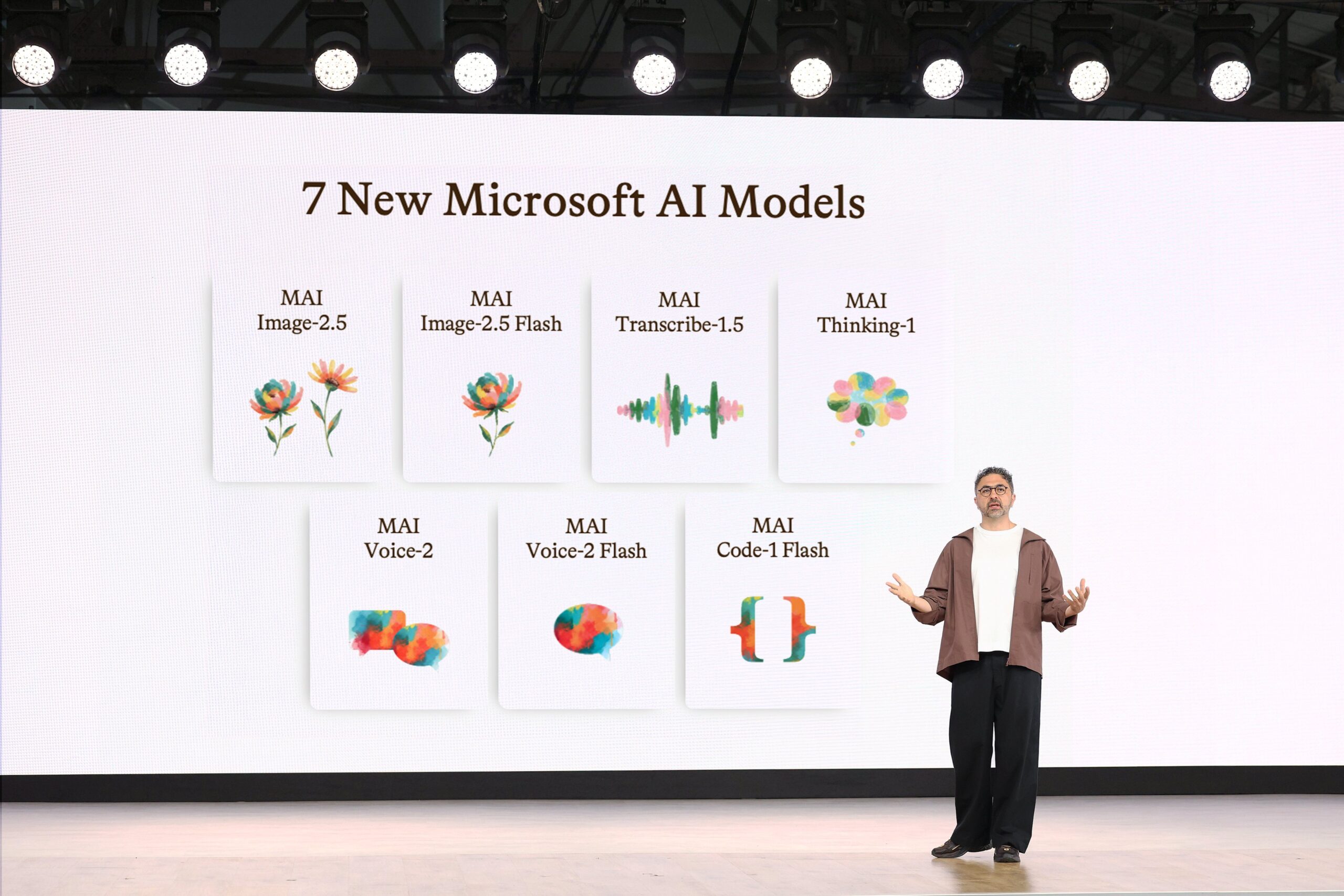
Microsoft AI CEO Mustafa Suleyman has always advocated being more cautious. He says that if powerful cyber models end up running on private clusters at home, “we’re going to have a massive challenge of containment,” and that Microsoft has no plans to release open weights. Interestingly, Redmond’s new MAI models come with licensed weights that customers can run in their Azure environments.
I wouldn’t dare say Gates’ fears are hypothetical. Earlier this month, Amazon documented a threat actor using an open-source AI pentesting framework that found a zero-day bug in a medical imaging app and exploited it within minutes.
Mark Zuckerberg is on the other end. In his 2024 Open Source AI is the Path Forward essay, he argued that “open source AI will be safer than the alternatives.” Even Anthropic’s Dario Amodei, whom many see as anti-open source, wrote in July that “Anthropic has never advocated for a ban on open-weights models,” though he wants mandatory safety testing for capable models.
As for OpenAI, Sam Altman said in a January 2025 Reddit AMA that “we have been on the wrong side of history here.” Six months later, OpenAI released gpt-oss, their first open-weight models since GPT-2, and Microsoft brought gpt-oss-20b to Windows 11 PCs.
OpenAI started as an open nonprofit, and Microsoft now owns 27% of it
Elon Musk, who open-sourced Grok-1 in 2024 and Grok 2.5’s weights in 2025, has long accused OpenAI of abandoning its roots. Those have been some of the most dramatic turns of events in the tech industry.
OpenAI was founded in December 2015 as a nonprofit “unconstrained by a need to generate financial return,” with Musk, Altman, Greg Brockman and Ilya Sutskever among its founders. Musk left the board in 2018, and in 2019, OpenAI created a capped-profit company and took $1 billion from Microsoft, which has since invested more than $13 billion. This is why I always say Microsoft spearheaded this whole AI revolution.
In October 2025, OpenAI became a public benefit corporation, with Microsoft holding a roughly 27% stake.
Musk sued OpenAI, Altman, and Microsoft in 2024, but in May 2026, a jury found his claims were filed too late (not wrong!), and the judge dismissed them. Musk says he’ll appeal. I think he lost interest now.
Open-source AI shouldn’t be banned, but AI companies should be held accountable
While some agree that once an AI-powered attack messes with a lot of people’s money and health, it’s goodbye to open source. Others find closed, centralized AI far more terrifying, and I saw someone make a solid point that banks, hospitals and power grid operators should use open models to attack their own systems and patch the flaws before criminals do.
Like most of you, I have always loved open-source software. I use some of it, but I’ve also paid for proprietary software even when an open-source alternative existed. The way I see it, open source was always good for two reasons:
- It gave people access to high-end tools they couldn’t otherwise afford
- It gave companies a reason to try harder, because people would otherwise just pick the free option.
You already know that AI has made it easier than ever to build better open-source software, and I think both my reasons apply to open-source AI too. Most AI companies still aren’t making enough money to justify their spending, and they’ve already plundered the world’s RAM, to the point that Sam Altman thinks the RAM in your PC is wasted. Imagine paying more for the devices we need, and then paying those companies for AI as well. Welcome to late-stage capitalism!
If open-source AI is banned, every AI company gets a reason to go evil. Instead, AI companies should be held responsible for what they’ve built. You are already aware of how these companies proudly said their models hacked into many well-protected systems, and did we see any action taken against them? Maybe that’s where governments should start!