








New graduates still have a place at Microsoft, but they come after the company reshuffles the people it already has, according to Satya Nadella. On The Pragmatic Engineer podcast, Microsoft’s CEO admitted that junior hiring has slowed, and described AI-native companies that add the next employee only after the first one uses up their AI budget.
A clip of Nadella’s recent take on hiring graduates is going viral more than a week after the interview, and most people are hearing only one line of it. Nadella’s full answer is more sophisticated, for lack of a better word, and unfortunately, it is very different from what he told college graduates in January.
Satya Nadella says Microsoft’s new grad hiring slowed because teams are still reorganizing around AI
Gergely Orosz, a former Microsoft engineer, asked Nadella on The Pragmatic Engineer whether Microsoft is still hiring new grads and junior people, now that many companies prefer experienced engineers who get more out of AI. It’s the interview where Nadella also admitted that VS Code faded within six months of Claude Code.
“First job is to make sure internally all of the folks are getting re-orged to places that make sense, right? That’s step one,” Nadella said. Only after that, he explained, does it make sense to add an industry hire or a new college hire.
According to Nadella, the pause “may be a slowdown to get those, quote unquote, new factories” of software engineering built, so that “not just tokens, humans can come in” and get high leverage.
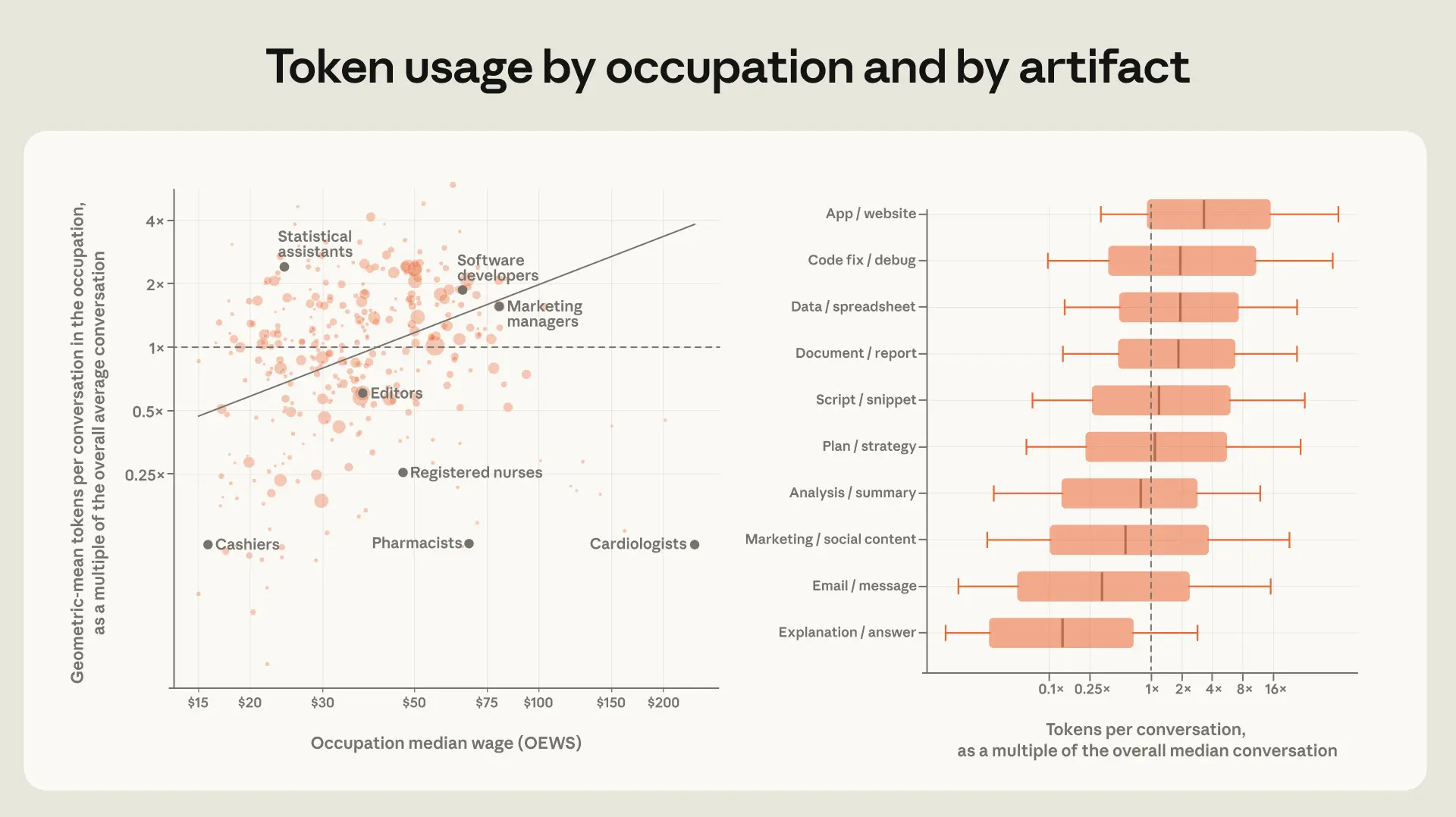
“What is an AI native company? They start with a token budget and a human, right? Then they add, that person maxes their token budget and then says, let’s add the next human,” Nadella said. “And every company is going to start looking like that.”
As you already know, AI models charge by tokens, the small chunks of text they read and write, so a token budget is how much AI work a company pays for per employee.
He did add that “trying to draw too many lines as long-term trends, I think is too early.”
From a purely business perspective, the logic is understandable. But the obvious question that many people asked is: if one person runs out of tokens, why not just give that person more tokens? Truth be told, I can’t think of many finance teams that would pick a salary over a bigger AI subscription.
That said, what bothers me more is the lack of sheer humanity. A graduate gets a job only when someone else’s AI budget runs dry, and if every company works like that, fewer people earn salaries to spend on what these super-efficient companies sell, and I wonder how much they have blinded themselves to that thought.
Nadella said in January that he still believes in college recruiting, and AI would make new hires productive faster
Ten months ago, a more upbeat Nadella was at Davos, where the All-In podcast hosts asked whether Microsoft would still need new hires as AI takes over more of the work.
“I still am a big believer in college recruiting,” Nadella said. He described AI as a mentor that gets new hires onboarded onto a codebase faster, so a college hire’s productivity curve would be steeper than ever. Microsoft was also testing an apprenticeship where a senior individual contributor works with a cohort of college hires.
Credit where it’s due, the experiment actually came to fruition. In October, Microsoft and Carnegie Mellon University launched PRAISE (Preceptorship for AI-accelerated Software Engineering, yes, it’s a mouthful), where senior Microsoft engineers mentor early career engineers who can also take CMU courses.
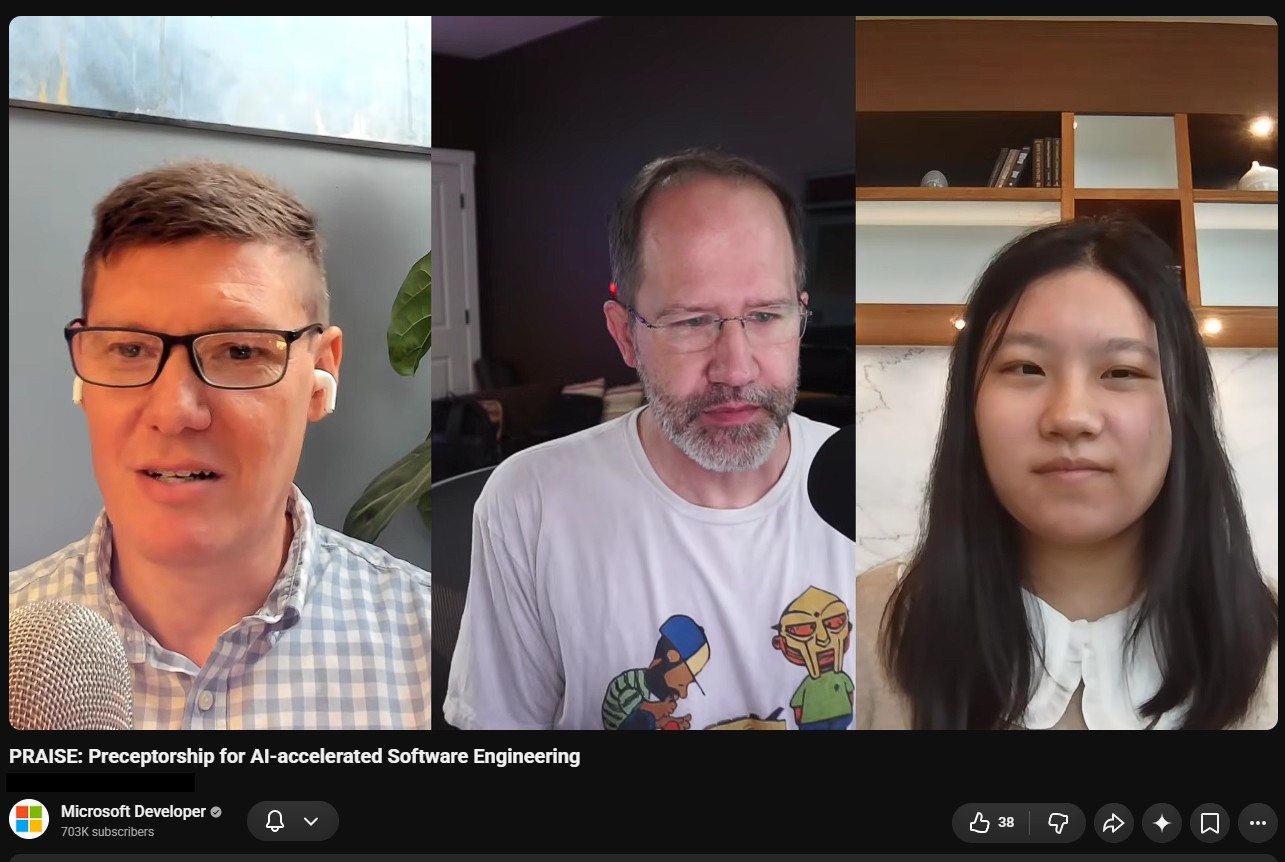
“AI changes the work, but it doesn’t eliminate the need for junior engineers or for human judgment and accountability,” said Azure CTO Mark Russinovich.
Nadella told Orosz he’d love to join one of these preceptorships, adding, “I care a lot about, hey, can you have an early in career person come in, join one of these teams, go up the learning curve.”
Of course, the whole 60,000 voluntary exit offer that turned into a PR nightmare was also explained by Nadella in the interview with Orosz.
Fortunately, graduates are still in Nadella’s plan, just further down the queue. Microsoft’s numbers are less reassuring, though. Last November, Nadella said headcount would grow again, but “with a lot more leverage” than before AI. Instead, it fell by 5,000 to 223,000 by June 30, 2026, Microsoft’s first annual decline since 2016, and CFO Amy Hood expects another drop this fiscal year.
LinkedIn CEO calls it a “frozen job market” as research shows AI coding tools cut junior tech hiring
Over at LinkedIn, which Microsoft bought in 2016 and is still the de facto job site, the CEO isn’t sugarcoating things.
“It is a frozen job market, and that does make it tougher for people that are earlier in their career for sure,” Daniel Shapero told Fortune.
Interestingly, Shapero thinks AI could help younger candidates, as employers assume they know the latest tools. His advice is to connect with people at the companies you want to join, which LinkedIn’s data shows is the fastest path to a job. Funnily enough, that’s coming from a platform that gets about 9,000 job applications every minute.
A working paper by researchers from MIT and Microsoft Research studied GitHub Copilot across 5,414 multinational firms. Among firms that adopted it when their software contracts came up for review, Copilot cut quarterly technical hiring by 29%, mostly in junior roles with the most coding work.
The paper found no change in separations or overall technical headcount, so existing employees stayed, and fewer new people got hired, which is pretty much the token-budget company in practice. Ironically, it’s Microsoft’s AI tool, studied by Microsoft’s researchers.

Bill Gates is even less optimistic. In an essay in August, Microsoft’s co-founder wrote that “many jobs will disappear forever,” with entry- and mid-level jobs most at risk, and the new ones mostly needing skills that take years to learn.
If companies keep postponing the first job, where are graduates supposed to pick up those years of experience?
Microsoft president Brad Smith seems to get it. Writing in June after graduates booed AI at commencement ceremonies, Smith pointed out that “Machines don’t buy products. People do.”
Nadella’s token-budget company might be efficient, but someone still has to earn a salary to buy what Redmon makes. If you were fresh out of college now, what would be your strategy to get a job?