








When Microsoft announced plans to revive Windows 11 in 2026 with quality improvements, it also promised to make drivers more stable and predictable. We’re finally seeing early signs that OEMs are on board with Microsoft’s plan to “raise the bar together” via a project called the Driver Quality Initiative (DQI), and Intel’s latest wireless update builds on top of it.
On June 30, Intel released two driver updates, one for Bluetooth and another for Wi-Fi, bearing version number 24.50.0:
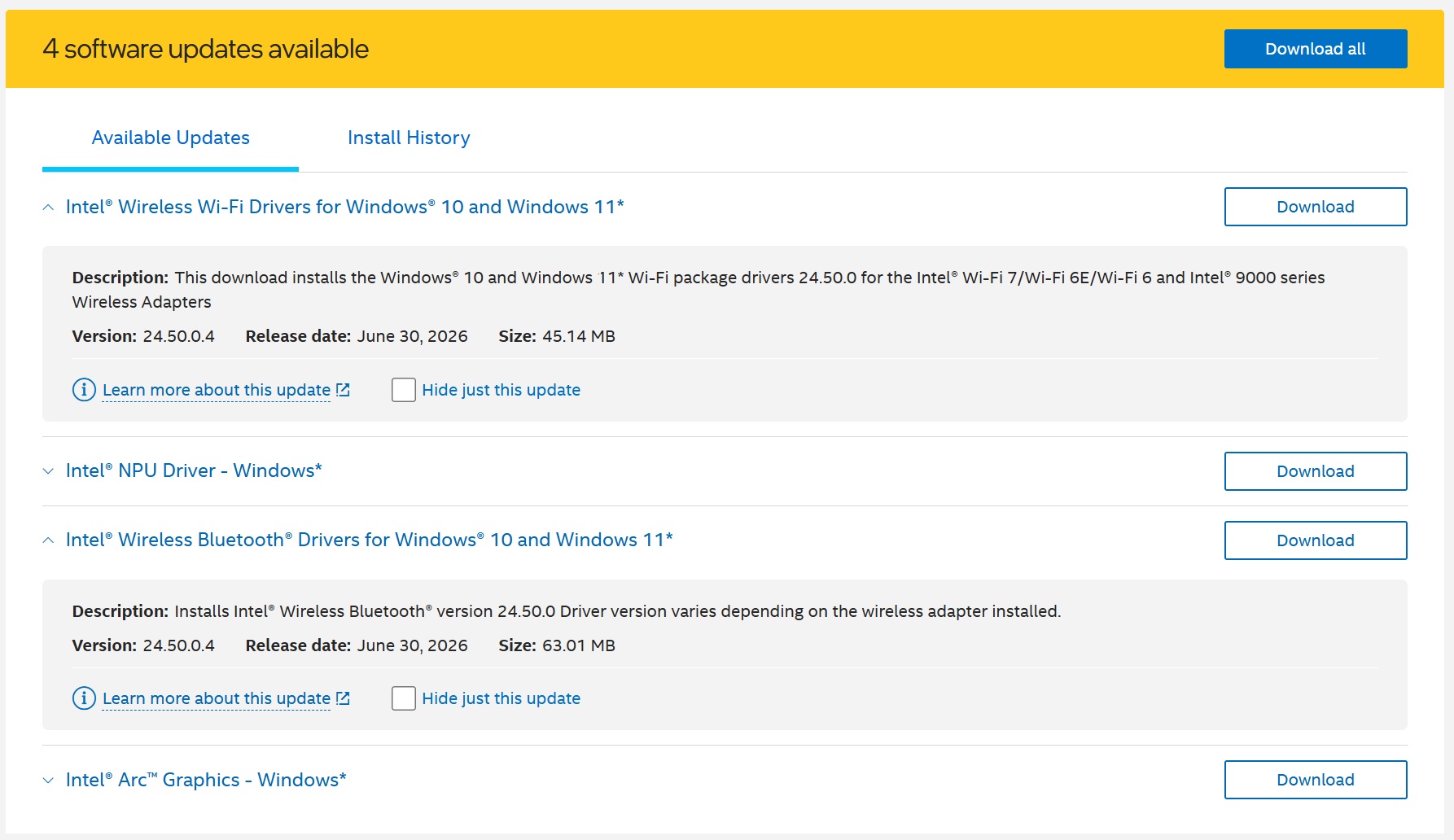
At first glance, the changelog isn’t exciting, but as I dug deeper and asked our friends at Intel/Microsoft, I got some interesting details. This is one of the first driver releases that’s supposed to raise the bar.
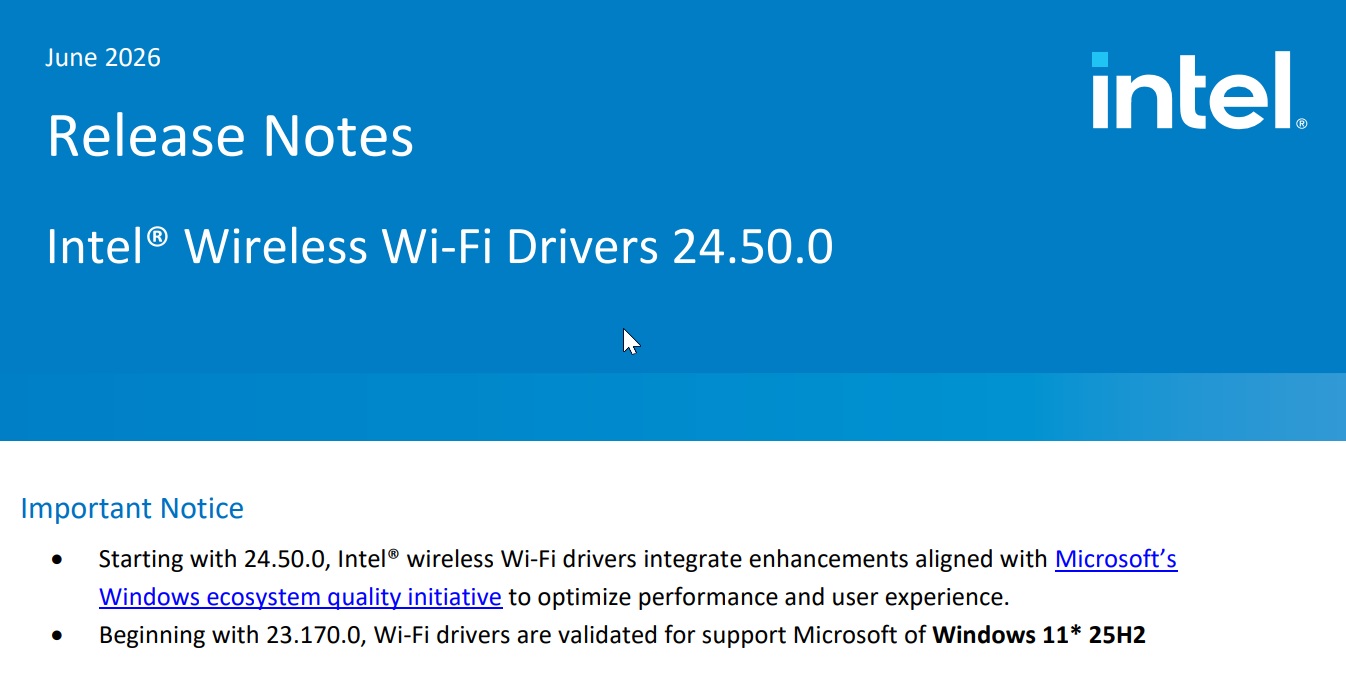
In the official changelog, Intel vaguely noted: “Intel® wireless Wi-Fi drivers integrate enhancements aligned with Microsoft’s Windows ecosystem quality initiative to optimize performance and user experience.”
But what exactly is “aligned with Microsoft’s quality initiative” supposed to mean? It dates back to our previous coverage of WinHEC.
In May 2026, Microsoft held the first WinHEC (Windows Hardware Engineering Conference) after almost a decade, as the last WinHEC was in 2018.
At WinHEC 2026, Microsoft’s developers met Intel, AMD, Qualcomm, and other silicon partners, including PC makers like HP. This meet-up wasn’t about AI, thankfully, but about how drivers can become more reliable, particularly because they’ve been hurting not only Windows 11’s performance, but also its reputation.
Drivers have been hurting Windows
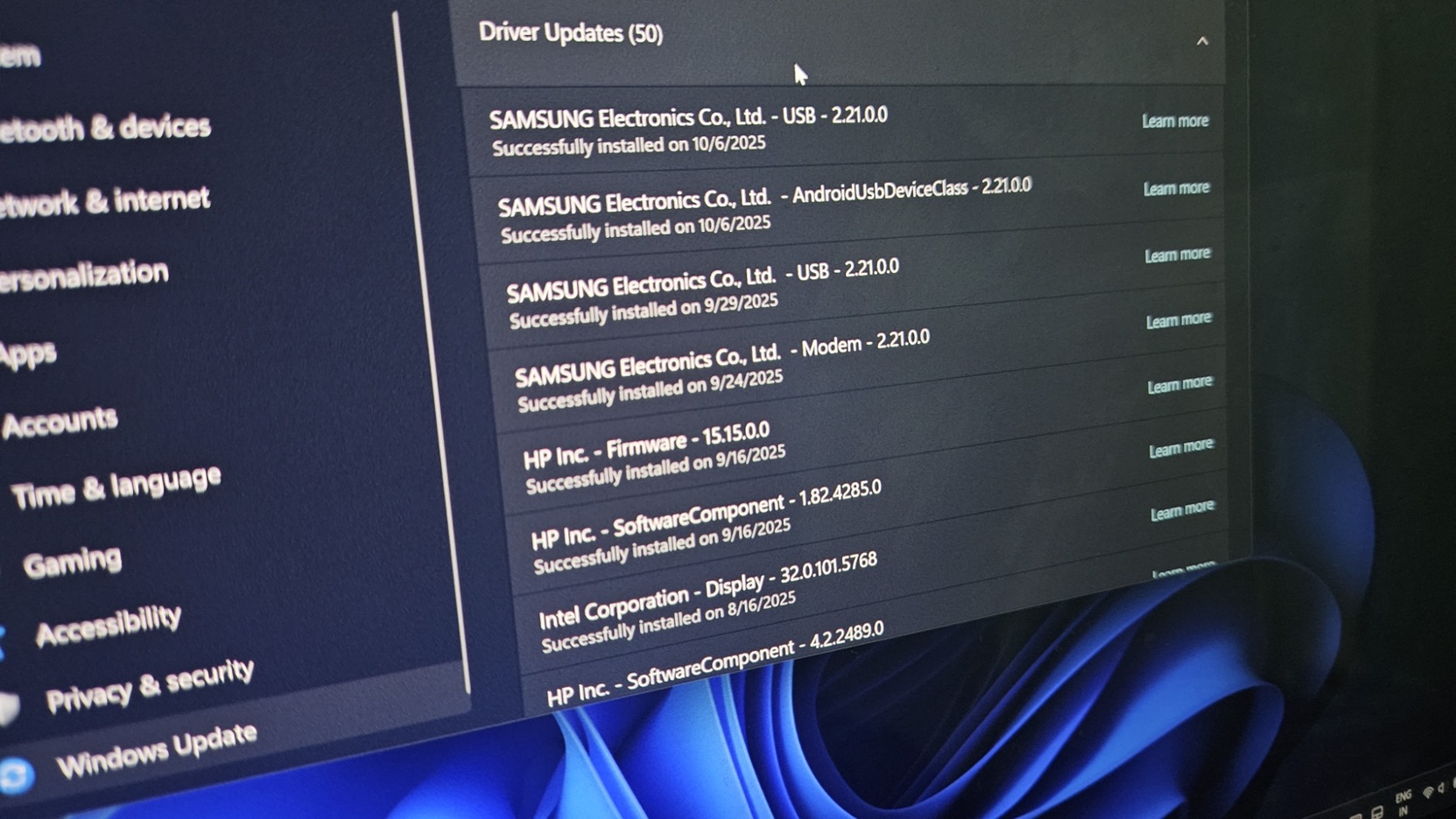
At Windows Latest, we test all updates across our hundreds of test machines, which is a relatively small size compared to 1.6 billion PCs, but it gives us a rough idea of the state of drivers. And while it’s not bad, it’s often messy.
For example, see the video below, where my ZenBook Duo needs to download dozens of drivers after first boot, but it handles it thanks to the high-end specs:
You can’t expect that on low-end hardware, where drivers often cause a loop of Windows updates, and most fail to install. I’ve personally observed it on cheaper HP AMD laptops where Windows fails to install drivers and is stuck in a “reattempting” loop. At the end of the day, drivers do get installed, but it’s frustrating, specifically if it’s new hardware.
We’ve also seen that some drivers can cause performance issues, and the blame often falls on Microsoft.
In fact, more recently, Windows Latest found that OEMs are bricking PCs more than the Redmond giant. For example, HP’s recent update caused BSODs, while Dell’s software update locked some PCs with BitLocker.
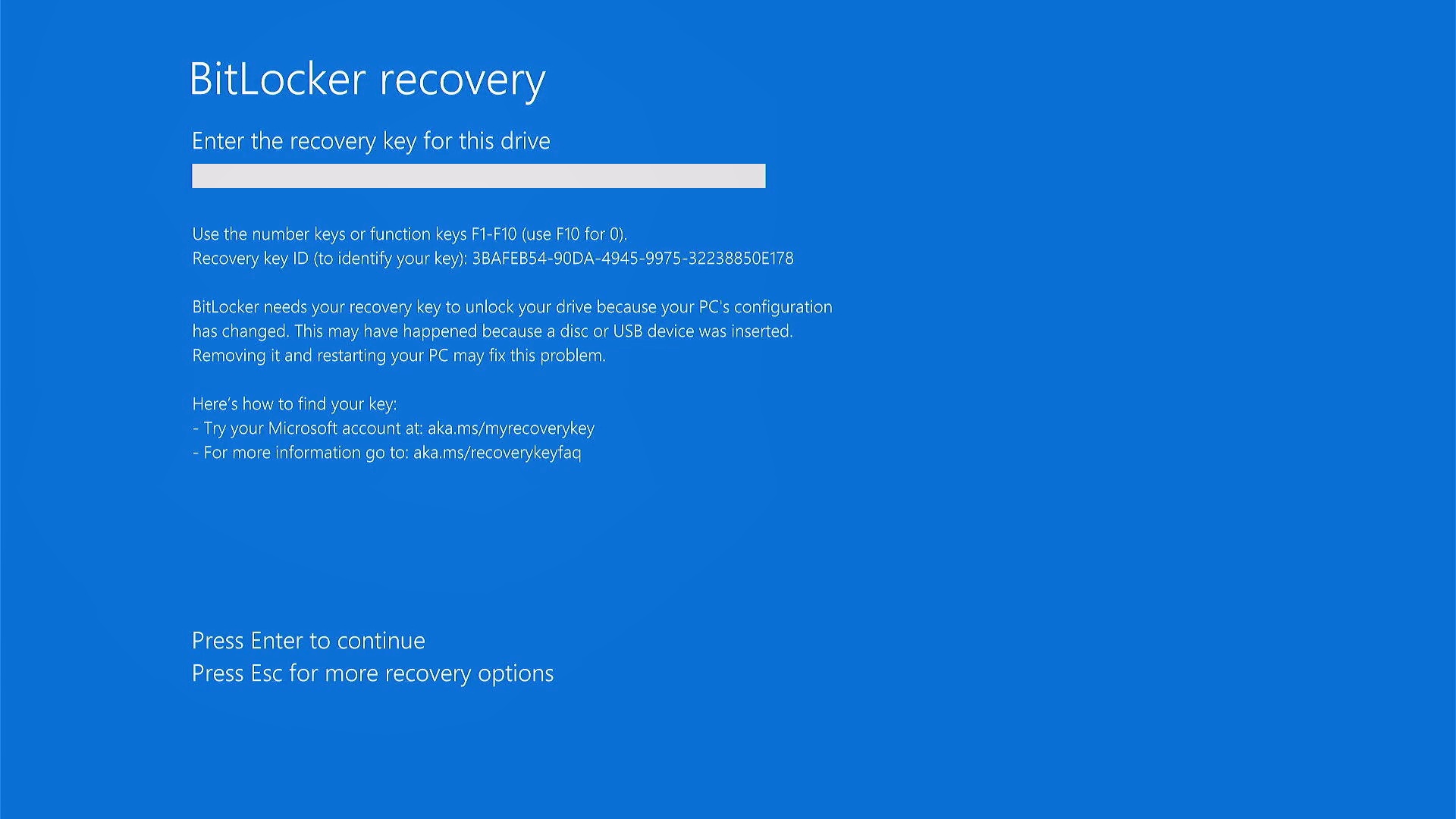
Regardless of the root cause, when we land on a Blue or Black Screen with an error explanation, we assume it was Microsoft’s Windows update at fault, which is true most of the time, but not always.
Microsoft wants to sort this out once and for all and encourage partners to build better drivers. Windows already has a strict driver quality check process, but it’s now being revamped as part of an “ecosystem-wide effort” designed to “fundamentally raise the bar on driver quality, reliability and security across Windows.”
This project is called the Driver Quality Initiative (DQI), and we’re finally seeing some traction. Intel’s new wireless drivers are built on top of DQI, but this is only the first release, and more changes are in the pipeline. We also learned that Intel’s GPU driver will be updated to follow DQI.
But what exactly is DQI and why is it a big deal for Windows 11?
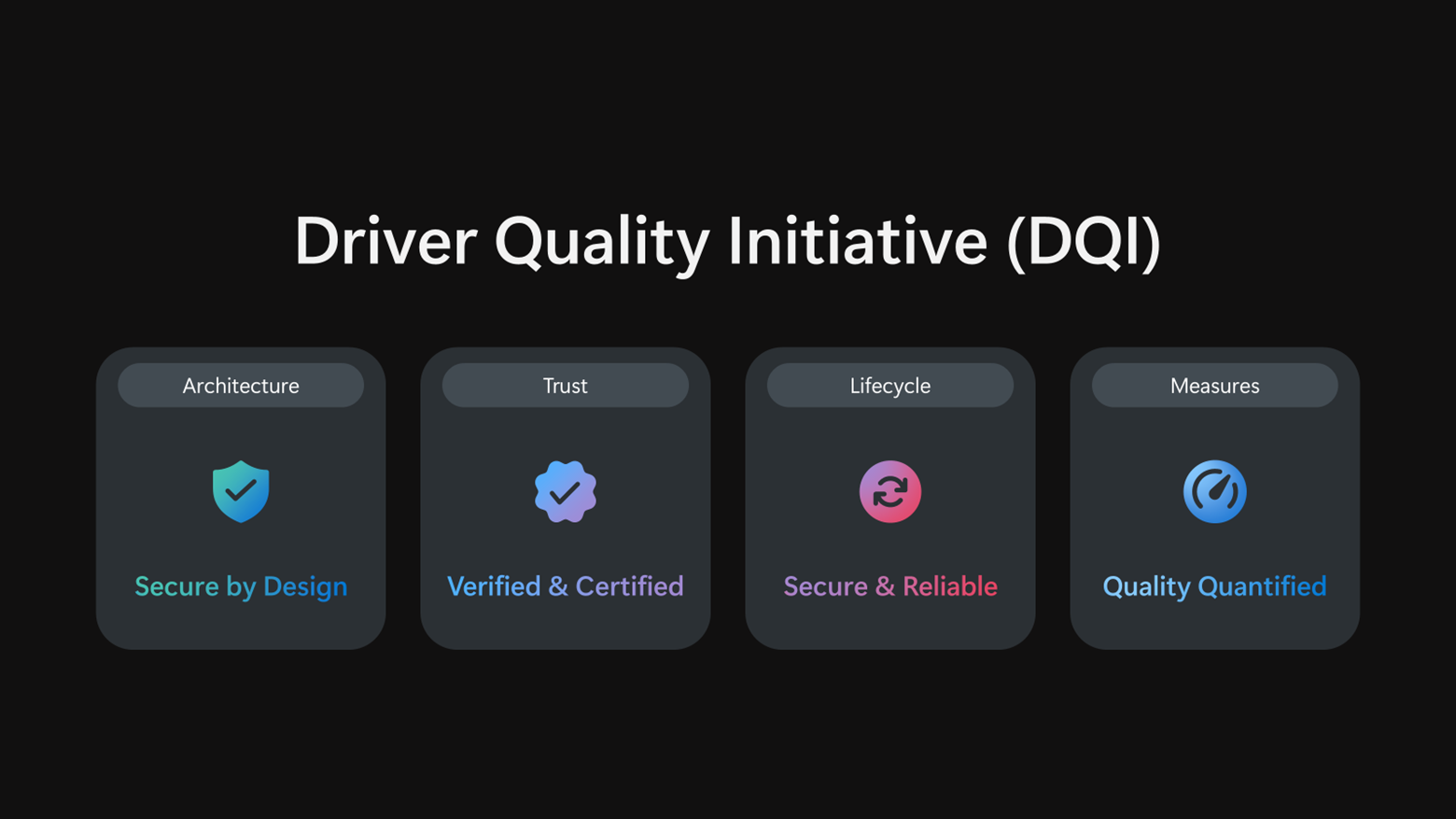
Microsoft argues that raising the bar on quality can’t be its job alone, as it “takes all of us,” where “all” refers to silicon partners.
“Today, thousands of partners contribute to tens of thousands of active driver families across the Windows install base. When drivers are high quality, customers experience reliable, secure, performant devices. When drivers fail, customers experience it as a device problem, regardless of where the root cause sits,” Microsoft noted in a statement.
DQI addresses these concerns and is based on lessons learned from the Windows Resiliency Initiative (WRI). For those unaware, RSI was introduced after disastrous global outages due to Windows software updates. It’s supposed to reduce system crashes and security breaches.
Architecture shift is finally happening across Windows driver stack
With DQI, Microsoft has mandated OEMs to follow the company’s strict security policies, including the use of Microsoft-authored class drivers. It’s all part of the company’s efforts to harden kernel-mode drivers, which should reduce BSODs significantly.
Microsoft calls it an “architecture” shift in Windows 11’s driver quality, as OEMs will be forced to reduce kernel interference, which should contribute to better performance, reliability, and, of course, security.
In addition to Microsoft-authored class drivers, OEMs can use user-mode drivers, which include performance updates for PCIe devices with DMA support.
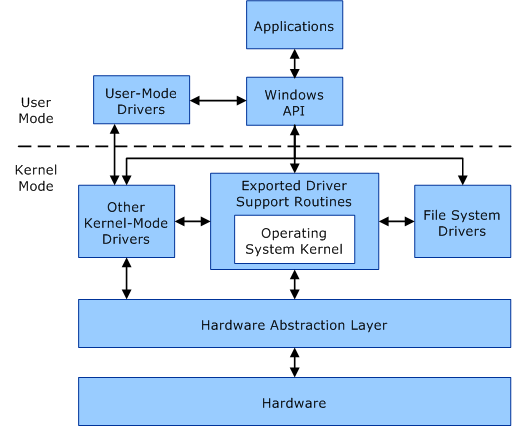
It’ll also support performance gains for the Wi-Fi stack, which should help Intel’s wireless drivers and other partners.
“Class driver investments include Soundwire Device Class for Audio (SDCA), introduction of the I3C class driver, NCM USB ethernet class driver as well as continuous enhancements to existing first-party class drivers on Windows 11,” Microsoft noted in a document posted earlier this year.
Trust, better Windows Update hygiene, and quality measures
Microsoft is hopeful that DQI will raise the trust bar for all partners and consumers, so when Intel says it has started employing changes required for DQI, it means the latest drivers finally meet these standards.
Microsoft also made it clear that Windows Update will stop offering low-quality or outdated drivers, which should address situations where newer drivers installed manually are often replaced with older versions.
Last but not least, Microsoft has added additional quality measures, including:
- Focus on stability.
- Quality evaluation for functionality.
- A minimum bar for performance.
- Reduced power and thermal impact by drivers.
However, it’s worth noting that while Intel is the first company to jump on the bandwagon, these changes are going to be industry-wide, and it’s only a matter of time before other partners follow the lead.
At WinHEC, AMD’s director of software engineering also confirmed that the company will work closely with Microsoft to ensure AMD PCs get the best quality drivers.
“Delivering high-quality drivers and resilient platforms isn’t owned by any one company—it’s a shared commitment,” argues David Harmon, Director, Software Engineering, AMD.
The goal is to achieve DQI standards widely by the end of the year, and Windows appears to be heading in the right direction.