




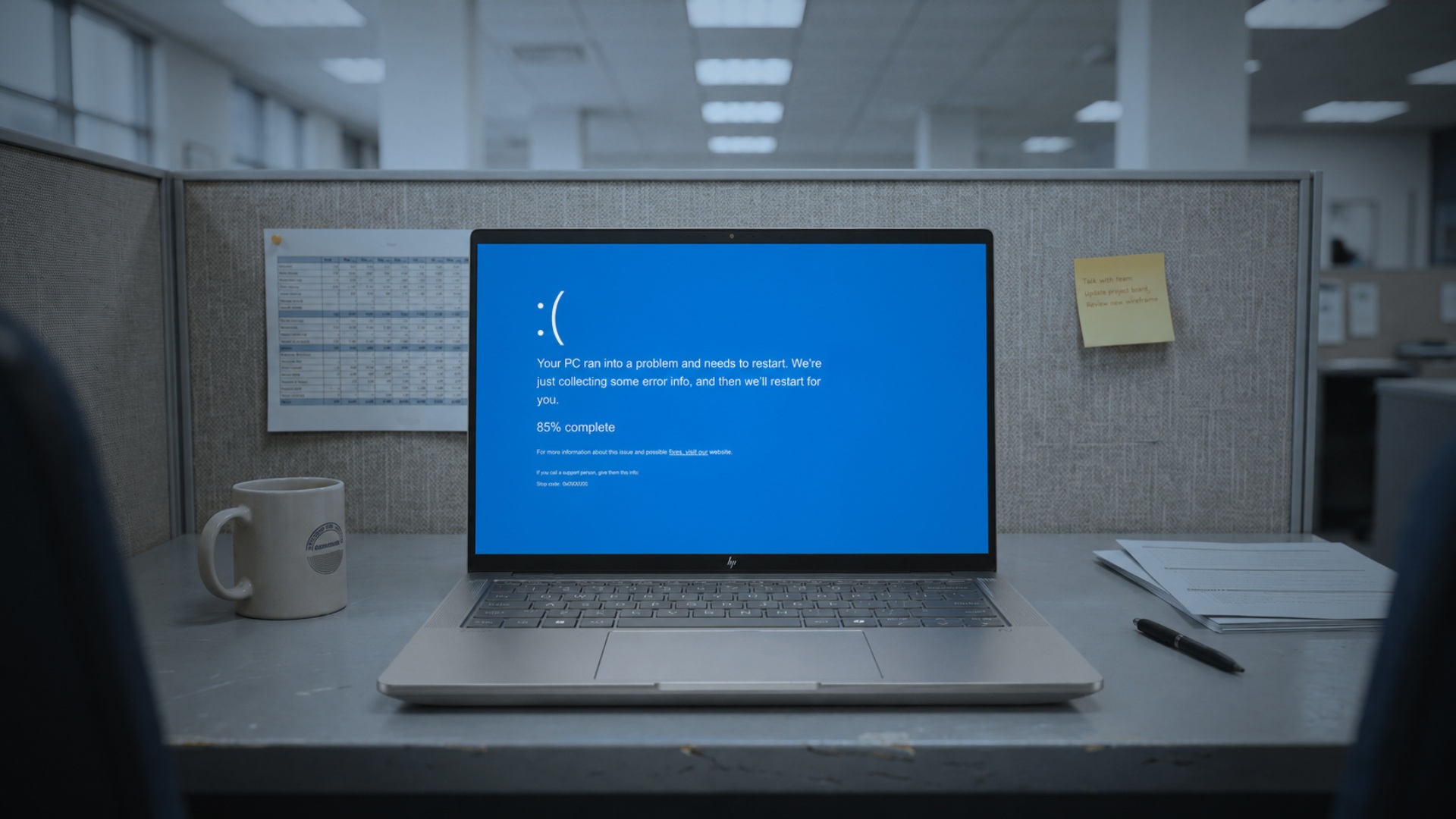
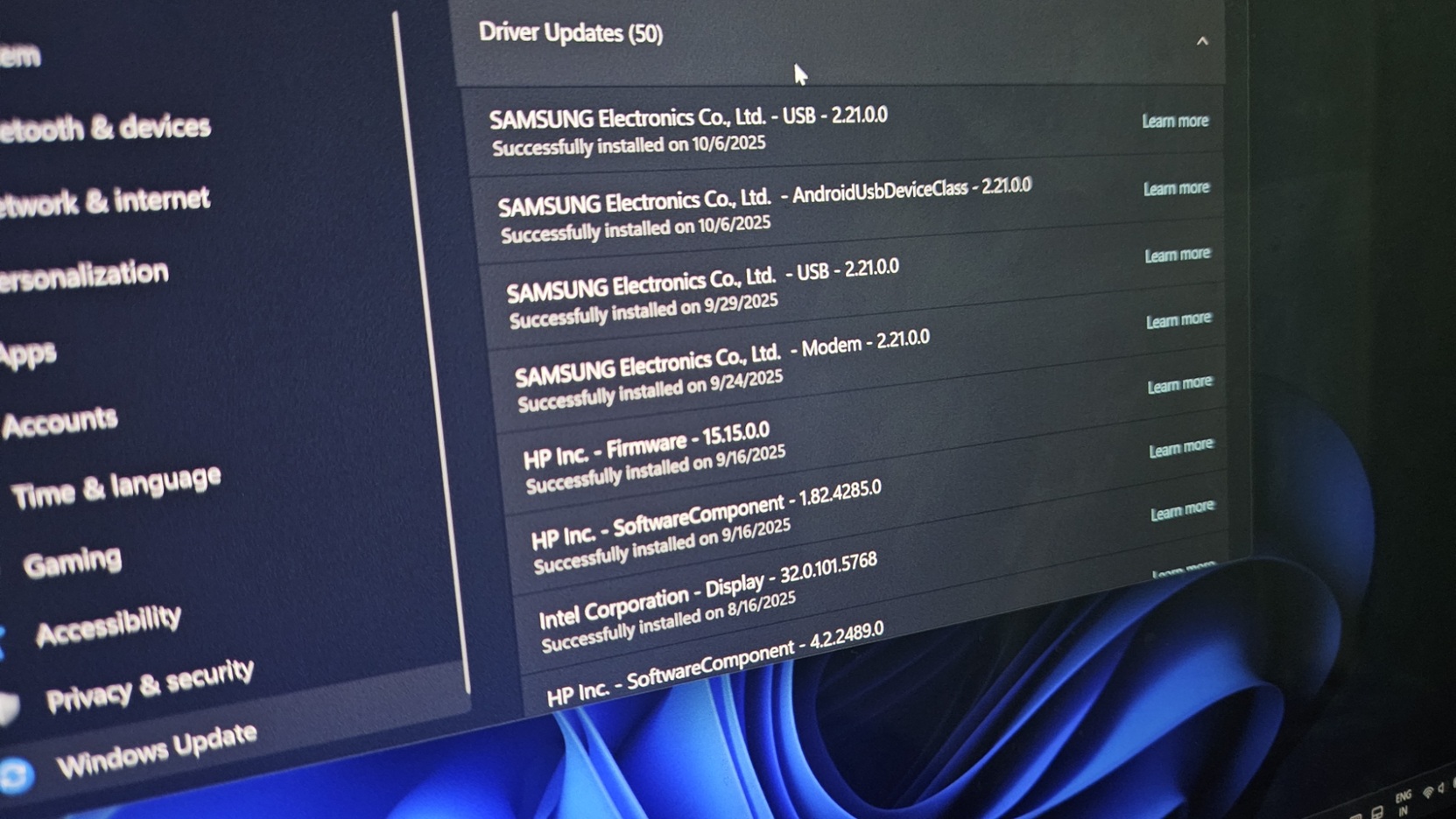
I haven’t met a single Windows user who hasn’t had a problem with their PC’s drivers at least once in their life, and most of the problems aren’t obvious until something breaks, such as Wi-Fi or Bluetooth. In some cases, a faulty driver can even bring down the entire PC. But you can’t blame just Microsoft and call it a day.
Windows has hundreds of driver variants for the same categories of hardware, and Microsoft now wants to reduce that fragmentation by replacing more third-party driver variants with its own drivers. However, it isn’t trying to force-replace every OEM driver. Instead, the company will build better-quality built-in class drivers and encourage OEMs to use them wherever possible.
For those unaware, Windows already comes with built-in drivers, also called inbox drivers. Some examples include BasicDisplay.sys (Microsoft Basic Display Driver), stornvme.sys (NVMe storage), hidusb.sys (USB HID devices, including compatible keyboards and mice), hdaudio.sys (High Definition Audio controller and codec support), and usbvideo.sys (USB Video Class webcams).
There are many more, and I can’t list them all, but the catch is that these drivers aren’t guaranteed to take over when a third-party driver fails.
Microsoft wants more hardware to rely on its own drivers in the first place, and we’ve gotten some interesting details from the Ignite 2026 conference.
At Ignite, Microsoft confirmed that it’s seriously working on its own drivers, and it’s even building new drivers for more hardware categories. I’m told that Microsoft has made significant progress with new printer drivers of its own. It has also built a SoundWire class driver for audio, updated its USB Ethernet class driver, and is working on a MIPI class driver for cameras!
We’ve known for a while that Microsoft is cleaning up drivers on Windows 11, particularly after the company announced the Driver Quality Initiative (DQI) at the WinHEC conference with its partners, such as AMD, Intel, and Nvidia.
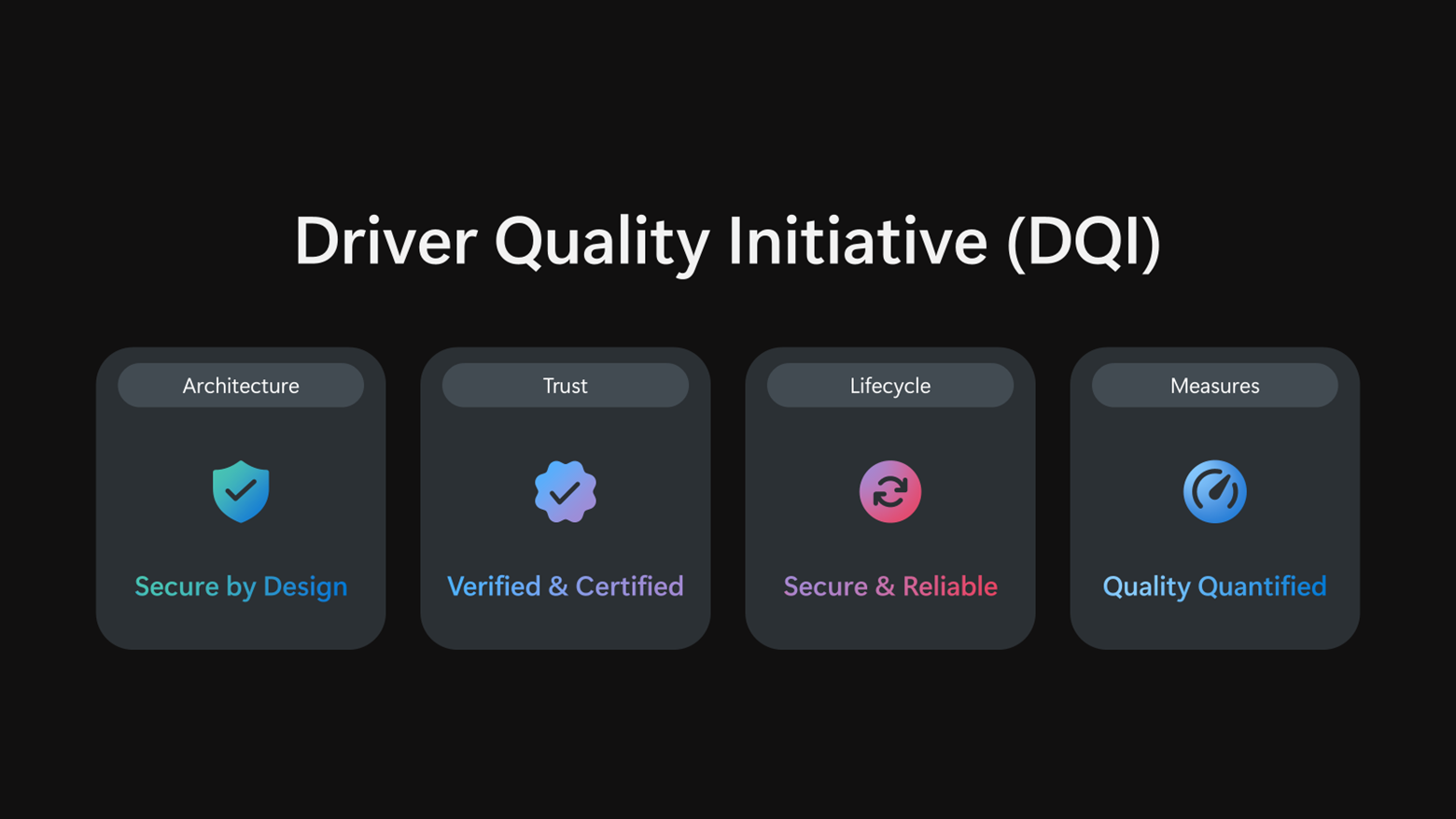
The company has laid out four pillars of quality and wants OEMs to up their game and deliver better-quality drivers. But it turns out that Microsoft isn’t just going around and asking everyone to get their act right. It also wants to take responsibility and actually build better basic drivers.
If Microsoft is able to pull it off, as it has already done for some drivers internally, you could see a significantly better experience with more hardware.
Microsoft is slowly replacing third-party driver variants with its own
As I noted above, a class driver includes the basic functionality for a particular category of hardware. That means if a compatible device can use Microsoft’s built-in driver, it may still have basic functionality even if you haven’t installed the manufacturer’s driver.
For example, Microsoft already uses its own driver for many USB device classes instead of waiting for Windows to download or install a separate driver from the manufacturer. You might have already experienced that when you connected a keyboard or mouse and it started working instantly. That happens because the hardware is covered by a class driver included in Windows.
Manufacturers may provide their own drivers for customization and better performance, as those drivers are designed for the hardware they sell. Windows 11’s built-in driver, meanwhile, caters to devices in that hardware class.
They are not the same thing, and Microsoft isn’t necessarily trying to eliminate every OEM driver. But it’s hoping that manufacturers stop maintaining separate implementations of functionality that Windows can already provide through its own drivers, unless it’s really necessary.
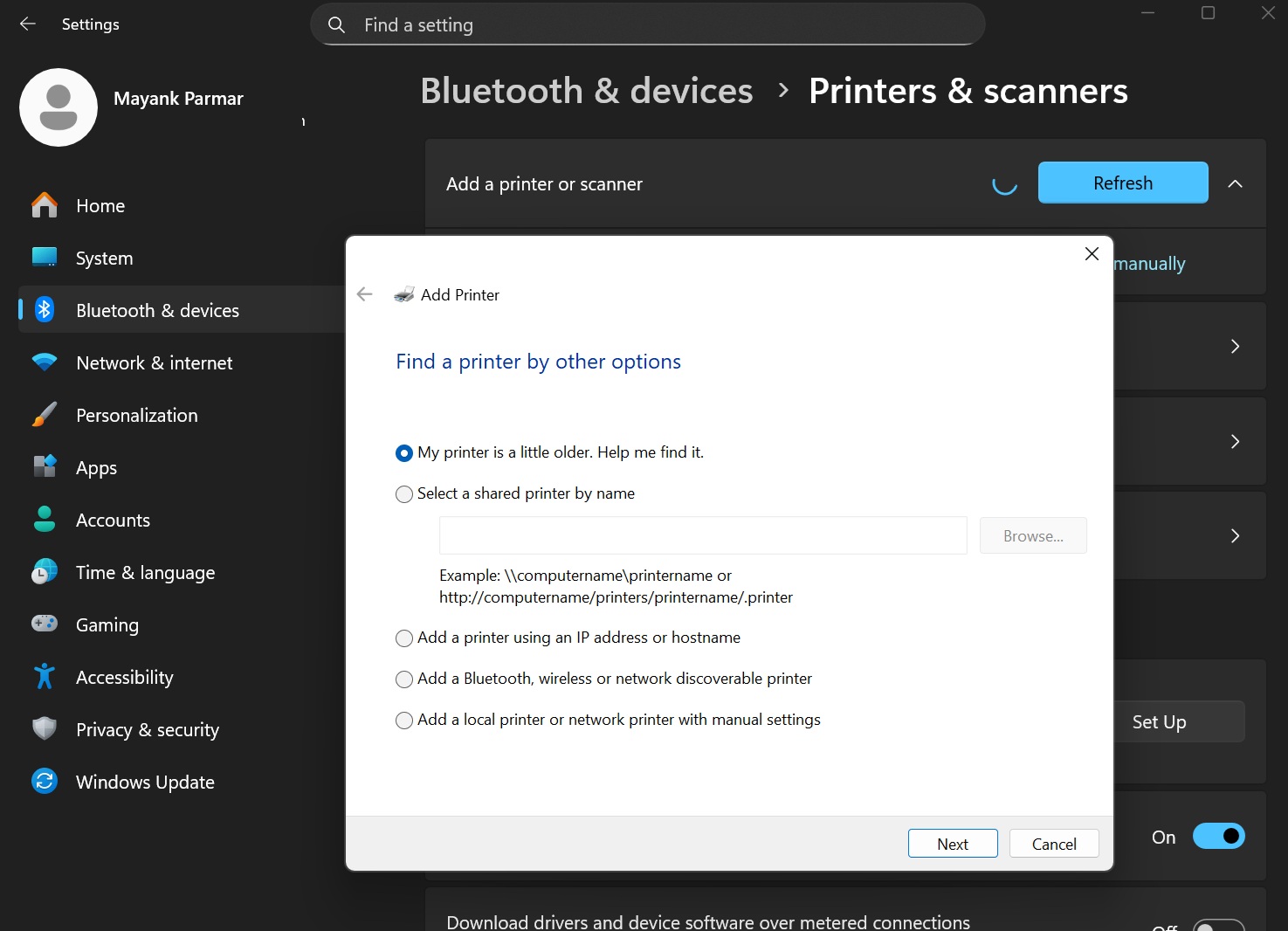
“So we’ve been building new class drivers as a result of that and slowly moving things to Microsoft maintained drivers. Printers is one example where we’ve done the most,” Microsoft’s Windows product manager Mehmet Kucukgoz explained while speaking at Ignite 2026.
“Audio, SoundWire class driver, SDCA is now available and will be included in box for Windows. I3C, the successor to I2C, is a bus driver and it replaces the old variants that we have. And then USB Ethernet as well, we updated it with the class driver.
“And there will be more, we’re building a MIPI class driver for cameras and couple of others are in the works.”
Why does Microsoft want to maintain Windows drivers itself?
We heard the answer to that question at WinHEC when Microsoft announced DQI and noted that “Drivers sit at the heart of every Windows experience.”
“They connect the OS to the silicon, components and peripherals that make Windows one of the most versatile platforms in the industry,” Microsoft explained.
Right now, thousands of partners contribute to tens of thousands of active driver families across the Windows install base, so it’s a massive ecosystem to maintain. When Microsoft ships its own common class driver, it gets the freedom to build a more consistent implementation for similar hardware and provide a common update path.
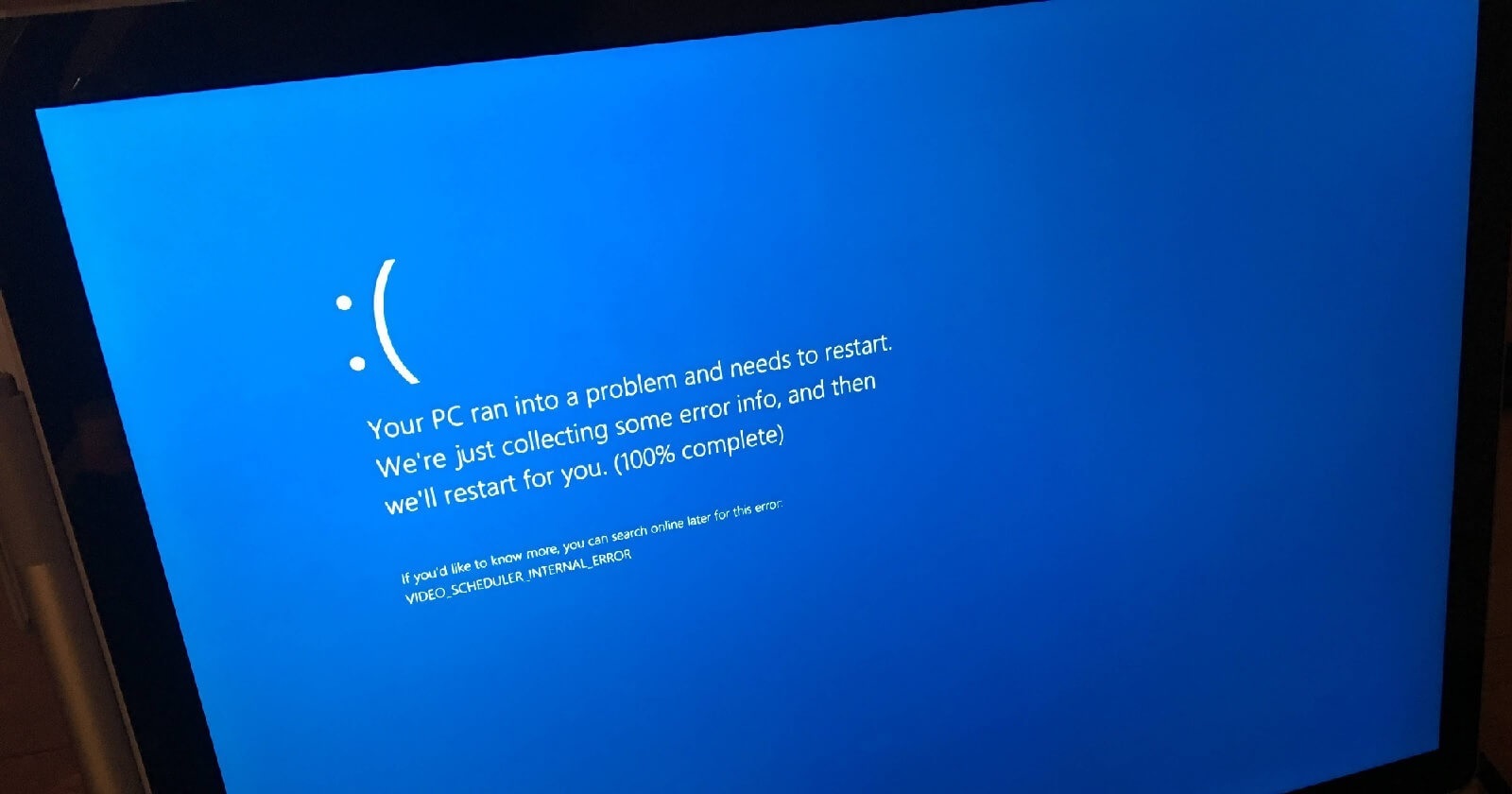
Another reason is that Microsoft wants to reduce the amount of third-party code running in the Windows kernel. I’ve already explained that this week, and one example is Wi-Fi drivers, which have traditionally run in kernel mode. That’s why a faulty driver can crash the entire operating system.
“First, shifting out of kernel. So when a device stack supports it, we’re moving to user mode where the drivers would run.
“And then we’re standardizing, one Microsoft-maintained class driver replaces partner variants and gives everyone a common servicing path.
“And then we’re hardening what remains in kernel mode for performance and other reasons, and raising that security and reliability bar for what has to stay in kernel mode.
“And the result is less third-party kernel mode, fewer crashes and attack paths, and safer servicing.”
Microsoft is telling developers to use its inbox class drivers wherever possible
Windows Latest also found that Microsoft wants hardware developers to use its inbox class drivers wherever possible instead of forcing their own drivers.
“If you are building drivers for Windows devices, move them to user mode and class, inbox class drivers wherever you can, and take advantage of the hardening tips that Mehmet shared for what stays in the kernel,” said Kevin Sullivan, who works on Windows at Microsoft.
However, this doesn’t mean you can uninstall every driver provided by your PC manufacturer or that Windows will automatically support every hardware feature through its own drivers.
You’re still going to need OEM-specific features, such as lighting controls for a controller, and so on. Those cannot really be covered by Microsoft for every class of device. There’ll be exceptions, and developers still have the freedom to choose. I wouldn’t be surprised if smaller companies prefer Microsoft’s inbox class drivers, as they save them resources.
If anything, Microsoft is seriously going to change how drivers work on Windows 11, and we’re going to see dramatic changes in the coming months.