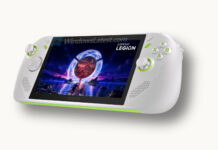





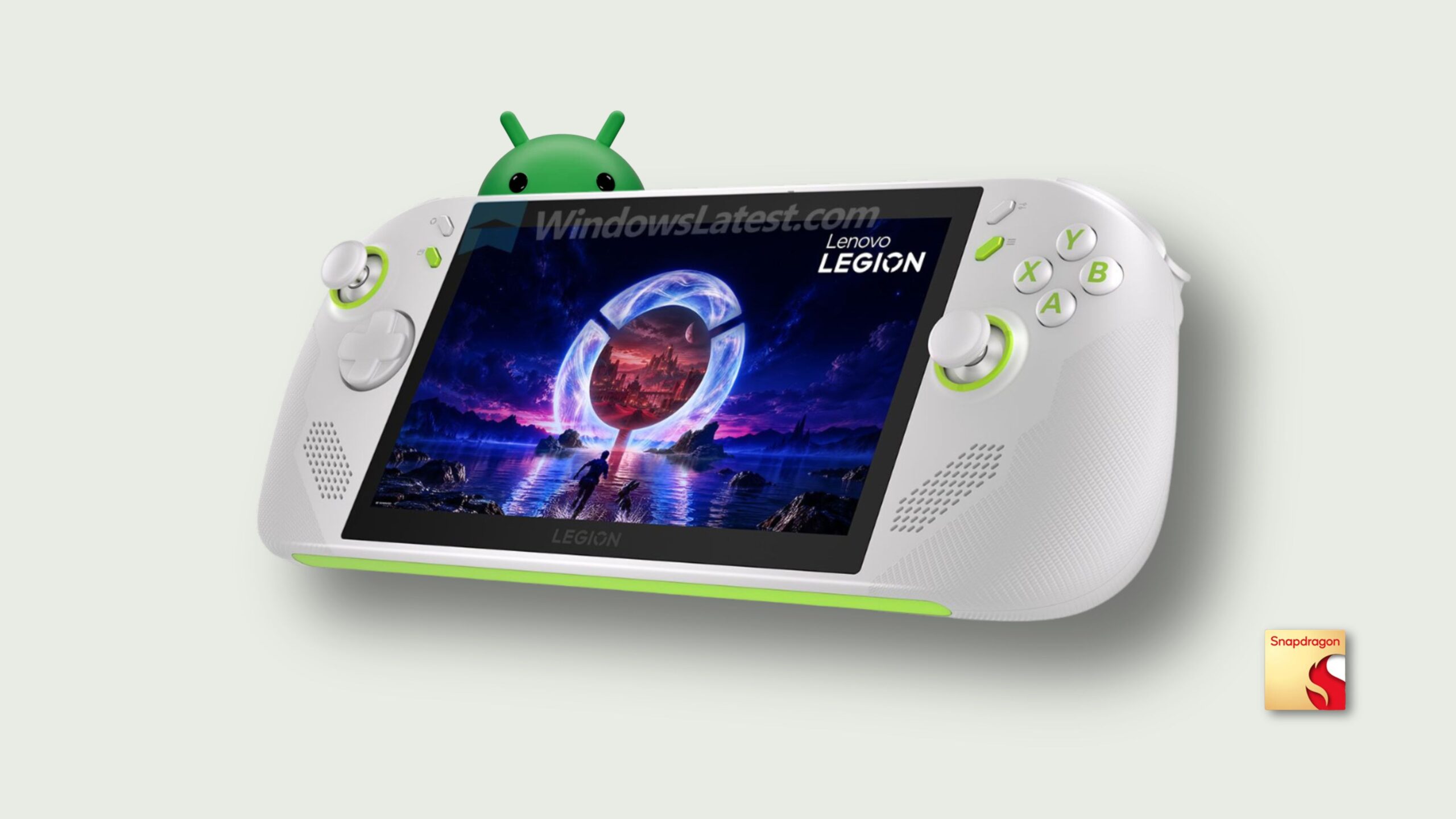
Lenovo’s upcoming Legion Go Beam is a 7-inch handheld that plays native Android games, according to new details obtained by Windows Latest. It also has a 120Hz display, Wi-Fi 6E and Legion Space, and it can stream games from your PC or console, play cloud games and run retro titles.
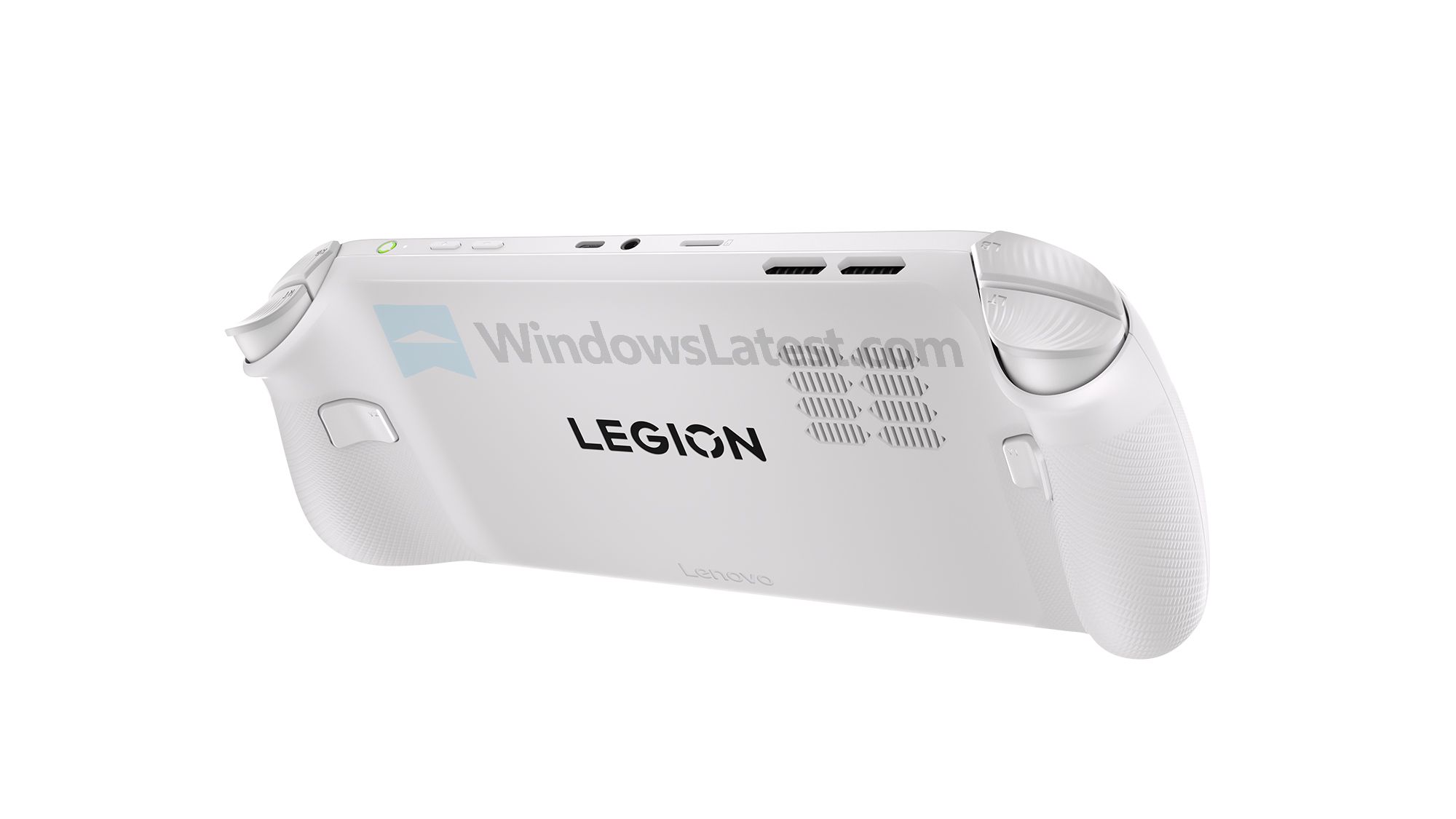
Last week, we exclusively revealed the Legion Go Beam through three high-quality renders, but we couldn’t tell if it ran Windows or SteamOS. As it turns out, the Beam looks to be running Android. There is a market for budget handhelds, and as the name “Beam” signifies the game streaming aspects, it could be what the doctor ordered.
Lenovo Legion Go Beam has a 7-inch 120Hz screen and plays native Android games
The material we obtained says you can “stream from your PC or console” and “play native Android titles.” The Android games run on the Beam itself. Stream a game from your PC, and your PC runs it while you use the Beam as the screen and controller.
The information we have at the moment points to Qualcomm’s Snapdragon G2 Gen 1, though that could change before launch given the chip’s age.
| Specification | Lenovo Legion Go Beam |
|---|---|
| Display | 7-inch, 120Hz |
| Ways to play | PC and console streaming, cloud gaming, native Android games, retro game compatibility |
| Wireless | Wi-Fi 6E |
| Battery | “Long-lasting battery life,” according to Lenovo |
| Software | Legion Space |
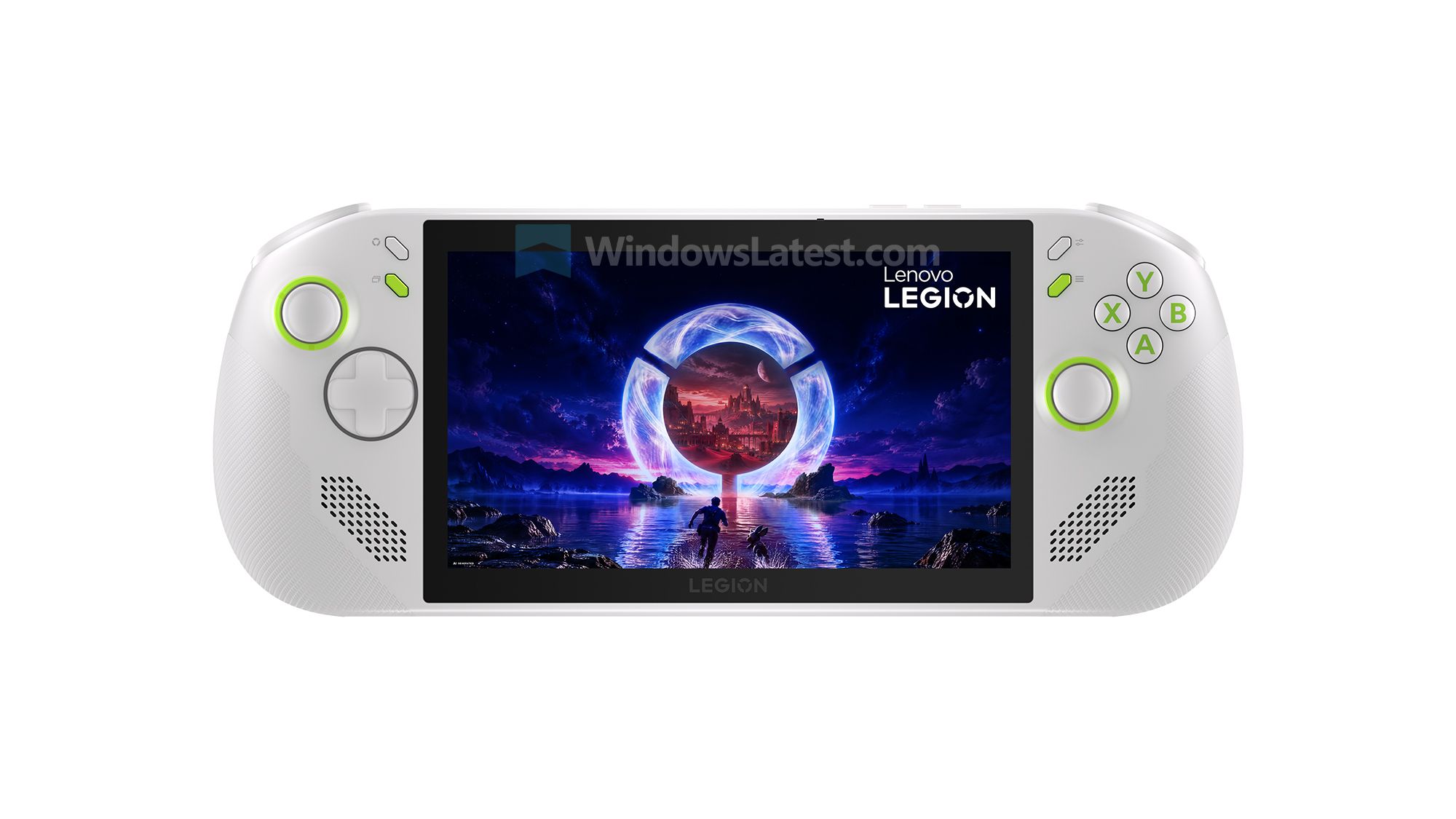
With Android on the helm, the hardware we spotted in the renders makes a lot more sense. On a Windows handheld, I’d have complained about the single USB-C port on the top edge, next to the 3.5mm headphone jack and microSD slot. But for a device that mostly streams games, this one port is fine.
The missing touchpad from the Legion Go S also stops being a concern now, since Android doesn’t need a mouse cursor like Windows.
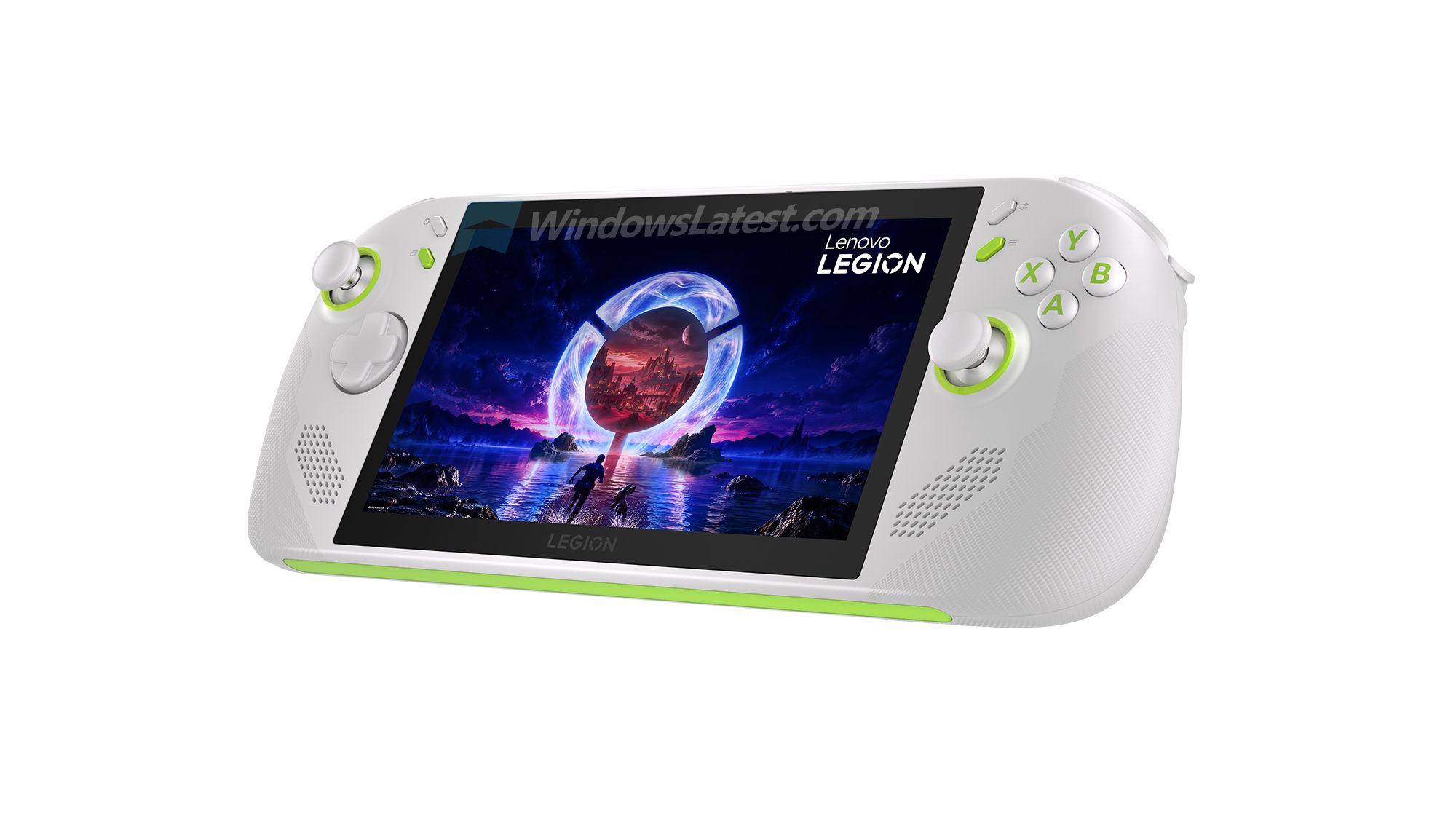
As we said in our original article, the controllers look to be built in, with green-ringed thumbsticks, a D-pad, ABXY buttons, four buttons beside the screen (one with the Legion logo), LB/LT and RB/RT on the shoulders, and Y1 and Y2 buttons at the back. Funnily enough, I was half expecting an Xbox cloud gaming handheld because of those green accents.
The Beam also has two vents on the top edge and a large grille on the back.
Legion Go Beam needs a low price to beat these Android and streaming handhelds
Besides, the Beam isn’t Lenovo’s first Android handheld. In August, it launched the Legion C700 in China with a 7.82-inch 120Hz screen, a 4nm Dimensity 7400, Wi-Fi 6E, Bluetooth 5.3, and Android 16 for 2,199 yuan (about $327).
| Handheld | Chip | Display | US price |
|---|---|---|---|
| Logitech G Cloud | Snapdragon 720G | 7-inch 1080p, 60Hz | $299.99 ($199.99 on sale) |
| abxylute One Pro | MediaTek Genio 510 | 7-inch 1080p, 60Hz | $249 |
| PlayStation Portal | Streaming only | 8-inch 1080p, 60Hz | $249.99 |
| Retroid Pocket G2 | Snapdragon G2 Gen 2 | 5.5-inch AMOLED | $199 at launch |
| AYN Odin 3 Portal | Dragonwing Q8 | 7-inch OLED, 120Hz | $399 launch promo |
| Lenovo Legion Tab Gen 5 | Snapdragon 8 Elite Gen 5 | 8.8-inch, 165Hz | $849.99 |
If you look at just the specs, the Beam’s 120Hz screen beats the 60Hz panels on the G Cloud, One Pro and Portal. The AYN Odin 3 Portal shows what a flagship chip and an OLED panel get you at 7 inches, though it costs a fair bit more.
I can’t help but wonder why Lenovo didn’t shrink the Legion Tab and attach controllers to the sides, as the tablet already has a far better chip. Then again, the Legion Tab Gen 5 costs $849.99, so cost is the obvious answer.
Also, SteamOS and Windows handhelds are on the rise, and Lenovo also put SteamOS on the Legion Go 2, so Android on the Beam only makes sense at the budget end.
A Legion-branded handheld for $250, or even $300, that plays lightweight Android games and streams games from my PC while I rest on the couch sounds appealing. But with RAM prices pushing up the cost of everything, I’m not keeping my hopes an inch above the ground. If the Beam gets anywhere near $400, the Odin 3 Portal and Lenovo’s C700 make it a hard sell.