


Microsoft has quietly retracted its own documentation that suggested 32GB RAM is the “no worries” upgrade for gaming, and 16GB RAM is the baseline. This support document was likely written using a large language model, and Windows Latest first spotted it before it was taken down. Microsoft also nuked a document that recommended Copilot+ PCs for gaming.
Microsoft has a “Learning Center” where it publishes guides and marketing articles to promote various Windows features, and these rank well in search results. It’s mostly used by Microsoft to push a narrative and also make it easier for users to make a choice when they search the web.
In the first week of April, Microsoft quietly published a support document titled “Gaming features: What the best Windows PC gaming systems have in common.”
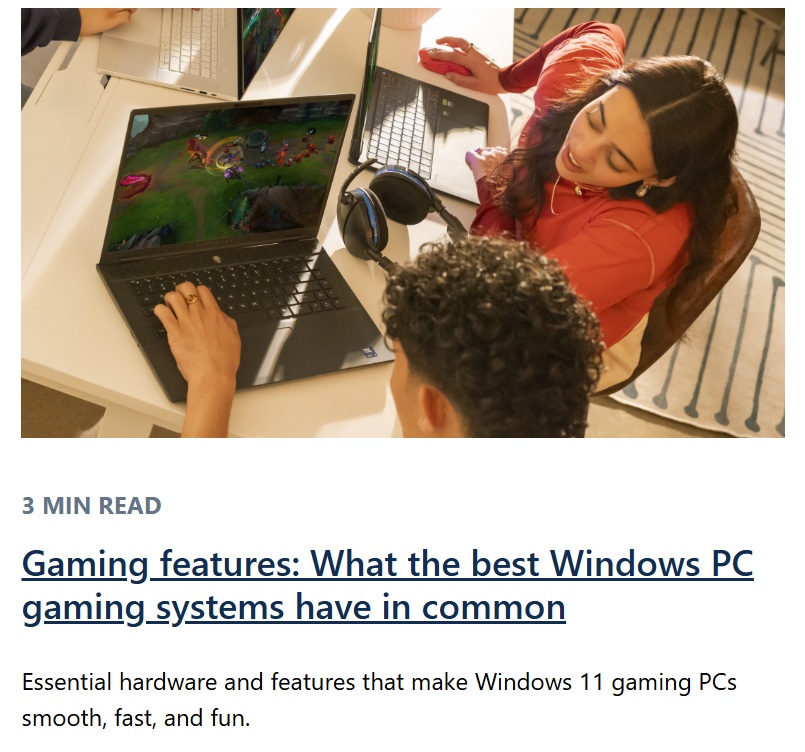
At first, the document might appear to be about Windows 11’s gaming features, but it goes a step further and builds a narrative around the memory requirement.
In the support document, Microsoft clearly notes that:
“For most players, 16GB RAM is a practical starting point. Moving to 32GB RAM helps if you run Discord, browsers, or streaming tools alongside your games. That extra memory also gives newer titles more breathing room as memory demands continue to rise.” – Microsoft.
“16GB RAM is the baseline; 32GB is the ‘no worries’ upgrade,” the company concluded in the support document, which was first spotted by Windows Latest.
This was later picked up by other outlets and the gaming community, and it didn’t go well with gamers.
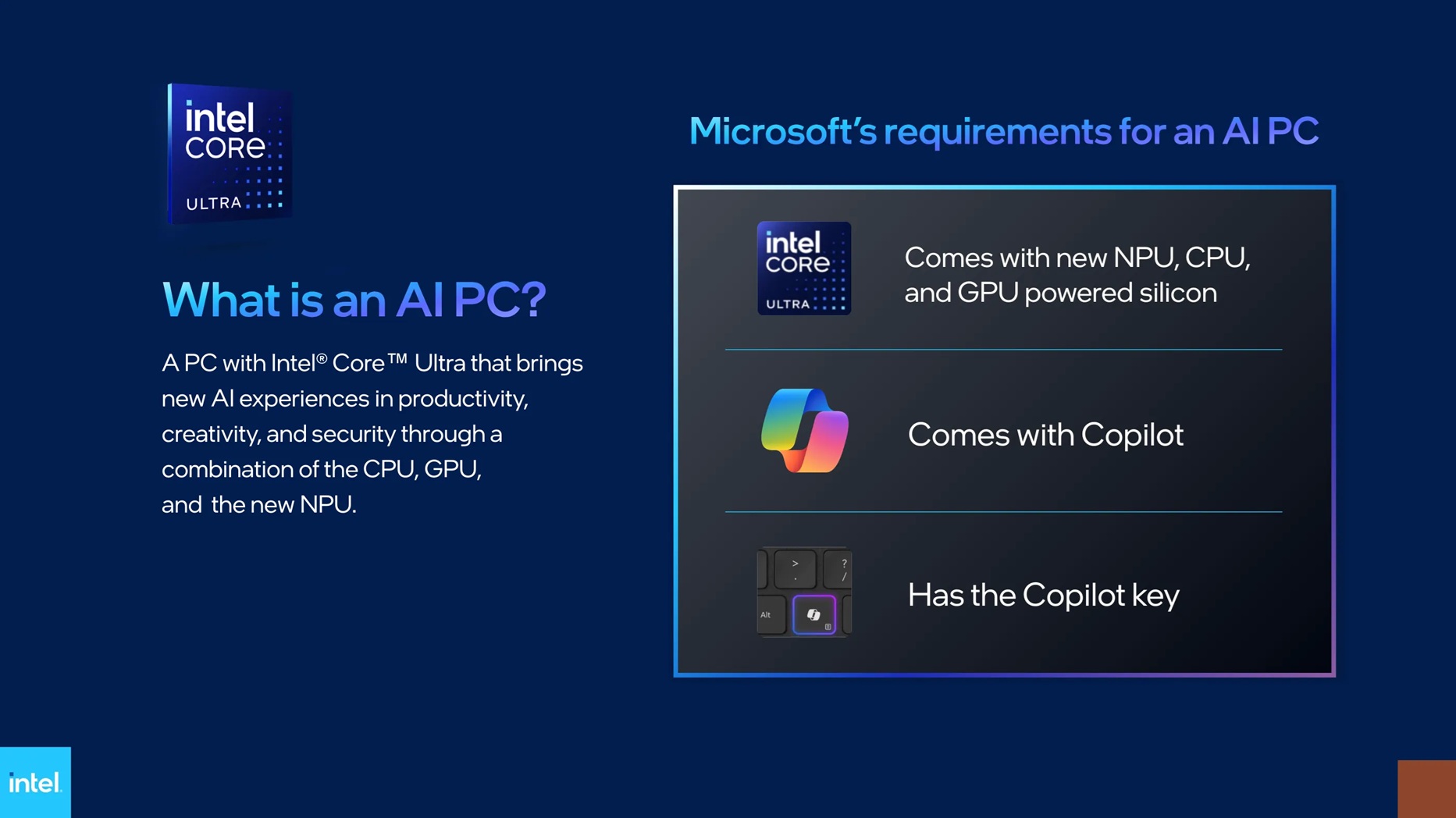
It also created confusion because Microsoft’s official Windows 11 system requirements still list 4GB RAM as the minimum. However, regular low-end PCs are mostly sold with 8GB of RAM. Recently, Microsoft has been mostly pushing Copilot+ PCs, which mandate 16GB of RAM for AI features.
That contradiction may explain what happened next. Over the weekend, Microsoft quietly removed the document, redirected the URL to the Learning Center’s homepage, and also blocked the Wayback Machine (Internet Archive) from surfacing the retracted document.
Microsoft won’t tell us what really happened there, but it’s obvious that the company does not want the document to spread further.
I’ve reached out to Microsoft for more details, but haven’t heard back at the time of writing this story. However, it’s important to note that this is not the first time Microsoft has tried to sell 32GB RAM as the new normal.
Microsoft also pulled the February doc that pitched Copilot+ PCs for gaming
In February, Windows Latest spotted a document on the Learning Center that advocated for 32GB RAM for serious gamers, and 16GB for most games.
“16 GB is plenty for most games,” the company said. “32 GB is ideal for serious players who run the most demanding titles or use heavy mods.”
“If you’d rather skip the part-matching headache, Copilot+ PCs come pre-configured with the latest CPUs, GPUs, and thermal designs tuned for gaming, so you can dive straight into the action,” Microsoft explained in a document.
Now, Microsoft has nuked the February document as well and removed all references to “Copilot+ PCs for gaming” from the Learning Center.
It’s actually a good move because Copilot+ PC branding doesn’t automatically imply a gaming PC. A gaming laptop can be a Copilot+ PC if it has the required NPU (AI chip), but most Copilot+ PCs are still not optimized for gaming. The flagship Copilot+ PC is a Snapdragon X2 Elite Extreme hardware, and it cannot run most games natively.
Microsoft linking Copilot+ PCs directly with gaming was misleading, especially for buyers who may assume every Copilot+ PC is built for serious gaming.
The cleanup goes beyond marketing pages, as not only Microsoft has removed the documents, but also committed to RAM management improvements
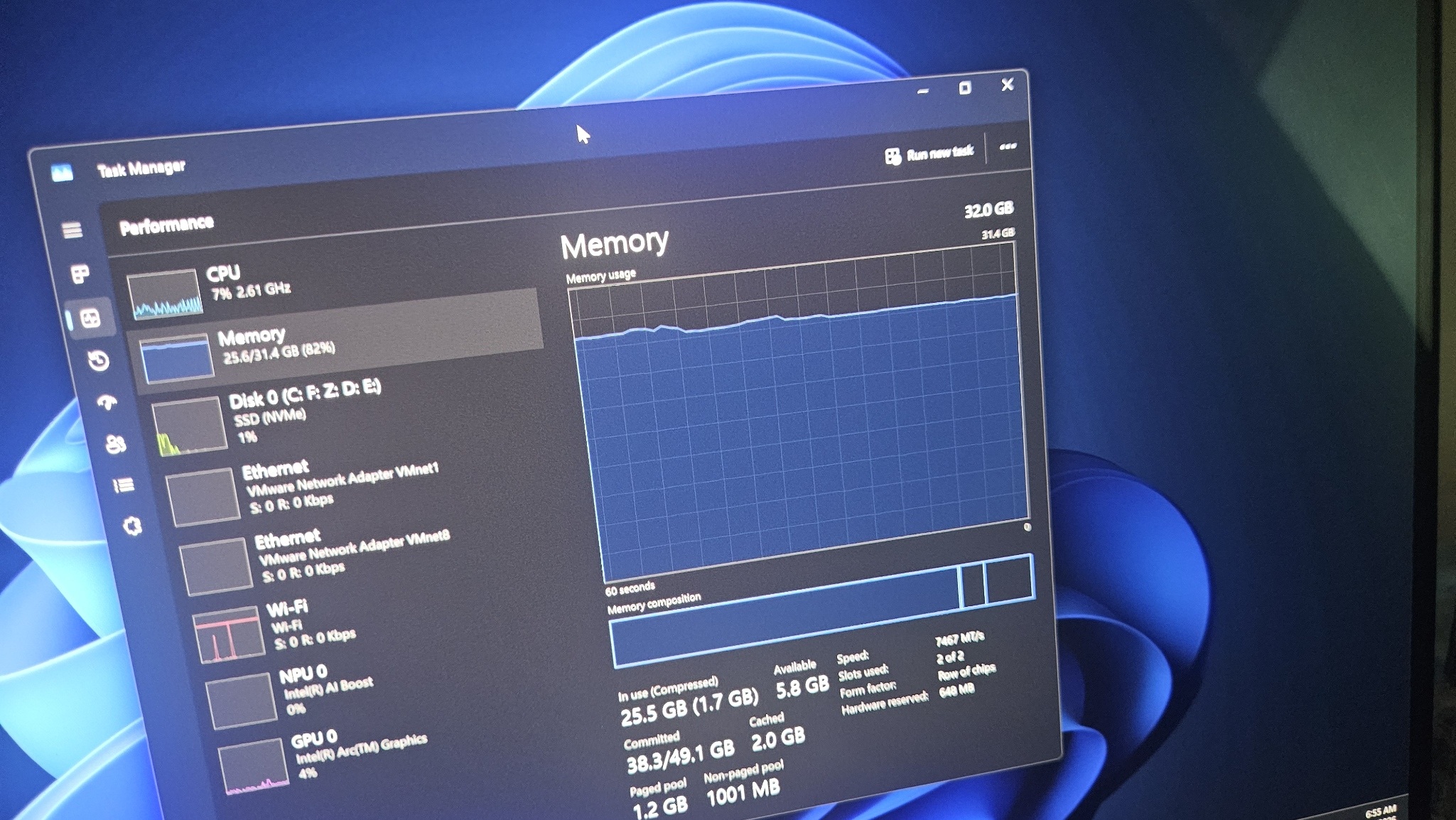
Microsoft has removed the documents and recently committed to RAM management improvements. Windows 11 has a memory problem, largely due to Electron-based apps and WebView2 dominating the app store.
Satya Nadella also confirmed that Microsoft is trying to optimize Windows for low-RAM devices and win back fans.
Microsoft is testing as many as 18 improvements, faster startup apps, taskbar, Start menu, File Explorer (explorer.exe) reliability fixes, and a bunch of other changes to help reduce Windows 11’s RAM appetite.