





At the Build 2026 developer conference, Microsoft encouraged developers to build more native apps for Windows 11. While Microsoft didn’t specifically warn against “web apps,” it was one of the rare developer conferences where the company pushed WinUI, a native framework, over other options like Electron or React Native (web apps).
Windows, which was once the flagship product, has been on the back burner for the past few years, but that appears to be changing in 2026. Microsoft has promised it’ll rebuild Windows 11 to improve quality, performance, and reliability, and part of the plan is to focus more on native apps.
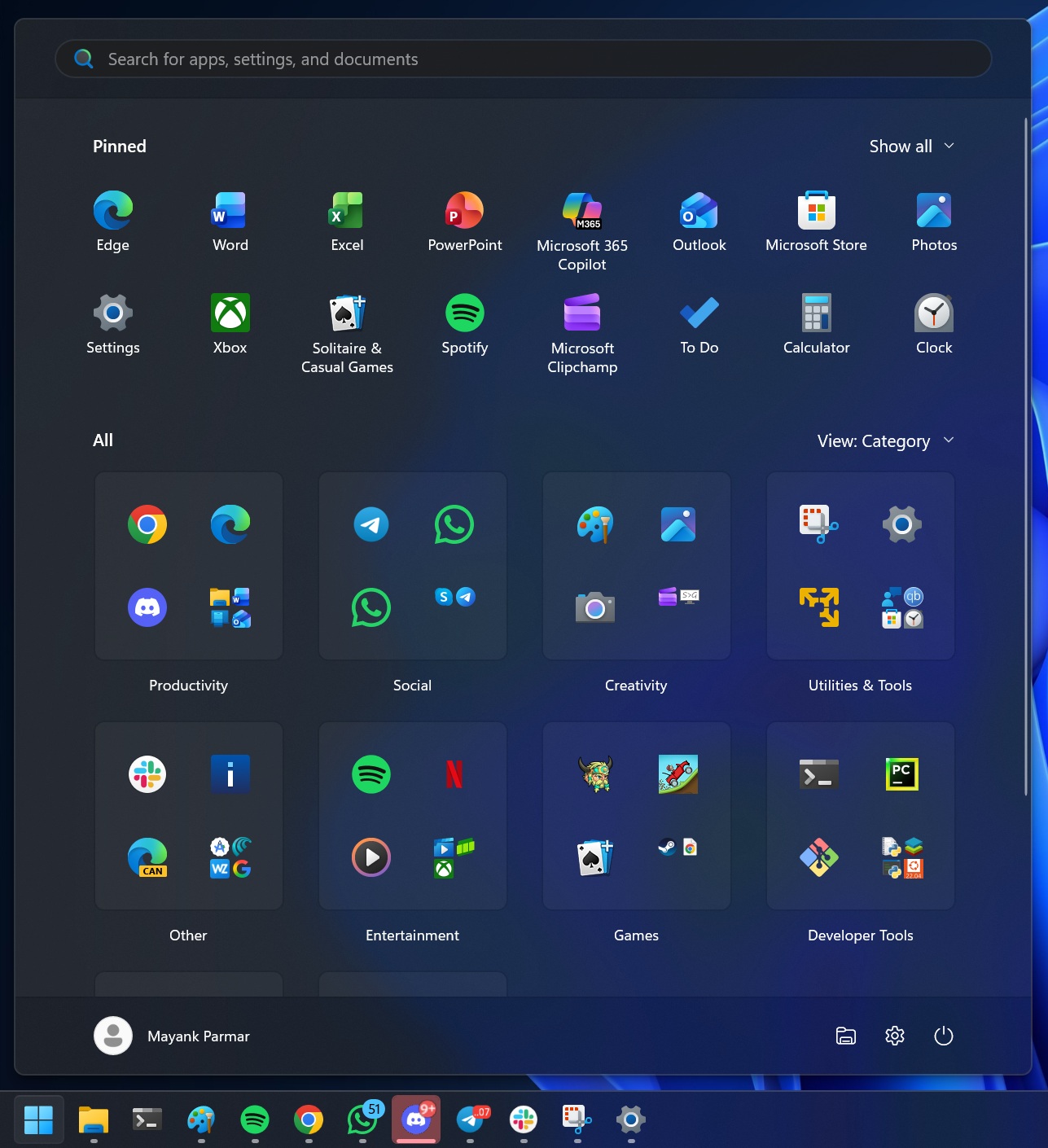
Microsoft has formed a new team to build native apps for Windows 11. It’s also rewriting the Start menu, which was originally written in React Native (specifically the Recommended feed and All Apps list).
Now, at Build 2026, Microsoft announced it’s fully committed to WinUI and has no plans to build another framework.
How Microsoft plans to push WinUI as the native UI framework
Microsoft said it’s going to focus on the fundamentals initially, which means it plans to make WinUI more stable, reduce memory usage, and create new development tools.
It’s also dropping the WinUI 3 branding and referring to it as simply “WinUI.” This might sound meaningless at first, but it’s actually a significant move because the company does not want developers to think another new framework is coming.
According to Microsoft, one of the most asked questions it gets from developers is how serious the company is about WinUI 3. Are you going to stick with this framework? WinUI 3 is four years old. Are you going to keep going, or is this the year that you’re going to announce a brand-new framework yet again?
To this, Chris Anderson, who works on Windows UI and AI, responded that Microsoft has “no intention of building a new framework.”
“In fact, we’re dropping the number, and we’re referring to WinUI as just WinUI because we have no intention of really making a massive shift, breaking change on it,” he said in a session spotted by Windows Latest.
Microsoft says it’ll get the basics right for WinUI
Speaking at Build 2026, Chris Anderson confirmed that WinUI is the “production platform for Windows apps,” and the company is fully committed to the framework.
Chris explained that Microsoft is aware of the “gaps” in the WinUI framework and is trying to bring it on par with other frameworks.
For example, if you try to resize WinUI apps, you’d notice tearing (black borders). Windows Latest observed this behavior with all WinUI apps, and I’ve captured it in the video below.
Microsoft says it’ll address tearing and other problems affecting WinUI as part of getting the “fundamentals” right.
“The first and foremost is performance, fundamentals, quality, fixing a lot of bugs,” says Anderson, who is the VP of software engineering at Microsoft. “We’ve invested heavily in really improving memory usage as well as switching over to a system compositor.”
There are a number of new features coming to WinUI, but Microsoft specifically mentioned that it’s working on DataGrid and Charting support, which could encourage enterprises to build apps using WinUI.
It might not sound like a huge deal, but it’s actually one of the first times Microsoft is trying to optimize WinUI for enterprise needs. Microsoft truly cares about its enterprise customers, and if it wants to push enterprise developers toward WinUI, it confirms the company is fully committed to WinUI.
“We have DataGrid and Charting that are up and coming that should be out relatively shortly,” he said.
These two are basic interface controls for enterprise developers, as data grids and charts are used in finance apps, HR dashboards, admin tools, billing software, and more.
Microsoft wants developers to use WinUI for modern apps, including AI workflows
Part of that plan also includes building WinUI for the agentic era. That means the WinUI framework is being optimized for AI workflows, so developers choose it over other frameworks.
“Developers want faster iteration, clearer control flow, and tools that work well with AI-assisted coding,” Microsoft said. “WinUI remains the production platform for Windows apps while adapting to these needs.”
In another session at Build 2026, Microsoft suggested using agent-based development workflows to build modern Windows apps. Again, some of you might argue that the company is heavily investing in AI, but it’s not about adding AI to your apps. This is specifically about using AI to help developers build more modern Windows apps.
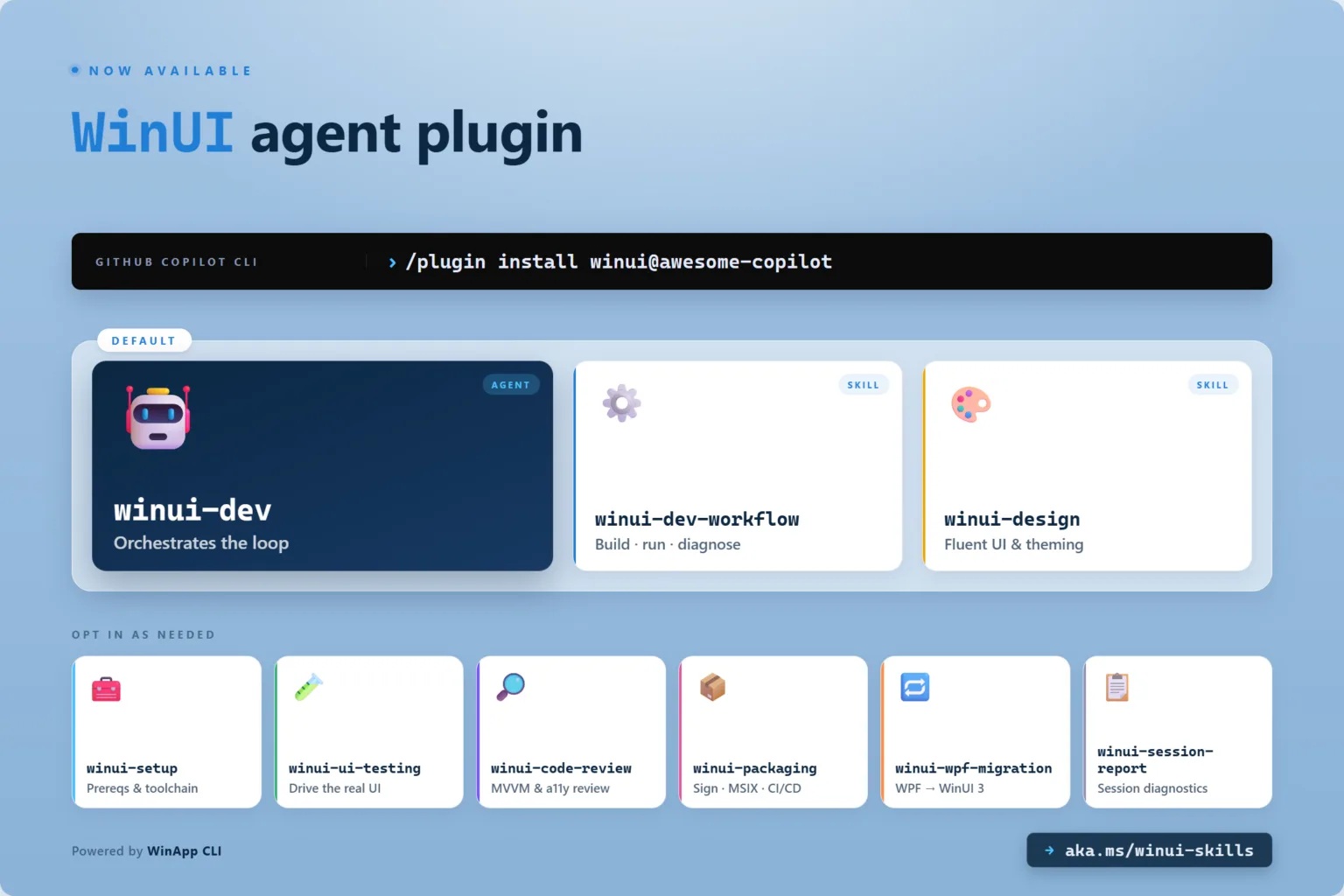
AI has been around for years now, and it was also the talk of the town at Build 2025, but we didn’t have a single session where Microsoft encouraged developers to build modern apps written in WinUI with or without AI agents.
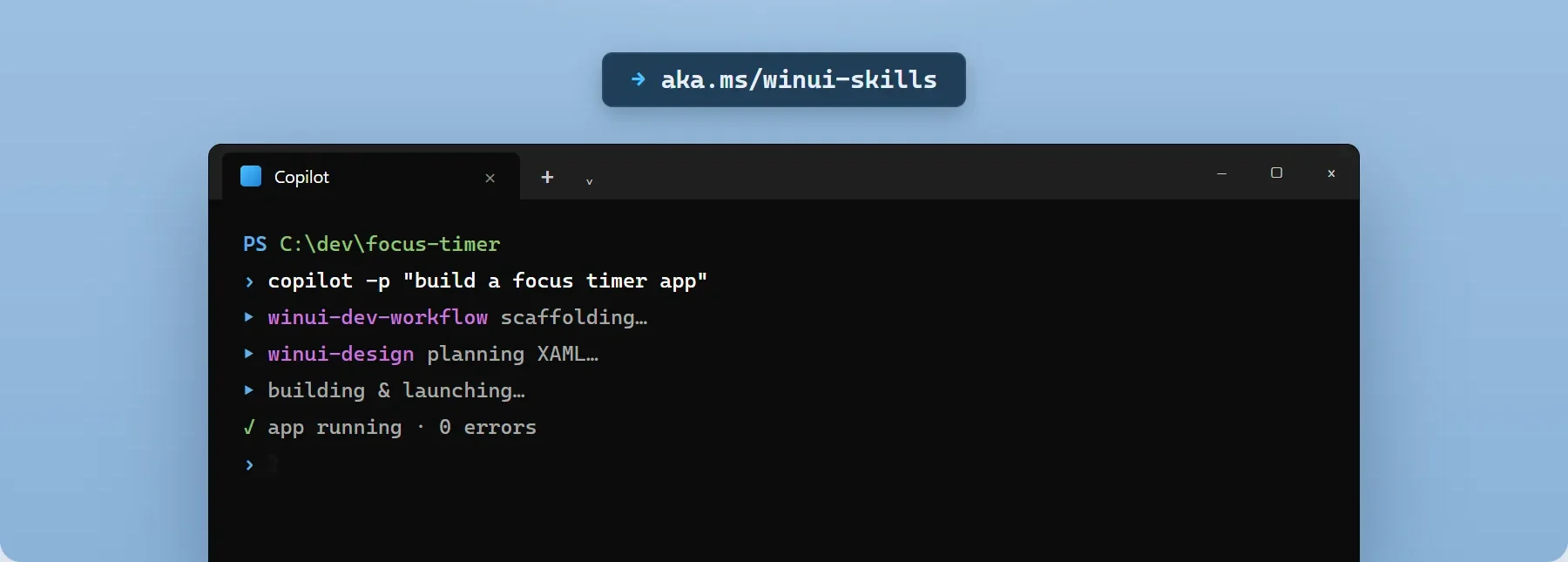
Microsoft is working on “new platform capabilities” to allow agents to help developers plan, build, and optimize their modern WinUI apps.
“Developers can leverage these capabilities to create new WinUI 3 apps, improve existing applications, or migrate legacy apps to a modern Windows UI stack using intelligent automation across the development lifecycle,” Microsoft said.
Microsoft is not against other frameworks, but it wants “WinUI” to be seen as the native framework
It is worth noting that Microsoft isn’t declaring a war against other frameworks. That would never happen because Windows is an open platform for developers. In fact, the company cited React alongside SwiftUI and Compose as examples of modern dynamic UI patterns that it intends to bring to WinUI.
However, the company wants to make WinUI more appealing to developers. The company is trying to make the UI feel modern, AI-friendly, open-source, and less risky for developers.
“The big next phase for us is Phase 4. And really, that is where we move the team from using internal source repos to working primarily and almost exclusively in the public repos,” Microsoft said at Build 2026.
Microsoft is also not asking developers to rewrite old Windows apps overnight. Anderson said the company wants WinForms interop with WinUI to become “bulletproof,” and it also wants WPF migration to be good enough that developers can mix WPF and WinUI without problems.
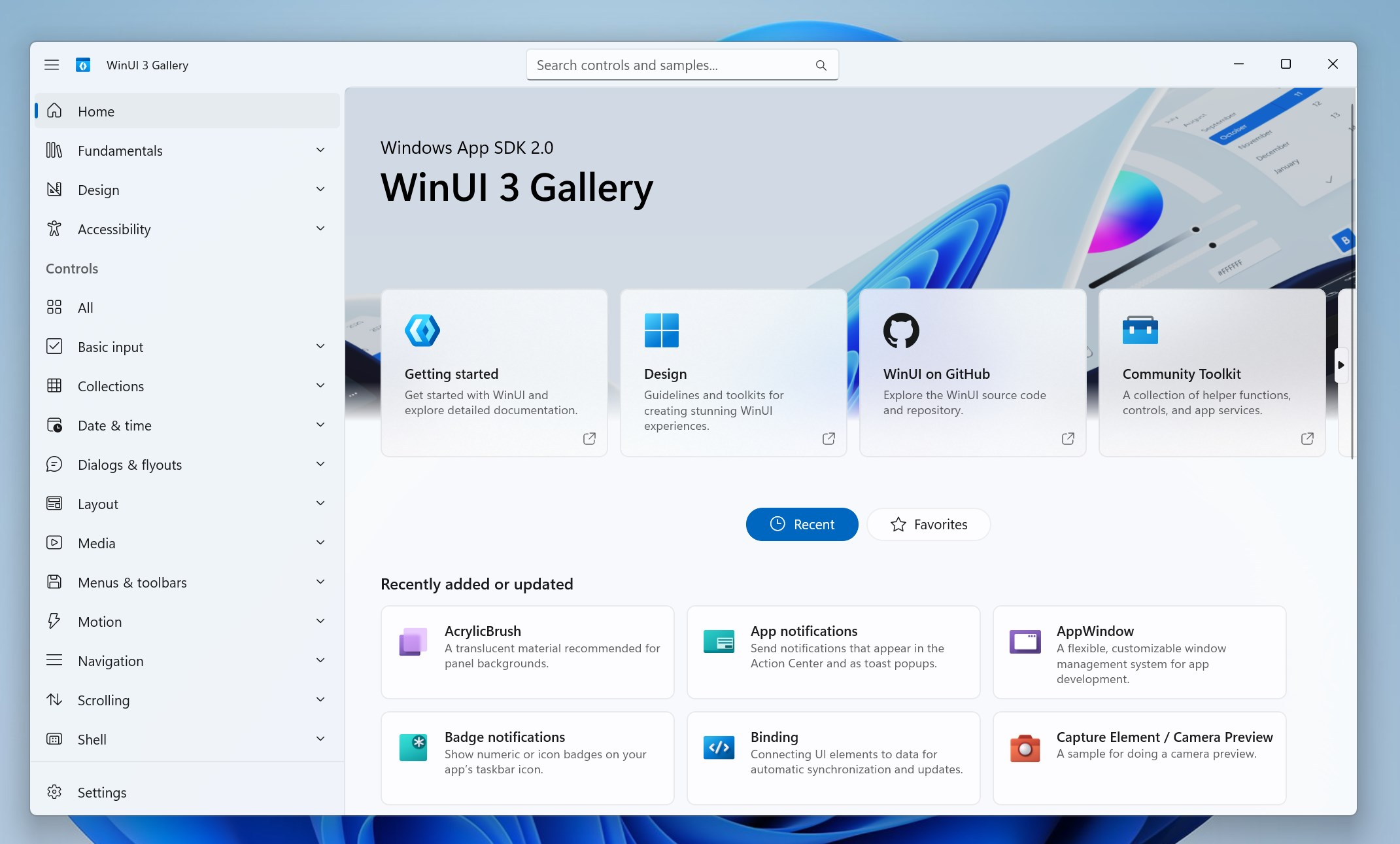
Windows has always been a developer-friendly operating system. This means it allows developers to use any framework and API to build apps for Windows, including Python, Tauri, React, WinUI, WinForms, Win32, and the list goes on. That also means Windows no longer has a consistent design language because it tries to cater to everyone.
This year’s Build conference gives me hope that Windows is “back” at Microsoft
Microsoft holds the annual Build conference to talk about Windows, Azure, GitHub, and its other products. The first //build/ conference was held in 2011. Over the past few years, Build has become less about Windows and more about Azure, GitHub, or even Linux.

Microsoft also largely moved away from talking about a native framework for Windows and focused more on bringing apps from other platforms to Windows.
This Build, Microsoft discussed Windows and native apps more than it has at the last several years’ conferences, and the company promised it would also rewrite the Windows shell in WinUI to create a consistent experience.
This is an exciting year for Windows, but how do you want Microsoft to improve the OS? Let me know in the comments below, and I’ll forward all feedback to the relevant teams!