


Microsoft posted its Fiscal Year 2026 Fourth Quarter earnings on July 29, and revenue hit $90 billion for the quarter, up 18%, and Microsoft Cloud crossed $214 billion for the full year. Of course, all this means nothing unless you’re an investor.
But buried in Satya Nadella’s prepared remarks, though, was one sentence worth of good news about Windows 11 that will shape how the OS looks and feels for us.
Windows didn’t get much airtime on the call, which isn’t unusual. The segment that houses it, Personal Computing, declined 4% for the quarter, with Windows OEM revenue down 7%. But right before moving on to search and LinkedIn, Nadella said this about Windows:
“In Windows, we are investing to ensure that it has the best quality and fundamentals”
Windows 11 had a rough 2025, and Redmond knows it. Back in March, the company promised to fix Windows 11’s fundamentals after a year of broken updates, and a lot of that promise has shown up in Insider builds and stable updates since.
However, Nadella, being a man of numbers and systems, mentioning investing in quality and fundamentals in Windows on the day investors are grading the company, just tells us that the software giant has a lot in store for making Windows 11 better.
What “best quality and fundamentals” means for Windows 11
This isn’t the first time Nadella has said something like this. During the Q3 2026 earnings call in April, he admitted Microsoft needs to “win back” Windows fans, specifically calling out performance work for low RAM PCs, a streamlined Windows Update experience, and a return to “core features and fundamentals that matter most to our customers.”
Four months later, the language has narrowed to just two words, quality and fundamentals, but the stakes are higher, especially with the company admitting later in the earnings call that Windows OEM revenue will decline in the high teens for the coming fiscal year.
Some of what “fundamentals” covers is already visible. Microsoft has been rebuilding legacy Windows 11 UI in WinUI, with the File Explorer Properties dialog getting a recent update, and confirmed plans to bring more of the OS onto the framework.
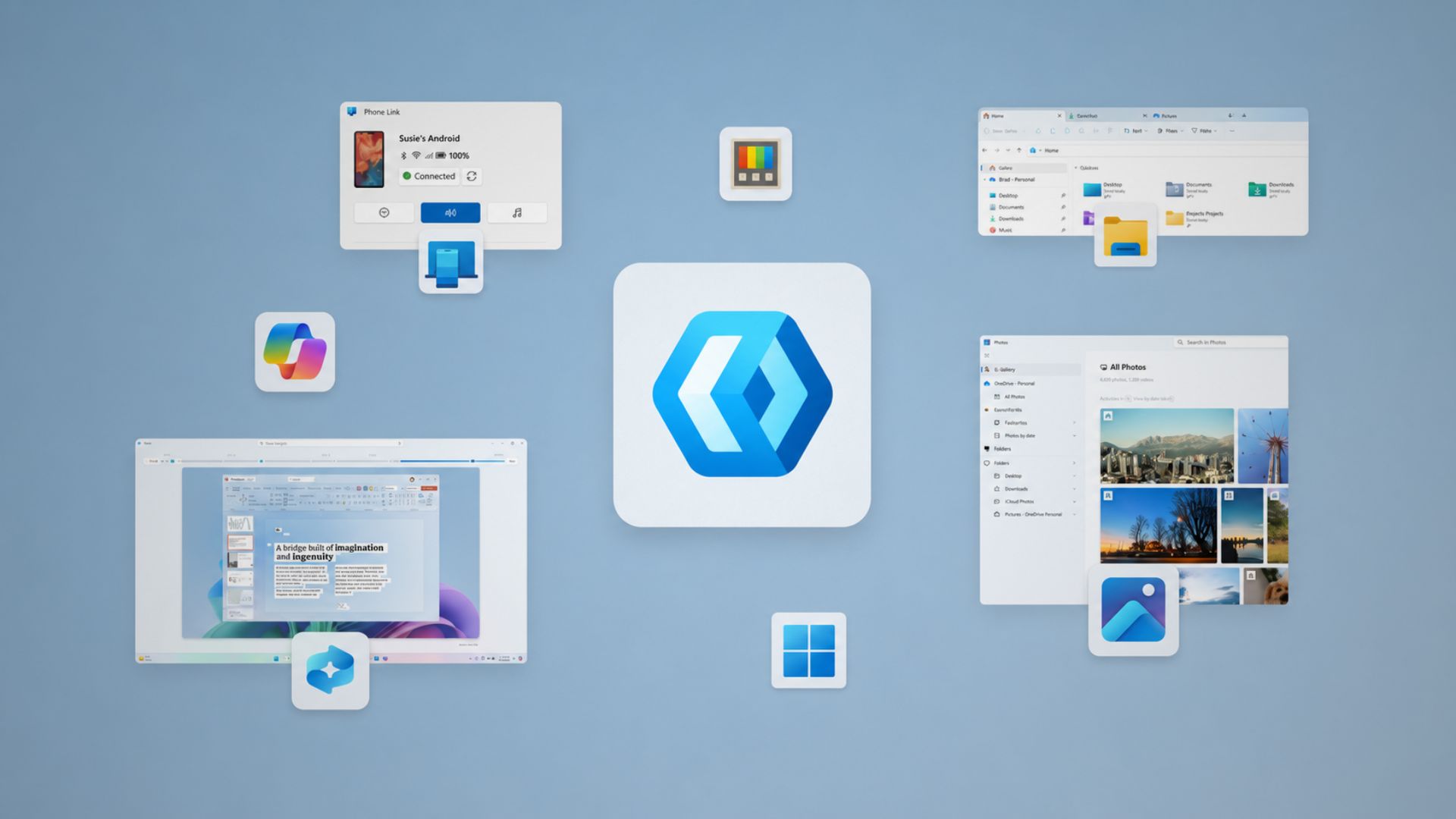
But WinUI itself still has RAM and performance problems Microsoft is working through before the bigger pieces, like the Start menu, can move onto it. Nadella calling out fundamentals suggests that work isn’t slowing down anytime soon.
Nadella has spent a decade quietly pulling Windows out of the spotlight
We’re now used to Windows getting a single sentence on an earnings call, despite knowing that it’s the OS that made the company into a household name, or rather a workplace standard. It’s basically been Nadella’s approach to Windows since he became CEO in February 2014.
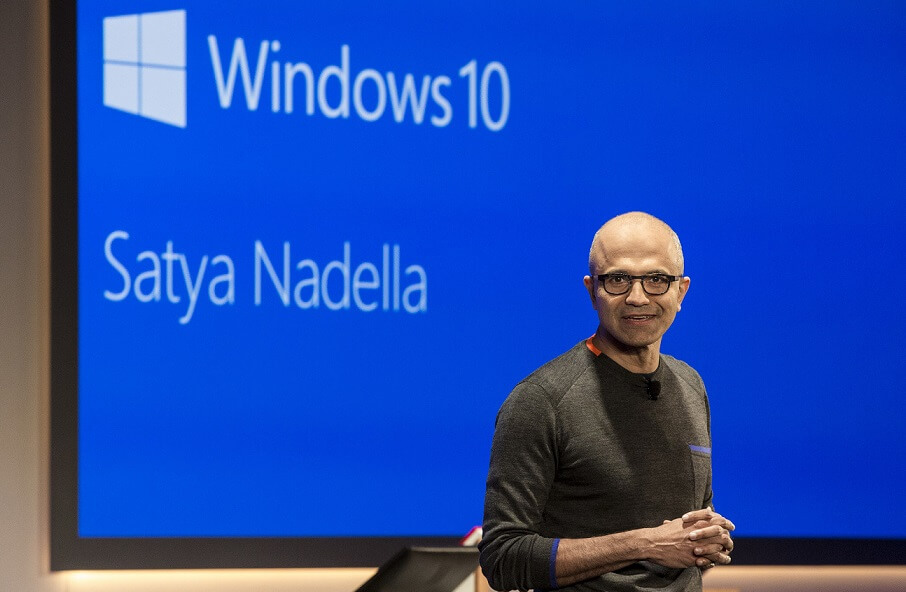
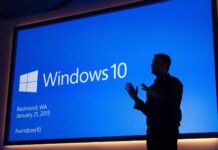
Nadella’s very first strategic pitch as CEO was “mobile-first, cloud-first,” a phrase that, deliberately or not, didn’t include Windows at all. In his book Hit Refresh, he wrote about realizing the world had moved on from Windows and about restructuring Microsoft’s engineering teams around cloud and AI instead of the OS. Windows 10 shipped as a free upgrade in 2015, less a product launch than a way to unify Microsoft’s install base and push it toward subscriptions and cloud services.
Microsoft’s commercial cloud revenue was under $3 billion when Nadella took over in 2014. Azure grew 43% this quarter and crossed $100 billion annually, while the Windows-containing segment shrank. Windows still runs on more than a billion devices, but it’s Azure, Microsoft 365, and Copilot doing the heavy lifting on Microsoft’s income statement now, not the OS.
Can we trust Microsoft to fix Windows 11?
A lot of readers, understandably, don’t take Microsoft’s word for it anymore. But this year has had a real stream of quality and fundamentals updates for Windows 11, and there are still five months left in the calendar year to add more.
Two things that I would like to point out:
- Microsoft has already proven it’s capable of fixing Windows 11 this year, the same way it proved in 2025 that it’s capable of running the OS into the ground.
- And as Pavan Davuluri and the entire team dedicated to fixing Windows have convinced us regular users that fixes are coming to the OS, the CEO is telling investors that more investment is coming to Windows 11.
Based on the track record and the money attached to it, there’s more reason to believe this than there was a year ago.
Some of the fundamentals Windows 11 already picked up in 2026:
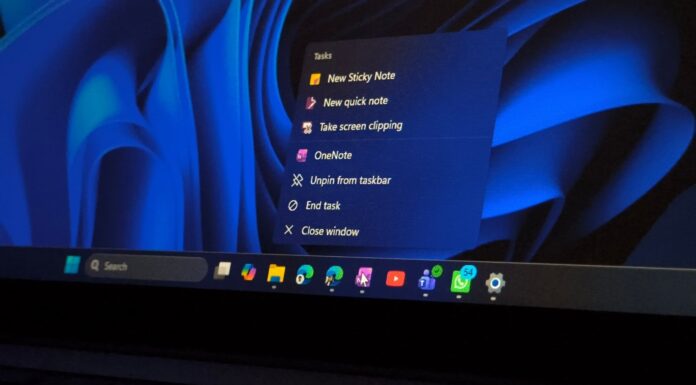
- Movable taskbar, restoring top, left, and right positioning that Windows 11 removed at launch, currently testing in Insider builds
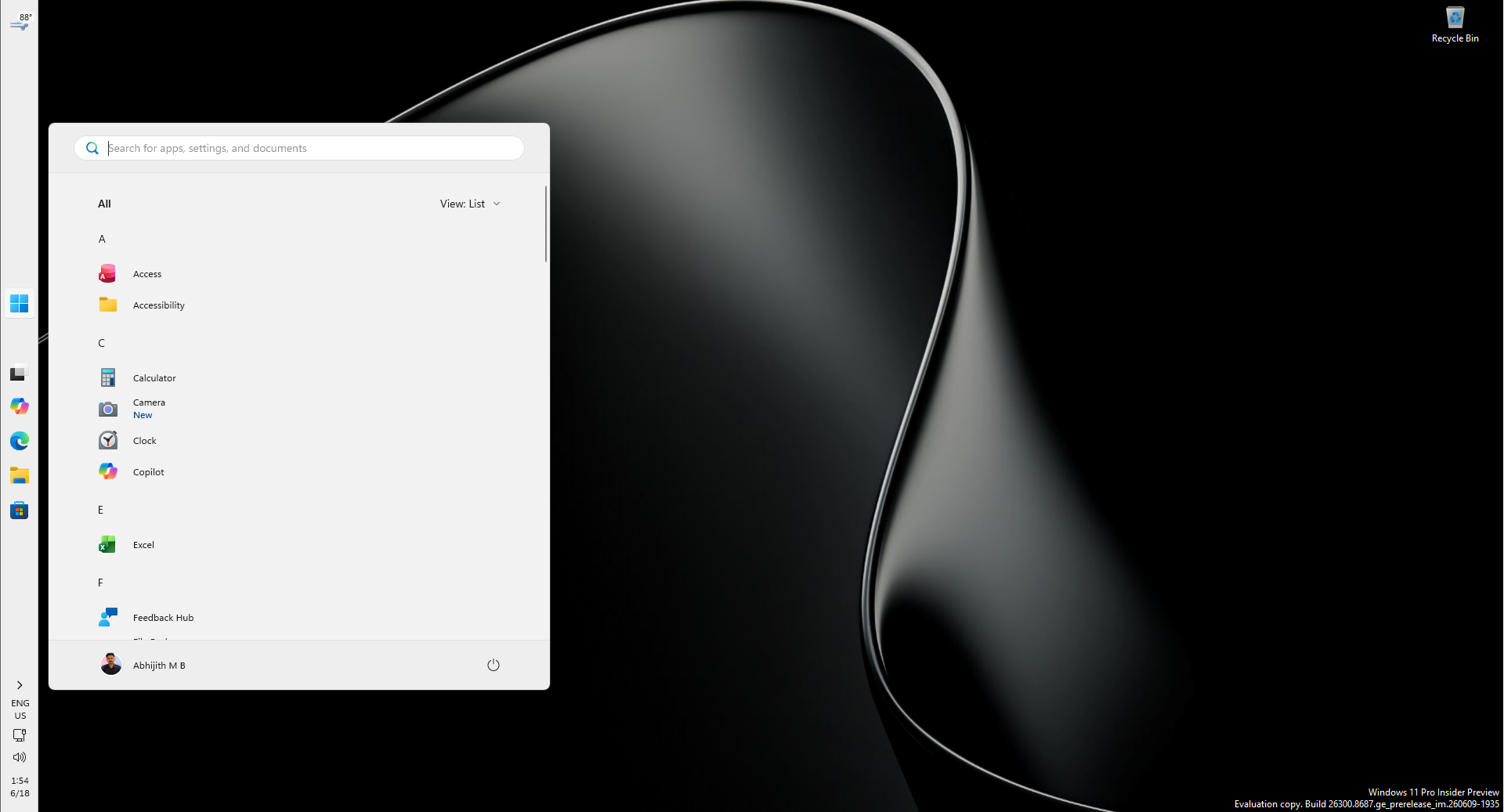
- Lower baseline RAM usage across the OS, an idle memory problem Microsoft tried and abandoned once before, back in the “20/20 project” era, before restarting the effort this year
- Memory leaks, slow startup, and File Explorer white flash bugs fixed in one of the year’s biggest under-the-hood updates
- Faster File Explorer deletion for large, fragmented files, plus a quicker Home tab
- Readable file sizes in Details view, replacing the old KB-only display with proper MB and GB units
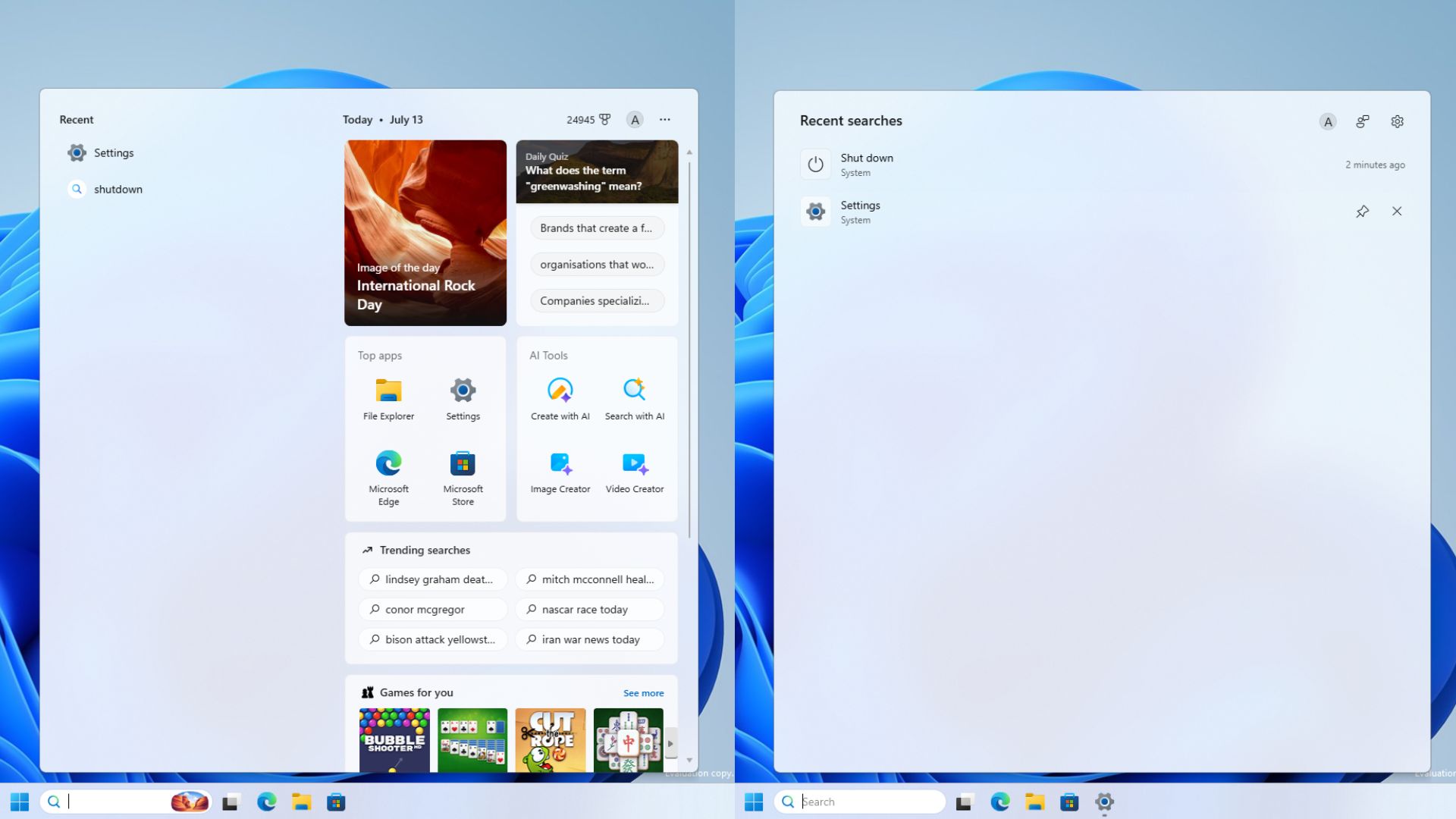
- Decluttered Windows Search, dropping MSN tiles, trivia, and ads in favor of faster, more relevant local results
- Copilot pulled out of apps where it didn’t belong, including a full removal from Snipping Tool and a rebrand to “Writing Tools” in Notepad
- A modernized Properties dialog, rebuilt in WinUI with dark mode, replacing a design that dated back to Windows 95
There’s a lot more than what fits here. Windows Latest broke down all 18 confirmed fixes coming to Windows 11 in 2026 back in April, covering everything from WSL performance to Windows Hello reliability, and it’s worth a full read.
When regular users will see these changes
Most of what’s listed above is still limited to Windows Insiders or has only recently reached stable PCs through optional updates. Microsoft’s pattern has been to test fundamental changes in the Experimental channel for a few weeks before folding them into a monthly Patch Tuesday or optional update.
But, as Nadella mentioned more investment, we’ll continue seeing more improvements throughout the year and well into next year as well.
Investors don’t get promises about UI polish for free; they get them because Microsoft thinks fixing Windows 11 now affects the business later, especially with Windows positioned as the front door for “secure edge AI” that Nadella mentioned in the same breath.