







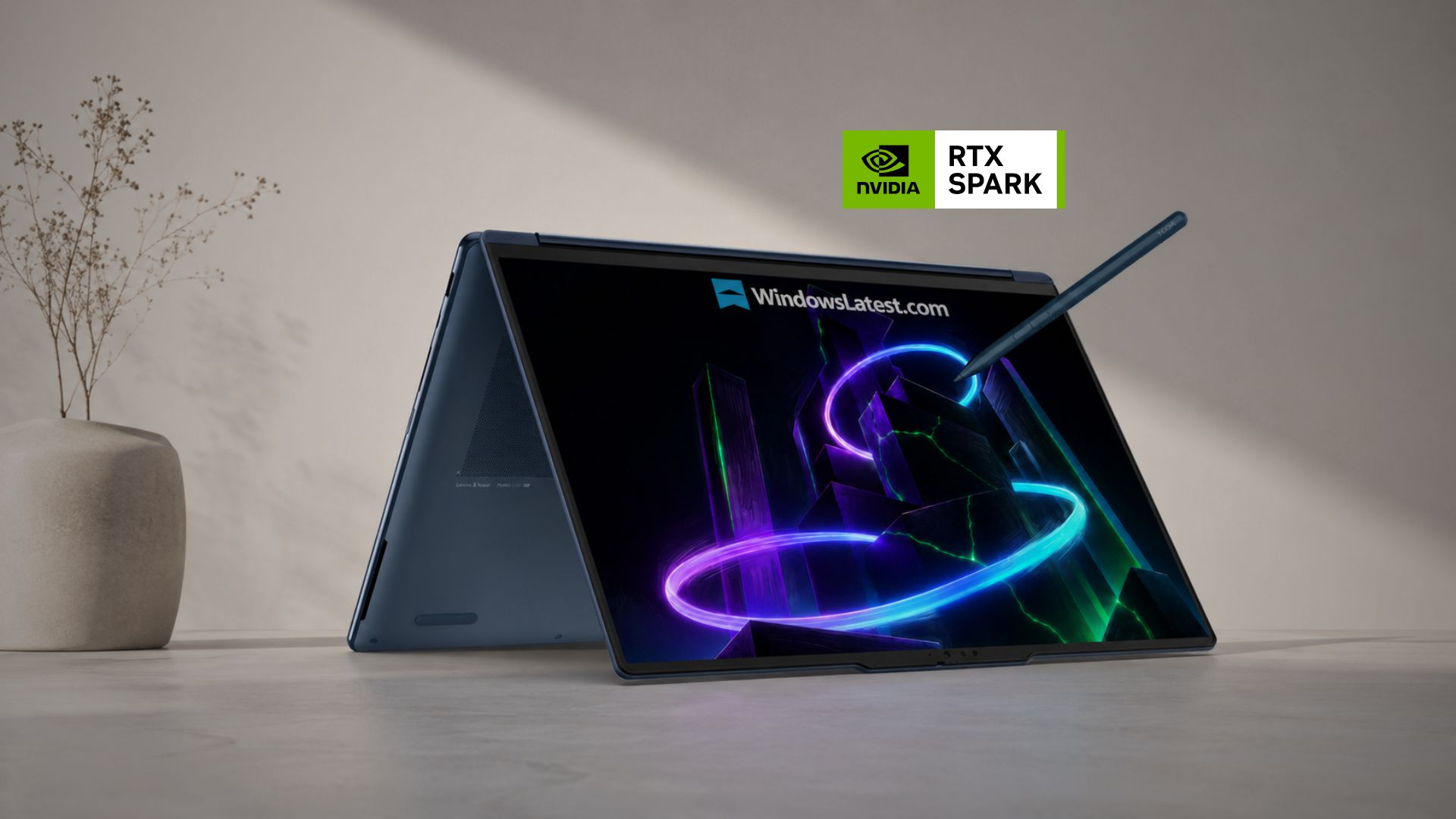
The NVIDIA RTX Spark took the industry by storm when Jensen Huang unveiled the N1X platform at Computex 2026. Billed as a “superchip” that merges a 20-core ARM CPU with a Blackwell GPU, we’ve already heard plenty about its raw compute prowess and how it’s designed to run local AI agents. But while everyone expects this silicon to power mobile workstations, Lenovo is doing something different.
Windows Latest brings you exclusive high-resolution images of the Lenovo Yoga 9n 2-in-1, confirming that Lenovo is bringing the massive power of the RTX Spark into a flexible, convertible form factor.
There’s also the Yoga Pro 9n, which we revealed exclusively a month and a half ago. This shows Lenovo’s strategy to attack the premium Windows on Arm market with both a traditional MacBook Pro competitor and a versatile 2-in-1.
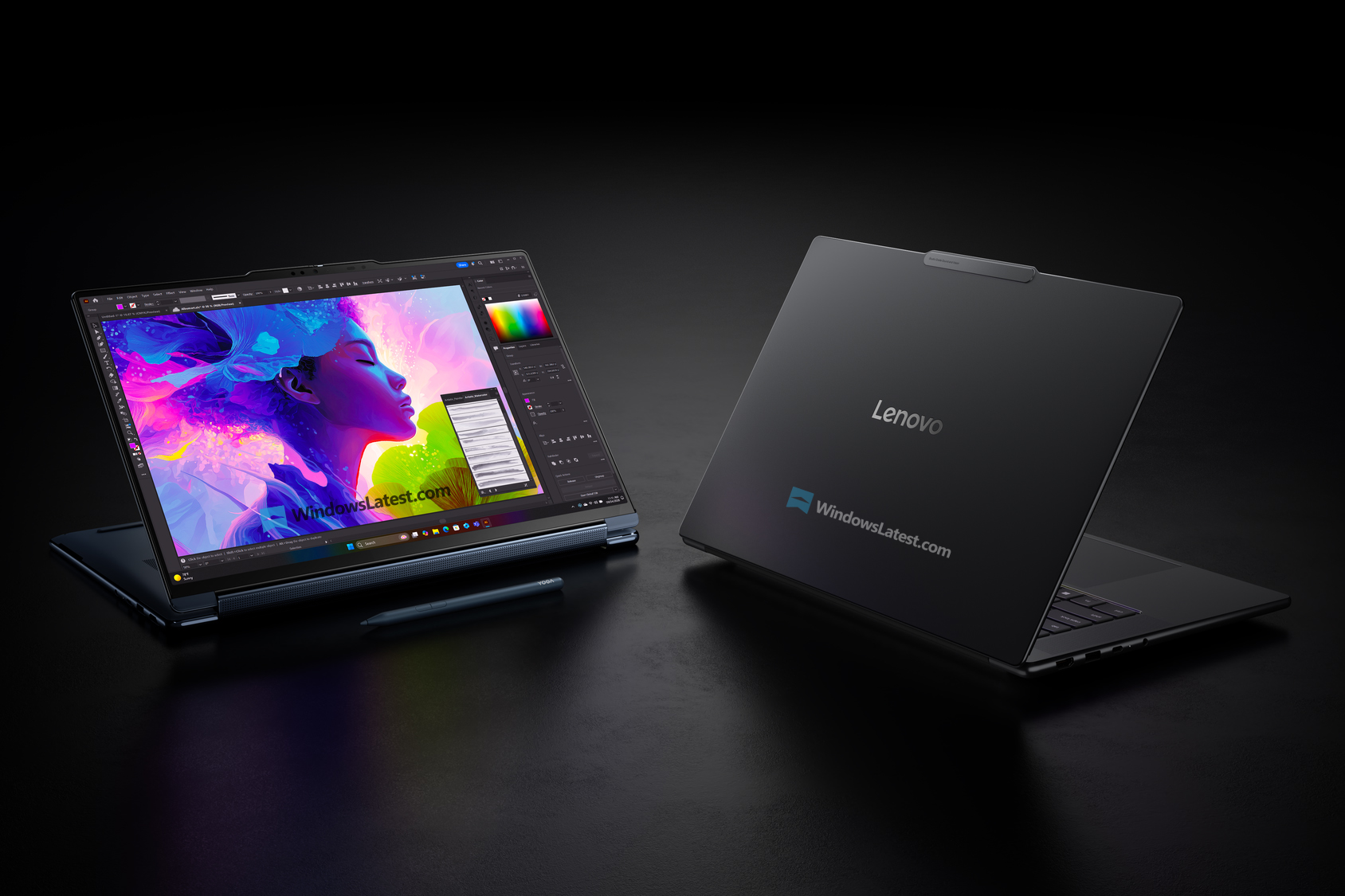
First look at the Yoga 9n 2-in-1 with RTX Spark
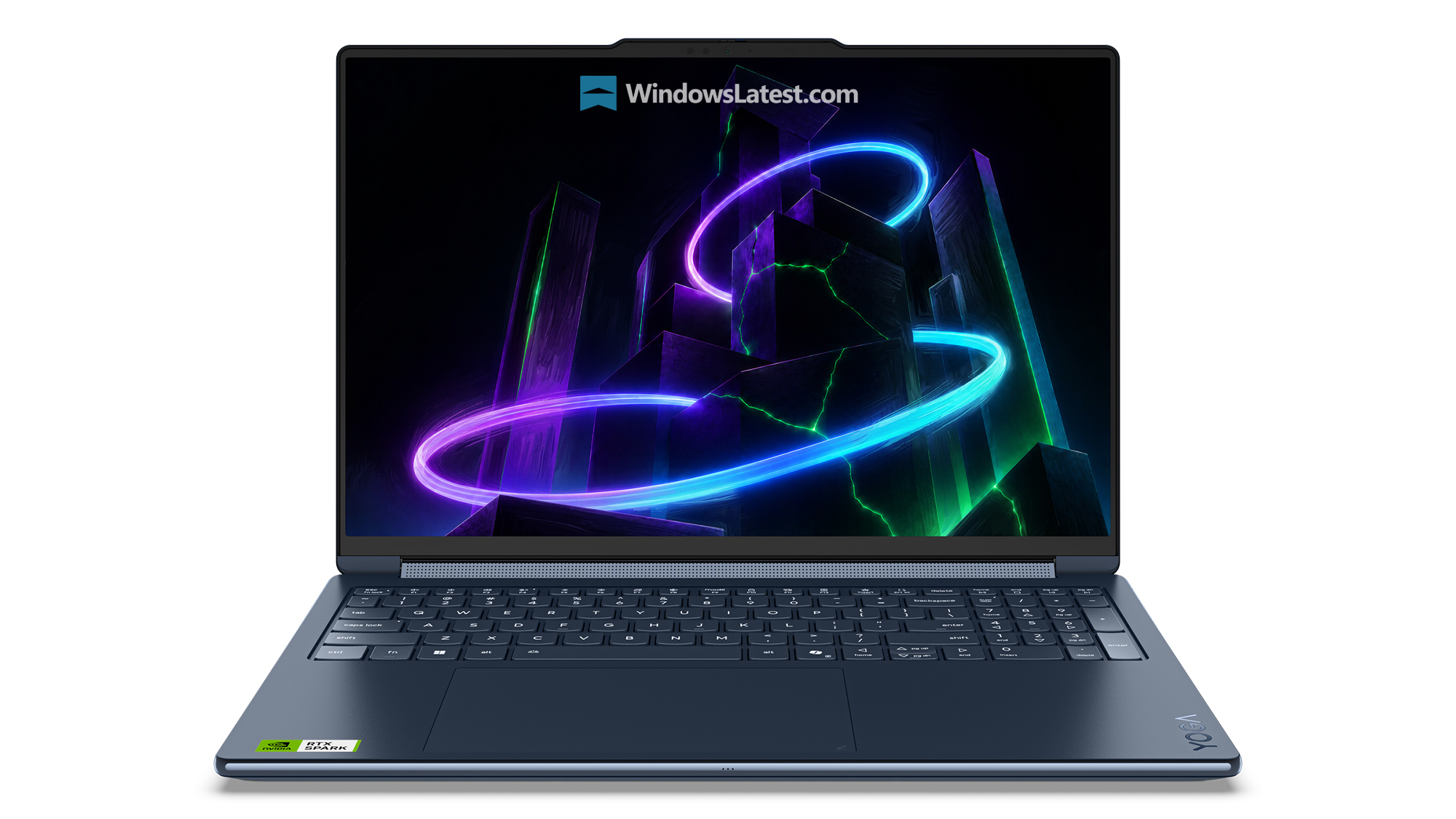
The images reveal a device that borrows heavily from the design language of the Intel-powered Yoga 9i 2-in-1 Aura Edition, but the fact that it houses an RTX Spark superchip is all that matters. Imagine having the graphical equivalent of a desktop RTX 5070 running inside a chassis you can fold flat and use as a tablet.
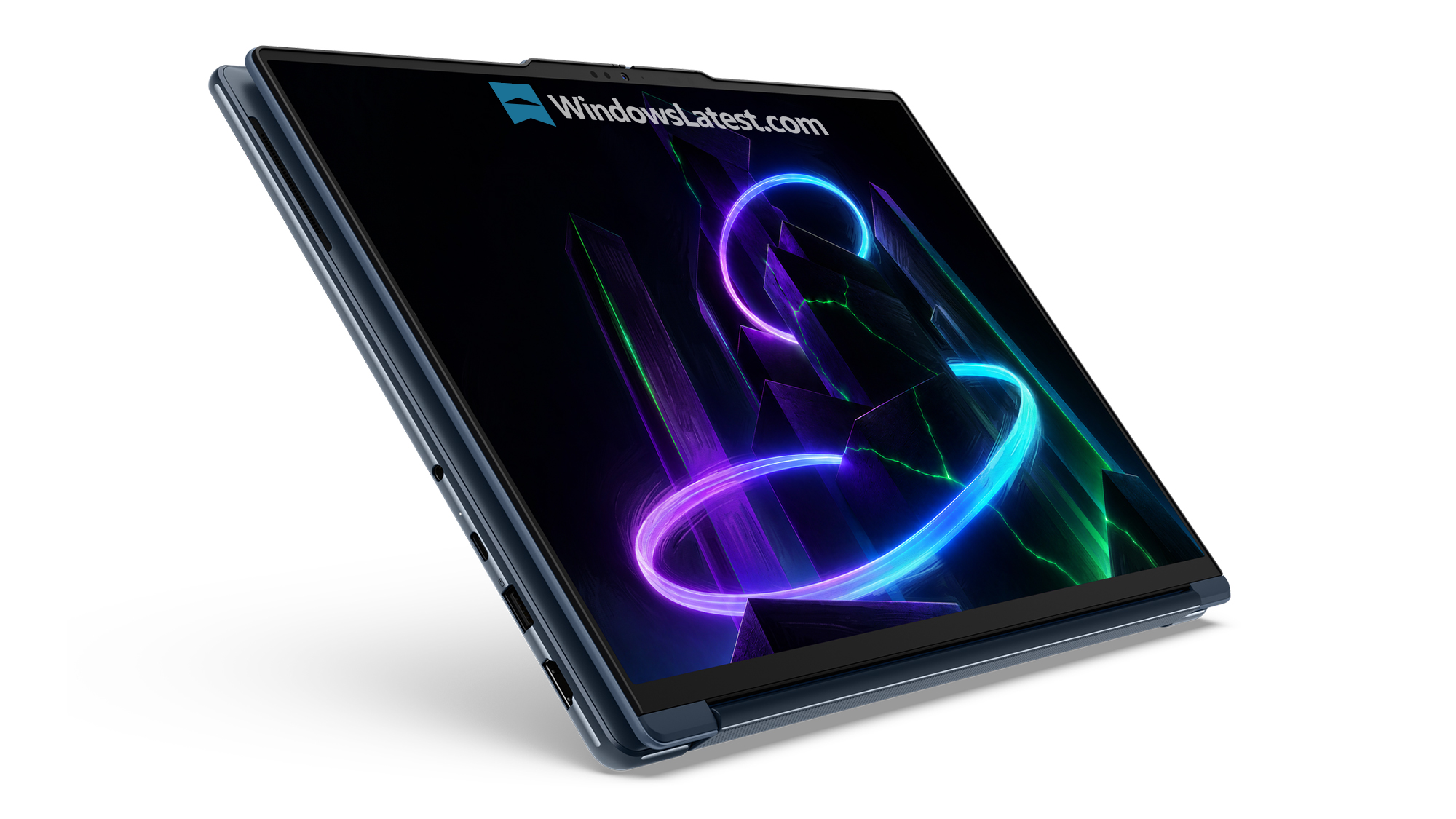
From the looks of it, the chassis sports a premium aluminum build, shown here in what Lenovo usually calls Cosmic Blue. The defining feature is the iconic 360-degree rotating soundbar hinge, allowing the device to transition smoothly between laptop, tent, stand, and tablet modes.
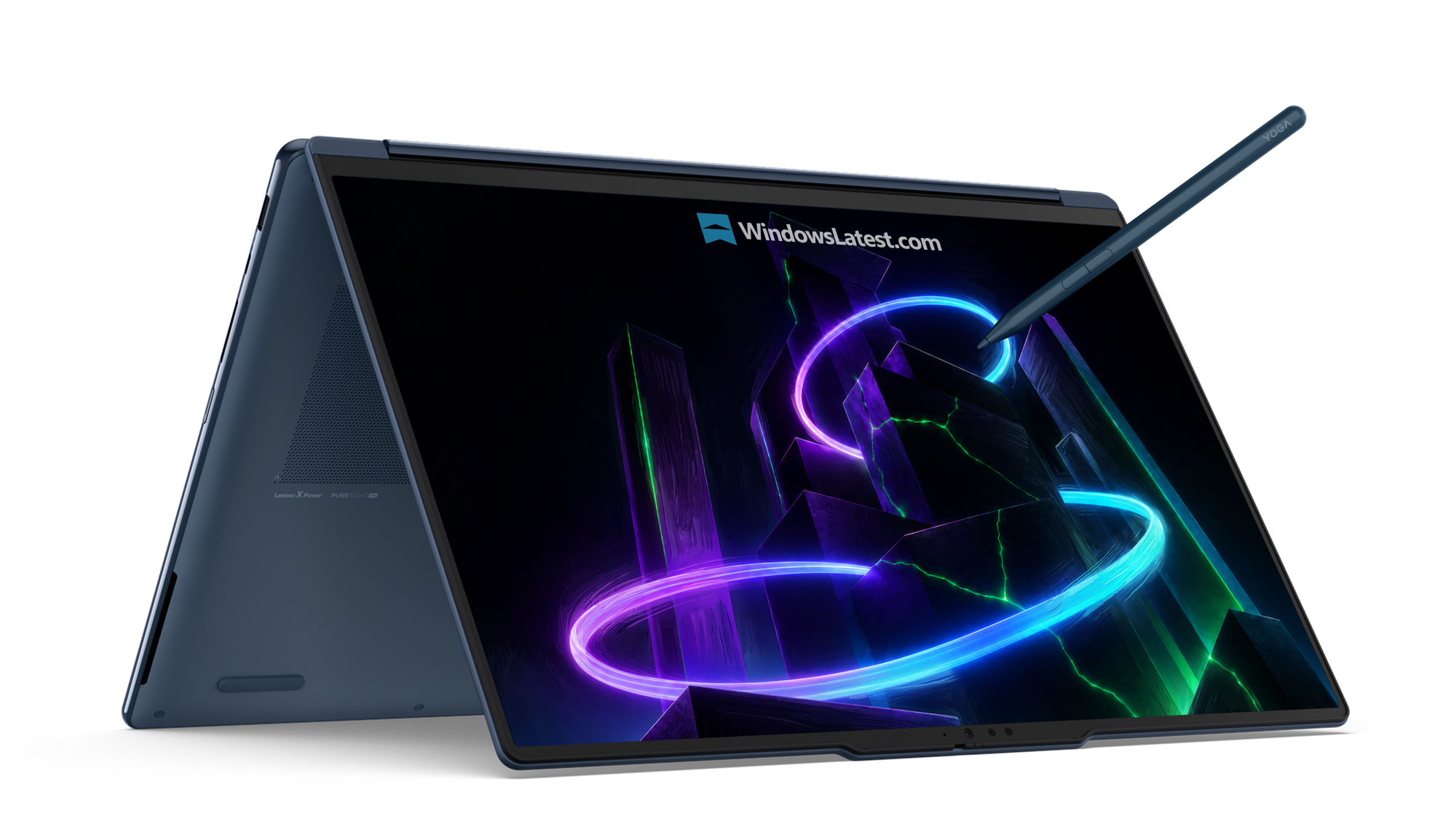
Pixel-peeping reveals a refined, edge-to-edge keyboard layout complete with the mandatory Copilot key, affirming its status as a next-gen Copilot+ PC. The display appears to be a 14-inch panel, likely reusing the stunning 2.8K PureSight Pro OLED from the Intel variant, framed by minimal bezels.
The top lip houses an IR webcam module for Windows Hello, complete with a physical privacy shutter.
The images obtained by Windows Latest also show the device in tent and tablet modes with a stylus, which appears to be the Yoga Pen Gen 2.
As for the ports, the Yoga 9n 2-in-1 closely mirrors its Intel cousin. On the left side, we can spot an HDMI port, a USB-A port, a USB-C port, and a 3.5mm headphone jack. The right side houses a USB-A port, another USB-C port, and the power button.
The Yoga Pro 9n is also coming soon with RTX Spark
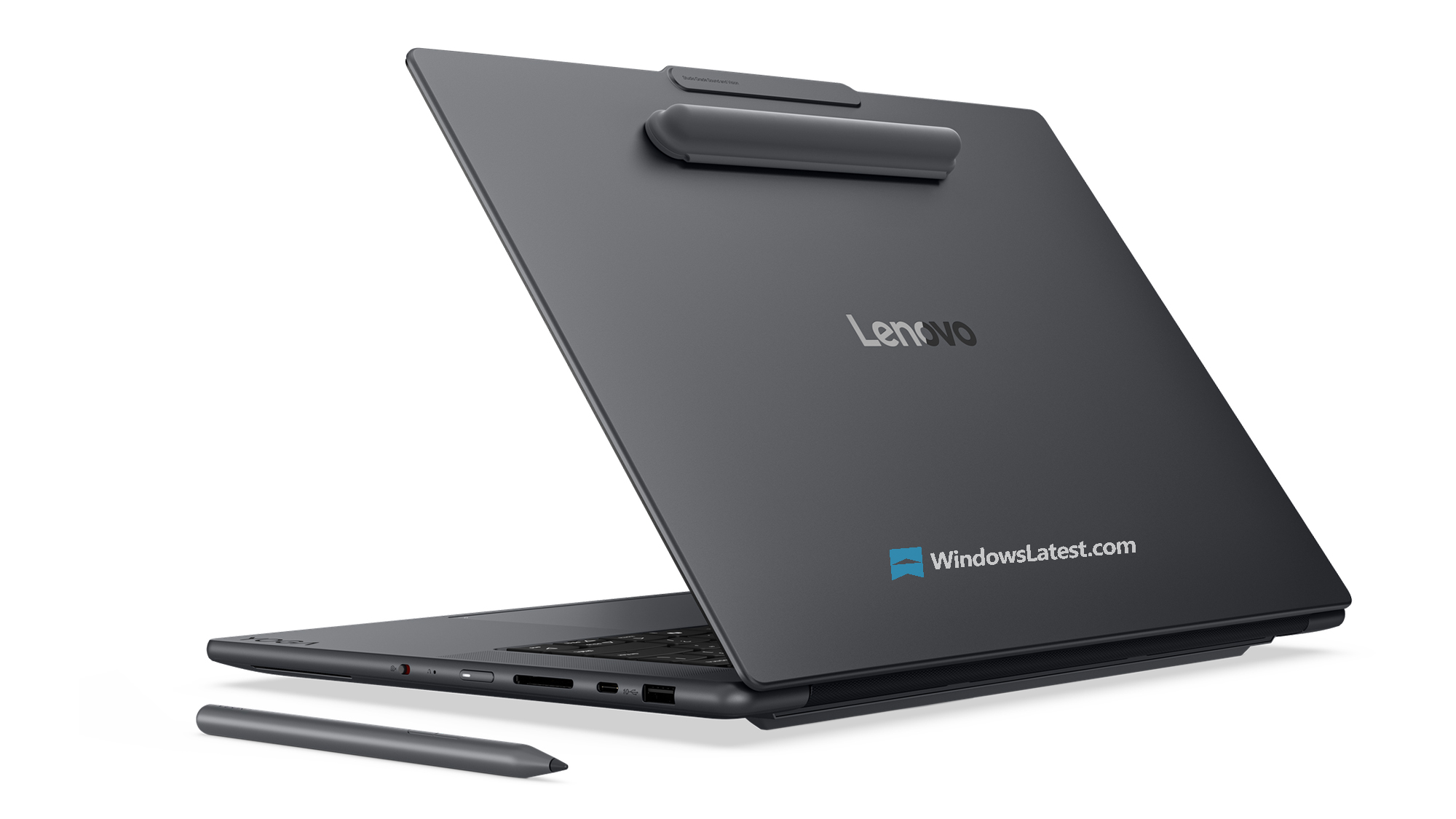
If you missed our previous coverage, the Yoga Pro 9n is a 15-inch powerhouse built to kill the MacBook Pro.
To recap, it carries a 15-inch display, a magnetic pen holder built into the lid, a large haptic trackpad that doubles as a drawing surface, and a 6-speaker setup with 4 woofers and 2 tweeters tuned with Dolby Atmos. Yes, all the good stuff!
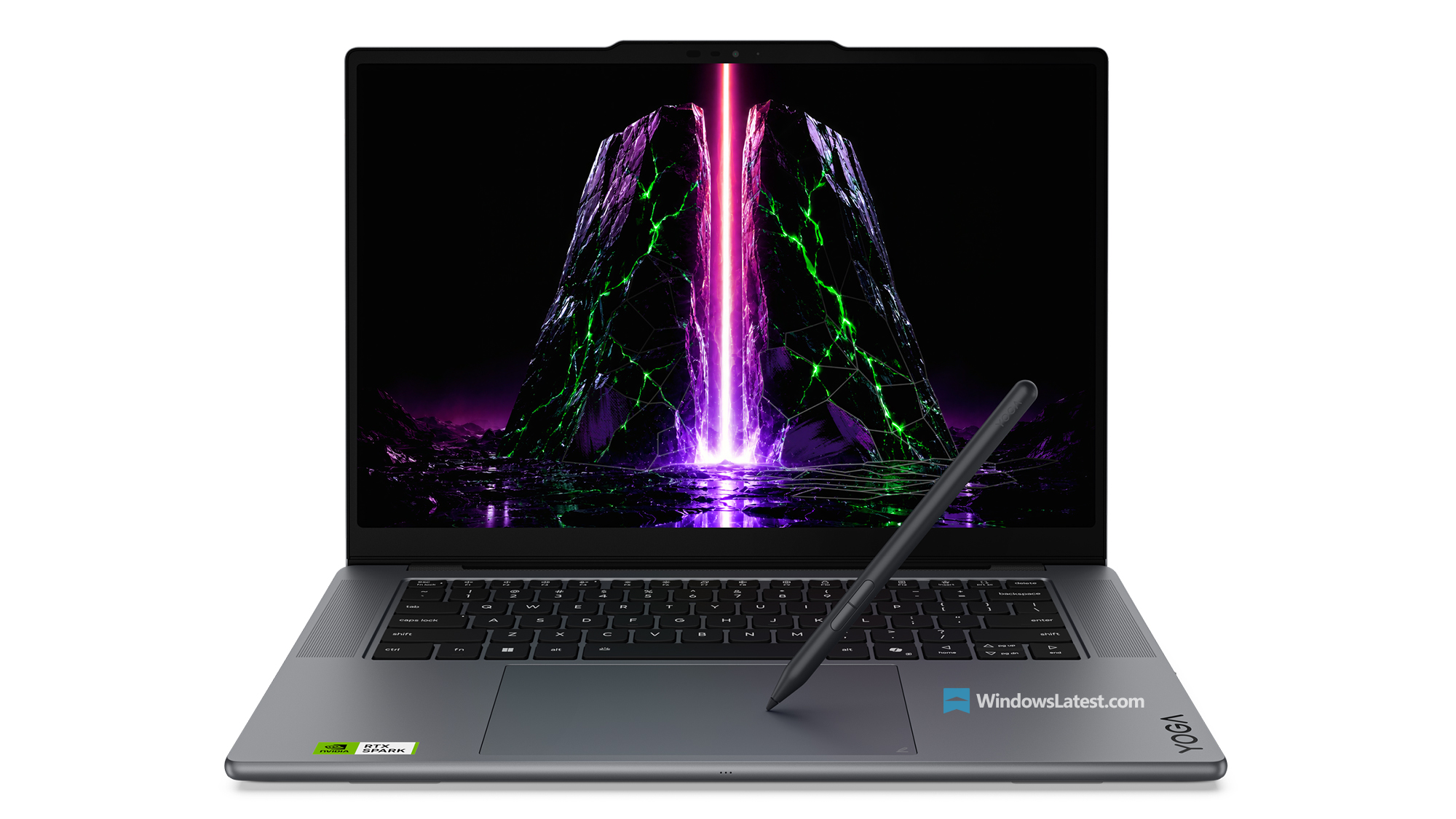
Interestingly, unlike the 2-in-1 convertible 9n, the Yoga Pro 9n ditches the number pad in the keyboard deck, likely to house the beefier speakers and cooling setup.
Ports include HDMI, USB-A, and USB-C on the left, and a full-size SD card reader, USB-C 10Gbps, and USB-A on the right, with USB-C handling charging since the RTX Spark drops the old proprietary Lenovo power plug.
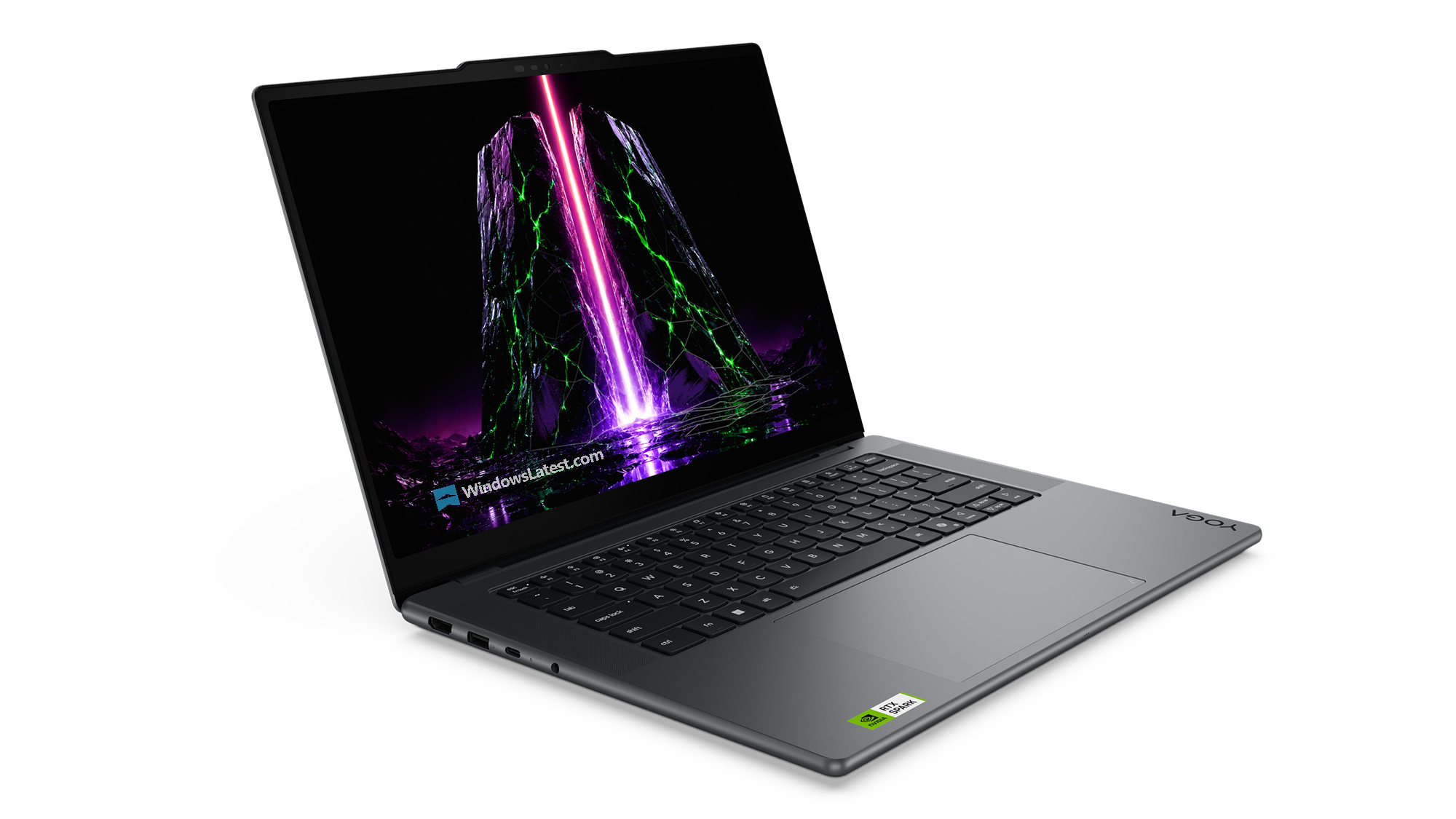
Lenovo has confirmed all-day battery life for the Yoga Pro 9n. A neat little feature that I noticed is in the rear view of the Yoga Pro 9n, which shows a raised setup for airflow, suggesting that the cheap underneath is going to need all the cooling that it can get. It would be interesting to see the cooling setup in the 2-in-1 Yoga 9n convertible.
The RTX Spark advantage on Windows 11
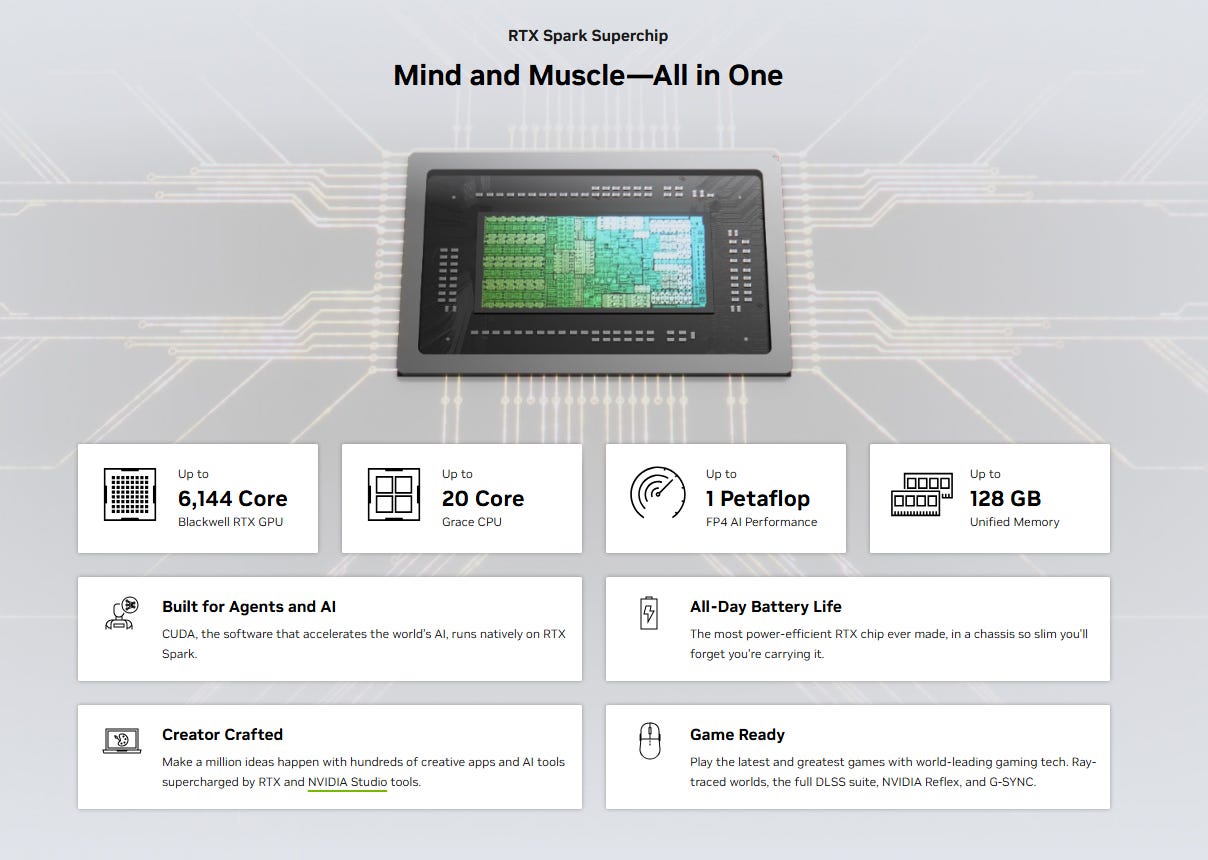
The beating heart of both these laptops is the NVIDIA RTX Spark (N1X). This is a single, unified chip that pairs a 20-core NVIDIA Grace CPU (using MediaTek-designed ARM cores) with a Blackwell GPU packing 6,144 CUDA cores.
Because it uses a unified memory architecture (up to 128GB of LPDDR5X), data doesn’t have to travel back and forth between separate CPU and GPU RAM pools. NVIDIA rates this setup at up to 1 petaflop of AI performance, though we’re not sure which SKU these Lenovo models will launch with.
Either way, putting this much power into a thin 2-in-1 requires serious software optimization. As we recently reported, Microsoft is rebuilding the Windows 11 task scheduler to handle the heterogeneous architecture of the RTX Spark. This means Windows 11 will be much smarter about assigning background tasks to the efficiency cores while reserving the heavy lifting for the Blackwell GPU.
Furthermore, NVIDIA is already preparing its N1X GPU drivers for Windows 11 to ensure that tools like CUDA, DLSS, and standard PC games run flawlessly on the ARM architecture.
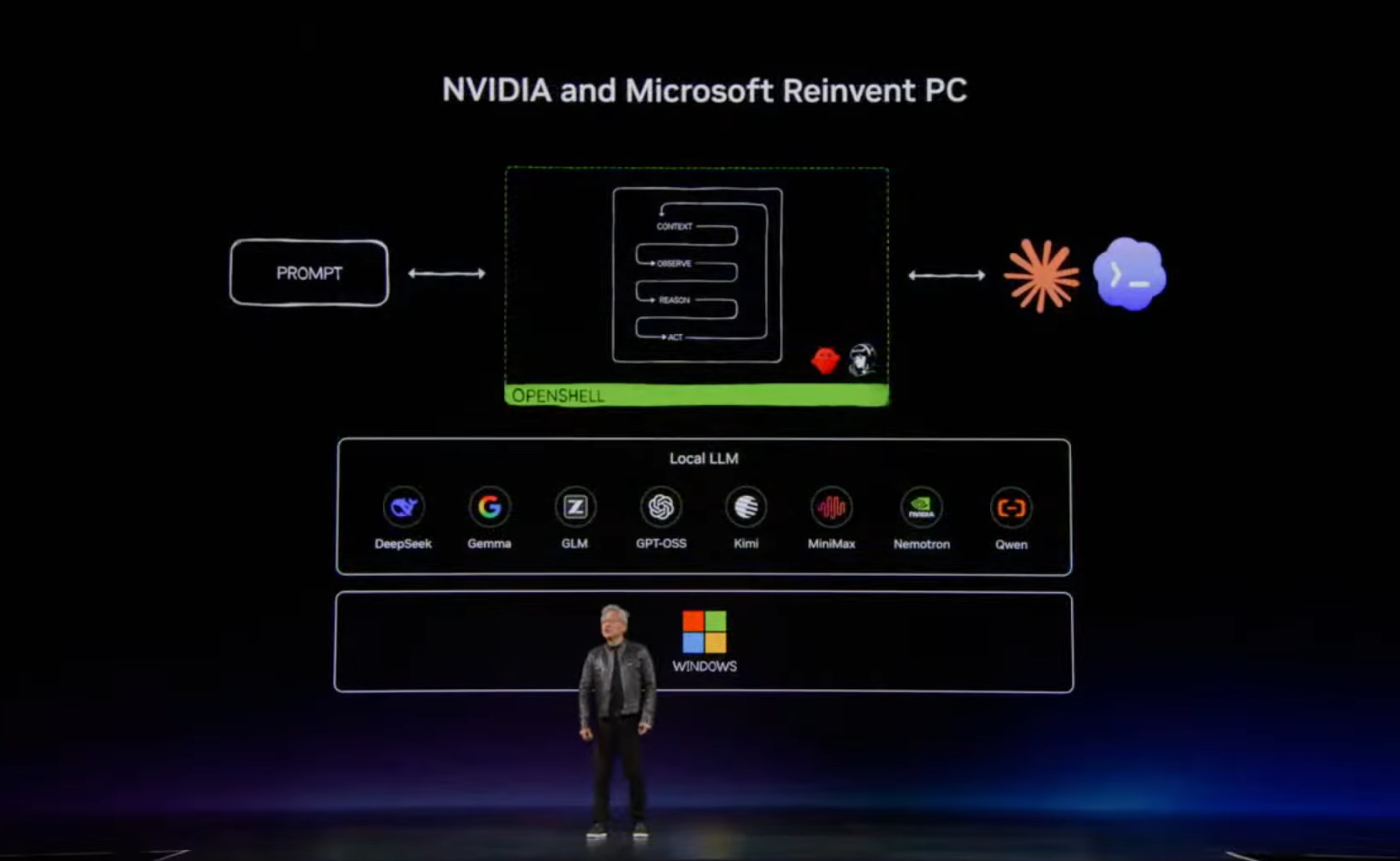
As the NVIDIA CEO said, the RTX Spark can run all apps in Windows 11. But if you’re hesitant about jumping to ARM, note that the sheer brute force of the RTX Spark combined with the Windows 11 Prism emulator should smooth over any issues from running x86 legacy apps. (Though, as we’ve noted before, you still need to ask yourself three critical questions before buying an ARM laptop).
Lenovo is on a hardware tear right now. With the upcoming colorful IdeaCentre All-in-One taking swings at the iMac and these two RTX Spark laptops targeting premium creators, the company is aggressively expanding its footprint.
We currently have no information regarding the pricing or availability dates for either the Yoga 9n 2-in-1 or the Yoga Pro 9n. Stay tuned, as we expect more details to leak as we approach the fall launch window.