





Nvidia has started publishing N1X Windows GPU drivers, but the first release is optimized specifically for the Surface RTX Dev Box. While these drivers aren’t meant for consumer devices yet, they confirm that the first RTX Spark Arm PCs are one step closer to launch, which lines up with Nvidia’s expected holiday season release window.
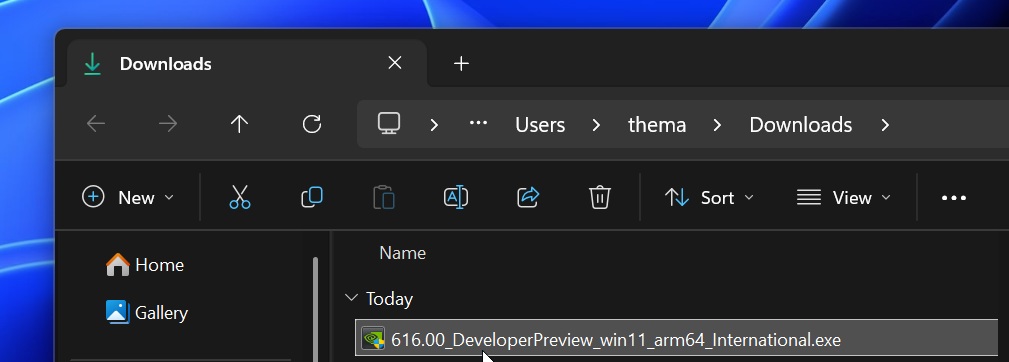
Right now, we could only find one official Nvidia driver, version 616.00, on the company’s website, distributed as a native Windows 11 Arm64 package. If you extract the primary installation file, you’ll come across one named nv_surface_woa.inf.
For those unaware, an .inf file contains all the information about the device on which the driver is supposed to be installed.
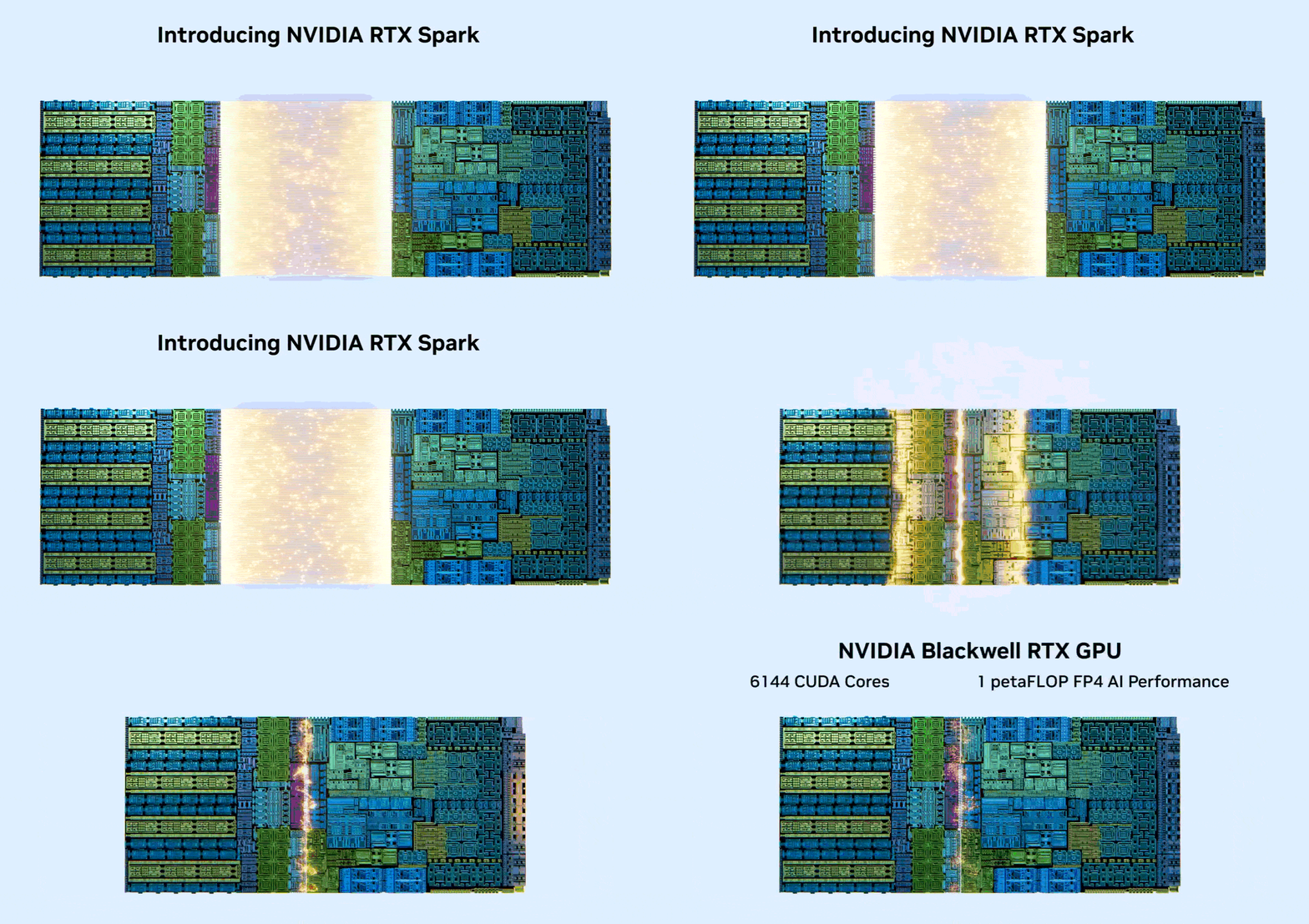
We noticed that the INF currently lists several Nvidia device IDs, including two different RTX Spark N1X GPU configurations. One is identified as an “NVIDIA RTX Spark N1X” with a 6,144-core Blackwell RTX GPU, while another configuration uses a 5,120-core Blackwell RTX GPU:
NVIDIA_DEV.1081 = "NVIDIA Graphics Device"
NVIDIA_DEV.2E03.0109.1414 = "NVIDIA RTX Spark N1X (6144-core Blackwell RTX GPU)"
NVIDIA_DEV.2E06.0109.1414 = "NVIDIA RTX Spark N1X (5120-core Blackwell RTX GPU)"
NVIDIA_DEV.2E06.0110.1414 = "NVIDIA RTX Spark N1X (5120-core Blackwell RTX GPU)"
NVIDIA_DEV.2E13.0116.1414 = "NVIDIA Desktop Device"
NVIDIA_DEV.DLA = "NVIDIA NPU"
NVIDIA_DEV.DLA_REV_0034 = "NVIDIA NPU"
NVIDIA_DEV.DLA_REV_0036 = "NVIDIA NPU"
NVIDIA_DEV.DLA_REV_2340 = "NVIDIA NPU"
NVIDIA_DEV.DLA_REV_2540 = "NVIDIA NPU"
NVIDIA_DEV.DLA_REV_2560 = "NVIDIA NPU"
NVIDIA_DEV.DLA_REV_2640 = "NVIDIA NPU"
There is also an unidentified “NVIDIA Desktop Device,” which could be related to one of the compact RTX Spark desktop designs planned by Nvidia and its partners.
The package also contains several entries for an “NVIDIA NPU,” internally identified using Nvidia’s Deep Learning Accelerator architecture (DLA) device IDs. And this is pretty much it. These drivers do not tell us more than what we already know about RTX Spark PCs, but at least I’m glad Nvidia is moving ahead with its internal timeline.
It’s been a little while since Nvidia and Microsoft announced these new Windows on Arm PCs.
On May 31, Nvidia and Microsoft announced Arm-based RTX Spark PCs, calling it new “momentum for developers, creators and power users.” While it’s too early to decide how big the RTX Spark moment will be for Windows on Arm, it’s still significant, and it also proves that Qualcomm’s efforts are finally paying off.
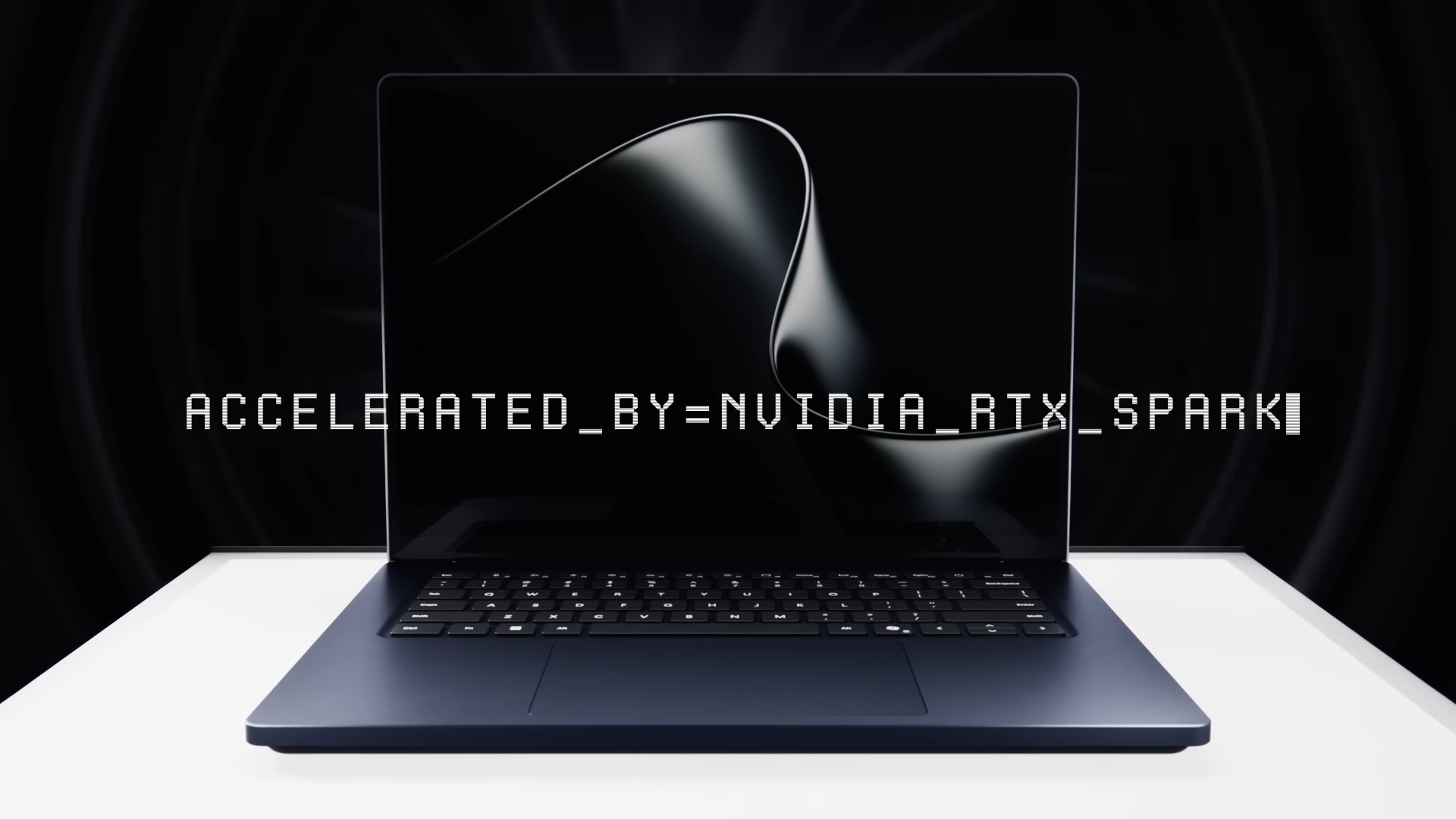
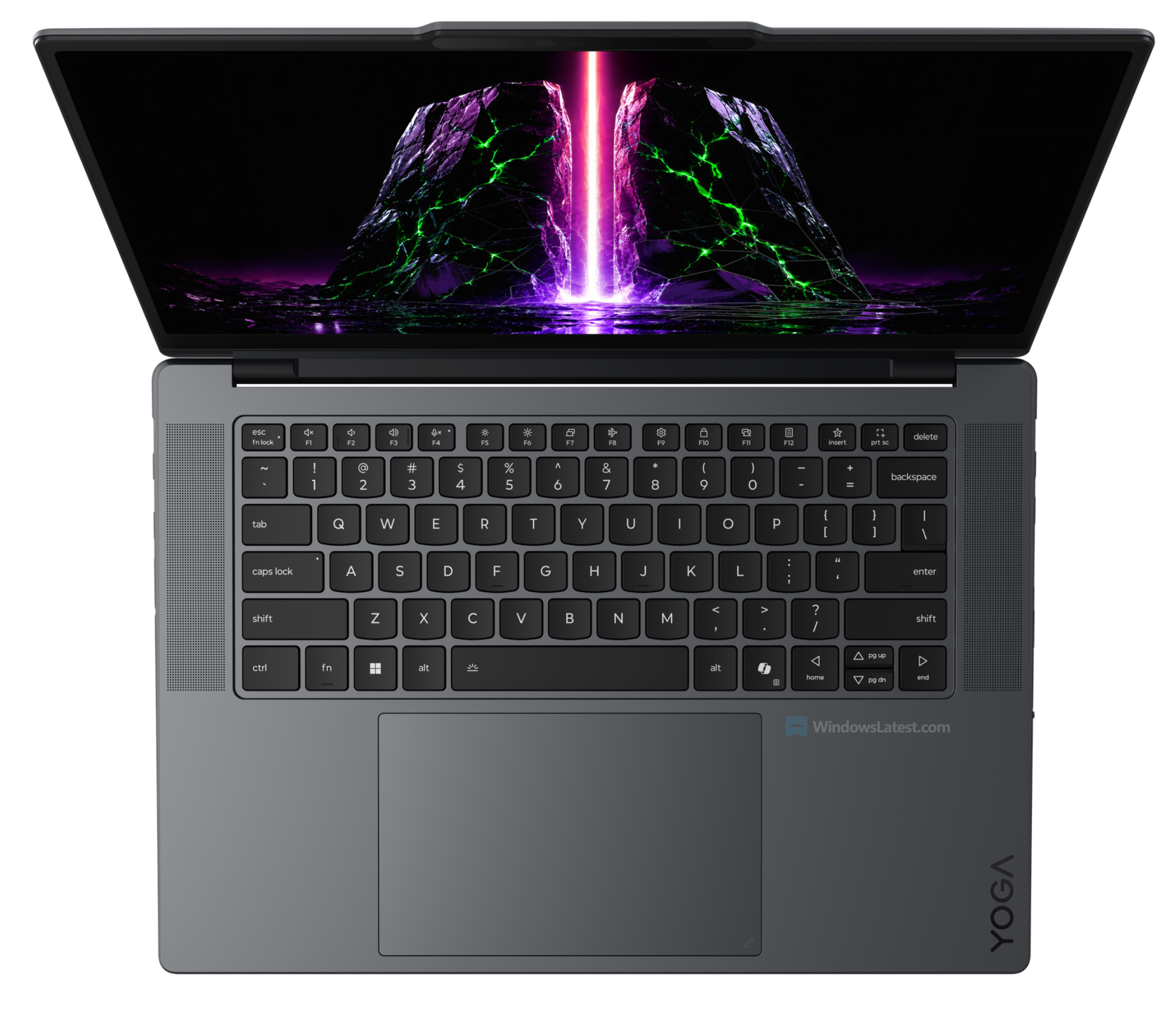
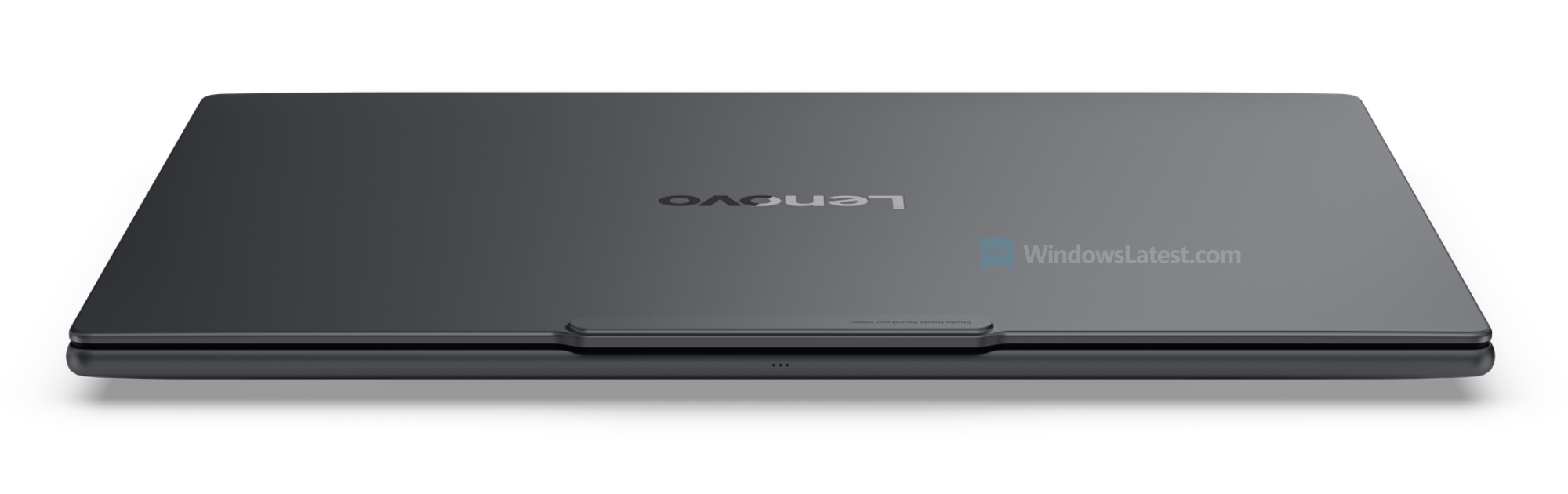
Multiple RTX Spark-based PCs will begin shipping this fall, including the Surface Laptop Ultra and Lenovo’s Yoga Pro 9n, which we exclusively leaked in June.
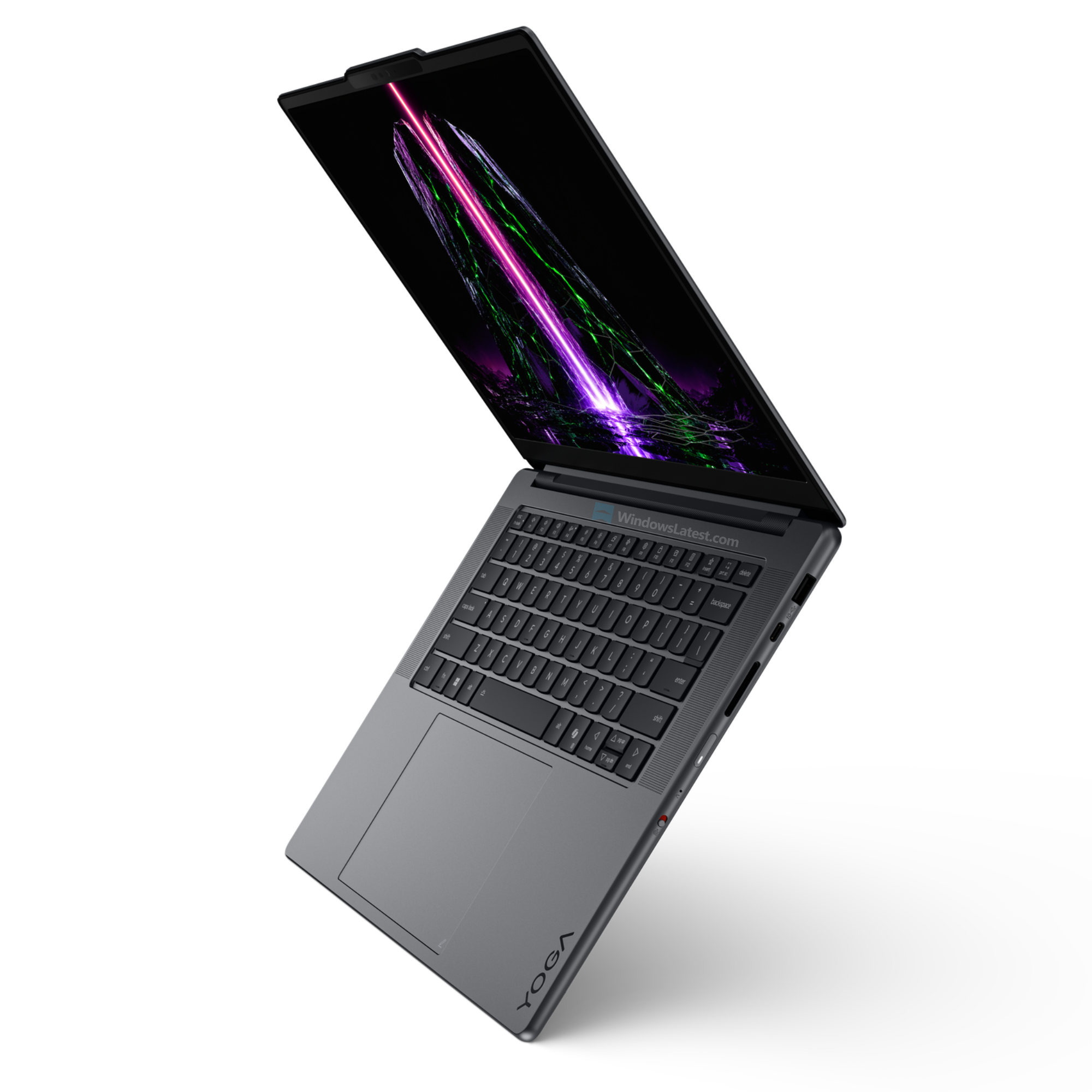
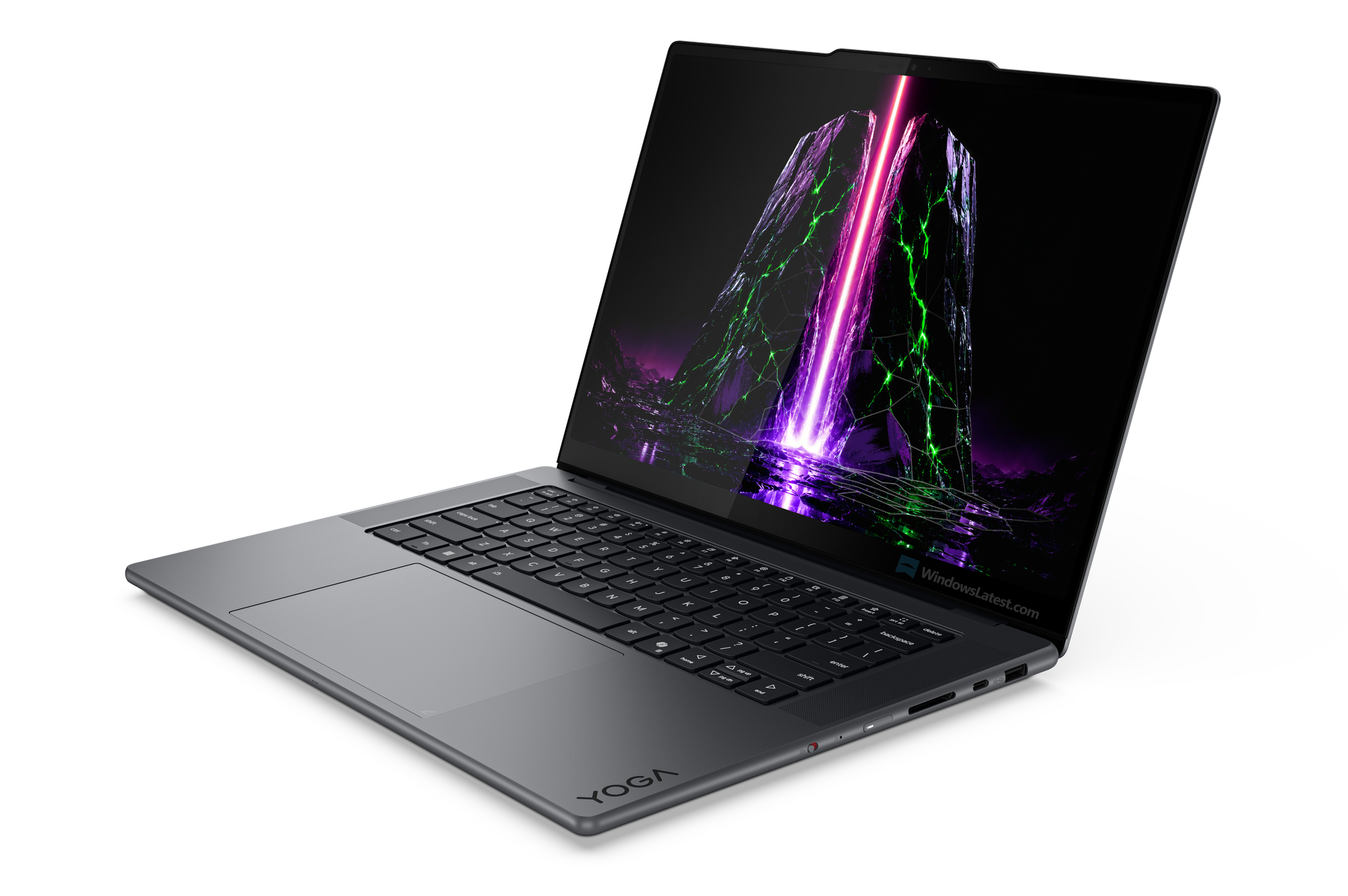
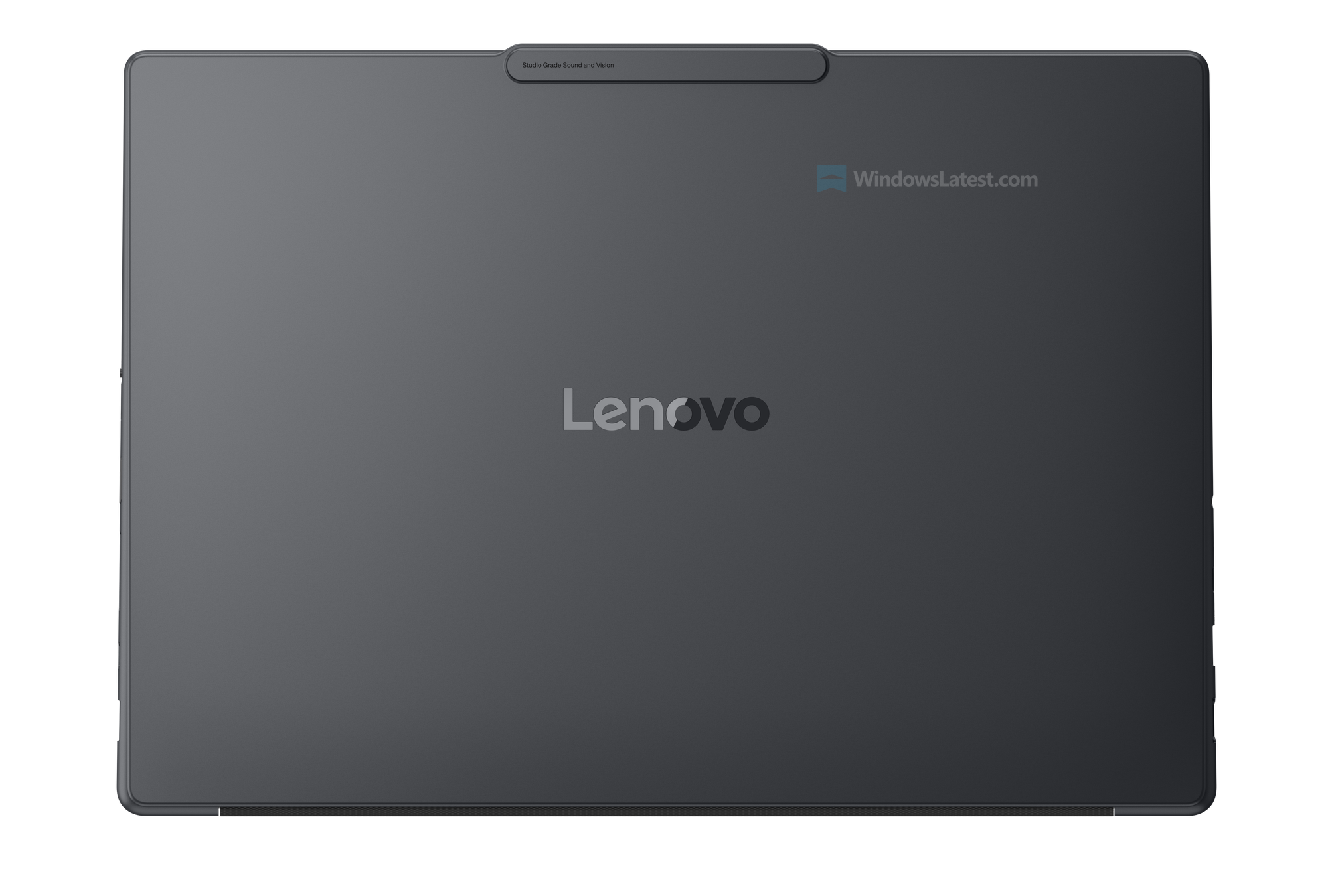
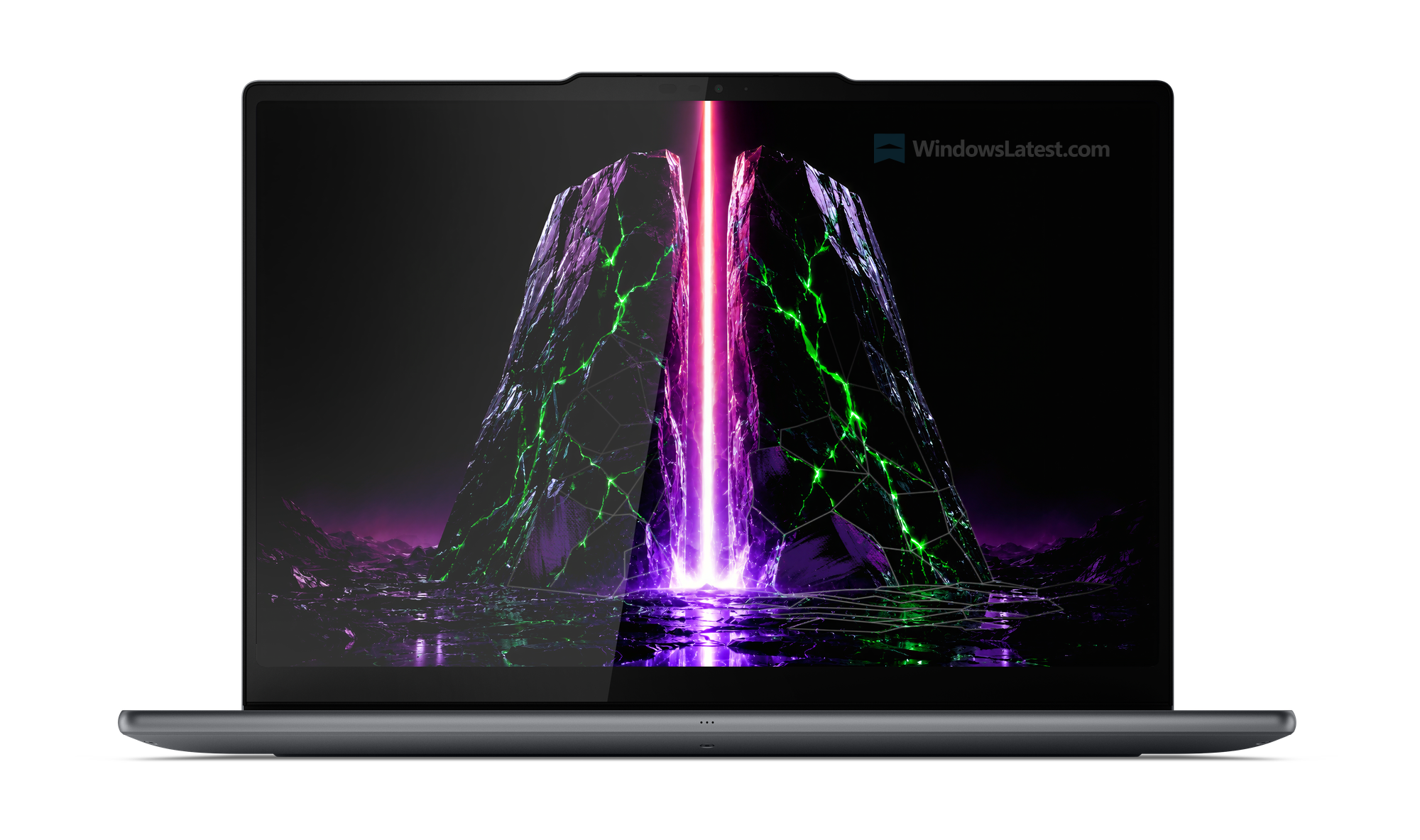
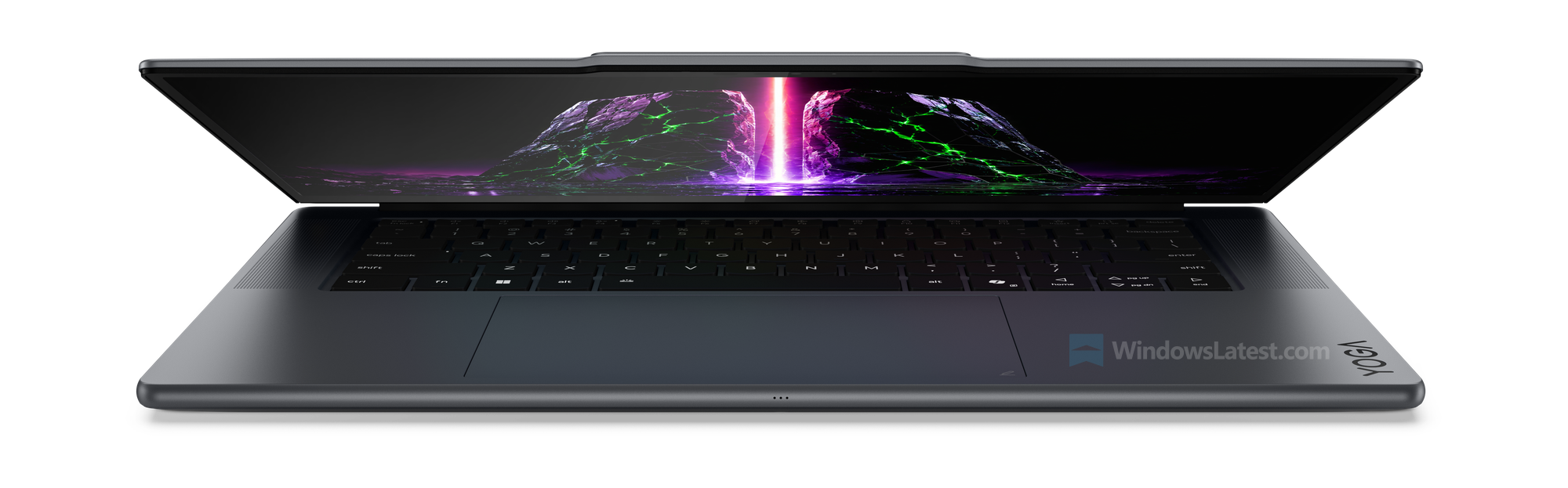
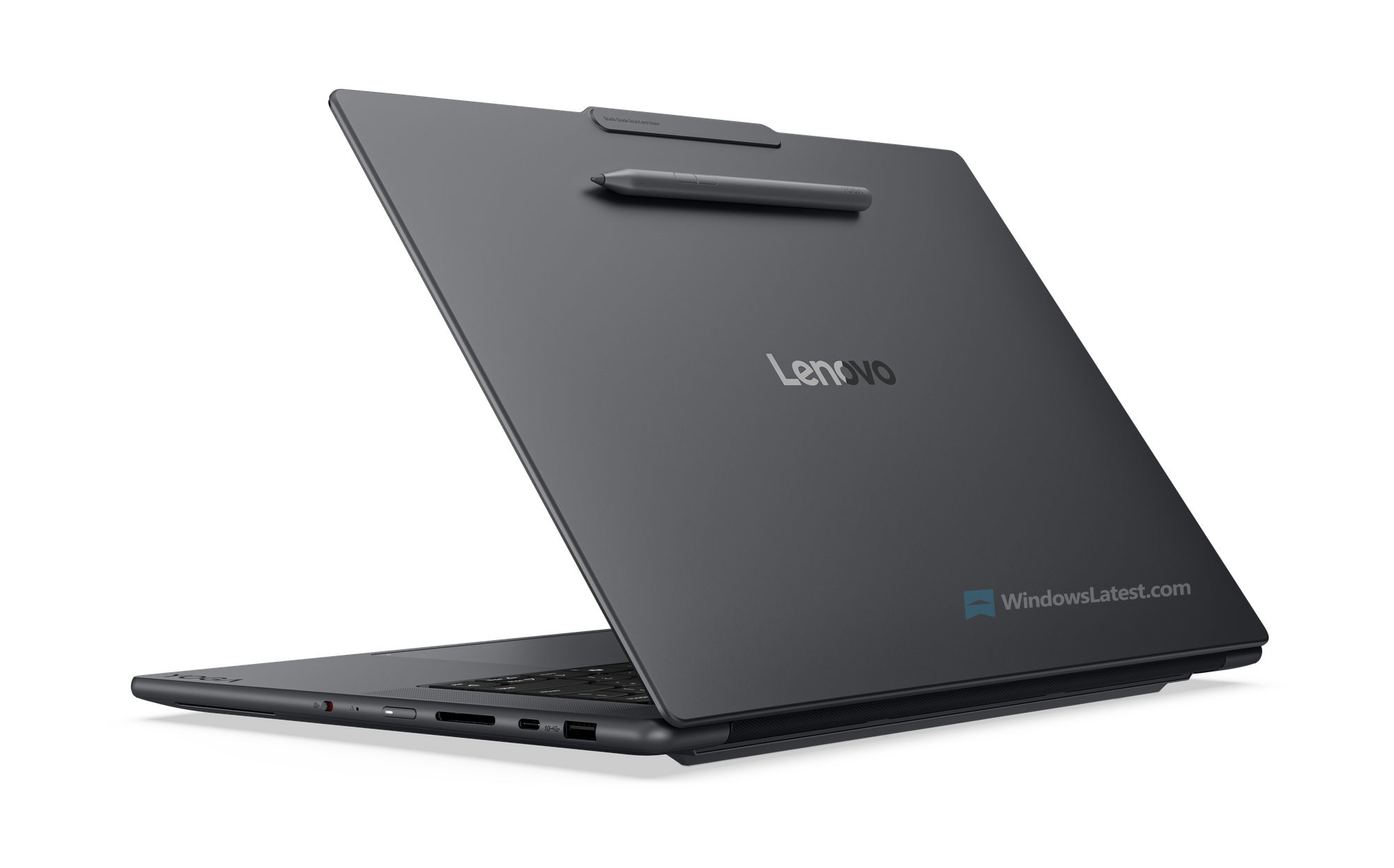
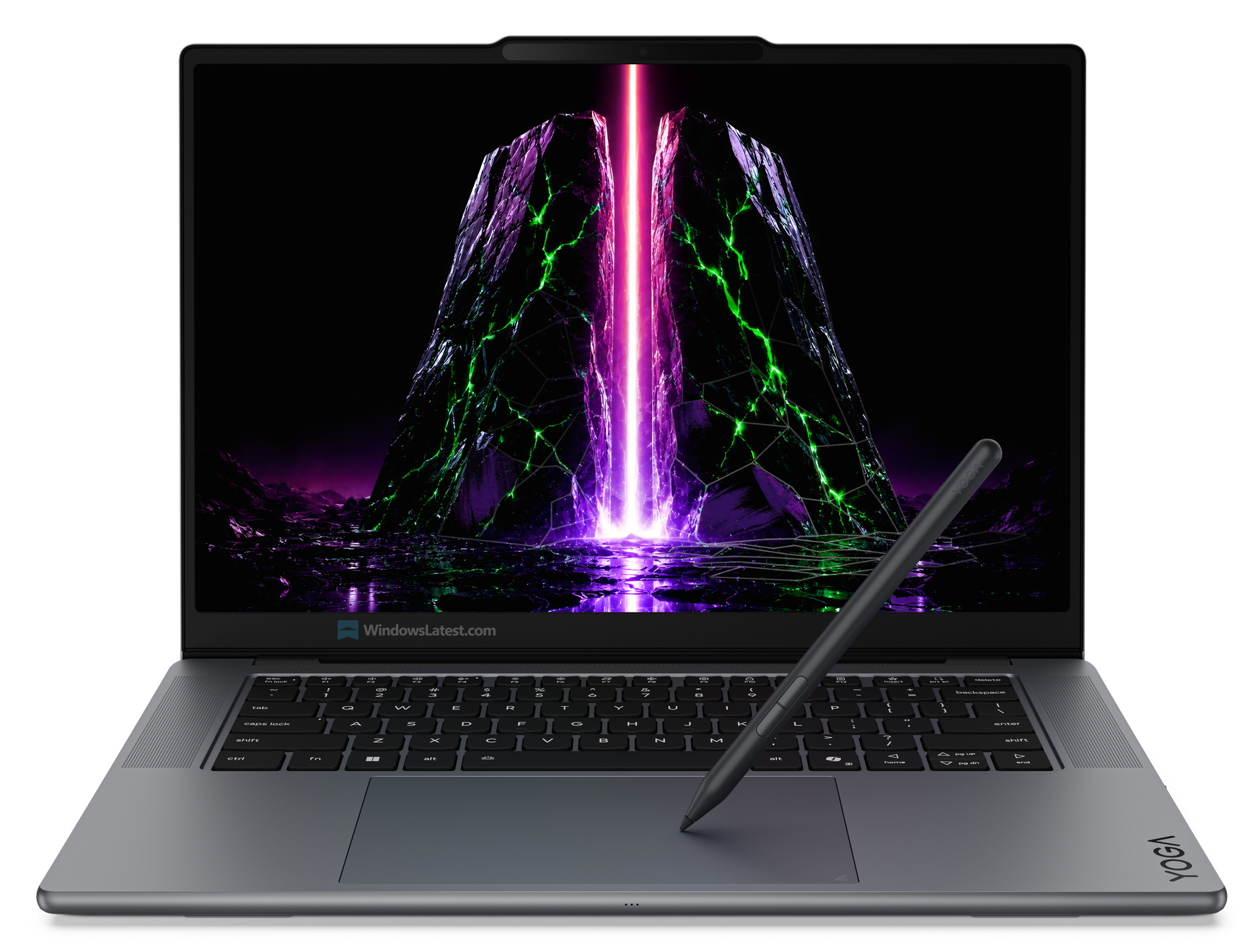
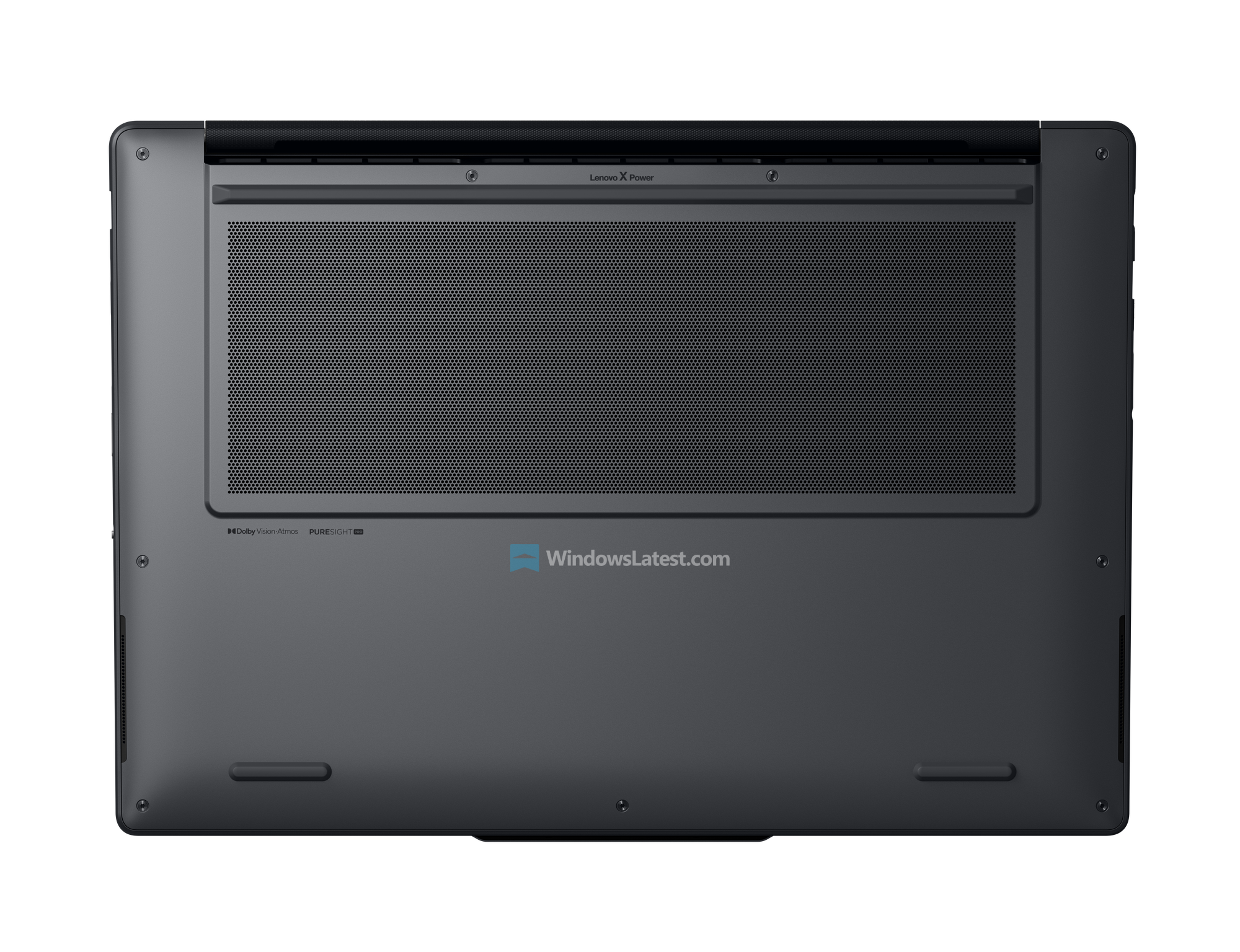
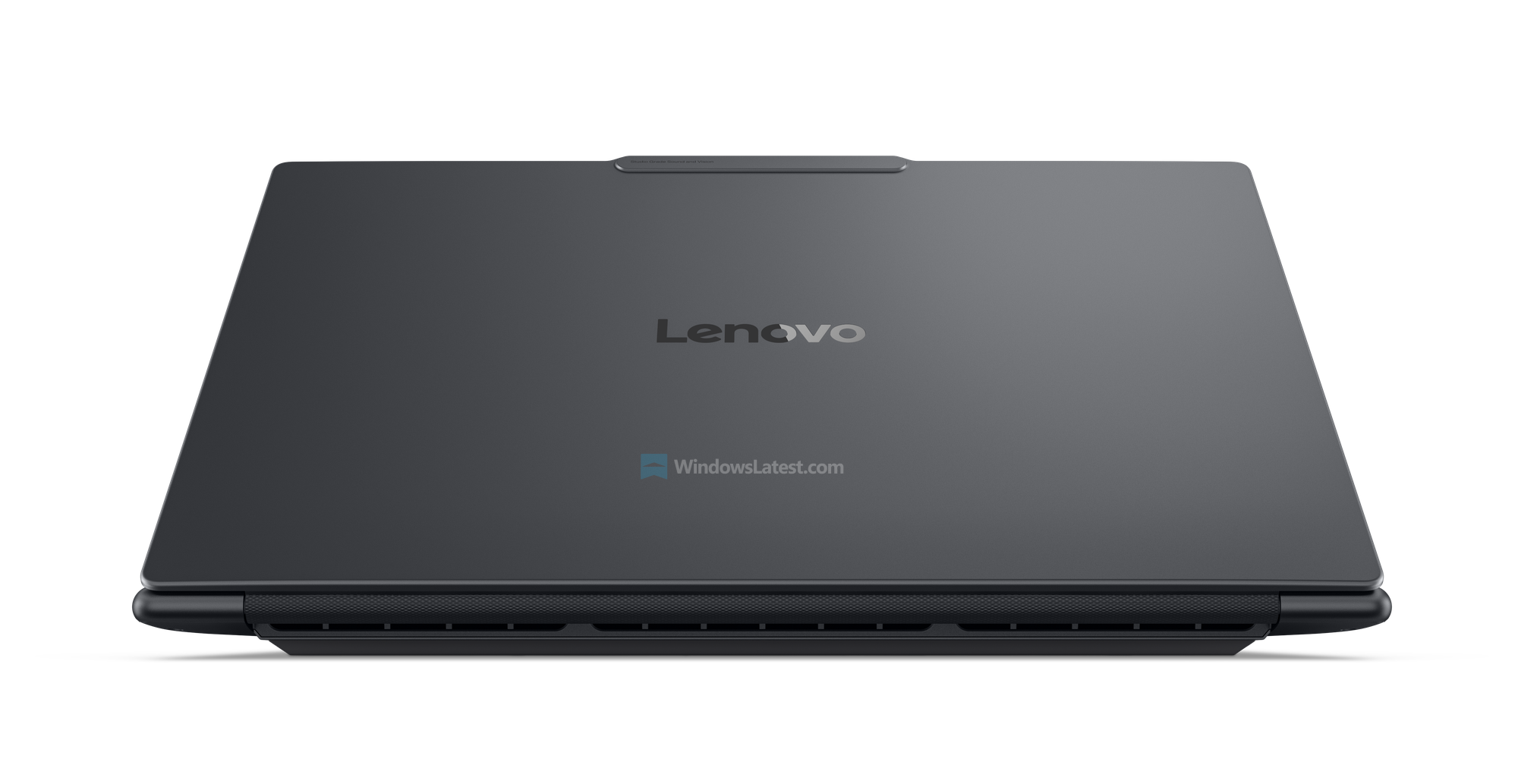
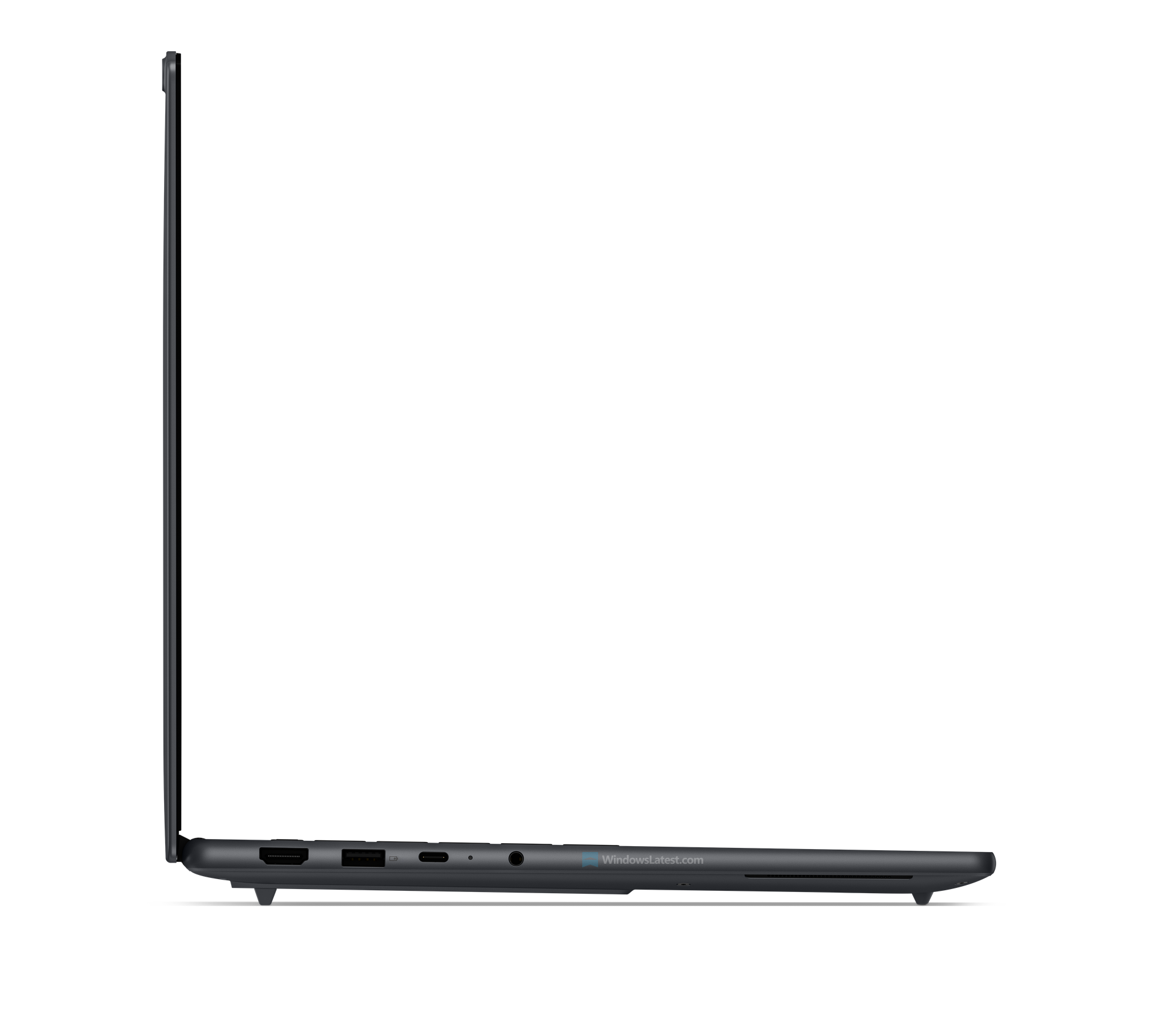
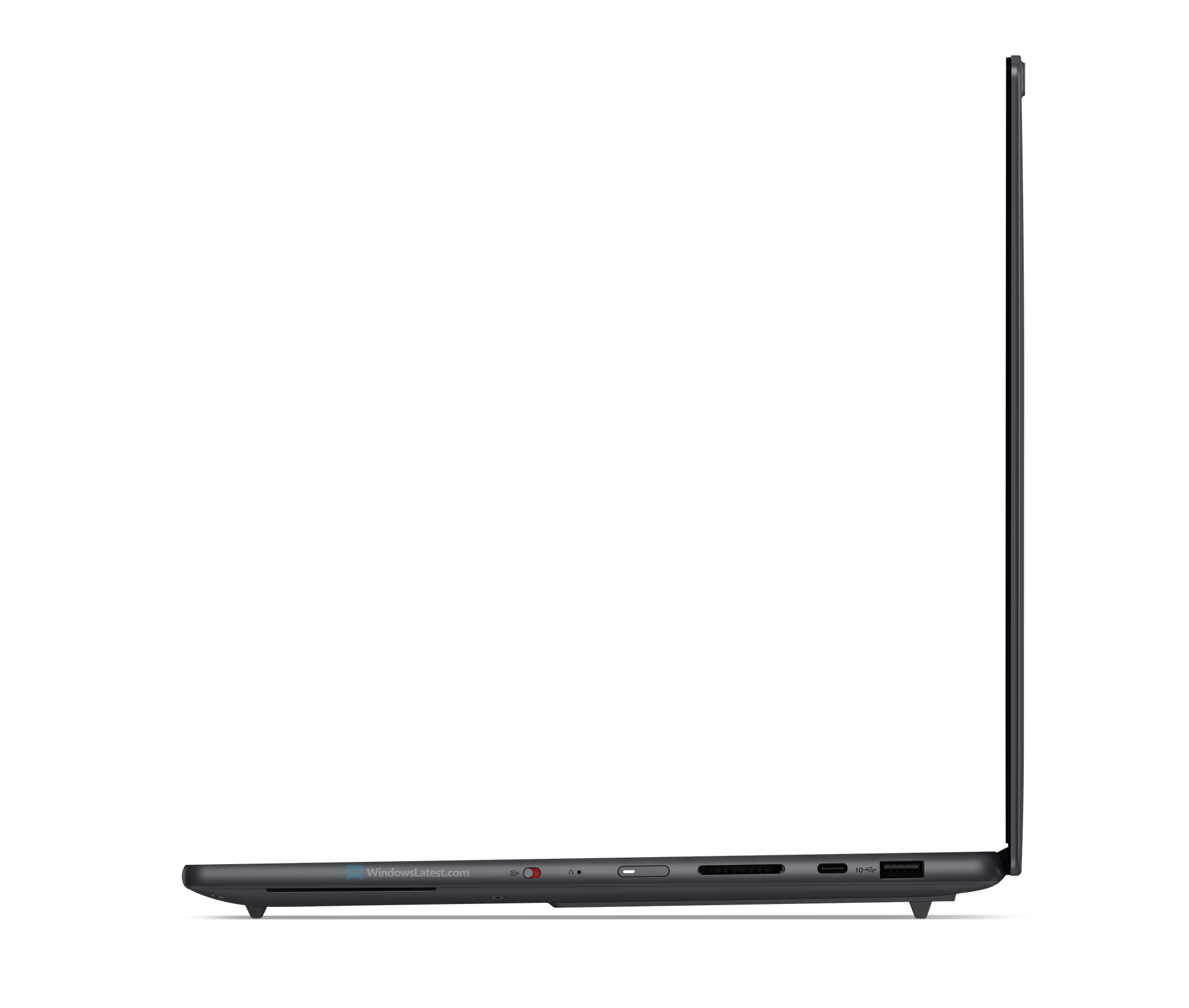
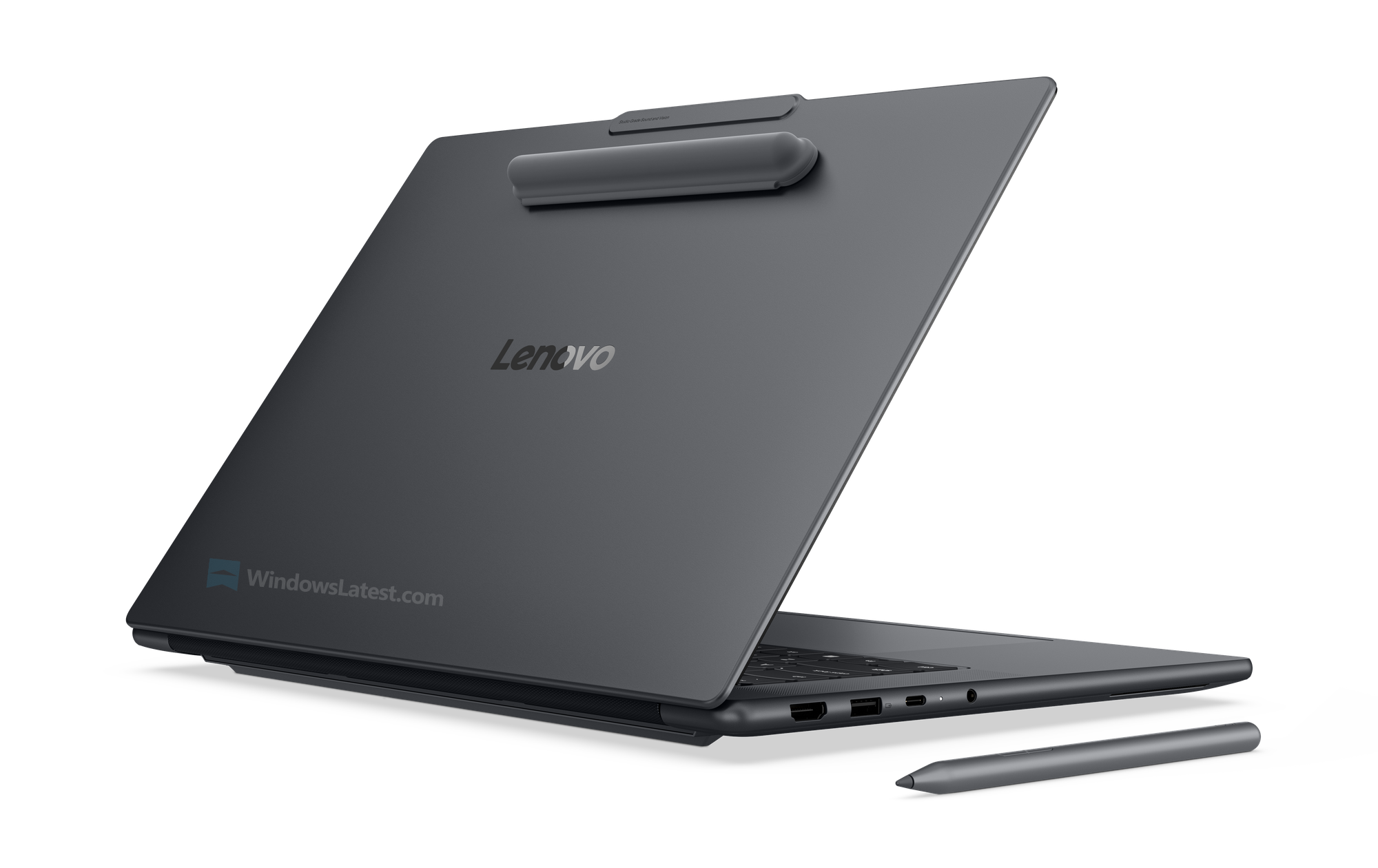
Unlike Qualcomm’s Snapdragon PCs, Nvidia wants you to believe that its RTX Spark lineup is better optimized for power users, and it’s also built for AI agents.
Microsoft says it’s optimizing Windows 11 for RTX Spark
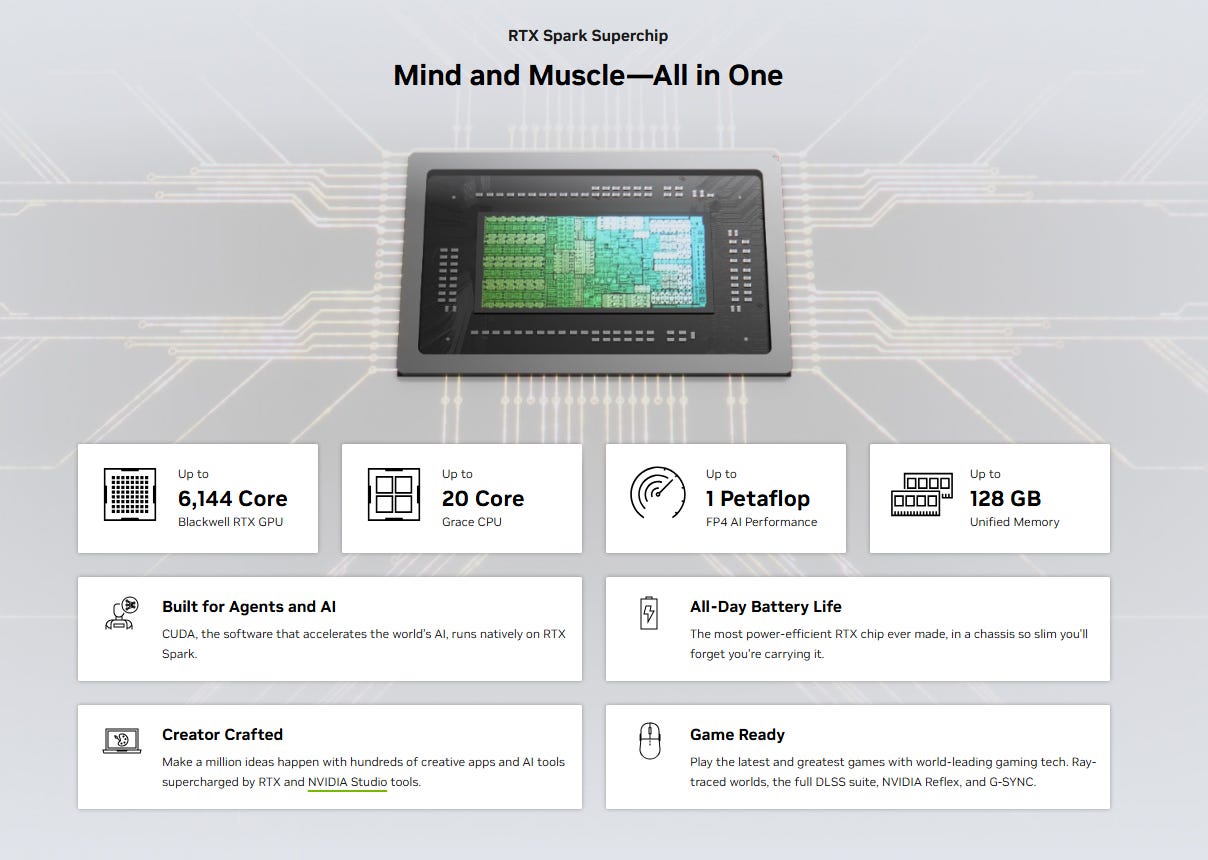
Nvidia argues that RTX Spark is built for AI, so it obviously comes with compute designed to power local AI models. No-brainer here. You’re getting up to 20 power-efficient Arm cores and up to 128GB of unified memory. The Surface Laptop Ultra is one of the laptops to use 128GB of RAM, but I expect other OEMs to follow with similar configurations.
Microsoft has also stepped up its game so you can get the most out of Windows on RTX Spark’s heterogeneous architecture.
Windows 11 26H1 is optimized for the RTX Spark lineup, and it comes with a new Workload Profile Scheduling (WPS) feature, which allows RTX Spark to run better. Microsoft has also optimized Windows Scheduler to handle workloads efficiently across all 20 cores.
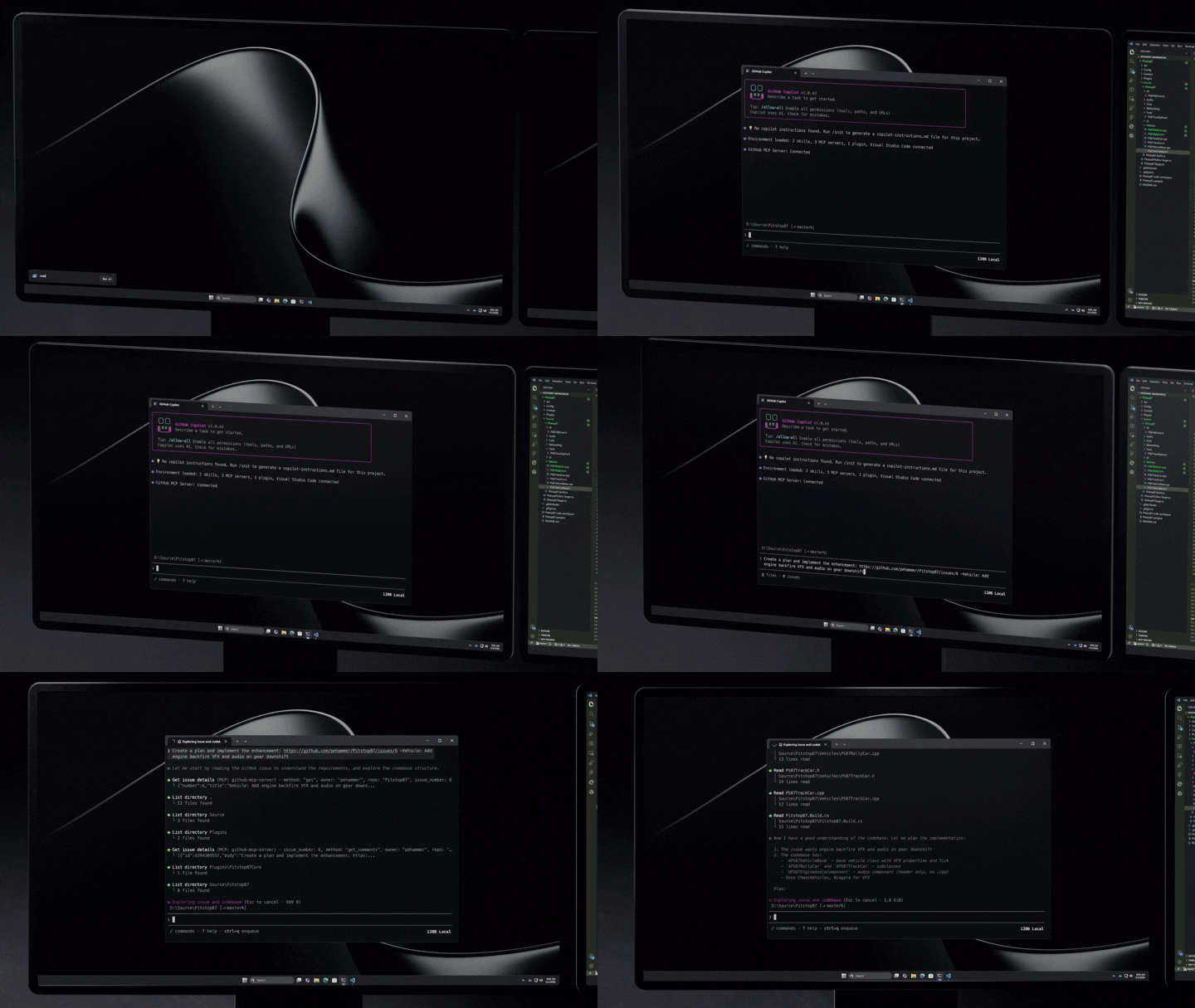
“Whether you’re checking your email or running an agent locally to debug code, the Windows scheduler on RTX Spark will ensure you get the best performance and efficiency out of your CPU,” Microsoft noted in a document published in May.
Windows Latest understands that Microsoft is also optimizing Windows 11’s memory management so that the unified RAM doesn’t feel “less.”
One of the reasons Windows on Arm PCs have been well received is their combination of power efficiency and performance, and we’re getting something similar here.
Nvidia won’t tell us how long its RTX Spark laptops will last on battery without compromising performance, but Microsoft has confirmed that it will enable its Microsoft Power and Thermal Framework (MPTF) to manage performance and power based on the tasks being performed.
“MPTF standardizes one of the most complex parts of a modern PC and will enable RTX Spark-based PCs to deliver industry-leading power efficiency while staying cool under intense workloads,” the company noted.
Thanks to Qualcomm’s efforts, Windows on Arm is in much better shape, and you shouldn’t run into major problems when launching older apps on Arm-based PCs. It’s largely because Prism, which emulates x64-based software, is now mature. It’ll only get better with time and Nvidia’s investment.
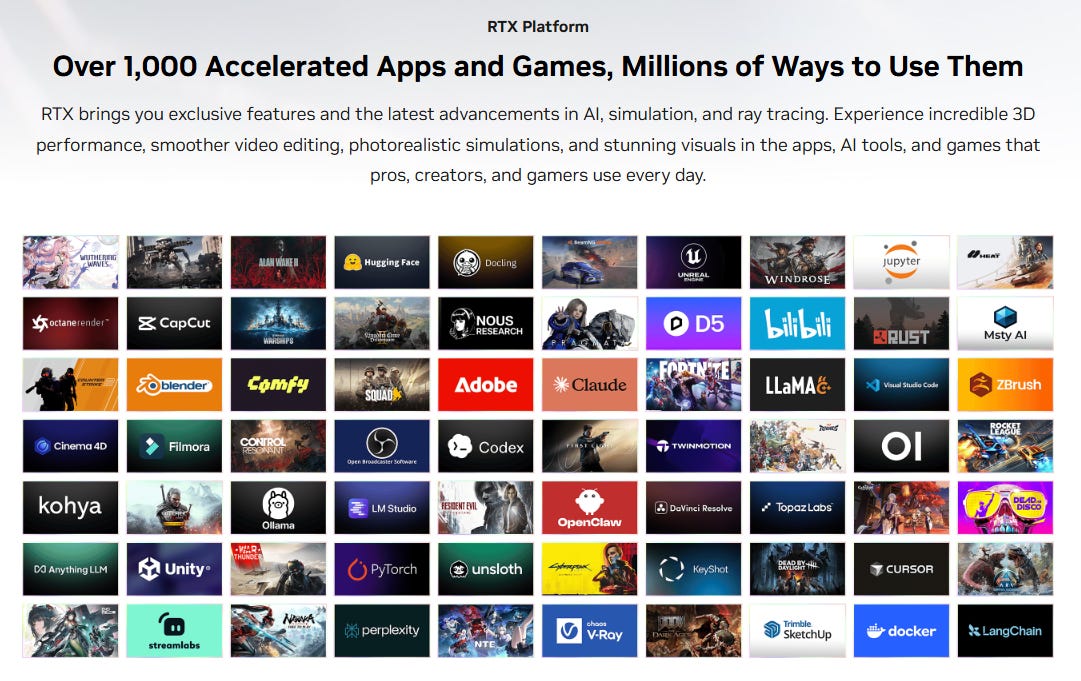
Nvidia says RTX Spark can run any app or game made for Windows to date, and I can tell you with confidence that most apps should run just fine on these Arm PCs.
RTX Spark sounds great on paper, but there are still concerns about pricing, gaming compatibility, and real-world performance. Nvidia has not shared benchmark numbers yet, so we do not know how its claims will translate into actual performance or battery life.