


https://www.windowslatest.com/2026/07/03/microsoft-github-is-burning-free-cds-of-your-public-code-to-troll-playstation-and-xbox-should-take-notes/
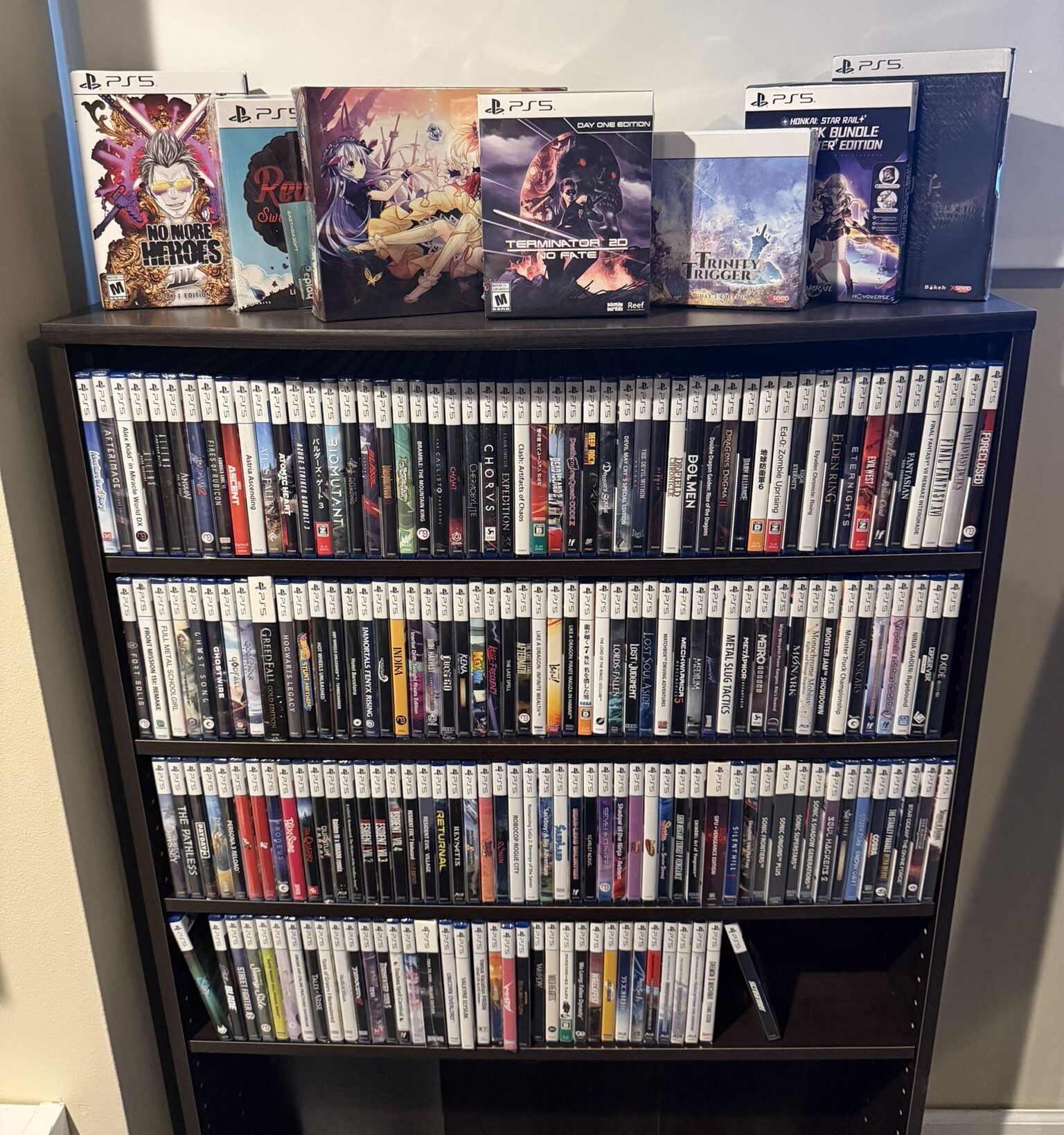
Sony confirmed on July 1 that physical disc production for new PlayStation games ends in January 2028. Every new title after that date ships digital-only, whether you buy it from the PlayStation Store or pick up a box at a retailer, since even the retail version will just contain a download code.
Naturally, a large chunk of PlayStation’s own fanbase is now saying they’re done with consoles altogether, and XBOX and Windows PCs are the names coming up the most. It’s a strange gift for Microsoft to receive in the middle of its own gaming mess, and Windows 11’s new feature to turn your PC into a console-like experience may be just what the doctor ordered.
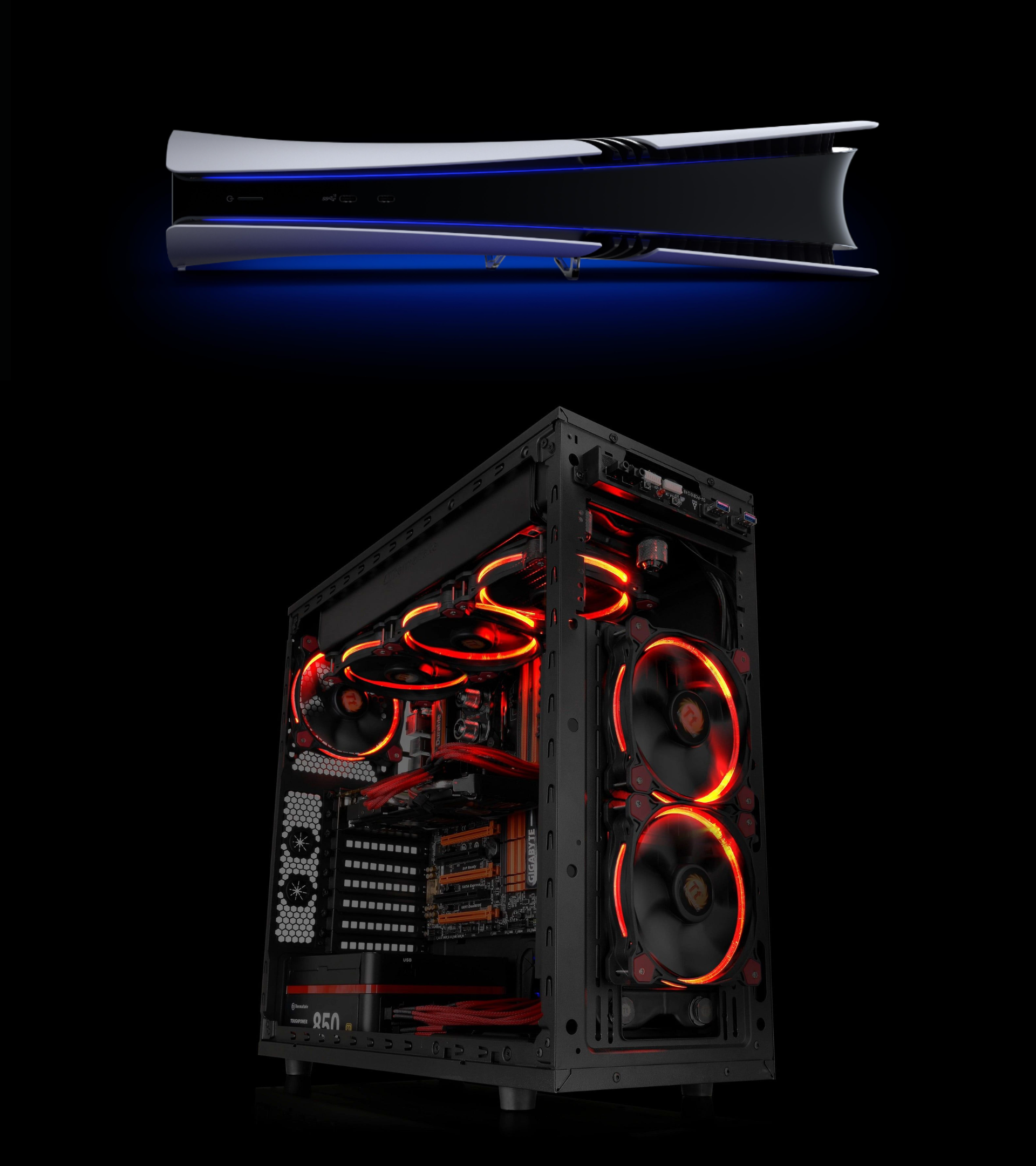
Why PlayStation has PC and XBOX trending among its own fans
Sony’s blog post framed the move as simple math. Physical sales make up a shrinking fraction of PlayStation’s business, and the company said it wants to “align more closely with how most of our community prefers to access and play games today.” The post has pulled in thousands of comments, and almost none of them are people thanking Sony for the “alignment”.
“Play Has No Limits” until it did
In 2013, Sony built an entire PR win around mocking Microsoft for trying to restrict game sharing on the Xbox One. The clip, with former PlayStation boss Shuhei Yoshida handing a disc case to Adam Boyes and saying, “This is how you share games on PS4.” Boyes says thanks, and the clip ends there. It’s short, it’s funny, it’s witty, and the community, including yours truly, lauded Sony to the skies.
The video has over 20 million views and became shorthand for why PS4 beat Xbox One at launch. Thirteen years later, PlayStation is the one closing the door on physical ownership, and its comment sections keep pulling that clip back up as a receipt.
PlayStation users threaten to move to PC and XBOX
PlayStation’s announcement tweet, now past 85 million views, has replies from users that should make Sony regret their decision, with one of the most shared replies reading, “There’s no reason to stay with PlayStation anymore. After more than 30 years with Sony, I’m switching to PC… PC has won,” and its follow-up post lists resolution, mods, and free online play as the reasons PC wins by default once discs are gone.
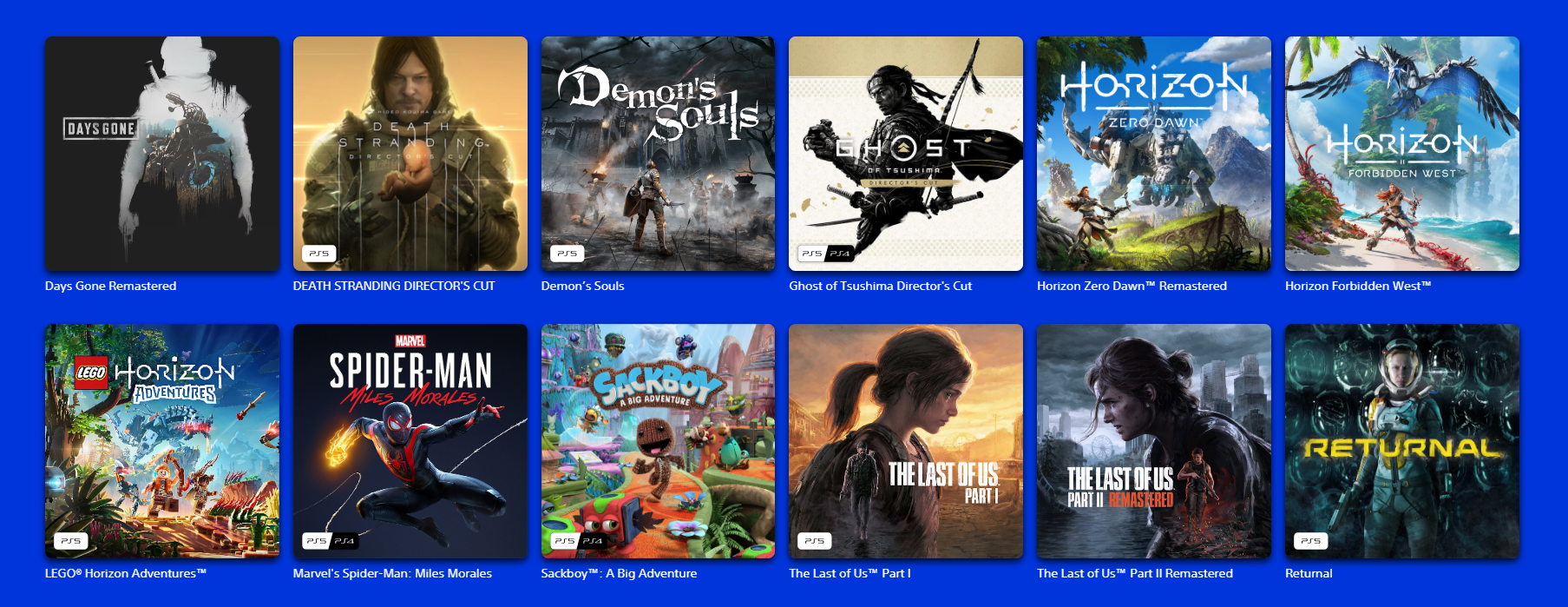
Scroll further, and you’ll find shorter versions of the same sentiment repeated by different accounts: “I’m switching to PC now,” “switch to PC for story games,” “switch to PC once and for all.” A smaller but vocal group is picking XBOX instead, with posts like “SWITCH TO XBOX AND NINTENDO” and “try XBOX or go back to PC”.
PlayStation loyalists on Reddit are asking what a starter gaming PC costs, which is not a conversation Sony wanted to trigger with a blog post about disc manufacturing costs. Digital Foundry ran an informal poll asking viewers if Sony should reconsider, and out of more than 45,000 votes, 86 percent said yes. “PS5 will be my last console” is the most repeated line in that poll’s comment section.
Yes, PC gaming is digital too, but that’s not the point
The obvious objection shows up in almost every thread about this. Steam doesn’t sell discs either, so what exactly is the upgrade? PlayStation loyalists asking that question must remember that digital was never the complaint. Being locked to one company’s decisions about that digital library is the one real issue.
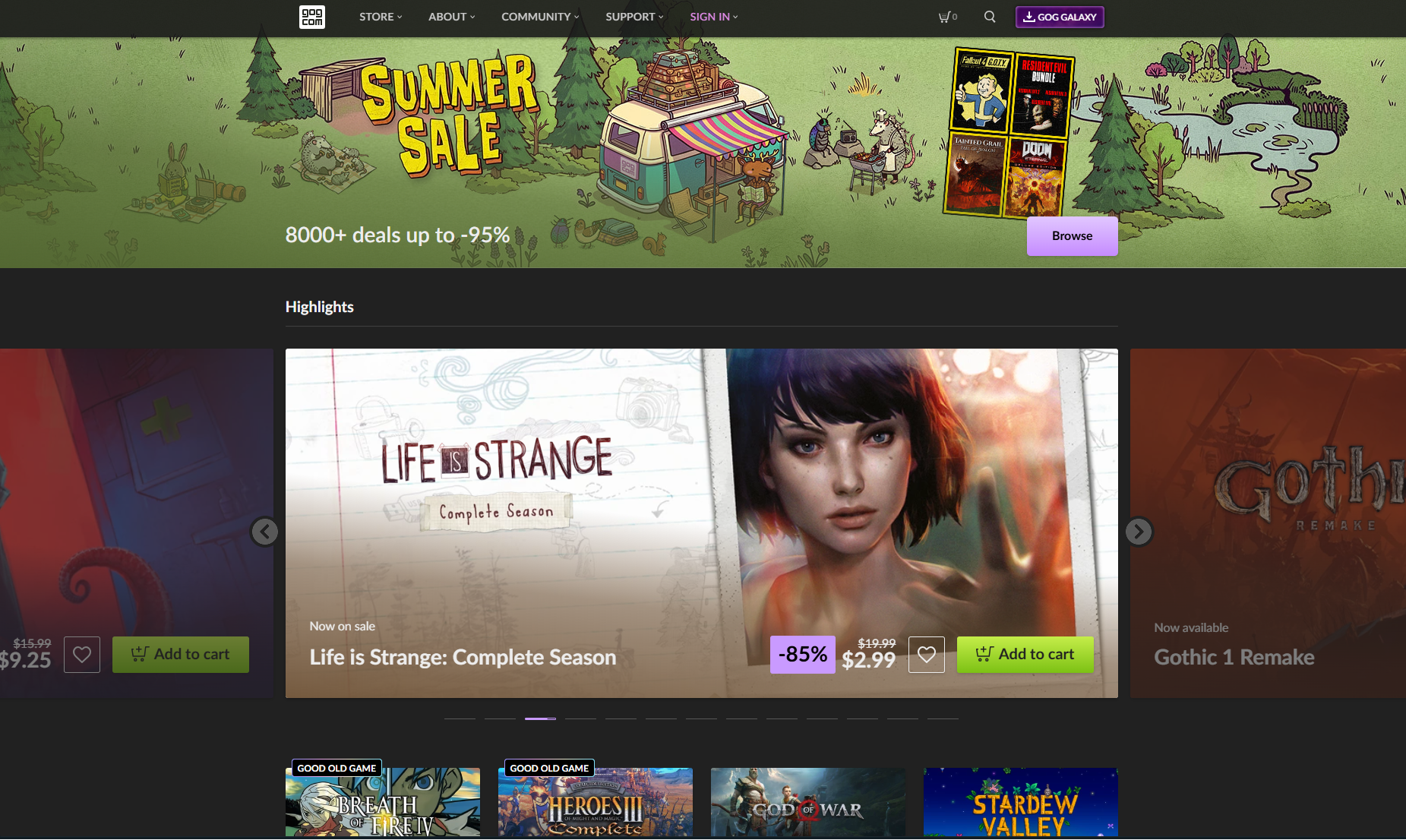
On PC, a purchase made from one storefront doesn’t vanish if that storefront has a bad quarter. Steam offers refunds on almost anything within two hours of playtime and two weeks of purchase, no questions asked in most cases. GOG sells the same games with no DRM at all, so the installer you download today still works a decade from now, subscription or no subscription.
Steam Families lets you share your library with up to five other people at once, a feature PlayStation and XBOX still don’t offer for free. None of that requires a disc. It just requires not needing Sony’s permission to keep playing.
PlayStation built its brand for years on a promise that access to what you paid for wouldn’t be taken away from you. PC gaming’s digital stores were never selling that promise in the first place, so there’s nothing to break!
Physical media companies are pushing back
The anger isn’t limited to players. iam8bit, a company that makes collector’s physical editions for publishers like Capcom and XBOX itself, said it was “profoundly disappointed” and signed off with “long live physical media.” GameFly called the move a blow to people who still believe “physical products still matter.”
Independent studio Aeternum Game Studios pledged to rush every game it’s currently developing into physical stores before the January 2028 cutoff. Even the Video Game History Foundation noted the shutdown of PS3 and PS Vita digital storefronts alongside the disc news raises real concerns with preservation, even if the day-to-day impact on archivists is smaller than headlines suggest.
Meanwhile, companies unaffected by the RAMageddon are mocking Sony for their decision to stop selling physical discs. As they say, one company’s misery is another company’s merchandise (no one said that until now, by the way).
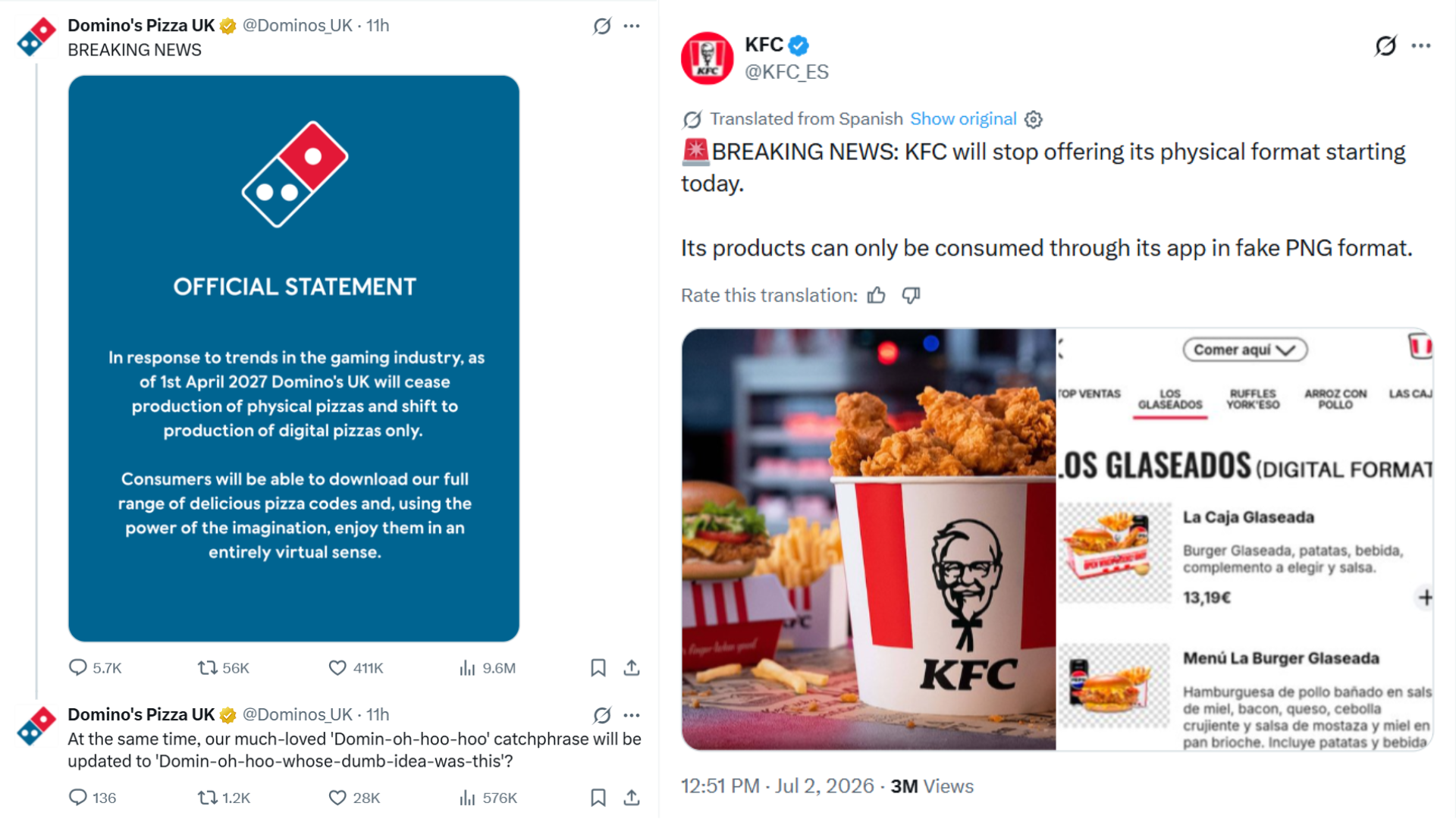
However, for gamers who have built their identity around collecting physical copies of PlayStation game titles, this feels like nothing but disaster capitalism, and it’s almost unthinkable that they are thinking of switching to a Windows 11 PC or XBOX.
XBOX is not the safe landing spot gamers think it is
PlayStation and XBOX have spent three console generations as rivals, with PC treated as a separate hobby. PlayStation loyalists rarely became XBOX buyers, and vice versa. Sony’s announcement just handed a chunk of its base a reason to finally cross that line, except XBOX is quietly walking toward the same disc-less future!
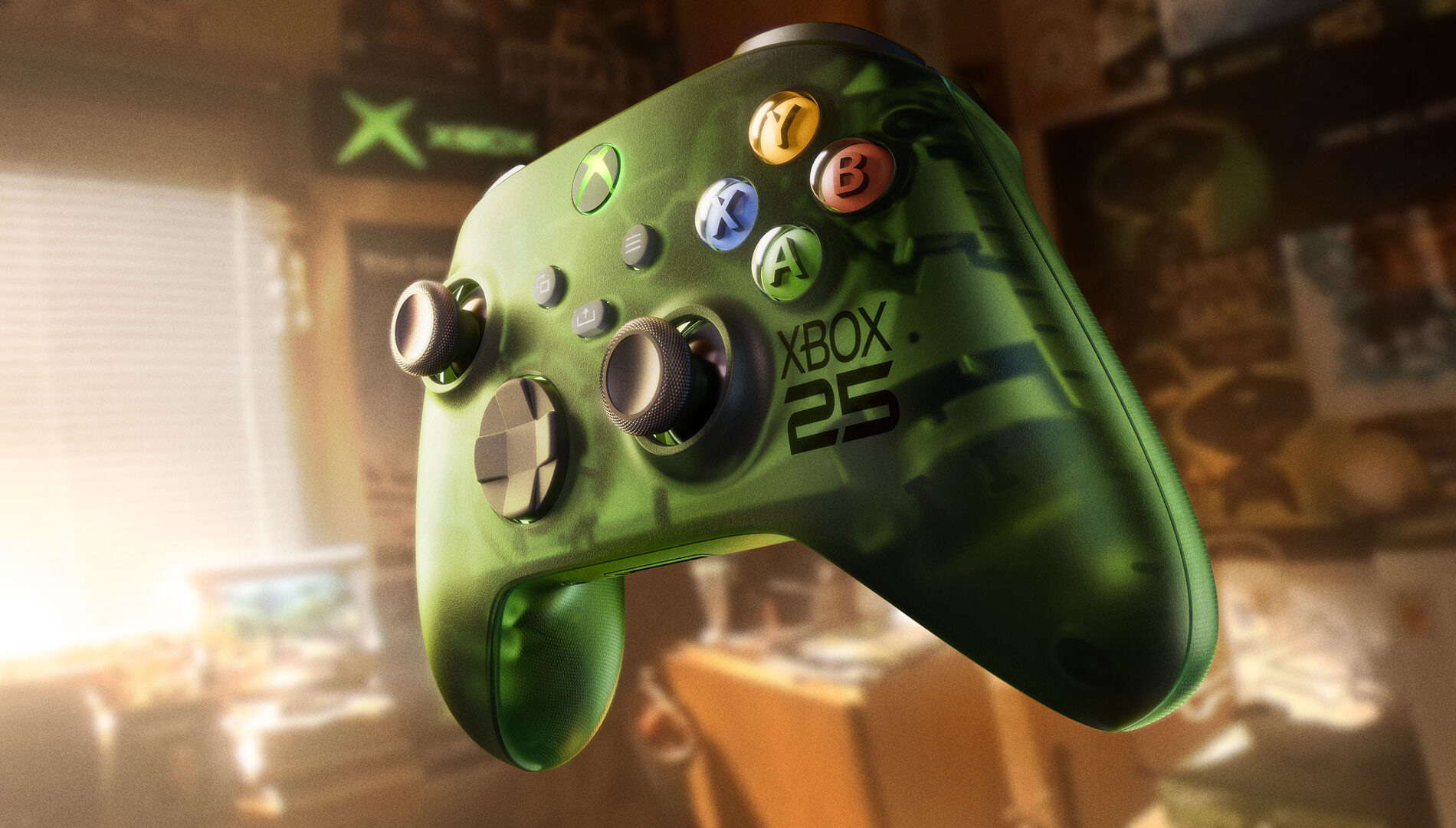
A report from Verge points to XBOX’s next-generation console, internally known as Project Helix, shipping without a disc drive at all. Microsoft hasn’t confirmed this publicly, and sources told Verge that no final call has been made, but the company is already testing a “disc-to-digital” feature that scans a physical XBOX One or Series X/S disc and grants a linked digital entitlement to whoever owns the disc at the time. Technically, if you lend the game to a friend, the entitlement follows the disc, not you. It’s a way to soften a transition XBOX has clearly already decided on.
XBOX also isn’t in a position to be anyone’s stable refuge right now. New CEO Asha Sharma took over from Phil Spencer in February and has spent the months since warning staff that the division’s spending doesn’t work, with over $20 billion sunk into content, platforms, and hardware subsidies over five years while annual revenue fell by close to half a billion dollars. Major layoffs are coming in July, timed to Microsoft’s fiscal year close, with component costs for future hardware reportedly climbing toward five times their 2024 levels by the 2027 holiday season.
Of course, the component crisis isn’t XBOX-specific. Valve’s new Steam Machine, the closest thing to a proper PC gaming console on the market, launched at $1,049 instead of its originally planned $750, and Valve said that the AI-driven RAM and storage shortage made the lower price “no longer viable.”
XBOX’s next console and any budget gaming PC built in the next year or two won’t be immune to exorbitant RAM prices. Still, PlayStation forced a chunk of its fans to consider PC and XBOX even as those two options became measurably less appealing to build or buy into.
XBOX Mode is why PC gaming doesn’t have to feel like Windows anymore
For the players who don’t want to deal with any console’s disc politics ever again, that leaves PC. But PC gaming has always had its own dealbreaker for console-only players, and no points for guessing the culprit that is Windows. Nobody wants to alt-tab past a OneDrive or a Copilot pop-up mid-game, and such an infamous reputation led to Microsoft building XBOX Mode.
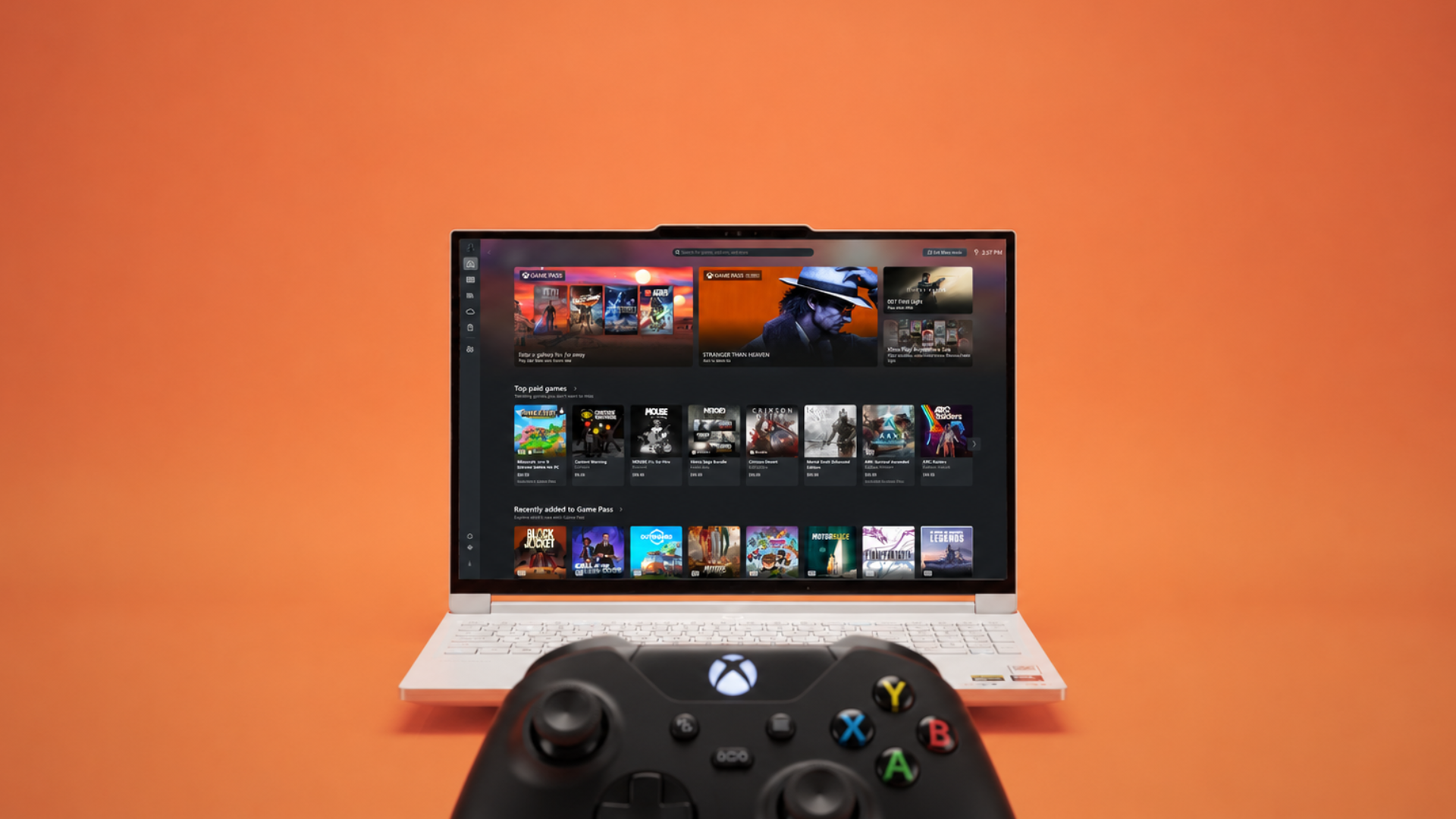
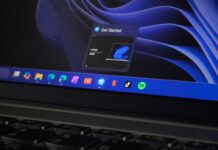
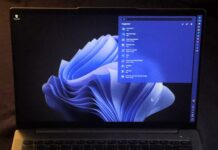
XBOX Mode, which started life internally as the XBOX Full Screen Experience, replaces the regular Windows desktop with a controller-first, full-screen dashboard when you turn it on. I tested it back when it was still hidden, and it doesn’t feel like Windows once it loads. Your library, Game Pass, Cloud Gaming, and the Store all show up as large tiles and horizontal rows built for a gamepad, and Windows itself steps out of the way. Background components get disabled, freeing up roughly 1 to 2 GB of RAM, and switching back to the regular desktop takes a second, without any restart required.
Microsoft began rolling XBOX Mode out to all Windows 11 form factors in 2026, and it directly solves the complaint PlayStation loyalists have about their own platform right now. On a Windows PC running XBOX Mode, that decision stays with you.
How to turn on XBOX Mode if you’re switching to PC
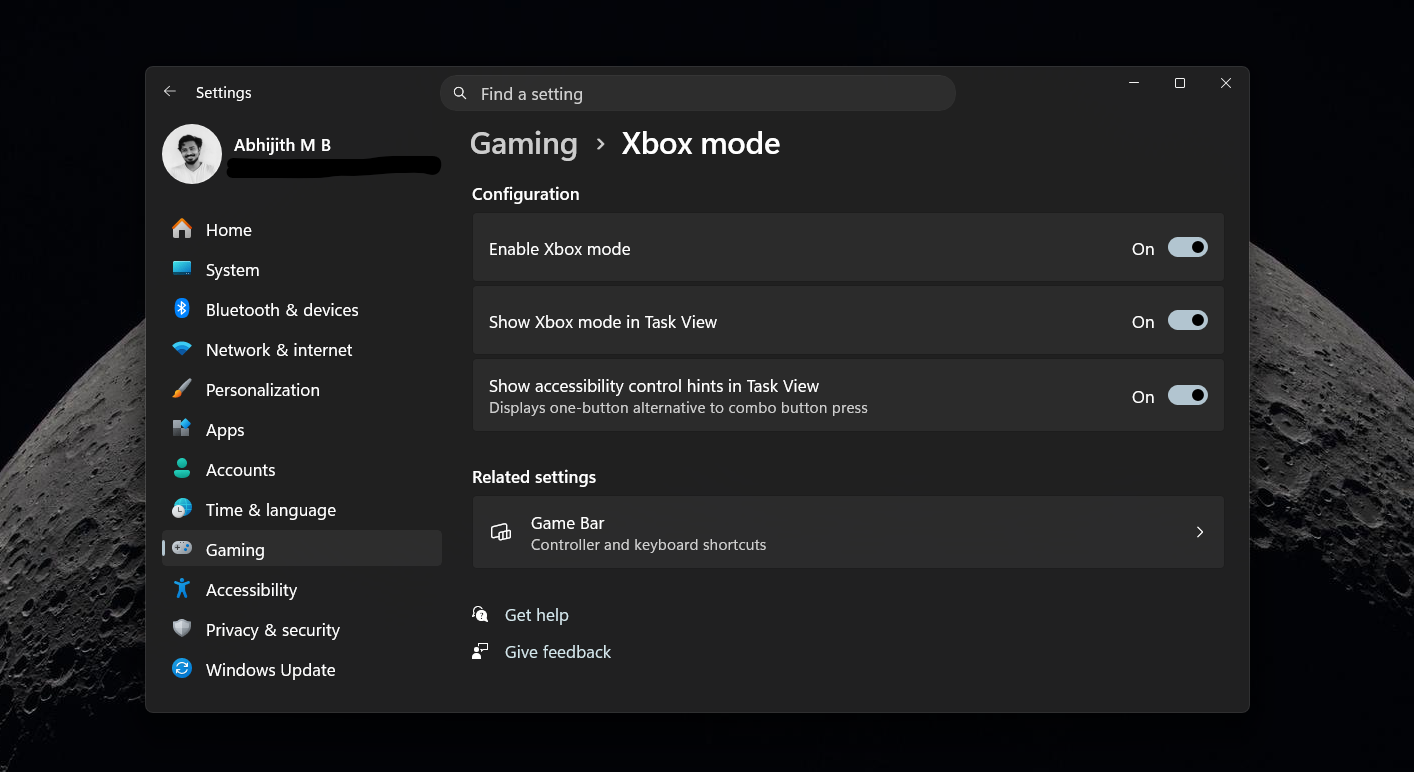
If your PC has Windows 11 build 26200.8328 or higher, XBOX Mode should already be sitting in Settings > Gaming, right above Game Bar. If it’s not there yet, Microsoft is still rolling it out gradually through Controlled Feature Rollout, and you can force it on with the open-source ViVeTool.
Download ViVeTool from its GitHub page, extract it to C:\ViVeTool, open Command Prompt as an administrator, run cd C:\ViVeTool, then run vivetool /enable /id:58989070,59765208. Restart your PC, and XBOX Mode will appear in Settings > Gaming with the toggle already switched on.
Microsoft has also removed Copilot from XBOX and confirms they will remove Copilot from places where it “doesn’t meet its promise,” which makes us believe that at least the company knows PC gaming and Windows’s AI ambitions don’t belong in the same window.
Latest Windows 11 gaming handhelds are proof that XBOX Mode is already paying off
The handheld market is the clearest evidence that Windows gaming has real momentum right now, even with its flaws. MSI’s new Claw 8 EX AI+, running Intel’s Arc G3 Extreme chip, is putting up frame rate gains of 50 to 75 percent over rivals like the ROG XBOX Ally X and Lenovo Legion Go 2, according to early reviews, and it ships with the XBOX Mode built in instead of the standard Windows desktop.
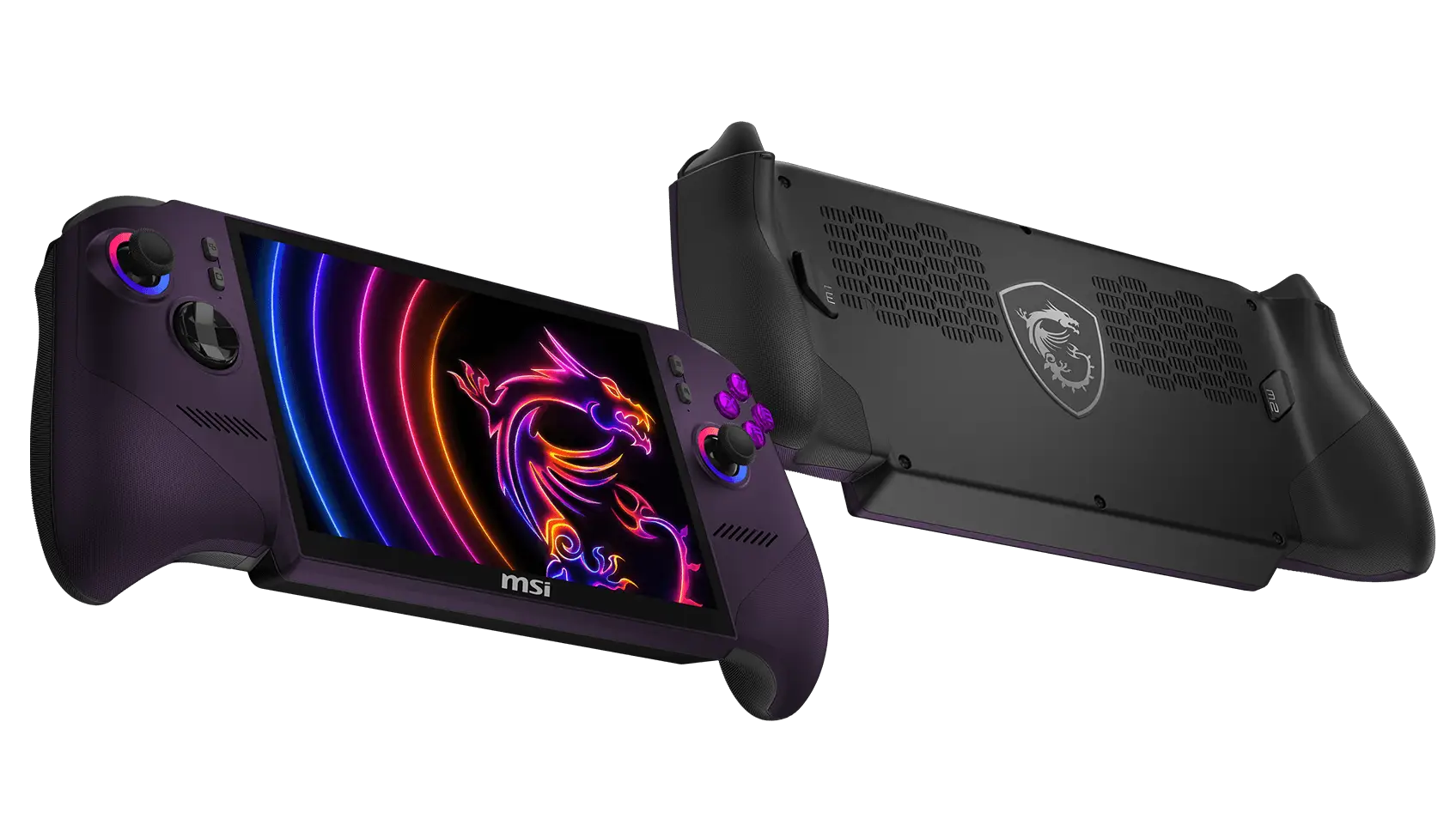
Lenovo’s Legion Go 2, meanwhile, is hedging its bets, with a version running SteamOS too, because even Lenovo isn’t fully convinced Windows 11 is ready to carry a handheld on its own yet.
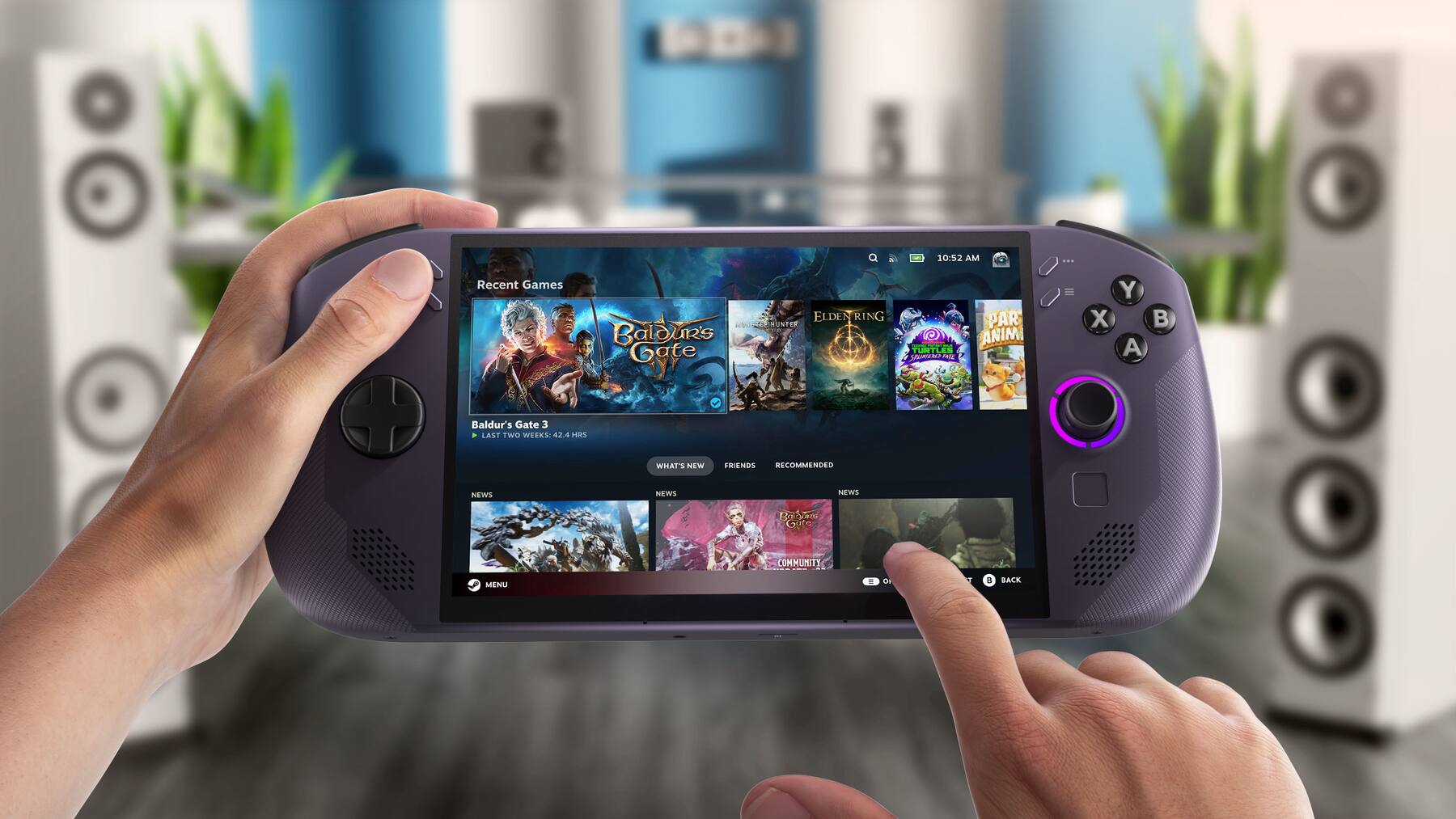
Console players leaving PlayStation over disc politics aren’t necessarily choosing between a desktop PC and a laptop. A growing number of them are choosing a device that looks and feels like a console but runs on Windows underneath, and XBOX Mode is what makes that swap believable instead of a downgrade.
The pressure is on Windows 11 to deliver on gaming performance now
None of this works if Windows 11 keeps being the platform PC gamers suffer through. Microsoft has said, in its own words, that it wants Windows to be “the best place to game,” and 2026 is shaping up to be the year that promise gets tested by an audience Redmond didn’t expect. PlayStation just handed Microsoft a fresh batch of console loyalists who are looking for a reason to leave their ecosystem behind.
But XBOX Mode alone doesn’t fix Windows. It hides the mess; it doesn’t clean it up. The background workload management, power scheduling, and graphics stack improvements Microsoft has promised for 2026 still need to ship. Gaming handhelds on Windows still post some of the worst battery life and standby behaviour in their class. Shader stutter on a fresh game launch is common outside of titles that support Advanced Shader Delivery. These issues don’t disappear because PlayStation gave Windows a PR opening.
Sony didn’t do Microsoft any favors on purpose. It just handed over a group of players who are done with corporate decisions about what they’re allowed to own, and fortunately for Microsoft, Windows has a feature built to make that transition painless. But whether all this turns into a real audience or a headline PlayStation users forget by next quarter depends on Windows 11 keeping its side of the bargain.