





Back in April 2026, Windows Latest spotted Microsoft’s blog in Windows Learning Center explaining that most Windows 11 users no longer needed third-party antivirus software because Windows Security (Defender) already provides sufficient protection out of the box.
Now, surprisingly, Microsoft has deleted that page. And it’s unexpected because Microsoft wasn’t really wrong in their claims. But apparently, they weren’t right either!
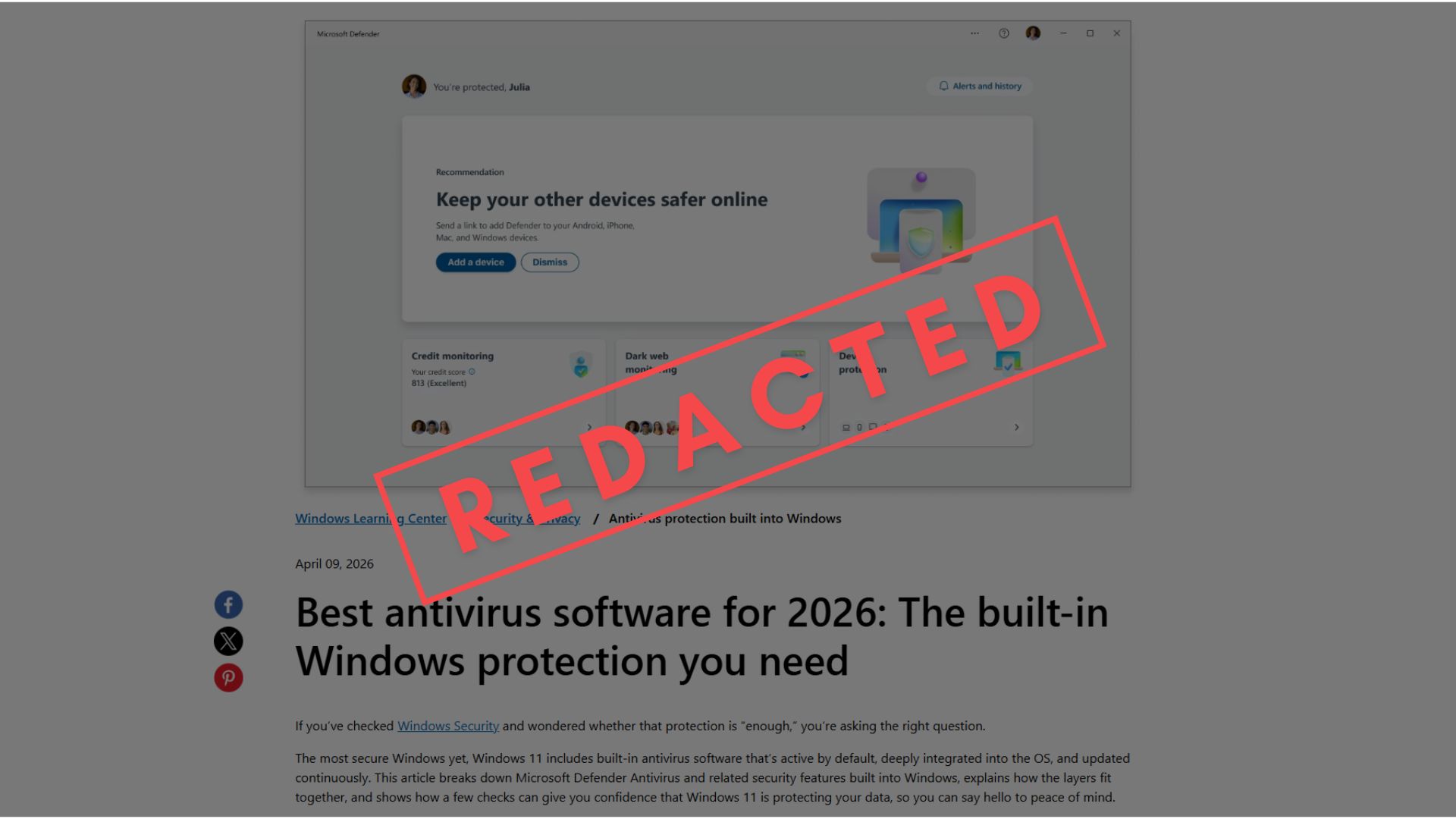
The blog carried the headline “Best antivirus software for 2026: The built-in Windows protection you need.” The URL now redirects to the Windows Learning Center home page.
As expected, Microsoft never clarified why the blog disappeared, nor did they announce the deletion of what was supposed to be an important piece of information.
Microsoft said Windows Defender was enough for most users
Microsoft’s blog argued that Windows 11 already includes a complete antivirus stack through Microsoft Defender Antivirus, SmartScreen, Smart App Control, ransomware mitigation, and cloud-delivered protection.
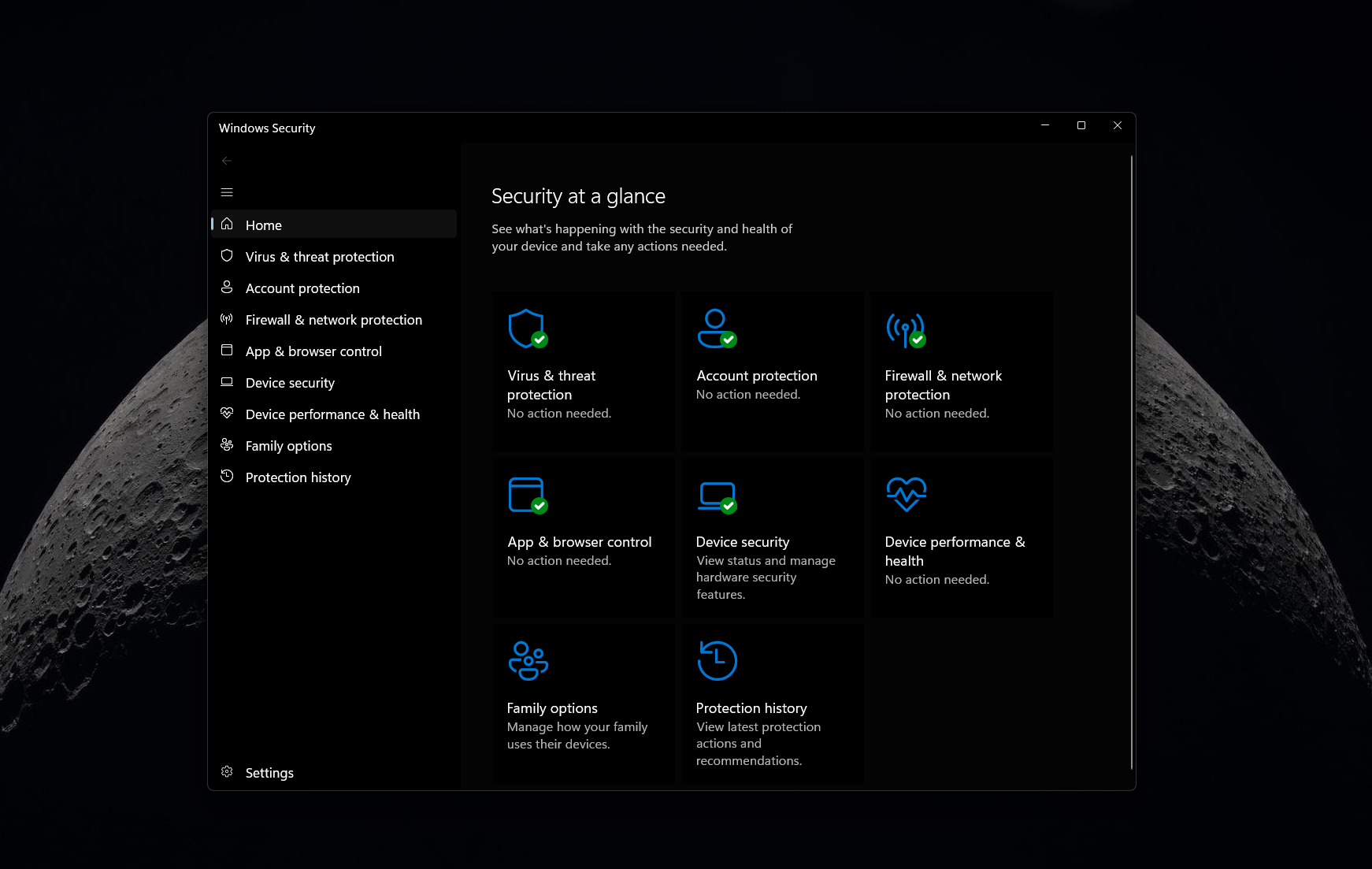
“Together, these protections form a baseline that covers common attack paths without requiring additional software.”
Microsoft didn’t fail to mention the conditions where Windows built-in Security was enough:
“Windows antivirus protection is usually sufficient when Windows 11 runs with default protections enabled, updates are installed regularly, and software downloads are deliberate.”
Hilariously, Microsoft also explicitly warned users about installing multiple antivirus engines: “More than one real-time antivirus engine increases resource use and raises the chance of conflicts.”
Microsoft was effectively acknowledging that Windows Security had matured far beyond the weak protection bundled with Windows XP and early Windows 7 systems.
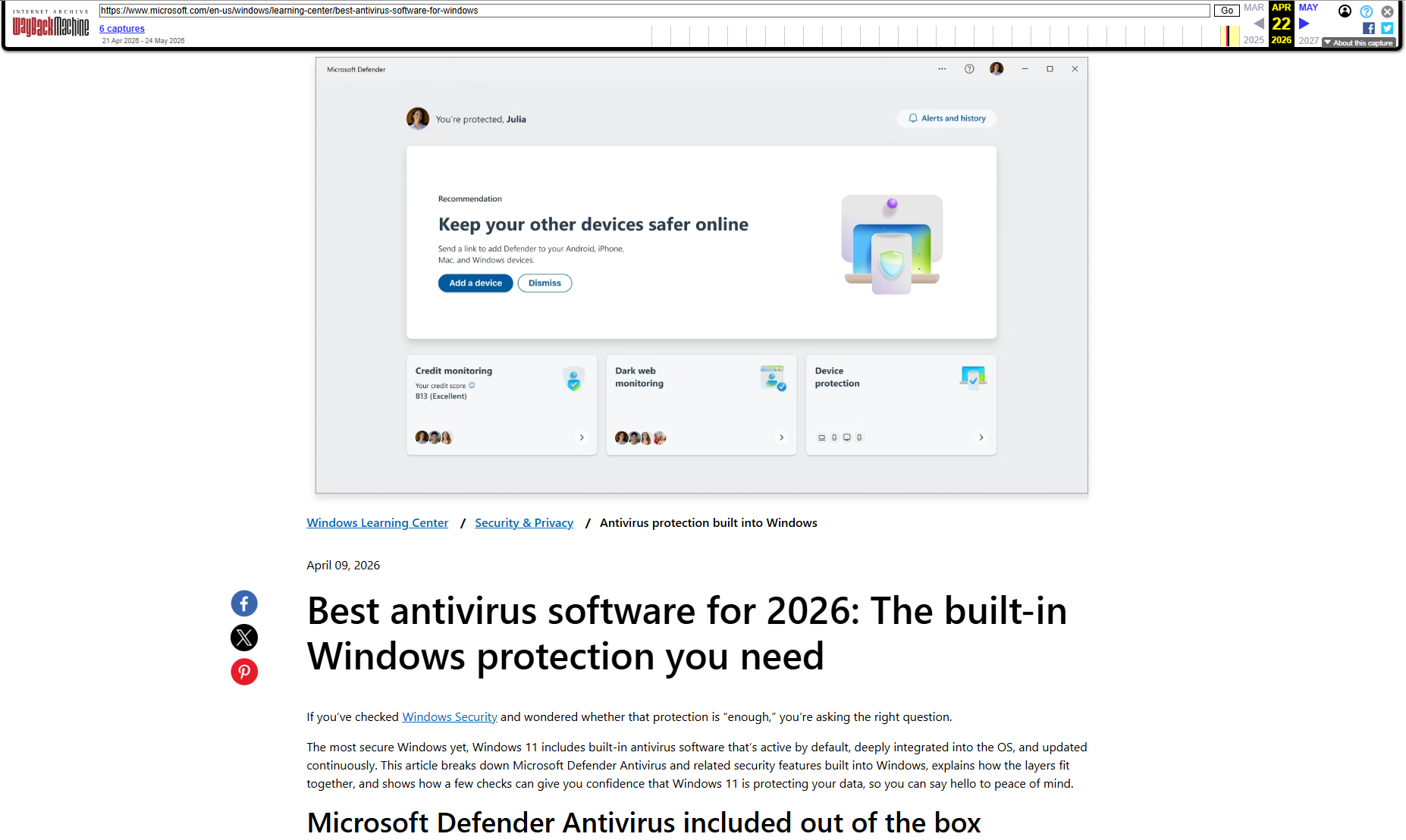
If you’re interested in knowing what Microsoft claimed, the deleted Microsoft blog exists on the Internet Archive through this archived snapshot.
The truth is that Windows Defender has evolved massively over the past decade. Independent testing from AV-Test consistently placed Microsoft Defender among top-tier antivirus products, while AV-Comparatives regularly showed protection scores between 98.5% and 100% in real-world tests.
However, Microsoft’s Windows Learning Centre has an older article, which is still live, and this newer one was deleted.
AV-Comparatives calls the deletion a constructive step
Interestingly, it was AV-Comparatives that noticed Microsoft had removed the April blog. The security testing firm published a detailed commentary, mentioning the takedown, on May 26, titled “Is Microsoft Defender Enough? Putting Built-In Protection into Context.” Cybersecurity Evangelist Thomas Uhlemann described the removal as a “constructive step” toward realistic security guidance.
AV-Comparatives pointed out that Microsoft previously published a much more measured security guide on January 13, 2026, titled “Trusted antivirus protection for PCs”, which took a more careful approach.
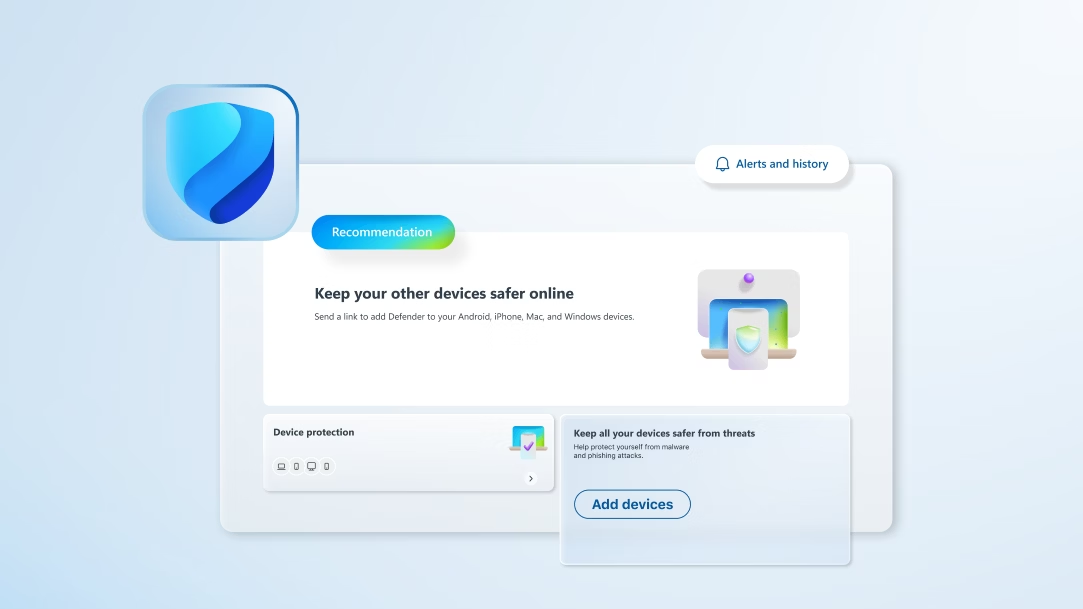
Instead of strongly implying that Windows Defender eliminated the need for third-party antivirus software, Microsoft described Defender as solid baseline protection for “many users” while also acknowledging the benefits of additional tools like VPNs, identity monitoring, and layered protection.
The January blog also openly discussed the limitations of antivirus software itself. Microsoft admitted that antivirus tools cannot fully protect users from social engineering attacks, zero-day vulnerabilities, risky downloads, or unsafe browsing habits.
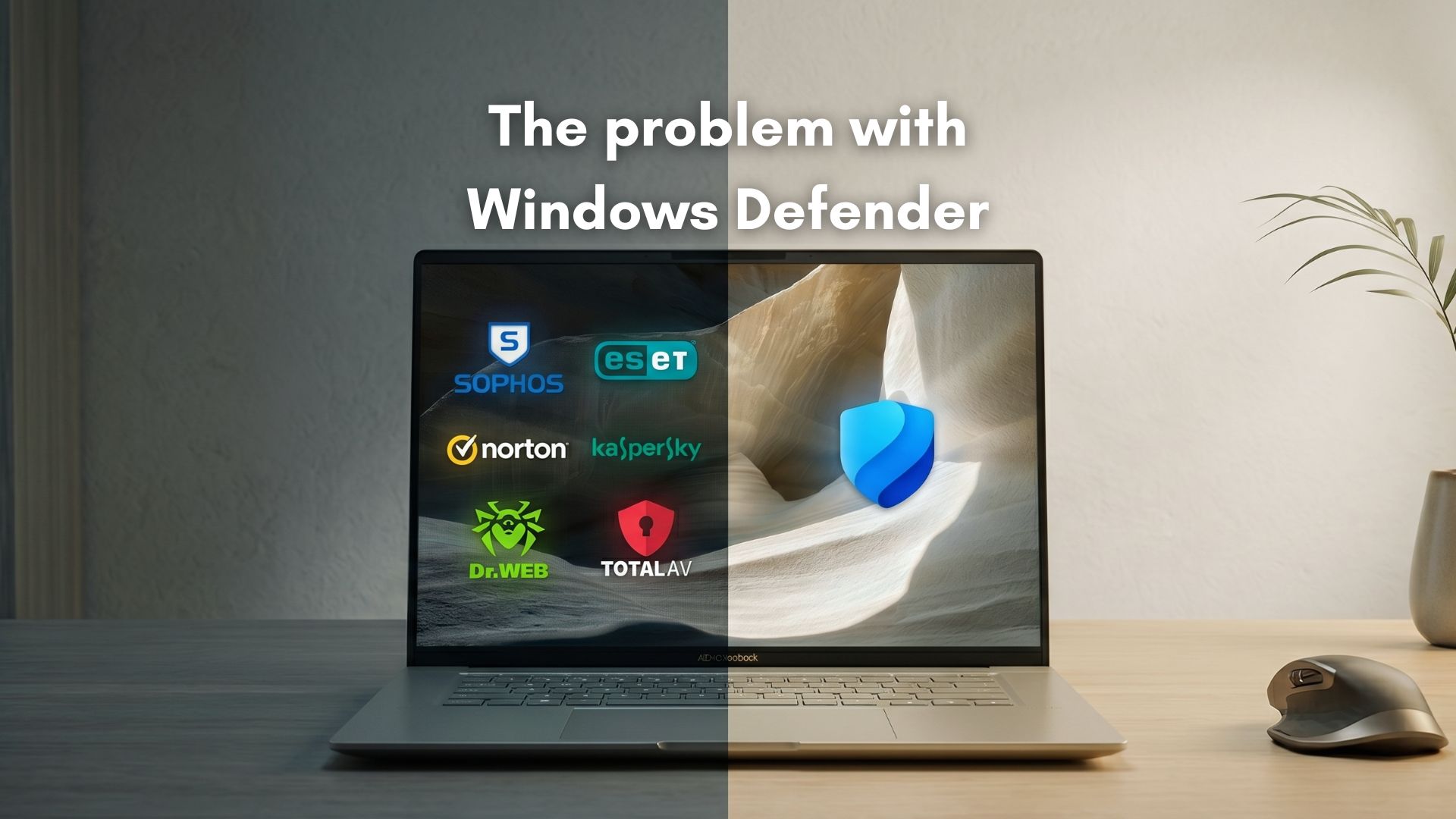
Why Microsoft removed their blog about Windows Defender being the best antivirus for 2026?
Microsoft has not publicly explained why the original article was deleted, so any explanation is speculative.
However, one possible reason is that the wording became too absolute. Saying Windows Defender is “enough” sounds simple, but security rarely works universally.
For a regular home user who browses trusted sites, keeps Windows updated, and avoids suspicious downloads, Windows Security provides very strong protection today. Microsoft wasn’t necessarily wrong about that.
However, enterprise environments work differently. Developers, researchers, journalists, businesses, privacy-focused users, and high-risk targets depend on layered protection systems, sandboxing, identity monitoring, endpoint management, browser isolation, network filtering, or vendor diversity strategies.
There is also the Windows ecosystem to consider.
Many PC manufacturers still preload third-party antivirus software, like Norton and McAfee, on consumer laptops and desktops through commercial partnerships.
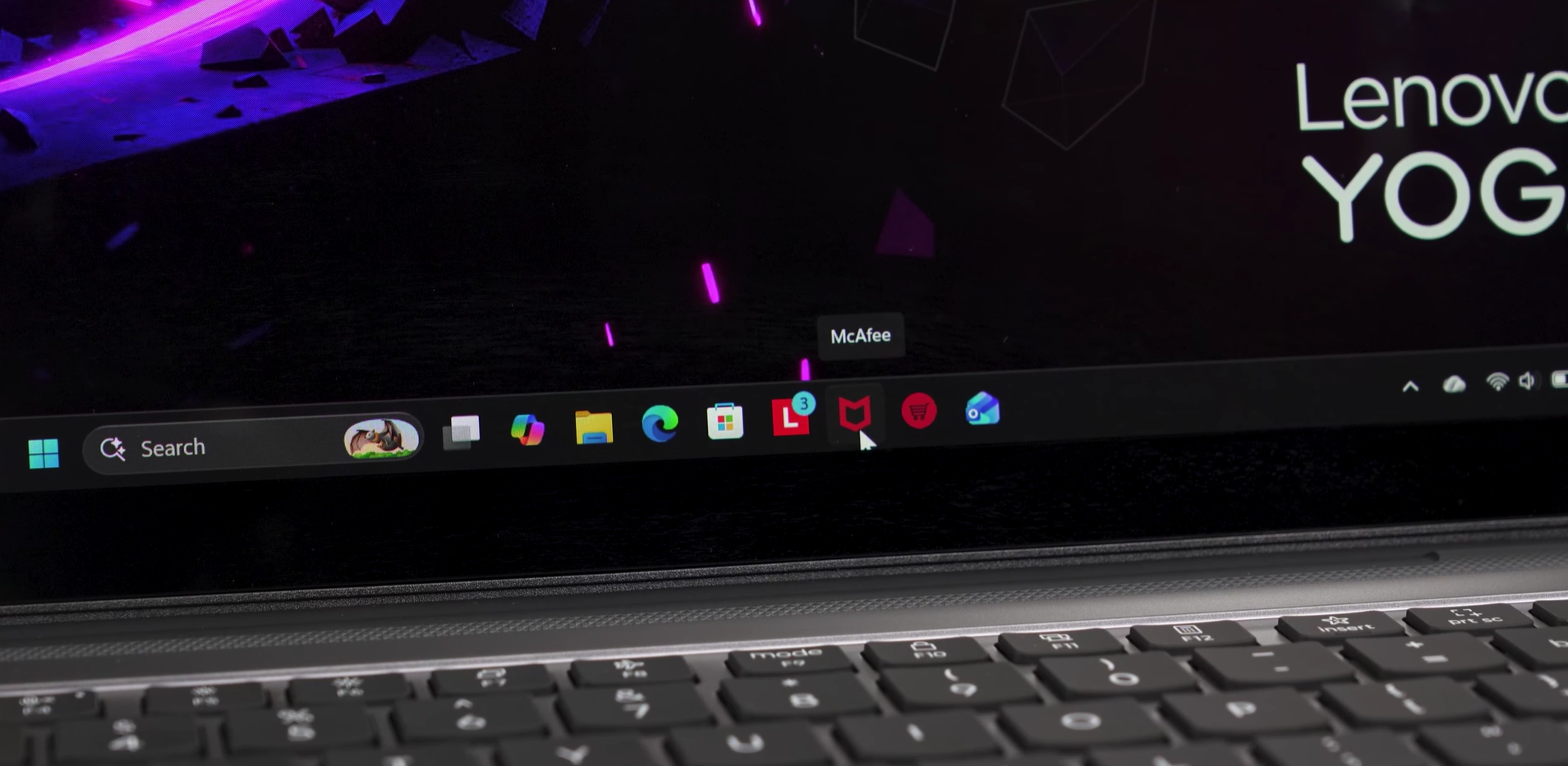
Antivirus vendors are deeply integrated into the Windows ecosystem through Microsoft’s own security programs and certifications. A strongly worded article implying third-party antivirus software is unnecessary may not have been in the best interests of both OEMs and Antivirus companies.
AV-Comparatives also raised another important point about monocultures in security.
If every Windows PC uses identical detection engines, telemetry systems, heuristics, and security logic, attackers only need to bypass one ecosystem at scale.
Independent testing explains why Defender is not always enough
AV-Comparatives made it very clear that their article was not meant to attack Microsoft Defender.
The organization actually praised Microsoft for how much Windows Security has improved over the last decade. Defender evolved from a weak built-in antivirus into a credible modern security platform.
However, AV-Comparatives also explained why security discussions become problematic when they sound too absolute.
The organization highlighted one of the biggest technical limitations of Defender as being offline protection.
In AV-Comparatives’ March 2026 Malware Protection Test against 10,000 malware samples, Defender delivered excellent online protection results. However, its offline detection rate dropped to 89.2%, while several competing antivirus products achieved 98.6% offline detection.
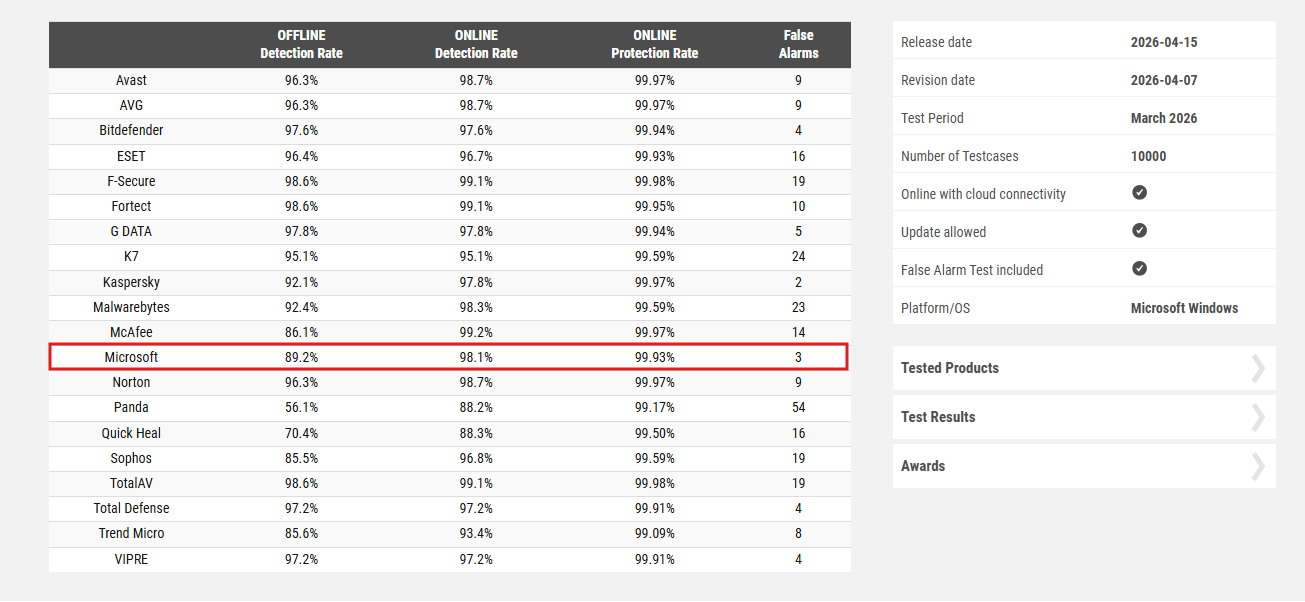
According to AV-Comparatives, this shows a design choice.
Microsoft Defender depends heavily on cloud-assisted intelligence, reputation systems, telemetry analysis, and cloud-based threat detection. Modern protection has improved dramatically because of those systems.
But when cloud connectivity becomes unavailable, or intentionally disabled, protection depends more on what the antivirus can detect locally, which is a frequent scenario during travel, on enterprise networks, in privacy-focused environments, or in situations where systems temporarily lose internet access.
AV-Comparatives also emphasized ecosystem limitations.
Microsoft Defender SmartScreen works extremely well inside Microsoft Edge and Outlook because Microsoft tightly integrates those services into its broader telemetry infrastructure.

Chrome, Firefox, Brave, Vivaldi, Thunderbird, or third-party email platforms may not receive the exact same phishing and URL filtering coverage.
Third-party security suites solve that by implementing browser-independent anti-phishing systems and mail scanning engines that work regardless of which browser or email client users prefer.
Microsoft still gives third-party antivirus vendors deep Windows access
One interesting part of the AV-Comparatives report addressed a common misconception. Many people assume Microsoft intentionally cripples third-party antivirus software inside Windows to favor Defender. AV-Comparatives says that it is not true.
Microsoft provides qualified security vendors with deep platform integration access through the Microsoft Virus Initiative (MVI).
The program gives antivirus vendors access to Early Launch Antimalware (ELAM) drivers, Protected Process Light hardening, kernel-level integrations, and other advanced platform capabilities.
Microsoft itself describes ELAM as:
“A Microsoft-supported mechanism for antimalware software to start before other third-party components.”
AV-Comparatives also noted that Microsoft officially recognizes independent testing labs like AV-Comparatives itself as part of the MVI certification ecosystem.
Every antivirus vendor participating in those tests operates on the same Windows platform with the same class of deep integration available to Defender, which means third-party antivirus products are not competing with one hand tied behind their backs.
AI-generated malware is making security much harder
Cybersecurity is entering a completely different era because of AI. AI-generated phishing attacks, AI-assisted exploit development, automated malware obfuscation, and large-scale vulnerability research are accelerating across the industry.
But as the saying goes, we fight fire with fire. Anthropic’s Claude Mythos Preview reportedly identified thousands of zero-day vulnerabilities before public release.
Microsoft also participates in Project Glasswing alongside NVIDIA, Google, Cisco, AWS, Apple, CrowdStrike, Palo Alto Networks, JPMorganChase, and other major industry players.
Microsoft’s own security teams increasingly use AI-assisted defense systems, telemetry analysis, autonomous detection, and massive-scale cloud intelligence.
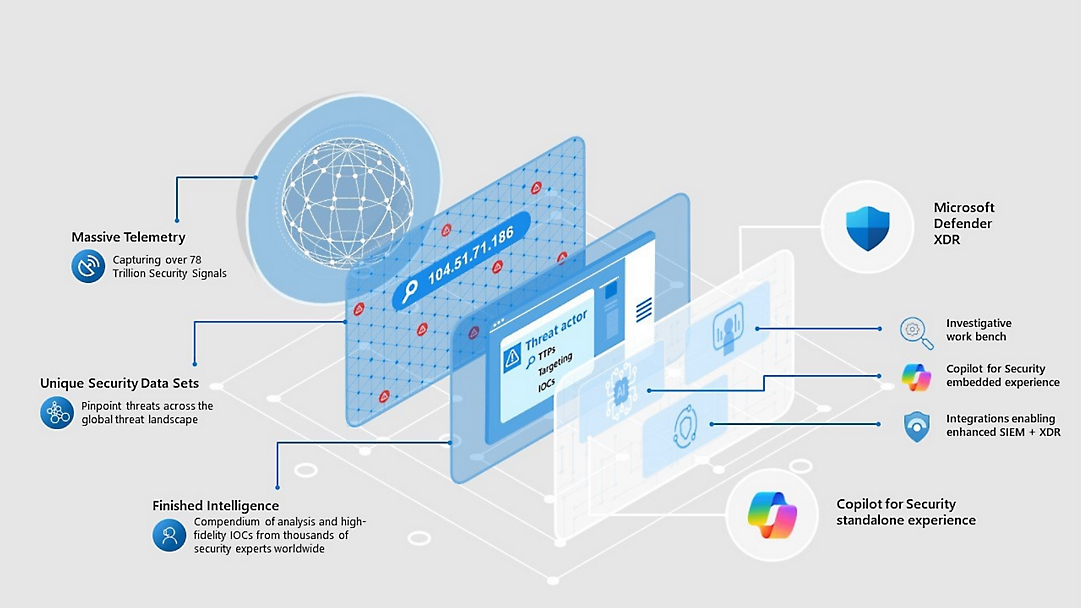
The company recently announced general availability of Microsoft Defender for Cloud and Defender XDR integrations focused on securing AI agents, alongside GitHub security tooling, runtime AI monitoring, and real-time workflow protection in its Build 2026 announcement.
Microsoft also expanded Smart App Control protections, hardened Windows 11 defaults, accelerated the removal of NTLM authentication, and integrated post-quantum cryptography protections into Windows through its Secure Future Initiative.
Microsoft deserves credit for how far Windows Security has come
Even with all the controversy surrounding the deleted article, Microsoft deserves enormous credit for what it achieved with Windows Security.
Make no mistake, Defender is not the weak built-in antivirus that people ignored during the Windows XP era. Even in Windows 10, Defender was among the best antivirus software available for the OS, as per AV-Test. Personally, I still uninstall McAfee or Norton immediately when I buy a new PC, and Windows Security (Defender) is all I use. In case you’re wondering Defender was renamed to Windows Security about 8 years ago.
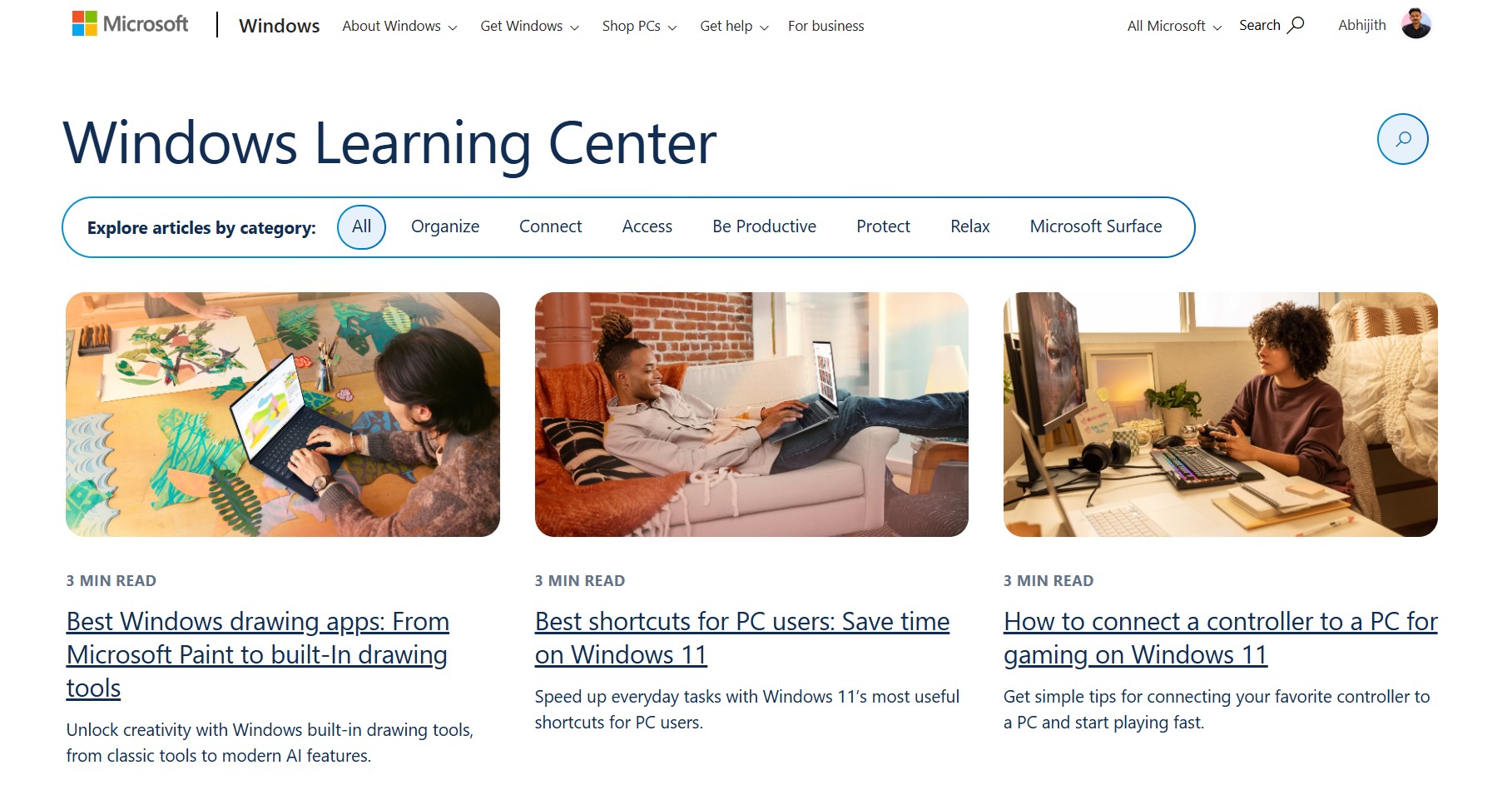
However, Microsoft deleting such a major article without clarification still raises legitimate questions about quality control inside the $3 trillion company’s public-facing documentation systems. Windows Learning Center contains countless tutorials, recommendations, and beginner-focused security guides. Quietly removing a major security recommendation after publishing it may lead to dangerous consequences. We previously reported how the Windows Learning Center uses AI-generated images in its guides.
Still, regular users probably do not have to panic and find their wallets to pay for third-party antivirus software the moment they read this.
Windows Security became one of the biggest success stories in Microsoft’s modern Windows strategy. And while third-party antivirus products still absolutely have a place depending on the user, most people can comfortably get by with Microsoft Defender today.