









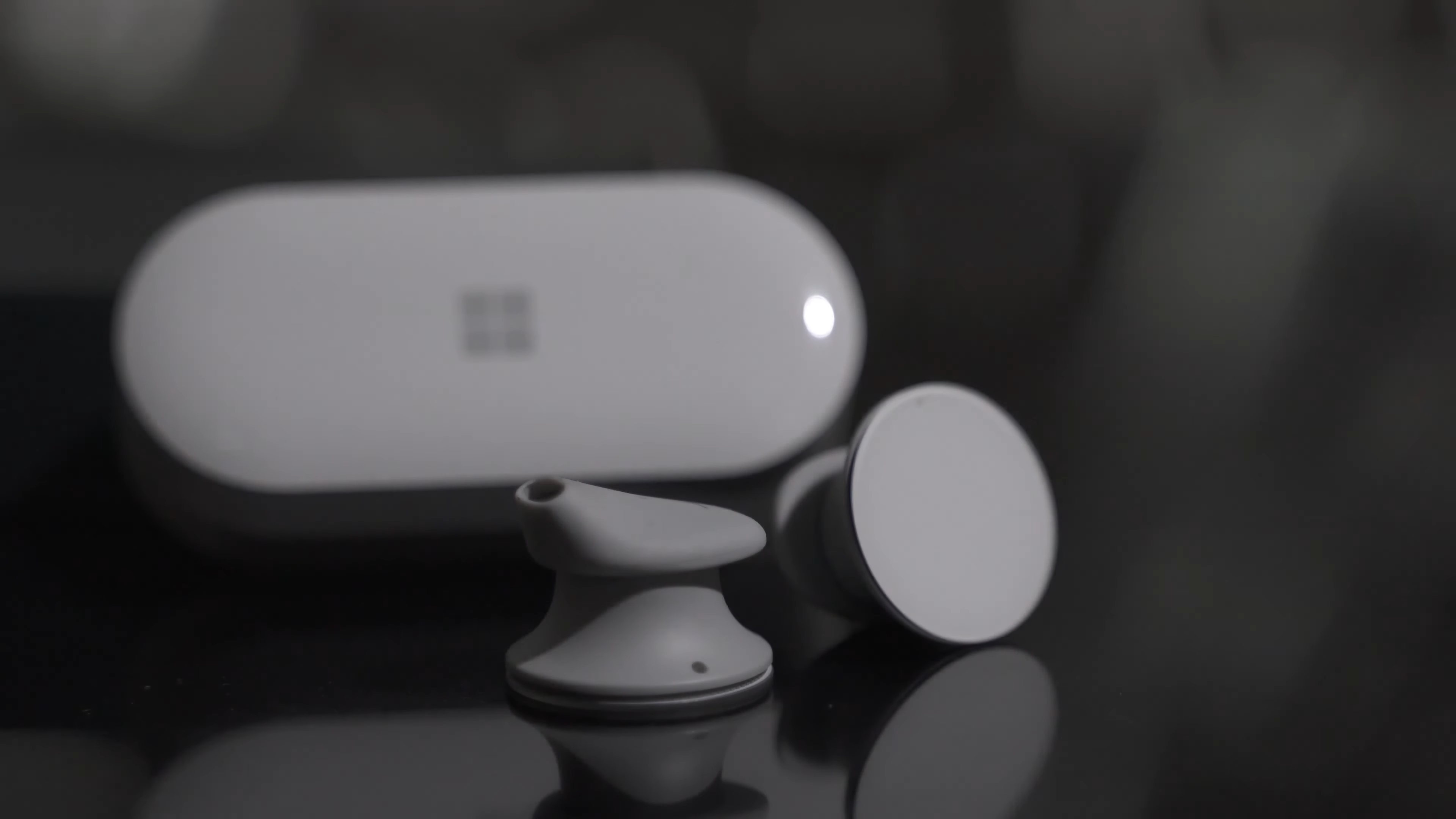
If anything, Microsoft is consistent at, it is filing new patents, and there’s one that went live recently. Windows Latest found a new patent titled “IN_EAR AUTHENTICATION” that imagines buds with a new built-in authentication that would make it difficult for anybody to steal your buds, and the idea could also be modified to use as a Windows Hello method.
Microsoft is not exactly out of the hardware business. It still makes Surface laptops, but the company is no longer innovating. Or to put it simply, Surface has lost its original purpose, which was to guide manufacturers with new form factors.
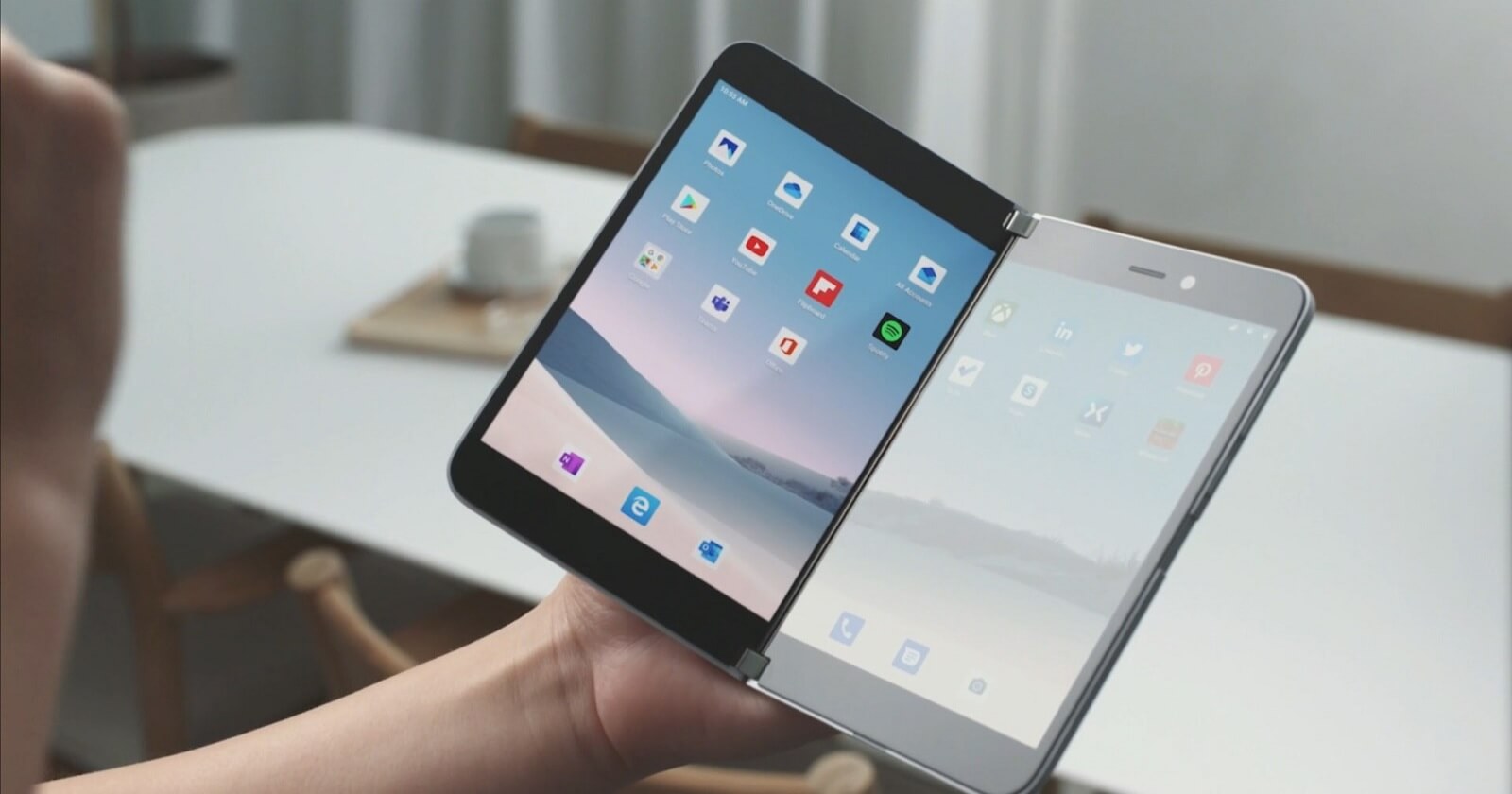
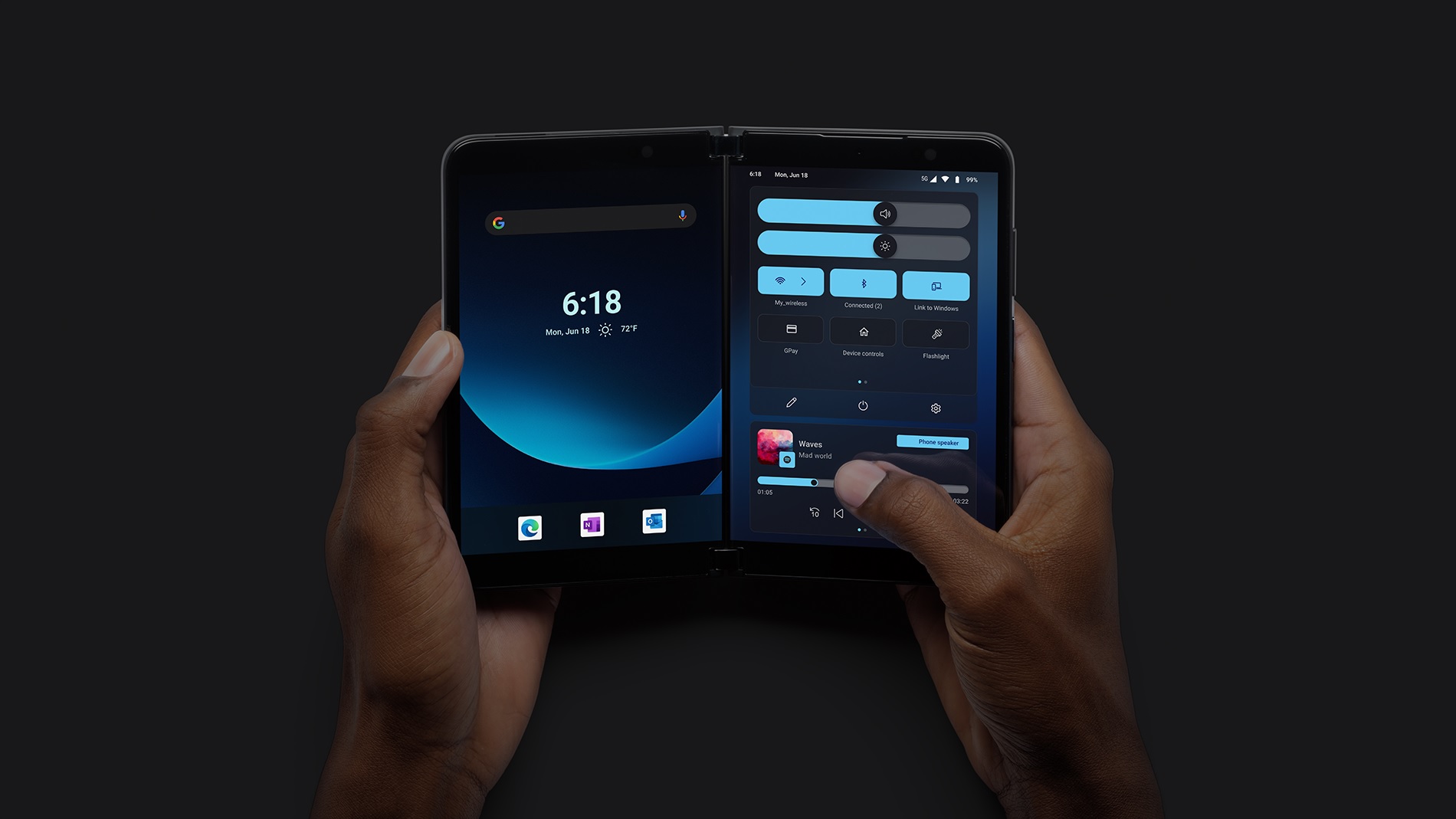
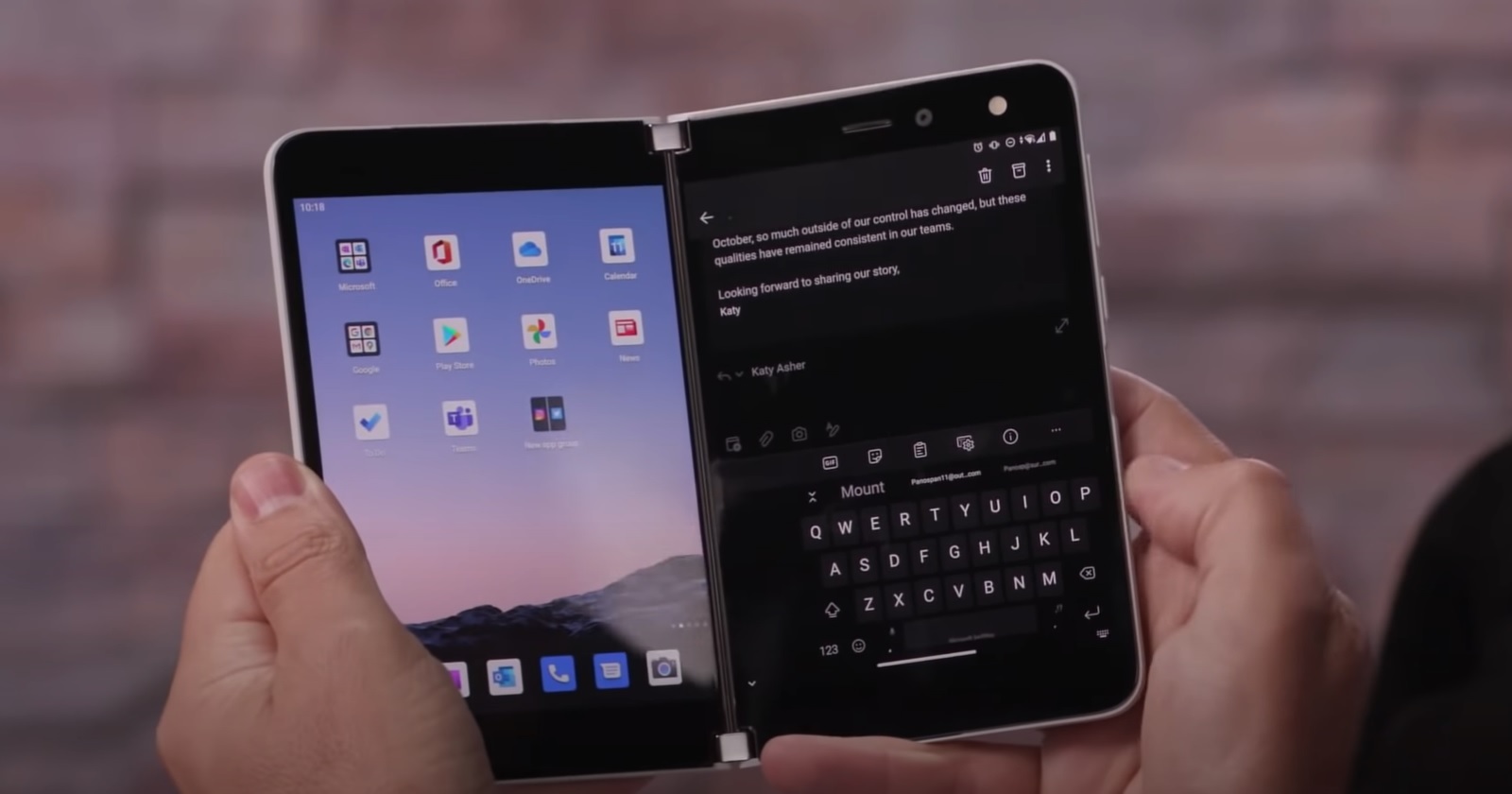
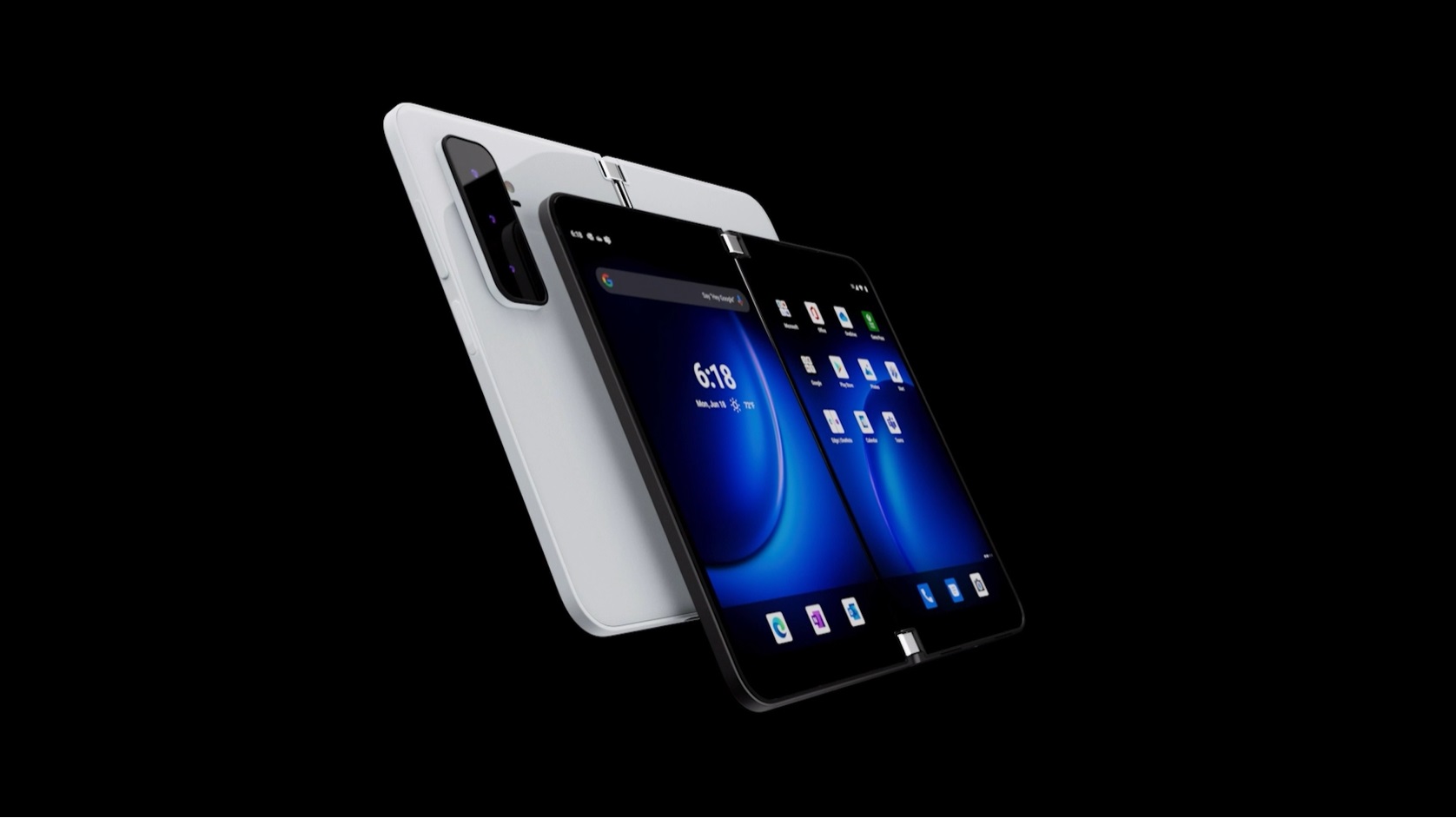
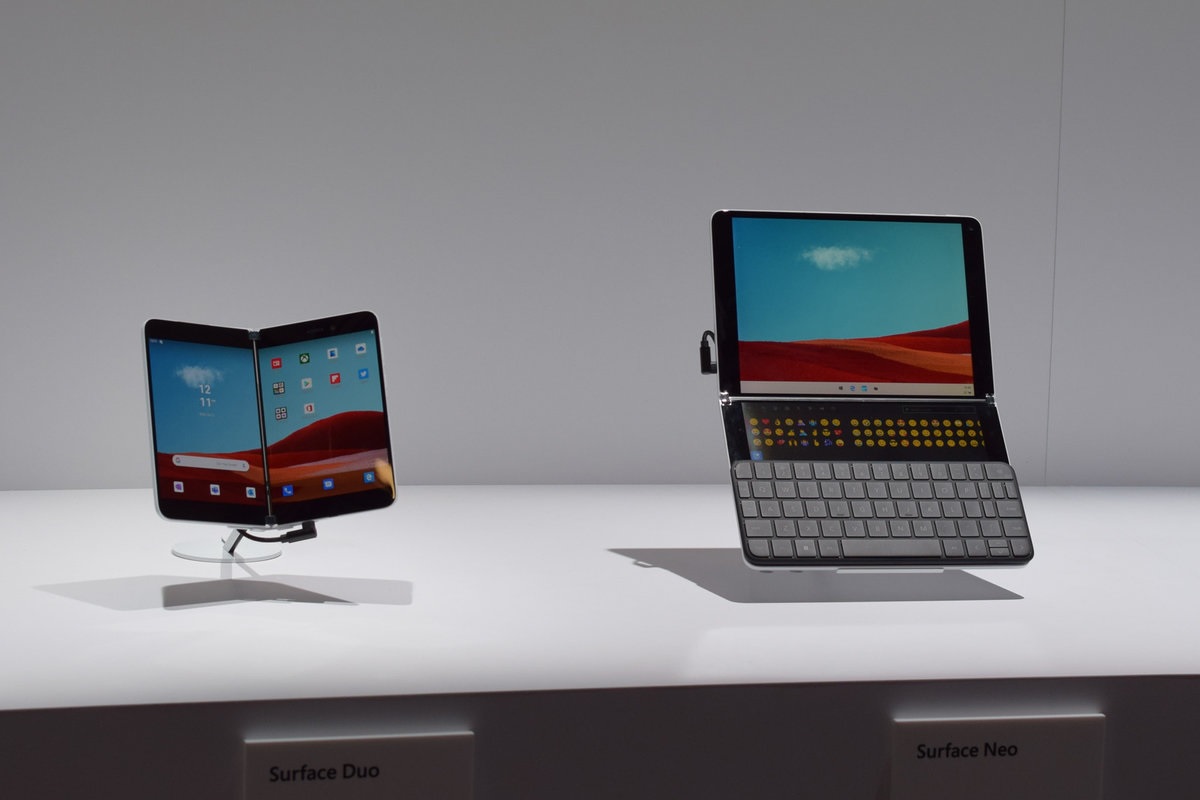
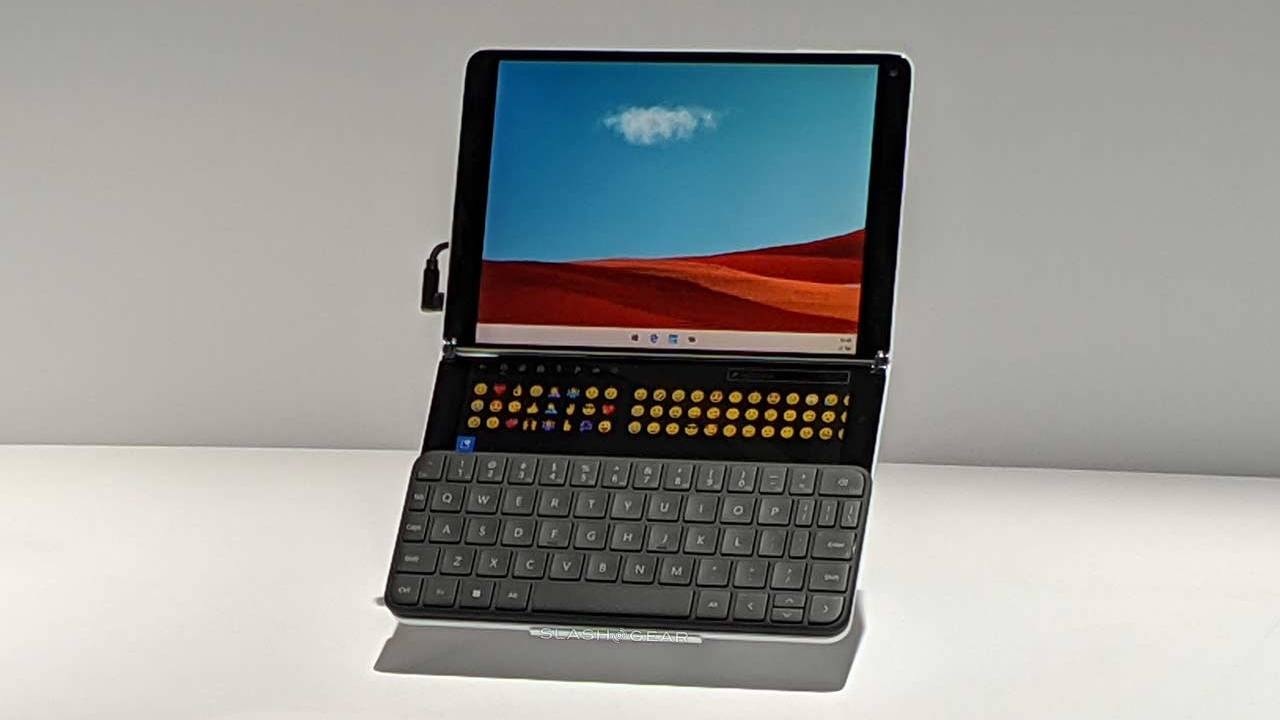
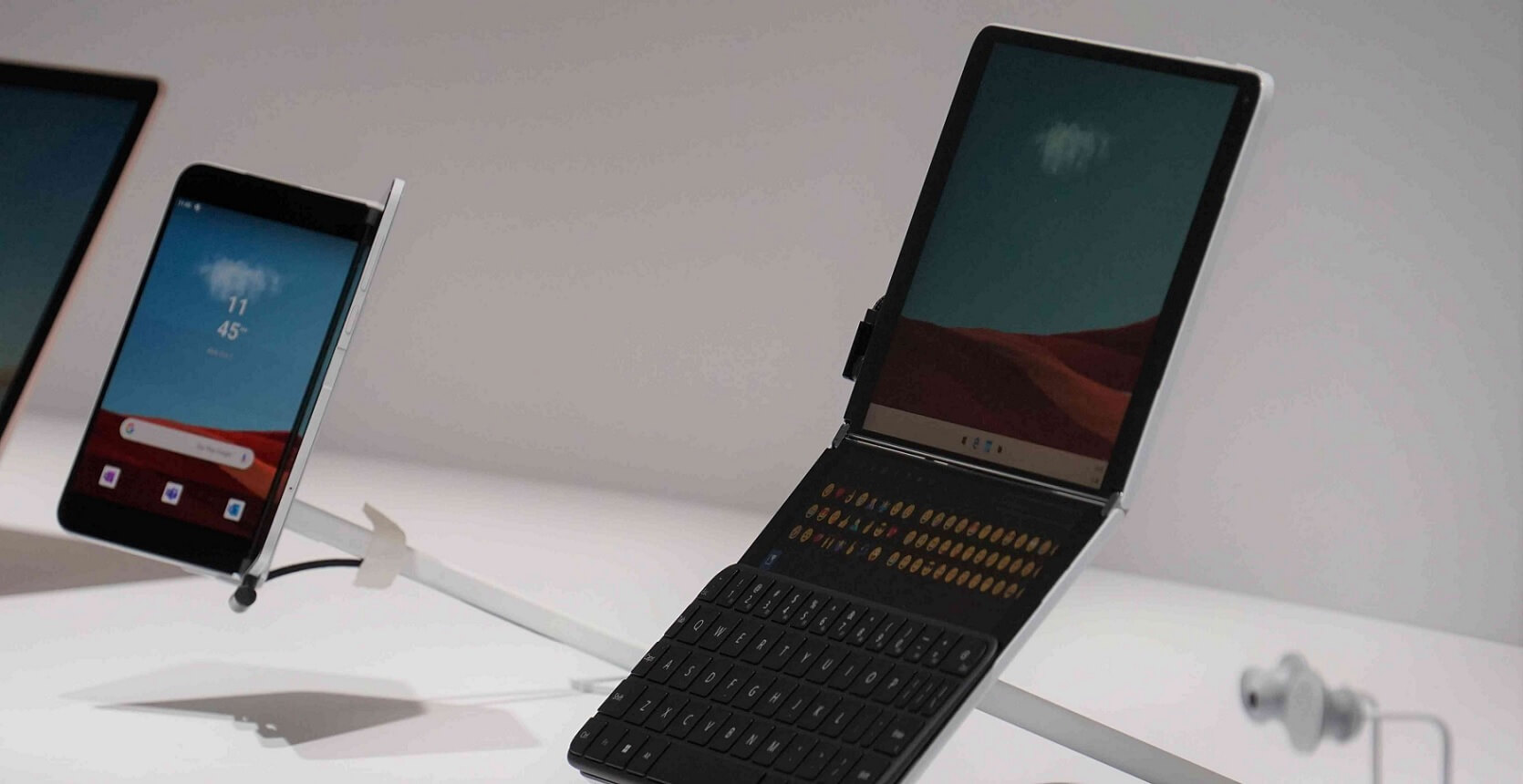
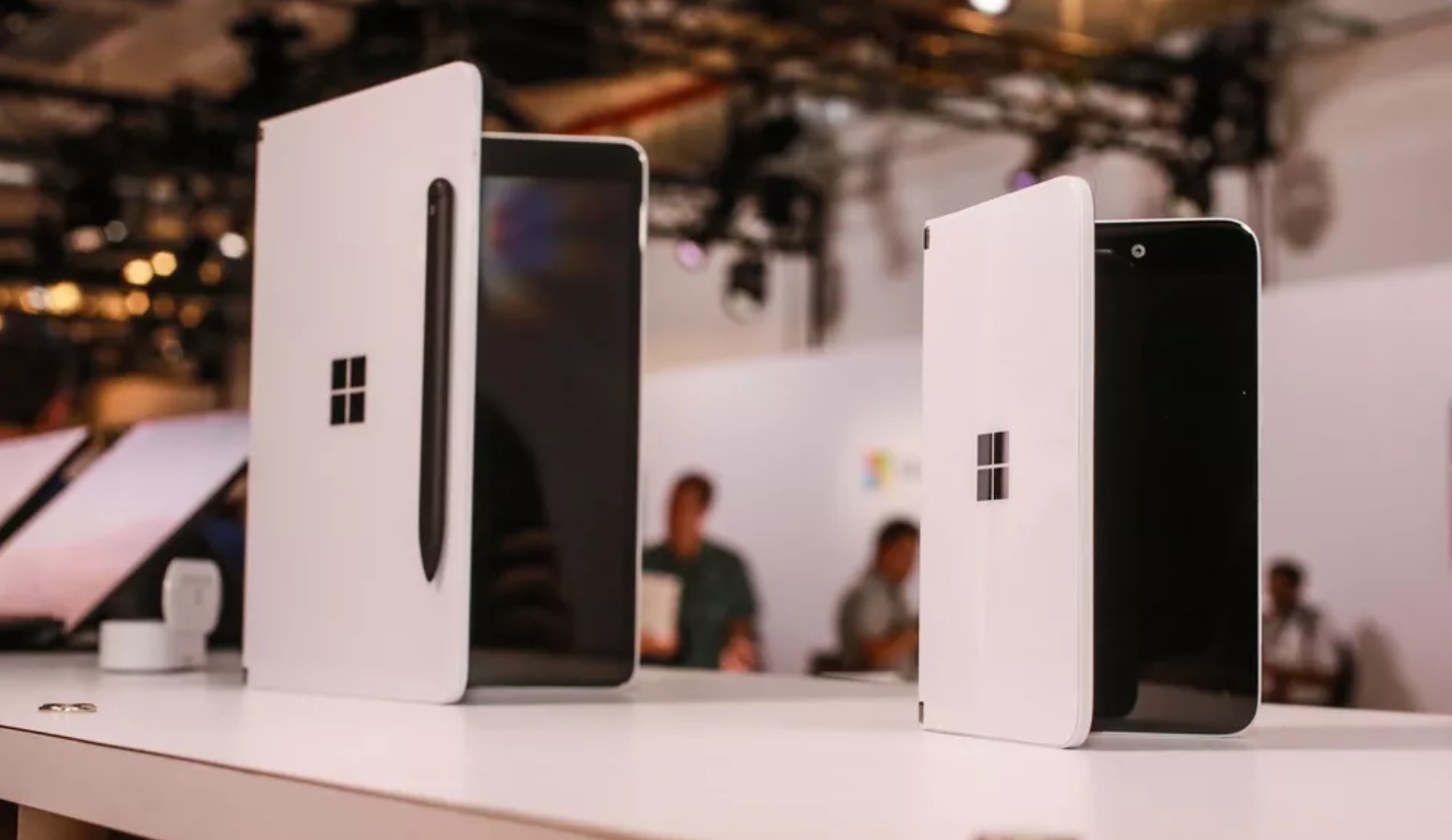
Regardless, that does not mean Microsoft cannot patent new ideas. It’s also worth noting that some of the unexpected ideas have turned into a real product, such as the Surface Duo or Neo (got canned).
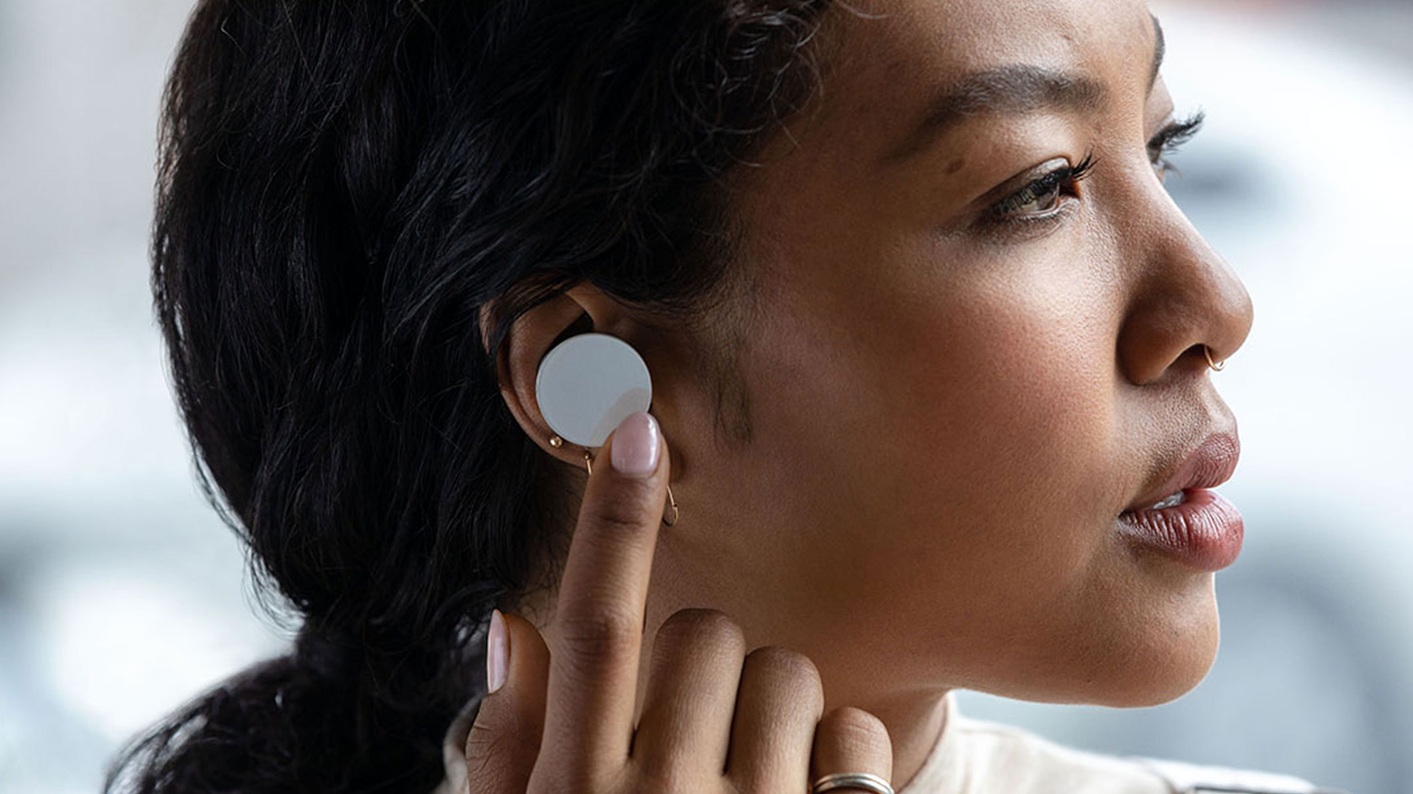
This particular patented bud is interesting because it could actually authenticate who you are using the shape of your ear, your blood flow, and how sound bounces around inside your ear canal. Microsoft’s inventors describe the buds as “biometric authentication and personalization earbuds.”
Why are these buds special?
In the patent, Microsoft says the buds can “determine and use user-specific (e.g., unique) biometric markers… to authenticate users, enable or adjust earbud operation(s) based on authentication, and/or personalize earbud operation(s) for users.”
The idea is to build biometric authentication directly into Surface-style earbuds, so they can use in-ear sensors to quietly check who is wearing them and then adjust how they work.
The patent describes a system that uses the shape of your ear, your blood flow and how sound bounces around inside your ear canal to verify your identity and personalize audio experiences at the same time, instead of just playing sound like a dumb Bluetooth accessory.
The patent explains that “upon insertion, earbuds automatically authenticate the user by analyzing the user’s biometric markers in comparison to one or more authenticated user biomarker profiles.”
That’s a lot more than today’s “in-ear detection”. You are not going to find these features on the original Surface buds, or newer Apple AirPods and Galaxy EarBuds.
That means when you take the buds out of the case and use them, it’ll connect to Windows 11 immediately, and simply check if it’s really you. Once the buds verify it’s you, it signals Windows or any device to enable your personalized music experience.
It describes an earbud “communicatively coupled/connected to one or more host devices” and adds that these hosts can be “a mobile phone (e.g., ‘smart phone’), a wearable computing device… or a stationary computing device such as a desktop computer or PC (personal computer), or a server.”
Since the buds has authentication, could it be also used for Windows Hello? Perhaps, but this is not mentioned in the patent. Right now, you can unlock your computer with face, fingerprint, or PIN instead of your inner ear.

How can an earbud authenticate?
You might wonder how an earbud could be used to authenticate a user mean.. buds go inside your ears, right? It does not have a fingerprint senor nor an iris scanner, then how does it work?
Windows Latest found that Microsoft has three main biometric sources in these patented buds:
- pressure patterns
- blood flow
- and acoustic response.
These metrics, coupled with buds’ built-in pressure sensors, which can read how your ear physically presses on them, enable authentication.
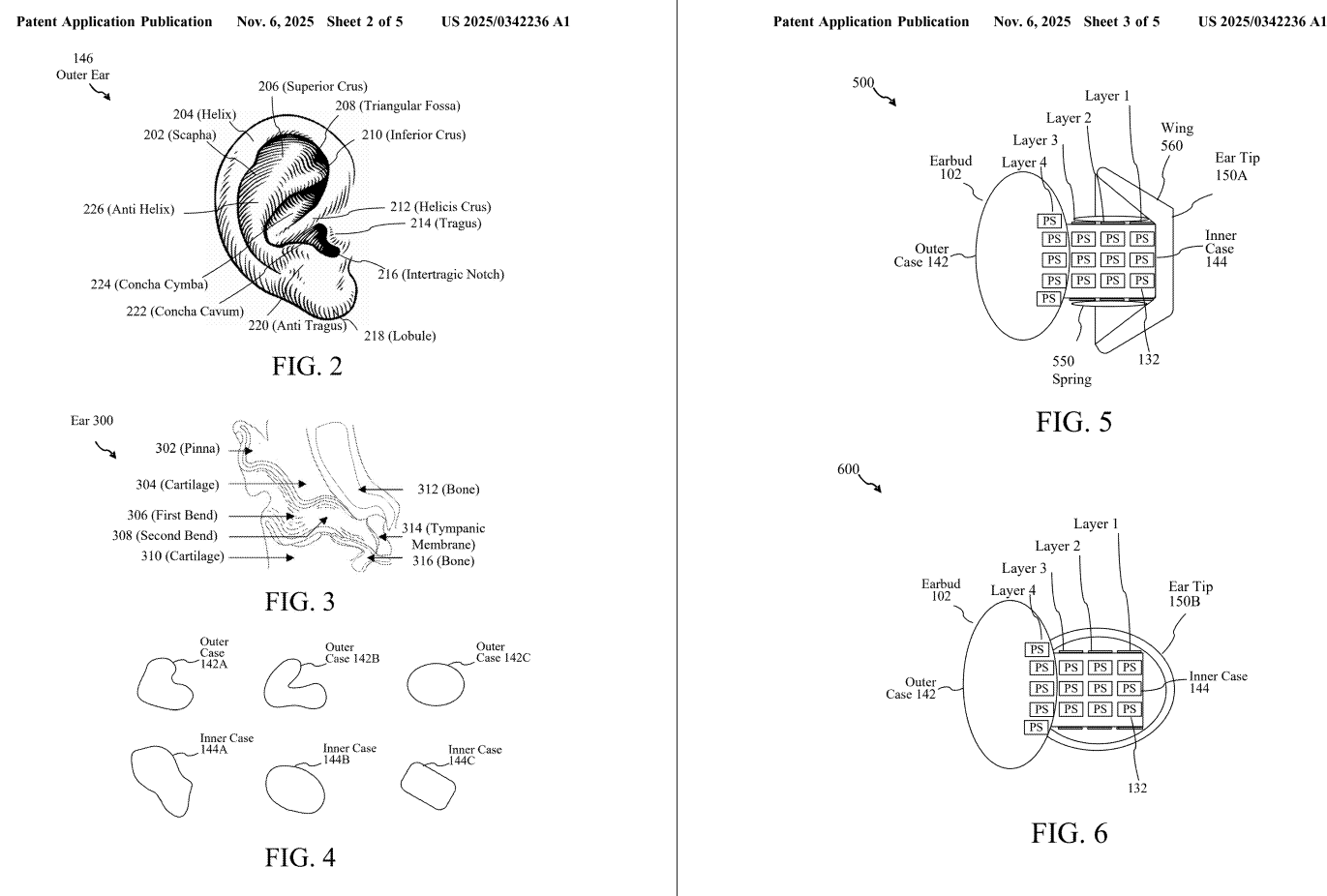
The document says earbud components include “pressure/force sensors configured to detect the (e.g., unique) pressure patterns caused by the earbud user’s ear (e.g., inner ear canal and/or outer ear).”
These sensors are arranged in patterns: “an array of pressure/force sensors arranged in layers, rows, columns, etc.” The profiler module then “generates a first biometric marker from the pressure samples” and stores that as part of an “in-ear biometric profile of the authorized user.”
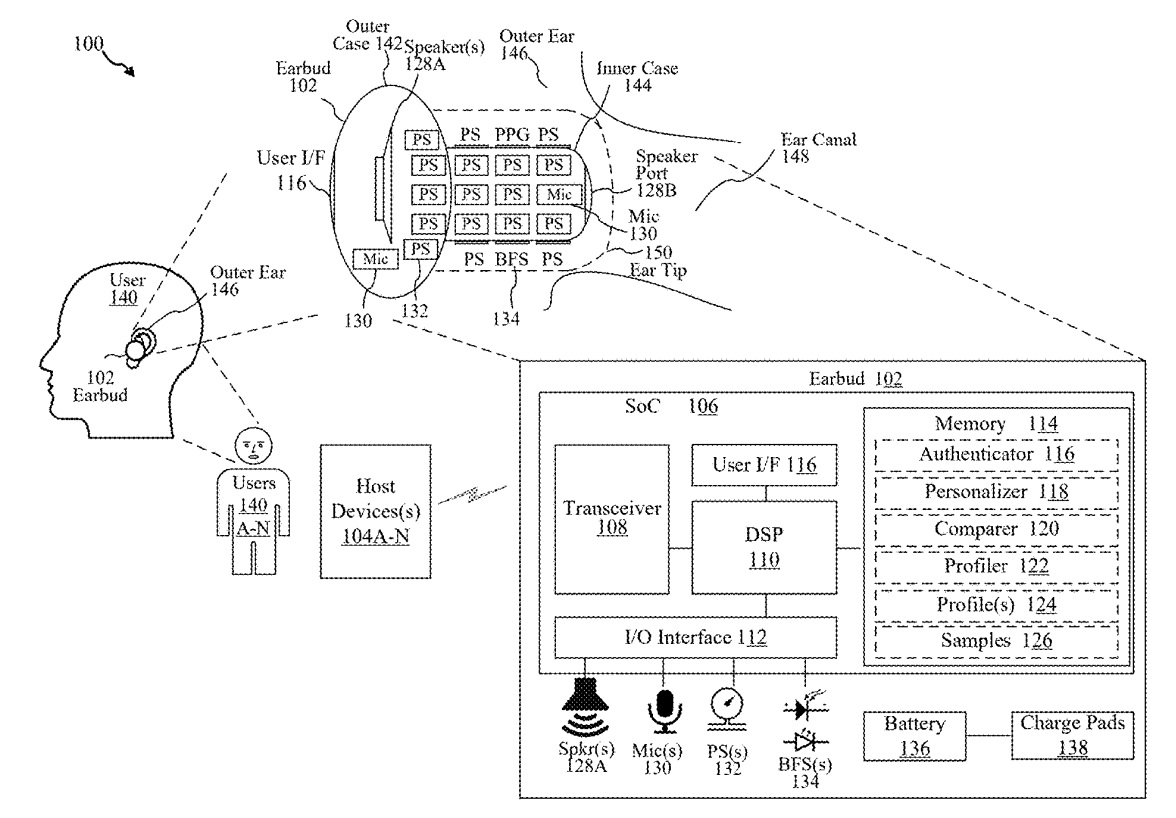
There’s also an in-ear heart-related sensor, and these sensors “generate blood volume samples… [and] measure blood volume variation in the ear canal.”
The patent notes that “blood volume changes in the user’s ear… is generally unique to each individual,” and those signals are used to “create a blood flow/heartbeat/blood pressure profile… to compare to a blood flow/heartbeat/blood pressure profile for an authorized user.”
However, this fancy idea is still a patent. We don’t know if Microsoft’s leadership ever realize the potential in the hardware businesses, especially at a time when the company is not getting big on the Xbox console business.
What do you think? Should Microsoft start making innovative hardware again?