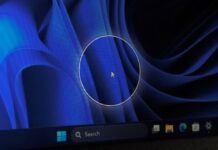





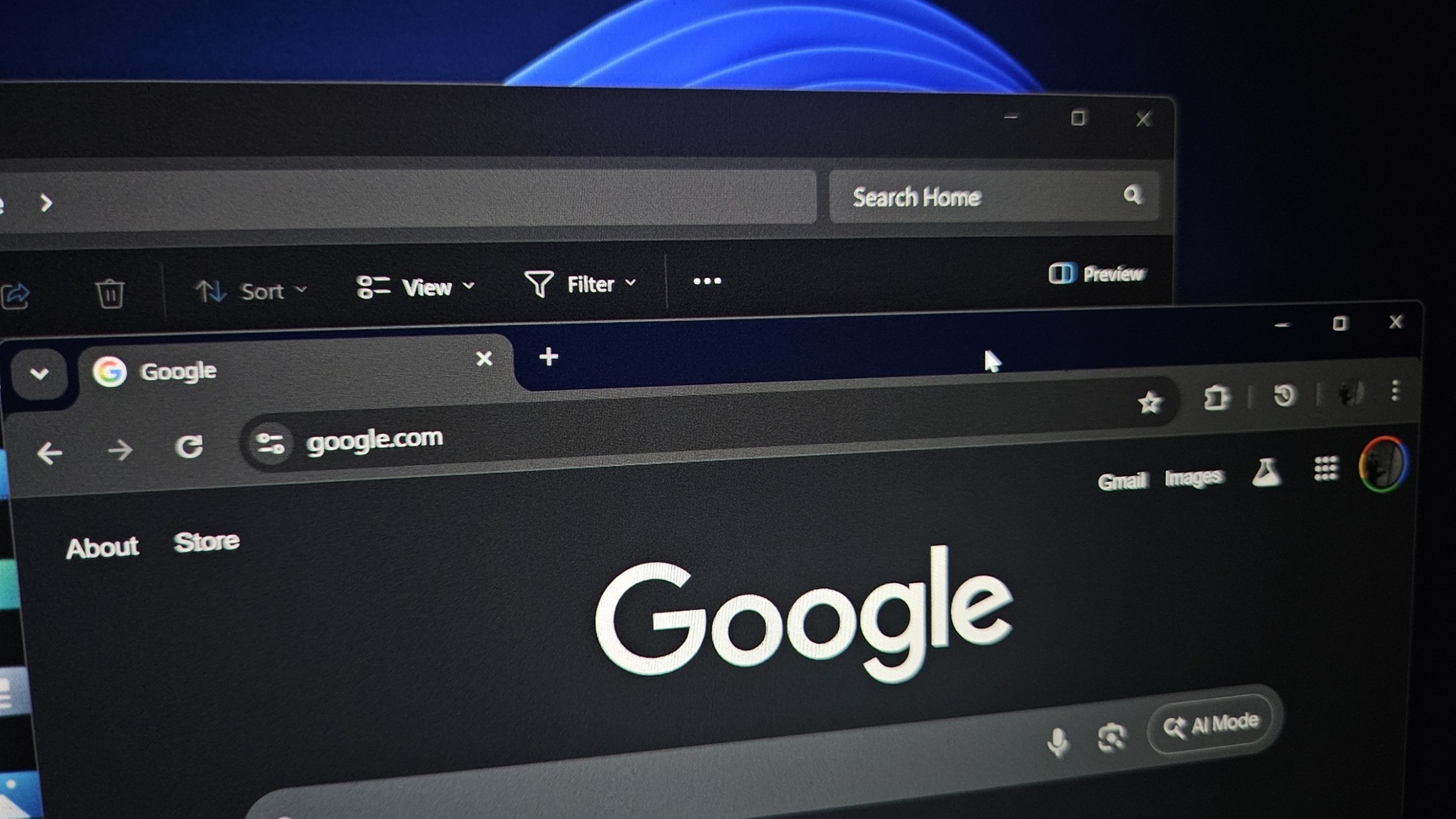
Don’t hold your breath for a fancy version of Google Chrome with Windows 11’s Fluent Design features such as Mica or Acrylic. The work is on hold and most likely never happening, according to several new Chromium code commits.
We all saw this coming after Chrome’s Mica title bar looked almost forgotten in Canary builds on Windows 11.
Windows 11 officially has a design language called Microsoft Fluent Design, and it goes beyond rounded corners. It includes materials such as Acrylic, a type of transparency effect used in File Explorer’s right-click menu, and Mica, which samples the desktop background and applies its colour to areas such as title bars and app backdrops.
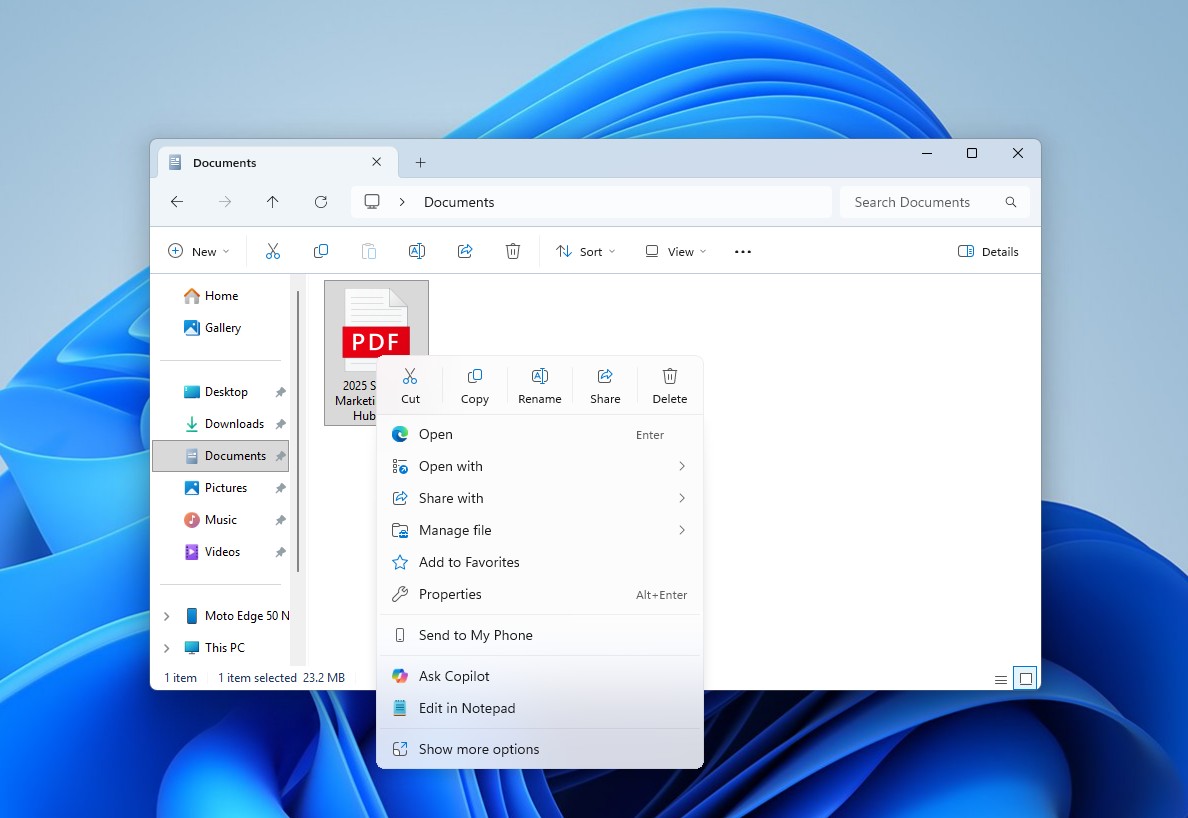
The MS Paint and File Explorer’s title bar are good examples of Mica in Windows 11.
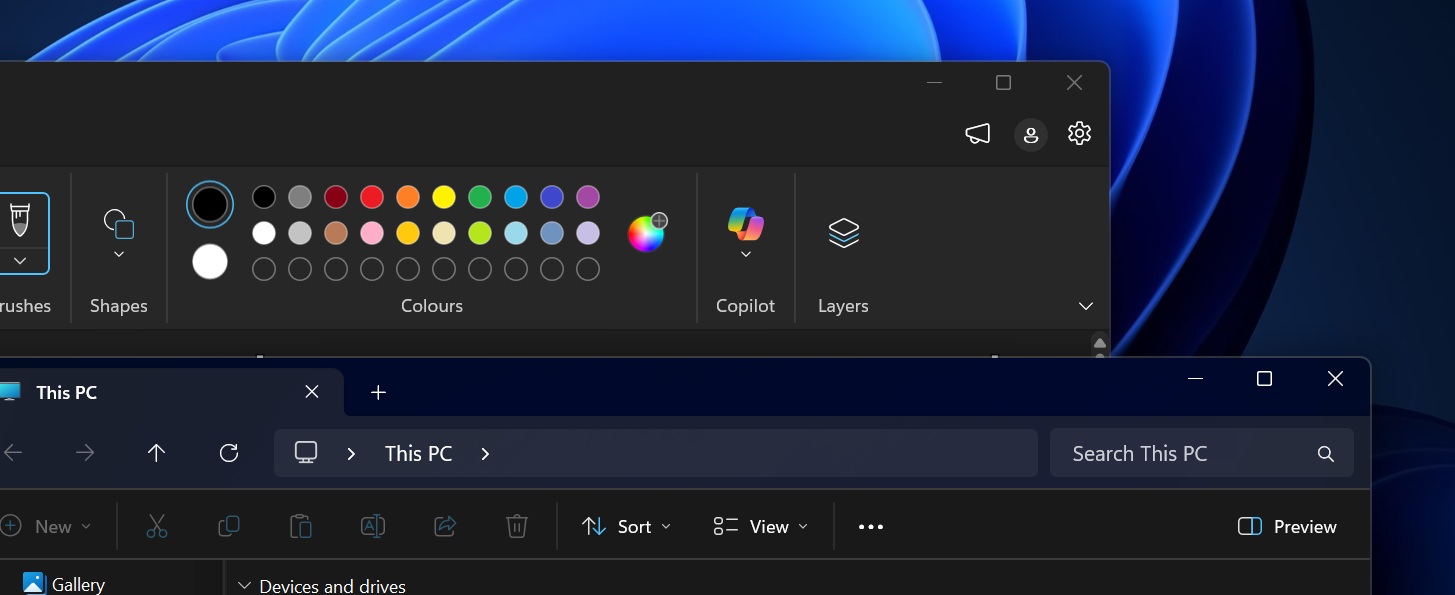
Google Chrome doesn’t have any of this. Heck, even Microsoft Edge no longer has many Fluent Design traits because the company abandoned them in favour of a Copilot-inspired design language.
For those unaware, Microsoft now has a Copilot design language, and it’s being rolled out across products such as Copilot, Edge, MSN, and Bing. That’s another story for a different time.
Coming back to Google Chrome, I first spotted references to Microsoft’s Fluent Design materials, including Mica, in Chromium as far back as 2023. At that point, it appeared that Google would respect Windows 11’s design language and roll out the feature to everyone sometime in 2024.
That did not happen, and even Edge stopped using Fluent Design.
The flag used to turn on Mica later disappeared. It was eventually added back, and by 2025, the feature had improved slightly, suggesting that Chrome’s Mica title bar might finally happen.
Here’s what it looked like when I tried it in 2025:
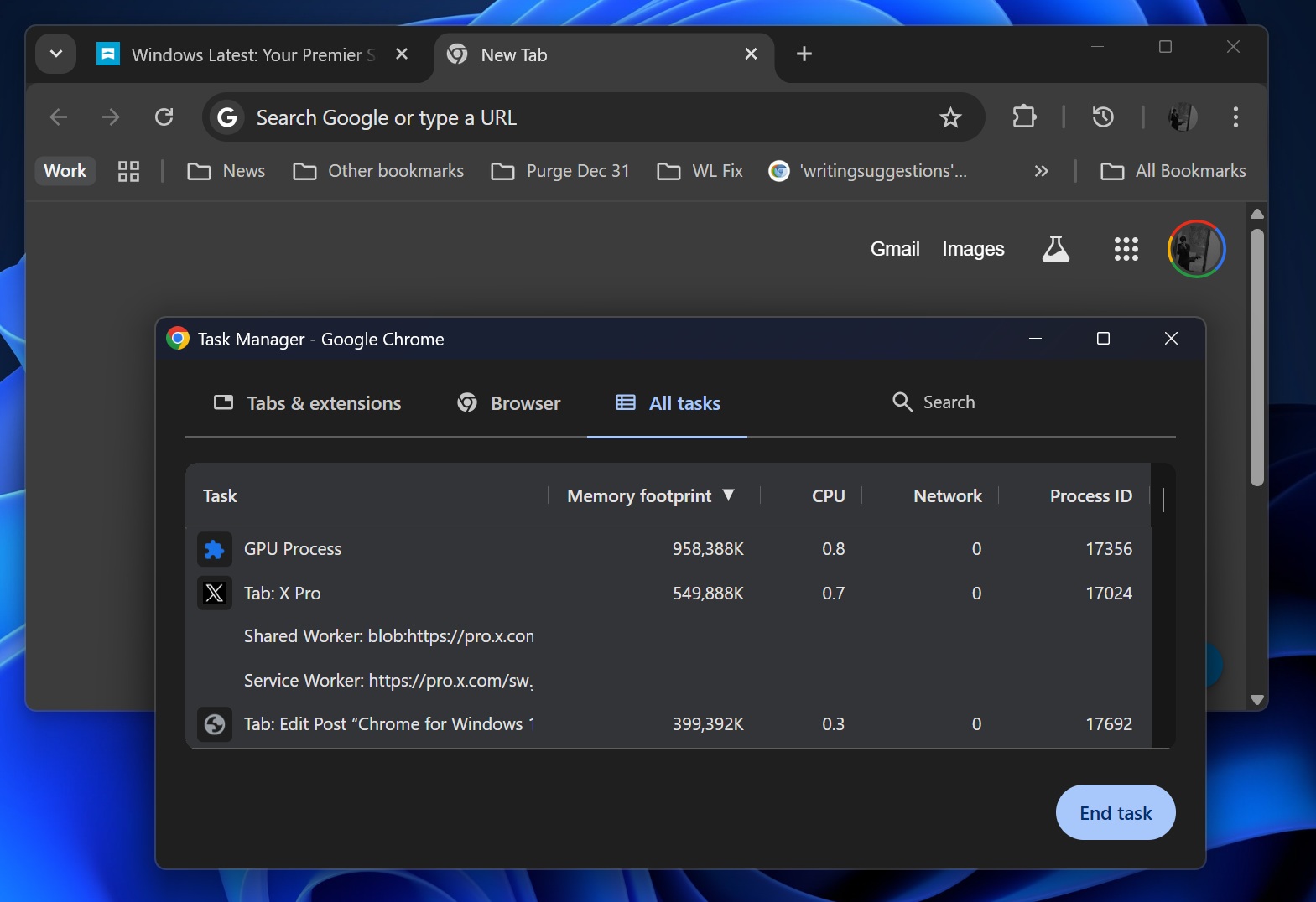
Do you notice the difference? As I explained, Mica takes the colour it detects in your desktop background and applies it to the title bar, even when the window is floating above another window.
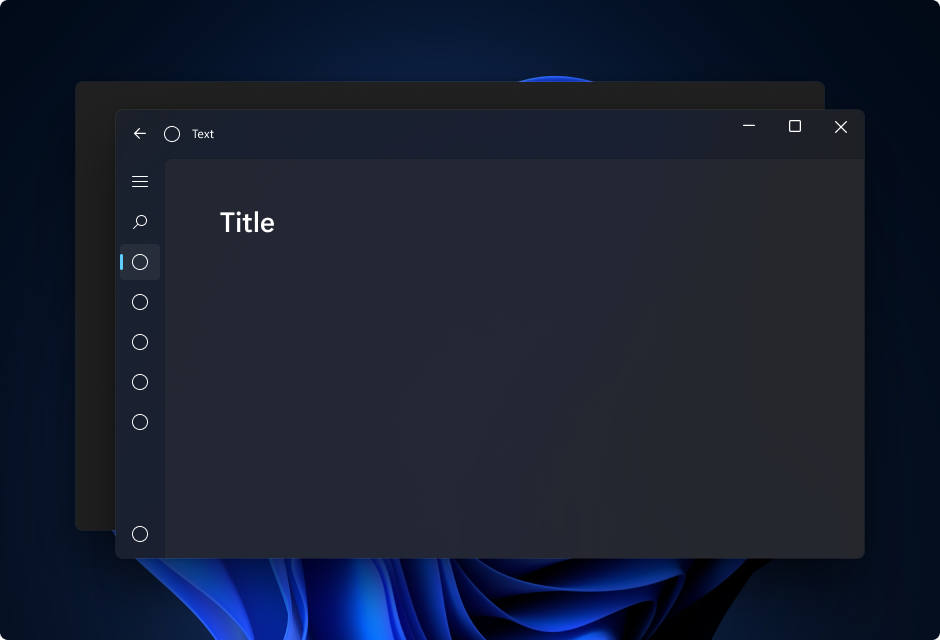
It’s not the usual transparency effect because it takes the desktop background into consideration.
In a document, Microsoft describes Mica as a “dynamic material” and an opaque effect that applies Windows 11’s theme and desktop wallpaper to the background of app windows, Settings, and title bars.
“You can apply Mica to your application backdrop to delight users and create visual hierarchy, aiding productivity by increasing clarity about which window is in focus,” Microsoft explained.
Unlike Acrylic, which adds a transparency effect, Mica is optimized for performance because it samples the desktop wallpaper only once and reuses the result everywhere the material is applied. It changes only when you switch the desktop background.
There’s also a variant called Mica Alt, which uses a stronger tint of the user’s desktop background colour. At one point, it was also explored for Chrome and Edge, but nothing came of it.
Chrome just removed Mica references, and the flag
Now, David Pennington, a software engineer at Google, has confirmed that the Mica flag has been removed from Chromium, and the remaining code will be removed from the browser in the coming weeks.
At this point, it’s anything but surprising. Development of Mica for Chromium has been paused, and the feature is not happening, at least not in Google Chrome.
Honestly, this doesn’t surprise me, as even the Microsoft Edge team doesn’t appear to care about Mica or Fluent Design anymore. At a time when Microsoft says it wants to build a consistent design language for Windows, the Edge and Copilot teams have other plans.
They’ll continue following a web-based design language dominated by rounded corners, which Microsoft calls Copilot Design.