






Microsoft admitted that File Explorer on Windows 11 is slower than the previous version and is taking steps to make it faster, but the performance improvements extend beyond just UI surfaces. I’m told that Microsoft is internally testing a major performance boost for file operations, starting with batch deleting files.
When you select dozens or hundreds of smaller files, or a few large files, and delete them all in one go, the speed depends on both the SSD/HDD and Windows.
Windows file system overhead matters as well because the OS has to update NTFS entries, permissions, indexes, thumbnails, metadata, and a bunch of other items when you delete or bulk delete files.
Of course, I’m not saying a faster Windows alone can magically purge files faster. Hardware still matters, especially the SSD’s random I/O speed when you’re dealing with many small files. But it’s also wrong to say the speed only comes down to SSD I/O. If Windows handles file operations more efficiently, bulk delete can still get noticeably faster.
Microsoft also confirmed that a combination of hardware and software advancements could help make file operations faster on all PCs.
According to Microsoft, bulk delete will be more than 30% faster on Windows 11 after a new update, which is a massive improvement. It’s unclear how Microsoft achieved this feat, but I can tell you that the number could go well above 30%. 30% is the baseline we’re looking at.
Microsoft shared this tidbit at a Windows Insider meetup in the United States, and one of the Insiders who shared this information with us was present.
The company plans to roll out faster bulk delete to testers in the coming weeks, but it’s not the only file operation getting faster. Other file operations, such as file transfer or copy, could get faster as well. The Windows team is going after everything to make the OS feel smoother.
File Explorer to launch faster, reduce context menu clutter, and improve overall UI/UX with modernization
When Microsoft confirmed it would focus on Windows’ quality, reliability, and craft, it also teased a massive update for File Explorer.
In a statement, Microsoft clearly said it’ll make File Explorer launch quicker and flicker a lot less. It also said it’ll address those “white” flashes when you use it in dark mode.
“Our first round of improvements will focus on a quicker launch experience, reduced flicker, smoother navigation and more reliable performance for everyday file tasks,” the company said.
We’re already seeing some of the general improvements, including faster launch time, paths with different characters working, and file names now being case-sensitive when you rename manually in File Explorer.
In addition, Microsoft is testing preloading for File Explorer, which will allow it to open as fast as the Windows 10 version.
In fact, I’m told that File Explorer on Windows 11 could soon work better than Windows 10, as improvements extend beyond just performance. I already highlighted file rename fixes, and it’s only the tip of the iceberg.
For example, Microsoft is testing a new right-click menu experience for File Explorer that allows it to load faster and is streamlined by default, so it doesn’t feel crowded.
And more importantly, for power users, Microsoft says it’ll finally allow you to configure the context menu, which means you can choose the additional items that must or must not appear when you right-click your files.
We’re also told that Microsoft is looking at reducing File Explorer’s memory footprint and modernizing the legacy classic menu, including the Properties tab.
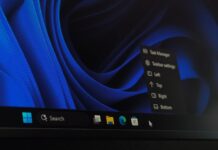
Microsoft plans to roll out as many as 19 features in 2026 to improve Windows, including a movable taskbar and a customizable Start menu.
I’m personally pumped, and I’m not defending Microsoft, because there’s no denying that the company put Windows on the back burner in recent years. But it’s good to see one of the most beloved OSes with the greatest backward compatibility getting back on track. A good Windows is great for the entire ecosystem, as Microsoft could challenge Apple.