Microsoft has now confirmed it’s scaling back “upsells” (or ads/recommendations) in Windows 11 as part of its efforts to make the operating system a bit “calmer.”
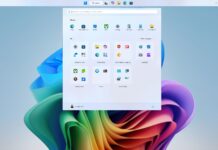
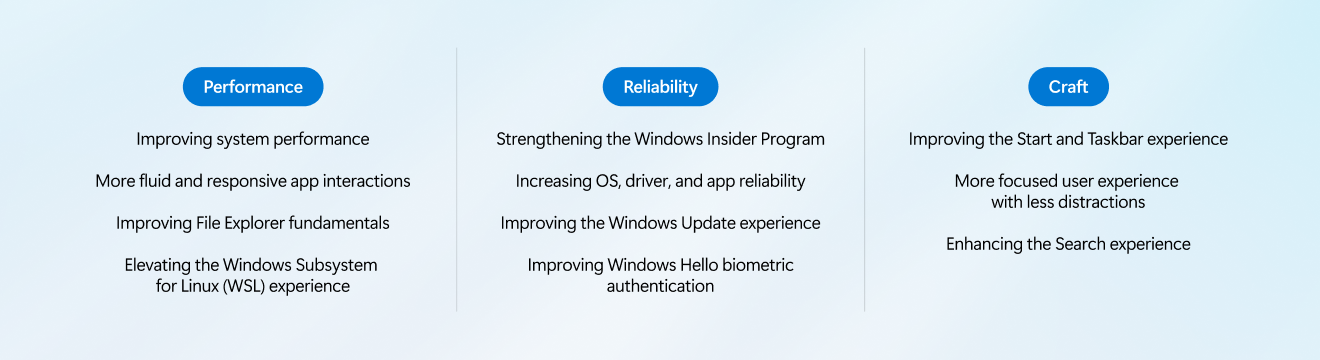
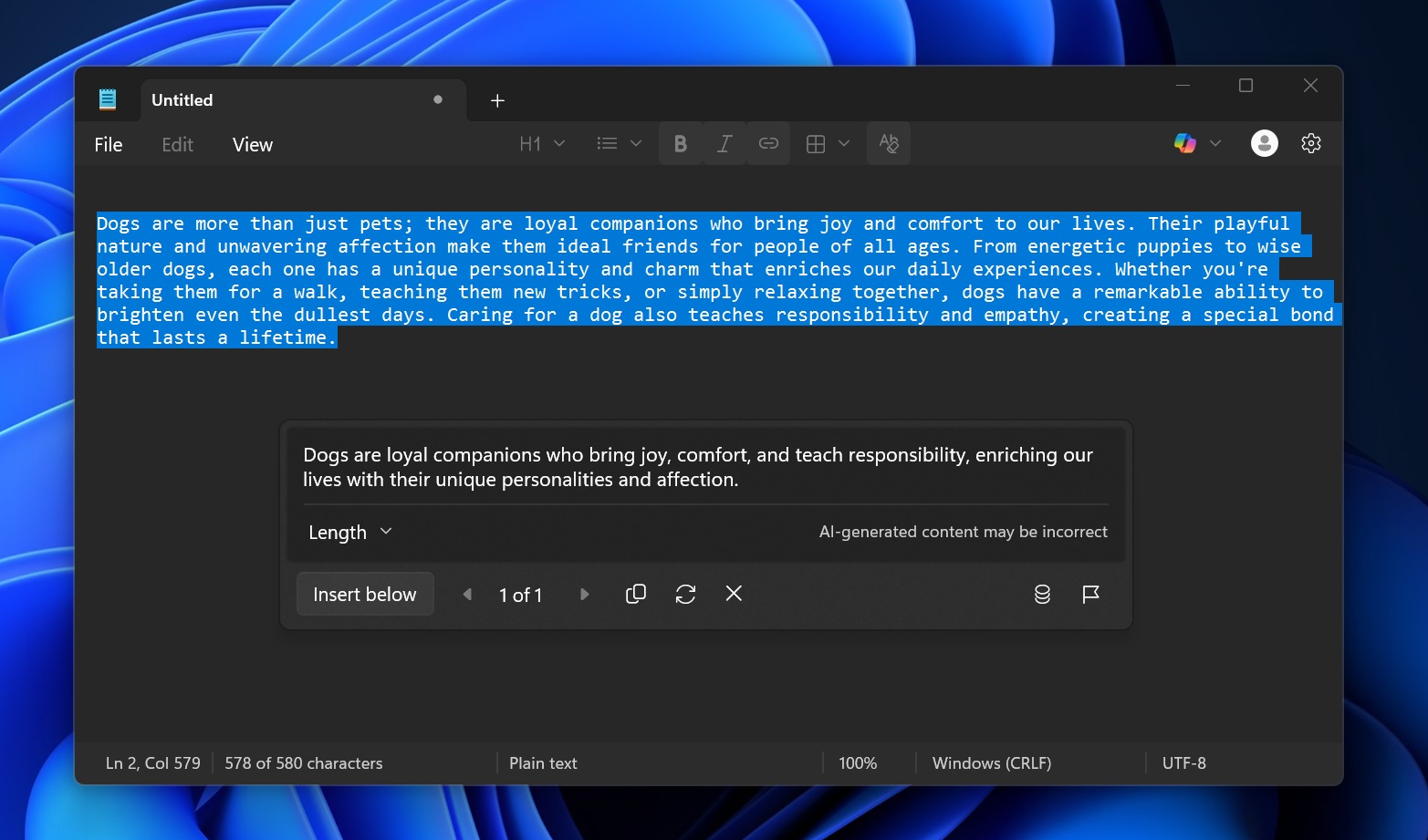
On March 20, Microsoft announced a major update for Windows 11 that focuses on performance and quality-of-life improvements. Microsoft said it’s making File Explorer faster, moving the Start menu to WinUI 3 from React, adding an option to pause Windows updates for as long as you want, and even cutting back Copilot in apps like Notepad.
The big release with the movable taskbar is being tested because Windows 11’s reputation has been at an all-time low for various reasons. For example, this year’s first Windows update triggered BitLocker recovery, affected the performance of games, caused boot issues, and even crashed some PCs with a Black Screen of Death.
However, these bugs aren’t the only problem hurting Windows 11’s reputation.
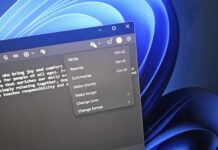
The primary reason is that the company has been adding Copilot to all areas of the OS, including the Start menu and even Notepad.
The Copilotification of Windows has pushed back Microsoft’s loyal audience, including enterprises, and some upset users have coined the term “Microslop.”
Microsoft plans to reduce ads in Windows 11
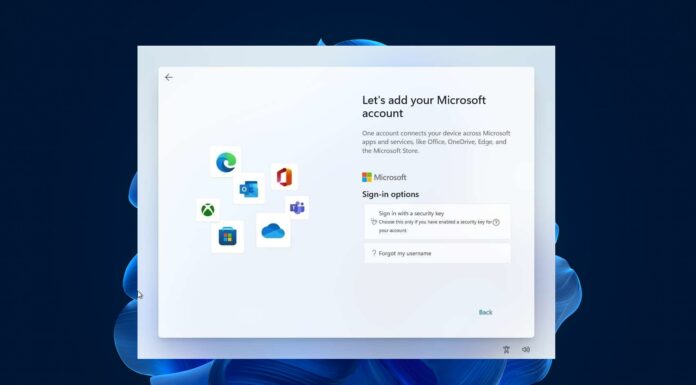
The company is in damage-control mode, and it’s taking steps to win back Windows 11 users’ trust, including plans to roll back the requirement for a Microsoft account during OOBE.
That broader reset also appears to include Windows 11’s built-in promotions.
As first spotted by Windows Latest, in a post on X, Scott Hanselman, one of the engineering leaders spearheading Windows fixes, said a “calmer and more chill OS with fewer upsells is a goal,” which is one of the clearest signs yet that Microsoft is at least aware users are tired of being nudged toward its own services across the OS.
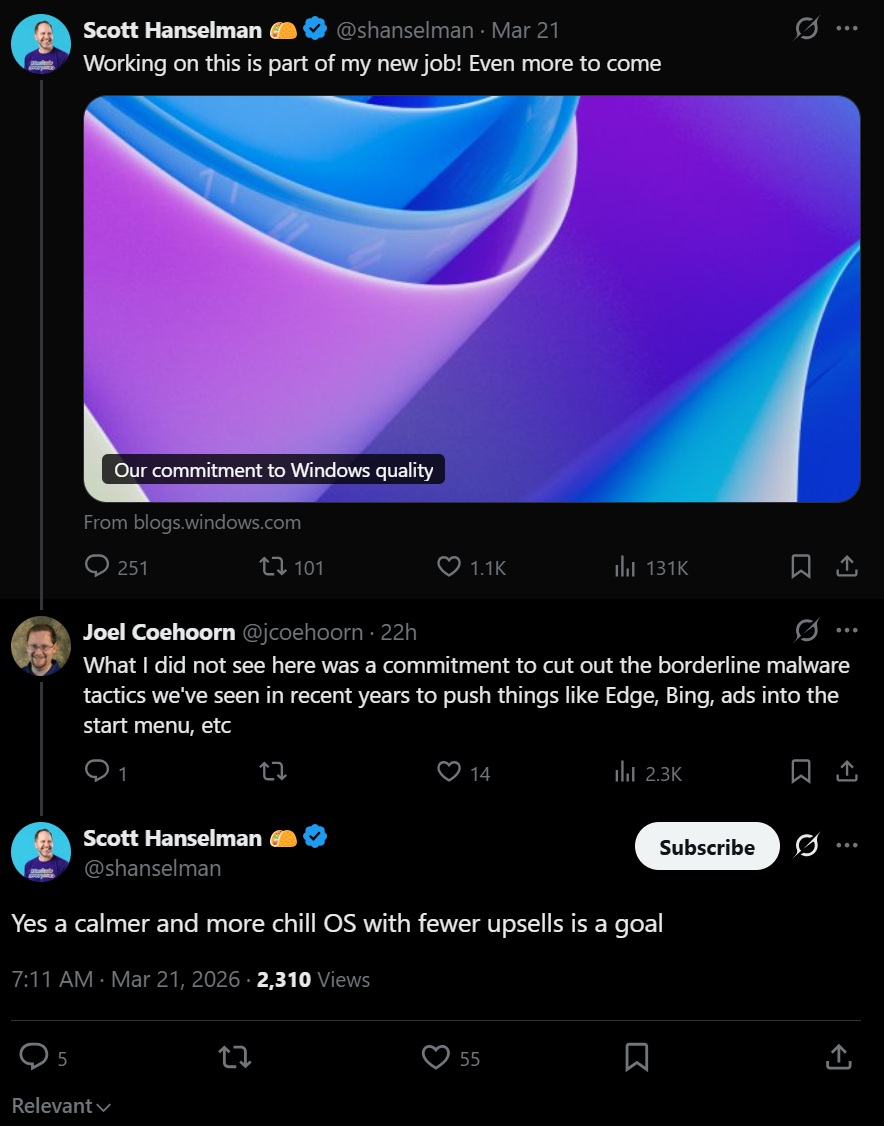
Scott’s statement was in response to a user’s complaint that Microsoft employs “borderline malware tactics” to push things like Edge, Bing, and ads into the Start menu. And it’s actually true.
For those unaware, Microsoft previously tried to show Bing Chat (now Copilot) pop-ups when it detected the default browser was Chrome.
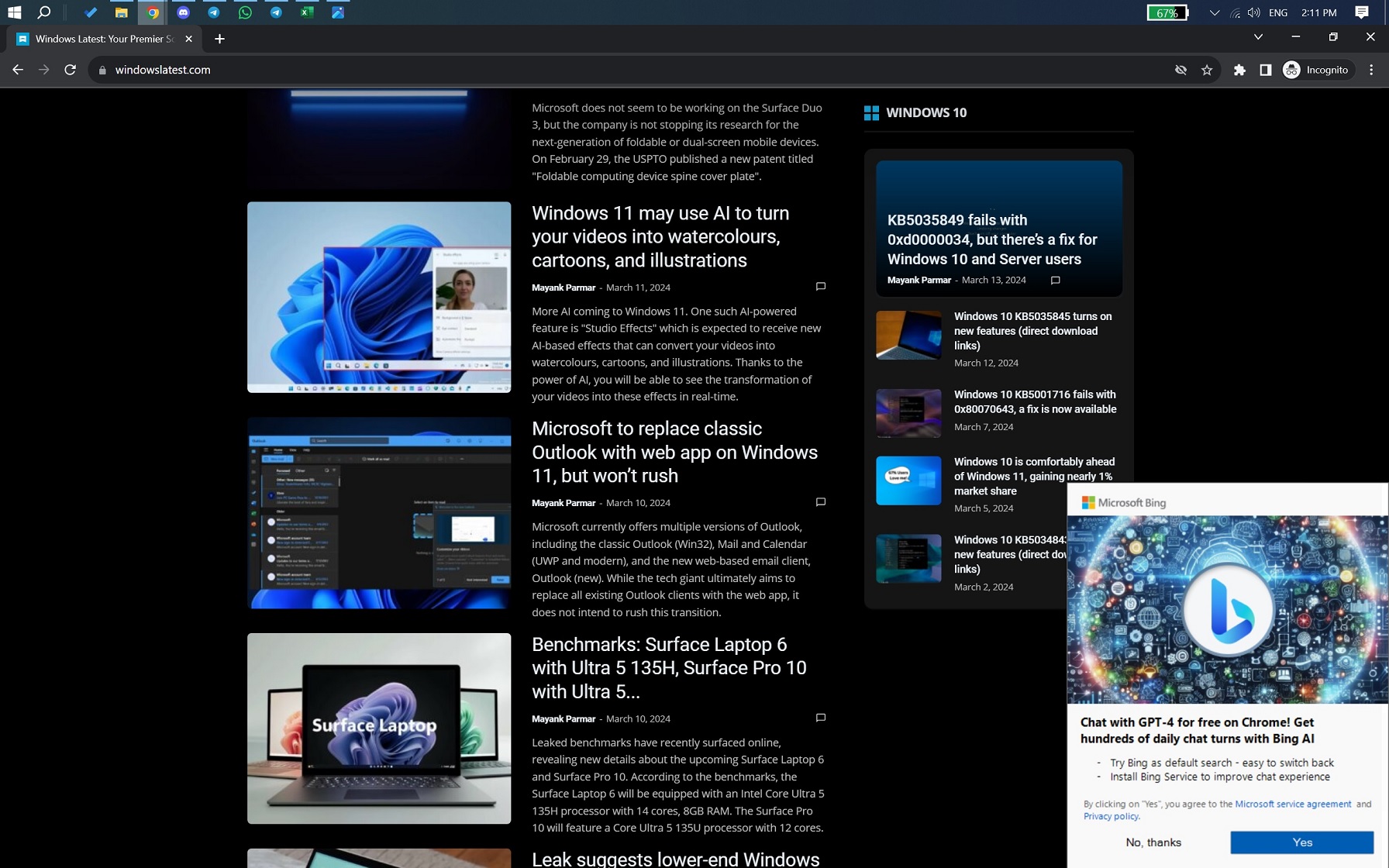
Microsoft also tried to automatically reset default browser settings and installed the Bing extension when you clicked on the Bing Chat pop-up.
The pop-up was rolled back after outrage, but it’s just one of the many examples of how ads have ruined Windows. Thankfully, Microsoft is considering reducing these upsells, but it doesn’t look like the ads will disappear entirely.
“Yes, a calmer and more chill OS with fewer upsells is a goal,” says Scott Hanselman, VP, Member of Technical Staff at MSFT.
It’s not a formal product announcement, but it does suggest the company wants Windows 11 to feel less noisy and less pushy.
Windows 11 has an upsell problem
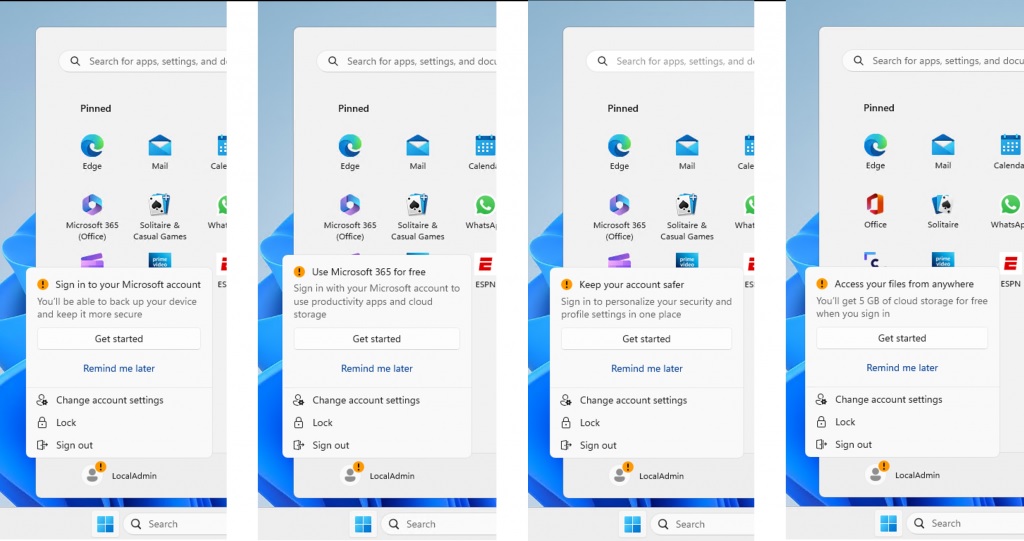
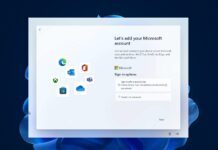
Microsoft has a history of promoting its own products as “suggested” apps in Windows 11, and those efforts have multiplied with Windows 11, where there are ads for Microsoft 365, OneDrive, and even Copilot during the first setup screen (OOBE).
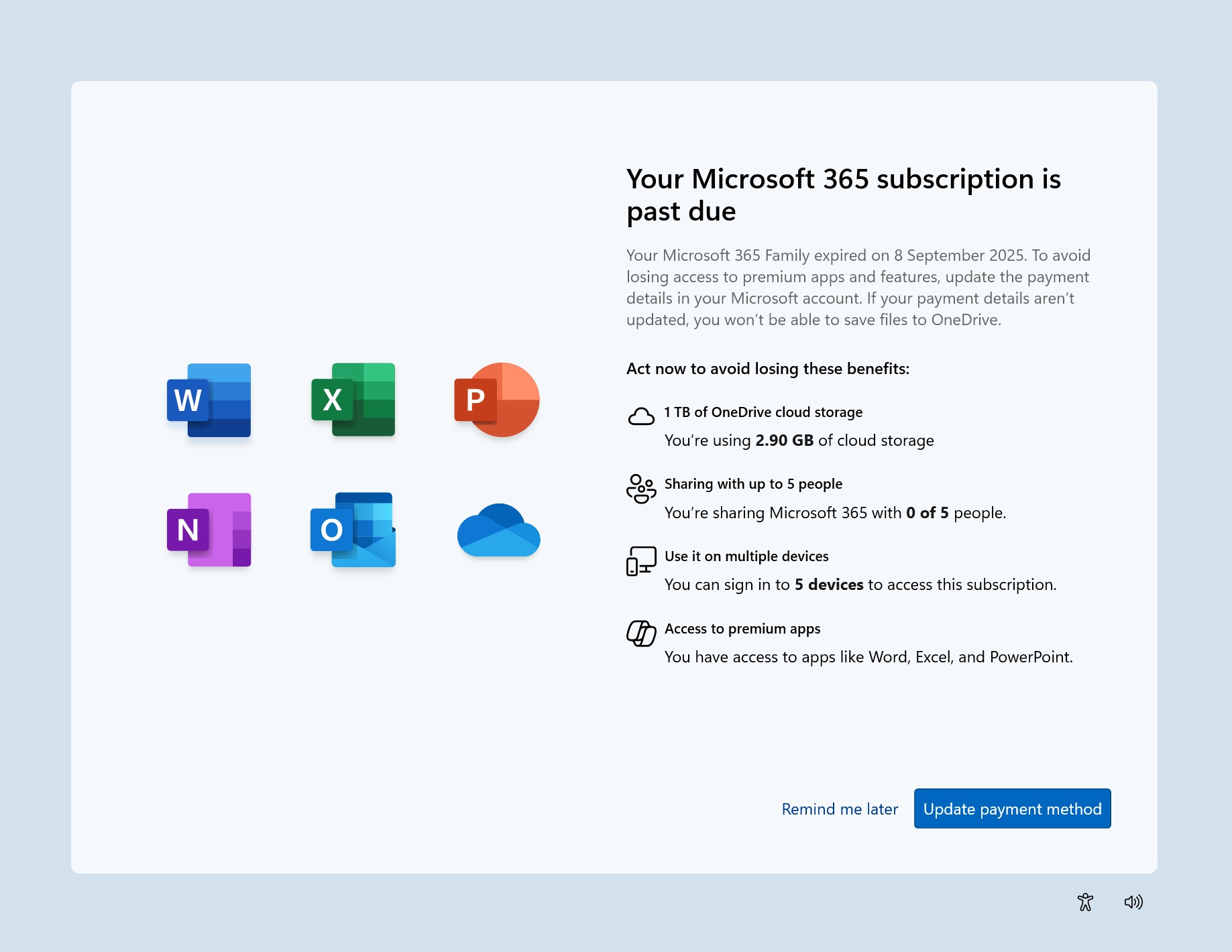
Likewise, if you use Chrome as your default browser, Microsoft often uses full-screen alerts to nudge you to use Edge instead.
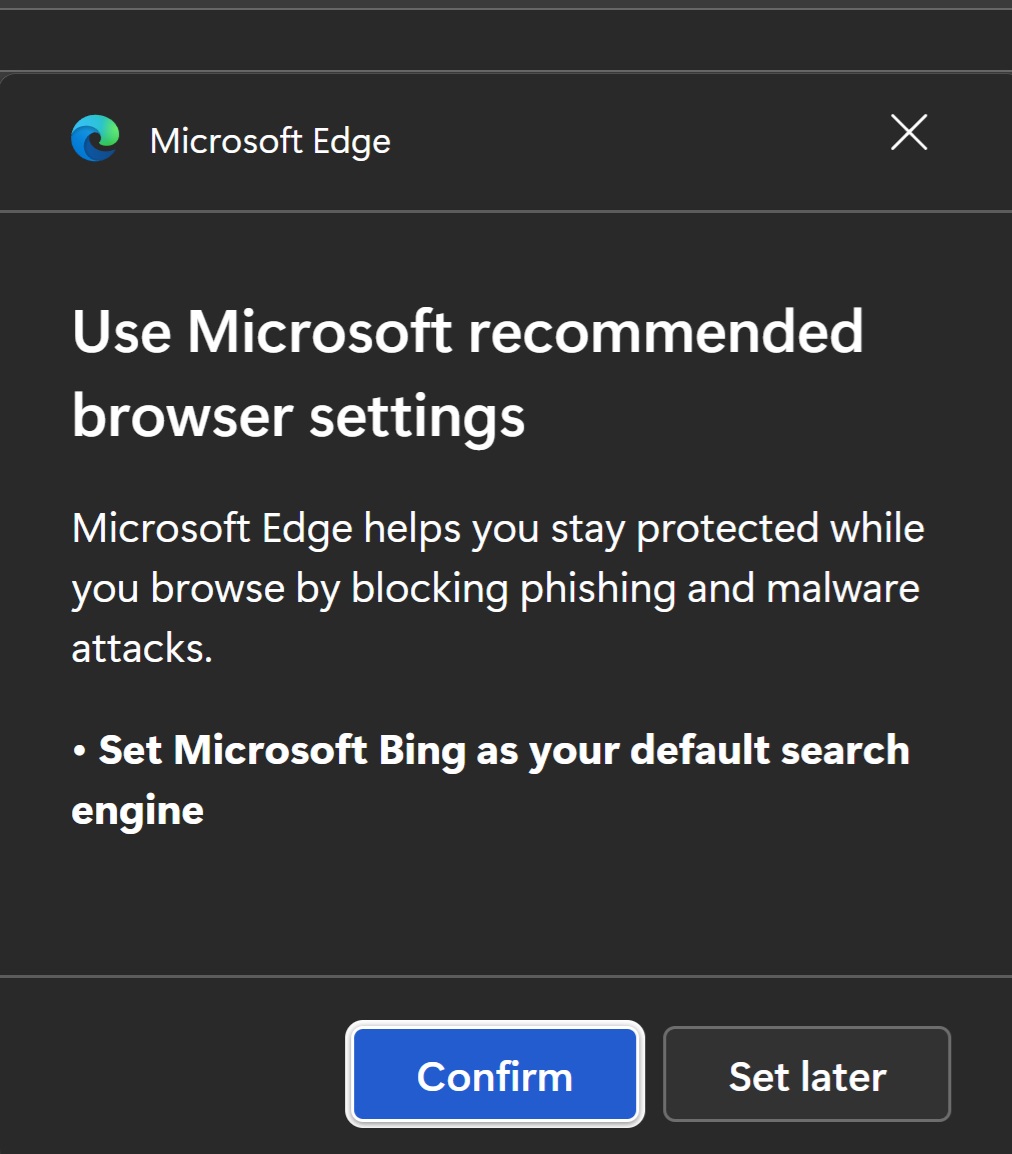
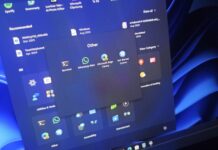
It’s true that you can turn off some of these ads, including the “suggested” apps in the Start menu from Settings > Personalization > Start, but I wouldn’t call that a real solution.
The real solution is simple: Windows shouldn’t have ads because you’ve paid for it when you bought the operating system or the device that came pre-installed with it. What do you think? Let me know in the comments below.