





A distinguished Engineer at Microsoft has suggested that native apps are back, and it appears to align with the company’s recent Windows 11 revival efforts.
Web apps now dominate the Windows Store, which is the company’s preferred source of getting apps for PCs, especially for those who want more safety and security on Windows 11. The Microsoft Store has gotten a lot better over the years in terms of performance and hosts apps made using a variety of frameworks.
When Microsoft gave developers more choices to build apps in whichever way they feel like, it was widely believed to be a great move to encourage developers to bring their apps to Windows 11 through the Microsoft Store.
This led to a lot of popular apps, including Netflix and WhatsApp, ditching their native Windows apps that were made using native frameworks like WinUI and replacing them with WebView2-based Progressive Web Apps (PWAs). In our tests, Windows Latest observed that WhatsApp uses up to 600MB of RAM on a PC with 8GB of RAM when doing nothing.
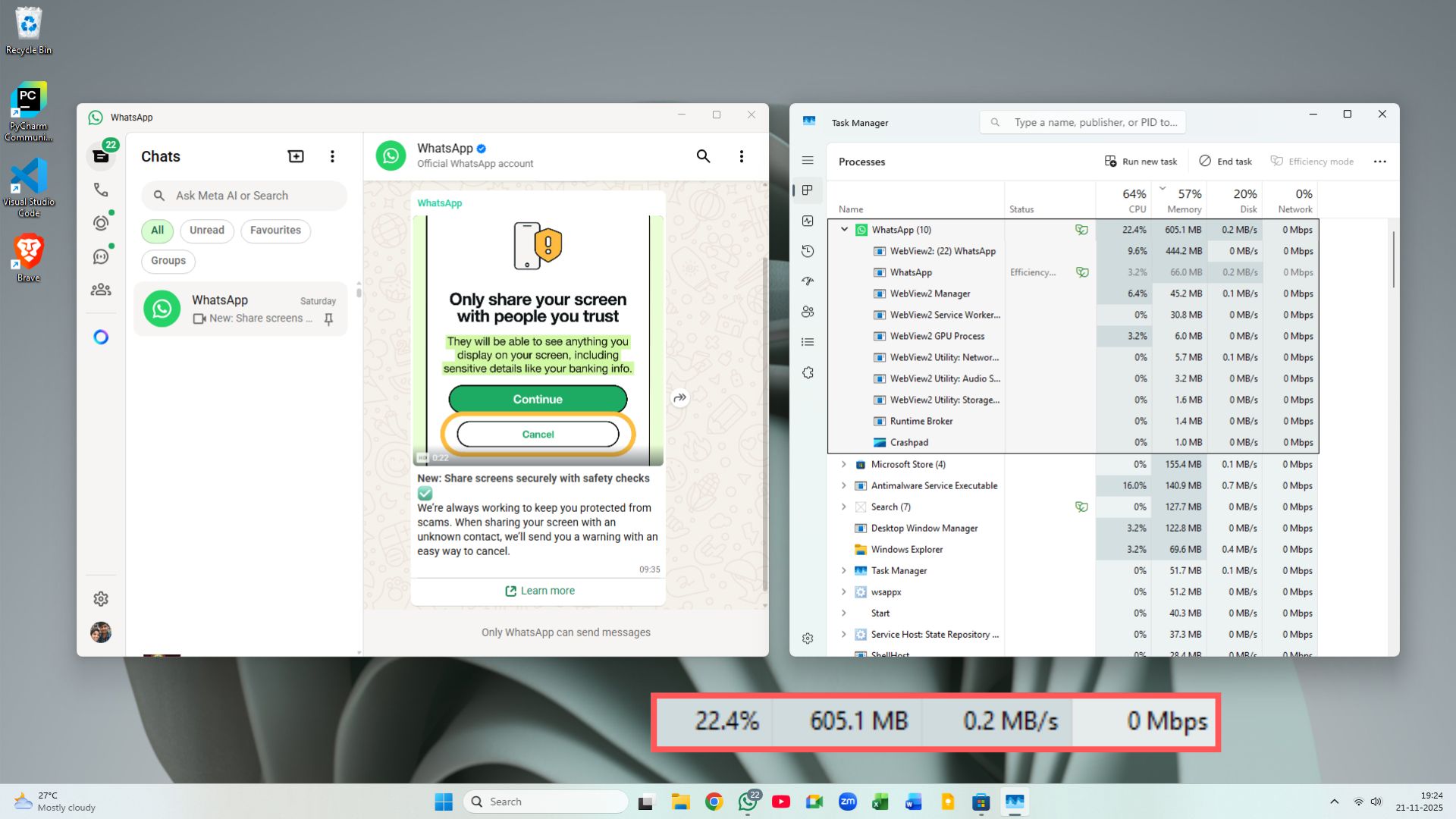
WhatsApp, built on top of WebView2, isn’t the only culprit, though. Electron-based Discord uses up to 4GB of RAM, and it even has a feature that quietly restarts the app and reduces RAM usage.
On the other hand, while PWAs are lightweight, they often miss important features like offline mode available on their native counterparts. We’ve seen Windows users vent their frustrations on platforms like Reddit for what many perceived as an alarming trend of too many apps taking the PWA route, which ultimately ruined the overall OS experience.
If you are one of those users, it seems that Microsoft has taken note of all those complaints and has started taking some concrete steps to improve the app situation in Windows 11.
Microsoft’s plan to improve the apps on Windows 11
A few months ago, Rudy Huyn, a Partner Architect at Microsoft working on the Store and File Explorer, officially confirmed that Microsoft plans to build 100% native apps for Windows 11. Huyn didn’t divulge many details about when the plan will come to fruition.
Now, David Fowler, a distinguished Engineer at Microsoft, put up a post on X saying that, “Native apps are back.” This clearly shows that Microsoft is still aiming to make apps “100%” native for Windows 11.
David Fowler has been with Microsoft for more than a decade, and he is closely associated with .NET, ASP.NET Core, and Microsoft’s developer platform work.
David’s statement that native apps are back confirms he is talking about Windows 11, where most native apps have been replaced with web wrappers. His post appears to hint at an internal engineering signal.
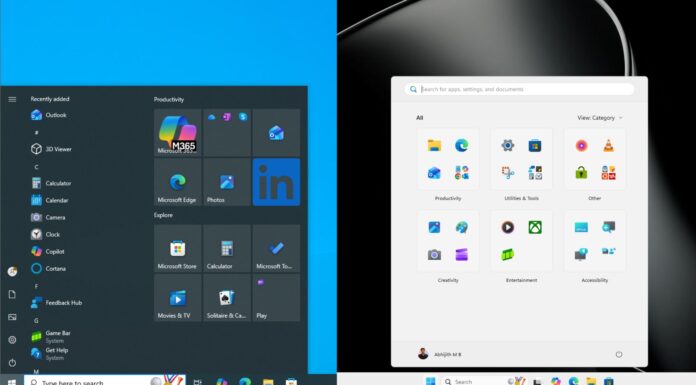
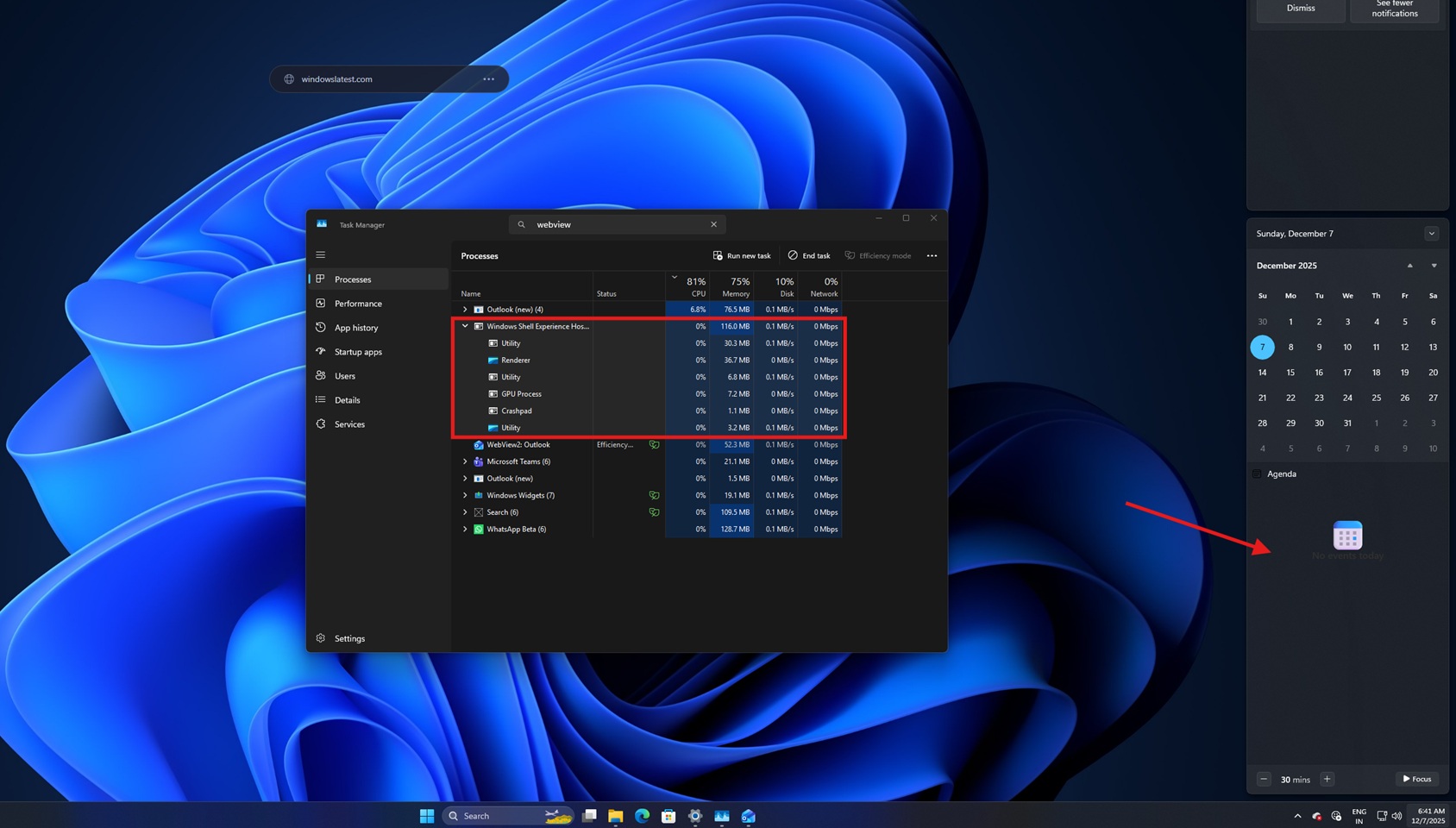
It supports our previous reporting that Microsoft has already started moving key Windows 11 experiences away from web-based components. For those unaware, the Start menu is shifting from React-based shell pieces to WinUI to reduce latency and improve performance.
Neither Fowler nor Huyn disclosed key details on how the software giant plans to pull it off, but in all likelihood, the recently released .NET 10 will play a huge role in achieving that goal.
.NET 10 has what the company calls Native AOT (Ahead of time), which is said to significantly reduce the startup time of apps. It also uses less memory, which should be a huge relief even for developers at Microsoft.
WebView/PWA problem affects Microsoft’s own apps
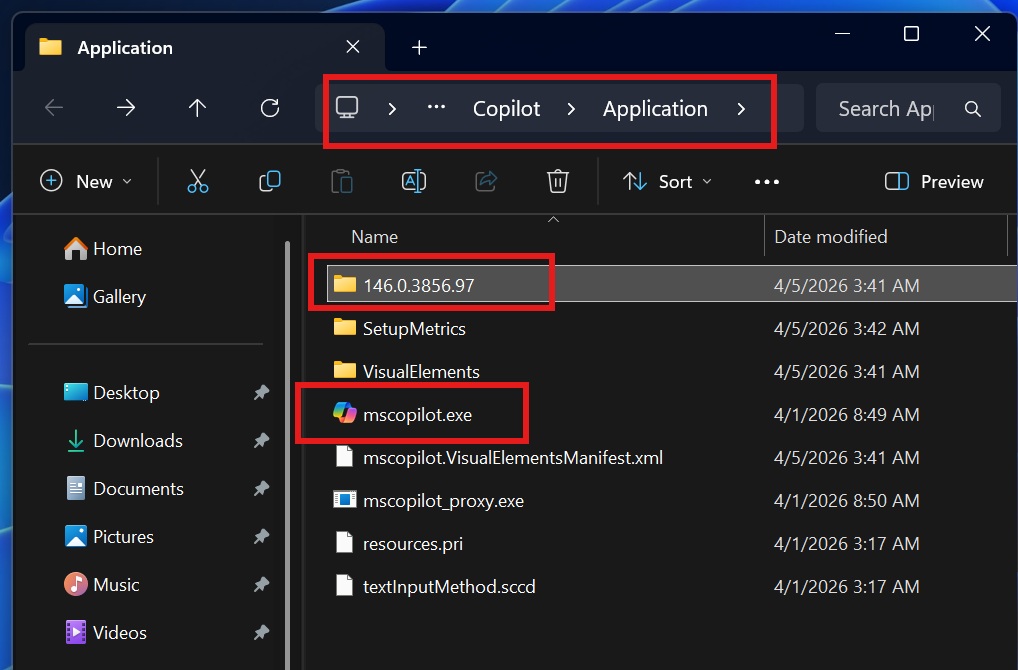
The company’s web-based Copilot app is a resource hog, as it uses more RAM. In our testing, Copilot uses up to 500MB of RAM in the background, and it reaches up to 1GB when you start using it.
.NET 10 should be able to stop this kind of instance if developers embrace it instead of sticking to web-based technologies or cross-platform tools like React Native, Flutter, and more.
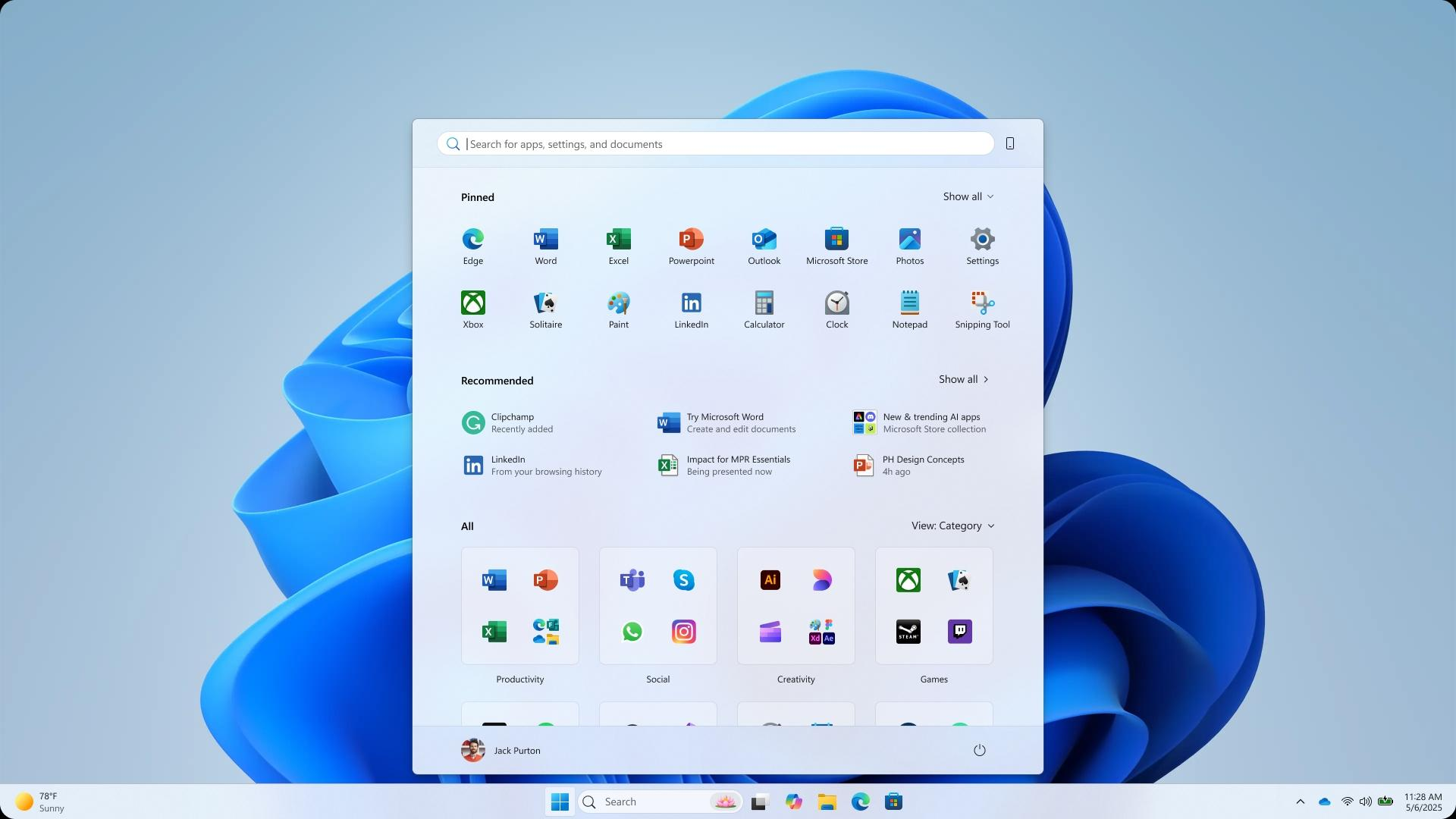
While native apps sound great on paper, one of the biggest challenges that is in front of Microsoft is convincing developers to make more native apps for Windows.
It’ll be interesting to see if the company incentivizes native app development to increase its number on the Microsoft Store. But first, the Redmond-based tech giant has to show the world the benefits of its renewed interest in native apps by making many of its own apps “100%” native on Windows 11.