





Microsoft says you’ll be able to run Windows 11’s local Language Model APIs on non-Copilot+ PCs as long as you meet the new hardware requirement: an RTX 30+ GPU with 6GB of VRAM. It’s a major change, as it means Copilot+ PCs’ advantages are getting “thin,” and I wouldn’t be surprised if Microsoft drops the NPU requirement entirely in the future.
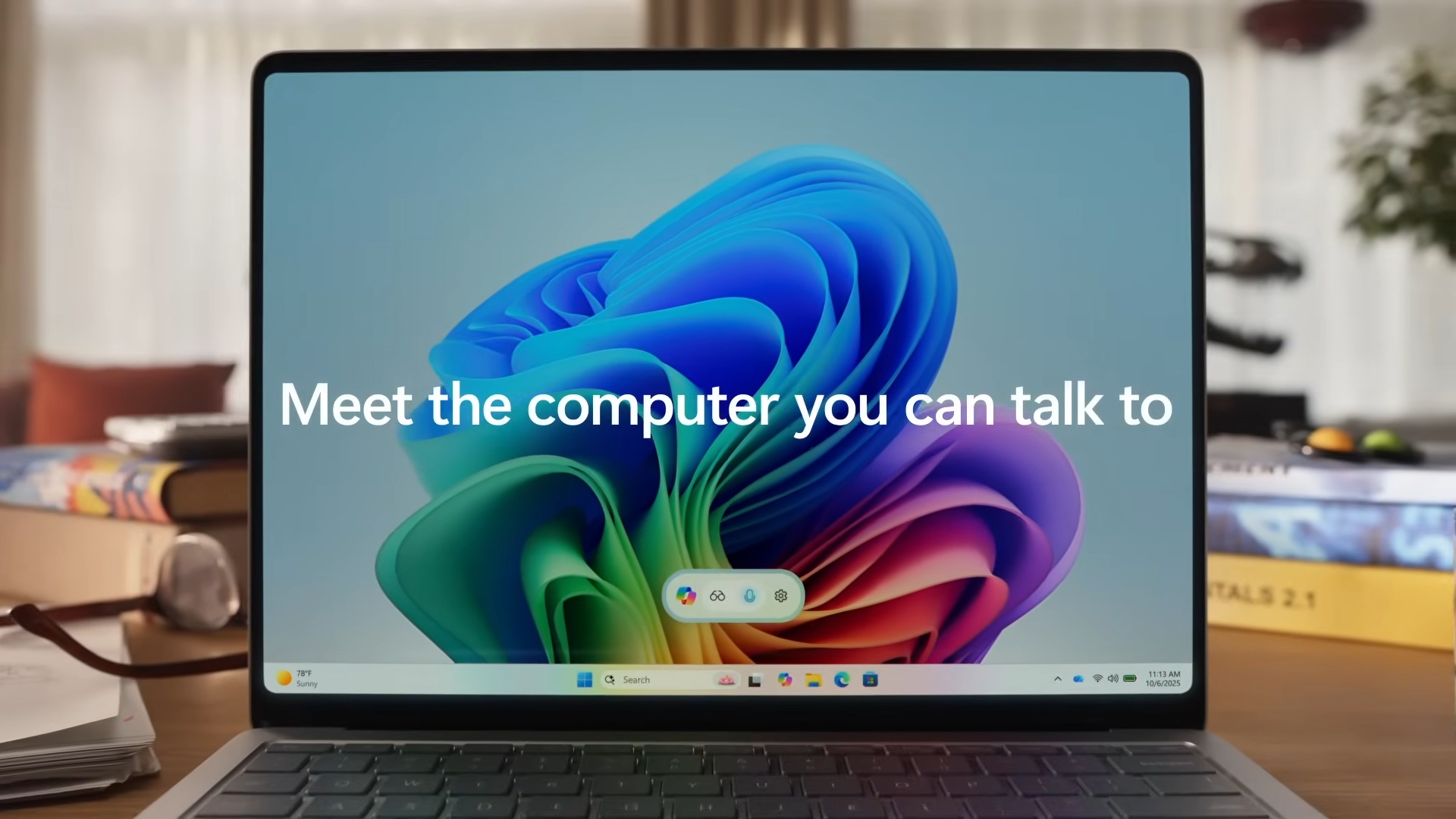
Copilot+ PCs officially debuted on June 18, 2024, and they’ve been driving sales for PC makers. However, it’s not because of the “Copilot” or “NPU” factor. It’s largely because newer PCs are now sold as “Copilot+ PCs,” so even a regular laptop purchase gets counted as proof that AI PCs are taking off.
For a PC to meet the “Copilot+ PC” requirement, it would need to have 16GB of RAM, an SSD, and at least a 40 TOPS NPU. For those unaware, an NPU (Neural Processing Unit) is a chip designed to run AI models, specializing in efficiency rather than raw power. On the other hand, a GPU is a heavy-duty processor designed for massive parallel tasks.
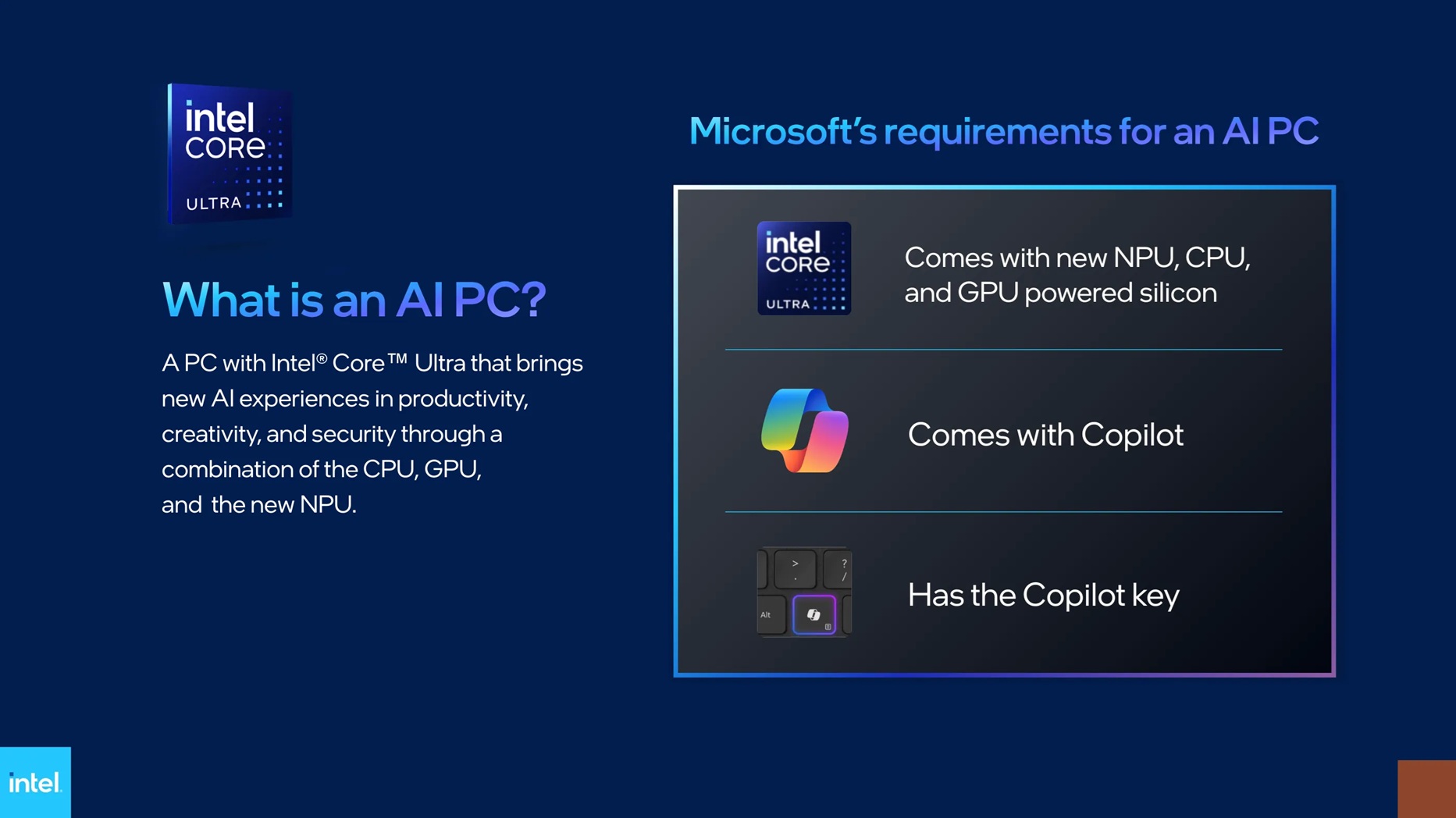
Microsoft sold you Copilot+ PCs as the only way to run local AI, but that was never due to the design. A GPU can always run an AI model far better than an NPU due to its raw power, but Microsoft didn’t want Copilot+ PCs to appear less appealing, so it restricted local AI capabilities like Windows Recall and Click to Do to PCs with NPUs.
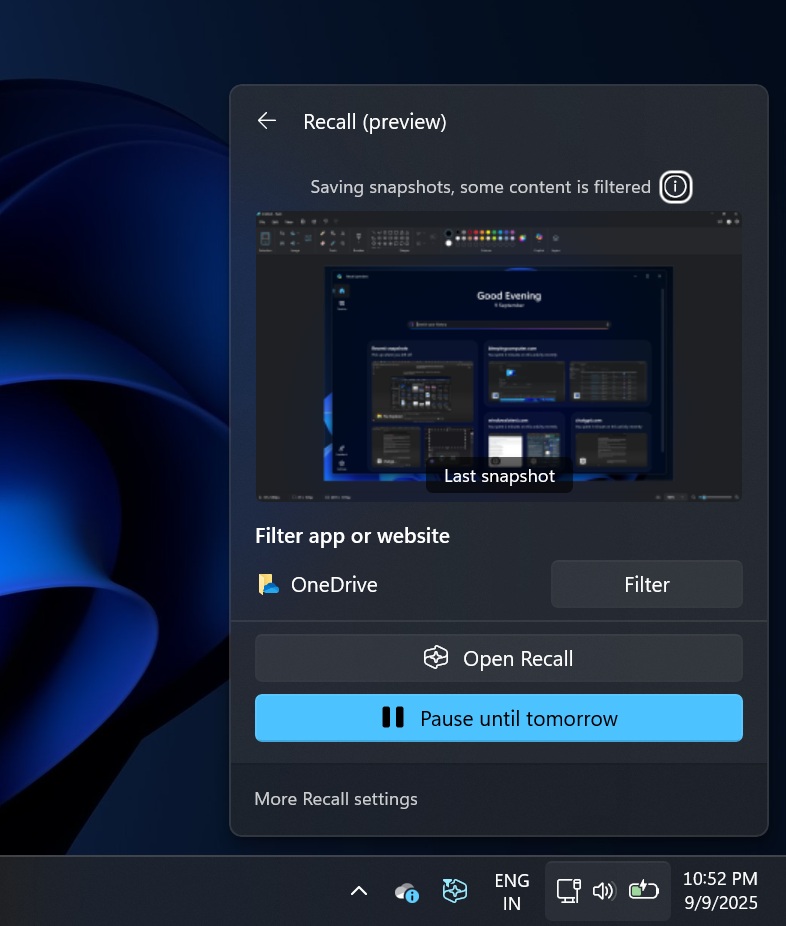
This means perfectly capable GPU-based PCs do not support Windows 11’s native local AI features, such as text-to-image, text generation, image generation, Windows Recall, and other capabilities, but that could change soon.
In a post on GitHub, first spotted by Windows Latest, Microsoft has quietly confirmed that Copilot+ PCs are losing one of their biggest advantages, as local AI is coming to RTX GPUs, as long as you meet the two requirements:
- Own an RTX 30+ GPU
- Have a supported GPU with 6GB of VRAM
According to the updated docs, if you’re a developer, you can now run local Language Model APIs on non-Copilot+ PCs by leveraging the GPU.
“Language Model APIs on GPU [Experimental]. The Language Model APIs now run on non-Copilot+ PCs equipped with a supported GPU, bringing local language model capabilities to a broader range of Windows 11 devices,” Microsoft noted. “Supported hardware includes NVIDIA GeForce RTX 30 series and newer with 6+ GB VRAM.”
This effectively broadens the range of Windows 11 devices capable of running local language models beyond just the new Copilot+ PCs equipped with NPUs.
Of course, a language model API isn’t something you can normally run on your PC unless you know how to build apps and call the API, but it’s actually the beginning of the end of Copilot+ PC-exclusive features.
What are the potential new AI features coming to all PCs with GPUs via Language Model APIs?
I looked up Microsoft’s official documentation to understand how unlocking this API for all PCs with capable GPUs would change the AI integration in Windows, and I found some interesting details.
Language Model APIs allow Windows apps to access AI features directly on your PC, and these APIs are powered by a small language model called “Phi Silica.” We previously spotted references to Phi Silica in Microsoft Edge for Windows for features like “Rewrite using AI.”
Windows PCs do not have AI models by default unless you buy a Copilot+ PC, so that means if you run a new app that uses Local Model APIs, it can call on Windows Update to download the Phi Silica model on your PC and run it locally using the GPU, if supported. Right now, an app can tap into the following Windows AI features:
- AI-powered text formatting in apps using Windows.AI.Text APIs
- Summarize (TextSummarizer)
- Rewrite (TextRewriter)
- Text-to-Table (TextToTableConverter)
- General prompt generation.
In other words, you’ll be able to use some ChatGPT-like features natively in Windows apps on Nvidia PCs, and everything will run locally, which means your privacy is fully protected compared to cloud models like Copilot or ChatGPT.
At the moment, it doesn’t look like Microsoft plans to bring Windows Recall, Click to Do, and AI in MS Paint to PCs without an NPU chip. Right now, the extended local AI capabilities are restricted to a single API, which mostly powers text and general prompt-related capabilities.