


Microsoft is finally addressing Windows 11 performance issues, from high RAM usage and UI latency to slow File Explorer and unreliable search, while also leveling up Windows 11 to match better hardware and rising competition from Apple. 2026 could mark the moment Windows shifts back to being legendary.
Ever since the MacBook Neo announcement, social media has overflowed with hate comments about Windows having serious performance issues, especially in RAM management, smoothness, and reliability. While there is some truth to that, it isn’t as pronounced as attention-grabbing posts want everyone to believe.
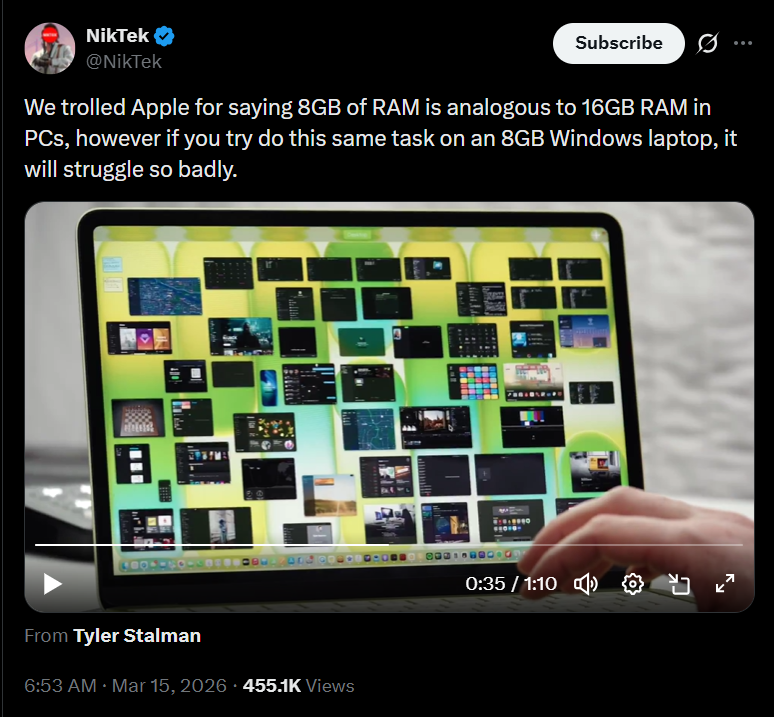
However, Microsoft’s enshittification of Windows 11 through 2025 brought upon it a reputation so bad that hate posts about the company were deemed to be cool, and as such, got so much attention from unsuspecting audience as well.
The situation became dire enough that, even with the reasonably stable past two cumulative updates, Windows 11 still amassed negative comments to the point that the company was sure to lose market value if it didn’t do something to fix Windows 11 and capture some reputation in the process.
On March 20, after what felt like years of neglect, Microsoft officially announced a detailed plan to completely fix Windows 11’s performance and reliability issues.
Of course, this isn’t the first time Microsoft has announced performance improvements for the OS. Back in December 2025, the company mentioned a “Performance fundamentals” philosophy to improve gaming in Windows 11 by refining system behaviors.

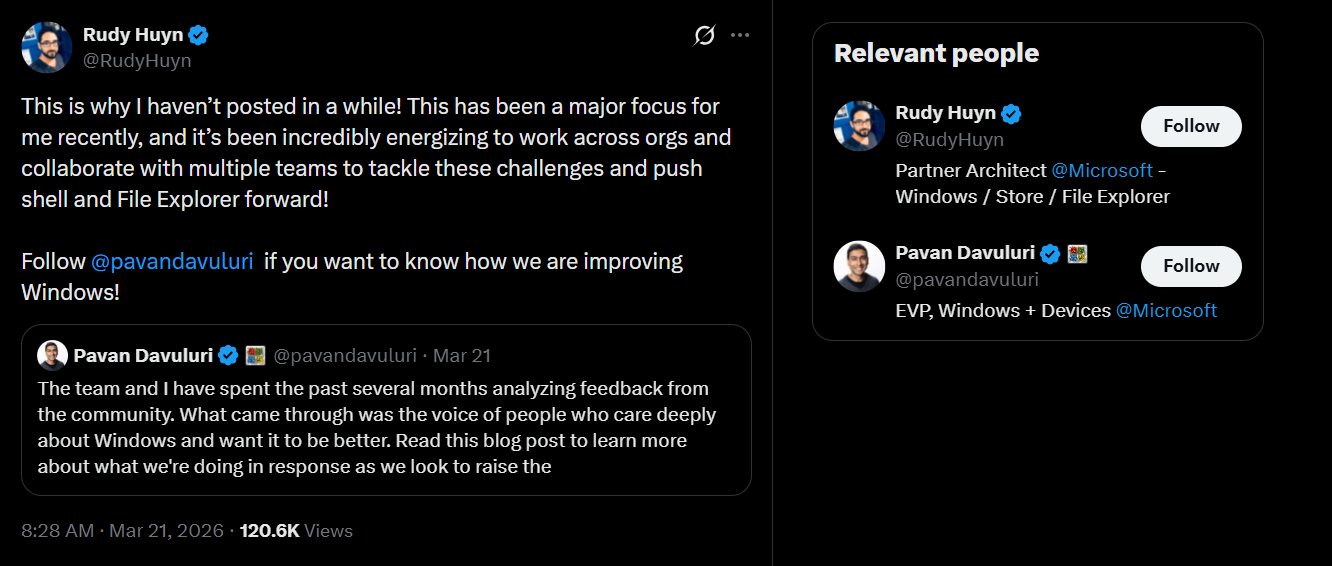
Then, by the end of January 2026, in a surprising confession, Windows President Pavan Davuluri said: “We need to improve Windows in ways that are meaningful for people”, and promised real performance improvements this year.
As expected, the overall sentiment in socials was still negative as the damage was already done, and a mere statement of acknowledgement couldn’t cut it.
But the recent blog from Microsoft, titled “Our commitment to Windows quality,” is more like a step-by-step plan to execute most, if not all, issues that have been plaguing Windows users. And from what I have seen on X, a bunch of Microsoft executives and developers have already chimed in, and for the first time in a while, the comments seem to be in Microsoft’s favour.
Full list of performance improvements coming to Windows 11 in 2026
Microsoft wants to bring meaningful performance improvements in Windows, including how fast it boots and responds to your clicks, and how stable it is in practical situations. Here are all the performance and reliability improvements that Microsoft announced for 2026:
Windows 11 will reduce RAM usage
With the RAM crisis still festering, and popular desktop apps like WhatsApp and Discord betting on memory-hungry web wrappers, it’s up to Windows to optimize its own RAM usage.
Fortunately, Microsoft says it is lowering the baseline memory footprint of Windows, which means that the OS itself will consume fewer resources at idle, which in theory would free up RAM for apps and improve responsiveness when switching between tasks.
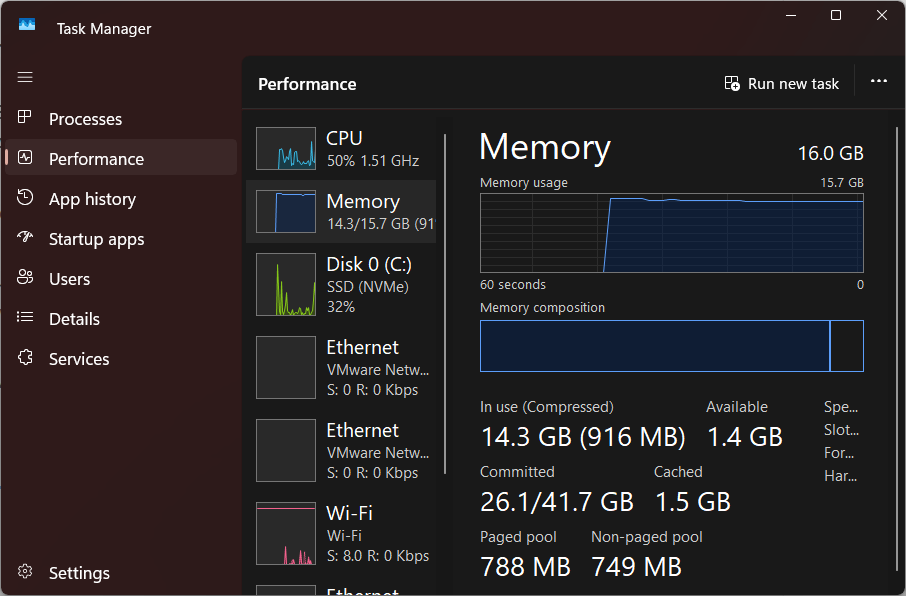
The minimum RAM requirement for Windows 11 is still 4GB (except for Copilot+ PCs), but if your PC has 8GB, the memory usage jumps to 6GB in idle. In PCs with 16 GB of RAM, the minimum utilization goes well beyond 10GB.
Microsoft hasn’t detailed how it’s planning to optimize RAM usage. However, the company is promising a “more consistent performance, even under load”. This may help open apps be more responsive throughout the day.
Reduce latency by shifting to WinUI 3
Microsoft is reducing interaction latency by shifting core experiences to WinUI 3 and improving the shared UI infrastructure in Windows.
For context, WinUI 3 is Microsoft’s modern native UI framework for building Windows desktop applications.
Right now, Windows 11 is built on a mix of legacy frameworks, native components, and web-based layers like WebView2 and React. While being a flexible hybrid approach, it introduces delays between user input and UI response.
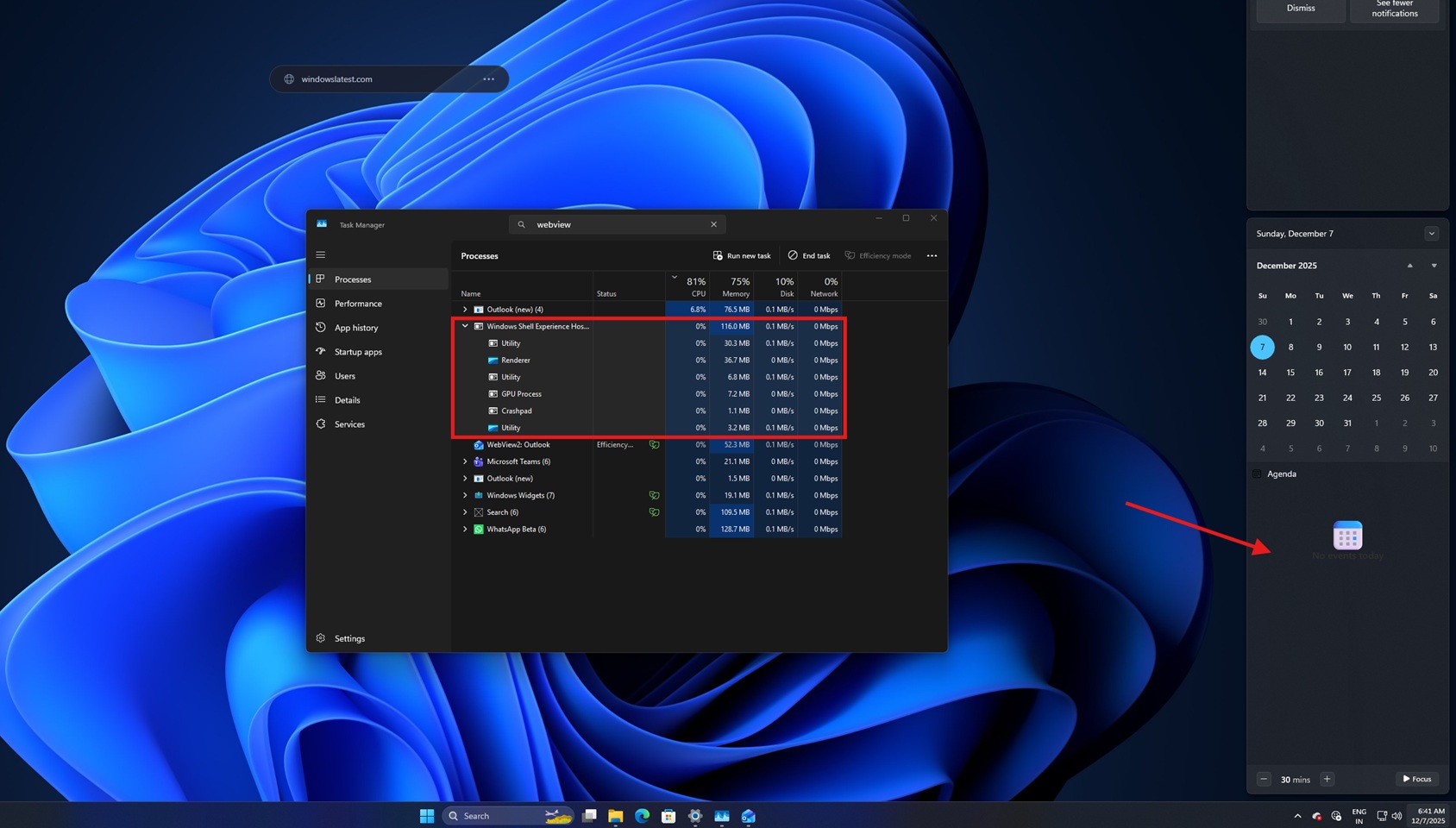
This is why some parts of Windows feel instant while others feel slightly delayed, even on powerful hardware.
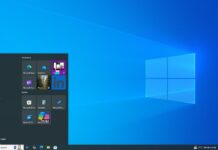
By moving more components to WinUI3, Microsoft is removing that extra layer of overhead. For example, since the Start menu is moving away from React-based components to native WinUI, it would soon feel instant. Throughout Windows, you can expect smoother animations, faster response times, and a more consistent feel.
Faster and more reliable File Explorer coming soon
The File Explorer is one of the most used tools in Windows 11, and it’s frustrating knowing that it’s not as fast as it should be, especially for those of us who have used File Explorers since Windows XP.
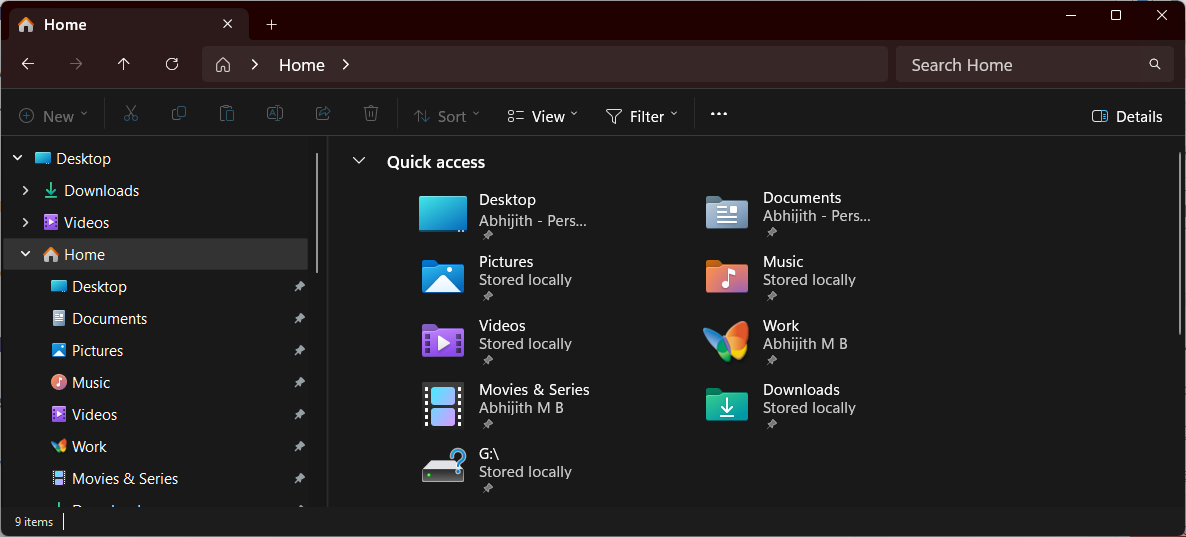
Microsoft already made an effort to make the File Explorer open faster in Windows 11 by preloading it. Windows Latest tested the preloaded and non-preloaded versions in November 2025 and found that the preloaded version indeed launched faster.
But to our surprise, we found that even the preloaded File Explorer is still slower than Windows 10 File Explorer.
With that said, it’s reassuring to see the Windows 11 File Explorer getting the attention it needed.
Microsoft is working on reducing latency across search, navigation, and context menus, while also improving the reliability and speed of file operations like copying and moving large files. The company is also promising faster launch times and responsiveness.
Windows Search is getting quicker and more accurate
The memes around Windows Search are common these days, where searching for an installed app shows a web search. While some of these are specifically designed for engagement farming, I agree that Windows Search could use a good boost.
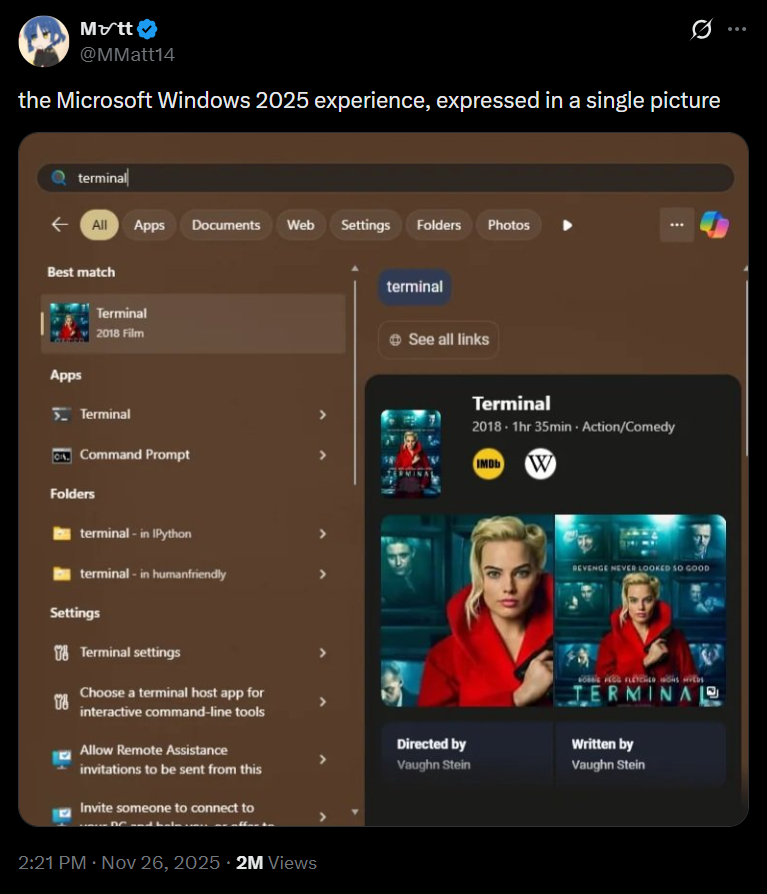
Microsoft is actually fixing the search experience throughout Windows, including the Start menu, Taskbar, File Explorer, and Settings.
The company is promising clearer and more reliable search results, with a clear distinction from web results.
Better driver quality and fewer OS level crashes
Performance is only one side of the problem. Reliability is the other.
Microsoft is working on reducing OS-level crashes, improving driver quality, and making apps more stable across different hardware configurations.
Hopefully, the infamous BSOD screen would become less and less common. Remember that Windows runs on a massive range of devices, which makes it already harder to achieve driver consistency compared to macOS, where there are only a handful of products.
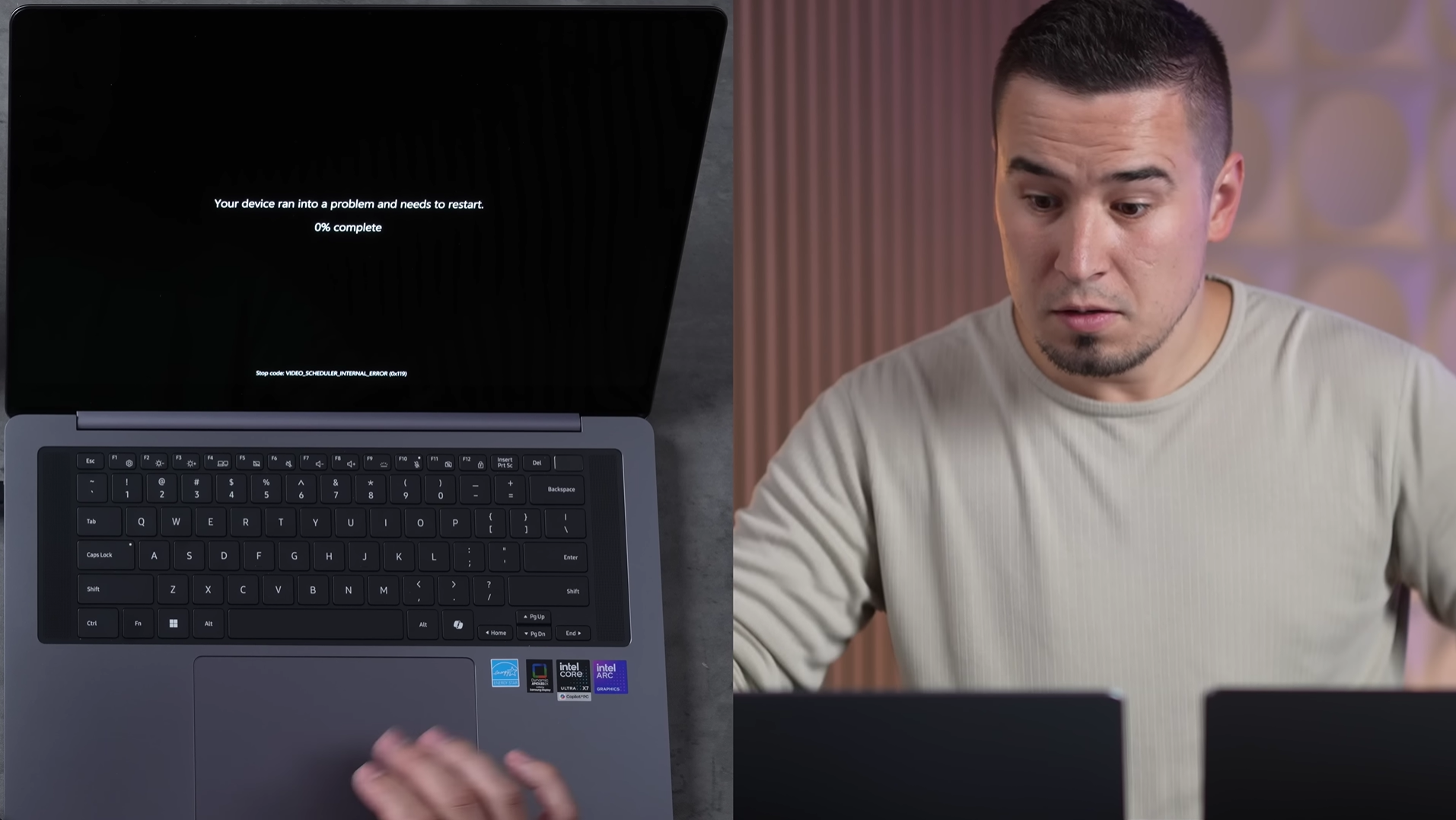
The company is targeting specific areas that users frequently complain about:
- More stable Bluetooth connections with accessories
- Improved USB reliability to reduce connection failures
- Better camera and audio consistency for work and media use
- More reliable device wake behavior, especially with docks
Microsoft’s goal here is to deliver “a smoother, more dependable Windows 11 experience” to all different processors that support Windows, Independent Software Vendors, and OEM partners.
2026 could be the biggest year for Windows in a decade
In case you forgot, Microsoft has been in this situation before.
Windows 8 was widely criticized for breaking core usability with its touch-first approach, and Microsoft responded with Windows 10, which went on to become one of the most stable and widely adopted versions of Windows.
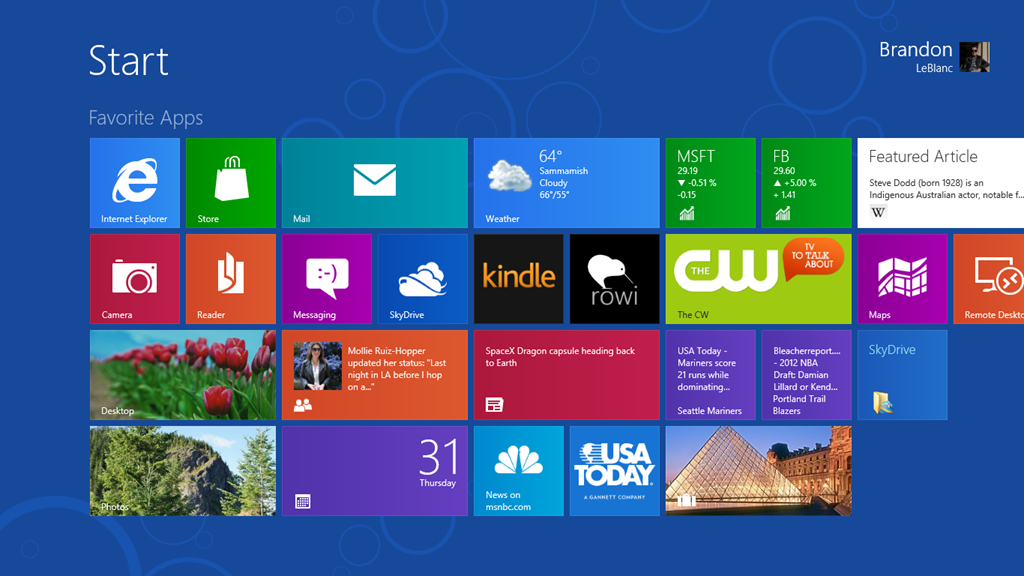
But even before that, Windows 8.1 fixed a lot of issues in 8, and a lot of its learnings went into making Windows 10.
Either way, it just proves that when Microsoft decides to fix Windows, it can do it at scale.
What we’re seeing now feels very similar. Windows 11 has gone too far in certain directions over the past couple of years, but the company is now taking a step back and focusing on fundamentals again.
Hardware is catching up at the same time
Interestingly, courtesy of Apple, the software improvements are converging with a major shift in hardware as well.
Qualcomm’s next-generation Snapdragon X2 chips are expected to push ARM-based Windows PCs even further in efficiency and AI capabilities. Intel’s Panther Lake architecture is also shaping up to bring significant improvements in performance per watt, while AMD continues refining its Ryzen lineup.
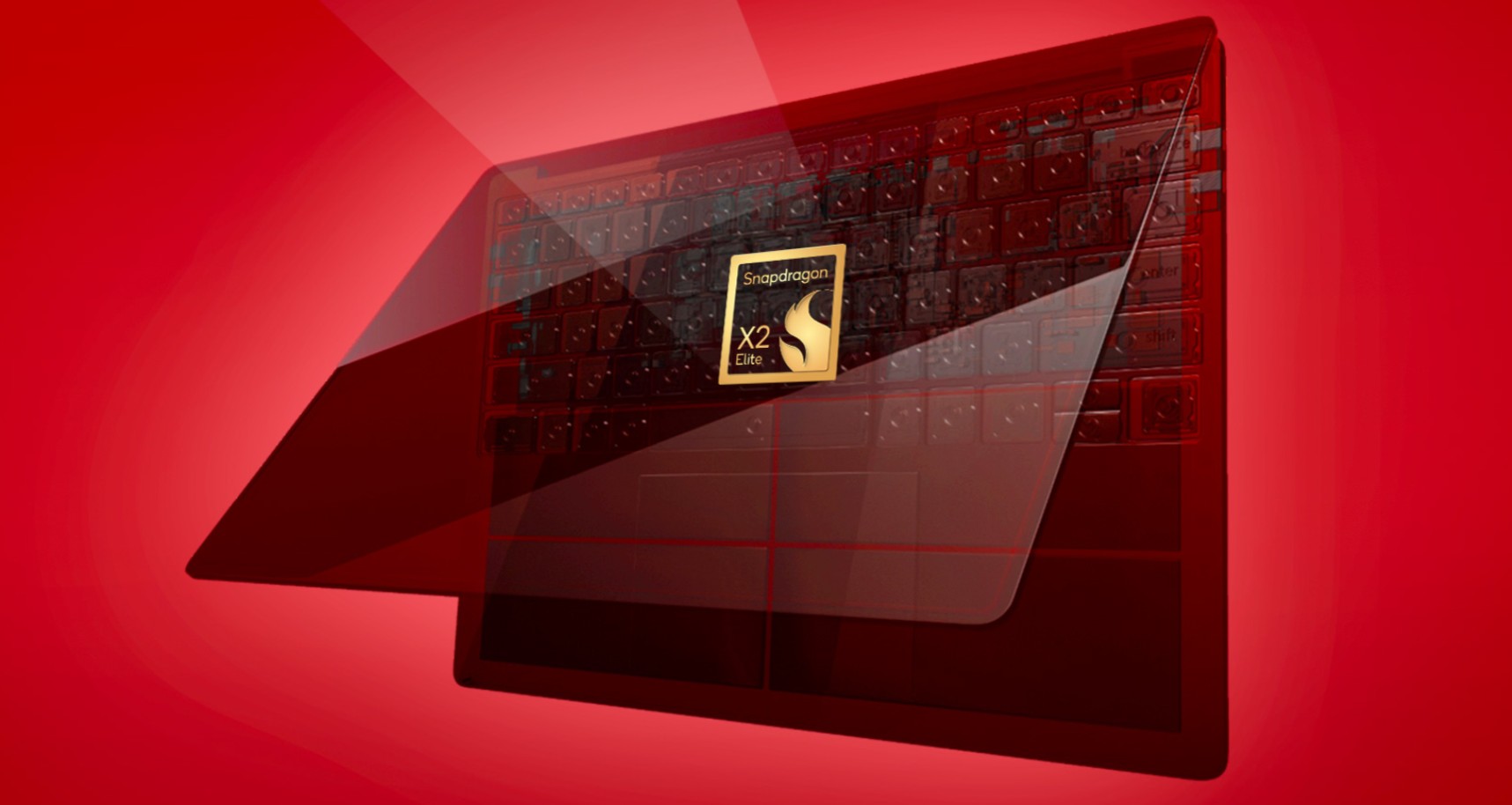
For the first time in years, Windows hardware is actively evolving in multiple directions at once.
MacBook Neo is forcing the Windows ecosystem to improve
The MacBook Neo has added a major layer of pressure to Windows OEMs. A $599 MacBook may not dominate the PC market overnight, but it changes expectations. It forces Windows OEMs to rethink what a budget laptop should look and feel like:
- Better build quality in lower price segments
- More premium designs in the $600 range
- Stronger competition on performance and battery life

In many ways, I feel, this push is exactly what the Windows ecosystem needed.
For a long time, either the hardware was improving faster than the OS, or the OS was adding features without optimizing the experience.
In 2026, we’re seeing a “magical” synchronising of both hardware and software:
- A faster Windows with lower memory usage
- More efficient chips across ARM and x86
- Competition from Apple forcing better products
2026 could redefine Windows for the next decade
If Microsoft delivers on its promises, 2026 could be a turning point. This could be the year Windows finally feels fast again, the year budget laptops become desirable, and maybe the year Microsoft starts rebuilding trust with its users.
Windows 11 just needs to work the way people expect it to. And for the first time in a while, it looks like Microsoft understood the assignment.