




Windows Latest has exclusively learned that Lenovo is developing a Legion-branded rollable laptop, and this time the screen expands horizontally to create what could be a portable ultrawide gaming laptop, and is slated to launch sometime early next year, probably at CES 2026.
This would be Lenovo’s second rollable laptop, following the ThinkBook Plus Gen 6 Rollable, a machine that already got the tag of the “World’s First Rollable PC” when it was announced in January at CES. ThinkBook Plus rollable came with a 14-inch OLED panel that unfurled upward into a vertical 16.7-inch format that works well for productivity tasks like coding and long Excel sheets.
However, the upcoming Legion Pro Rollable will have a horizontally expanding screen, from both the left and right, and it’ll have a 21:9 aspect ratio, perfect for gaming, which is the hallmark of the Legion series.
What we know about the Lenovo Legion Rollable gaming laptop
Lenovo’s upcoming rollable gaming laptop is officially part of the Legion family, which immediately tells us two things. It is being built for high-performance workloads, and it is not meant to be a quirky productivity experiment like the ThinkBook Plus Gen 6. This machine targets gamers who want a portable system that can transform into an ultrawide panel when needed.
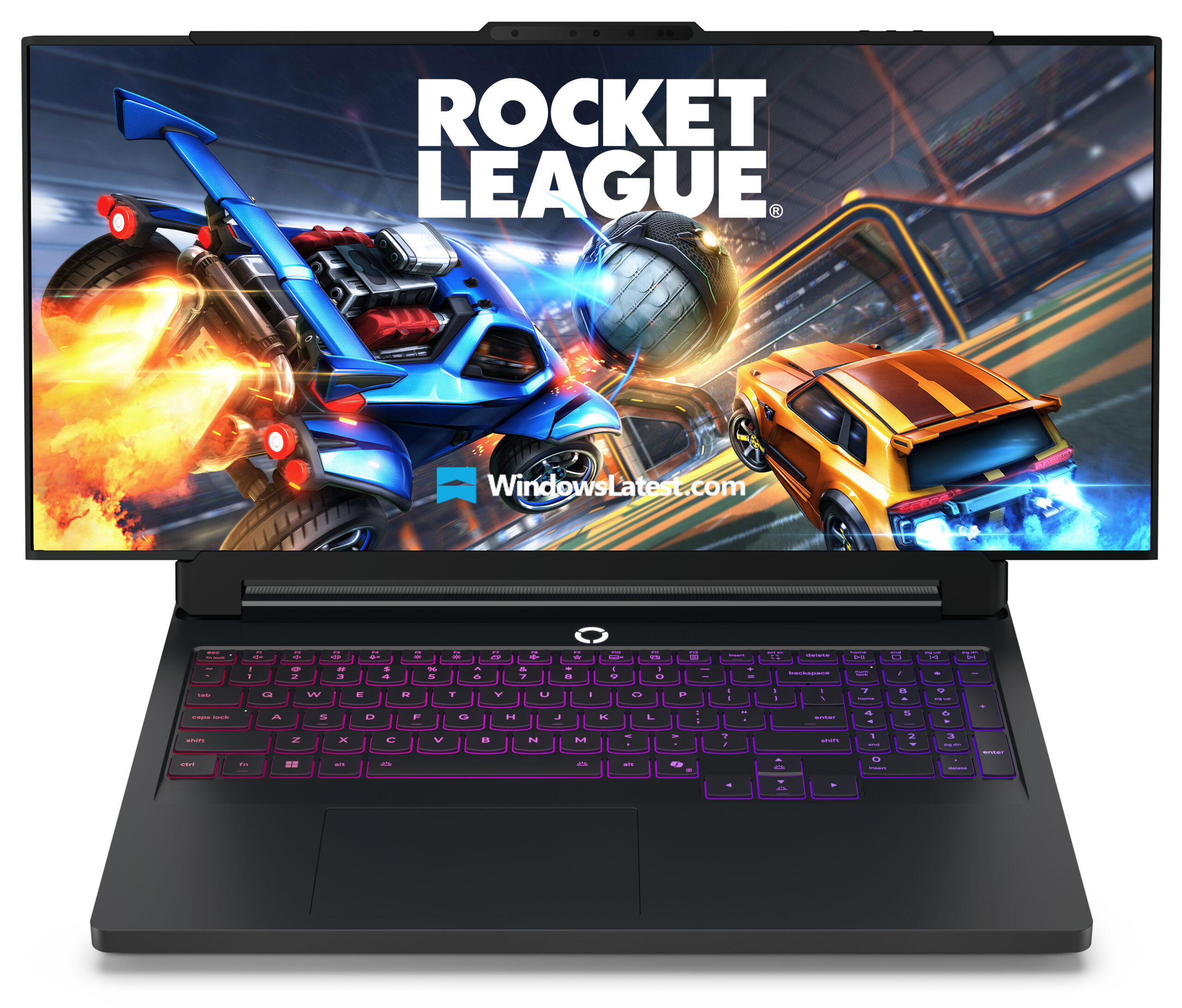
You can access the promotional material in its original resolution here.
From the leaked promotional material Windows Latest obtained, the Legion Rollable uses a horizontal rollable display that expands outward from both sides of the panel. When fully unrolled, the display reaches an ultrawide 21:9 aspect ratio.
We also got a confirmation that the laptop will ship with an Intel Core Ultra processor, which is typical of Lenovo’s trend across Legion notebooks and aligns with Intel’s push toward AI-accelerated gaming and hybrid workloads. We don’t know if there’s an AMD variant.
And of course, no point in guessing the OS, which will be Windows 11. You can expect some AI shenanigans as well, courtesy of Lenovo’s own software stack. For example, there’s a Copilot key.
Beyond these confirmed details, we are pretty much unaware of the specifications. We do not know the exact display size; it may be a 14” to a 16” expansion or something else. We don’t know yet. The refresh rate will be at least 120 Hz, since even the business-focused ThinkBook Rollable comes with it.
Lenovo already did the hard part once
Lenovo has already solved the most difficult engineering problems that come with building a rollable laptop. The ThinkBook Plus Gen 6 Rollable shipped with a motorized spindle system, a flexible POLED panel, a tension frame that keeps the screen flat when extended, and firmware that can stop the mechanism instantly if the lid is closed or something blocks the motion. These are production-ready components that Lenovo has already validated in the real world.
Translating that work to the Legion gaming laptop’s horizontal display is different but right up Lenovo’s alley, considering that they have been at work with rollables for over three years.
What is known for certain is that since this will be Lenovo’s second rollable laptop, after the ThinkBook Plus Gen 6 Rollable, it builds on those foundations but aims at a completely different audience, like competitive gamers, content creators, and enthusiasts who want a portable ultrawide without sacrificing the traditional form factor.
The Legion Pro Rollable will have a flexible panel where excess screen area is stored rolled up and hidden inside the left and right edges of the display chassis. To convert, motors activate a roller mechanism, driving expanding rails outward. As the physical frame widens, it pulls the hidden, rolled portions of the flexible screen out from their housing, unfurling them flat across the newly extended support structure to seamlessly create a wider, continuous display surface.
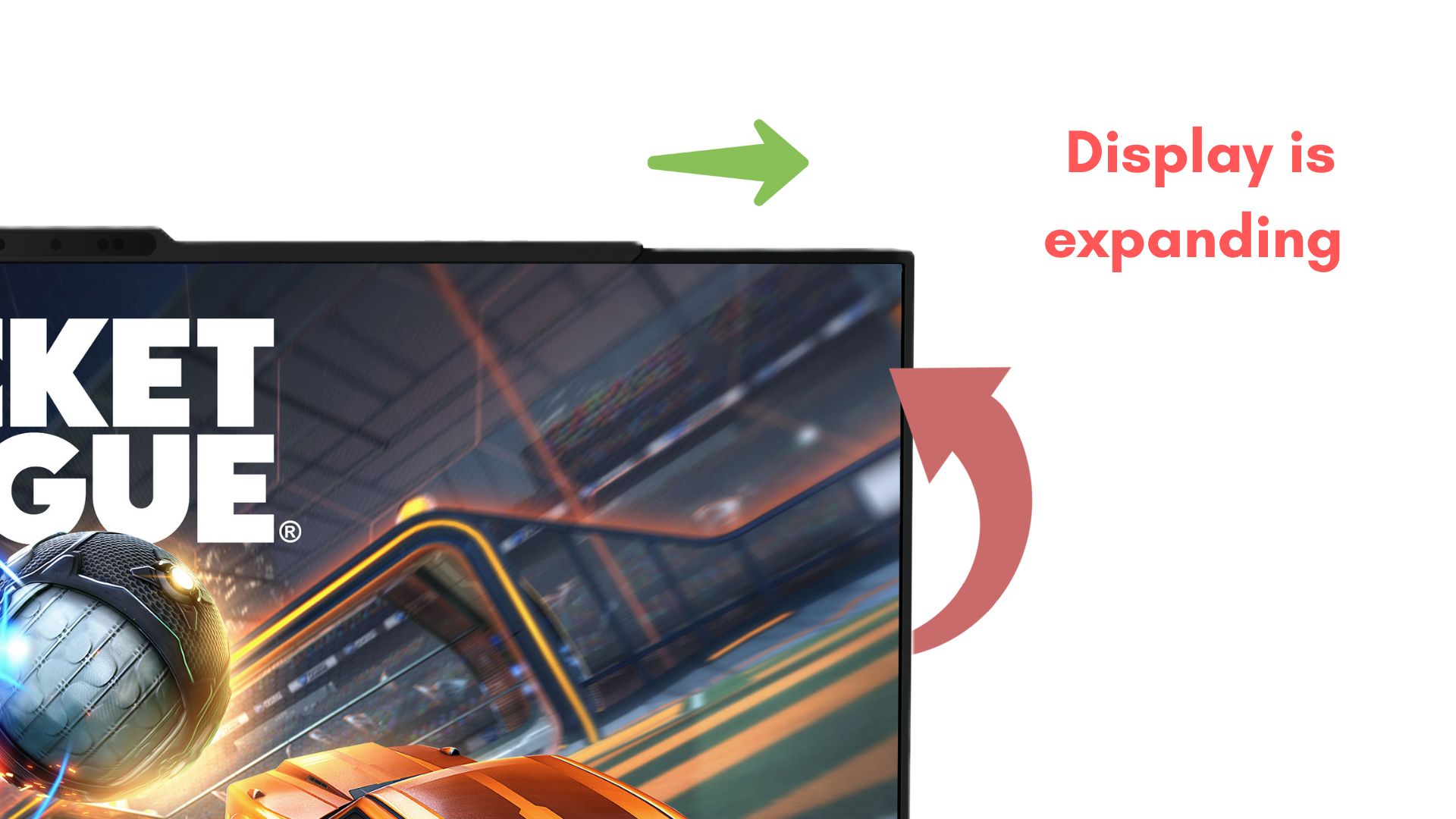
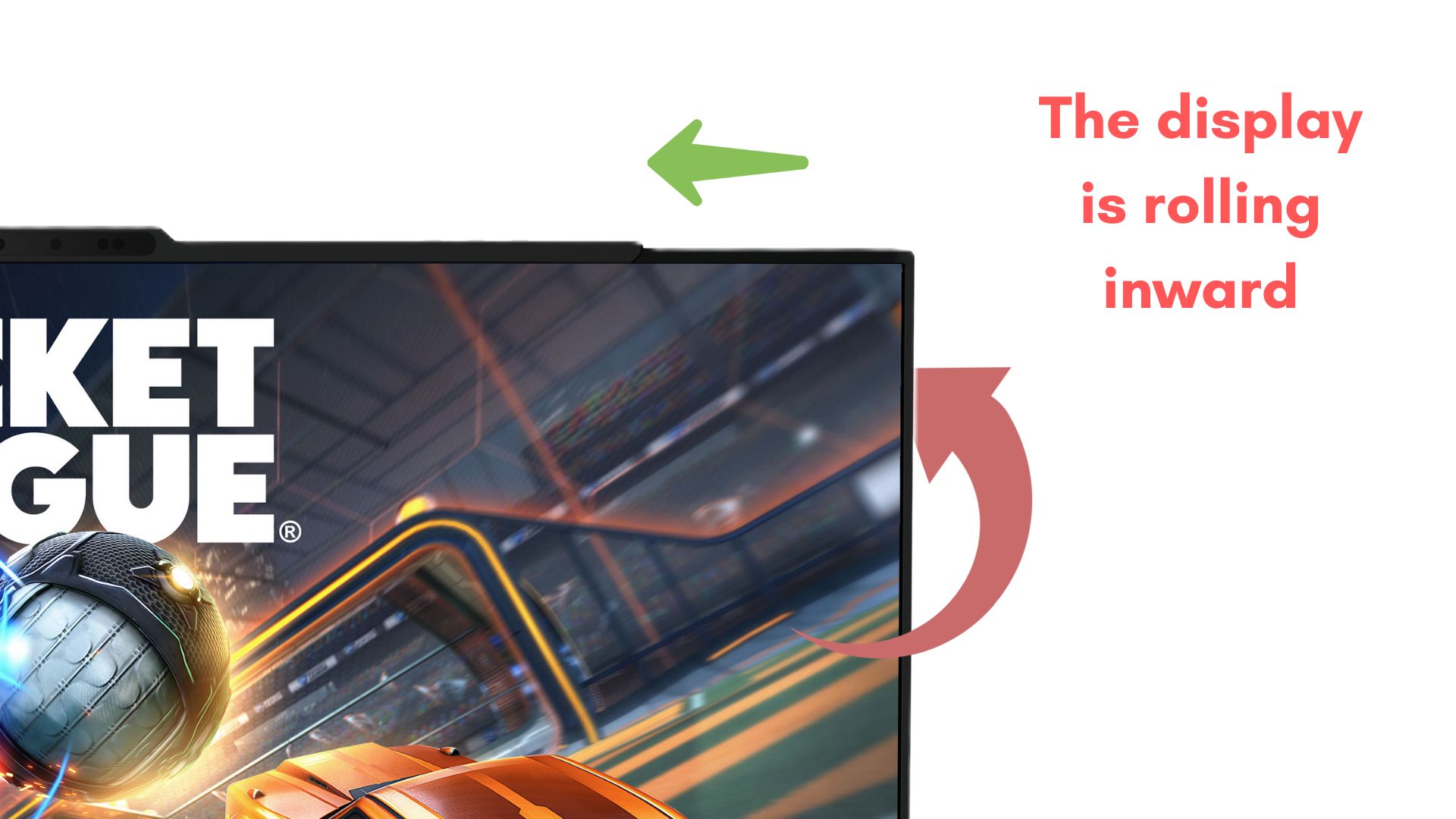
However, the image clearly shows the presence of prominent bezels to avoid damage to the left and right edges of the display.
A Legion chassis also gives Lenovo more room to play with. Gaming laptops are thicker by nature, and that extra internal volume makes it easier to house a wider roller mechanism on the lid itself, without making it feel unusually bulky.
Lenovo Legion Pro Rollable is set to debut early 2026, likely at CES 2026.