







As of writing, Microsoft has a market cap of around $3 trillion, and the company is more than equipped to hire A-list celebrities for its promotional materials. But even then, at a time when Windows 11 is despised for the excessive AI push, the software giant decided to use Copilot to generate “creative” images with people in them, all in the name of showcasing the OS’s features.
Microsoft has a dedicated Windows Learning Center page where the company puts out a bunch of explainer and how-to blogs about several features in Windows 11. By late 2025, Copilot got ChatGPT’s power image generation capabilities, which was when Microsoft experimented with using AI-generated images in these blog posts.
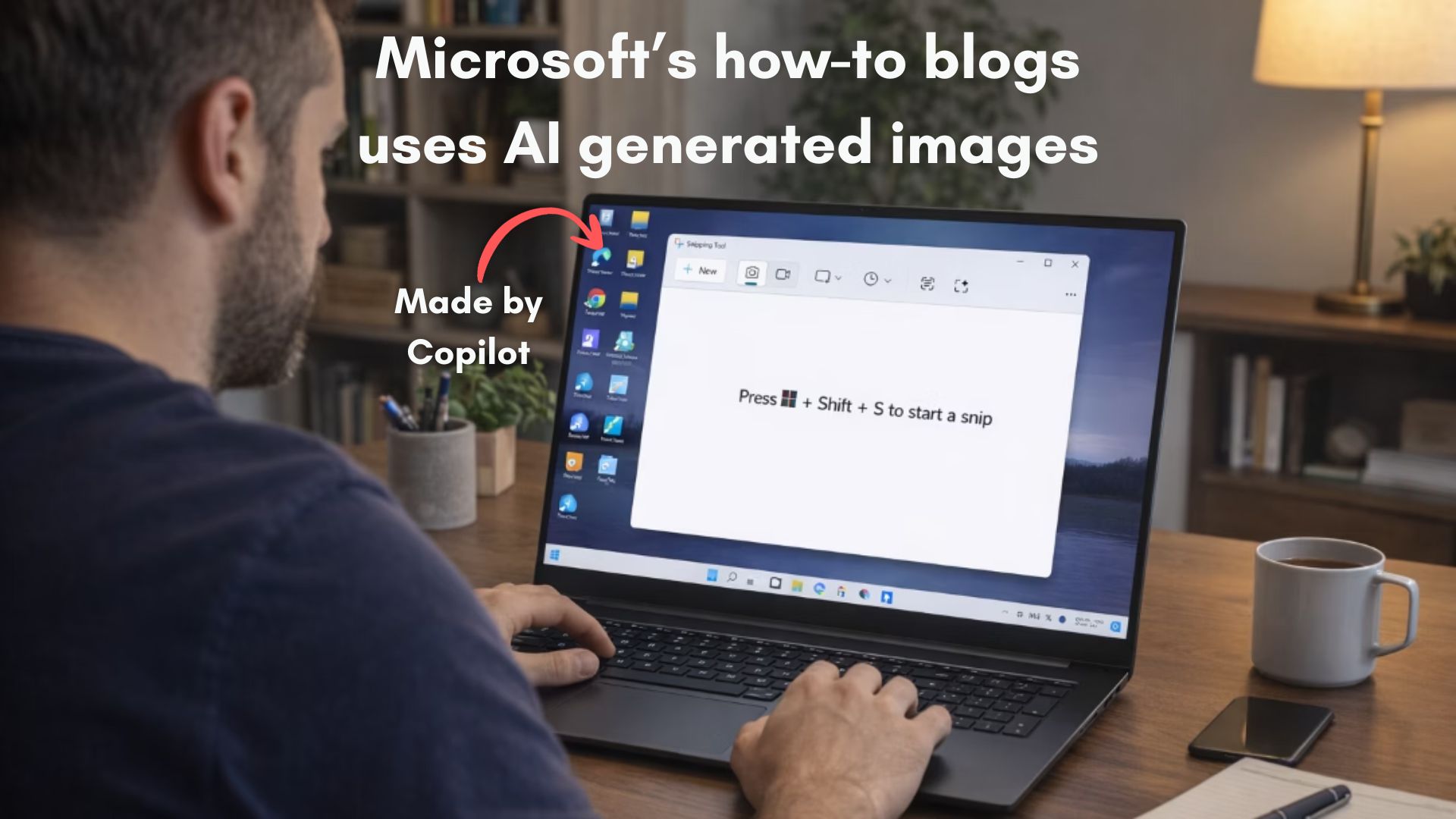
Windows Latest first noticed the tag “AI Art Created via Copilot” as a caption under the embedded image in almost all blog posts in the Windows Learning Center in 2026.
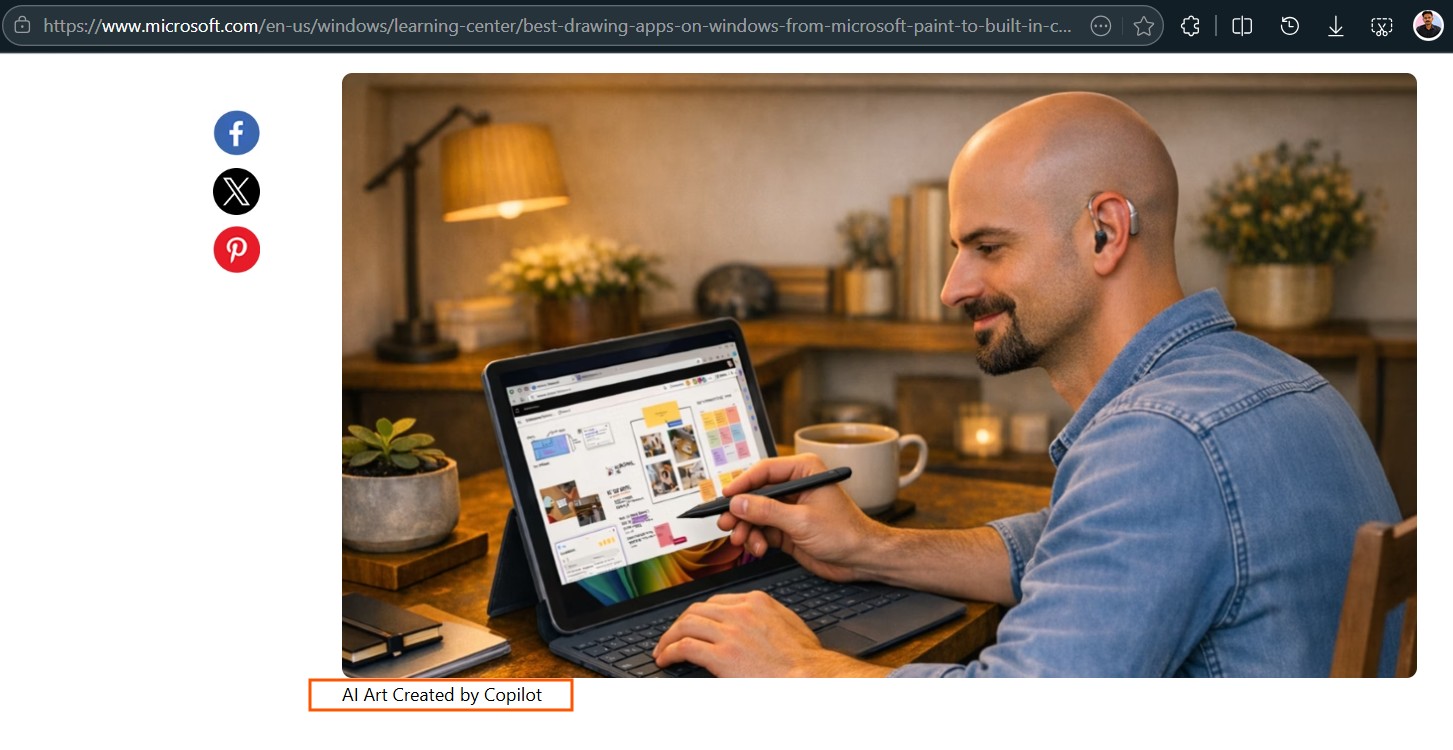
The decision to include AI-generated images isn’t uncanny for Microsoft, even for blogs meant to promote the built-in tools and features in Windows 11, considering that the company uses every chance they get to let the average Windows user know about Copilot.
Microsoft uses AI-generated images inside the Windows Learning Center blog posts
To be fair, the header image (or featured image) in these blog posts does not use AI, at least I hope so, since AI-generated images have become indistinguishable these days, and Microsoft doesn’t explicitly mention the use of AI under these header images.
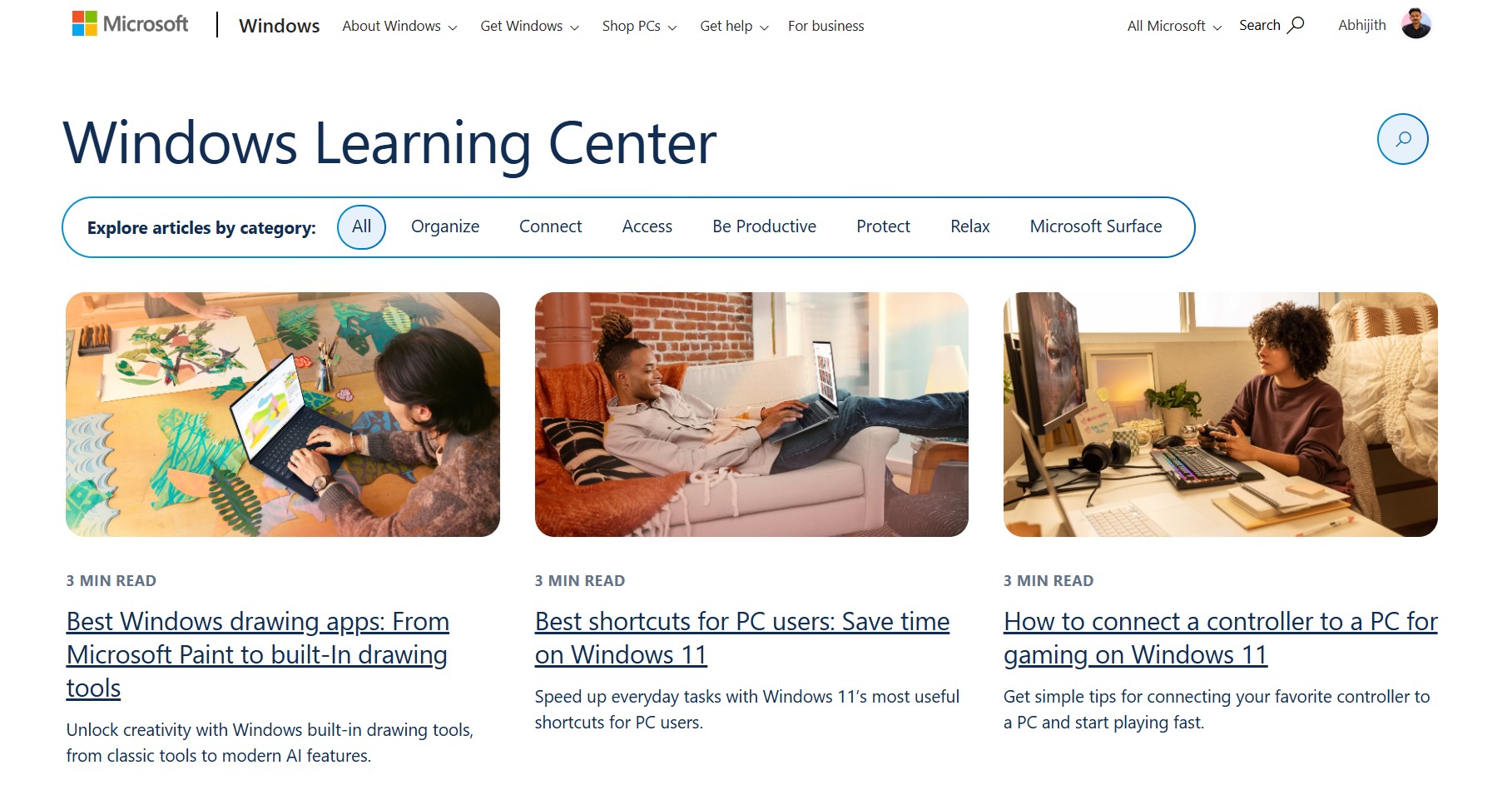
However, open any recent blog in the Windows Learning Center, scroll down a bit, and you’ll see an AI-generated image of the particular feature being used by, you guessed it, an AI-generated human.
Even if you didn’t catch the AI-ness of the image, Microsoft pretentiously added the tag “AI Art Created by Copilot”.
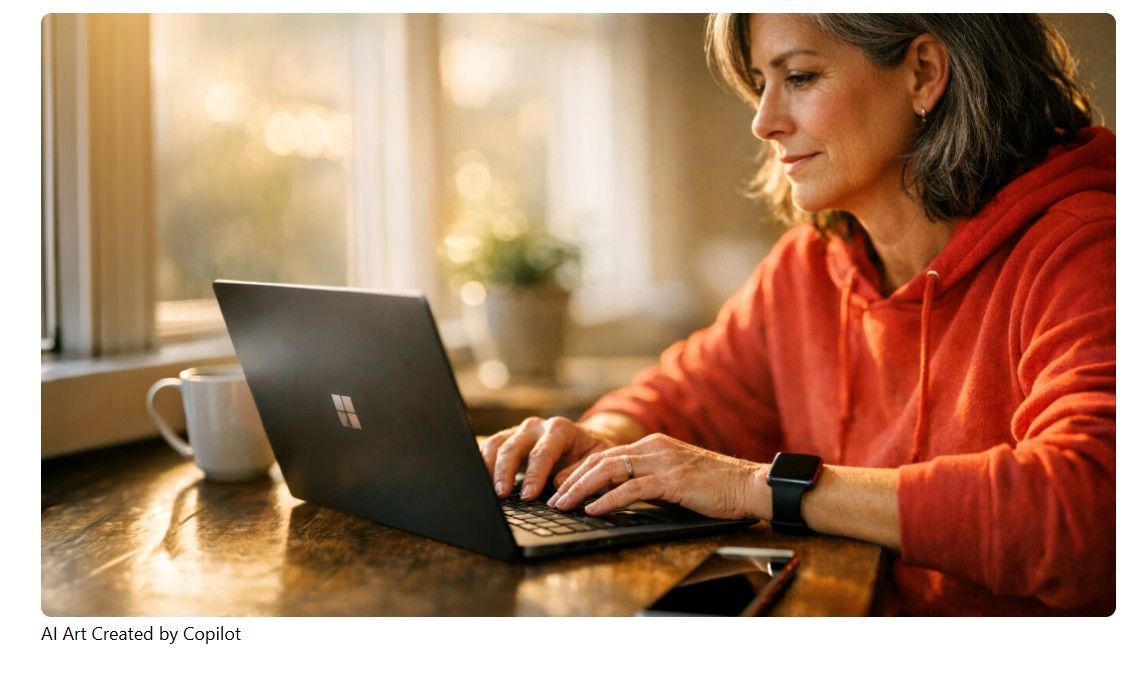
Of course, this is not a tech startup that can’t afford to hire studio space or models to shoot promotional images of people using their features or services. This is Microsoft, and the tagline under these images is most definitely an ad for Copilot.
Sure, any company has the right to promote its products, but Microsoft isn’t in a position to do so, as the company’s AI efforts went too far, and social media has developed a deep hatred towards both the company and Windows 11
At a time when “Microslop” is getting increasingly mainstream, Microsoft decided the best way to promote Windows features was by showing off more AI.
Or there is an even better reason for Microsoft to avoid using AI to generate promotional images, which is that Copilot can hallucinate.
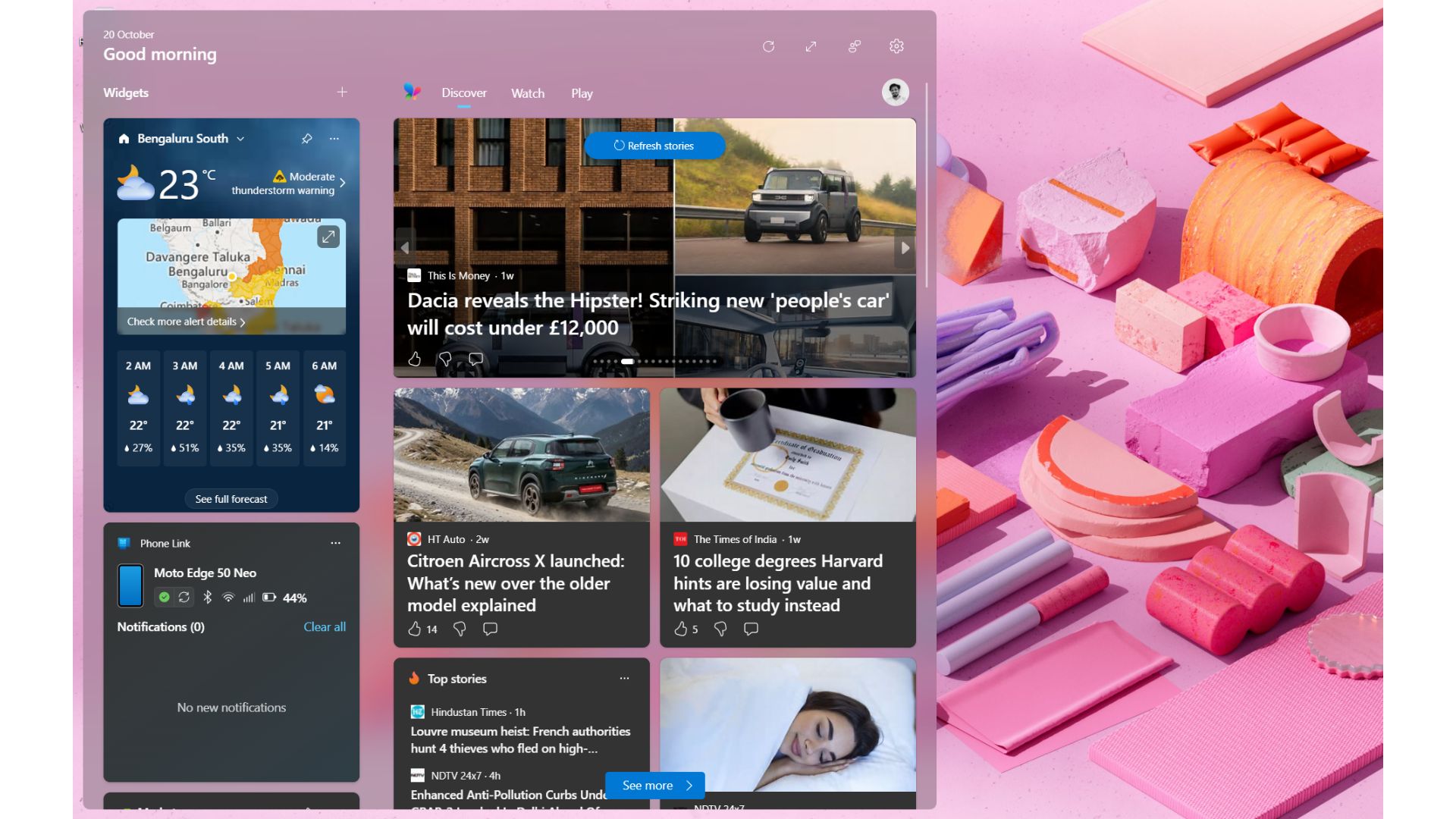
Here’s the Windows Widgets board as Copilot imagines it. Note that this image is in a how-to blog about using widgets on Windows 11, and if the user sees such AI slop and can’t replicate the same on their own PC, what message does it convey?
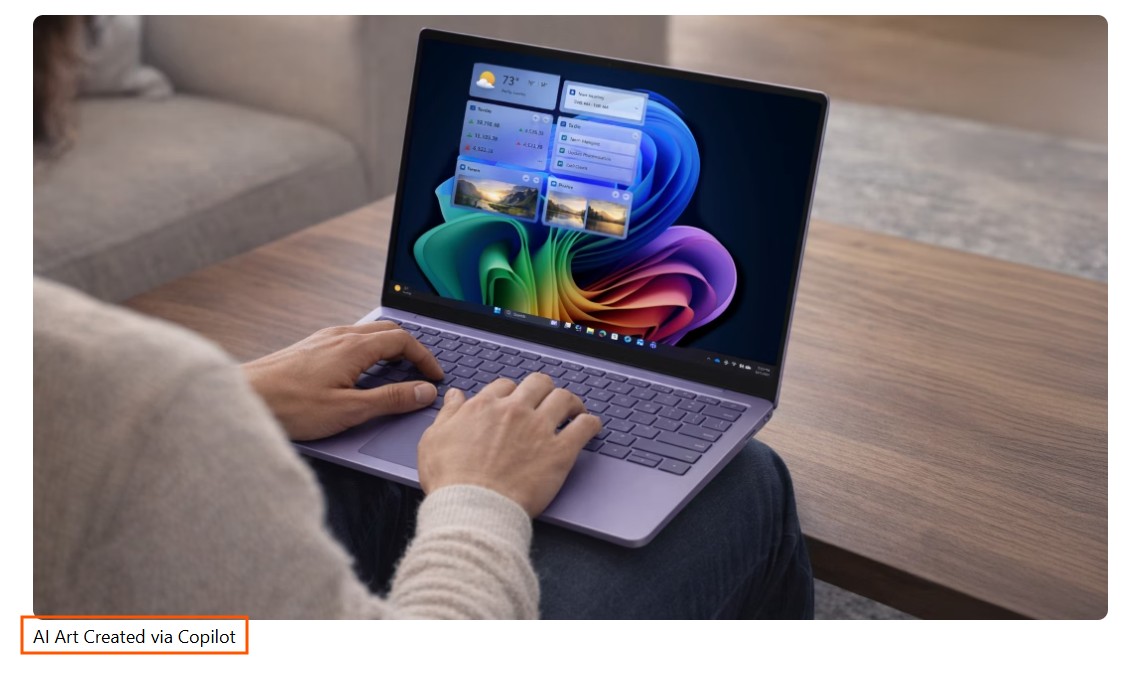
For context, this is how the Widgets look in Windows 11:
There is no denying that the blog posts in the Learning Center are useful. But the hatred around Copilot can’t be denied, and when an unsuspecting user sees the AI tag, the first thought that comes to their mind would be a negative one that reinforces what they have already seen or heard on social media, and there, the odds aren’t in Microsoft’s favor.
Microsoft should promote human creativity
Microsoft’s reputation is at an all-time low, and people are using every chance they get to switch from Windows to macOS or Linux. While Linux is reserved for advanced users, macOS was a distant dream for many because of the “Apple tax.”
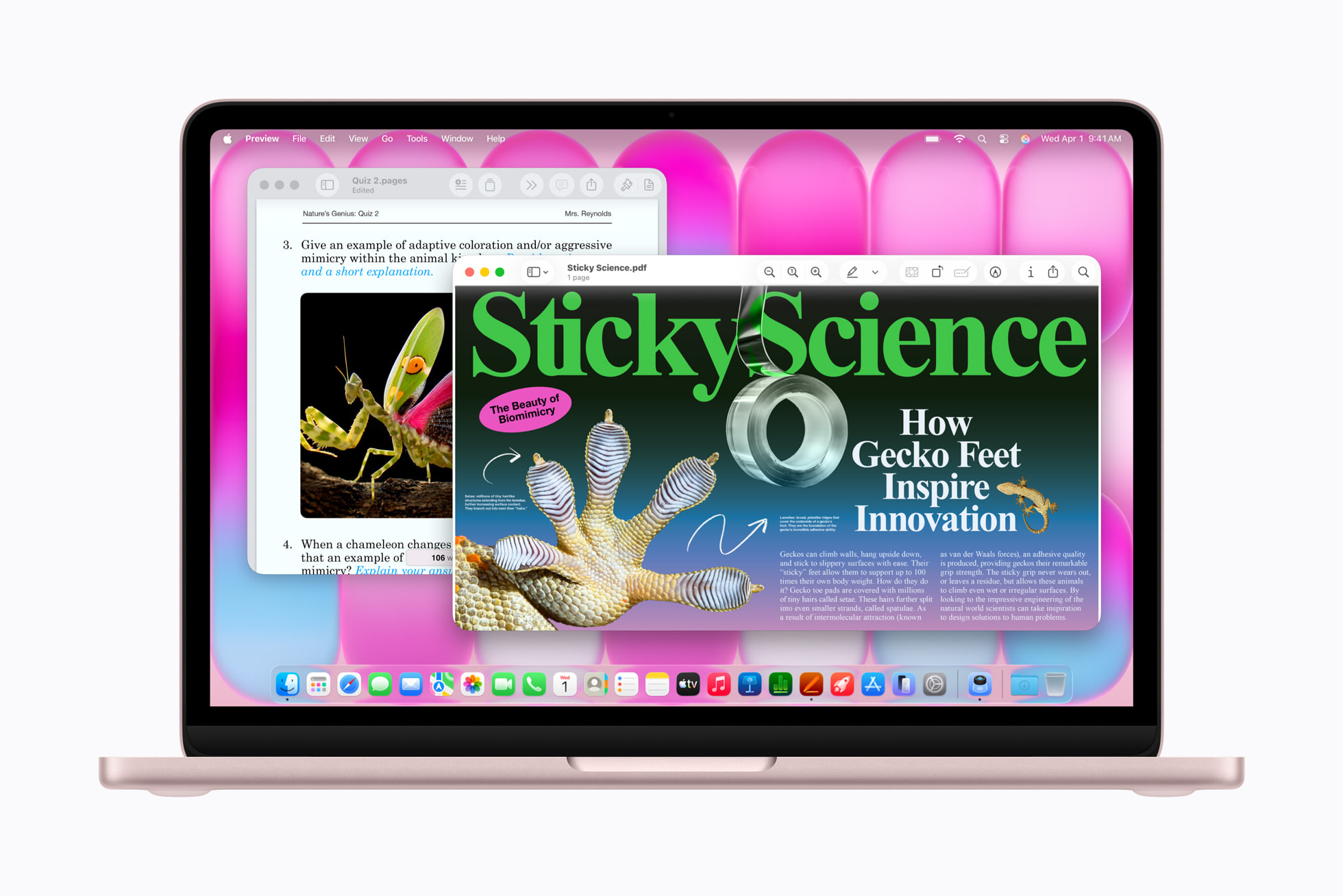
Things changed as the MacBook Neo entered the picture, and even as it has been almost 2 weeks since its launch, social media is filled with people justifying Apple’s decision to ship the Neo with 8GB of RAM.
On the opposite spectrum, Microsoft is getting trashed online, so much so that fake stories that say that the company banned the term “Microslop” in Store reviews are still believed by the public, despite us debunking it.
Yes, Microsoft has promised to fix Windows 11 with real performance improvements, long-requested features, and less AI push. But escaping such deep-rooted backlash isn’t easy, and it doesn’t help when Microsoft decides to favour AI in place of human creativity.
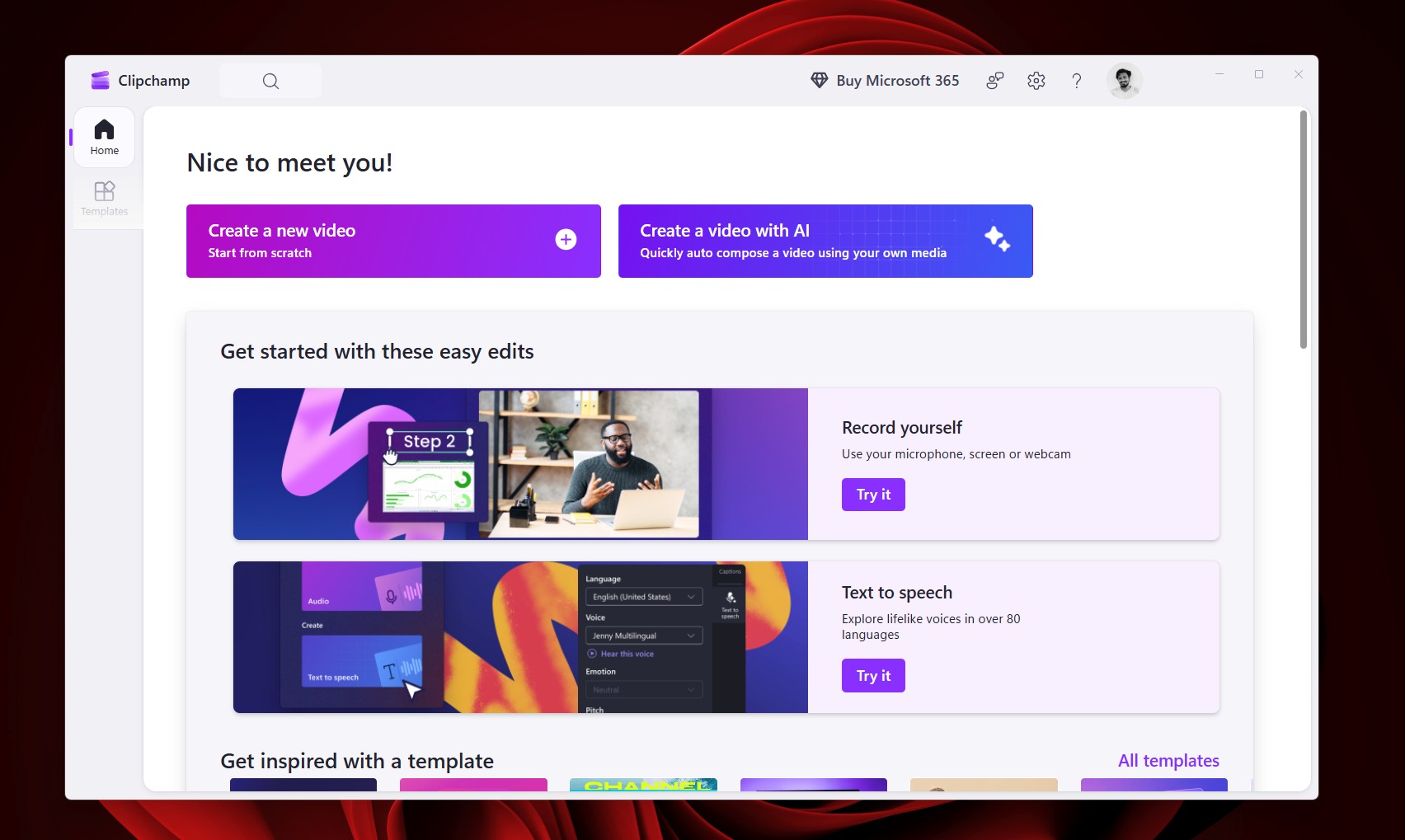
The only way for Microsoft to become a consumer-loved brand is by promoting human creativity through Windows and Windows PCs, something that Apple has mastered for its own products. For example, Microsoft’s Climpchamp is nothing compared to the likes of Apple’s iMovie, which is free by the way, unlike Microsoft’s video editor that restricts features with a freemium model.
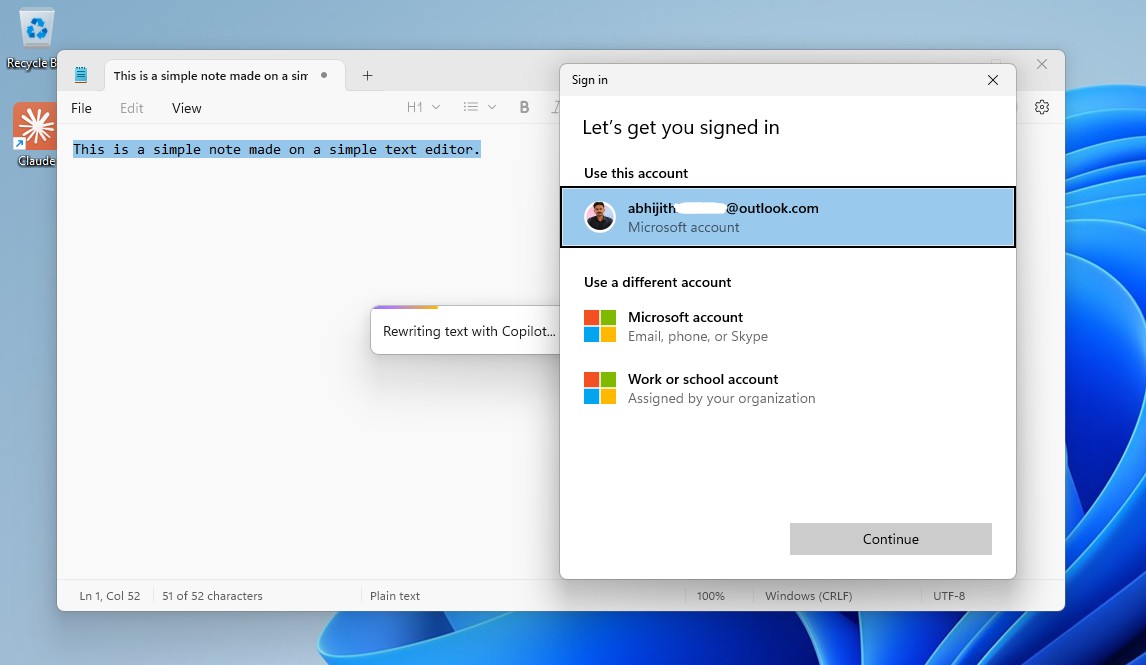
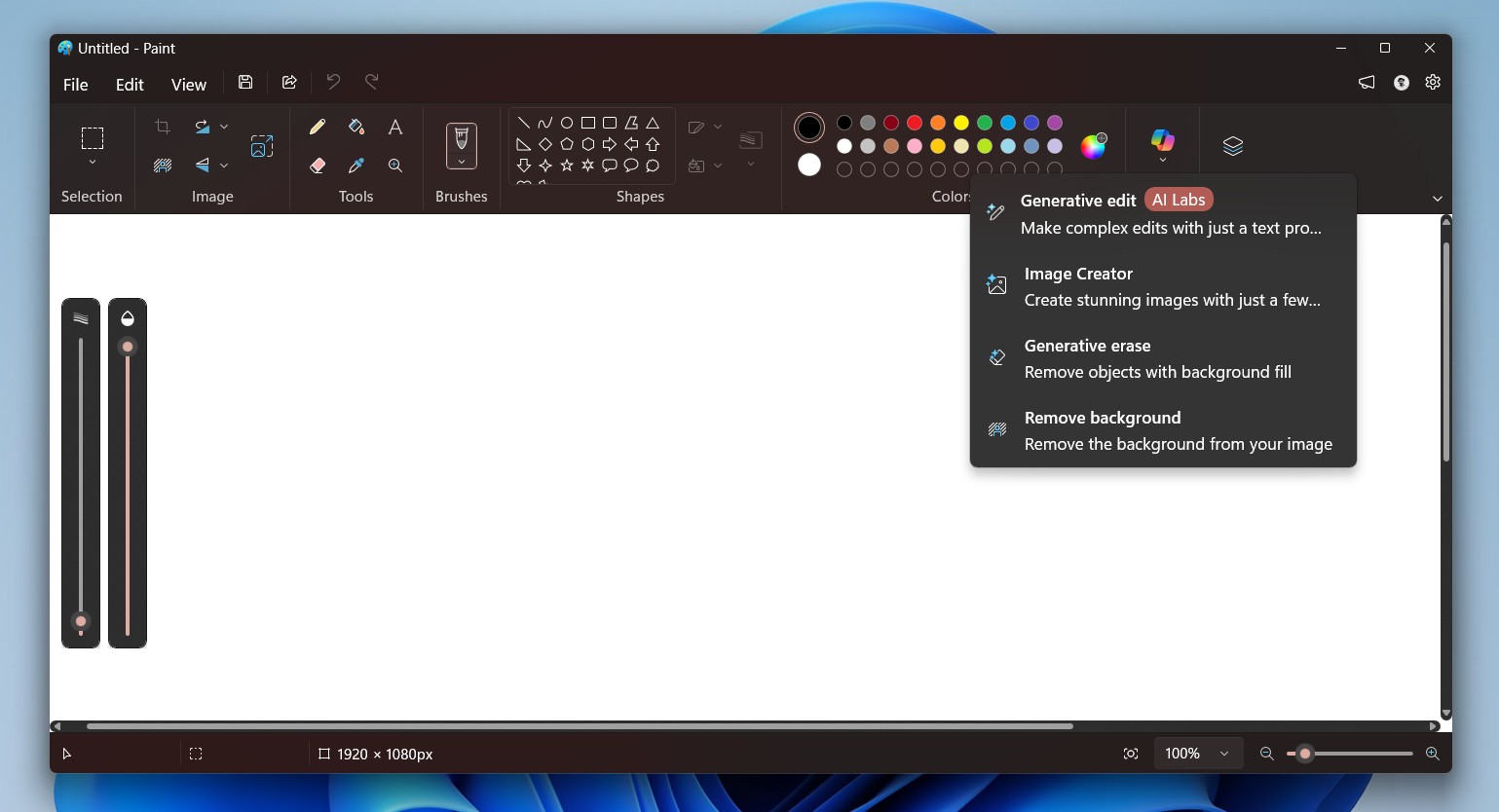
Microsoft can start supporting creativity by first removing AI features that question the ability of humans, like the obvious Copilot button in apps such as Notepad and Paint.
As Nike promotes athletes, Microsoft can make Windows better suited for creators. While power users want Windows 11 to function the way the OS did in the days of Windows 7, they don’t make the bigger pie. A large chunk of Windows users are regular people who use the OS because they have to, not because they want to.
macOS is desirable for the reason that it is genuinely easier to use for creators, who are the ones who promote Apple products on platforms like YouTube. Windows lacks this desirability.
While the new MacBook Neo will push Windows OEMs to launch better-built and designed laptops in the $600 range, people still need to choose the Windows OS, and for that, Microsoft needs to back down on AI and go all in on humans…