






As Windows phone is approaching a zero percent market share 3rd party devs are also diverting their attention to other platforms. A famous peer to peer ridesharing, food delivery, and transportation company Uber joins the bandwagon to get rid of the Microsoft Store.
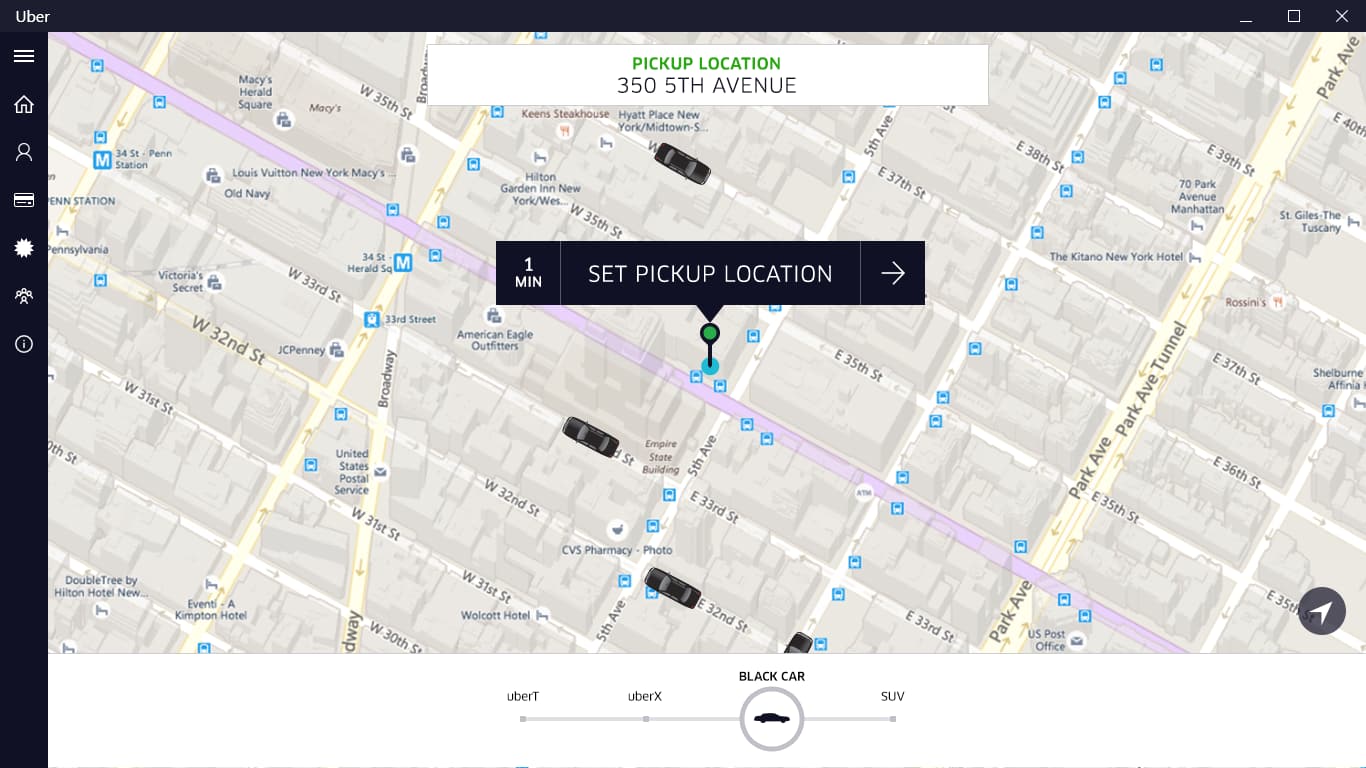
The company recently dropped support for their Windows 10 store app. The app is still there in the store and can be downloaded but it will have a hard to function properly. The Uber support team themselves confirmed the news.
It is no longer a surprise to anyone that companies are pulling their Apps from Windows store. It keeps reminding us that Windows phone is taking its last breath or dead. Microsoft’s UWP approach was a wonderful idea to somewhat close the app gap problem at least to an extent. Although it was an obvious decision given that Microsoft has almost more than 500 million Windows 10 devices. The only problem that is haunting Microsoft is lack of Mobility.
Technology is very dynamic. In this 20th century, it is evolving more than anything else. Microsoft recent involvement with the PWA evolution is something to watch out for. Microsoft is the first company who plans to put PWAs in the store.
Twitter recently pulled their MAC app support which they confirmed with a Tweet, hinting their love-relationship with PWA. Whether Uber has the same plan in near future, we don’t know just yet. We will reach out to Uber and if they have anything to share regarding its return as a PWA, we will surely give you the update.