








From Discord and Teams to WhatsApp, Windows Search, the Start menu, and even the new Agenda view in Notifications Center, Windows 11 keeps doubling down on web junk, and it’s getting so out of control that JavaScript and Brave browser creator Brendan Eich is also upset with the approach.
Windows 11 has been in the news for all the wrong reasons lately. Recently, I wrote about “Microsoft denies rewriting Windows 11 using AI.” The main story was Microsoft pushing back on the claim that Windows 11 is being rewritten in Rust using AI. However, I also used it to highlight a bigger issue:
Windows 11 is increasingly relying on web frameworks, especially WebView2 and Electron.
This has been part of my effort to turn Windows 11’s web-enshittification into a larger story that more people notice.
To my surprise, it caught the attention of Brendan Eich, the creator of JavaScript and the CEO of Brave. JavaScript legend Brendan Eich also founded B2G OS (Boot to Gecko), which was Mozilla’s Firefox OS, and he has been involved with webOS as well.
Eich argues that he is against the bloat (likely referring to apps on Windows), due to the rushed use of Web UX over native. He also added that the web apps can be “done right,” but that takes time, which is something that most companies don’t want to do.
“The buried lede is “Windows 11 has a bigger problem, and it’s WebView2 or Electron,” Brendan Eich wrote in a X post sharing Windows Latest’s story. “As a b2g (FirefoxOS) cofounder, also connected to webOS folks in the day, I’m against bloat due to rushed use of Web UX over native. It can be done right; it takes time.”
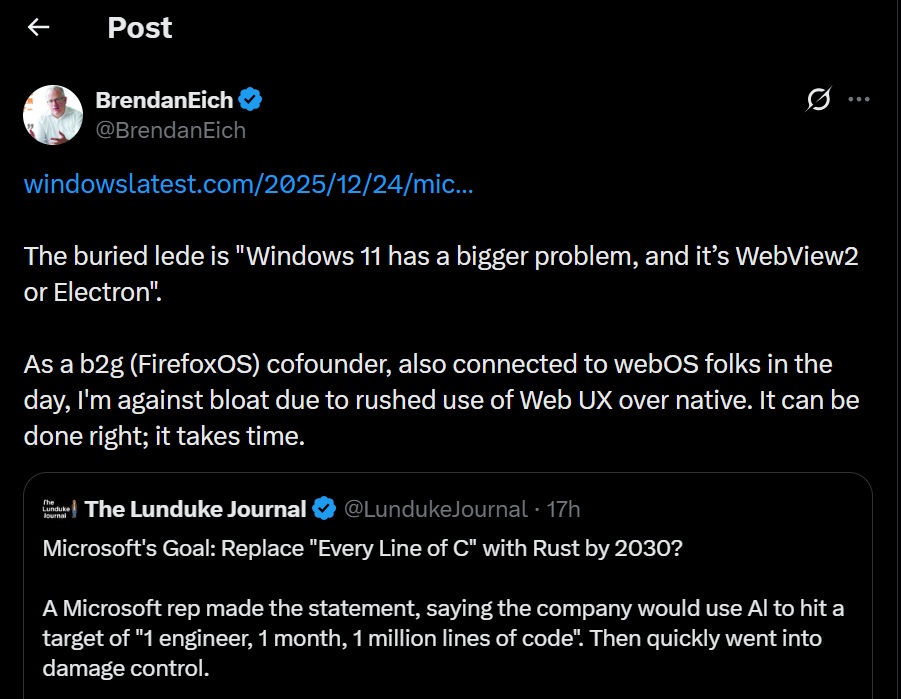
In the same thread, one user argues that WebView is about control and getting people used to subscription software. But Brendan Eich pushes back on the logic and asks: “How does web vs. native help that agenda?”
Eich also adds that “Native is easier to use for lock-in.”
In other words, if the fear is lock-in, web apps are not automatically the best proof.
Then Eich zooms out from “web vs native” into what he thinks is the real reason, which is business incentives. He describes it as “subscription model not buy to own” and links it to broader “enshittification” dynamics, including debt-driven tactics and DRM, even bringing up the “DRMed tractor” example.
Eich went as far as calling “NPM a mistake.” For those unaware, NPM (Node Package Manager) gives developers access to a vast online library of reusable JavaScript modules.
Web apps need to be done “right” if they’re going to be forced upon us
Web apps aren’t necessarily bad, especially if done right and used in the right place. You don’t need web tech for everything, including something as basic as the Notification Center.
If Microsoft really wants to use the web tech for everything, it needs to do better with the quality and implementation. This also applies to all tech giants, including Meta.
Discord is one of the Electron apps that takes a lot of resources
If you look at Discord, it’s been trying to restart Discord on Windows 11 when RAM usage hits 4GB instead of switching to native code while they figure out how to optimize Electron.
In a statement, Discord admitted that its desktop app for Windows 11 is not RAM-efficient, especially at a time when we expect memory prices to soar.
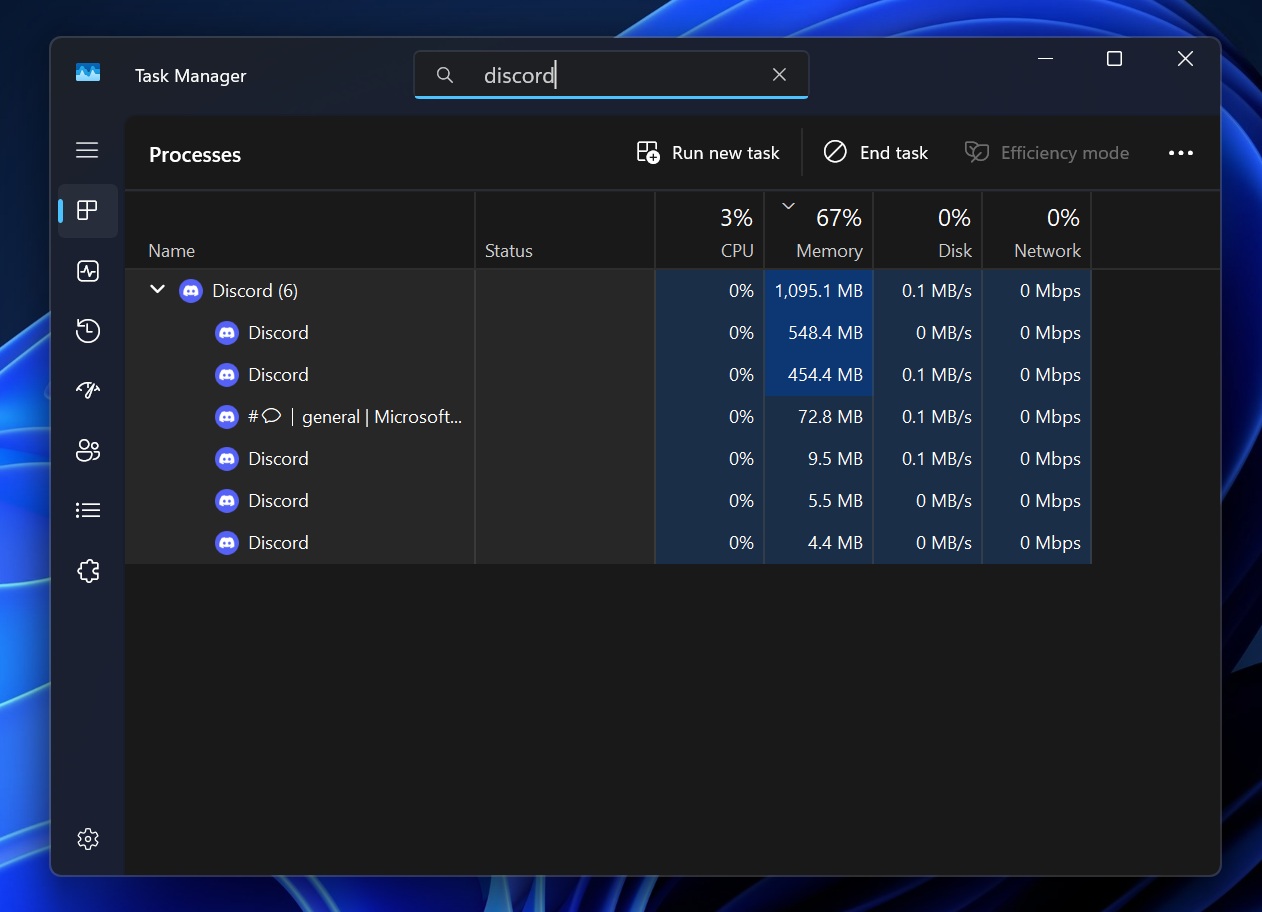
“Yes, we’re testing a restart when memory exceeds 4GB (normal usage is <1GB),” a Discord employee wrote in a forum post spotted by Windows Latest. Following outrage, Discord also explained that it restarts the Windows 11 app only when you’re away from the keyboard or mouse input for 30 minutes or not in an active call.
Discord does not have any plans to replace Electron with native code. In fact, it says it has managed to reduce RAM usage for most users, even when the app easily uses 1GB of RAM in the idle state.
“Some users are seeing numbers that are at least lower than before. Overall, we’re seeing a 5% reduction in p95 memory so far, with more work to be done,” the company explained.
[We] Uncovered issues upstream at the platform/OS/driver/hardware level, and we’ve worked closely with partners to provide stand-alone repros and ultimately fixes.”
Microsoft Teams and WhatsApp are also similar in nature and use 1GB+ RAM
Unlike Discord’s Electron, Teams and WhatsApp are based on WebView2, which is slightly better than Electron, as WebView2 (based on Chromium) is built into Windows. Sadly, Teams continues to struggle with high RAM usage, performance issues, or poor user experience.
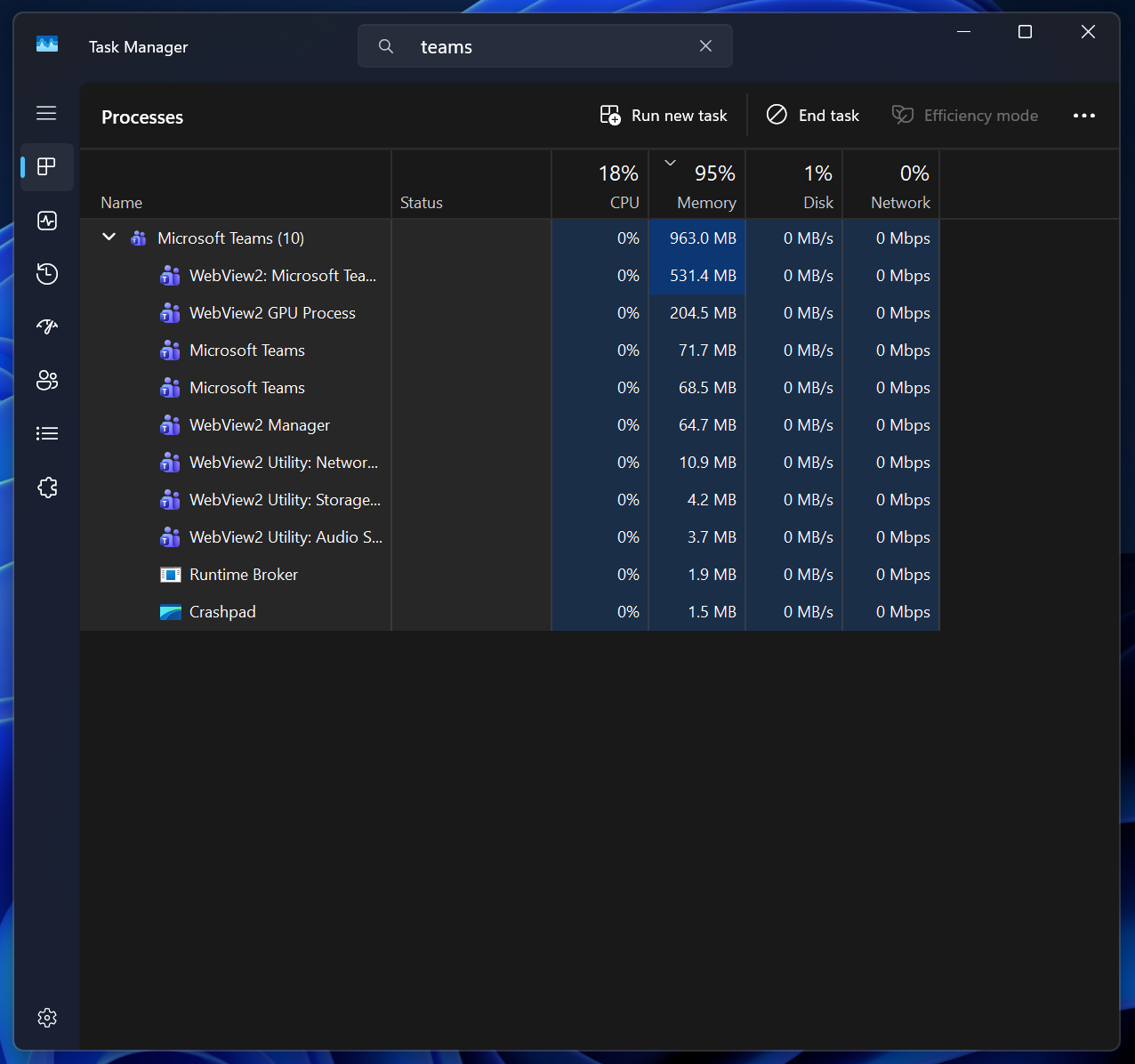
Microsoft recently admitted that Teams has a performance problem, and it’s not trying to address the root cause. Instead, it’s creating a separate process (.exe) for Teams calls, so the poor performance of the main process does not affect Teams calls or vice versa.
WhatsApp is also on a similar trajectory, having recently downgraded its native Windows app to use WebView2. Now, WhatsApp on Windows 11 frequently uses 1GB of RAM.
WhatsApp was originally a web wrapper (Electron), but Meta replaced it with native WinUI/XAML code. After several years of investment in the native Windows framework, Meta backed off and ditched native code for WebView2.
But is the “web” framework problem just limited to apps? No, it;’s a Windows 11 ecosystem problem
Start menu’s Recommended feed already uses React native, but there’s more to come.
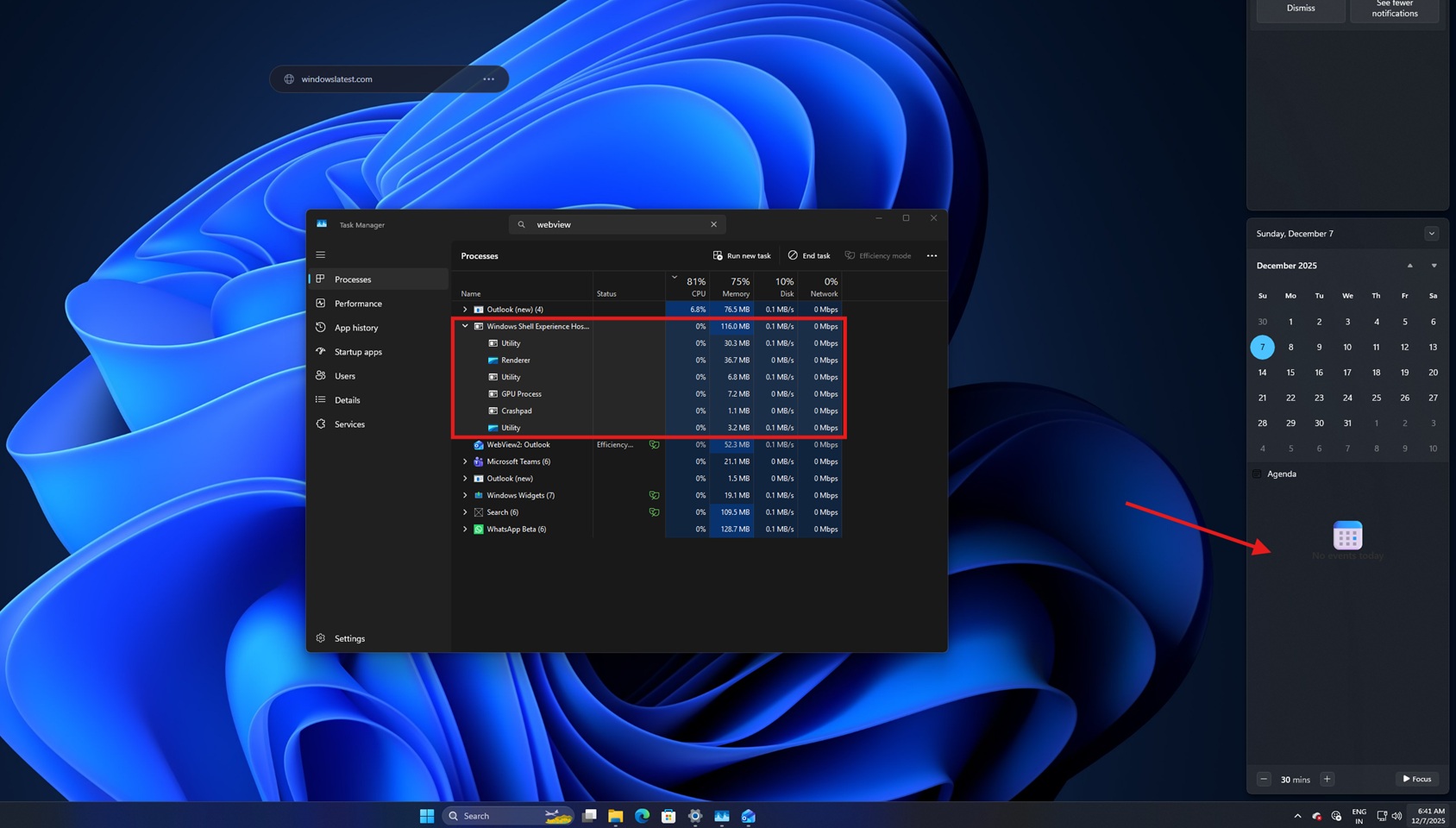
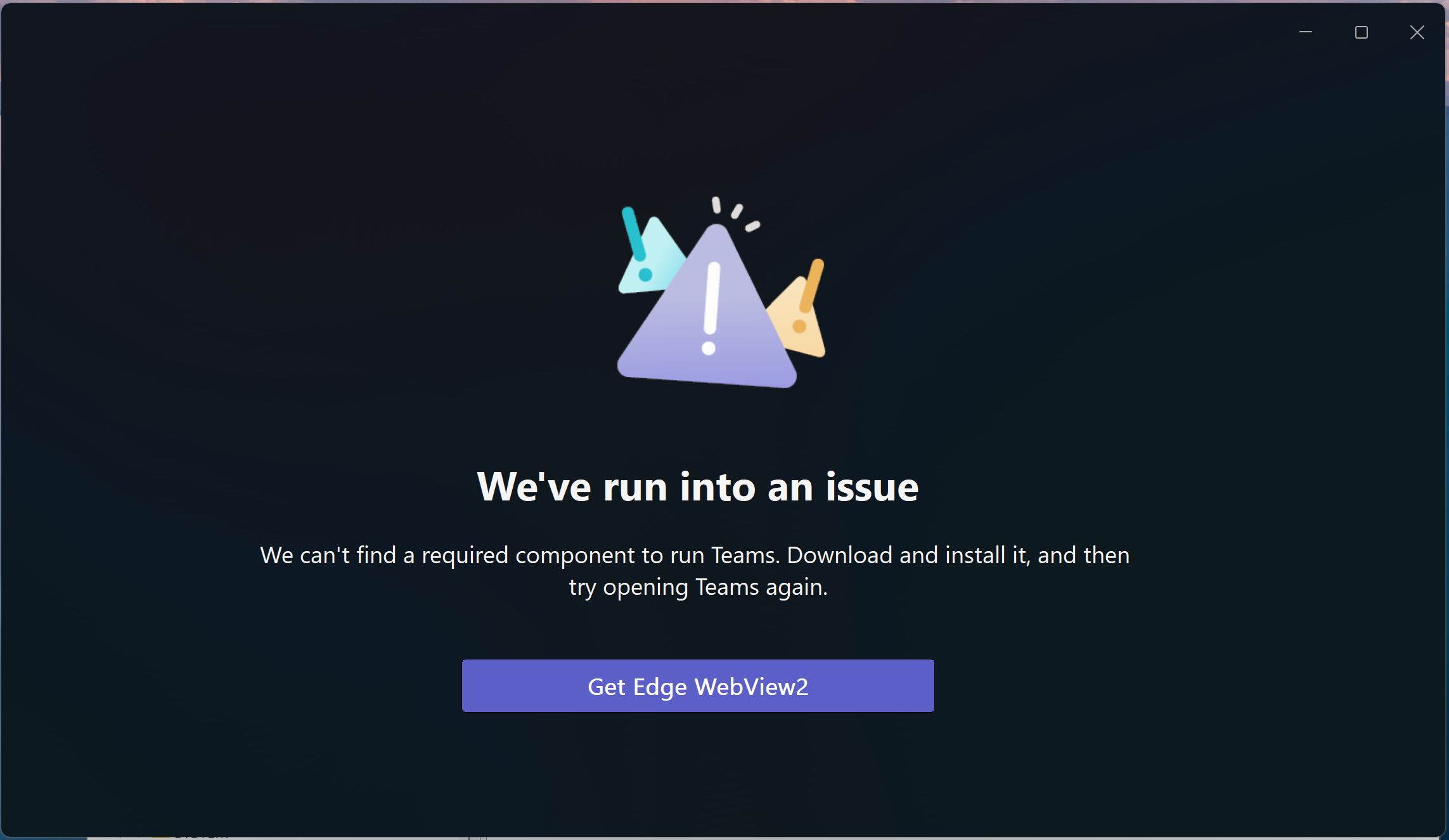
On Windows 11, Microsoft is now adding a WebView2-based Agenda view to the Notifications Center. The same feature shipped on Windows 10 as native feature. Now, on Windows 11, it’ll use WebView2. If you monitor the Task Manager, you’ll notice that Edge-related processes’ RAM usage shoots up to 100MB from 1MB.
If it’s an indie dev trying to build a cross-platform app and preferring a web framework, it makes sense. But we’re talking about companies like Microsoft ($3.5+ trillion in valuation), which are unable to build a native UI for something as basic as a Calendar Agenda view in Windows 11.
This really needs to stop. What do you think? Let me know in the comments below.