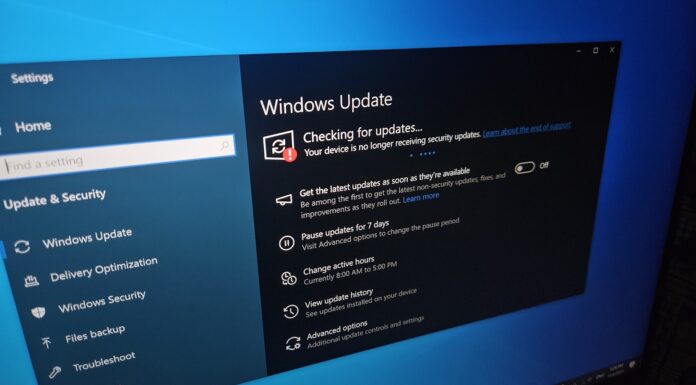









Updating your Windows PCs is about to get a lot easier in future. Microsoft is reportedly working on a new update Mechanism that will allow you to resume the update exactly from where you left off.
Updating a PC twice in a year might be painful to many people especially those who are on a metered connection. If you are one of them who uses a metered connection or occasionally connect to the internet then any sort of upgrade might put in a hassle. If you ever run out power or there is any kind of internet issue, it puts you at a greater disadvantage while updating your you PC.
The update starts all over again right from the start. But these problems will no longer play any role in any sort of update dismissals. The feature will automatically save the downloaded files and as soon as you connect to the internet, the process will exactly start from where it failed. Although it is not entirely a new thing in Windows PC. “Windows 10 Upgrade Assistant” is a tool that has this feature from the very beginning. Now the company is integrating this feature into Windows 10.
Although Microsoft previously tried to minimize the update hassle by introducing UUP (Unified Update System) which reduces the update size quite significantly but still the company always faces criticism regarding their upgrade mechanism. Microsoft has finally taken a step further in order to make updates more manageable. It will address all the obvious anomalies that many of us faces sometimes.
Microsoft did not mention any time frame for the feature but it is something that the company is is currently working on.